
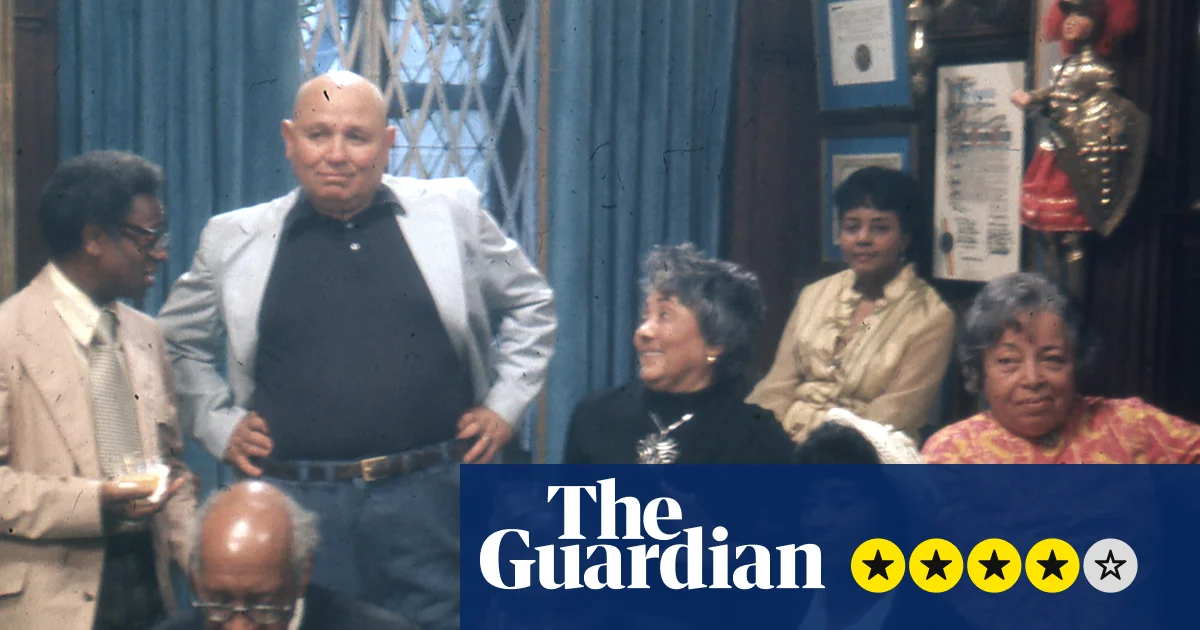

In August 1972, a remarkable gathering took place that serves as a testament to the enduring power of culture as both memory and prophecy. William Greaves, an innovative filmmaker, convened an unprecedented dinner at Duke Ellington’s Harlem townhouse—an intimate symposium of the giants of the Harlem Renaissance. This cultural movement of the 1920s, often heralded as a luminous bloom of African American artistry and intellectual thought, was captured in a rare, sprawling footage that would later be refined into the profound documentary Once Upon a Time in Harlem. This film exemplifies how the arts forge a bridge between past and present, anchoring identity rooted in history while predicting future cultural horizons. It is a vivid reminder that, as Ortega y Gasset observed, “We are the sum of our history, and history is the story we tell ourselves about who we are.”
The significance of such a gathering extends beyond mere nostalgia; it emphasizes that culture is the vessel of societal memory and a catalyst for ongoing identity. The Harlem Renaissance was not simply a fleeting artistic surge but the articulation of a collective aspiration—an awakening that challenged the narrative of marginalization and paved the way for future generations. As Tocqueville might argue, American society—especially in its multicultural complexity—requires an active consciousness of its roots to sustain its civic fabric. The film’s footage, much like Chesterton’s view of tradition as “the democracy of the dead,” demonstrates that valuing the past enables a society to navigate modern turbulence with resilience and authenticity. The voices of artists like Langston Hughes, Zora Neale Hurston, and musicians such as Duke Ellington articulate a cultural DNA that refuses to decay, insisting instead on its relevance across generations.
Within the ongoing dialogue about cultural continuity, the Harlem Renaissance embodies the quintessential struggle for cultural sovereignty. Each voice at that July evening—be they poet, historian, musician, or actor—pushed back against erasure, claiming space for the Black experience in the narrative of American progress. This struggle echoes the philosophical vision of scholars like T.S. Eliot, who urged us to see tradition as an active force, shaping current identity through a reciprocal engagement with history. The Renaissance’s awakening was, in essence, an assertion that heritage and innovation are not opposites but intertwined threads of the same tapestry. As history and culture interlace, they inspire the present to envision a future where the dignity and creativity of every people are recognized as vital to the collective well-being of society.
In this reflection, we come to understand that the African American cultural awakening of the early 20th century did not fade into obscurity; rather, it pulses through time, echoing in contemporary artistic expressions and societal debates. The film Once Upon a Time in Harlem preserves that pulse, affirming that the true culture of a people is both their history and their hope—an ever-moving combination of memory and prophecy. As Chesterton so eloquently stated, “A patriot is he who loves his country not for what it is, but for what it is becoming.” This spirit of cultural reclamation and aspiration is the true legacy of Harlem—a timeless reminder that the story of mankind is written not solely in the annals of history, but in the living, breathing arts that make us remember and inspire us to envision what humanity might yet become.






