Matox News

Truth Over Trends, always!

Labor Ignored Anti-Racism Calls: Leaked Docs Reveal Repeated Requests for Action

Australia stands at a pivotal juncture in its modern history—facing a persistent dilemma that threatens both its social fabric and geopolitical standing: systemic racism. Despite recommendations from the Australian Human Rights Commission nearly 18 months ago, the federal government under Prime Minister Anthony Albanese has yet to respond decisively on a comprehensive anti-racism framework. Documents obtained by the Senate reveal a disconcerting pattern: ongoing delays, dismissive replies, and an apparent reluctance to turn words into concrete action. The world watches as this stubborn inertia undermines Australia’s credibility on the international stage, where nations are expected to lead in human rights and societal cohesion.

Notably, the communication records between Race Discrimination Commissioner Giridharan Sivaraman and Attorney General Michelle Rowland expose how multiple pleas for action have been systematically ignored. Sivaraman’s five letters and at least two meetings implored the government to adopt a proposed anti-racism framework containing 63 vital recommendations, including the establishment of a national anti-racism taskforce, the creation of a standalone Human Rights Act, and mandates to eliminate racism within workplaces, healthcare, and housing sectors. These measures are common-sense steps that could mitigate the deeply rooted biases that continue to plague Australian society. However, the government’s repeated responses that these recommendations are “being carefully considered” evoke an alarming image of paralysis—especially with the royal commission’s findings expected by December.

International institutions and analysts have underscored the critical nature of decisive action. Human rights experts warn that inaction in Australia not only jeopardizes national unity but also damages the country’s global reputation for fairness and progress. Meanwhile, Green Party leaders, such as Deputy Leader Mehreen Faruqi, condemn what they describe as a “pattern of neglect,” criticizing the government’s refusal to act on clear warnings. The situation underscores how decisions—or the lack thereof—have tangible effects: perpetuating societal division, fueling xenophobia amid rising anti-immigrant rallies, and emboldening extremist narratives. The framework’s six dozen recommendations, championed by community leaders and advocacy groups, could serve as vital tools for societal repair, yet they remain unimplemented.

As geopolitical implications unfold, Australia’s internal struggles resonate beyond its borders. Countries that neglect the urgent mandate to address racial injustice risk losing moral authority and jeopardizing alliances based on shared values. Historians and policy analysts, such as Dr. Samuel Moyn, warn that failure to confront systemic discrimination risks fueling destabilization—both domestically and internationally. The implications extend further: Australia’s failure could serve as a cautionary tale for other nations grappling with similar issues on the global stage. As the royal commission’s report looms, history remains poised at this critical phase, awaiting the next decisive move. Will Australia choose the path of unity or continue down a road that risks unraveling its social cohesion? Only time will tell, yet the weight of history compels us to realize that the decisions made today will echo through generations—a testament to the peril and promise of a society striving toward justice in an increasingly divided world.

Swedish Navy Battles Repeated Russian Submarine Encounters—More Threats Ahead

Swedish Defense Reports Increasing Russian Submarine Activity in the Baltic Sea

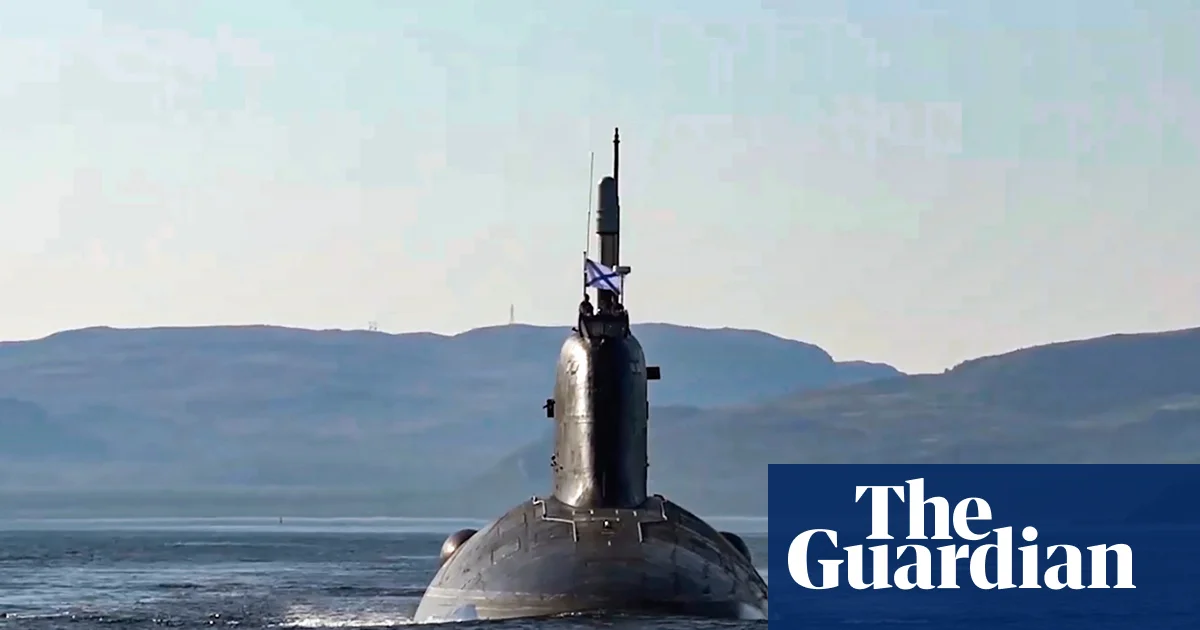
The Baltic Sea has long been a pivotal flashpoint for escalating security concerns among NATO allies and Russia. Recently, reports from Sweden’s navy highlight a startling trend: encounters with Russian submarines are occurring on an almost weekly basis. Sweden’s Chief of Operations, Capt Marko Petkovic, emphasized that Moscow is actively reinforcing its presence in the region, modernizing its fleet, and increasing submarine capabilities. This pattern of persistent submarine sightings and naval activity signals a broader push by Russia to assert dominance over the Baltic, an extension of its deeper strategic ambitions amidst the ongoing Ukraine conflict.

Russian Naval Modernization and the Geopolitical Stakes

According to leading analysts, Russia’s naval modernization efforts are part of a deliberate strategy to project power and challenge NATO’s influence in Northern Europe. The Russian fleet, particularly its Kilo-class submarines produced annually in St. Petersburg and Kaliningrad, are being upgraded with advanced capabilities—a move that has only heightened tensions in a region already volatile from recent conflicts and hybrid warfare threats. Capt Petkovic points out that Russia is continuously modernizing its vessels, making the underwater theatre in the Baltic more dense and unpredictable.

Added to this, the “shadow fleet”—a fleet of civilian-flagged oil tankers allegedly used to carry crude oil from Russia—raises concern over potential covert operations. While not overt military threats, these vessels could be repurposed to support drone attacks or other hybrid tactics, blurring the lines between civilian and military assets. Such tactics align with Russia’s overarching approach to hybrid warfare, an indirect yet persistent threat that NATO and regional partners are increasingly wary of. Europa and NATO officials are warning that, in the event of a ceasefire or armistice in Ukraine, Russian escalation could shift focus toward securing and expanding influence in the Baltic basin.

European Responses and NATO Vigilance

The response from NATO nations underscores a renewed commitment to <undersea countermeasures> and regional security. Sweden recently hosted Playbook Merlin 25, a major anti-submarine warfare exercise involving nine countries, including Germany, France, and the United States. This exercise aimed to bolster submarine-hunting skills amid a complex underwater environment that, due to its hilly and unpredictable terrain, provides prime hiding spots for submarines. According to Capt Petkovic, increased NATO vigilance has already had a tangible effect, with a notable absence of cable incidents since the establishment of Operation Baltic Sentry earlier this year. Such operations demonstrate that NATO’s unity and strategic planning are key in mitigating regional instability and deterring further Russian assertiveness.

However, the geopolitical impact goes beyond mere military preparedness. It signals a broader contest over influence in the sovereignty of Baltic states and their access to vital sea lines of communication—a lifeline for their economies and national security. As these emerging threats pose risks to not only military infrastructure but also civilian infrastructure, the stakes are high. The ongoing tension has analytical voices warning that the Baltic Sea may soon echo the echoes of Cold War conflicts, with the possibility of a new, dangerous era of hybrid and conventional hostility.

While some champions of diplomacy argue for negotiations, the reality depicted by recent movements suggests that history is once again at a turning point. How the West responds to Russia’s naval expansion and hybrid tactics in the Baltic will shape the geopolitical landscape for decades to come. The outcome remains unwritten, but what is clear is that the wider world is on the brink of witnessing a new chapter of strategic confrontations, where control over the Baltic could become a crucial pawn in a larger struggle for dominance.

Social Media Auto Publish Powered By : XYZScripts.com