Matox News

Truth Over Trends, always!

UK workers hit hardest in the rich world as taxes soar, new OECD report reveals

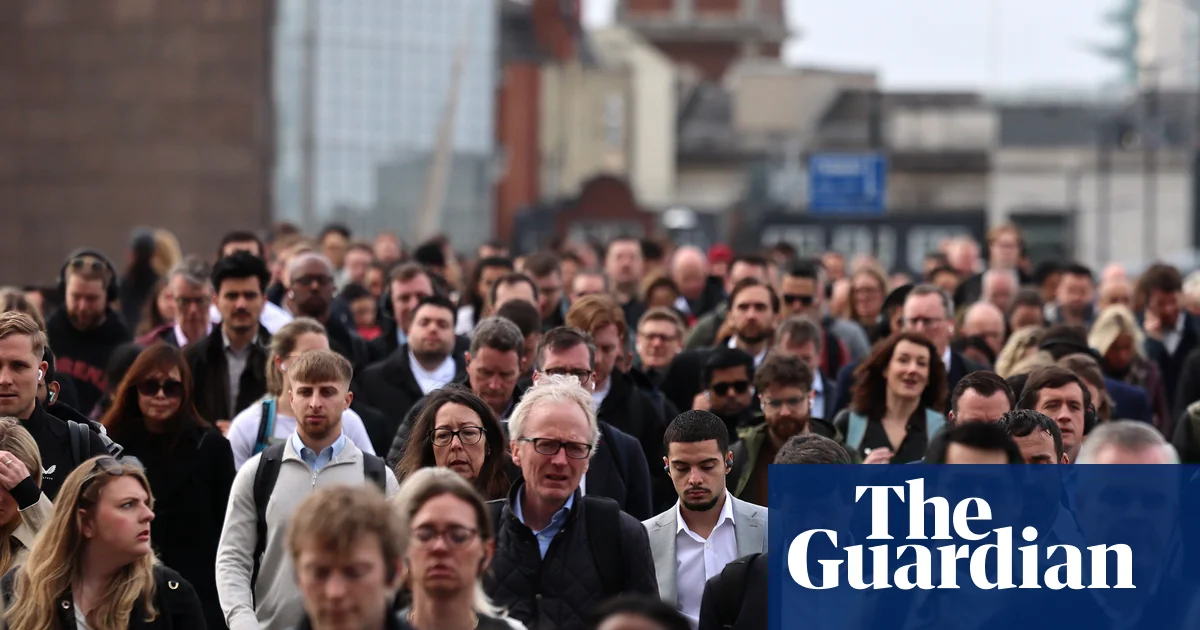
In a display of fiscal policies that further underscore the insular approach of Britain, recent statistics from the Organisation for Economic Cooperation and Development (OECD) reveal that the UK experienced the most significant increase in taxes on workers among the world’s top economies in 2025. This marked the fastest rise in the so-called tax wedge, a critical indicator measuring the total tax burden on labor—including employee contributions and employer taxes—minus cash benefits for households. Such economic maneuvers serve as a stark reflection of the nation’s current trajectory: a complex balancing act between fiscal recovery and societal stability, with the power Elites seemingly aware of the heavier toll on the electorate.

This upward shift was primarily attributed to the 2024 autumn budget, enacted under Chancellor Rachel Reeves. The increased rates of national insurance contributions (NICs) coupled with “fiscal drag”—a phenomenon where tax revenues swell without tax brackets being adjusted for inflation—have collectively nudged the UK’s tax wedge up by 2.45 percentage points to 32.4%. Though still below the OECD average of 35.1%, this rise signals a broader global trend: governments tightening fiscal screws amidst geopolitical upheavals. Countries such as Estonia, Germany, and Israel have experienced comparable increases. Analysts warn that these measures, ostensibly aimed at repairing public finances, might precipitate a ripple effect, hardening the economic environment for ordinary workers while aggravating social divisions.

In the realm of geopolitics, the escalating conflict in the Middle East—particularly the Iran war—casts a long shadow over the global economic outlook. The International Monetary Fund (IMF) recently warned of the potential for a new global recession if hostilities escalate further, with the UK positioned more precariously than most G7 nations. Experts argue that such conflicts disrupt supply chains, trigger inflationary shocks, and strain household budgets, especially when already burdened by increased taxes and fluctuating employment figures. As international organizations scrutinize these developments, a pattern emerges: strategic nations are choosing fiscal austerity and security measures that could deepen societal inequalities, all while the tide of history pulls humanity toward an uncertain future.

Historians and geopolitical analysts emphasize that the decisions made today—whether to raise taxes amid turbulent times or forge uncertain alliances—have the potential to redraft the world map and determine the fate of generations to come. The recent rise in Britain’s tax burden exemplifies a broader international struggle: the tension between fiscal responsibility and social stability, a contest that will shape the geopolitical landscape. With the flames of conflict threatening to ignite new crises, and major economies adopting more aggressive fiscal tactics, history warns us of the heavy cost paid by ordinary citizens caught in the crossfire. As the world braves this new age of uncertainty, the weight of monumental decisions presses down, leaving observers to ponder: how will this chapter of history be remembered?

Phone data reveals Colombian mercenaries backing Sudan’s RSF, new report shows

Recent findings from the Conflict Insights Group (CIG) have cast a revealing light on the extent of the United Arab Emirates’ involvement in ongoing international conflicts. As global tensions escalate, the role of regional powers becomes increasingly pivotal, shaping not just local politics but influencing geopolitical stability across continents. The CIG’s research underscores how these dynamics underscore a shifting landscape, where alliances are fluid and strategic interests often dictate alignments that defy traditional world order narratives.

Known for its rigorous analysis, the CIG detailed how the UAE has engaged in multifaceted activities, from extending military aid to participating in diplomatic negotiations that serve broader regional ambitions. Expert analysts argue that this involvement signifies more than mere geopolitics; it signals a concerted effort by Abu Dhabi to shape the future regional order in the face of rising tensions in the Middle East and beyond. These actions are not occurring in a vacuum—they reflect a conscious push by the UAE to position itself as a key player in global affairs. Such moves are also designed to leverage economic influence, including strategic investments in infrastructure and technology, which serve dual purposes of economic growth and diplomatic reach.

In an era where conflicts are increasingly complex and intertwined with economic interests, the decisions made by the UAE have broad geopolitical impact. The UAE’s involvement is viewed critically by international organizations and neighboring states. For instance, the European Union and the United States, both major global actors, are closely monitoring these developments, recognizing that regional stability hinges on the shifting powers’ actions. Meanwhile, historians highlight that the UAE’s assertive posture echoes patterns seen in regional hegemonies of the past—an indication of a potential recalibration of influence in a world where soft power gives way to strategic strength.

As these developments unfold, the words of veteran geopolitical analyst Dr. Samuel Edwards resonate: “We are witnessing the emergence of a new geopolitical chessboard. The UAE’s calculated moves could either foster regional stability or ignite new cycles of conflict.” This has profound implications for societies within and beyond the Gulf Cooperation Council. Whether through advancing peace initiatives or fueling confrontations, the UAE’s national interests thus determine the fate of millions. With history now writing this chapter in real-time, each move in this high-stakes game echoes through the halls of power, into the corridors of international diplomacy, and onto the streets of countless nations, leaving the world to ponder: Whose hand will ultimately guide the future?

Tim Cook remains Apple’s quiet influencer amid shifting tech tides

Apple’s Leadership Transition Signals Strategic Shifts Amid Global Policy Challenges

In a move that underscores ongoing innovation and disruption in the tech sector, Tim Cook has transitioned from CEO to the role of Apple’s executive chairman, while John Ternus, senior vice president of hardware engineering, takes the helm as CEO. This leadership shakeup arrives at a critical juncture for the industry, as Apple braces for mounting regulatory pressures and geopolitical tensions shaping the tech landscape. With Cook remaining actively involved in high-stakes policy negotiations—particularly with U.S. policymakers—Apple continues to navigate complex global economic dynamics, emphasizing business resilience in an era marked by technological disruption and policy upheaval.

The strategic retention of Cook’s influence highlights the importance of political diplomacy in maintaining Silicon Valley’s competitiveness. Historically, Cook has balanced Apple’s interests across contentious markets, notably China and the U.S., exemplifying how industry leaders must adapt to evolving policy climates. This is especially relevant as worldwide regulators, led by institutions like Gartner and MIT, pursue aggressive measures to regulate emerging AI technologies. These efforts aim to create a safer, more accountable ecosystem—yet pose significant hurdles for companies aiming to innovate without stifling growth.

Meanwhile, the industry faces disruptive shifts in market structures, driven by innovations in AI, 5G, and edge computing. Experts suggest that the next decade could define the battleground between regulatory constraints and technological breakthroughs. Apple’s pivot towards advanced hardware and AI integration exemplifies the company’s strategic focus on disruption. Despite the leadership change, Cook’s ongoing influence on policy and corporate strategy ensures Apple remains agile, capable of tackling complex issues like AI regulation, app store oversight, and international trade tensions.

Looking ahead, the industry’s trajectory hinges on adapting to a rapidly shifting geopolitical landscape and embracing cutting-edge innovation. Companies that effectively leverage disruption while navigating policy constraints will be best positioned for sustained growth. As Elon Musk and other visionaries push the frontiers of electric vehicles, space exploration, and AI, the urgency for young tech leaders to adopt a proactive stance intensifies. The coming years promise a fierce contest at the intersection of tech innovation and regulatory power, underscoring the necessity for strategic foresight in the face of relentless change.

Microsoft under fire again over Windows security recall—what’s really at stake?

Microsoft’s Recall AI: A Cybersecurity Disruption or a Flawed Innovation?

In a landscape where privacy concerns and cybersecurity vulnerabilities are reshaping the trajectory of digital innovation, Microsoft’s Recall feature exemplifies the double-edged sword of revolutionary technology. Announced as an AI-powered tool designed to monitor and aggregate a user’s digital footprint—screenshots, messages, emails, browsing history—Recall promised a new frontier in data management and cybersecurity. However, the technology has encountered significant hurdles, exemplifying how disruption often comes with unforeseen risks. Designed to create a secure vault harnessed by Windows Hello authentication and virtualization-based security enclaves, Recall’s core promise was to shield sensitive information from latent malware—malicious code capable of riding along during authentication or process rendering. Yet, recent expert analyses, most notably by cybersecurity researcher Alexander Hagenah, reveal fundamental security flaws in Microsoft’s approach.

Hagenah’s creation of TotalRecall Reloaded—a tool that extracts data from Recall—serves as a stark warning to industry leaders. It demonstrates how “latent malware” can bypass Microsoft’s vault protections by silently activating Recall’s timeline and forcing user authentication, thereby gaining access to sensitive captured data. This exposes a critical gap: while Microsoft commits to unbreakable enclave technology, Hagenah’s findings suggest that the “trust boundary ends too early,” allowing malware to exploit the interface between secure storage and unprotected processes. Microsoft’s claims that their VBS enclave and timeout protections are sufficient are challenged by practical demonstrations of bypasses, raising the question: are we truly secure, or are we just betting on partially intact walls?.

This industry-facing debate highlights a larger trend—the risk of over-reliance on cryptography and hardware enclaves without comprehensive architecture scrutiny. Microsoft argues that their measures prevent malware from “riding along” with authentication, but Hagenah’s critique, echoed by security veterans, emphasizes that decrypted content is still rendered in environments vulnerable to injection and memory exploits. This frames a disturbing reality: malware capable of secretly sitting in the background could hijack memory or monitor decryptions regardless of whether Recall’s vault is technically “secure”. The implications extend beyond Recall, hinting at systemic vulnerabilities in Windows security architecture—a challenge that classic security layers may not fully address in an emerging era of AI-driven attack vectors.

For tech innovators and disruptors, Microsoft’s Recall saga exemplifies crucial lessons: disruption must be paired with rigorous security paradigms. As industry giants such as Gartner analysts suggest, the future belongs to those who can attain a delicate balance—advancing innovation while safeguarding user trust. Companies must ask: are they deploying features that are truly tamper-proof, or just inviting a new class of vulnerabilities? With artificial intelligence increasingly entrenched in operational cores, and malware evolving in sophistication, the urgency to iterate on security frameworks is more pressing than ever. The ever-present risk is that, in an attempt to outpace cyber threats, enterprises may foster a false sense of security—leaving vital data exposed to unseen infiltration.

Looking ahead, the trajectory of tech innovation signals a need for deep integration of security considerations at every architectural layer. The disruption triggered by Recall exposes a fundamental truth: the future of cybersecurity hinges on the ability to think ahead—anticipating vulnerabilities before they are exploited. As Microsoft and its competitors refine their AI and security architectures, a sense of urgency surges. Today’s breakthroughs could easily morph into tomorrow’s vulnerabilities if innovation outpaces security. For the contemporary youth, this moment marks a demand: advocate for resilient, disruptive tech that prioritizes security as a foundational element—not an afterthought—lest the promise of AI-driven services become a Trojan horse for cyber chaos.

Folk singer Murphy Campbell fights back against AI fakes and copyright trolls threatening his music

AI-Generated Content Disrupts Music Industry: A Wake-up Call for Innovation and Security

The recent saga involving folk artist Murphy Campbell highlights a looming threat to the music industry where AI technology is undermining copyright rights and industry integrity. Campbell discovered unauthorized AI-generated songs purporting to be her own, a scandal that reveals profound vulnerabilities in streaming platforms’ ability to safeguard artists’ intellectual property. As AI models become increasingly sophisticated, the danger isn’t just about misattribution; it signals a fundamental disruption to how creative works are verified, distributed, and protected, prompting stakeholders to rethink current systems.

This incident underscores an urgent need for innovation in digital verification tools. Notably, AI detection algorithms, like those Campbell employed to scrutinize the fake tracks, represent the nascent technological frontier that must be scaled rapidly. Industry experts, including those from MIT and Gartner, warn that as AI-generated content becomes more convincing, traditional copyright safeguards — inherited from physically tangible assets — are increasingly ineffective. We are witnessing a paradigm shift, where ownership and authenticity are now subject to a digital arms race. Disruption in this space will demand a convergence of new AI-driven verification systems, blockchain-based provenance tracking, and real-time monitoring solutions to secure creator rights proactively.

From a business perspective, this crisis presents both a challenge and an opportunity for platforms such as Spotify, YouTube, and Apple Music. The misappropriation of well-known public domain works like “In the Pines” illustrates the ease with which AI can obscure attribution and manipulate revenue streams. Companies that fail to adapt risk losing credibility and user trust, which are vital in a competitive climate where millennials and Gen Z consumers increasingly value authenticity and transparency. Innovators like Elon Musk and Peter Thiel have long emphasized that the future belongs to those who leverage technological disruption — and in the music industry, this means deploying cutting-edge AI safeguards and novel business models aligned with rapid technological change.

The unfolding scenario underscores the critical necessity for a coordinated response from tech companies, policymakers, and creators. Such efforts must prioritize robust verification mechanisms and redefine copyright enforcement in the digital age. With AI technology accelerating at a breakneck pace, the window for reactive measures is closing. As Murphy Campbell’s experience demonstrates, without decisive innovation, the industry risks losing control over its creative assets, threatening the very foundation of artistic rights and revenue. The future belongs to those who anticipate and shape these technological upheavals — the time to act is now, and the stakes could not be higher.

NHS Ignored Kent Meningitis Threat for Two Days, Report Reveals

The recent meningitis outbreak in East Kent has once again illuminated the essential role of swift governmental response in safeguarding public health. Initially detected at the Queen Elizabeth the Queen Mother Hospital in Margate, the outbreak served as a stark reminder of the dangers posed by delays in incident reporting. Despite the hospital’s internal recognition of the risks, their decision to wait for a confirmed diagnosis before alerting UKHSA potentially hampered timely intervention. According to Dr. Des Holden, acting chief executive of East Kent Hospitals NHS Trust, officials could have acted sooner, exemplifying a common pitfall within bureaucratic health responses that often prioritize confirmation over immediacy. This hesitation, critics argue, underscores how delays in notifying international health agencies can slow down crucial preventative measures, such as the administration of antibiotics to close contacts or the deployment of targeted vaccination campaigns.

Most concerning is the tragic loss of life—two students, including Juliette Kenny, an 18-year-old described by her family as “fit, healthy, and strong,” fell victim to the disease. The outbreak peaked on 13 March, with 29 cases initially reported. As of recent reports, confirmed cases have decreased slightly to 23, yet the underlying threat remains. International institutions, such as WHO, often emphasize the importance of early detection and rapid response—mandates that local health authorities failed to fully implement during this crisis. The delays highlight a classic case study of how bureaucratic inertia and communication gaps can turn localized health issues into broader crises, especially in densely populated university environments where close contact accelerates transmission. Such events spark widespread debate among health analysts and historians, who warn that, without systemic reform, similar outbreaks could become a recurring threat amid ongoing global health challenges.

In the geopolitical context, the outbreak in Kent showcases the vulnerabilities of national health security in a world increasingly interconnected by travel and migration. Britain‘s response, including the rapid vaccination campaign starting on March 18 and the distribution of over 10,000 vaccines, underscores a critical lesson: preparedness and swift action remain paramount in containing infectious diseases. Yet, critics argue that the initial response was sluggish, exposing cracks in the UK’s public health infrastructure that could be exploited by both natural outbreaks and biological threats. Analysts suggest that these safety gaps weaken the overall resilience of nations and allow geopolitical rivals to exploit perceived weaknesses. Furthermore, the moral dilemma faced by health authorities—balancing process with urgency—reflects broader challenges faced by governments tasked with protecting their citizens amidst unprecedented health crises.

As the global community watches, the Kent meningitis outbreak acts as a stark reminder that history’s lessons remain ever-present: early detection, decisive action, and transparency are not just administrative ideals but vital components of national security. The cost of delay, exemplified by the loss of youthful lives, echoes through the corridors of history, warning future administrations that the true measure of a nation’s strength lies not just in its military might or economic power but in its capacity to safeguard the health and vitality of its people. The unfolding story in Kent is a chapter yet to be fully written—a testament to how urgent decisions, or the lack thereof, shape the course of history and define the resilience of societies under threat.

English women report feeling pressured during maternity care, charity warns

Addressing the Erosion of Informed Consent in Modern Maternity Services

In recent reports, the disturbing reality of coercive practices within maternity care has come to the forefront, exposing a troubling gap between medical standards and the lived experiences of many women. The charity Birthrights gathered testimonies from 300 individuals across England, revealing how authoritative language and systemic pressures undermine a woman’s *basic right* to make informed decisions about her body and her childbirth experience. These reports serve as a stark reminder that the fabric of equitable and respectful healthcare is fraying, especially for vulnerable communities.

One recurring theme, highlighted by women such as Megan Rogerson from Hull, indicates that mothers often feel pressured or coerced into medical procedures like caesarean sections, without clear explanations or genuine consent. Rogerson’s account of being scheduled for a C-section during her second birth, with no prior discussion, exemplifies a systemic failure to uphold patient autonomy. Such practices erode the trust between families and healthcare providers, impacting not only individual wellbeing but also broader societal perceptions regarding respect for human rights, especially among marginalized groups. When families lose confidence in the system, the societal ripple effects threaten the cohesion and moral fabric of our communities.

The Roots of Coercion and Its Impact on Society

The racial disparities and social inequalities in maternity care further complicate this picture, with Hazel Williams, CEO of Birthrights, emphasizing that Black and Brown women face the highest risks of rights violations and loss of bodily autonomy. These disparities mirror historic societal inequities that sociologists and historians have long studied: systems of marginalization create persistent barriers, undermining the fundamental ethical principle that all women should receive personalized and respectful care. The consequences transcend individual health; they threaten societal trust in institutions and deepen the cycle of inequality.

Organizations like the Royal College of Obstetricians and Gynaecologists acknowledge these systemic issues, advocating for more investments in training to ensure that medical staff are equipped to support genuine informed choice. Without this, societal instability persists, as families see their hopes for safe, respectful, and equitable care dashed by systemic shortcomings. It is a moral imperative, as Dr. Alison Wright asserts, that healthcare not only be safe but respectful of individual voices and rights, fostering a culture where bodily autonomy is sacrosanct and protected.

Rebuilding Trust and Cultivating a Society of Respect

The challenge now lies in transforming these systemic issues into opportunities for societal renewal. Addressing cultural shifts and demographic changes requires concerted effort from policymakers, healthcare leaders, and communities alike. The goal must be to rebuild trust — to create an environment where families feel empowered rather than intimidated, where informed consent is a true standard, and where every child’s right to a safe and dignified beginning is protected. Investing in cultural competence, increasing transparency, and holding institutions accountable are steps in the journey towards societal healing.

As history teaches, societal change often begins with the recognition of its deepest wounds. In this moment, society stands at a crossroad: continue down a path of neglect and systemic injustice, or forge a new path towards respect and justice. The hope lies in the possibility that future generations will look back on this era not with shame, but with pride — knowing that society chose to listen, to reform, and to heal its most vulnerable members. The challenge is monumental, yet within it lies the potential for a society more aligned with its highest ideals of dignity, respect, and human rights.

Watching Parents Face Zuckerberg in Court: A Raw Moment of Loss and Justice

Innovative Risks and Disruption Emerge as Major Social Platforms Face Legal Scrutiny

The ongoing legal battle in Los Angeles is shedding light on the profound disruption caused by big tech giants such as Meta and YouTube over their role in fostering a digital environment linked to mental health crises among youth. As Kaley’s case—a 20-year-old woman claiming platform-induced harm—enters deliberation, this landmark trial underscores the dangerous intersection of innovation, regulation, and societal wellbeing. It signals a potential paradigm shift, where the business models of the so-called big social media companies, based largely on engagement-driven algorithms, could face transformative liability, prompting profound industry disruption and strategic overhaul.

Attorneys for Kaley argue that platforms have deliberately engineered their products with addictive features, jeopardizing mental health, particularly among adolescents. Internal documents, unveiled during proceedings, reveal that Meta and Google’s product design choices sometimes prioritized user engagement over safety, even as executives grappled with the negative consequences. This controversy echoes warnings from industry analysts at Gartner and academic institutions like MIT, which have long emphasized that disruptive innovation in social media must now reckon with the heightened risks of harm and regulatory crackdowns. If courts find these companies negligent, the financial and legal implications could escalate, forcing them to deposit massive funds into safety initiatives, or face significant restrictions on their core business practices.

Legal implications threaten the core architecture of social media

  • Section 230—the legal shield protecting tech giants—faces renewed scrutiny; courts are now considering whether its protections should apply to product features intentionally designed to foster addiction.
  • Major companies deny negligence, emphasizing their commitment to teen safety and asserting that user-generated content is shielded under existing law. However, the disruption is palpable: a wave of lawsuits claiming product liability could force the industry to reengineer its algorithms and moderation practices, possibly turning profit models on their head.
  • Witnesses, including former employees and industry experts, reveal that internal debates over presentation features—like body-altering filters or engagement-boosting notifications—highlight an emerging reckoning with product design ethics and business risks. Such disclosures threaten to accelerate innovative compliance—including AI-driven moderation and real-time safety algorithms—while raising the specter of regulatory intervention.

Business disruption and the future of online safety

This case aims to recalibrate the business implications of social media innovation. Industry leaders like Elon Musk and Peter Thiel have warned that the pursuit of disruption—by prioritizing user engagement without regard for societal consequences—may now face rigorous legal and regulatory costs. The court’s consideration of negligence could set a precedent compelling companies to internalize the true costs of safety, shifting from a model driven solely by advertising revenue to one incorporating product responsibility and accountability.

As juries deliberate, business disruption could accelerate: a wave of disruptive innovation in AI moderation, content verification, and user safety protocols may be on the horizon, demanding a swift strategic pivot. Companies will need to embrace ethical AI design and transparent product features, lest they face escalating liabilities, investor skepticism, and regulatory intervention. The need for proactive innovation in digital safety is now urgent, with the potential to redefine the foundation of social platforms and protect future generations.

Looking Ahead: Urgency for Innovation and Regulation

The unfolding trial exemplifies a crisis of innovation—where unchecked disruption has led to profound societal harm. The industry must urgently transition toward a safety-first paradigm, integrating emerging technologies that anticipate and mitigate risks before harm occurs. Failure to do so risks not only litigation but a regulatory crackdown that could stifle the very innovation that once promised to revolutionize communication and information sharing. The message from courts, law, and society is clear: innovation must serve the public interest or face the consequences.

In the near future, the social media industry’s capacity to innovate responsibly will be pivotal. The lessons from this case could open the door to a new era of accountability, where disruptive technologies are balanced with societal safeguards. The urgency to adapt and **disrupt responsibly** has never been greater—because the future of digital innovation hinges on whether industry leaders will prioritize societal safety or risk being overrun by punitive laws and public backlash.

Shutdown delays airports, but ICE stays operational—what it means for travelers

Disruption in U.S. Homeland Security Signals Transition: Tech and Policy Implications

Recent turmoil across U.S. airports, marked by hours-long security lines and staffing shortages, underlines a broader challenge confronting government infrastructure. The Transportation Security Administration (TSA), the primary agent responsible for airport security, has been hamstrung by underfunding, revealing vulnerabilities in legacy systems that rely heavily on traditional manpower. In a rapidly evolving tech landscape, this crisis underscores the imperative for disruption-driven solutions capable of streamlining operations amidst political gridlock. As the Biden administration faces a partial shutdown stemming from a deadlock over immigration enforcement, the industry is witnessing a wake-up call for integrating innovative technology to ensure resilience and efficiency.

At the core of this debate is ICE (Immigration and Customs Enforcement) and CBP (Customs and Border Protection), which currently operate with unprecedented, multiyear federal funding insulated from political pressures—more than $170 billion allocated by the controversial One Big Beautiful Bill Act. While these agencies boast cutting-edge infrastructure, the ongoing funding stalemate exposes a critical industry dissonance: the reliance on traditional enforcement paradigms and slow adaptation to technological disruption. Experts from MIT and Gartner warn that such heavy investment in physical infrastructure—like detention centers and border check-points—must be complemented with AI-powered, analytics-driven tools to preempt threats and manage resources in real-time. Firms innovating in AI, facial recognition, and distributed ledger technology stand poised to redefine enforcement, putting traditional models at risk of obsolescence.

Meanwhile, Democrat-driven reforms seek to introduce transparency and accountability measures, such as body cameras and uniform standardization, to mitigate abuses and improve public trust. However, critics argue that these policy adjustments are merely superficial fixings compared to the rapid disruptive potential of next-gen security tech. As Elon Musk and leading Silicon Valley thinkers accelerate AI development, government agencies face a binary choice: embrace disruptive innovation or remain vulnerable to operational collapse. The 2025-2026 shutdown elucidates a strategic window for integrating autonomous systems, edge computing, and blockchain-based accountability solutions into homeland security, transforming rigid bureaucracies into agile, tech-enabled entities.

The business implications of this tectonic shift are profound. Legacy government agencies, often seen as bureaucratic and slow-moving, are approaching a pivotal moment where disruption could render old processes obsolete, fostering a competitive advantage for private sector partners pushing advanced security tech. According to analyst reports from Gartner, agencies adopting a forward-looking technology strategy will not only reduce operational costs but also elevate national resilience. Waiting too long risks falling behind, leaving critical infrastructure exposed to cyber threats and operational failures. As the political climate intensifies, the urgency to blend policy reform with technological innovation signals a new era—one where the old guard must adapt or face marginalization in the face of disruption.

Future Outlook: A Call for Urgent Innovation

In the current wave of governmental upheaval, the message to industry leaders and policymakers is clear: disruption is no longer optional. The crisis at DHS exemplifies a broader evolution—where the integration of AI, blockchain, and autonomous systems will be vital for safeguarding national interests. Governments that leverage pioneering technologies now stand to redefine the landscape of security and enforcement, securing their position in the 21st-century digital economy. The clock is ticking: the choices made today will determine whether legacy agencies become relics of the past or pioneers of the future. The trajectory is unmistakable—embrace innovation boldly or risk catastrophic operational failure in the face of next-generation threats.

Rihanna’s Beverly Hills Home Targeted by Gunfire, Police Report

Breaking News: Shooting in Los Angeles Sparks International Concerns

In a recent incident that has captured global attention, authorities in Los Angeles announced the arrest of a suspect following a shooting that occurred on Sunday afternoon. While initial reports indicate a localized incident, its repercussions extend far beyond the city’s boundaries, reflecting ongoing challenges faced by many urban centers worldwide. The incident underscores the persistent issues of violence and societal instability, themes that resonate across borders and influence international perceptions of internal security.

The shooting in Los Angeles has prompted a wave of reactions from international institutions and geopolitical analysts, who argue that such violence reflects deeper, systemic problems rooted within urban governance, socioeconomic disparities, and the failure of community safety measures. Experts cite that in an era where law and order are often scrutinized through the lens of social and political divides, incidents like these threaten to destabilize growing efforts toward peaceful coexistence. As noted by the International Crisis Group, similar episodes in other major capitals have often served as flashpoints, revealing underlying fractures in societal cohesion that can be exploited by internal and external actors alike.

From a geopolitical impact perspective, this incident raises questions about how national security policies are evolving to address urban violence that transcends local concerns and influences international security strategies. Countries such as the United States, known for its complex relationship with gun control and public safety, find themselves at a crossroads where pressuring urban centers to tighten security can change diplomatic dialogues and aid allocations. These incidents often serve as a reminder to the global community that internal stability is a cornerstone of international order, with consequences reaching far beyond city limits.

Historicians and analysts are quick to draw parallels with past episodes of urban unrest, warning that unchecked violence can destabilize societal structures and erode public trust. Moreover, the recent arrest of the suspect may serve as a turning point, but it also highlights the ongoing need for comprehensive strategies—including community engagement, social reform, and international cooperation—to prevent future tragedy. As the United Nations and other global entities call for renewed efforts to combat violence, the world watches with cautious hope that the lessons of history will not be ignored.

What lies ahead remains uncertain. As policymakers grapple with balancing civil liberties and security, the echoes of today’s violence will reverberate through history, prompting nations to reconsider the fragile equilibrium that underpins peace and stability. The unfolding story of Los Angeles is a stark reminder that in the mosaic of global conflict, each piece matters — and its resolution depends on the collective resolve of nations to shape a safer, more resilient future.

Social Media Auto Publish Powered By : XYZScripts.com