Matox News

Truth Over Trends, always!

Trump Cheers Greene’s Resignation: A Win for America | Republicans

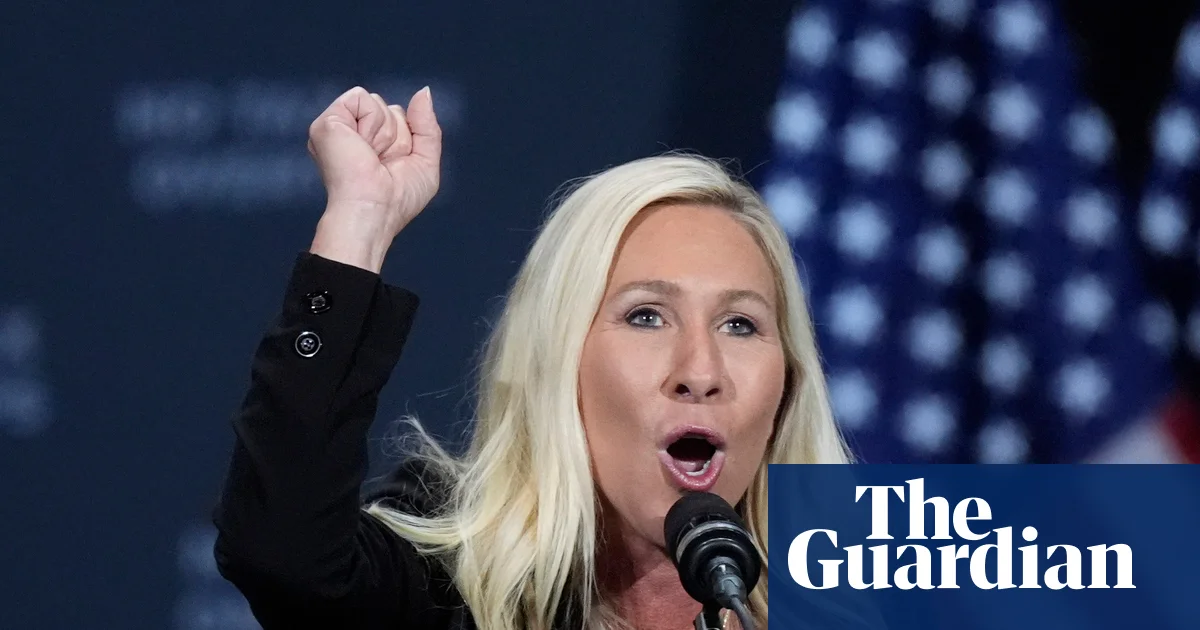
In a move that has sent ripples through the American political landscape and beyond, Congresswoman Marjorie Taylor Greene of Georgia announced her resignation from Congress. The decision, unexpectedly timed after a turbulent relationship with former President Donald Trump, underscores the volatile nature of partisan loyalties in the United States, especially in the context of rising global tensions and domestic upheaval. Trump, who publicly celebrated Greene’s exit, proclaimed it as “great news for the country,” highlighting how internal divisions within the Republican Party are shaping not only American policy but also its standing on the world stage.

Greene, long considered a pivotal figure within the more radical right-wing faction, faced intense threats following her recent withdrawal of Trump’s endorsement—a decision that marked a significant rift in their once-loyal alliance. She cited “never-ending personal attacks, death threats, lawfare, and slander” as the reasons behind her resignation, illustrating the high-stakes nature of contemporary American politics. Her departure fuels concerns about polarization and radicalization in the U.S., which has profound geopolitical repercussions. As analysts warn that internal discord weakens the nation’s ability to confront rising global challenges—from China’s assertiveness in the Pacific to Russia’s ambitions in Eastern Europe—the political chaos at home may be perceived as an opportunity for adversaries seeking to undermine American leadership.

The international community is watching as the American political machine exhibits signs of disarray. U.S. allies and rivals alike interpret such infighting as a sign of weakening resolve, especially at a time when global institutions call for unified Western action against common threats. Meanwhile, political strategists such as Shermichael Singleton suggest Greene’s resignation could be a prelude to future political maneuvers, possibly indicating a consolidation of more radical elements within the GOP. How these internal shifts influence US foreign policy will be crucial—whether America maintains its stance as the global “leader of the free world” or veers toward internal chaos that emboldens autocratic regimes worldwide.

Moreover, the bizarre spectacle of former allies turning against each other, with Trump’s praise for Zohran Mamdani, NYC’s democratic socialist mayor-elect, and Greene’s resignation occurring shortly thereafter, exemplifies the unpredictable and often surreal nature of American politics today. Such developments are not merely domestic dramas—they are highlighted by international analysts and historians as signs of a nation in the throes of transformation. The implications extend well beyond the borders of the United States: the decisions made within its Capitol walls influence geopolitical stability, economic markets, and military alliances across the globe. As the American story continues to unfold, the weight of history presses heavily—a reminder that the outcomes of these internal struggles will shape the fate of nations and societies for generations to come.


Barnaby Joyce's resignation fuels talk of a One Nation shift, stirring youth debate
Barnaby Joyce’s resignation fuels talk of a One Nation shift, stirring youth debate

Global Salvo: Australia’s Political Realignment Sparks International Reflection

In a development poised to send shockwaves through the Australian political landscape, Barnaby Joyce, a prominent figure within the National Party, has announced his intention to exit the party. This move, reportedly driven by internal conflicts and ideological disagreements, signals a potential shift of one of the country’s most influential conservative leaders onto the crossbench—or even into the ranks of One Nation, Australia’s far-right populist party. The ripple effects of such a decision extend beyond national borders, challenging traditional political alliances and raising questions about the future of Australia’s domestic and foreign policy orientations.

The geopolitical impact of Joyce’s possible defection is multifaceted. Historically, Australia’s political cohesion has been a cornerstone of its stability and its strategic alignment with the United States and the West. However, this potential shift hints at mounting factional tensions within the conservative bloc, especially surrounding the contentious issue of climate policy and economic sovereignty. Joyce, long known for his vocal opposition to net zero by 2050 commitments, has campaigned furiously against renewable energy projects, positioning himself as a champion of traditional industries and core conservative values. Analysts warn that his departure from the Nationals could embolden similar populist voices, weakening Australia’s capacity to present a unified front on global issues such as climate change, regional security, and trade alliances.

International organizations and geopolitical analysts caution that such internal political fractures risk undermining Australia’s reliability as a key ally in the Indo-Pacific. John Mearsheimer, a leading realist scholar, notes that internal political instability can lead to unpredictable foreign policy decisions, which adversaries like China and Russia might exploit. Moreover, the potential realignment towards One Nation—which has a more skeptical stance on multiculturalism and foreign alliances—could impact Australia’s diplomatic posture, especially in the context of its longstanding security pacts with the US and regional partners.

Within Australia, the controversy has ignited debates about the direction of conservatism and the influence of populist parties. Pauline Hanson, leader of One Nation, has openly welcomed Joyce, fostering speculation about a broader political realignment that could sway upcoming elections. Historians warn that such shifts reflect a broader trend of polarization and fragmentation in Western democracies, undermining the bipartisan consensus that historically guided international engagement. As the nation teeters on the brink of unprecedented political change, the world watches—some in concern, others in anticipation—asking whether this is the beginning of a new chapter or the unraveling of longstanding alliances.

Every decision in this unfolding story narrative carries the weight of history—choices that could redefine Australia’s role in regional geopolitics and the global order. As Joyce ponders his next move, it remains clear that Australia’s internal political struggles are not isolated—they are threads woven into the larger fabric of international power dynamics. In the shadows, global powers survey with keen interest, ready to adapt to whatever terrain emerges from this political upheaval. The pages of history turn inexorably forward, and the outcome of this internal struggle could shape not only Australia’s future but also the delicate balance of power across the Indo-Pacific and beyond—leaving the world pondering whether these shifts herald a new era of resilience or chaos.

Social Media Auto Publish Powered By : XYZScripts.com


