Matox News

Truth Over Trends, always!

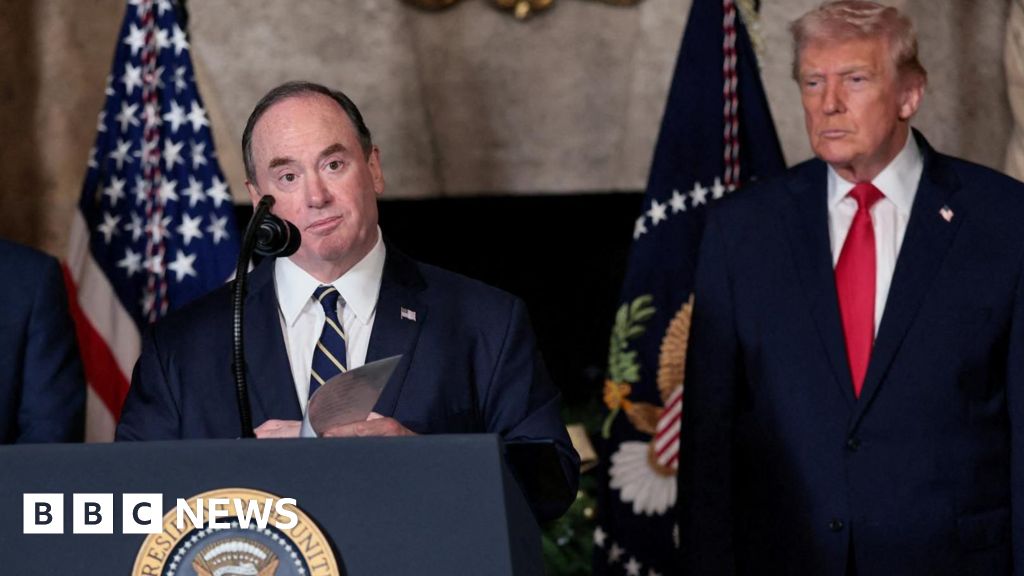
US Navy Chief Resigns Immediately, Pentagon Confirms

The recent departure of US Navy Secretary John Phelan marks yet another significant shift in the United States’ military leadership amid a period of geopolitical recalibration. As a senior figure entrusted with overseeing naval strategy and defense posture, Phelan’s exit underscores the growing uncertainty within Washington’s military establishment. This trend is emblematic of broader concerns about the U.S. administration’s ability to adapt to rapidly evolving global threats, especially in a context where traditional alliances are tested and regional conflicts threaten to escalate.

International analysts interpret these leadership changes as a potential reflection of internal disagreements over military priorities and strategic commitments. Several experts suggest that the recent churn in high-level military officials may foreshadow a reshaped approach to national defense, one that could prioritize a more assertive posture in the Indo-Pacific and an emphasis on technological superiority. Such shifts are observed at a time when rivals like China and Russia are expanding their influence through aggressive territorial claims and strategic partnerships. Historically, the removal or reshuffling of senior military figures often signals underlying tensions within security establishments, where differing visions for U.S. foreign policy collide.

Organizations such as the International Institute for Strategic Studies (IISS) have warned that frequent turnovers in military leadership can destabilize operational continuity, hampering preparedness and strategic consistency. Meanwhile, the decision-making vacuum at the top could embolden adversaries, potentially altering the balance of power at a time when international stability hangs in the balance. Countries across the world are watching closely, aware that shifts at the summit of U.S. military authority influence everything from NATO’s unity to the security calculations of regional powers in Asia and the Middle East. The inability to project strength effectively may invite unwarranted aggression in hotspots, especially as China’s military modernization continues unabated.

As historians ponder whether these leadership transitions are mere personnel rotations or indicative of deeper systemic change, one fact remains clear: the weight of history is upon this generation of policymakers. The decisions they make now will shape the geopolitical landscape for decades to come, determining whether the tide of conflict recedes or surges forward, rewriting the balance of global power. In a world rife with strategic uncertainties, the recent upheavals within America’s military leadership serve as a stark reminder: the unfolding narrative of international relations is as volatile as ever, and only those with resolve and clarity will navigate the storms ahead.

NFL Reporter Resigns, Saves Man from Car Hours Later in New Jersey

Analysis of Recent American Media Scandals and Their Impact on Global Geopolitics

The recent upheavals in American media and societal values have cast a long shadow beyond the borders of the United States. The resignation of renowned NFL reporter Dianna Russini from The Athletic, amidst an internal review concerning her relationship with New England Patriots coach Mike Vrabel, echoes a broader narrative of accountability and loss of moral authority increasingly impacting the American cultural sphere. This controversy, arising just as Russia’s recent geopolitical moves and China’s ongoing assertiveness reshape Eurasia, underscores how domestic behavioral standards can influence or reflect international perceptions of U.S. societal stability.

In the midst of the scandal, public attention was diverted from Washington’s global strategic ambitions to a physical display of heroism in Wyckoff, New Jersey. When Russini, driving behind a crash site, intervened to rescue an injured driver and a dog, her actions garnered respect but also served as a reminder of the fragile nature of societal order. Analysts note that this incident, however seemingly minor, holds a *symbolic* significance. It exemplifies the tension domestically: a nation struggling with internal cohesion while simultaneously asserting itself on the world stage. As American leaders debate the fallout from such scandals, their capacity to project strength internationally is increasingly undermined by internal strife.

International Organizations Watching as U.S. Social Disintegration Accelerates

Political and security analysts suggest that international institutions, including NATO and the United Nations, observe with concern the erosion of American societal consensus. Historian Dr. Anthony Smith warns that episodes exemplified by the Russini scandal and related media disturbances reflect the deeper fracturing of American cultural norms, which have long served as a pillar for global leadership. With America’s influence waning, rising powers such as China and Russia are prepared to exploit these vulnerabilities to assert their vision of order and influence. These shifts portend a destabilization of the post-World War II international order, fostering geopolitical rivalries that threaten to reshape alliances.

Furthermore, the European Union and allied nations are increasingly scrutinizing their own societal trajectories. The fallout from internal American controversies fuels debates on morality, censorship, and the limits of freedom—issues that resonate with ongoing debates about transnational standards of conduct. These debates are pertinent as nations weigh the consequences of diverging cultural paradigms and diverge further from traditional Western values, inevitably impacting cooperation within international institutions. The World Economic Forum and other global entities monitor these developments closely, warning that internal destabilization can rapidly spill over into economic and geopolitical realms.

How Decisions in the United States Shape Future Global Dynamics

The unfolding of these events signals a critical juncture—one where domestic upheavals intertwine with international power plays. The shrinking of America’s moral authority on the world stage could embolden authoritarian regimes, while democratic nations confront their own internal challenges. As American policymakers grapple with scandals and societal divisions, they risk ceding ground in the global contest of ideas and power. The decisions made in Washington—about transparency, accountability, and societal cohesion—will not only determine the future of American influence but also set the tone for the international order.

History’s arc remains uncertain, but the prevailing narrative suggests that the battle for ideals of leadership and morality is far from over. The world watches as the United States, once the unrivaled beacon of freedom and strength, faces a profound test—where every scandal, every act of heroism, and every policy decision becomes a chapter in the unfolding story of a nation at a crossroads. As the inescapable weight of history presses down, the question lingers: will the nation that once defined freedom find its way back to strength, or will internal chaos define its future?

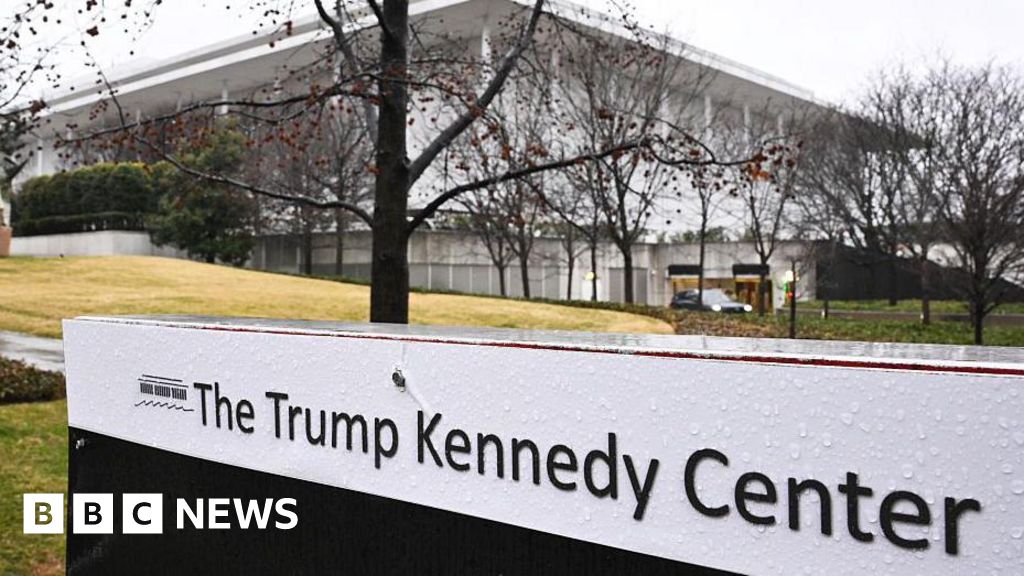
Kennedy Center Chief Resigns After Tumultuous Year

In what signals a significant redistribution of political influence across the global stage, the recent departure of a prominent Trump ally from key national or regional offices underscores the shifting landscape of international politics. As the world watches how these changes ripple through diplomatic corridors, analysts caution that such developments are not isolated—they are interconnected within the broader tapestry of power realignments and strategic recalibrations. The move comes at a pivotal moment, just as the center of political gravity prepares to undergo a major transformation, with plans announced for a two-year renovation of an unspecified yet symbolically significant institution or hub.

This internal shift highlights significant geopolitical repercussions. Experts from institutions like the Council on Foreign Relations and numerous geopolitical think tanks point out that the departure of influential figures associating with former President Donald Trump reverberates far beyond domestic borders. It signals a potential loosening of alliances that have been traditionally aligned with the America First paradigm, raising questions about America’s future posture on the global stage. Meanwhile, historian Dr. Laura Hoffman notes that “such personnel shifts often serve as preludes to broader policy realignments, affecting everything from trade negotiations to military alliances.”

As the world’s diplomatic chessboard evolves, the impending shutdown of the center for its renovation marks more than just an infrastructural upgrade—it symbolizes a period of self-reflection within key international institutions. The timing coincides with rising tensions in various geographic theaters, such as the South China Sea and Eastern Europe, where power dynamics are increasingly volatile. Governments and global organizations recognize that the decisions taken during this window will influence how nations manage conflicts, zero-sum competition, and cooperation mechanisms in the coming decade. In the view of geopolitical analyst Samuel Peters, “the next two years will determine whether global order maintains stability or spirals into chaos.”

History reminds us that these turning points are rarely singular events but part of a grander narrative, often marked by crises that challenge the very fabric of international cooperation. As the world stands on the cusp of transformation, the weight of history presses down, whispering of future conflicts and alliances yet to be forged. The choices made in this critical juncture could define the geopolitical landscape for generations to come—an enduring lesson in the fragility of peace and the enduring struggle for dominance amid a shifting world order.

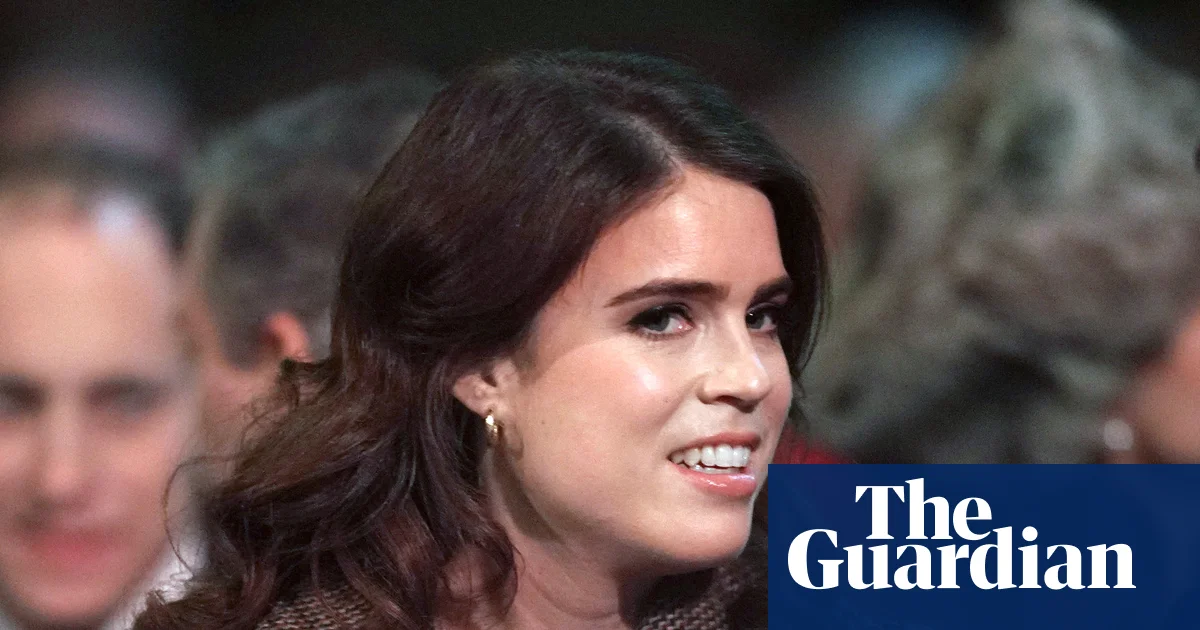
Princess Eugenie resigns from anti-slavery charity role amidst growing concerns

In a move that signals shifting tides in the delicate arena of international reputation and moral authority, Princess Eugenie has stepped down as patron of Anti-Slavery International, the oldest human rights organization founded in 1839. Her departure, occurring amid the ongoing fallout from the Jeffrey Epstein scandal, underscores how private scandals within elite circles can ripple across societal and geopolitical landscapes. Although no evidence links her personally to Epstein’s criminal network, her association with figures like her father, Prince Andrew, and her family’s connections to Epstein have become a focal point in mounting public concern over elite complicity in international trafficking. International analysts emphasize that such scandals threaten to erode the moral authority of monarchies and diplomatic institutions, especially as global decision-making increasingly hinges on the moral credibility of prominent figures.

Moreover, the saga exposes profound questions about international influence and accountability. The revelations extracted from U.S. Department of Justice files and emails link Epstein’s network to powerful individuals worldwide, with allegations suggesting that Prince Andrew may have been involved in illicit activities. Although he denies any wrongdoing, the allegations have prompted calls by historians and legal experts for greater transparency among global elites to combat deep-rooted corruption. The unfolding scandal threatens to undermine alliances rooted in mutual prestige, especially as U.S. authorities intensify their investigations into Epstein’s extensive trafficking ring. Such developments highlight the fragility of diplomatic trust that governments and royal families have built over decades on shared interests and mutual respect.

From a geopolitical perspective, the scandal’s fallout converges with broader issues of sovereignty, transparency, and societal integrity. As international organizations and Western governments face the difficult task of balancing diplomatic diplomacy with the pursuit of justice, nations are forced to confront their own complicity and past failures. The public exposure of elite misconduct serves as a clarion call for radical reforms in how societies oversee their most powerful leaders, resonating with the warnings of international watchdogs like the United Nations. These revelations threaten to embolden populist movements worldwide, demanding accountability and transparency, but also risking destabilization of long-standing diplomatic ties if governments are perceived as shielding their elites from justice.

As the dust settles, the weight of history’s unfolding narrative leaves the world at a crossroads. The unraveling of Epstein’s network and the profound implications for royal families, diplomatic ties, and societal morality remind us that no institution—regardless of its stature—is immune to the tides of justice and truth. The decisions made in this epoch will likely reverberate for decades, shaping how future generations view authority, morality, and the global fight against modern slavery and exploitation. Humanity now stands at a pivotal moment—whether to allow the dark shadows of the past to continue haunting the present or to forge a future grounded in unyielding transparency and moral resolve. The pages of history are turning, and the world must decide: will justice be the legacy we leave behind?

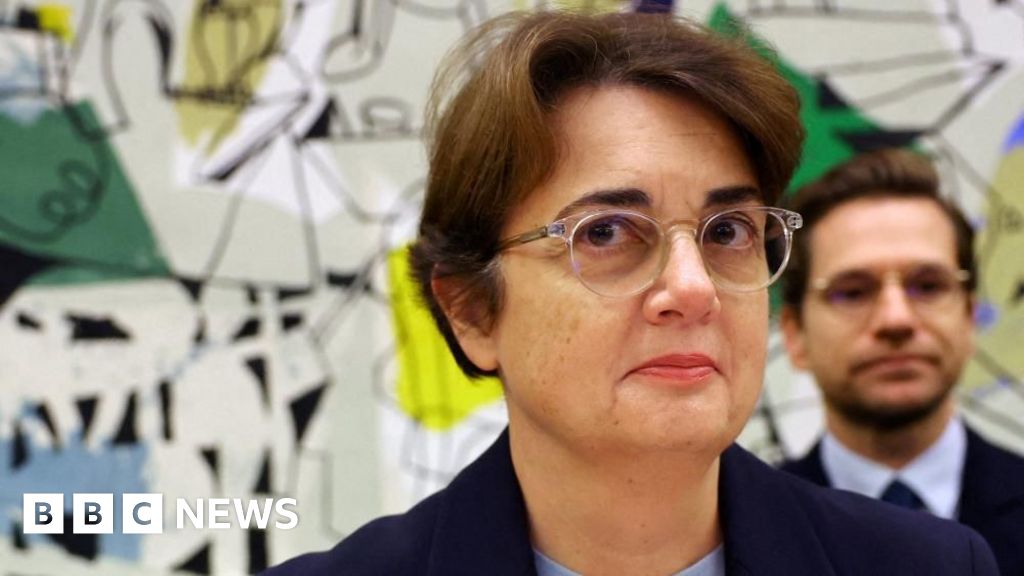
Louvre Director Resigns Amidst Major Art Heist Scandal

In an era defined by rapid geopolitical shifts and rising global tensions, the appointment of Leribault as the new leader of a prominent cultural institution signals more than just a managerial change. His primary mission to strengthen the safety and security of the museum’s collections, staff, and visitors exemplifies a broader move by France to reaffirm its commitment to cultural preservation amid mounting international uncertainties. As the cultural sector becomes increasingly entangled in political narratives, the emphasis on safeguarding heritage assets underscores a strategic effort to project soft power and maintain societal cohesion.

Many analysts argue that cultural institutions serve as critical battlegrounds in the ongoing contest for global influence. Historians like Dr. Catherine Lefevre suggest that “the safeguarding of national treasures is now intertwined with geopolitical resilience,” especially as nations face external pressures from emerging powers and covert interests seeking to manipulate cultural symbols for ideological ends. The mention of Leribault’s focus on “restoring a climate of trust” hints at past vulnerabilities — whether through recent security breaches or ideological conflicts that threaten the integrity of such institutions. Meanwhile, international organizations, including UNESCO, have voiced concerns about cultural heritage as a target in conflicts, emphasizing that “the preservation of history is crucial for fostering international understanding.”

This new leadership change also reflects a strategic shift in international cultural diplomacy. Countries are increasingly recognizing the geopolitical value embedded in well-maintained institutions. The focus on transformations necessary for the museum highlights a vision of modernization aimed at resilience — a move that resonates with global trends toward digital integration and security enhancement. Such efforts serve as a tangible signal that fragile cultural infrastructure must be fortified to withstand not only ideological assaults but also physical threats. As the world witnesses a rising tide of social upheaval, war, and unrest, the role of cultural institutions as bastions of national identity and resilience becomes ever more vital.

Ultimately, this appointment is more than a routine administrative update. It is a reflection of how nations, especially those with a profound historical footprint like France, view their cultural heritage as crucial in shaping national identity and asserting geopolitical position. Historians warn that neglecting these institutions can lead to irreversible loss, forever altering a nation’s narrative. As we watch this new chapter unfold, it underscores a key truth: in the ongoing struggle for global influence, heritage is more than just history — it is a battleground where the resolve of nations is tested, and the future of cultural sovereignty hangs in delicate balance. In the fluid, often dangerous currents of international diplomacy, the fight to preserve our shared history remains an unyielding testament to resilience — yet, the game has only just begun.

Top French Politician Resigns from Leading Institute Over Epstein Ties

European Influence in Crossfire as French Cultural Icon Faces Epstein Scandal

France has found itself embroiled in an international controversy that extends its shadow across diplomatic and cultural landscapes. The fallout from the Jeffrey Epstein scandal, which has rocked the global political and social order, continues to unearth disturbing revelations about prominent figures within European spheres of influence. Jack Lang, a revered cultural figure in France and a former Minister of Culture under François Mitterrand, has been forced to resign from his post as head of the prestigious Institut du Monde Arabe. This decision follows a disturbing investigation by French authorities into his alleged contacts with the convicted sex offender and financier, Jeffrey Epstein, who died in prison in 2019 under controversial circumstances.

Recent disclosures, stemming from files released by the US Department of Justice, have publicly linked Lang and his daughter, Caroline, with Epstein, revealing over 600 references in private correspondence. While Lang maintains his innocence, insisting his interactions were purely philanthropic, the **geopolitical impact** of this scandal reverberates far beyond France’s borders. How European elites are intertwined with American financial networks and illicit social circles is now under scrutiny, adding a new layer of complexity to international relations and perceptions of transparency. International organizations, including human rights and anti-corruption watchdogs, warn that such revelations threaten to erode trust in cultural and political institutions, fueling a narrative of decadence and moral decay among Europe’s ruling classes.

How Decisions Shake Societal Foundations and International Relations

  • The investigation underscores the persistent vulnerability of high-profile individuals amid rising demands for accountability in an era of heightened transparency.
  • Lang’s resignation and the ongoing probes highlight how **international diplomacy** is increasingly shaped by scandals that threaten to destabilize diplomatic goodwill and cultural diplomacy.
  • European nations face mounting pressure to confront internal hypocrisies, as the Epstein revelations expose uncomfortable truths about the network of elite influence that spans continents.

Comments from analysts and international organizations point to a **shift in the global perception** of Western moral authority. “This scandal exemplifies how clandestine networks operated by the elite are now being exposed at an unprecedented rate,” notes Dr. Marie Dubois, a geopolitical analyst. Such disclosures are likely to fuel populist sentiments across Europe, demanding greater scrutiny of both political and cultural elites. Moreover, historians warn that these crises serve as stark warnings of how unchecked power and influence can undermine societal foundations, leading to a potential crisis of legitimacy.

International Repercussions and the Broader Power Struggle

The Epstein case has become a litmus test for **international accountability**. The scandal’s reach extends into other global centers of power, raising questions about the extent of influence wielded by shadowy financial figures. As investigative authorities continue to scrutinize the connections between Epstein’s network and political figures across Europe, the **geopolitical landscape** may experience shifts in alliances and trust structures. Nations dependent on diplomatic goodwill, especially with *France*, now find themselves confronting uncomfortable truths that threaten to challenge their societal narratives.

Meanwhile, some political commentators argue that these revelations might catalyze reform, pushing nations to address systemic corruption. Conversely, others suggest that the scandal could entrench populist and nationalist movements, which thrive on anti-elite rhetoric. The **real legacy of this crisis** will hinge on how effectively international institutions and governments respond to the calls for transparency and justice. As history watches, the unfolding story of deception, power, and accountability remains a stark reminder of how **secret networks** can threaten the very fabric of modern democracy.

As the dust settles, one truth remains undeniable: the weight of history is still being written, and the actions taken today will shape the global narrative for generations to come. The scandal underscores perhaps the most profound lesson of our era—that the corridors of influence are fraught with peril and that the true price of power is often paid in the currency of integrity and trust. The emerging story is not merely about scandal but a test of societal resilience in an age where shadows often eclipse the light of truth.

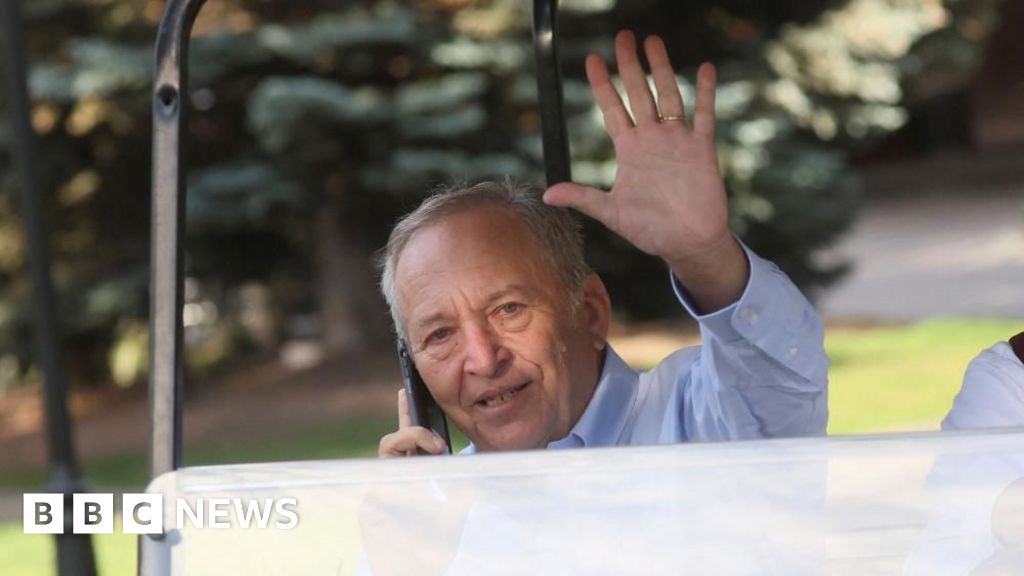
Larry Summers resigns from public duties amid Epstein email controversy

International Power Players Entwined in Washington’s Shadows

The recent disclosures involving former Harvard president Larry Summers and the infamous financier Jeffrey Epstein have sent shockwaves through the corridors of global influence. As emails between the two surfaced, revealing ongoing communication until Epstein’s 2019 arrest, questions about the complicity and accountability of prominent figures have taken center stage. These revelations come at a critical juncture for United States politics, with investigations expanding beyond mere scandals to touch upon high-level international diplomacy.

Accountability Sparks an International Inquiry

  • The US Department of Justice has announced a comprehensive probe into Epstein’s associations, particularly scrutinizing links with former President Bill Clinton and other leading Democrats. The inquiry also includes notable financial institutions such as JPMorgan Chase and Reid Hoffman’s LinkedIn, illustrating the interconnectedness of global finance and political influence.
  • President Donald Trump, whose mentions in Epstein-related emails have garnered media attention, has publicly distanced himself and called for a broader investigation. His statement that “Epstein was a Democrat, and he is the Democrat’s problem,” underscores the partisan undertones fueling this scandal.
  • International observers and analysts highlight the potential ramifications of these investigations, which threaten to expose a web of influence extending beyond American borders, impacting alliances, diplomatic relations, and the credibility of institutions supposedly committed to justice and transparency.

Geopolitical Implications and Societal Reckoning

Most notably, the scandal underscores how elites across political divides and economic sectors have played roles in a clandestine network that, if fully uncovered, could destabilize perceptions of power. Historians and political analysts warn that such revelations threaten to undermine trust not only in individual leaders but also in core institutions. The United Nations and other international organizations could become collateral in this game of shadows if connections between Epstein, global diplomats, and financiers come to light.

Furthermore, the international geopolitical impact extends into the balance of power. Countries allied with the US, especially those within NATO and key partners in Europe and Asia, are closely watching how Washington handles the fallout — a test of its commitment to transparency and justice. The entire crisis illuminates the dangers of unchecked influence among the world’s elite, emphasizing the necessity for reforms that could reshape the global order.

How Decisions Shape Societies and the Path Forward

As the investigations unfold and more files are released, they will inevitably influence societal perceptions of morality, justice, and authority. The global community faces a choice: continue to turn a blind eye to the corrupting influence of power, or confront the uncomfortable truths that threaten to undermine the foundations of Western civilization. The ongoing disclosures serve as a stark reminder that history’s greatest upheavals often stem from the exposure of hidden atrocities and hidden alliances.

This saga underscores a pivotal chapter in the ongoing battle for transparency and accountability, serving as a reminder that history is still being written. The weight of these revelations suggests we stand at a crossroads—an opportunity to redefine the moral compass of our institutions, or risk descending further into a shadowy obscurity where the powerful manipulate the future behind closed doors.

Social Media Auto Publish Powered By : XYZScripts.com