Matox News

Truth Over Trends, always!

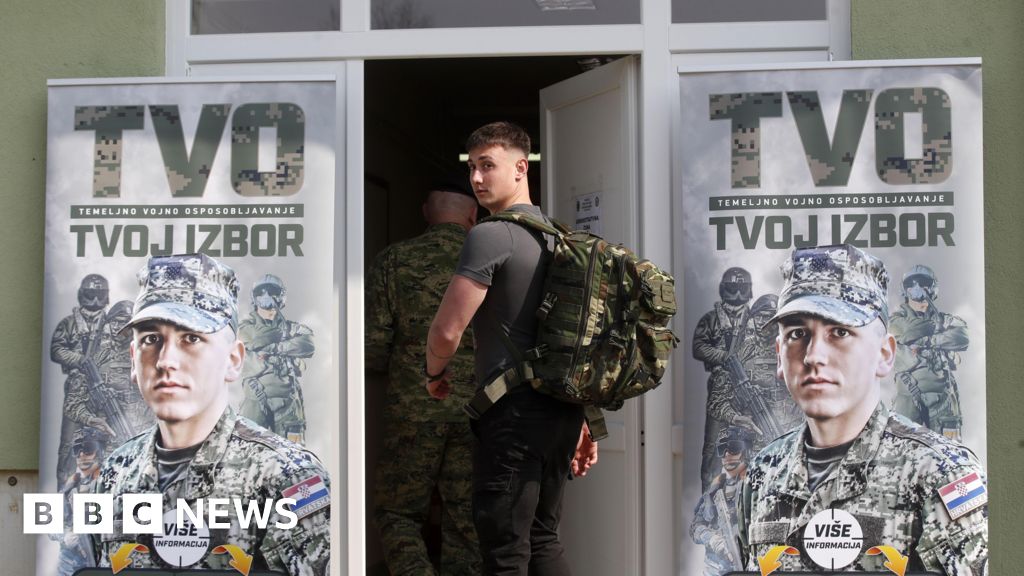
Hundreds of Croatian Teens Respond to Duty as Conscription Returns

In a rapidly changing geopolitical landscape, nations worldwide are intensifying their military preparedness by expanding training programs to encompass emerging technological domains. Recent developments indicate a concerted effort by global powers to integrate both traditional combat skills and cutting-edge cyber and drone warfare capabilities into their defense strategies. This comprehensive approach highlights a recognition that future conflicts will be fought not only on conventional battlefields but also through the unseen realms of cyber and electronic warfare. As military analysts and historians interpret these shifts, the message is clear: the nature of warfare is transforming, and nations are racing to adapt or fall behind.

The training initiatives now include elements such as drone control, cyberwarfare techniques, and countermeasures, signaling a strategic pivot toward technological superiority. Countries like the United States, Russia, and China have ramped up investments in these areas, employing specialists who can operate and defend against sophisticated digital threats. For example, recent reports suggest that several allied nations are establishing integrated cyber command units tasked with both offensive and defensive operations in digital domains. Security experts argue that these capabilities are vital since cyberattacks hold the potential to cripple critical infrastructure, influence elections, and disrupt financial systems. The emphasis on drone technology, meanwhile, signifies a move to enhance precision strike capabilities, reduce troop casualties, and maintain strategic advantages in contested regions.

Geopolitical Impact

The expansion of such training reflects more than just technological innovation; it signifies a profound shift in international power dynamics. As nations develop and deploy advanced warfare tools, traditional power balances are being redefined. Analysts warn that these developments could lead to an arms race, where competing states seek dominance in digital and unmanned systems. The North Atlantic Treaty Organization (NATO), for instance, has issued warnings about vulnerabilities in its digital infrastructure, prompting member states to bolster defenses. Similarly, Russia and China openly pursue offensive cyber capabilities, challenging the assumptions of Western technological superiority. The destabilization of global peace becomes an increasingly real concern, as the lines between conventional and unconventional warfare blur.

How Decisions Affect Nations and Societies

At the heart of these developments lie broader questions about sovereignty, security, and societal resilience. While technological advancements promise enhanced protection and power projection, they also pose risks—such as the escalation of conflicts into new domains or the unintended consequences of cyber warfare. Governments face the challenge of ensuring that their military transformations align with diplomatic and ethical standards, warning against reckless escalation. International organizations like the United Nations continue to call for arms control measures, but skeptics argue that innovation often outpaces regulation, leading to a dangerous arms race in invisible domains. As the world witnesses the integration of cyber and drone warfare into core military doctrines, societies must grapple with the implications of increased automation, surveillance, and the potential loss of control over autonomous systems.

Conclusion: The Unfolding Chapter of History

The global scramble for military dominance in technology signals a pivotal chapter in history—where the battlefield extends beyond physical territories and into the intangible realm of information and machine intelligence. The decisions made today regarding military training and technological development will not only determine who holds the advantage in future conflicts but also shape the very fabric of international stability. As nations forge ahead into this uncharted territory, the weight of history presses down, reminding us all that the true cost of progress may be measured in the echoes of conflicts yet to come—and the silent battles in the shadows of an increasingly interconnected world.
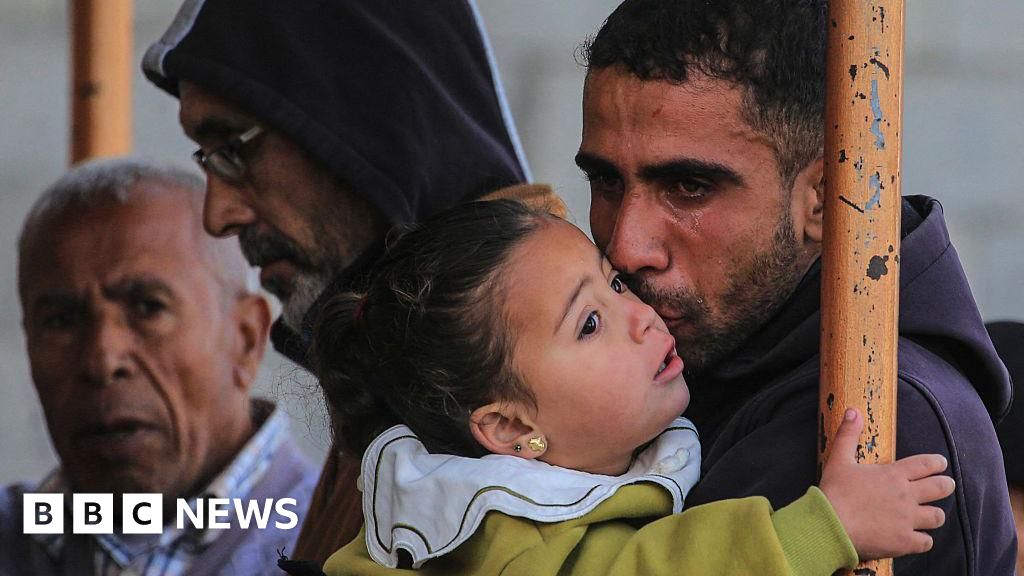

Eleven Dead in Gaza Strikes as Rescuers Respond

The Palestinian Red Crescent has reported a devastating incident in northern Gaza, where a strike on a tent encampment resulted in at least six fatalities. This tragic event underscores the ongoing volatility in the region, highlighting how seemingly isolated acts of violence continue to escalate an already dire humanitarian crisis. As the conflict persists, the implications extend far beyond immediate casualties, affecting the geopolitical stability of the Middle East and challenging the global community’s efforts to foster peace.

In recent days, international observers and regional analysts have been vocal about the destabilizing consequences of such attacks. Historical commentators warn that these incidents threaten to perpetuate a cycle of violence that risks drawing neighboring states into a broader conflict. Meanwhile, agencies like the United Nations have expressed concern over the worsening humanitarian situation, especially as evidence mounts of the profound suffering experienced by civilians caught in the crossfire. The targeting of civilian settlements, including the tent encampment, exemplifies the dangerous erosion of the norms that once aimed to protect non-combatants amidst warfare, further complicating peace prospects.

As the international community grapples with this latest escalation, key questions arise about the role of regional powers and international institutions in de-escalating tensions. Nations such as Egypt and Jordan have historically acted as mediators, but recent developments test their influence amid mounting violence. Meanwhile, the United States remains a pivotal player, balancing support for allies and advocacy for a resolution, while presses for a ceasefire that seems increasingly fragile. Some analysts argue that the current cycle of violence signals a turning point—where diplomatic efforts risk being overshadowed by irrevocable facts on the ground.

The geopolitical impact of these brutal incidents extends far beyond Gaza, resonating across the Middle East and echoing through global power dynamics. As regional alliances shift and superpower interests intersect, the perception of a resilient, if fractured, international order is tested. Countries like Iran and Turkey observe these developments closely, weighing their options in a complex chess game driven by ideological, strategic, and humanitarian considerations. These decisions will indelibly shape the future landscape of the Middle East, affecting millions of lives and the course of history itself.

Readers are left to confront the stark reality: the unfolding story of Gaza is but a chapter in a larger saga of struggle and sovereignty—a saga where every decision echoes across generations. As the world watches, the delicate balance of peace teeters perilously on the edge, hinting that this moment may define the course of history for decades to come—unless decisive action awakens a new hope amidst enduring chaos.

The Wiggles respond to controversy over appearance in Ecstasy music video, sparking debate among youth and cultural commentators

The Cultural Significance of Moral Boundaries in a Fragmented Society

In an era where mass media and social platforms serve as both mirrors and magnifiers of society’s moral compass, the recent controversy involving the Australian children’s music group The Wiggles underscores a profound cultural truth: the importance of defending the innocence of tradition against disruptive influences. When two of its members appeared inadvertently in a music video seemingly endorsing drug use, the incident illuminated the fragile boundaries that separate the cherished innocence of childhood from the encroachments of modern entertainment’s moral ambiguity. As a group created in 1991, originally as a university project, The Wiggles represent a cultural institution—an icon of generational identity, rooted in simplicity, community, and unyielding values. Their swift disavowal reflects that fundamental understanding: that culture acts as society’s moral scaffolding.

What we see here is not merely a flurry of headlines but a reflection of a much deeper cultural battle—a conflict between the preservation of societal traditionalism and the relentless drift of the moral zeitgeist. Philosopher G.K. Chesterton observed that “the true critic is not a man who walks around with a notebook,” but one who understands that the power of culture lies in its capacity to transmit a society’s organic values from one generation to the next. The deletion of the TikTok video and the standard official repudiation by The Wiggles confirm, in a modern context, that the guardianship of childhood innocence remains a cultural imperative. In an age when pop culture often blurs moral lines, the response of the group underscores the timeless truth: that our cultural institutions exist to anchor us to shared values, even amid chaos.

  • Tradition as a foundation of societal cohesion
  • Innocence as a societal value worth defending
  • Media literacy in recognizing and resisting destructive influences

Such incidents also evoke echoes of historical parallels—where societal upheavals have been catalyzed or exacerbated by cultural shifts that threaten moral order. Like Tocqueville’s warnings about democracy’s potential to erode civility, today’s digital landscape can destabilize the moral bedrock that sustains community bonds. It is crucial to realize, as Ortega y Gasset reminds us, that cultural continuity is fundamental to the individual’s sense of identity and purpose. When a society’s shared symbols and narratives are compromised, the collective self-shrinks, leaving individuals adrift in a sea of relativism.

Amidst this cultural turbulence, the role of the youth becomes particularly significant. They stand at the crossroads of tradition and transformation, tasked with the vital duty to discern what cultural elements are worth holding onto. As C.S. Lewis and others have pointed out, it is in the cultural memory—the stories, myths, and moral codes passed down—that we find our refuge and our prophecy. When the guardians of tradition act decisively, they reaffirm that culture is both memory—an inheritance—and prophecy—a vision of what humanity can become if it remains rooted in its moral compass.

The Enduring Power of Culture as Humanity’s Moral North

In a world increasingly dictated by transient fashion and fleeting popular trends, the unassailable core of culture persists as both an act of remembrance and a call to the future. The incident with The Wiggles and the associated controversy may seem minor on the surface, but it encapsulates a vital truth: that society’s strength depends on its ability to uphold its foundational values. As T.S. Eliot famously lauded, true culture is the union of the sensuous and the moral—an unceasing effort to create a sacred space for the human spirit.

Thus, in these delicate moments of cultural defense, we are reminded that the collective memory of a society forms a living bridge to the future. The heritage of morality and tradition is not merely a static repository, but an active force propelling humanity toward a horizon where virtue and memory entwine. As we stand amid the ruins of moral chaos, the echo of our cultural past whispers hope; a silent prophecy imprinted in every shared story, every preserved value—a testament that, ultimately, culture is both the memory and the torch of humanity’s enduring quest for meaning and virtue.

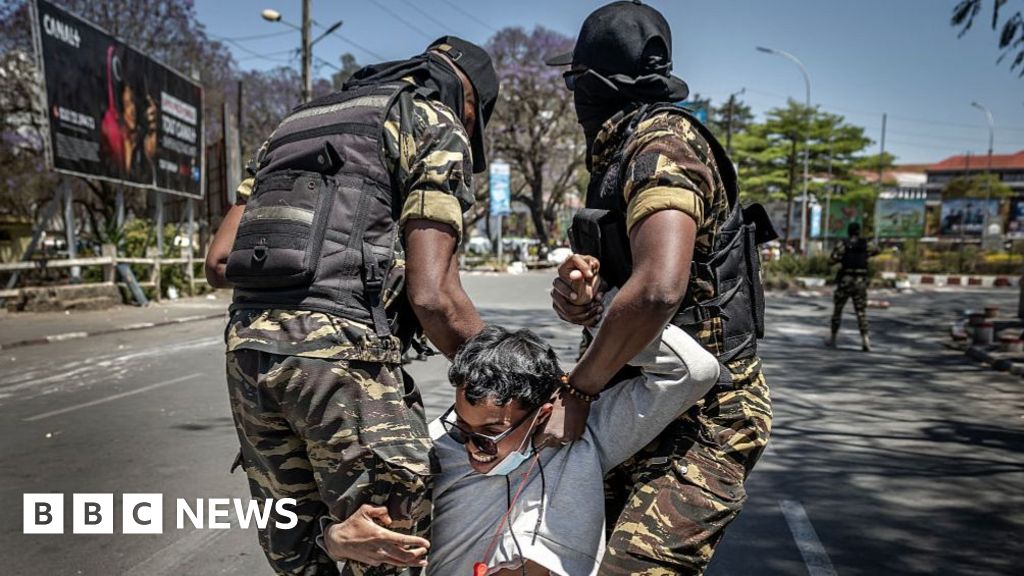
Protests Reject President Rajoelina’s Deal, Police Respond with Rubber Bullets

In a striking display of unrest shaping the Indian Ocean region, Madagascar faces a pivotal crisis as youth-led protests continue to challenge the authority of President Andry Rajoelina. Over the past two weeks, the island nation’s streets have become a battleground where thousands of young Malagasy citizens, under the banner of Gen Z Mada, have demanded fundamental change. Their relentless push for respect for human rights and an end to chronic corruption and mismanagement underscores a broader pattern of youth activism proliferating across Africa, reflecting frustrations that threaten to destabilize one of the world’s most geopolitically strategic regions.

The escalation of violence and repression highlights how internal discontent can ripple outward and jeopardize regional stability. Security forces, using rubber bullets and tear gas, have violently dispersed protesters in Antananarivo, with reports of numerous arrests and casualties, including at least 22 fatalities, according to international observers. This brutal crackdown, amid a backdrop of persistent power outages and economic hardship—fueled by high unemployment and soaring living costs—has revealed a government increasingly disconnected from its people’s aspirations. As analysts warn, such suppression often fuels further unrest, risking broader upheaval that could destabilize Madagascar’s fragile political landscape and draw in regional powers and international actors seeking stability and influence in the Indian Ocean.

Within this volatile context, Rajoelina’s attempts at dialogue—characterized by town halls, promises of power reform, and a vague pledge to resign if outages aren’t resolved—have failed to quell the movement. Notably, his decision to dismiss his entire government and appoint an army general as prime minister last week has only intensified opposition. The youth demographic, which commands significant influence and symbolizes a wider disenfranchisement, remains resolute. Their declaration that “the Malagasy people do not submit” signals a potential turning point in national politics, reminiscent of previous waves of youth-driven activism on the continent that have challenged entrenched regimes.

International organizations and regional analysts observe that the ongoing turmoil in Madagascar encapsulates a broader struggle—governance deficit meets the urgent demand for reform. As African Union member states grapple with similar upheavals, Madagascar’s crisis accentuates the importance of addressing youth grievances before they expand into uncontrollable conflicts. The growing gap between government actions and public expectations poses serious questions about the future trajectory of democracy and stability in the region, especially as foreign actors watch keenly for opportunities to extend influence or promote stability at any cost.

Now, as the Malagasy youth continue their fight amid a tense standoff, the question remains whether the country’s leadership will heed the warning signs. The unfolding scenario underscores the weight of history—how a nation’s choice to suppress or listen to its young can determine its future. With each passing day, Madagascar’s story reshapes the geopolitical chessboard in the Indian Ocean, leaving the world to ponder whether this is just a chapter in larger regional upheaval or the beginning of a new era where youth voice becomes an unstoppable force.

Social Media Auto Publish Powered By : XYZScripts.com