Matox News

Truth Over Trends, always!

Israel hits Lebanon in response to Hezbollah rockets amid Iran tensions

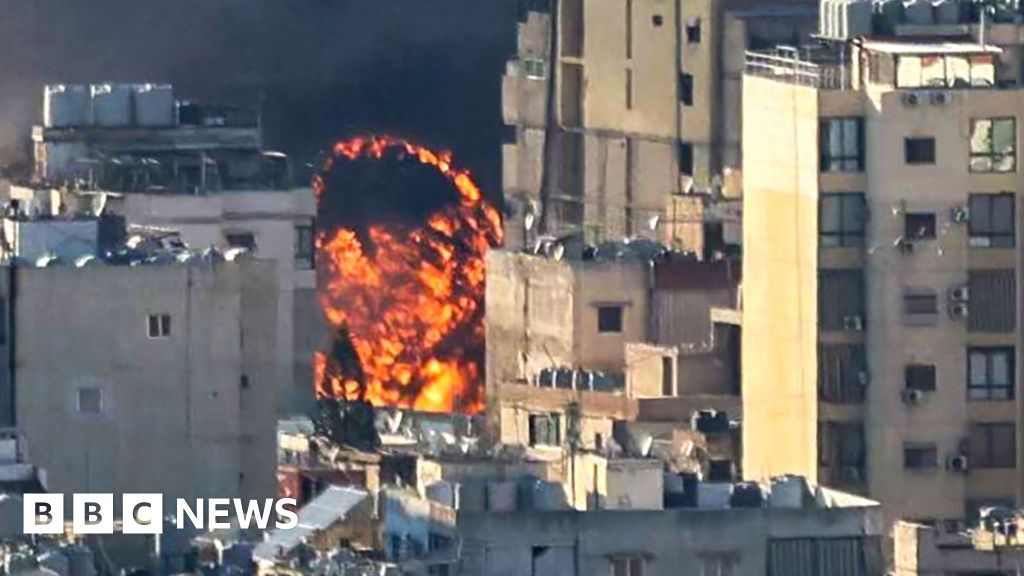
In a stark escalation of the ongoing border tensions between Israel and Lebanon, the Lebanese health ministry has confirmed that a tragic toll of 31 civilians was inflicted by recent Israeli airstrikes. The devastation wrought in Lebanese territory underscores a significant juncture in the region’s persistent conflicts, threatening to ignite broader regional instability. Meanwhile, no Israeli casualties have been reported, further complicating diplomatic narratives and fueling accusations from Lebanese authorities and regional allies.

This escalation arises amidst a backdrop of fragile ceasefires and heightened rhetoric, with Israel citing security concerns over militant activities from Hezbollah, the Iran-backed Lebanese political and military organization. Analysts from international security think tanks warn that such targeted strikes could set a dangerous precedent — one that risks spiraling into a broader confrontation that could draw in regional powers and destabilize Mediterranean geopolitics. The international community, including the United Nations and regional actors, has called for restraint, emphasizing the potential for these hostilities to unravel decades of fragile peace, with wide-reaching consequences.

Historical perspectives provided by scholars and geopolitical experts highlight the intricate web of alliances and enmities that often underpin such flare-ups. Many point to a pattern of border skirmishes that have become proxy battles in the ongoing fight for regional influence. The United States, Russia, and European Union nations continuously reassess their strategic interests amid the chaos, with diplomatic efforts aimed at de-escalation. However, some voices, including regional analysts and seasoned diplomats, warn that recent events could mark a turning point — a moment where temporary ceasefires give way to a more sustained cycle of violence, threatening stability in the Levant.

  • The Lebanese government condemns the strikes, asserting that they violate international law and violate Lebanon’s sovereignty.
  • Israeli officials maintain the strikes were precision operations targeting militant infrastructure.
  • The UN calls for an immediate ceasefire, emphasizing the protection of civilians amid mounting casualties.
  • Regional powers like Egypt and Jordan have expressed concern while urging diplomatic resolution.

As the world watches, the region stands on a knife’s edge, its history echoing with the ghosts of past conflicts and the shadows of future ones. With each airstrike, the geopolitical landscape shifts—altering alliances, fueling insurgency, and shaping societies. For Lebanon, a nation already scarred by civil war and economic collapse, the loss of life at the hands of external military actions rekindles imagery of a fractured past. For Israel, the campaign continues to be justified as essential for national security but risks escalating into an uncontainable regional war. The international community remains caught in the web of diplomatic uncertainty, watching anxiously as history relentlessly unfolds its next chapter, whispering the ominous possibility that this latest cycle of violence could either be contained or ignite the spark for a new era of chaos.
Global Response Sparks Debate Over US and Israel’s Iran Actions

US Launches Strategic Strikes Against Iran: A Turning Point in Middle Eastern Geopolitics

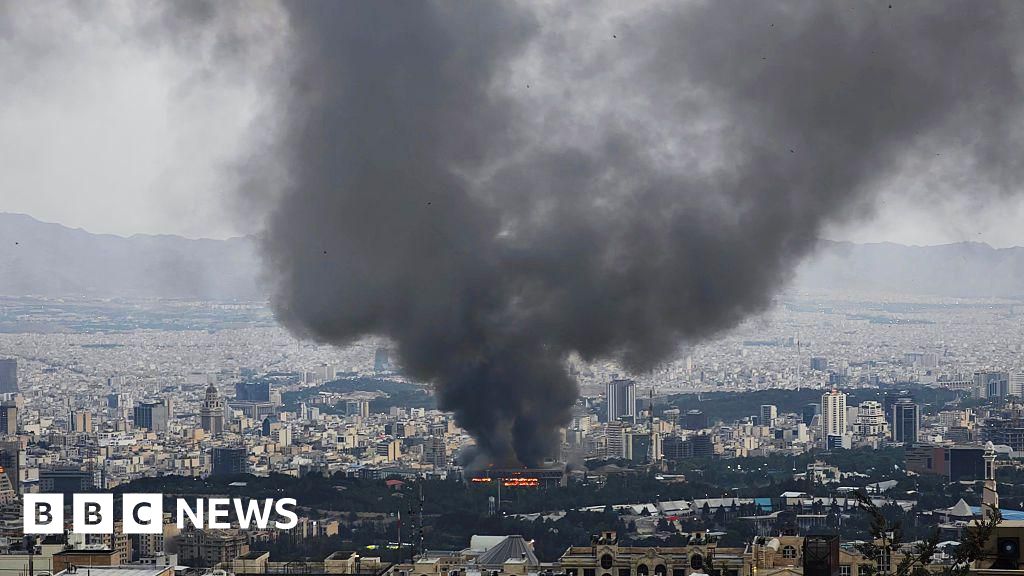
In a decisive move that has reverberated across the international arena, the United States conducted targeted military strikes aimed at curbing Iran’s regional influence and technological advancements. During an emergency United Nations Security Council session convened on Saturday in New York, US Ambassador Mike Waltz articulated the objectives behind these actions, describing them as “**specific and strategic**” efforts to dismantle Iran’s missile capabilities, destabilize naval assets, and disrupt the machinery supporting proxy militias. The ultimate goal, as he emphasized, is to “ensure the Iranian regime never ever can threaten the world with a nuclear weapon.” This rhetoric underscores a determined stance by Washington to prevent a potential nuclear proliferation crisis—an issue that has long haunted global diplomacy.

What makes this development particularly significant is the context in which it occurs. Since the landmark 2015 Joint Comprehensive Plan of Action (JCPOA)—commonly known as the Iran nuclear deal—international diplomacy has sought to contain Iran’s nuclear ambitions peacefully. However, the subsequent U.S. withdrawal in 2018 under President Trump, coupled with Tehran’s increases in uranium enrichment levels, has escalated tensions significantly. The recent strikes mark a clear departure from diplomatic negotiations and signal a shift toward hard military intervention, a move that many analysts say could backfire, fueling regional instability.

Geopolitical Ramifications and International Response

The geopolitical impact of these strikes cannot be overstated. Iran’s strategic missile and naval capabilities are central to its regional influence, particularly in countries such as Syria, Iraq, and Lebanon, where proxy militias like Hezbollah serve as extensions of its power. Removing or degrading these assets could weaken Iran’s capacity for regional destabilization, but it also risks prompting retaliatory actions that could drag nearby nations into open conflict. Historically, military interventions based solely on strategic targeting, as some critics argue, tend to escalate rather than resolve underlying tensions, undermining recent attempts at diplomacy.

International reactions to the strikes vary widely. While the United States and its allies view this as a necessary step to counter Iran’s nuclear threat, some global voices, including members of China and Russia, have condemned what they describe as a violation of international norms. Moreover, the European Union has expressed concern over the potential for escalation, urging all parties to return to the negotiating table. Citation from analysts like Professor Helen Johnson of Harvard Kennedy School suggest that these actions could undermine the fragile diplomacy built over years, risking a wider regional conflict that could destabilize the Middle East for decades.

Historical Context and the Road Ahead

To understand the implications fully, one must consider historical patterns of escalation in the Middle East. Decades of conflict have demonstrated that military strikes aimed solely at military targets often have unintended consequences, leading to a cycle of retaliation and revenge. As international organizations monitor the developments, the human toll remains a stark reminder of the stakes involved. The decisions made in these moments will shape not only the fate of Iran but also the security and stability of the entire global order for generations.

As the dust settles over this critical juncture, historical narratives will surely scrutinize the weight of these decisions. Will they serve as a catalyst for enduring peace, or will they merely deepen a cycle of conflict that threatens the very fabric of international stability? The weight of history remains on the brink—once again, the world stands at a crossroads, where the choices made today will echo in the annals of history and determine whether peace remains an illusion or becomes a distant hope.

Bangladesh earthquake claims five lives, injures over 450—urgent response needed

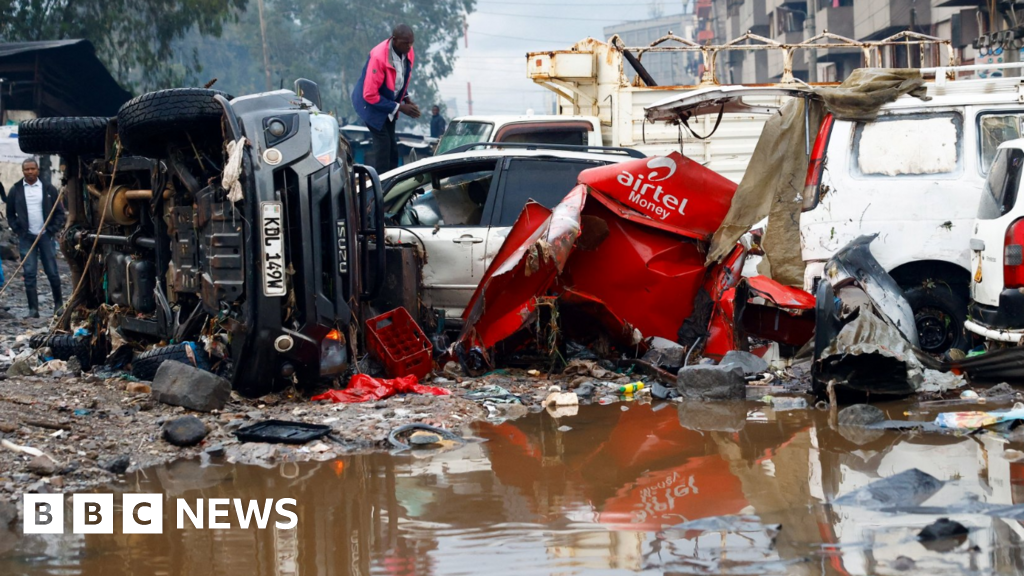
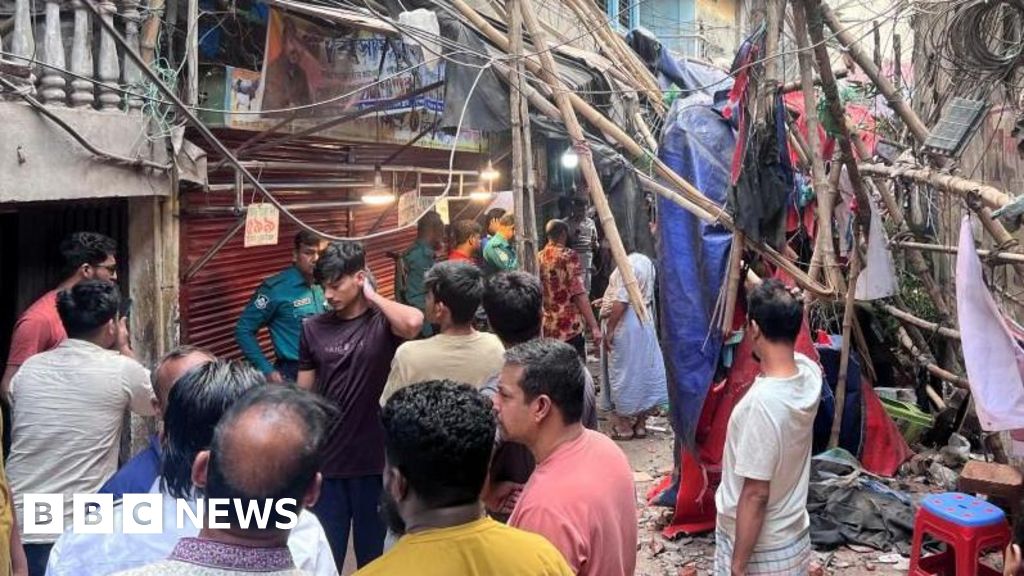
In a stark reminder of nature’s unpredictable force, Bangladesh was rattled by a 5.5 magnitude earthquake, resulting in at least five fatalities—including a child—and over 450 injuries. The quake’s epicenter was located near the Narsingdi district, approximately 30 kilometers from the capital, Dhaka. This seismic event has revealed underlying vulnerabilities in one of the world’s most densely populated nations, stirring concern about the resilience of its infrastructure and emergency response systems. As buildings swayed and makeshift structures crumbled under the tremors, the immediate human toll was stark: residents fleeing in panic and chaos, streets flooded with traumatized survivors trying to assess the damage. Such events, while localized, have the potential to catalyze broader questions about regional stability and the readiness of nations like India and Myanmar, which border Bangladesh and felt similar tremors, to respond to natural disasters rooted in the tectonic fault lines that crisscross this volatile region.

International analysts and organizations are warning that these seismic disturbances could foreshadow even greater challenges ahead. The United Nations Office for Disaster Risk Reduction has long emphasized the need for comprehensive infrastructure reinforcement in South Asia’s earthquake-prone zones. Yet, the rapid pace of urbanization combined with historic neglect has left many structures dangerously vulnerable. Local officials, such as Nitai Chandra De Sarkar, outlined their immediate priorities: casualty assessment and damage control, with rescue and debris management yet to be fully mobilized. The crisis underscores a critical geopolitical impact: as populations multiply and urban density increases, so too does the risk of catastrophic consequences from natural calamities. Countries in the region, including Pakistan and Sri Lanka, could face ripple effects, with resource allocation and disaster preparedness becoming increasingly strained amidst ongoing geopolitical tensions and economic challenges.

Meanwhile, the earthquake’s sudden disruption extended beyond borders, notably halting a cricket test match between Ireland and Bangladesh. This pause in the game was a stark reminder that even in moments of sport and leisure, humanity’s fragile grasp on stability can be swiftly shaken. Heinrich Malan, Ireland’s head coach, reflected on the experience, comparing it to past tremors from his time in New Zealand. The incident underscores how natural disasters transcend national borders, affecting diplomatic relations, trade, and regional security. How nations prepare and respond to such events will significantly influence their future resilience and international standing. As aid begins to flow into the affected areas, international bodies are reassessing their strategies for disaster mitigation, emphasizing the importance of swift response and infrastructural rebuilding to prevent future tragedies. Yet, as history repeatedly shows, prevention is often sidelined by short-term political and economic considerations, leaving vulnerable populations to face yet another chapter in the ongoing narrative of human resilience versus nature’s relentless force.

In the shadow of this seismic event, the geopolitical landscape appears to shift imperceptibly but profoundly. The region faces a choice: to invest in resilient infrastructure and emergency preparedness or to risk greater calamities that threaten to destabilize already fragile societies. As the earth trembles beneath them, these nations find themselves at a crossroads—one forged by the weight of history and the unpredictable fury of the natural world. The tremor in Bangladesh has left its mark not only on the landscape but also on the collective consciousness of a region on edge. In these moments of chaos and recovery, the question remains: how will history remember the choices made today? Will they be seen as mere responses to a fleeting crisis, or as a testament to humanity’s unwavering resolve to withstand nature’s mighty hand? The answer will define generations—an unfolding story of resilience, conflict, and hope shaping the future of South Asia and beyond.

Mali Sets $10,000 Visa Bond for U.S. Visitors in Response to Biden Policies

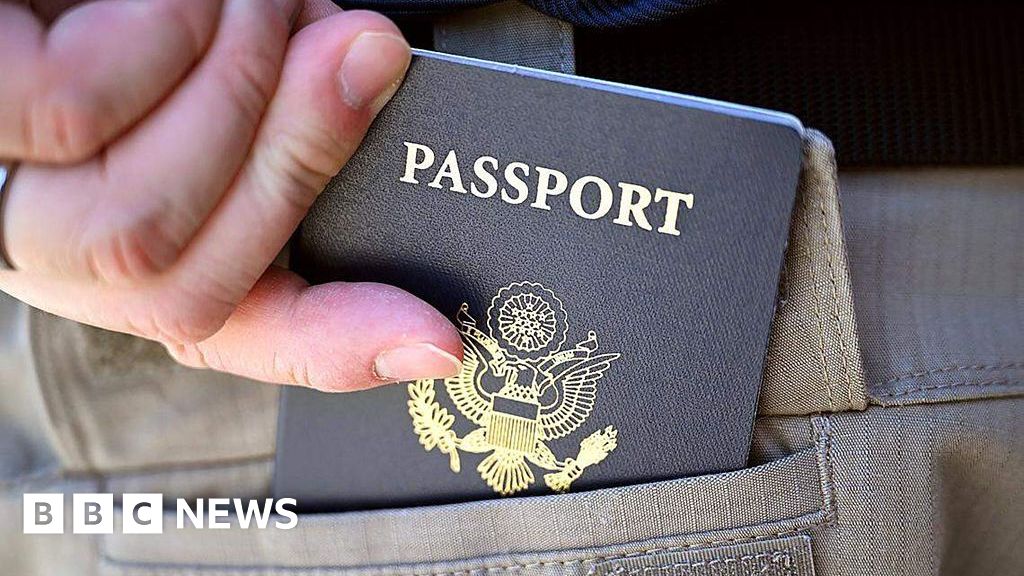
Recent developments in Mali reveal a shifting landscape of international diplomacy and regional stability, illustrating the complex interplay of sovereignty, security, and geopolitical influence. The West African nation, historically beset by unrest and coups, has announced a unilateral decision requiring US nationals visiting Mali to post bonds of up to $10,000 (£7,500) for business and tourist visas. This move mirrors recent policies enacted by the Trump administration and signals Mali’s assertion of sovereignty against perceived external pressures. The official explanation from Mali’s foreign ministry underscores a desire to establish an “identical visa programme” as a response to Washington’s demands, emphasizing a growing tendency among African nations to push back against Western dominance in international affairs.

Despite attempts to bolster diplomatic relations—highlighted by recent high-level visits to discuss economic and security cooperation—the underlying tensions remain palpable. In July, US officials traveled to Mali with aims to promote cooperation, especially in accessing natural resources like gold and lithium, crucial to global markets. However, the recent visa restriction highlights a deeper geopolitical rift, linked to Mali’s internal political shifts and its pivot towards Russia and other regional actors. Since the 2021 coup led by Gen. Assimi Goïta, Mali’s leadership has sought to reduce Western influence, expelling French troops and bringing in mercenaries from Moscow’s Wagner Group. This controversial move has raised alarms from Western powers and international observers, emphasizing a strategic shift that challenges Western dominance in Africa.

The broader geopolitical impact of these developments extends beyond Mali’s borders, echoing across the Sahel and West Africa. Countries like Burkina Faso have mirrored Mali’s stance, refusing to accept deported migrants from the US—an act of defiance that underscores regional resistance to Western diplomatic and immigration policies. The recent suspension of US visa issuance in Burkina Faso, coupled with local government officials questioning diplomatic intentions and calling US proposals “blackmail,” indicates a new era of sovereign assertion. Analyzing this trend, analysts suggest that African nations are increasingly asserting control over their own geopolitical destinies, rejecting external interference, particularly under the guise of security or economic cooperation.

Looking ahead, the significance of this diplomatic tug-of-war is undeniable. It not only reshapes how African states engage with Western powers but also signals a momentous shift in global alliances. The decisions made today—be it Mali’s visa restrictions or Burkina Faso’s refusal to cooperate—are more than mere policies; they embody a larger struggle for geopolitical influence and control over regional narratives. As history continues to unfold, the world must reckon with a new era where sovereign nations challenge traditional power brokers, driving a wedge into the established order and rewriting the rules of international engagement. The weight of history presses heavily on the present, a stark reminder that in this interconnected world, every decision echoes beyond borders, shaping the future for generations to come.

Mount Everest rescue underway as snowstorm traps nearly 1,000 climbers—urgent response in action

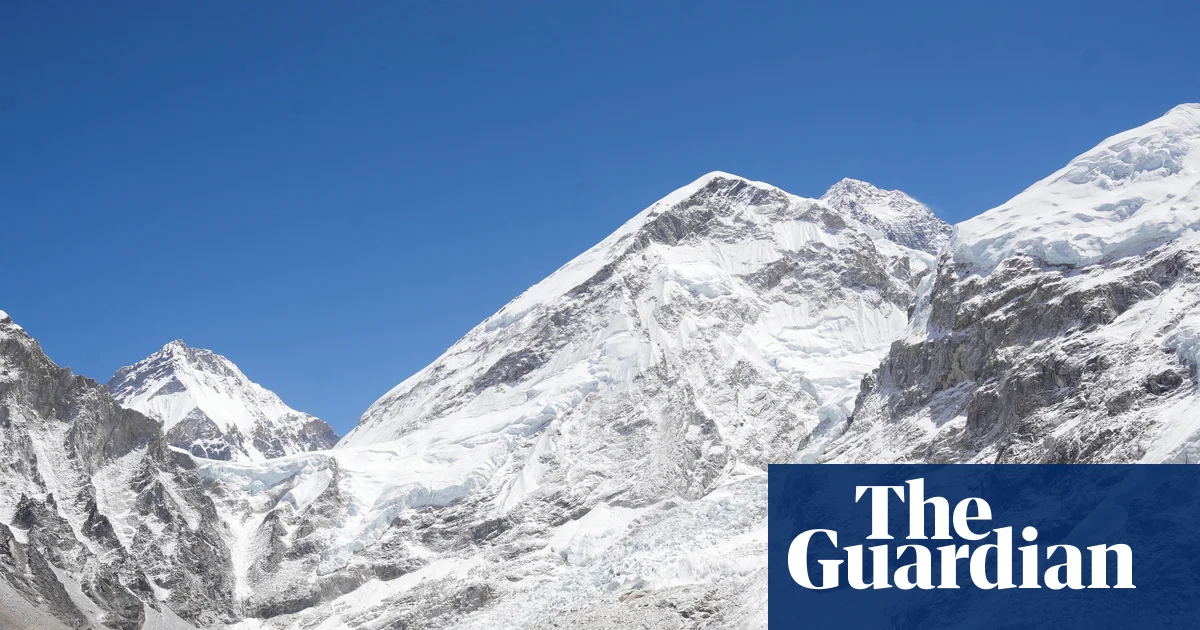
Amidst the rugged terrains of the Himalayas, recent natural disasters have spotlighted the fragile balance between climate change and geopolitical stability. In China, rescue efforts are ongoing to save nearly 1,000 trekkers stranded on the eastern slopes of Mount Everest following a severe snowstorm. The incident underscores the increasing unpredictability of weather patterns in this sensitive mountain range, which has historically served as a symbol of international adventure and aspiration. According to Chinese state media, hundreds of visitors seized the opportunity of an extended Chinese National Day holiday to visit the remote valley of Karma, leading many into peril as heavy snowfall rooted them in place. The response by local authorities demonstrates a critical coordination of resources, yet it also highlights vulnerabilities in managing the swelling influx of tourists amid changing climatic conditions.

The disruption in Tibet’s eastern face serves as a stark warning to the international community. The Himalayas are not only a geographic boundary but also a hotly contested locus of strategic importance, especially when environmental shifts produce dramatic events such as landslides and avalanches. Since the snowstorm struck, over 350 individuals have been safely relocated to the township of Qudang, with authorities working tirelessly to reach those still unaccounted for. Such incidents expose how nations like China and its neighbors are increasingly affected by climate fluctuations that threaten human safety and economic stability. The timing—during the peak tourist season—raises questions about the unprecedented challenges faced by nations tasked with safeguarding both their citizens and their international reputation from natural calamities driven by global warming.

On the southern side of Tibet, in Nepal, the story is equally troubling. Heavy rains since Friday have caused devastating landslides and flash floods, claiming at least 47 lives across the country. The destruction of critical infrastructure—roads, bridges, and even entire villages—has further isolated communities and complicated rescue efforts. This chain of events exemplifies how climate-induced extremes are reshaping the Himalayan geopolitical landscape, potentially fueling tensions between nations over resource access and disaster management. Analysts from the United Nations Environment Programme warn that these catastrophes may worsen as climate change accelerates, transforming the mountain region into a precarious geopolitical chessboard where local vulnerabilities intertwine with international interests.

Indeed, what is unfolding in these mountain corridors underscores a key **geopolitical impact**: the increasing importance of environmental security in international relations. Countries bordering Tibet—India, Nepal, and China—must navigate complex dynamics shaped by natural disasters and climate adaptation. The incidents on Everest and in Nepal could serve as catalysts for greater cooperation or rivalry, depending on how nations respond to shared vulnerabilities. The importance of multinational frameworks—like the underperforming Regional Himalayan Climate Initiative—becomes ever more evident as the region faces a new reality where natural calamities threaten to exacerbate existing geopolitical tensions.

As these events unfold with relentless force, the question remains: how will the Himalayan powers adapt to an increasingly unpredictable environment? Will they unite to forge resilient solutions or succumb to the chaos that climate change is unleashing upon this vital geopolitical nexus? With the weight of history pressing upon their shoulders, the nations of the Himalayas stand at a crossroads—where decisions made today will shape not just the future of their peoples but also the stability of an entire region. The mounting crises remind us that the Himalayas are more than just a majestic backdrop—they are a barometer of global health, and the current turbulence signals that humanity must confront the profound implications of an earth pushed to its environmental limits. As rescue efforts continue and nature’s fury remains unabated, the unfolding story of the Himalayas will be etched into the annals of history—an enduring testament to the indomitable resilience or inevitable decline of nations caught in the grip of Earth’s changing climate.

Social Media Auto Publish Powered By : XYZScripts.com