Matox News

Truth Over Trends, always!

Lindsay Sandiford Returned Home After 12 Years on Indonesian Death Row

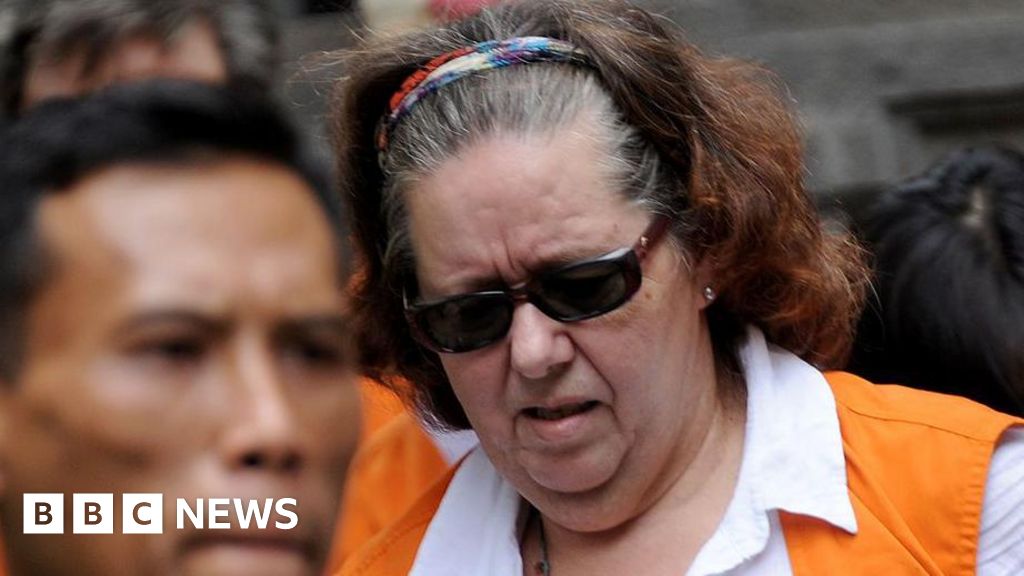
In a dramatic turn of events that underscores the complex interplay of justice, diplomacy, and international influence, Britain successfully repatriated Lindsay Sandiford, a grandmother who had spent over a decade on Indonesia’s death row for drug trafficking. This case exemplifies how weaker nations, often under international pressure, are increasingly compelled to grant clemency in high-profile scenarios involving foreign nationals. Sandiford’s release—closely tied to a bilateral deal between the UK and Indonesia—sheds light on the broader geopolitical impact of terms that seem to prioritize diplomatic relations over strict adherence to stringent national laws.

Indonesia’s stance on drug enforcement remains one of the world’s most severe, with harsh penalties including the death penalty for traffickers handling significant quantities of narcotics. Yet, recent months have shown a palpable shift. The release of the *”Bali Nine”* members—after nearly 20 years—alongside the *repatriation of Filipina Mary Jane Veloso* who narrowly escaped execution, signals a nuanced approach driven by international pressure and diplomatic negotiations, rather than a softening of Indonesia’s tough-on-drugs posture. Analysts note that these actions serve to protect Indonesia’s international image while balancing domestic law enforcement needs, thus highlighting the geopolitical impact of maintaining sovereignty while managing external diplomatic expectations.

The decision by Jakarta to release Sandiford and Shahabadi, citing “humanitarian grounds”, echoes a broader pattern observed by international observers, including global institutions and renowned historians who analyze the strategic calculus behind Indonesian drug policies. Many agree that Indonesia’s tough stance acts as a double-edged sword—deterring trafficking while risking diplomatic fallout. Decisions like these influence local and international perceptions—often forcing nations into a moral and diplomatic balancing act. Countries such as the UK leverage their diplomatic influence to negotiate softer penalties, emphasizing the growing importance of soft power in conflicts that once would have been seen as solely domestic issues.

As the weight of these decisions unfolds on the global stage, the geopolitical impact continues to grow. The withdrawal of the *”Bali Nine”* and the release of Veloso demonstrate that international cooperation—often fraught with tension—can lead to outcomes that challenge the notion of absolute sovereignty. These shifts signal a new era where national laws are increasingly intertwined with the diplomatic interests of global powers. And as history beckons to be written anew, the world watches with bated breath—knowing that the next chapter in Indonesia’s unrelenting war on drugs could either bolster its formidable reputation or expose fissures that threaten its diplomatic standing, all while the sands of history continue to shift beneath the feet of nations vying for influence in this turbulent, interconnected world.
Israel Identifies Hostages' Bodies Returned by Hamas
Israel Identifies Hostages’ Bodies Returned by Hamas

Gaza Conflict: The Thin Veil of Ceasefire and its Fractures

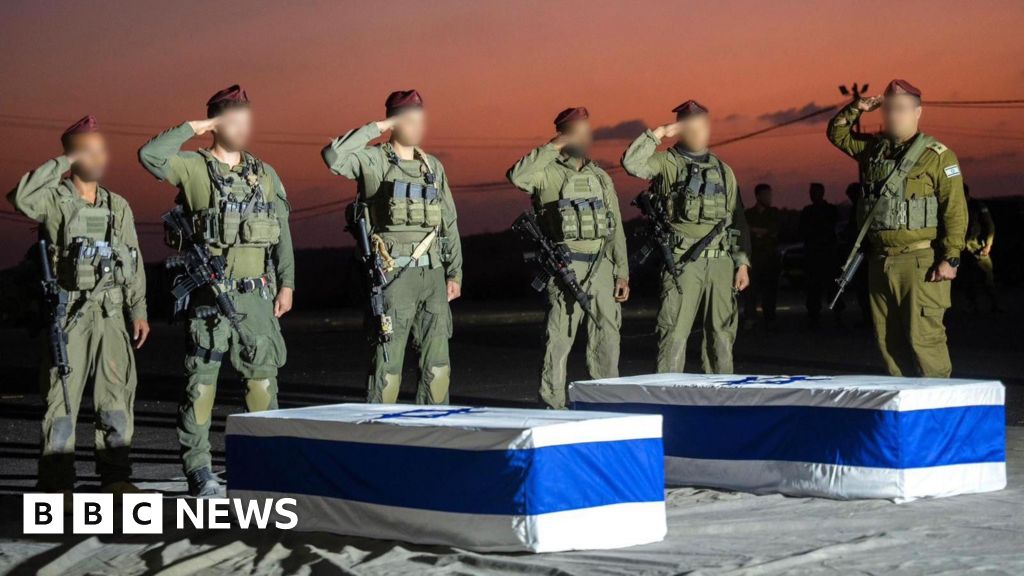
The recent developments in Gaza have once again shoved a fragile ceasefire into the abyss of uncertainty. Israel confirmed the identities of two deceased hostages, Amiram Cooper and Sahar Baruch, following the exchange mediated by the Red Cross. This grim confirmation underscores the tragic reality faced by families on both sides of this relentless conflict. Yet, beneath the surface of these mortal tolls, questions about the authenticity and transparency of Hamas’s actions are intensifying. The Israeli government accuses Hamas of staging the recovery of a body that did not belong to the deceased, revealing a staged scene captured by Israeli drones. This escalation of accusations signals not merely a breakdown in trust but a dangerous escalation that threatens to unravel the latest ceasefire deal brokered under international auspices.

The U.S. and international organizations initially heralded the ceasefire as a significant step toward de-escalation. This deal mandated the return of 20 living and 28 deceased hostages and a reciprocal release of Palestinian prisoners. However, recent events threaten to undo this fragile progress. The Israeli military reports that Hamas violated the terms by killing an Israeli soldier and staging the scene to falsely suggest continued hostilities, a move that Israel swiftly responded to with a series of airstrikes across Gaza. This tit-for-tat violence underscores how a handful of tactical breaches could spiral into broader regional instability, especially with Israel warning that it would respond “when its soldiers are targeted.”

» Geopolitical Reckoning: From Local Skirmishes to Global Shifts

The geopolitical impact of these events extends far beyond Gaza’s borders. International stakeholders — including the U.S., Qatar, Egypt, and Turkey — have played pivotal roles in brokering and maintaining the ceasefire. Yet, volatile incidents like these threaten to derail diplomatic efforts that were already precarious. Such moves could embolden extreme factions and reduce the chances of future peaceful resolutions, effectively prolonging the cycle of violence and suffering. Historians warn that this cycle, if unchecked, could cement a new era of regional instability, with the Middle East’s delicate balance of power teetering on the edge.

For analysts and international institutions, the lesson is clear: the decisions taken during these turbulent moments echo through decades of history. Miscalculations and staged deceptions risk igniting full-scale conflicts that transform localized violence into broader regional crises. Meanwhile, the humanitarian toll remains staggering, with reports from Gaza’s health ministry indicating over 104 Palestinians killed in a single day since the ceasefire, including many women and children. This human suffering emphasizes how international decisions on security, aid, and diplomacy carve the future of societies, potentially shaping generations to come.

» The Unfolding Conspiracy of War and Peace

As the world watches, the conflict in Gaza continues to morph into a theater of geopolitical chess, where every move is scrutinized for its long-term consequences. The each deception, attack, and peace accord reveals the complex web of interests, alliances, and betrayals that define this volatile region. The fate of countless lives hinges on resolutions that are often as fragile as the ceasefires they aim to secure. As history unfolds its thickening narrative, the question remains—will this cycle of deception and violence finally give way to genuine peace, or will the weight of unresolved grief and distrust plunge the region into renewed chaos? Only time will reveal how this critical juncture in history will be written, but the echoes of today’s decisions are certain to resonate for generations.

Gaza Experts Fight to Identify 90 Palestinians Returned by Israel

International Tensions Escalate as Gaza Ceasefire Yields Humanitarian Dilemmas

The recent ceasefire agreement between Israel and Hamas has temporarily halted some hostilities, yet the underlying tensions continue to ripple across the region. Under this fragile accord, Israel has committed to returning the remains of 15 Palestinians for every deceased Israeli hostage, a promise that holds immense symbolic and geopolitical weight amidst ongoing violence. So far, the Israeli military has announced the return of six Israeli hostages’ remains, alongside the bodies of two other individuals, including a Nepalese hostage, signaling a tentative step toward some form of stabilization. However, the practical implementation of this pledge faces numerous challenges, most notably the identification of human remains and the profound emotional toll it exacts on families caught in limbo.

Bodies in Limbo and the Impact on Social and Political Dynamics

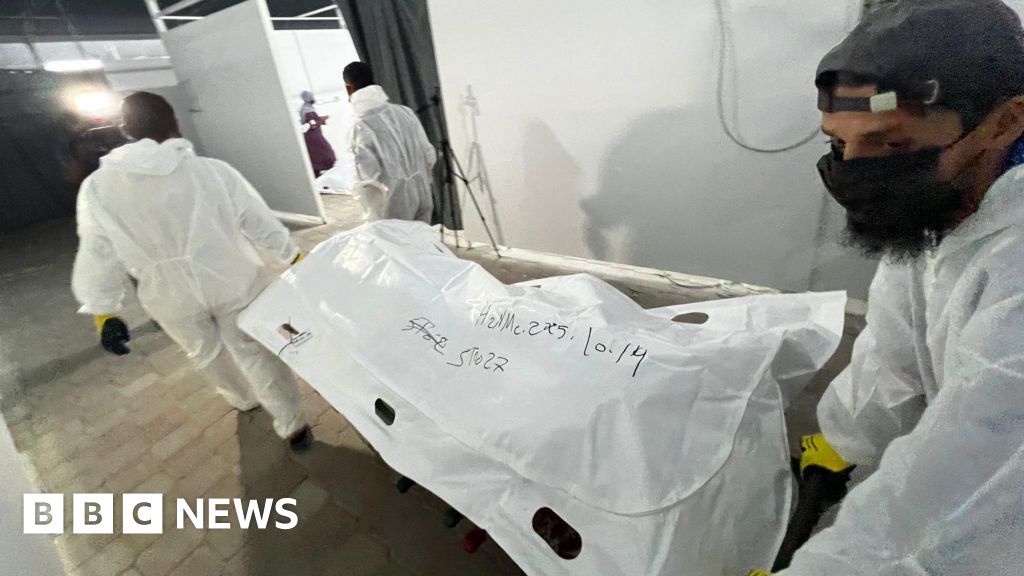
  • Bodies of 90 Palestinians handed over at Nasser hospital in Gaza remain unconfirmed in identity, with officials working to match remains with families amid reports of bodies stored in refrigerators awaiting identification.
  • Palestinian families, like Rasmieh Qdeih, continue to search desperately for loved ones presumed dead or missing since the start of hostilities when Hamas launched a surprise attack on southern Israel, leading to the death of approximately 1,200 Israelis and the capture of hostages.
  • The Israeli authorities have pledged cooperation with international agencies such as the International Committee of the Red Cross (ICRC), yet the ambiguity surrounding the status of captured or deceased individuals fuels widespread grief and political uncertainty.

Distinguished international analysts, including geopolitical experts and historians, have warned that these unresolved human tragedies only deepen the moral and political crises in the region, complicating diplomatic efforts and affecting societal morale on both sides. The identification dilemma is more than bureaucratic—it represents a crucial turning point in how nations confront their collective past and their future, with some warning that failure to clarify these human costs could ignite further unrest.

The Broader Geopolitical Impact

The ongoing struggle over human remains underscores the war’s broader geopolitical impact. As Gaza struggles with a humanitarian crisis of staggering proportions—67,938 confirmed deaths and reporting that runs parallel to escalating international criticism—the region’s instability influences global alliances. Israel‘s military actions, compounded by international calls for accountability and ceasefire agreements, have drawn sharp scrutiny from organizations like the UN. Yet, Hamas and Gaza residents face the harsh reality that their suffering is often minimized or politicized among global powers seeking strategic advantage.

Renowned analysts argue that how international players handle these human tragedies will shape the future balance of regional power, with some warning that a failure to address these issues humanely could lead to a new cycle of conflict. The deepening rifts—between Israel and the Palestinian territories, and among regional neighbors—are fueled not only by territorial disputes but by the unresolved trauma of families like Qdeih’s, whose hopes for answers remain shattered amid the chaos of war.

Conclusion: The Unfolding Chapter of History

As the international community watches with bated breath, the weight of history continues to press upon Gaza, Israel, and the wider Middle East. The very act of returning bodies is emblematic of a fragile hope for justice amid enduring chaos. Yet, beneath the surface, questions loom larger than the immediate ceasefire—about truth, reconciliation, and the possibility of lasting peace in a region fractured by decades of conflict. In the shadows of Nasser hospital, families await their fates, bearing silent witness to the harsh realities of war’s aftermath. How this story ends remains unwritten, but the pages of history are being inscribed now, with each body returned, each family searching, and each leader navigating the treacherous path toward peace or further division. The world must grapple with whether justice will be served or merely postponed, while the silent echoes of the fallen remind us that history’s pen has yet to finish writing this chapter in human suffering.

Returned Palestinian prisoner finds family safe at home

Palestinian Prisoner’s Unexpected Reunion: A Human Face to a Broader Conflict

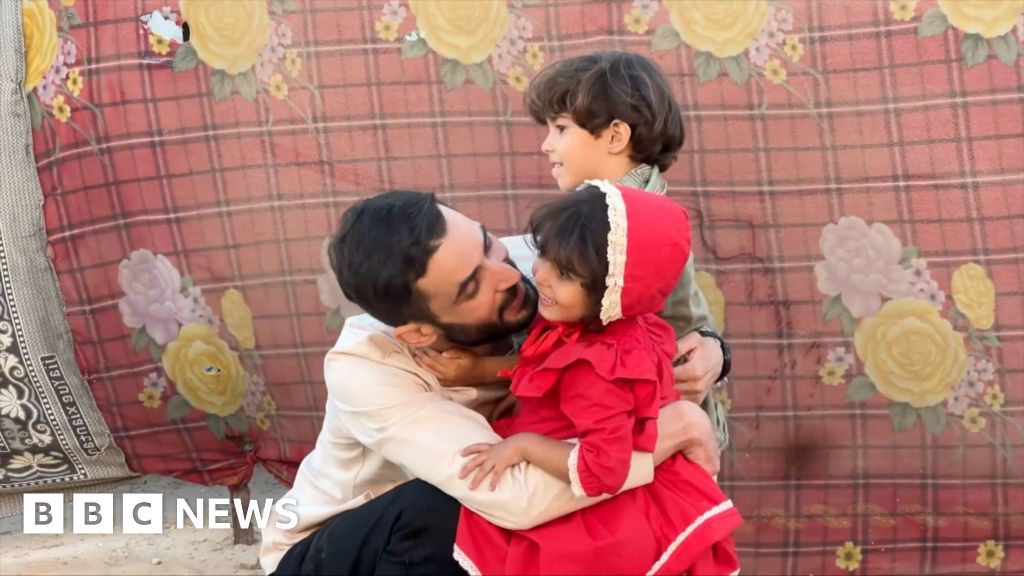
The recent release and reunion of Shadi Abu Sido with his family after 20 months of imprisonment in Israel has cast a rare spotlight on the ongoing Israeli-Palestinian conflict. Abu Sido was among nearly 2,000 prisoners exchanged under the US-brokered ceasefire agreement, which aims to de-escalate tensions and foster dialogue amidst a crisis that has once again, demonstrated the fragile nature of peace efforts in the region.

What deeply underscores the complexities of modern geopolitics was Abu Sido’s recounting of being told by an Israeli prison officer that his family had been killed and his home bombed—a stark reminder of the psychological toll inflicted by decades of conflict. Despite official statements from Israel’s prison service claiming operations within legal frameworks, this incident, whether factual or not, underscores the public perception of mistrust and the potential for misunderstandings and misinformation during times of intense political upheaval.

The Broader Impact: How Individual Stories Reflect Global Power Dynamics

This personal story is emblematic of the larger geopolitical impact on the Palestinian territories and the surrounding regional ecosystem. The exchange of prisoners is often portrayed as a symbolic step toward peace; however, as analysts like Dr. Richard Falk have observed, these actions can be double-edged, forging short-term relief but often masking underlying issues—territorial disputes, sovereignty, and security concerns — that continue to fuel conflict cycles. The diplomatic maneuvering by United States and regional powers exemplifies the intricate web of alliances and strategic interests that define current Middle East geopolitics.

For many in the international community, especially within Western nations, these exchanges are seen as pragmatic steps, yet critics argue they merely serve to paper over deeper societal grievances. The recent peace talks and prisoner swaps highlight how international institutions are often caught balancing moral ambitions with strategic realities. The ongoing tension underscores the importance of nuanced understanding; underlying societal rifts, economic hardship, and regional influence continue to threaten fragile ceasefires and peace accords.

The Future: Uncertainty and the Role of Global Stakeholders

The unfolding situation remains precarious, with history’s watchful eyes on the Middle East. The incident involving Abu Sido’s false report demonstrates how misinformation can exacerbate tensions, feeding into the cycle of violence that has persisted for generations. Meanwhile, international organizations like the United Nations and EU continue to advocate for diplomatic solutions, yet their influence often appears limited in the face of entrenched national interests and regional rivalries.

The region’s future hinges on the ability of global powers to foster genuine reconciliation rather than superficial gestures. As historians like Noam Chomsky warn, meddling and strategic interests have historically sustained conflict, and only through sustained, sincere engagement can peace take hold. The recent prisoner exchange, with its fleeting moments of hope, ultimately leaves the world with a stark reminder: the history of Middle Eastern conflict is still being written, and each chapter leaves an indelible mark on the world stage. The weight of history presses heavily on today’s decisions, shaping the geopolitical landscape for generations yet to come.

Social Media Auto Publish Powered By : XYZScripts.com