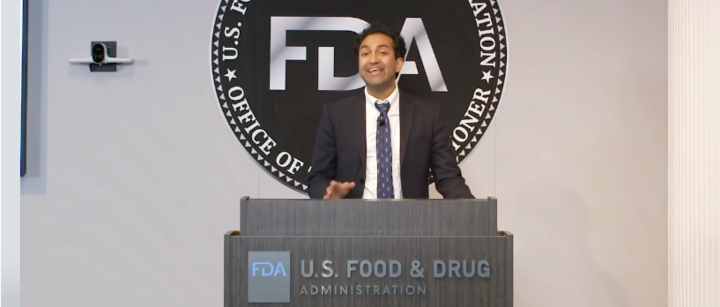

Unpacking the Claims of Children’s COVID-19 Vaccine-Related Deaths and Regulatory Changes
Recently, a leaked email from Dr. Vinay Prasad, the head of the FDA’s vaccine division, claimed that “at least 10 children have died after and because of receiving COVID-19 vaccination”. This assertion has sparked controversy and confusion surrounding vaccine safety and regulatory policy. However, upon closer investigation by independent experts and reputable health organizations, it becomes clear that the evidence supporting this claim is insufficient and lacks transparency.
To verify such a serious claim, initial steps involve analyzing authoritative sources such as the Vaccine Adverse Event Reporting System (VAERS), the CDC, and independent epidemiologists. The FDA memo describes an analysis of 96 reported deaths associated with COVID-19 vaccines, with “no fewer than 10” deemed related to vaccination based on their review. But experts like Dr. Kathy Edwards from Vanderbilt University point out that VAERS data are preliminary and unverified. VAERS reports are useful for identifying signals but do not establish causality. Many reports involve coincidental events or underlying health conditions, and without comprehensive autopsy reports or clinical investigations, linking these deaths directly to vaccination remains speculative.
Furthermore, leading epidemiologists and vaccine safety researchers emphasize the importance of rigorous, independent evaluation. Dr. Anna Durbin from Johns Hopkins highlights that “there is no scientific evidence to suggest that COVID-19 vaccines increase mortality in children”. Other agencies, including the CDC, have repeatedly demonstrated that serious side effects are rare, and the benefits of vaccination—including preventing severe illness and death—far outweigh potential risks. Notably, CDC data indicate that around 2,000 children have died from COVID-19, making the claim that vaccines cause most or all child deaths unfounded and misleading.
Regarding regulatory policy, Dr. Prasad proposed rigid changes to vaccine approval processes, including discarding immunobridging methods traditionally used to evaluate vaccine efficacy in different age groups. Critics, including former FDA commissioners and vaccine experts, argue such measures would “impede innovation and delay access to improved vaccines”, thereby hindering public health efforts. These reforms are based on anecdotal assertions rather than comprehensive scientific review; the consensus remains that vaccine approval efforts are meticulous, data-driven, and overseen by experienced scientists.
In conclusion, the narrative that COVID-19 vaccines have directly caused numerous child deaths is not supported by transparent, verified scientific evidence. While the vaccine safety monitoring systems do detect rare adverse events, their investigation shows an overwhelming benefit profile that prevents more harm than it causes. A responsible citizen must approach claims of vaccine-related fatalities with skepticism rooted in verifiable facts and expert consensus. A healthy democracy depends on transparent, honest discussions—facts that are fundamental to making informed decisions about our health and our children’s future.