Matox News

Truth Over Trends, always!

Razer Blade 14: Still the Top Compact Gaming Machine for the Next Generation

Razer Sets the Stage for Gaming Laptop Disruption with Next-Gen Hardware

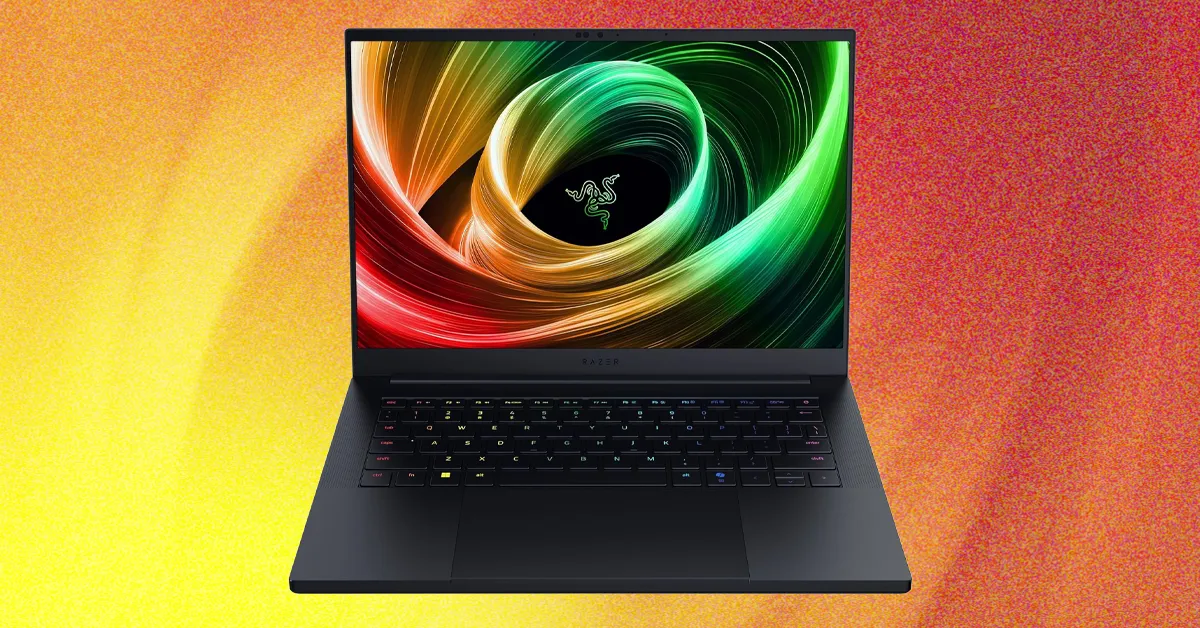
In a move that underscores the relentless push for innovation in gaming hardware, Razer has unveiled its latest gaming laptop configuration, harnessing the raw power of the AMD Ryzen AI 9 365 processor paired with the cutting-edge Nvidia RTX 50-series graphics cards. Starting with a foundational 1 TB of storage, users can choose between the RTX 5060 and 5070, two GPUs emblematic of Nvidia’s ongoing disruption in graphics processing technology. The new models reflect a strategic focus on performance optimization and user configurability, with Razer enforcing storage and memory upgrades based on their GPU selection—marking a shift that emphasizes tailored computing experiences in the gaming industry.

Performance Benchmarks Illuminate Industry Shifts

Initial reviews suggest that the Razer Blade 14 offers performance aligned with current expectations for high-end gaming laptops. Testing at a native resolution 2560 x 1600 strikes a balance between visual sharpness and smooth gameplay, though many gamers will prefer 1920 x 1200 for superior frame rates. Notably, the RTX 5070 performs approximately 14% faster than the previous RTX 5060 in comparable models, such as Lenovo’s Legion 7i Gen 10, signaling a step forward in GPU efficiency and power density.

Critically, the performance benchmarks were conducted without leveraging Nvidia’s advanced upscaling—such as frame generation or ray tracing—which means these numbers underrepresent the full potential of the hardware. By employing Nvidia’s DLSS technology, gamers can sustain higher frame rates without compromising visual quality, underscoring the industry’s shift toward AI-driven rendering advancements that challenge existing paradigms.

Business Implications and Industry Disruption

This latest release highlights how companies like Razer continue to disrupt traditional gaming laptop markets by integrating performance-centric innovations with modular, configurable platforms. The industry is witnessing a shift towards more user-customizable hardware, driven by consumer demand for mobility, power, and flexibility—all while maintaining competitive edge against competitors like ASUS, MSI, and Alienware.

Strategic differentiation lies in the advanced GPU offerings and their integration with AI-based features. As noted by industry analysts from Gartner and MIT, AI acceleration in graphics and workload processing will soon become standard, forcing incumbents to innovate swiftly. For instance, the RTX 5070 and upcoming RTX 5070 Ti models with increased VRAM will further challenge existing high-performance segments, especially as the demand for portable yet powerful machines grows exponentially.

Future Outlook: Innovation as a Business Mandate

The gaming hardware industry is on the precipice of significant transformation. Traditional perceived limitations—such as power consumption and thermal management—are being addressed through disruptive innovations in cooling systems, AI-optimized rendering, and component miniaturization. With giants like Elon Musk and investors like Peter Thiel emphasizing disruption and breakthrough tech, the race to dominate the next wave of AI-infused, ultra-portable gaming platforms intensifies.

In this environment, businesses that prioritize innovation, agility, and user-centric customization will lead the future of gaming hardware. As Razer’s latest models demonstrate, this is not merely about incremental upgrades but about redefining performance benchmarks and industry standards. The next few years promise to be a battlefield where disruption is the new norm, and those who fail to adapt risk being left behind in a rapidly evolving technological landscape.

Shelby Oaks Review – Disappointing Halloween Horror Fails to Deliver Frights

In the modern age, culture serves as a vital—the very foundation—of societal identity and tradition. Yet, today we witness a troubling decline in the artistic and cultural standards that once fostered genuine community and ennobled the human spirit. The recent batch of horror films airing in the shadow of Halloween exemplifies this trend: franchises like Black Phone 2 and Shelby Oaks are emblematic of a cultural landscape increasingly dominated by superficiality and the superficial chase of cheap shocks. Instead of cultivating the rich tapestry of tradition or elevating society’s moral and aesthetic horizons, these productions reflect a descent into mediocrity, where the artistic is sacrificed on the altar of spectacle and profit.

This cultural malaise echoes underscored warnings from philosophers like José Ortega y Gasset, who lamented the crisis of mass entertainment diluting human excellence. The decline from genuine artistic endeavor to formulaic imitation—cloaked under the guise of innovation—is a sign of a society losing touch with its deeper roots. We can compare the current cultural decline to a kind of cultural amnesia, a forgetting of the traditions that once unified communities and inspired moral virtue. Instead of fostering stories that challenge the soul or elevate the mind, Hollywood now panders to fleeting trends, often producing films that are hurried, unoriginal, and devoid of the philosophical weight that once characterized Gothic or Romantic art.

This phenomenon is not confined to the film industry alone. It pervades the digital landscape, where YouTube creators like Chris Stuckmann attempt to carve their space within a fractured cultural framework. His debut feature, a low-budget horror film that tries to capitalize on genre tropes and online appeal, falls short of authentic storytelling, revealing the peril of a culture increasingly content with surface-level entertainment. Conversely, creators like Curry Barker, who successfully transitioned from humble beginnings to refined cinematic art, demonstrate that true cultural progress demands a mastery of craft and a reverence for tradition. As Chesterton argued, “Art is the signature of man,” linking cultural vitality directly to the moral and aesthetic cultivation of society.

In the face of this erosion, it is essential to recognize that culture is more than mere entertainment; it is the living memory of a civilization’s virtues, struggles, and aspirations. It should serve as both a mirror and a prophecy, reflecting the best of humanity and guiding us toward a future rooted in the enduring truths of our shared history. To heed the insights of T.S. Eliot—that “the past makes us, not in the sense of mere history but as a living tradition”—is to understand that our cultural endeavors forge the very fabric of society. In doing so, culture reveals the dual nature of humanity: a repository of memory, yet also a prophetic voice pointing towards human potential, calling us to remember the nobility of our ancestors and to forge a future that honors that nobility.

Ultimately, culture remains the sacred language of human authenticity—a symphony woven from the echoes of the past and the visions of what is yet to come. As we stand at the crossroads of this cultural moment, let us remember that true art and tradition are the torchbearers illuminating the way through the darkness toward a horizon where human greatness is rekindled, and the soul of society endures—resilient, rooted, and renewed in the eternal poetry of human existence.

Lenovo Yoga Pro 9i 16 Review: Can It Take on the MacBook Pro?

Disruption in the Laptop Market: The Lenovo Yoga Pro 9i 16 Challenges Apple with Windows Powerhouse

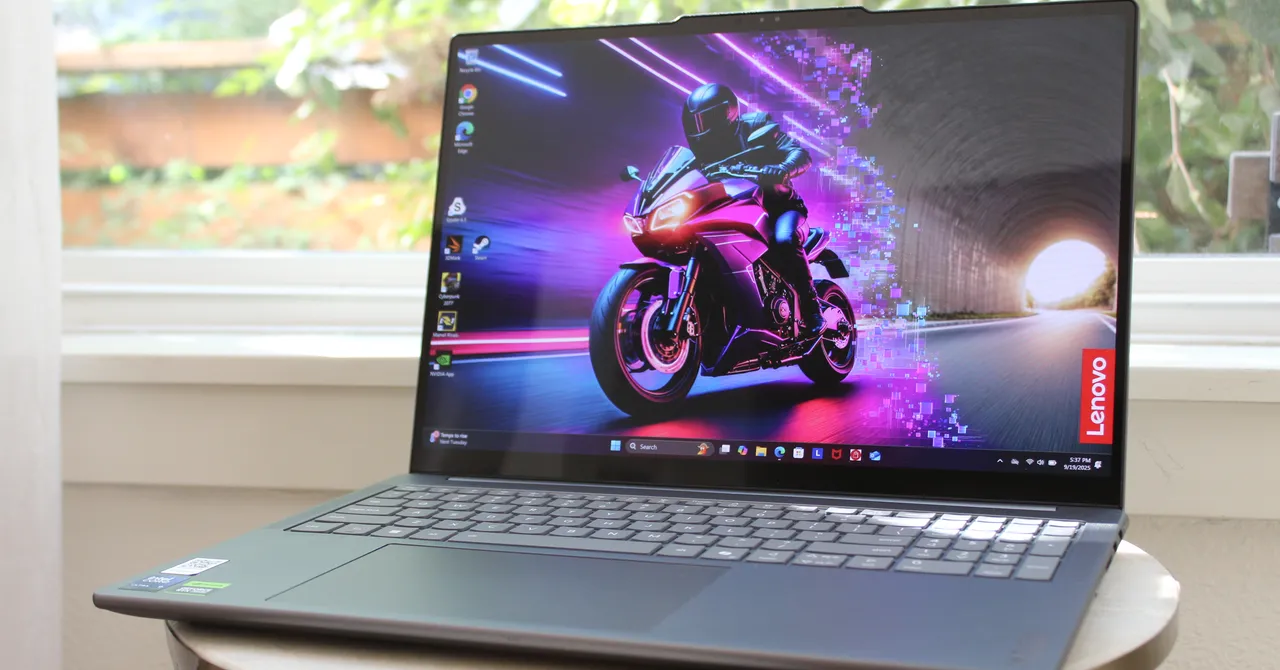
The competitive landscape of high-performance laptops is witnessing a fascinating shift, driven by innovation and a push for disruption within a traditionally Apple-dominated arena. The recent rollout of the Lenovo Yoga Pro 9i 16 signals a pivotal moment, showcasing how Windows-fueled systems are vying to match — and potentially surpass — Apple’s standards in performance, display, and usability. While Apple’s MacBook Pro remains the gold standard for efficiency and battery life, Windows contenders are aggressively closing the gap, especially in the realm of content creation and mobile productivity.

Despite boasting impressive specifications and a premium design, the Yoga Pro 9i 16 highlights ongoing challenges for Windows systems—chiefly, balancing raw power with efficient battery management. With an 84-watt-hour battery, the device manages approximately 12 hours of local video playback, which is competitive but still falls short of the ~25 hours of battery life delivered by Apple’s M4 Max MacBook Pro. Under heavy workload—such as benchmarking—the Yoga’s power endurance diminishes rapidly, dying in just 45 minutes, signaling a persistent Achilles’ heel for discrete GPU-heavy systems. Consequently, the industry’s trajectory increasingly favors ARM-based architectures, encouraging innovation that prioritizes integrated, intelligent graphics solutions over traditional discrete GPU setups.

The market’s pivot toward ARM-based processors is gaining momentum, with AMD’s Ryzen AI Max+ emerging as one of the few challengers capable of disrupting the dominance of Apple’s M-series silicon. The Asus ROG Flow Z13 with integrated graphics exemplifies this shift, demonstrating that integrated graphics performance can challenge discrete GPUs—a crucial enterprise for future-proofing portable workstations. However, industry experts such as Gartner analyst Mia Lane underscore that “we are on the cusp of a generational leap, but the ecosystem as a whole must adapt to fully leverage ARM’s potential in high-performance computing.” Until then, discrete GPU reliance remains a bottleneck, limiting battery efficiency and mobility for high-end Windows machines.

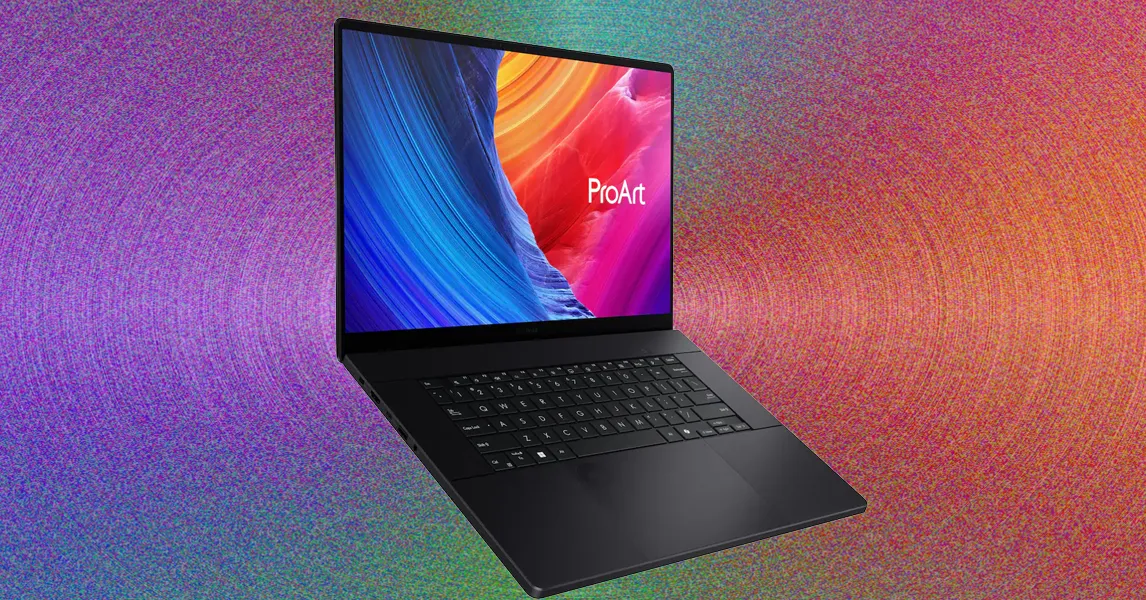
In contrast, premium Windows options like the Asus ProArt P16 with options up to RTX 5090 demonstrate the potential for disruption at the high end—featuring up to 4K OLED screens and cutting-edge GPUs. Yet, such configurations come with prohibitive costs, positioning them as niche products. The Yoga Pro 9i 16, by comparison, offers a compelling value proposition—delivering top-tier performance, design elegance, and mobility at a fraction of the cost. This strategic pricing could accelerate widespread adoption, challenging entrenched perceptions of Windows as primarily a productivity platform rather than a serious alternative to MacBook Pro for high-end creators.

Looking ahead, the ongoing disruption in portable computing technology shows no signs of slowing. Industry leaders such as Elon Musk and Peter Thiel have long warned of the accelerated race toward innovation driven by AI integration, advanced graphics, and energy-efficient architectures. The market is now witnessing a critical inflection point—where hardware efficiency and power are no longer mutually exclusive. Moving forward, business executives and investors must recognize that the race for high-performance laptops—equipped with integrated, AI-enhanced graphics solutions—will redefine industry standards within the next few years. As ARM-based designs become more refined and GPU technology continues to evolve, companies that fail to innovate swiftly risk falling behind in this high-stakes competition for the future of mobile computing—which is, increasingly, the battleground for technological supremacy.

Amazfit T-Rex 3 Pro: Tough Outdoor Gear That Just Doesn’t Coast

Tech Disruption Continues: Amazfit TRex 3 Pro Fails to Meet Expectations in Market-Defining Wearable Segment

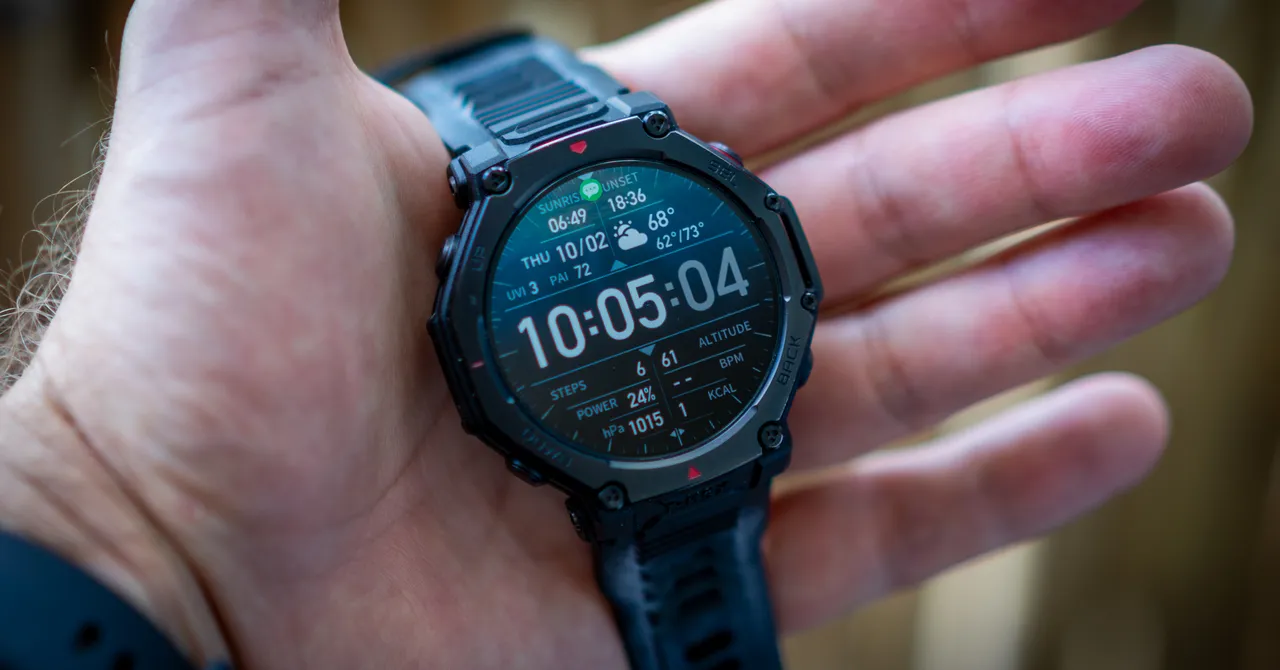
In the rapidly evolving world of wearable technology, innovation is often touted as the main driver of competitiveness. However, recent reviews of the Amazfit TRex 3 Pro reveal that despite its promising feature set, the device struggles with implementation, casting a shadow over the company’s perceived market leadership in outdoor and sports watches. While touted for offline routing and outdoor activity metrics, user experiences highlight significant shortcomings that threaten its disruptive potential in this segment. Analysts note that this underscores a broader industry trend — rapid feature proliferation without ensuring core functionality, leading to consumer skepticism and operational risks, especially as competitors like Garmin and Apple refine their offerings.

The device’s offline routing capability epitomizes the gaming industry’s push towards seamless, high-precision navigation tools for adventure-seekers and fitness enthusiasts alike. However, the reality falls short of expectations. Reviewers detail persistent failures in route creation—often limited to short distances—and bizarre recommendations such as running on one of the country’s busiest highways, Interstate 405. This exposes a critical gap in disruption-driven innovation—the promise of smart features that integrate smoothly with user needs remains unfulfilled. For industries betting on the next wave of wearable tech, such gaps may deter early adopters, risking market share erosion when competitors deliver truly reliable solutions.

Beyond navigation, the device faces industry-wide challenges related to software completeness and interface polish. Despite the hype around fitness and activity tracking, features such as strength training recognition remain unreliable, as surfacing issues highlight a disconnect between R&D ambitions and product execution.

  • Incomplete translation and interface bugs
  • Limited activity recognition
  • Questionable usability in real-world scenarios

These shortcomings come at a crucial time when market leaders like Samsung and Fitbit continue to push comprehensive, integrated platforms that combine hardware prowess with enhanced AI-driven insights. The lesson for emerging players: innovation alone cannot substitute for meticulous testing and user-centered design. Disruption only occurs if new entrants can deliver on their promises without compromise.

Nevertheless, not all is lost for the Amazfit brand in this segment. Notable features such as an LED flashlight, basic notification display, and quick-response messaging for Android users highlight that the company is attuned to evolving consumer needs. Experts from MIT and industry analysts like Peter Thiel suggest that a strategic focus on niche, high-impact innovations—such as durable ruggedness and advanced battery life—may yet carve a competitive edge. The key takeaway for the youth market and innovators is the emphasis on “finish the job”: iteration, testing, and aligning features with genuine user needs — crucial for disrupting entrenched giants.

Looking ahead, this case exemplifies a broader market imperative: the race to redefine what wearables can do is far from over. As Elon Musk frequently warns, “speed isn’t enough; reliability is everything.” The future belongs to those who can marry cutting-edge features with rock-solid dependability, all while disrupting traditional paradigms. For the tech-savvy youth and fast-moving startups alike, the message is clear—disruption demands more than buzzwords and early prototypes. It requires relentless execution, user trust, and a keen eye on practical utility. As industry giants continue to innovate, those who master the fine balance between innovation and execution will ultimately dictate the future landscape of wearable technology. Time is of the essence; the next leap forward is just around the corner.

Top Body Pillows of 2025: The Ultimate Youth-Focused Review

Revolutionizing Rest: How Innovation Is Disrupting the Sleep Industry and Shaping Business Strategies

In an era defined by rapid technological advancement, innovative sleep solutions exemplify how disruptive technologies are reshaping consumer markets. Companies like Pillow Cube and Leacho are pioneering personalized, support-focused sleep products that challenge traditional pillow and mattress manufacturing. This shift underscores a broader industry trend where customer-centric design, driven by AI and material science, offers unparalleled support, comfort, and health benefits wired directly into mainstream sleep technology.

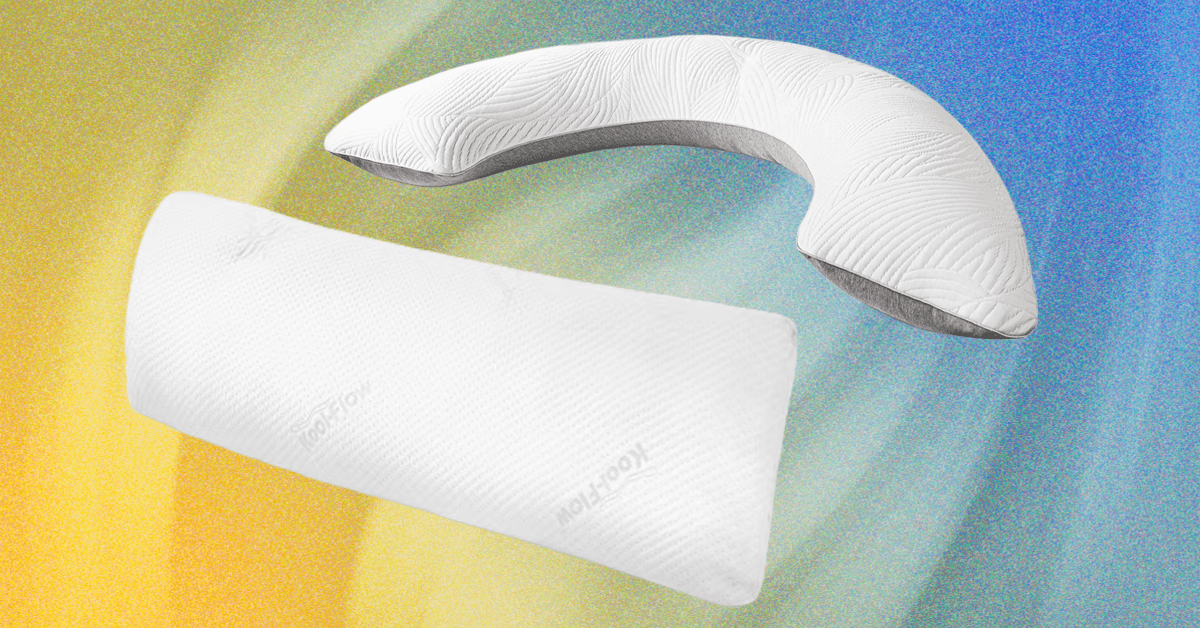
Notably, Pillow Cube has introduced a side-sleeper-specific pillow that emphasizes innovation in ergonomic support. Instead of generic, weighty memory foam mattresses, the company leverages breathable AeroPluff foam and modular design to address individual needs—a clear disruptor to the conventional one-size-fits-all approach entrenched in the industry. Similarly, Leacho offers the versatile Snoogle, a multi-shape, customizable pregnancy pillow that epitomizes consumer-driven innovation. Such products are not only redefining comfort but also heralding a new era where tailored support and temperature regulation become key competitive advantages.

The implications for business are profound: companies that leverage emerging technologies such as advanced foam composites, adaptable shapes, and breathable textiles are gaining a competitive edge. Industry giants like Gartner are already emphasizing the importance of “smart materials” and personalized health data in future product development, revealing a market trajectory favoring disruptive innovation over incremental improvements. These advancements signal a shift toward *industry realignment*, where traditional manufacturers risk obsolescence if they do not adopt flexible, support-oriented designs rooted in science and technology. Market disruption is accelerating as startups focus on user-specific solutions, challenging entrenched players to innovate or fade into irrelevance.

However, not all products will survive this wave of innovation. For example, conventional head pillows made largely from memory foam or traditional polyester fillings are increasingly seen as inadequate. As MIT researchers highlight, fill type—supportive, breathable, and adaptable—is crucial for consumer satisfaction, especially for sleep-optimizing devices. The market’s pivot toward materials that promote airflow, support, and temperature regulation underscores an urgent need for companies to innovate or face declining relevance. The era of one-dimensional sleep products is waning, replaced by a dynamic landscape demanding agility and technological integration to meet evolving consumer expectations.

Looking ahead, the industry faces a pivotal moment where **disruption is inevitable**. The integration of AI, IoT-enabled customizations, and advanced materials will catalyze new business models centered around personalized health and sleep optimization. Companies that harness these trends—like Pillow Cube and emerging startups—are positioned to redefine market standards. Industry leaders such as Elon Musk and Peter Thiel have long emphasized the importance of innovation as a foundation for future prosperity, and the sleep industry is no exception. The urgency for established players to pivot toward science-driven, user-focused fabrications is underscored by the rising market share of disruptive entrants.

As we look toward the future, the message is clear: **those who leverage innovation, disruption, and business agility now will define the next era of sleep technology**. The market is ripe for bold moves—unmatched customization, advanced materials, and integration with health data promise not only better sleep but also a competitive edge that could lead to industry dominance. The clock is ticking on traditional sleep solutions, and the window for meaningful transformation is closing fast. Forward-thinking companies must act swiftly—because the future belongs to the innovators willing to challenge industry norms and embrace a new frontier of support and comfort.

Social Media Auto Publish Powered By : XYZScripts.com