Matox News

Truth Over Trends, always!

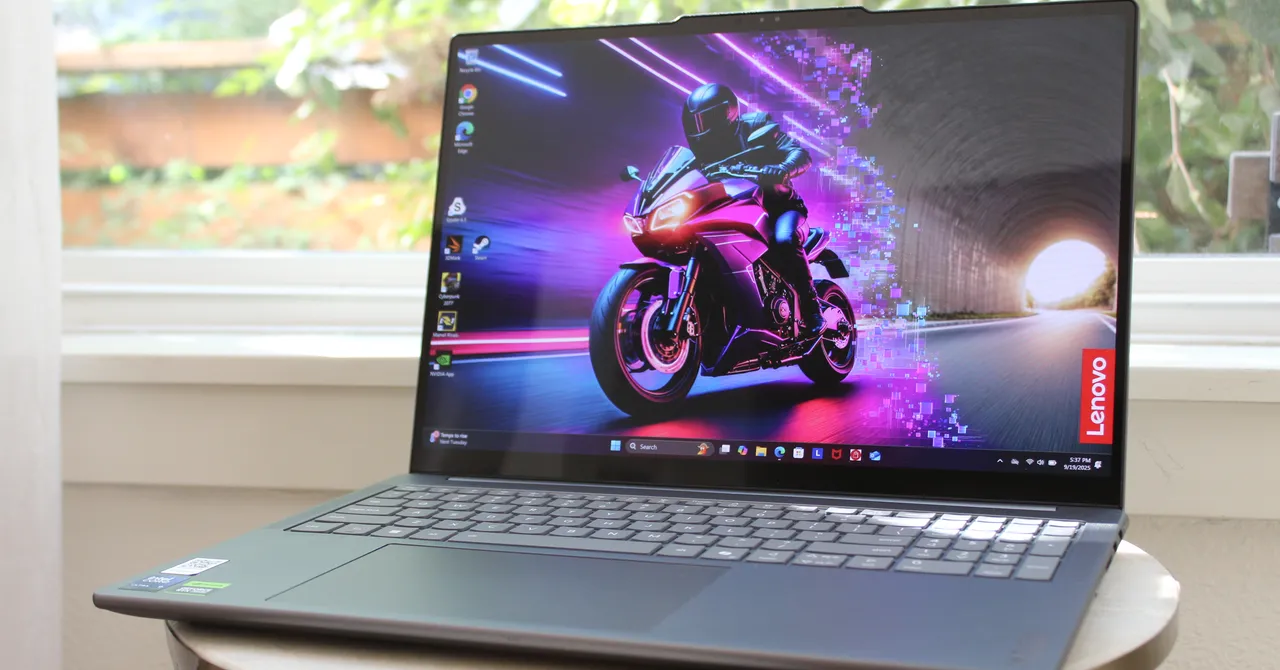
Lenovo Yoga Pro 9i 16 Review: Can It Take on the MacBook Pro?

Disruption in the Laptop Market: The Lenovo Yoga Pro 9i 16 Challenges Apple with Windows Powerhouse

The competitive landscape of high-performance laptops is witnessing a fascinating shift, driven by innovation and a push for disruption within a traditionally Apple-dominated arena. The recent rollout of the Lenovo Yoga Pro 9i 16 signals a pivotal moment, showcasing how Windows-fueled systems are vying to match — and potentially surpass — Apple’s standards in performance, display, and usability. While Apple’s MacBook Pro remains the gold standard for efficiency and battery life, Windows contenders are aggressively closing the gap, especially in the realm of content creation and mobile productivity.

Despite boasting impressive specifications and a premium design, the Yoga Pro 9i 16 highlights ongoing challenges for Windows systems—chiefly, balancing raw power with efficient battery management. With an 84-watt-hour battery, the device manages approximately 12 hours of local video playback, which is competitive but still falls short of the ~25 hours of battery life delivered by Apple’s M4 Max MacBook Pro. Under heavy workload—such as benchmarking—the Yoga’s power endurance diminishes rapidly, dying in just 45 minutes, signaling a persistent Achilles’ heel for discrete GPU-heavy systems. Consequently, the industry’s trajectory increasingly favors ARM-based architectures, encouraging innovation that prioritizes integrated, intelligent graphics solutions over traditional discrete GPU setups.

The market’s pivot toward ARM-based processors is gaining momentum, with AMD’s Ryzen AI Max+ emerging as one of the few challengers capable of disrupting the dominance of Apple’s M-series silicon. The Asus ROG Flow Z13 with integrated graphics exemplifies this shift, demonstrating that integrated graphics performance can challenge discrete GPUs—a crucial enterprise for future-proofing portable workstations. However, industry experts such as Gartner analyst Mia Lane underscore that “we are on the cusp of a generational leap, but the ecosystem as a whole must adapt to fully leverage ARM’s potential in high-performance computing.” Until then, discrete GPU reliance remains a bottleneck, limiting battery efficiency and mobility for high-end Windows machines.

In contrast, premium Windows options like the Asus ProArt P16 with options up to RTX 5090 demonstrate the potential for disruption at the high end—featuring up to 4K OLED screens and cutting-edge GPUs. Yet, such configurations come with prohibitive costs, positioning them as niche products. The Yoga Pro 9i 16, by comparison, offers a compelling value proposition—delivering top-tier performance, design elegance, and mobility at a fraction of the cost. This strategic pricing could accelerate widespread adoption, challenging entrenched perceptions of Windows as primarily a productivity platform rather than a serious alternative to MacBook Pro for high-end creators.

Looking ahead, the ongoing disruption in portable computing technology shows no signs of slowing. Industry leaders such as Elon Musk and Peter Thiel have long warned of the accelerated race toward innovation driven by AI integration, advanced graphics, and energy-efficient architectures. The market is now witnessing a critical inflection point—where hardware efficiency and power are no longer mutually exclusive. Moving forward, business executives and investors must recognize that the race for high-performance laptops—equipped with integrated, AI-enhanced graphics solutions—will redefine industry standards within the next few years. As ARM-based designs become more refined and GPU technology continues to evolve, companies that fail to innovate swiftly risk falling behind in this high-stakes competition for the future of mobile computing—which is, increasingly, the battleground for technological supremacy.
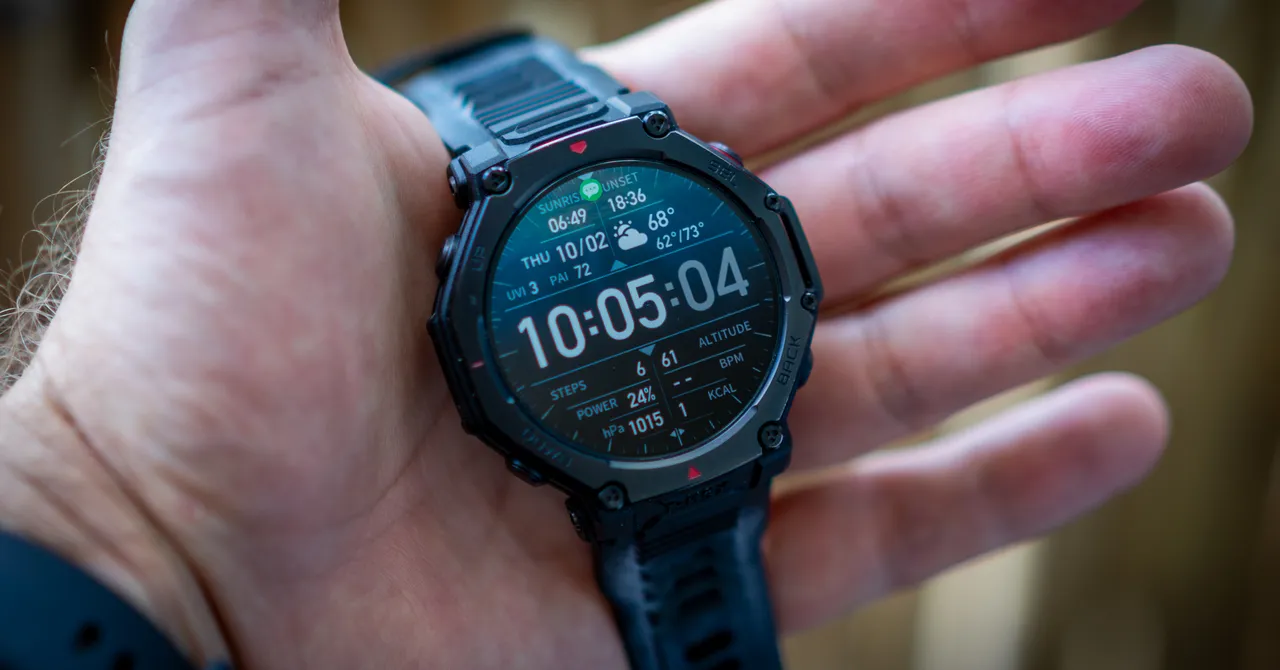

Amazfit T-Rex 3 Pro: Tough Outdoor Gear That Just Doesn’t Coast

Tech Disruption Continues: Amazfit TRex 3 Pro Fails to Meet Expectations in Market-Defining Wearable Segment

In the rapidly evolving world of wearable technology, innovation is often touted as the main driver of competitiveness. However, recent reviews of the Amazfit TRex 3 Pro reveal that despite its promising feature set, the device struggles with implementation, casting a shadow over the company’s perceived market leadership in outdoor and sports watches. While touted for offline routing and outdoor activity metrics, user experiences highlight significant shortcomings that threaten its disruptive potential in this segment. Analysts note that this underscores a broader industry trend — rapid feature proliferation without ensuring core functionality, leading to consumer skepticism and operational risks, especially as competitors like Garmin and Apple refine their offerings.

The device’s offline routing capability epitomizes the gaming industry’s push towards seamless, high-precision navigation tools for adventure-seekers and fitness enthusiasts alike. However, the reality falls short of expectations. Reviewers detail persistent failures in route creation—often limited to short distances—and bizarre recommendations such as running on one of the country’s busiest highways, Interstate 405. This exposes a critical gap in disruption-driven innovation—the promise of smart features that integrate smoothly with user needs remains unfulfilled. For industries betting on the next wave of wearable tech, such gaps may deter early adopters, risking market share erosion when competitors deliver truly reliable solutions.

Beyond navigation, the device faces industry-wide challenges related to software completeness and interface polish. Despite the hype around fitness and activity tracking, features such as strength training recognition remain unreliable, as surfacing issues highlight a disconnect between R&D ambitions and product execution.

  • Incomplete translation and interface bugs
  • Limited activity recognition
  • Questionable usability in real-world scenarios

These shortcomings come at a crucial time when market leaders like Samsung and Fitbit continue to push comprehensive, integrated platforms that combine hardware prowess with enhanced AI-driven insights. The lesson for emerging players: innovation alone cannot substitute for meticulous testing and user-centered design. Disruption only occurs if new entrants can deliver on their promises without compromise.

Nevertheless, not all is lost for the Amazfit brand in this segment. Notable features such as an LED flashlight, basic notification display, and quick-response messaging for Android users highlight that the company is attuned to evolving consumer needs. Experts from MIT and industry analysts like Peter Thiel suggest that a strategic focus on niche, high-impact innovations—such as durable ruggedness and advanced battery life—may yet carve a competitive edge. The key takeaway for the youth market and innovators is the emphasis on “finish the job”: iteration, testing, and aligning features with genuine user needs — crucial for disrupting entrenched giants.

Looking ahead, this case exemplifies a broader market imperative: the race to redefine what wearables can do is far from over. As Elon Musk frequently warns, “speed isn’t enough; reliability is everything.” The future belongs to those who can marry cutting-edge features with rock-solid dependability, all while disrupting traditional paradigms. For the tech-savvy youth and fast-moving startups alike, the message is clear—disruption demands more than buzzwords and early prototypes. It requires relentless execution, user trust, and a keen eye on practical utility. As industry giants continue to innovate, those who master the fine balance between innovation and execution will ultimately dictate the future landscape of wearable technology. Time is of the essence; the next leap forward is just around the corner.

Factor Protein Plus Meals (2025): Fuel Your Day Without the Fat

Emerging Tech Disrupts Food Industry: The Rise of Smart Reheating and High-Protein Diets

In a landscape dominated by rapid innovation and a relentless quest for efficiency, companies like Factor and Ninja are redefining the way consumers approach meal preparation and nutrition. The latest breakthrough involves the integration of advanced kitchen appliances such as the Ninja Crispi, which, equipped with a novel air fryer—featuring a 380-degree Fahrenheit recrisp setting—delivers restaurant-quality leftovers with minimal effort. This technological refinement exemplifies how disruption in kitchen tech promises to overhaul traditional heating modalities, steering towards smarter, faster, and more satisfying consumer experiences. This shift isn’t just about convenience; it underscores a broader trend of innovation spurred by consumer demand for premium, customizable culinary tools that blur the line between home-cooked and restaurant dining.

Simultaneously, a new wave of health-focused, high-protein meal kits—such as Factor’s Protein Plus line—are charting a disruptive course in the nutrition industry. These ready-to-eat meals, boasting over 30 grams of protein per serving, cater to a burgeoning demographic of youthful, health-conscious consumers influenced by social media trends and lifestyle fads. While critics warn against the extremes of diets pushed by online influencers—highlighting the questionable wisdom of 200 grams of whey daily or meat-only regimens—the business implications for food tech giants are profound. Companies are now leveraging data, AI, and processing innovations, setting a new standard for health, taste, and convenience—aligning perfectly with industry leaders like Gartner, who forecast that the “digitalization of food” will be a dominant trend shaping the next decade.

This wave of innovation signals an industry in transition—from traditional mass production to personalized, tech-enabled nutrition solutions. The integration of smarter appliances and tailored meal offerings doesn’t just enhance consumer engagement; it transforms the very infrastructure of food preparation and dietary health. As products become more sophisticated—providing features like real-time temperature control or nutrient tracking—businesses are positioning themselves for exponential growth in a market that values both convenience and well-being. Experts such as Elon Musk, known for his disruptive ventures, and institutions like MIT’s Food and AI research labs, are increasingly emphasizing that the next big leap rests on merging AI, IoT, and bioengineering to revolutionize dietary habits at scale. This synergy promises to create a new food ecosystem—one that emphasizes sustainability, personalization, and high-tech adherence to evolving consumer preferences.

However, the clock is ticking, and the urgency to innovate is palpable. As health trends evolve rapidly and consumer expectations skyrocket, established players and disruptive startups alike face the imperative to harness technological breakthroughs swiftly. The market is primed for a renaissance—where the boundaries of conventional food and nutrition are pushed beyond the limits of traditional paradigms. Industry analysts warn that those who fail to adapt risk obsolescence in a landscape where innovation accelerates at lightning speed. Forward-looking stakeholders must capitalize on the confluence of AI, smart appliances, and personalized nutrition to lead the next wave of disruption, shaping a future where culinary innovation is inseparable from technological mastery. The race is on—those who recognize the stakes early will not only thrive but define the food tech landscape for decades to come.

Raleigh One e-bike: The comeback ride for young riders

Resilience and Revolution: How Industry Turmoil Fuels Innovation in the E-bike Sector

The recent bankruptcy of VanMoof in 2023 has sent shockwaves through the e-bike industry, a sector increasingly defined by rapid innovation and fierce competition. Despite the upheaval, the company’s demise has paradoxically accelerated technological progress and market disruption, with new ventures rising from its ashes—most notably, the launch of the VanMoof S6 under new ownership and the inventive Carlier Ties Taco-developed commuter e-bike for Raleigh. Industry experts and analysts like Gartner highlight how such industry shocks often catalyze accelerated innovation, compelling brands to rethink their strategies or die in the aftermath.

What sets these emerging products apart is innovation-driven disruption. The VanMoof S6 exemplifies a simplified yet sophisticated approach to urban mobility, missing only a boost button—a feature many riders would appreciate. Conversely, the Raleigh One, designed by VanMoof’s former founders, aims for a more practical, no-nonsense ride. It achieves this with an integrated, nearly silent Mivice motor paired with a sturdy belt drive; although it sacrifices torque—culving at just 35Nm—and lacks features like high-powered boost functions, it epitomizes the trend towards robust, user-centric design. As Ties and Taco Carlier attempt redemption through this reimagining, the business landscape becomes even more dynamic and unpredictable.

The Business Implications of Industry Disruption

The disruption is more than just product innovation—it signals a fundamental shift in how electric mobility businesses operate and compete. The industry is now characterized by rapid product iteration, direct-to-consumer models, and subscription-based services, which are becoming a double-edged sword. The Raleigh management admits that its connected e-bike faces significant software challenges, including an extraordinary 3% battery drain daily when idle and buggy existing app features. Accell Group, the parent company, responds by promising firmware updates and more robust software development—a sign of how vital software robustness is to sustain consumer trust and maintain competitive advantage.

This industry upheaval underscores a broader trend: the rise of software as the backbone of hardware innovation. As Peter Thiel and Elon Musk have warned, companies ignoring this integration risk obsolescence. The shift towards disruptive, software-intensive design is most evident in subscription upsell models for premium bikes, which critics argue is a necessary element of survival amid a highly volatile market. Most industry veterans recognize the new normal—bike companies of all sizes face existential threats from “bikeagedon”, a term capturing the wave of venture failures as market valuations crash and startups fold. This environment demands agile innovation, relentless iteration, and strategic pivots.

Looking Ahead: The Urgency of Innovation in a High-Stakes Arena

The industry’s future hinges on disruption, innovation, and strategic agility. As the 2019-2023 cycle taught industry insiders, those who fail to embrace software robustness, customer experience, and market adaptability will fall behind. The new crop of e-bikes—like VanMoof’s S6 and Raleigh’s One—demonstrate that even in turbulent times, innovation remains the primary driver of survival. The race is intensifying, and the next 12–24 months will reveal whether these newly proposed solutions can withstand wear, tear, and the relentless pressure of market forces.

In an era where technological disruption is the only certainty, industry players must act swiftly, or risk being left behind as the market reshapes itself around smarter, more resilient mobility solutions.

Social Media Auto Publish Powered By : XYZScripts.com