Matox News

Truth Over Trends, always!

UK reviews Kanye West’s visa after festival protests

In a world increasingly divided along political, cultural, and religious lines, recent events highlight how local decisions can ripple into global tensions. Haringey Council, a London-based authority responsible for managing the annual Finsbury Park festival, faced intense criticism after booking an artist whose controversial comments sparked outrage among local residents. The decision has become a microcosm of larger, unresolved conflicts involving free speech, cultural identity, and political values. The Council leader expressed deep disappointment over the move, especially considering the concerns voiced within the community’s large Jewish population. This incident underscores the profound impact local governance decisions can have in international discourse and societal tensions.

Meanwhile, across the Atlantic, similar debates about cultural expression and the boundaries of free speech continue to fuel political debates in the United States. Analysts warn that when local authorities or cultural institutions endorse controversial figures or actions, they risk exacerbating existing divisions. Historians like Dr. Catherine Anders have noted that such decisions often reflect broader societal struggles about identity, tolerance, and historical memories. The decisions made in Haringey echo in wider discussions about how societies navigate the complex terrain of accommodating diverse perspectives while maintaining social cohesion amidst rising populist currents. These are not isolated incidents but part of a pattern illustrating how local decisions can rapidly escalate into international flashpoints.

At the heart of this tension is the role of giants like the European Union and United Nations, which, despite their efforts to promote dialogue and tolerance, often find themselves caught between competing narratives. Critics argue that international institutions have sometimes failed to address the root causes of rising extremism, allowing cultural divides to deepen. Their inability to mediate effectively can weaken global efforts to foster peaceful coexistence, especially as nations grapple with the fallout of diplomatic incidents and social unrest. These international shifts suggest a turning point where the balance of power and the resilience of societal values are being tested like never before.

As global leaders and citizens alike observe these unfolding events, the message remains clear: the decisions made in small local councils ripple outward, shaping the future of international stability. Whether it is a council in London or a policy debate in Washington, the underlying trend is the same. Nations are increasingly interconnected, and actions—no matter how localized—can ignite broader conflicts or foster fragile alliances. The weight of history presses heavily on this moment, as societies stand at a crossroads: continue to fracture under the weight of discord or find ways to forge unity amid diversity. The story of our time is being written in these choices, and the ultimate outcome remains uncertain—lingering like a shadow over a world struggling to hold together the fabric of its civilization.

Can Your Game Boy Spot Fake Cartridges? Here’s What You Need to Know

Revolutionizing Retro Gaming: Epilogue GB Operator’s New Mobile Integration Ushers Disruption

In a bold move that underscores the rapid pace of innovation in the gaming hardware ecosystem, Epiloque has announced a significant upgrade to its flagship product, the $50 Epilogue GB Operator. Traditionally celebrated for its ability to back up and restore Game Boy, Game Boy Color, and Game Boy Advance cartridges directly to a PC, the device now boasts seamless connectivity to smartphones via its Retrace app for Android and iOS. This strategic integration exemplifies the company’s commitment to democratizing access to game preservation tools, with broad implications for secondary markets, digital rights management, and industry innovation.

The market response to this development is mixed but undeniably indicative of market disruption. While the app introduces unprecedented convenience for enthusiasts and collectors, early testing by industry analysts reveals notable reliability concerns. A user, testing around fifty cartridges, encountered inconsistencies—including false positives in counterfeit detection and an inability to scan certain authentic cartridges—highlighting the ongoing challenges in digital verification technologies. This underscores an industry still in its infancy in terms of trustworthiness and precision, especially when dealing with high-value vintage items, and suggests that hardware-based verification remains vital. Nonetheless, the move signals a decisive push toward incorporating mobile technology as a core component of retro game management, potentially transforming secondary markets and valuation processes.

This groundbreaking approach is underpinned by the broader trend of disruption in legacy gaming infrastructure, driven by startups and established companies alike contemplating the integration of rugged hardware and digital platforms. Experts like Peter Thiel and institutions such as MIT emphasize that true innovation often combines hardware mastery with software agility. In this context, Epiloque‘s strategy aligns with the shifting focus toward smart, accessible, and portable game preservation solutions.

Looking ahead, industry insiders anticipate the launch of the SN Operator, a Super Nintendo and Super Famicom cartridge reader from Epiloque expected next month. Coupled with the current app, this hints at an impending wave of incredibly versatile, mobile-friendly emulation and backup devices that push the boundaries of traditional console preservation. As researchers and entrepreneurs like Elon Musk and Peter Thiel forecast, the next decade will likely see an unprecedented convergence of hardware innovation, AI-driven verification, and market shift—propelling retro gaming into a new era of digital authenticity, collection, and monetization.

In conclusion, Epiloque’s latest upgrade signals more than just technological progress; it marks a glimpse into a future where disruption is relentless and innovation is essential for survival. Companies that can deploy reliable, user-centered solutions at the intersection of hardware robustness and digital convenience are poised to redefine industry standards. The retro gaming market is on the verge of an evolution marked by increased transparency and accessibility—making it imperative for industry leaders to adapt swiftly, lest they fall behind in this race of technological supremacy.

Preview: Aqara’s latest Matter-ready camera hits the scene

First Matter-Enabled Camera Surface in Market: Aqara G350 Ushers a Disruptive Wave in Smart Home Tech

The smart home industry is witnessing a pivotal breakthrough with the arrival of Matter-compatible cameras, exemplified by Aqara’s G350 Camera Hub. Announced at CES and launched this week, this innovative device not only elevates indoor security standards but also signifies a major leap toward interoperability, a core promise of the new Matter standard. While still in its early days, the G350’s features herald a future where smart home ecosystems could shift from fragmented, brand-specific setups to seamless, integrated solutions—echoing the disruptive ideals championed by tech visionaries like Elon Musk and industry analysts at Gartner.

The G350 distinguishes itself with exceptional hardware specs: dual lenses combining a 4K wide-angle and 2.5K telephoto capabilities, 360-degree auto-tracking, and a robust pan-tilt mechanism that enables comprehensive surveillance. Powered through a USB-C connection — with the necessity for an external brick — it also doubles as a hub for Aqara’s Zigbee devices, Thread Border Router, and Matter controller. This convergence of functionalities encapsulates the trend toward multi-purpose, all-in-one smart home devices that are set to challenge traditional, single-function cameras and hubs. Such an architecture promises to catalyze new business opportunities, disrupting the existing market segments dominated by brands like Ring and Google Nest.

However, the full potential of Matter support remains in development. Currently limited to live streaming and basic setup via Samsung SmartThings, the G350’s advanced features—such as pan, tilt, zoom, and recording—are not yet activated in the Matter ecosystem. Firmware updates are anticipated to unlock these capabilities, aligning with industry forecasts by MIT researchers that see firmware as the engine of future disruption. When fully realized, users will benefit from unprecedented openness: managing diverse camera brands through a unified, secure platform that eliminates vendor lock-in—an industry shift that could threaten established giants resistant to open standards. As Peter Thiel has highlighted, “the future belongs to those who build platforms, not just hardware.”

Moreover, integrations facilitated by Matter conceptually elevate privacy and security, with local and remote livestreams, end-to-end encryption, and flexible storage options. These features resemble Apple’s proprietary HomeKit Secure Video but are designed to be more open, promising a revolutionary shift towards secure, scalable, and universally compatible smart home surveillance. As the industry converges on interoperability, automations such as “door unlocks turning on cameras and lights” are expected to become routine, delivering disruption that could redefine consumer perceptions of security and convenience.

Looking ahead, the emerging landscape signals a race to leverage these advancements for competitive advantage. Major players like Samsung and AEON Labs are positioning to exploit Matter’s capabilities, setting the stage for a future where brand-agnostic systems dominate. The industry’s destiny hinges on rapid firmware rollouts, ecosystem support, and the adoption of security protocols that prioritize consumer control. Given the speed of innovation and the growing appetite for integrated, secure smart environments, stakeholders must act swiftly.

In conclusion, the Aqara G350’s debut as the first Matter-compatible camera marks a significant milestone in hardware innovation, signaling profound disruption in how smart cameras are deployed and managed. As firmware updates and platform support evolve, the industry faces a defining moment: whether to cling to legacy ecosystems or embrace a future of truly open, interoperable smart home technology. With the relentless pace of innovation, smarter, more secure, and hyper-connected homes are no longer just aspirational—they are imminent. The clock is ticking for industry leaders to adapt or risk obsolescence in a market rapidly transforming into an integrated digital frontier.

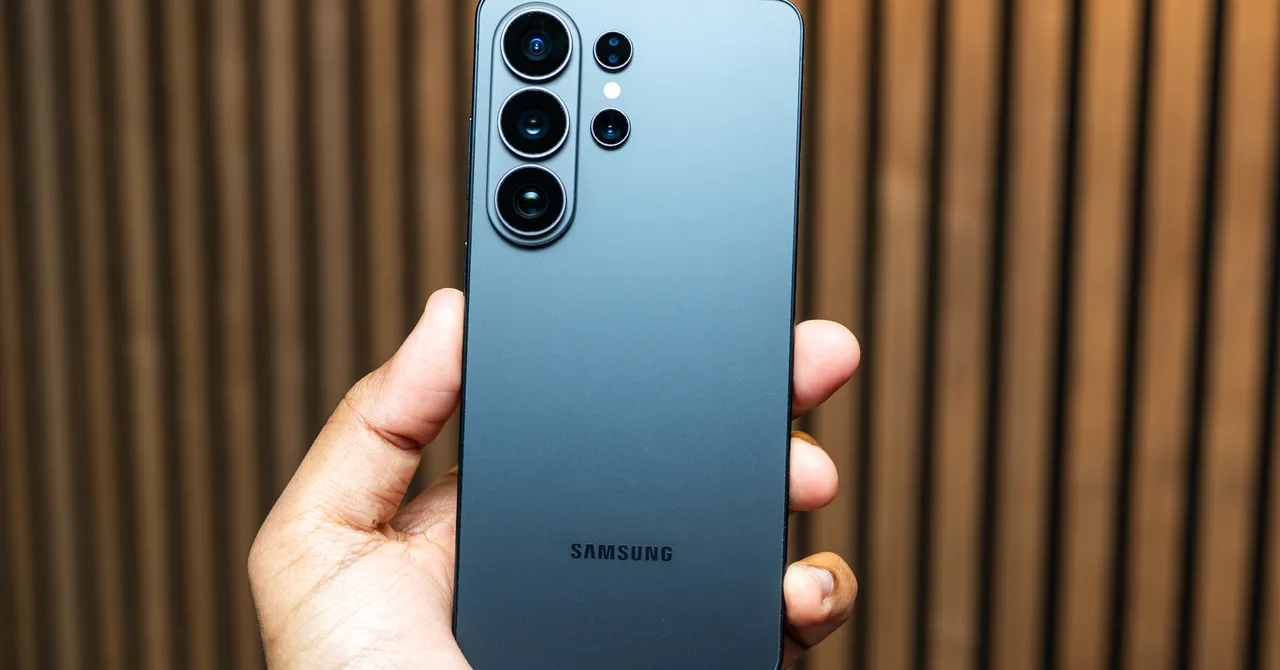
Samsung Galaxy S26 Ultra: The Future of Privacy Screens for the Next Gen

Samsung’s Privacy Display: A Disruptive Innovation in Mobile Security

In a move highlighting the ongoing revolution in mobile device privacy, Samsung has introduced an integrated Privacy Display feature that promises to redefine user security and disrupt conventional smartphone design. Unlike traditional privacy filters or static screen protectors, Samsung’s solution leverages software and hardware synergy, providing users with dynamic control over their screen visibility. This innovation is emblematic of the broader industry shift toward user-centric privacy features, a trend underscored by market analysts who stress the importance of privacy in consumer decision-making. Such features could place Samsung ahead of rivals and redefine standards for privacy in the mobile industry.

The Privacy Display offers customizable activation tied directly to select messaging, banking apps, and notifications. When enabled, the screen dims significantly from side angles, thwarting prying eyes without compromising overall usability. For maximum protection, users can activate a “Max Privacy Protection” mode, rendering the screen virtually unreadable from side views—perfect for sensitive transactions or private conversations. Interestingly, unlike traditional privacy screen protectors, Samsung’s approach doesn’t block the user’s own view but instead manipulates the display’s brightness and opacity, allowing for versatile privacy management. While some critics have voiced concerns about possible impact on display quality, early reports suggest that, when configured correctly—such as setting high-resolution displays—these issues are minimal. This demonstrates Samsung’s focus on combining innovation with user experience, setting a new benchmark for mobile privacy solutions.

From a business perspective, Samsung’s integrated Privacy Display represents a significant disruption in the smartphone security landscape. Industry giants like Apple have historically relied on hardware-based privacy measures, but Samsung’s software-driven approach may offer a more intuitive, adaptable alternative—potentially influencing competitors and forcing widespread industry adoption. Tech analyst firms such as Gartner note that privacy features increasingly drive consumer choices, with privacy-centric innovations fueling brand loyalty. This move also links to larger trends in the tech ecosystem, where privacy isn’t just a feature but a core component of product differentiation and user trust—an imperative in an era dominated by data breaches and surveillance concerns. As Fortune 500 companies pivot towards privacy-first policies, Samsung’s strategy signals a potent shift where privacy becomes a competitive advantage rather than an afterthought.

The implications extend beyond user experience and brand positioning. As industry leaders deploy these innovations, we can expect a ripple effect—pushing competitors to develop their own disruptive privacy technologies and reshape the mobile security market. With an increasing number of users demanding control over their personal data, the market for advanced privacy solutions is poised to grow exponentially. Forward-looking experts like Elon Musk and tech entrepreneurs like Peter Thiel emphasize that the next wave of disruption will come from startups and established giants alike, leveraging AI, biometric security, and flexible privacy controls to redefine trust. Samsung’s latest move underscores the urgency for companies to innovate swiftly or risk becoming obsolete in an increasingly privacy-conscious marketplace.

iPad Air 2026: The M4 Power Surge Sparks a New Era for Youth Tech

Apple’s Strategic Chip Bump in the New iPad Air: What It Means for the Future of Tech Innovation

The latest iPad Air introduces a significant leap forward through a trio of upgraded chips: the M4 processor, the C1X cellular modem, and the N1 chip. These developments mark an intentional effort by Apple to extend its dominant position in the tablet market by refining performance and connectivity without radically altering form factors. While benchmarks show a modest 20-25% speed increase over the M3-powered Airs, industry experts recognize that real-world differences often remain subtle—yet the ripple effects across the industry are anything but minor.

Innovation and Disruption Driving Market Shifts

The chip bump strategy exemplifies a broader industry trend of incremental innovation that leverages hardware improvements for enhanced longevity and business efficiency. Apple’s approach—refining a proven product with targeted upgrades—stands in stark contrast to radical innovation cycles seen in other sectors, yet it effectively sustains consumer interest and operational margins. Gartner analyst Ian Wang notes, “Such strategic updates prevent obsolescence, fostering customer loyalty while pushing competitors to prioritize disruptive breakthroughs.”

Crucially, the C1X cellular modem signals a deliberate pivot towards enhanced mobile connectivity. Early testing indicates these devices outperform recent smartphones in adverse conditions, making the iPad the definitive mobile productivity tool. This is a strategic disruption,” argues industry analyst Mark Davis, “where Apple is not only satisfying existing demand but setting new standards for portable, always-connected workflows.”

Business Implications for Industry Players and Consumers

Within this context, the industry faces significant industry-wide ramifications. The continuation of refined hardware—focused on efficiency, connectivity, and seamless integration—presents an obstacle for emerging competitors as well as established rivals like Samsung and Microsoft. Apple’s incremental yet strategic enhancements suggest a business model built on durability and scalability, where faster chipsets prolong device lifecycles, ultimately challenging the paradigm of rapid tech refresh cycles.

  • Pros: Superior performance in key tasks, extended device life, and improved network capabilities.
  • Cons: Marginal performance differences for average users, persistent limitations such as base storage and display refresh rates, which reflect deliberate cost-optimization.

As Peter Thiel often emphasizes, “In tech, breakthroughs are often sterile, but incremental progress combined with ecosystem dominance can be more disruptive long-term.” Consequently, this market evolution reinforces the importance of strategic investment in hardware that emphasizes not just raw power but also connectivity, security, and ecosystem control.

Looking Ahead: The Urgency of Innovation and Market Readiness

The iPad Air’s chip upgrades demonstrate Apple’s keen focus on building an ecosystem that is resilient and future-proof. The enhancements hint at an era where hardware becomes increasingly invisible but indelibly impactful, underpinning a new wave of enabled, connected lifestyles. Industry insiders like MIT’s Center for Future Computing warn, “failing to keep pace with such nuanced but critical improvements risks obsolescence not just for Apple but for the entire connected device market—an industry where rapid disruption determines future dominance.”

In a landscape characterized by rapid technological shifts, the urgency for companies and consumers to stay ahead is clear. Innovation, disruption, and strategic agility will define the next decade. The rising tides of hardware enhancement and connectivity benchmark new standards—those who adapt swiftly will position themselves at the forefront of this new era, while complacency invites obsolescence. The question remains: how will you leverage this wave of innovation to stay competitive in tomorrow’s tech landscape?

Google Pixel 10a: Smart Budget Choice for Young Tech Fans

Google Pixel 10a: A Mid-Range Smartphone That Disrupts Expectations

In the rapidly evolving world of mobile technology, Google continues to push boundaries with its latest release, the Pixel 10a. While the device features an incremental upgrade over its predecessor, notably housing the same Tensor G4 chipset paired with 8 GB of RAM, its significance lies in how it balances advanced features with affordability. Priced at approximately $599, the Pixel 10a succeeds in bridging the gap between premium smartphones and budget-friendly devices, challenging entrenched industry giants such as Apple and Samsung. As the smartphone market intensifies, this strategy underscores a broader trend—fostering innovation that disrupts traditional pricing models and democratizes access to cutting-edge technology.

One of the key areas where Google’s new model exemplifies disruption is in camera technology. The Pixel 10a maintains a dual-camera system with a 48-MP main sensor and 13-MP ultrawide lens, delivering photo quality that’s competitive with higher-end models. This capability, complemented by natural color reproduction and sharp details, signifies a shift towards delivering premium photo experiences on mid-range devices. Despite some minor white balance issues, the overall photographic performance positions Google as a formidable contender in mobile imaging—a market segment traditionally dominated by flagship models. Notably, industry analyst firms like Gartner have highlighted that the camera remains a critical differentiator in consumer purchasing decisions, thus making Google’s investments in this area a strategic move for market disruption.

Moreover, Google’s emphasis on smart software and AI-powered features signals a tilt towards value-driven innovation. Even with the same Tensor G4 chip, Google’s software enhancements facilitate seamless AI tasks, handling demanding applications with minor lag—an aspect that many competitors neglect in their mid-tier devices. Experts from MIT’s Media Lab emphasize that true innovation increasingly hinges on software capabilities, where AI ecological integration unlocks new possibilities for user engagement. Google’s approach, therefore, is not merely about hardware specifications but about creating an ecosystem that leverages AI as a core differentiator, an industry trend accelerated by Musk’s Neuralink and other AI giants pushing the envelope.

From a business perspective, Google’s strategy of offering a competitively priced device with high-value features represents a major challenge to the industry’s status quo. This industry shift signifies that consumers no longer need to pay flagship prices for innovative features, fundamentally altering market dynamics. The Pixel 10a’s success could prompt established leaders like Apple and Samsung to revisit their premium pricing strategies, chaotic with their flagship-only ecosystems. Additionally, Google’s focus on software and AI as key value drivers encourages other players to double down on AI-enhanced user experiences rather than just hardware upgrades.

Looking ahead, the smartphone industry stands at a pivotal juncture. The Pixel 10a exemplifies how disruptive innovation can redefine competitive landscapes—favoring agility, affordability, and ecosystem integration. As younger consumers become more discerning and demand more value, the industry must adapt rapidly or face obsolescence. With Google’s relentless push for smarter, more accessible technology, the future of mobile devices promises a landscape where innovation is not solely defined by hardware but by how seamlessly AI and software transform user experience—urging industry leaders and newcomers alike to keep a keen eye on emerging trends that could upend traditional business models. Ultimately, the message is clear: those who innovate intelligently and disrupt the market’s norm will shape the next era of technological dominance.

Vibe Coding: Apps Are Fun, Until You Make Them Actually Useful

Next-Gen Smartphone Ecosystems: Nothing’s AI-Driven Widget System Sparks New Industry Disruption

In a bold move towards personalized, AI-native experiences, Nothing, the innovative tech startup helmed by industry disruptor Carl Pei, announced its latest development: a web-based Essential Apps Builder. This platform aims to transform how users interact with their smartphones by enabling effortless creation of AI-powered widgets directly on their devices, signaling a shift towards a more open, customizable mobile ecosystem. While this innovation might seem incremental, experts from MIT and industry analysts like Gartner recognize it as a potential pivot point for smartphone interface architecture, heralding a new era of user empowerment and developer-led ecosystem expansion.

Disrupting the App Landscape with Innovation

At the core of Nothing’s vision is an AI-native layer that overlays existing Android architectures, promising to make devices more adaptive and personal. Unlike traditional app stores, the Builder tool allows users to describe desired widgets in plain language, automating the creation process—aiming to democratize app development. This approach embodies a disruption of the conventional app ecosystem, reminiscent of Musk’s Tesla’s direct-to-consumer model—stripping away gatekeepers and empowering a creator economy.

Early implementations showcased in beta, such as simple widgets like a water tracker, appointment reminders, and mood indicators, exhibit promising features:

  • Intuitive, no-code widget creation through natural language commands.
  • Flexible updates with instant pushing to devices.
  • Organized project management within the system’s cloud infrastructure.

However, despite these advancements, functional gaps remain. More ambitious widgets, such as weather apps or photo galleries, faced limitations, including truncated texts and unreliable background tasks. Such setbacks highlight the accelerating challenge for hardware-agnostic AI layers to deliver seamless, robust user experiences. This underscores a critical lesson: becoming truly disruptive demands overcoming significant engineering hurdles.

Implications for Industry and Future Business Strategies

Looking ahead, Nothing plans to support a broader range of widget sizes, integrate with a wider array of device features—like Bluetooth and media libraries—and ultimately open the platform to a public creator ecosystem. Sector analysts warn that this move could reshape the competitive landscape in mobile OS development, challenging incumbents like Google and Apple to adopt more open, AI-driven customization options. Moreover, embracing community-powered app remixing and sharing could pioneer a shift in monetization strategies, favoring user-generated content over traditional app sales.

Financial implications for existing industry giants are profound. The disruption of a walled-garden model—where Apple and Google maintain control—could erode their market dominance, especially among younger, tech-savvy consumers demanding personalized, AI-enhanced interfaces. As Peter Thiel and other Silicon Valley thought leaders emphasize, the future belongs to those who can harness disruptive innovation at the software layer.

Future Outlook: An Urgent Race Toward Next-Level Disruption

While Nothing’s current beta shows the drip of potential, the real game-changer lies ahead. The planned expansion of widget support, integration capabilities, and *public app remixing* signals a tectonic shift—one that demands competitors accelerate their innovation cycles. Industry insiders recognize that in this dynamic landscape, delay equals obsolescence. Companies must prioritize open, AI-first ecosystems—fusing hardware, software, and creator contributions—to stay relevant in the battle for the future of mobile engagement.

In the rapidly evolving realm of smartphone technology, disruption is no longer an option but a necessity. The convergence of AI, user empowerment, and ecosystem openness spearheaded by Nothing could well herald the next wave of dominant tech paradigms—if industry giants act swiftly. The clock is ticking; the future belongs to those who innovate boldly, disrupt complacency, and relentlessly pursue refined, democratized user experiences.

Target’s Omni Auto Scoring System Sets a New Bullseye for Tech Gaming

Target Darts Breaks New Ground with Omni Auto Scoring System, Ushering in a Digital Renaissance in Traditional Gaming

The Target Darts Omni Auto Scoring System represents a significant leap forward in the evolution of electronic sports, pioneering a nexus of disruption, innovation, and connectivity in the classic game of darts. As emerging technologies continue to reshape how raw skill is matched with data-driven insights, this system marries high-precision HD cameras with a sophisticated app platform, redefining both casual play and serious training. Tech industry leaders and sports analysts, including Gartner and MIT’s Media Lab, have increasingly highlighted the importance of integrating IoT and AI into traditional games, and Target Darts’ latest offering exemplifies this trend at a consumer-friendly scale.

At the core of this innovation are features such as

  • HD cameras that precisely record each dart’s impact in real-time
  • An app that compiles comprehensive playing statistics
  • Multiple practice modes and customizable match parameters

This technological disruption not only elevates the gaming experience but also opens vast business possibilities. The system’s integration with the DartCounter app enables online multiplayer functionality—a feature that has become a prime growth driver in the esports sector. Over 100 live matches in progress at any given time underscore the rapidly expanding online community, echoing industry forecasts from firms like Newzoo, which estimate that digital sports will outpace traditional venues within the next five years. Subscriptions for advanced features are priced affordably at $6/month or $40/year, creating an accessible revenue model akin to Netflix’s success, yet tailored to the niche of competitive darts. Companies that leverage these platforms will likely dominate the future of connected, data-enhanced sports.

Yet, the true business implications extend beyond sheer entertainment. As automation and telemetry become embedded in recreational activities, industries like physical training, health monitoring, and even entertainment hardware will undergo market shifts towards premium, connected experiences. The adoption of smart dartboards exemplifies a larger trend towards disruption in traditional leisure industries through IoT and AI innovations, a dynamic forecasted by analysts such as Peter Thiel and Elon Musk, who see AI-driven customization as the future of consumer engagement.

Looking ahead, this integration signals a compelling call to action for entrepreneurs, investors, and industry giants: the game is no longer confined to physical skill alone—digital ecosystems, data analytics, and multiplayer connectivity are rapidly transforming the competitive landscape. Companies that harness this trend must innovate swiftly or risk being left behind in a future where connected smart entertainment devices are as ubiquitous as smartphones. The Target Darts Omni Auto Scoring System is not just a novelty; it’s a forecast of the disruptive wave sweeping through conventional sports and leisure markets—an imperative for those who refuse to accept stagnation in a rapidly evolving tech-driven world.

Moto Watch Review: The Power Moves of Polar-Inspired Tech

Motorola’s CMF Watch 3 Pro: A New Challenger in the Competitive Wearables Space

The wearable technology sector continues to demonstrate remarkable innovation, with industry giants and startups alike pushing the boundaries of what consumer electronics can achieve. Recently, Motorola entered this fiercely competitive landscape with its latest offering, the CMF Watch 3 Pro. Billed as an affordable, stylish, Android-compatible smartwatch, it aims to challenge established players like Apple, Samsung, and Garmin. According to early reviews from tech analysts, the device showcases the disruptive potential of hardware integration paired with modern software, although it still has some notable limitations that could influence its market penetration.

One of the core advantages of the CMF Watch 3 Pro lies in its strategic cost positioning combined with solid functionality. It features parameters such as sleep tracking, heart rate monitoring, and stress measurement, with initial comparisons indicating close accuracy to premium models like the Oura Ring 4. Analysts, including Gartner and MIT’s Media Lab, note that major players in the wearables market are increasingly focusing on data integration and seamless user experience to disrupt traditional fitness devices. Motorola’s choice to incorporate a well-designed, yet affordable product underscores this trend—offering consumers a “good enough” device that does not compromise essential features, yet is accessible.

However, despite its innovative intent, the device’s hardware limitations could hinder its disruptive prospects. Especially glaring is the onboard GPS functionality. The device’s slow satellite connection and inconsistent performance outside diminish its appeal as a true fitness companion—particularly when reliable location tracking is a key market differentiator. The device’s processor, deliberately undisclosed by Motorola, appears to struggle with rapid satellite acquisition, a flaw that consumer reviews describe as frustrating, impacting the overall user experience. Such hardware inefficiencies—common in lower-tier wearables—highlight a critical business challenge: balancing cost constraints with performance demands in an industry that is rapidly evolving toward precision.

The experience of review analysts further underscores this disruptive tension. Despite the device’s attractive design and promising feature set, issues like overly sensitive screens and accidental activations threaten user satisfaction. This emphasizes an overarching industry trend: hardware refinement is crucial for establishing market dominance amidst fierce competition. Companies like Apple and Samsung continually push advancements in sensor sensitivity and UI design, setting high standards for emerging competitors. Motorola’s potential in this space hinges on addressing these hardware issues swiftly and innovating beyond mere feature inclusion—further reinforcing that disruption requires not only price competitiveness but also technological excellence.

Looking ahead, the wearables industry is poised for a significant shift driven by the convergence of AI, sensor technology, and 5G connectivity. Industry experts like Peter Thiel have predicted that next-generation devices will serve as the nexus of lifestyle, health, and AI-powered analytics, transforming how consumers interact with their personal data. Motorola’s move into this space signals the beginning of a new wave of disruptive innovation, where smaller players can challenge dominant incumbents by leveraging cost-effective yet capable hardware and sophisticated software integration. The market’s future will depend on how effectively manufacturers can resolve hardware shortcomings and harness emerging technologies to offer compelling, breakthrough features—turning these devices into indispensable health and productivity tools.

Stakeholders across the tech ecosystem must remain vigilant, as the race to dominate this space intensifies. With major innovations around the corner, it’s clear that the current state of wearable technology is just the beginning. With upcoming advancements in AI, sensor innovation, and connectivity, the industry is on the cusp of a transformation—where disruption will be measured not just in features, but in the quality and reliability of the user experience itself. For companies willing to innovate and iterate rapidly, the opportunity to redefine health, fitness, and lifestyle tracking has never been greater—and time is of the essence for stakeholders eager to secure market leadership in this fast-evolving technological frontier.

New Instax Printer: Big Upgrade, Worth the Price for Tech-Savvy Teens

FujiFilm’s Mini Link+ Sets New Standard in Instant Photography, Marking a Disruptive Shift for Visual Enthusiasts

In an era where disruption and innovation are reshaping the landscape of portable imaging technology, FujiFilm remains at the forefront, leveraging recent advancements to elevate the humble instant camera. The company’s latest release, the Instax Mini Link+ ($169.95), promises to deliver not only superior image quality but also a suite of expanding business implications spanning consumer markets and creative industries. Building upon its popular Mini Link 3, FujiFilm aims to disrupt the long-standing perception that instant prints are inherently soft and muddy, introducing processing upgrades that enhance contrast, color fidelity, and detail resolution—features that professional photography analysts like Gartner are now tracking as critical shifts in consumer imaging products.

The cornerstone of this innovation is the **Design Print mode**, designed specifically to cater to the burgeoning demand for crisp, detailed prints—especially for faces and landscapes. While early reviews suggest that this mode delivers only marginal improvements over the traditional Simple mode, the internal processing advancements within the Mini Link+ offer a noteworthy leap in overall print quality. These enhancements not only disrupt the traditional instant film paradigm but also challenge the business models of competitors that rely on legacy instant film technologies. The strategic move aligns FujiFilm with market trends emphasized by MIT researchers: that consumers demand quick, high-quality prints that integrate seamlessly with their mobile devices, further reinforced by FujiFilm’s own app ecosystem, which offers features from AR visualization to social media integration.

Implications for Industry and Consumer Behavior

The industry shift is palpable: FujiFilm’s investment in processing technology signals that future portable printers will prioritize image fidelity, disrupting the low-margin, muddy print stereotype historically associated with instant film. These improvements suggest a potential *disruption of the $30 per 20-sheet film market*, as consumers may now perceive value in more detailed and vibrant prints, thus possibly increasing demand. This strategic upgrade also compels competitors like Polaroid to respond, accelerating innovation in compact, tech-enabled instant solutions. Educational institutions and creative startups, like those featured by industry giants such as Elon Musk or Peter Thiel, might recognize this as a breakthrough opportunity: embedding high-fidelity portable photo solutions into youth culture, art communities, and storytelling platforms.

However, critics caution that the app’s complexity and the high price point—coupled with limitations in printing intricate text-heavy illustrations—may dampen mass-market adoption. Despite this, the business implications extend beyond consumer hobbyists: brands aiming to create tangible marketing collateral or personalized promotional materials now have access to a disruptive technology capable of revolutionizing visual engagement strategies. Moreover, FujiFilm’s innovative approach underscores a broader trend—leveraging internal processing advancements to disrupt legacy markets and redefine value propositions for portable imaging.

Next-Gen Outlook and Industry Urgency

Looking ahead, the focus on image processing and mobile integration indicates a rapid evolution in portable photo technology—one that demands swift industry response. The stakes are high: those who fail to innovate in this space risk obsolescence, especially as younger audiences increasingly prioritize instant, high-quality visual storytelling. As experts forecast, the next wave of disruption will likely originate from integrated AI-powered enhancement algorithms, further narrowing the gap between amateur and professional-level captures on pocket-sized devices. The question remains whether established giants or agile startups will seize this moment to lead the market—fuels that market analysts say will be determined within the next 12-24 months. The future belongs to those with the agility to innovate: a compelling race where disruption is imminent, and every player must respond with urgency.

In this rapidly shifting paradigm, FujiFilm’s Mini Link+ exemplifies how technological innovation can revolutionize an industry rooted in nostalgia, transforming it into a high-fidelity, business-critical platform. As industries and consumers recognize the value of detailed, tactile images in a digital world, the window for strategic disruption widens—underscoring the importance of continual innovation and agility in capturing the future’s visual marketplace.

Social Media Auto Publish Powered By : XYZScripts.com