Matox News

Truth Over Trends, always!

Elon Musk’s Grokipedia Sparks Controversy with Far-Right Rhetoric

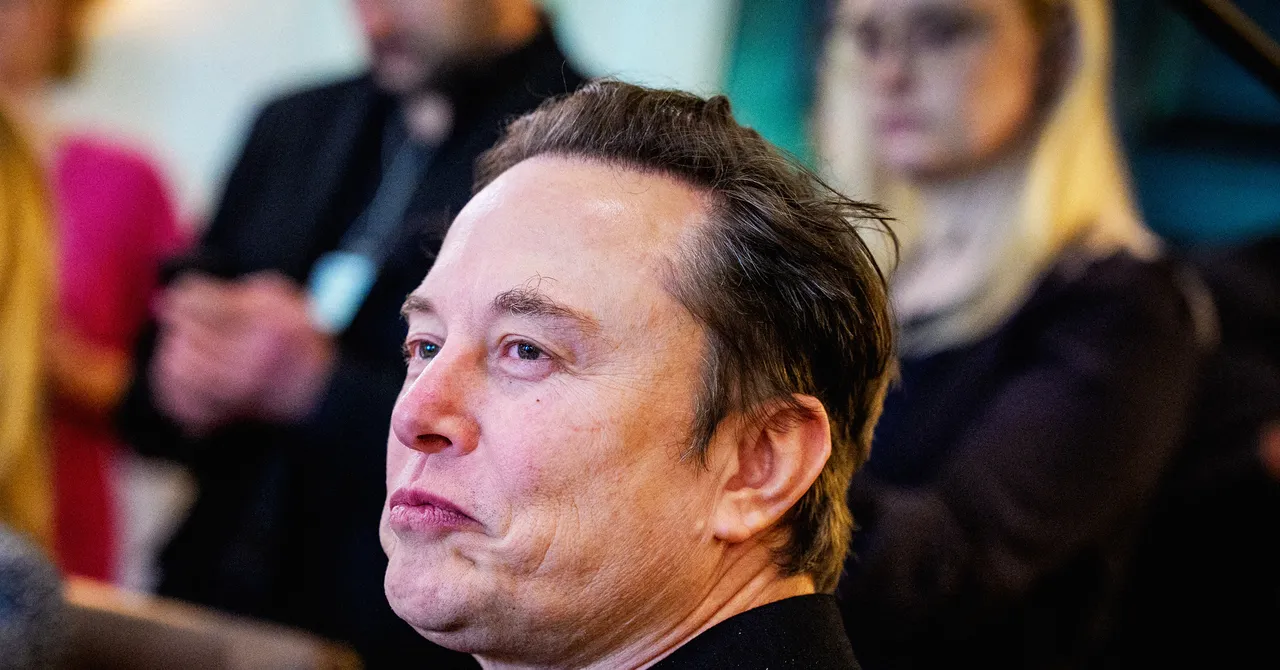
In a bold move reflecting the fast-paced evolution of artificial intelligence (AI), Elon Musk’s xAI startup launched Grokipedia this week, an AI-driven alternative to the longstanding, crowdsourced encyclopedia Wikipedia. Musk’s vision appears to transcend mere information aggregation; instead, he aims to leverage advanced AI to create a “massive improvement,” aligned with the broader mission of xAI to unlock a deeper understanding of the universe. This initiative signals a profound shift in how knowledge might be curated, verified, and consumed—disrupting the very foundations of established digital information platforms.

From the outset, Grokipedia exemplifies *disruption fueled by high-stakes innovation*. Initial access hurdles and content flagged for potential propaganda reflect the intense challenges faced by revolutionary AI projects operating in a politically charged space. Once accessible, the platform was found to host lengthy, AI-generated entries, many of which diverged sharply from Wikipedia’s neutral tone. Instead, Grokipedia displayed a clear ideological slant—highlighting conservative viewpoints, critiquing mainstream narratives like The 1619 Project, and even perpetuating historical inaccuracies. Such content raises critical questions for the industry: can an AI truly deliver unbiased knowledge, or will it serve as a tool for ideological influence?

The implications of this development are significant for both *business innovation* and *industry dynamics.* As noted by tech analysts at Gartner and MIT’s Media Lab, the rise of AI-powered knowledge bases presents opportunities for emerging players to establish dominance by redefining credibility and engagement. However, this innovation also introduces risks—particularly the potential for such platforms to reinforce bias, spread misinformation, and even serve political agendas. For established giants like Google and Microsoft, the threat is clear: disruption in digital search and information delivery could shift power away from traditional search engines toward AI-centric ecosystems increasingly influenced by private enterprise visionaries like Musk.

Furthermore, the controversy surrounding Grokipedia exemplifies an industry-wide challenge: how can AI-powered knowledge platforms balance innovation with ethical responsibility? Content themes emerging from Grokipedia’s launch highlight potential for *market shifts*—notably, a move toward more polarized, ideologically driven information sources. For businesses and tech investors, this signals a crucial inflection point: those who harness AI to enhance transparency, integrity, and user engagement could command market leadership in the next era of digital information. Conversely, neglecting these pitfalls could see industry reputation and consumer trust erode quickly in the face of emerging competitors who leverage similar AI capabilities to influence public discourse.

As Elon Musk and others push the boundaries of AI’s potential, the coming years will be pivotal in shaping an information landscape that is more dynamic yet potentially more divided. Industry forecasters like Peter Thiel warn that rapid innovation must be paired with rigorous oversight to avoid pitfalls of misinformation and ideological bias. The rapid pace of AI-enabled disruption demands strategic agility—from startups to behemoth tech firms—to realize the transformative revenue and societal gains ahead. The future of knowledge is no longer static; it’s a battleground where innovation, ethics, and competitive advantage collide, urging stakeholders to act swiftly. The countdown is on—those who adapt first will dominate the next chapter of digital civilization, while others risk being left behind in the dust of obsolescence.

Anti-ICE rhetoric sparks controversy over ammo after Dallas shooting kills detainee

United States continues to grapple with a troubling surge of politically motivated violence targeting Immigration and Customs Enforcement (ICE) facilities, highlighting the profound, destabilizing effects of rhetoric on societal security. Today’s attack in Dallas, Texas, marks yet another grim chapter in this disturbing pattern. A rooftop sniper, driven by ideological motives, opened fire at an ICE office—an action that underscores rising tensions within the country’s polarized political landscape. The incident resulted in the death of one detainee and critically injured two others, deeply unsettling a nation already divided over immigration policies and immigration enforcement tactics.

The attack was characterized by law enforcement officials as an act of targeted violence. FBI Director Kash Patel revealed that the gunfire was accompanied by anti-ICE messages, with ammunition casings bearing the phrase “ANTI-ICE.” While initial reports mistakenly indicated multiple fatalities, the current official account confirms that the shooter died from a self-inflicted gunshot. This incident is part of a broader escalation in violence against federal agencies, fueled by relentless political rhetoric that equates ICE with oppressive regimes, such as the Nazi Gestapo, as publicly condemned by **Homeland Security Secretary Kristi Noem**. Such narratives, analysts warn, dangerously blur the lines between lawful opposition and violent extremism, threatening the stability of the nation’s law enforcement apparatus.

Experts and international observers are warning that these attacks are not isolated acts but symptoms of a deeper social fracture that politicians and media personalities have exacerbated through inflammatory language. The Department of Homeland Security has indicated that the shooter’s actions were ideologically motivated, reflecting a broader climate of polarization and radicalization. Previous incidents include shootings at ICE offices in Texas—San Antonio and Alvarado—where no injuries occurred, yet the constant barrage of threats and violence continue. How nations respond to this trend will significantly shape their societal cohesion and their capacity to uphold law and order as they navigate the complexities of immigration, security, and political discourse.

Across the political spectrum, voices such as **Texas Senator Ted Cruz** and **Governor Greg Abbott** emphasize that violence and threats against law enforcement threaten to undermine national stability. Cruz urged the public to resist demonizing political opponents, warning that such divisive rhetoric has tangible, deadly consequences. Meanwhile, the incident in Dallas reignites debates over the impact of political rhetoric, with lawmakers warning that pre-election hostility could erupt into further violence, destabilizing already fragile social fabrics. International organizations and security analysts emphasize the importance of addressing these attacks promptly, warning that the erosion of civility and respect is a precursor to a more dangerous descent into societal chaos.

As the weight of this violence accumulates, the country faces a pivotal moment where the choices made today could echo through generations. The ongoing saga of escalating attacks, hateful rhetoric, and ideological extremism threatens to redefine the landscape of domestic stability and international credibility. With each shot fired, history records a stark reminder: the battlefield of ideas has become a battleground of blood. The unfolding story in Dallas— and beyond—serves as both a warning and a call to action. How the United States chooses to confront this modern scourge will determine whether it remains a beacon of liberty or descends further into chaos, a nation haunted by the shadows of its own division, teetering on the edge of a precipice from which there may be no return.

Social Media Auto Publish Powered By : XYZScripts.com



