Matox News

Truth Over Trends, always!

China’s Robotaxis Fail, Leaving Young Riders Stranded on Highways

Robotaxi Malfunction Sparks Industry Wake-Up Call: Navigating Innovation and Disruption

The recent technical failure involving robotaxis operated by Baidu in China marks a significant milestone in the ongoing evolution of autonomous vehicle technology. On Tuesday, a system error caused dozens of Baidu’s self-driving cars to come to an abrupt halt in traffic, trapping passengers and exposing critical vulnerabilities in the industry’s rapidly expanding ecosystem. This incident underscores the complex challenges facing disruptive mobility solutions—a sector that promises unparalleled convenience but must also confront the harsh reality of system reliability.

Despite the optimism surrounding autonomous vehicle deployment, this malfunction highlights industry-wide concerns over software robustness, customer support readiness, and safety protocols. As industry analysts from Gartner and MIT stress, innovations in AI driving systems must be paired with rigorous safety testing to prevent catastrophic failures. The incident also exposes a fresh wave of business implications: consumer trust erosion and increased regulatory scrutiny threaten to slow adoption rates, especially as newer platforms seek to establish dominance over traditional transportation modes. The failure has triggered widespread social media outrage, with passengers and bystanders raising alarms about the gap between technological promise and operational reality.

Experts warn that such failures could serve as a pivotal learning step for auto-tech companies. According to Peter Thiel and other Silicon Valley veterans, industry disruption is often punctuated by setbacks that push developers to innovate more resilient and transparent systems. The incident also spotlights the urgency of integrating advanced diagnostics and fault-tolerant architectures in self-driving fleets. These technological breakthroughs—expected to include redundant sensors, real-time AI diagnostics, and improved cybersecurity—are critical for restoring confidence and accelerating the push toward mainstream adoption. Meanwhile, leading institutions like MIT are calling for tighter industry standards and collaborative safety frameworks to prevent similar failures in the future.

Looking ahead, the trajectory for autonomous mobility remains one of transformational disruption. Companies that harness the lessons from this incident to overhaul their technical and operational frameworks will position themselves as leaders in the next wave of transportation innovation. As Elon Musk and other futurists emphasize, the next decade promises breakthroughs that could redefine urban mobility and economic paradigms. However, the path forward is fraught with risks—failure here could slow progress, while technological mastery will unlock unprecedented opportunities for growth, efficiency, and safety. The clock is ticking for industry innovators to demonstrate resilience, accuracy, and trust—these will be the keys to dominating the autonomous frontier in the fiercely competitive landscape of tomorrow.
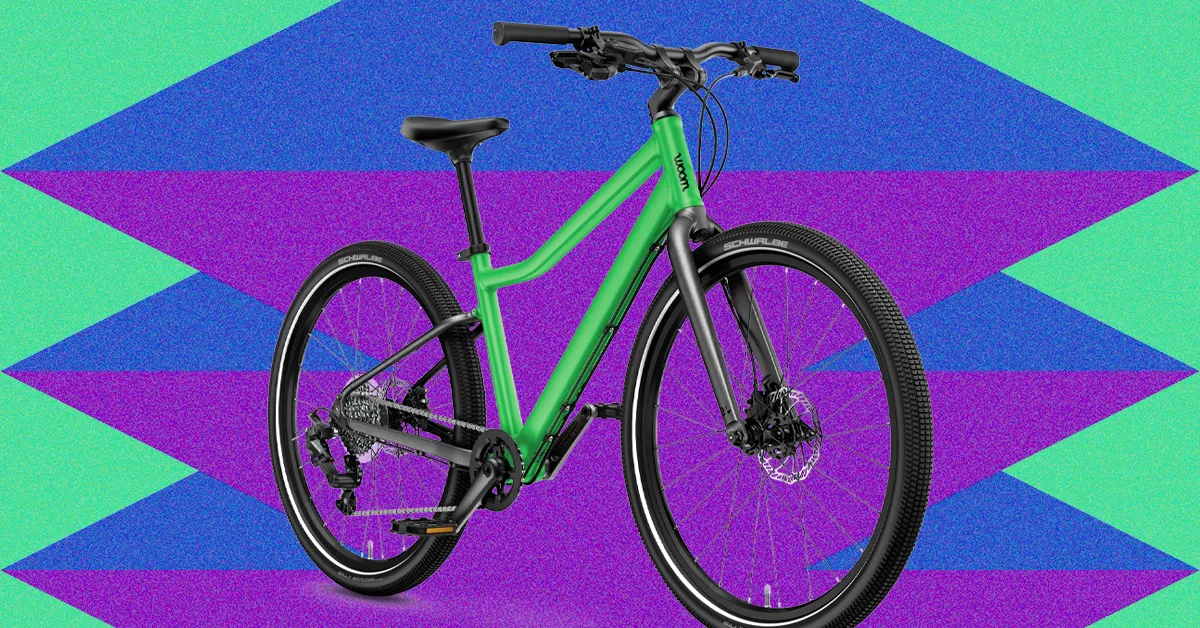
Top Kids’ Bikes of 2026: Woom, Prevelo, Guardian & More for Young Riders

The global market for children’s bicycles is experiencing a rapid wave of technological innovation that signals broader industry disruption. Leading brands are integrating advanced safety features such as Mips technology, an in-helmet system designed to combat rotational impact and reduce concussions, and embedded digital access—like Twiceme chips—allowing instant access to critical medical data via smartphones. These developments reflect an imminent shift akin to the broader tech revolution, with safety and connectivity prioritized at the forefront. Industry analysts, including Gartner and MIT’s Media Lab, acknowledge that such smart safety innovations could set new standards, forcing traditional manufacturers to pivot or risk obsolescence.

Meanwhile, the competition is further disrupted by innovative form factors and manufacturing approaches that challenge the status quo. Companies such as Linus and ByK are pushing the envelope with lightweight alloy frames, vegan leather accents, and sleek, minimalist designs that appeal to both parents and children—leading to a renaissance in aesthetic and functional design. This wave of premium features comes with a price tag—around $400—but is justified by durability, safety, and style, which are increasingly valued by a new generation of consumers. The industry’s digitization also fosters a burgeoning secondary market—via platforms like eBay and Facebook Marketplace—highlighting a shift from linear purchase models to circular economies, a pattern experts like Peter Thiel have long predicted as vital for sustainable business models.

However, the most significant market implications are observable in emerging features that set the foundation for an integrated mobility ecosystem. For instance, the adoption of lightweight, pedal-enabled bikes like Nüdl’s Unicorn Helmet with Mips goes beyond safety, embedding social and health data that foster community and emergency responsiveness. Such innovations anticipate a future where bicycles are not just toys but connected, intelligent devices—a trend seen in broader tech giants’ ventures into wearable and IoT-enabled devices. As industry leaders like Elon Musk and disruptors inspired by insights from institutions like MIT and Gartner emphasize, the convergence of IoT, AI, and edge computing will redefine mobility solutions across all age groups, including children. This transformation creates both opportunities and challenges, demanding manufacturers innovate quickly to maintain competitive advantage or risk getting pushed aside by agile, tech-savvy startups.

Looking forward, the potential for disruption in children’s mobility markets signifies a broader narrative of technological revolution that could — within a few short years — overhaul entire sectors. The integration of safety, connectivity, and design indicates a clear trajectory toward smart, adaptive, and personalized transportation options. Industry giants and startups alike are racing to secure their positions in this fast-evolving space, driven by the primal demand for safety, style, and environmental consciousness among a new generation of consumers. As Peter Thiel’s principles of technology leverage emphasize, foundational shifts in markets usually precede exponential growth—making now the critical moment for investors, entrepreneurs, and policymakers to act with urgency. The next wave of innovation is approaching swiftly, and those who adapt first will shape the future of mobility, for children and beyond.

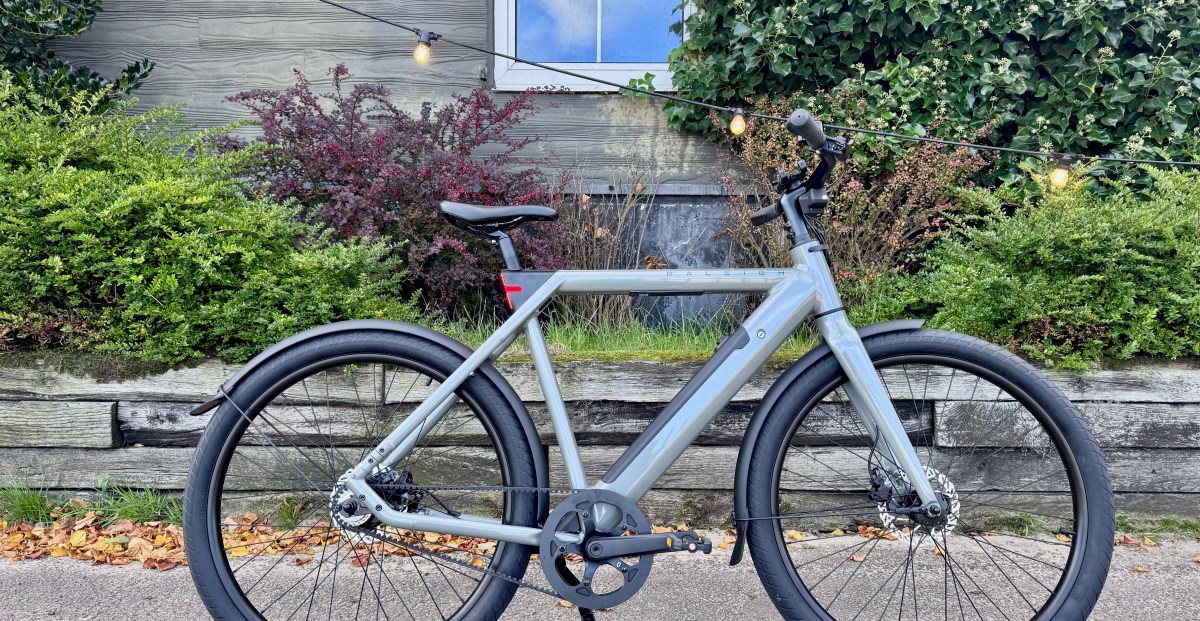
Raleigh One e-bike: The comeback ride for young riders

Resilience and Revolution: How Industry Turmoil Fuels Innovation in the E-bike Sector

The recent bankruptcy of VanMoof in 2023 has sent shockwaves through the e-bike industry, a sector increasingly defined by rapid innovation and fierce competition. Despite the upheaval, the company’s demise has paradoxically accelerated technological progress and market disruption, with new ventures rising from its ashes—most notably, the launch of the VanMoof S6 under new ownership and the inventive Carlier Ties Taco-developed commuter e-bike for Raleigh. Industry experts and analysts like Gartner highlight how such industry shocks often catalyze accelerated innovation, compelling brands to rethink their strategies or die in the aftermath.

What sets these emerging products apart is innovation-driven disruption. The VanMoof S6 exemplifies a simplified yet sophisticated approach to urban mobility, missing only a boost button—a feature many riders would appreciate. Conversely, the Raleigh One, designed by VanMoof’s former founders, aims for a more practical, no-nonsense ride. It achieves this with an integrated, nearly silent Mivice motor paired with a sturdy belt drive; although it sacrifices torque—culving at just 35Nm—and lacks features like high-powered boost functions, it epitomizes the trend towards robust, user-centric design. As Ties and Taco Carlier attempt redemption through this reimagining, the business landscape becomes even more dynamic and unpredictable.

The Business Implications of Industry Disruption

The disruption is more than just product innovation—it signals a fundamental shift in how electric mobility businesses operate and compete. The industry is now characterized by rapid product iteration, direct-to-consumer models, and subscription-based services, which are becoming a double-edged sword. The Raleigh management admits that its connected e-bike faces significant software challenges, including an extraordinary 3% battery drain daily when idle and buggy existing app features. Accell Group, the parent company, responds by promising firmware updates and more robust software development—a sign of how vital software robustness is to sustain consumer trust and maintain competitive advantage.

This industry upheaval underscores a broader trend: the rise of software as the backbone of hardware innovation. As Peter Thiel and Elon Musk have warned, companies ignoring this integration risk obsolescence. The shift towards disruptive, software-intensive design is most evident in subscription upsell models for premium bikes, which critics argue is a necessary element of survival amid a highly volatile market. Most industry veterans recognize the new normal—bike companies of all sizes face existential threats from “bikeagedon”, a term capturing the wave of venture failures as market valuations crash and startups fold. This environment demands agile innovation, relentless iteration, and strategic pivots.

Looking Ahead: The Urgency of Innovation in a High-Stakes Arena

The industry’s future hinges on disruption, innovation, and strategic agility. As the 2019-2023 cycle taught industry insiders, those who fail to embrace software robustness, customer experience, and market adaptability will fall behind. The new crop of e-bikes—like VanMoof’s S6 and Raleigh’s One—demonstrate that even in turbulent times, innovation remains the primary driver of survival. The race is intensifying, and the next 12–24 months will reveal whether these newly proposed solutions can withstand wear, tear, and the relentless pressure of market forces.

In an era where technological disruption is the only certainty, industry players must act swiftly, or risk being left behind as the market reshapes itself around smarter, more resilient mobility solutions.

Social Media Auto Publish Powered By : XYZScripts.com



