Matox News

Truth Over Trends, always!

Microsoft’s new agent platform signals a rightward tech shift | The Verge

In an epochal shift within the technology landscape, Microsoft is positioning itself at the forefront of the AI revolution through groundbreaking developments unveiled at its recent GitHub Universe developer conference in San Francisco. As AI accelerates its encroachment into core facets of software development, disruption is becoming inevitable, signaling both opportunity and strategic recalibration for industry leaders.

The conference spotlight was on GitHub’s ambitious initiative to transform into an AI-powered coding hub with the introduction of Agent HQ. This new interface aims to serve as an ecosystem where outside coding assistants—including OpenAI’s Codex, Anthropic’s Claude Code, and emerging AI agents from Google, Cognition, and xAI—can seamlessly integrate with GitHub’s platform. These advances are designed to reinforce GitHub’s role as the connective tissue for AI-driven software development, effectively making it the central node where AI agents interact directly with vast codebases used by over 180 million developers globally.

  • Enhanced ecosystem openness, allowing multiple AI providers to plug into GitHub
  • Strategic move to maintain Microsoft’s centrality in the developer universe
  • Potential to embed AI as the default collaborator in coding workflows

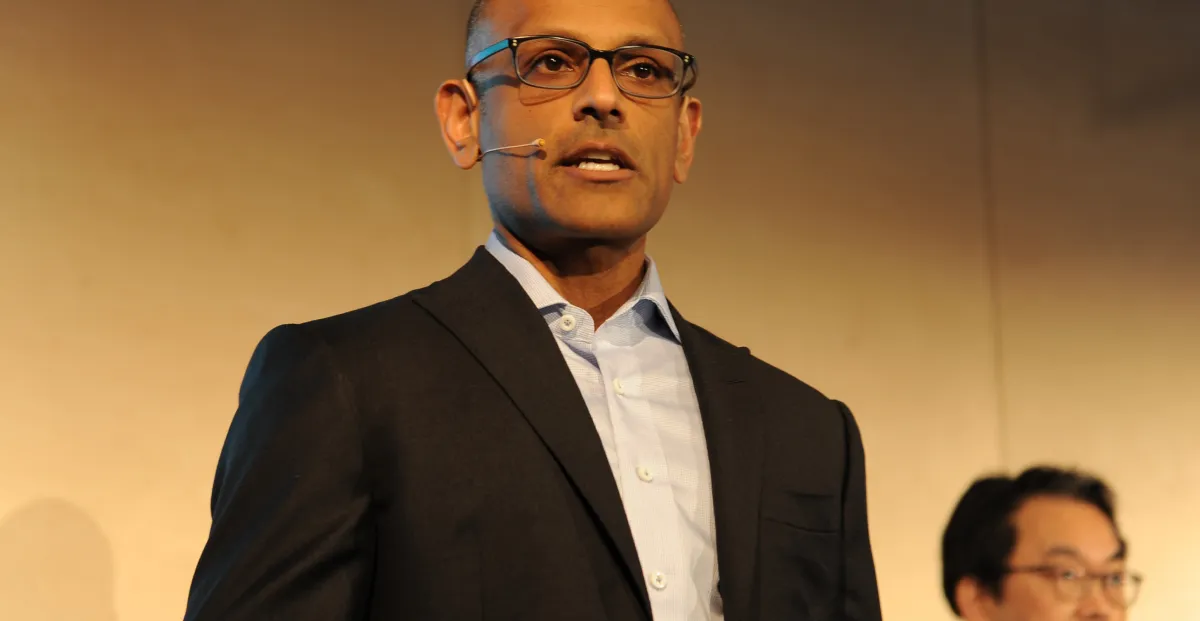
Such strategic positioning underscores a clear mandate: to remain indispensable in an industry on the cusp of profound transformation. Jared Palmer, GitHub’s new senior vice president, emphasized the goal of fostering an “arms-wide-open ecosystem” where developers retain control, regardless of which AI tools they adopt. As Microsoft’s Jay Parikh, overseeing CoreAI, articulates, the focus is on “building better tools and fostering choice,” as the company accelerates efforts to integrate AI into every layer of software infrastructure. This approach aligns with industry analysis from Gartner, which asserts that the next decade will see AI become embedded in nearly all development tools—disrupting traditional workflows and redefining efficiency thresholds.

The implications extend beyond mere productivity gains. With Microsoft’s deep-rooted partnership with OpenAI—cited explicitly by CEO Satya Nadella as the catalyst behind the surge of AI coding innovations—the company aims to dominate the emerging “AI code economy.” Nadella’s reference to “the billion to ten-billion happened at GitHub” highlights a pivotal trend: AI-generated code is not just augmenting human effort but fundamentally altering the creative and specification phases of software engineering. This evolution is increasingly pushing humans towards design, strategy, and oversight, while delegating routine coding tasks to powerful GPUs and AI agents. Harvard’s MIT AI Lab and industry insiders warn that such disruption could render traditional development paradigms obsolete unless companies adapt swiftly.

Looking ahead, Microsoft’s strategic focus on disruptive AI integration signals an urgent call to industry players: those who fail to adapt risk obsolescence in a fiercely competitive AI arms race. The converging force of innovation, strategic alliances, and ecosystem decentralization suggests a future where agility and openness are paramount. The industry must accelerate investment in AI infrastructure, talent, and alliances, recognizing that the next wave of technological dominance hinges on early, bold action. As Elon Musk and Peter Thiel have long warned, this is the era where the first movers will captivate the market—those who recognize the industry’s tectonic shifts now will shape the digital future or be swept aside.
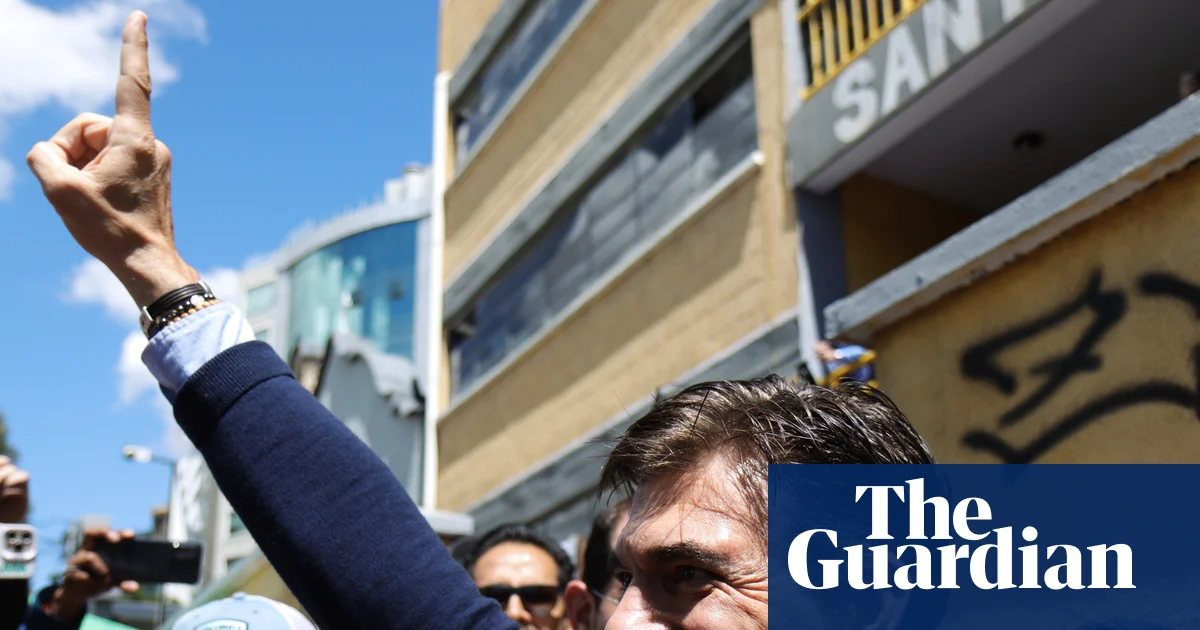
Rodrigo Paz Pereira’s Victory Signals Bold Rightward Shift in Bolivia’s Presidency

Bolivia’s Political Shift Signals Geopolitical Repercussions

In a historic turn of events, Bolivia has elected Rodrigo Paz Pereira, a centre-right senator, as its new president, signaling a significant departure from nearly two decades of socialist dominance under the Movimiento al Socialismo (MAS). With approximately 97% of ballots counted, Paz Pereira secured 54.6% of the vote, defeating Jorge “Tuto” Quiroga by a notable margin. This electoral outcome not only embodies a national desire for economic stabilization but also shifts the country’s geopolitical orientation, resonating across regional alliances. The victory underscores a widespread disillusionment with MAS’s socialist policies, which critics blame for Bolivia’s deepening economic crisis marked by inflation, fuel shortages, and retreating social cohesion.

Analysts emphasize that Paz Pereira’s election is more than just a change in leadership; it marks a redefinition of Bolivia’s geopolitical stance. Historically aligned with Evo Morales’ socialist movement, the country now appears poised for closer ties with conservative Western nations, potentially recalibrating regional power dynamics. International organizations like the Organization of American States (OAS) and European observers noted the election day passed without incident, affirming the process’s legitimacy. Still, global powers keenly watch how Paz Pereira’s government will navigate Bolivia’s deep-seated economic woes and the legacy of MAS, especially with the ongoing legal complications involving Morales, who is currently facing arrest warrants. The new administration faces the formidable challenge of stabilizing Bolivia—an economically fractured nation—and resetting its external partnerships on a more conservative trajectory.

With Paz Pereira’s victory, the landscape of Bolivia’s internal politics is fundamentally altered. The collapse of the MAS party—the once-dominant force holding two-thirds of Congress—highlights the profound shift in political loyalties. His campaign, which centered on “popular capitalism” and economic reforms aimed at small entrepreneurs, resonates with a populace desperate for stability amid systemic turmoil. This signals to regional neighbors and global allies that Bolivia’s political future may steer away from socialist ideals, embracing a more market-oriented approach. Historians and political analysts project that this transition could expedite Bolivia’s reintegration into international economic networks, favoring trade, investment, and infrastructure development—crucial for a country grappling with unemployment and informal employment that touches 80% of its workforce.

However, the road ahead remains treacherous. La Paz’s new government must grapple with a fractured Congress, limited legislative capacity, and the lingering shadow of Mazist influence. Paz Pereira’s alliance with his popular running mate, former police officer Edman Lara Montaño, symbolizes a pivot toward law and order, promising to stabilize prices, combat corruption, and promote legal reforms. Yet, this transition also intensifies the geopolitical significance of Bolivia’s internal conflicts, as international actors observe whether this new regime will honor commitments of free, fair governance or become another chapter in the region’s tumultuous history. The echoes of Morales’ tenure—marked by social upheaval, economic decline, and legal quagmires—will remain embedded in Bolivia’s national psyche. As leaders and citizens brace for what lies ahead, the weight of history presses down, revealing a nation at a crossroads—its future yet unwritten in the grand narrative of regional geopolitics. The unfolding story of Bolivia’s resurgence will invariably influence the delicate balance of power across South America, foreshadowing challenges and opportunities that could reverberate well beyond its borders.

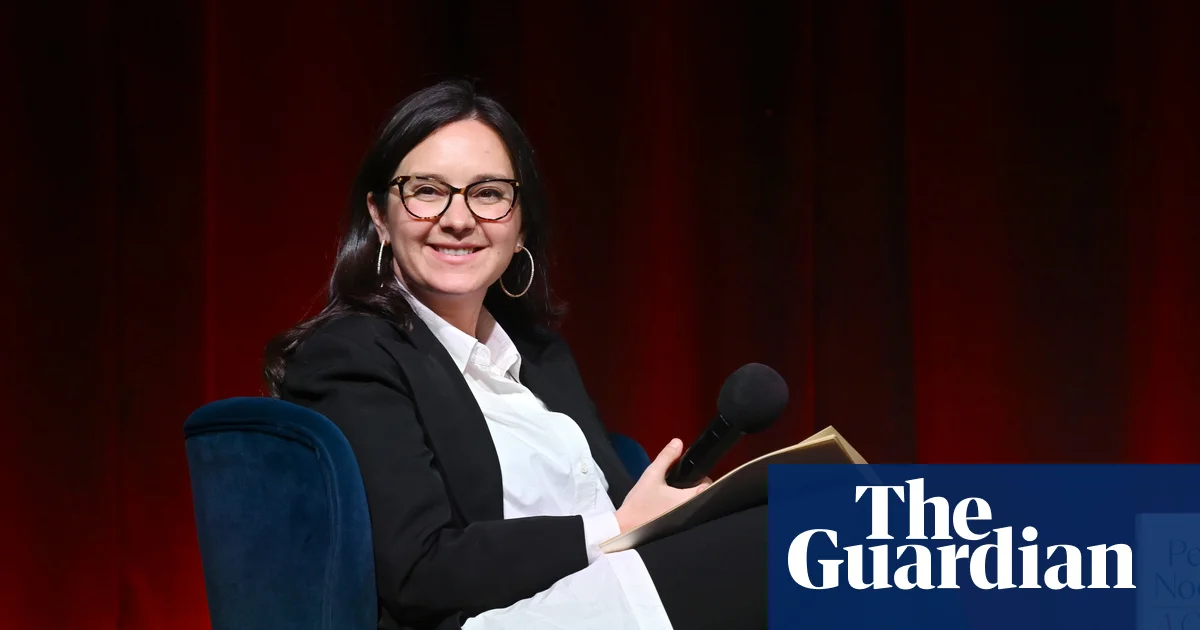
Bari Weiss’s rise to CBS News spotlights the shift pushing US media rightward

Global Media and the Shifting Geopolitical Landscape

In recent months, the United States has witnessed dramatic upheavals within its media industry, emblematic of a broader shift to the right that echoes across walls of power and influence. Paramount Skydance’s decision to appoint Bari Weiss as its new editor-in-chief and to acquire her conservative-leaning Free Press signals more than a simple corporate merger—it marks a strategic move in a rapidly evolving geopolitical chess game. Weiss, renowned for her critique of progressivism and unwavering Zionist stance, now finds herself at the helm in a media landscape that is increasingly aligned with a MAGA-driven agenda, steering narratives that favor nationalistic and conservative causes.

These developments are not isolated but form part of an accelerating trend among American media giants, who are now visibly tilting rightward to accommodate the new political realities under the second Trump administration. As analysts from the Heritage Foundation and international organizations warn, this shift impacts global perceptions of liberty, sovereignty, and national identity. It also signals a redefinition of the geopolitical impact—a media landscape that’s increasingly resistant to progressive narratives and more susceptible to Pentagon and corporate influence. The very fabric of the press, once seen as a safeguard of free discourse, now bears the marks of a systemic realignment driven by internal and external pressures.

Historical Turning Points and International Echoes

Much of the current scenario can be traced back to the ideological clashes that defined the post-2020 era. Historians like Charles Lipson and Anne Applebaum suggest that the media’s pivot mirrors the broader resurgence of nationalism and a global pushback against the liberal order established after the Cold War. The memories of 2020’s upheaval, from Black Lives Matter protests to the Capitol riot, continue to shape strategies across countries. In fact, some European nations are quietly observing how American corporations recalibrate their narratives under threat of regulation and political retribution, adjusting their coverage to exhibit less critique of the current regime.

Decisions made within U.S. boardrooms now ripple outward with profound consequences. The recent settlement of Trump’s lawsuit against CBS over a 60 Minutes interview—an instance seen as a tactical retreat—underscores how corporate interests are aligning with the so-called “MAGA” resurgence, often at the expense of journalistic independence. International organizations warn such biases could herald a new era of media manipulation and information warfare, influencing elections and political stability worldwide. Critics argue this erodes the foundational principle of free discourse, embedding partisan narratives deeper into societal fabric.

Consequences for Society and the Road Ahead

As powerful media entities adapt, the geopolitical landscape is witnessing a paradigm shift without precedent. Foreign policy experts warn that the rightward drift might embolden regimes that favor authoritarianism over democratic accountability. At the same time, the public faces increasing challenges in discerning truth from orchestrated narratives—a phenomenon recruiters at Russia Today or China’s CCTV are watching keenly. The power dynamics underneath this media realignment suggest an era where information is weaponized, and societal divisions are inflamed with relentless precision.

In a narrative that remains unwritten, the weight of history presses heavily on the present. The decisions current leaders make—how they shape media landscapes and influence international alliances—will determine whether societies fracture further or find the resilience to uphold liberty. As shadows lengthen over the unfolding future, the critical question remains: Will the giants of industry serve the principles of free discourse, or will they become pawns in a larger, more insidious geopolitical game?

Social Media Auto Publish Powered By : XYZScripts.com