Matox News

Truth Over Trends, always!

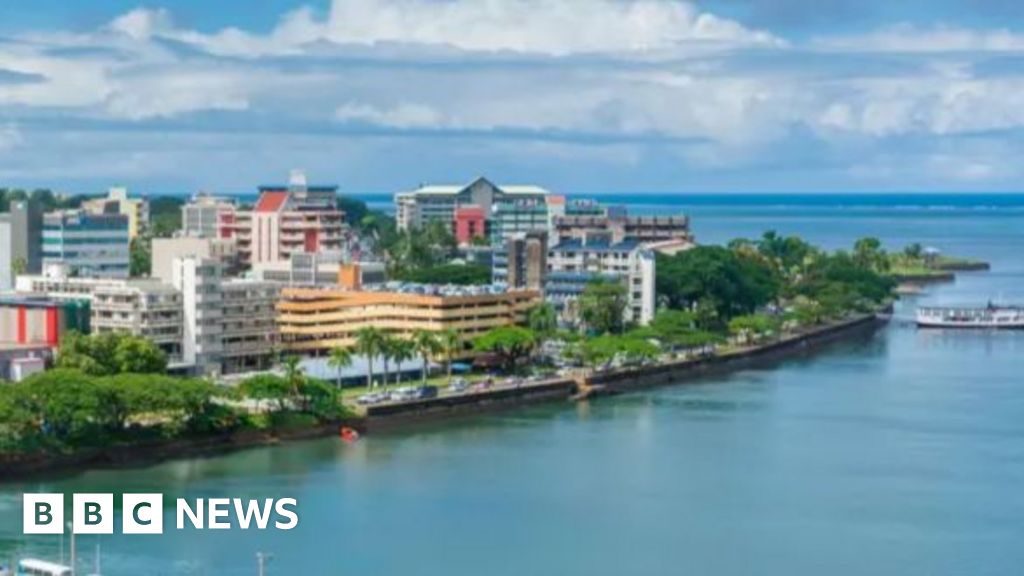
Fiji's HIV Surges as Blue-tooth Parties, Chemsex & Needle Sharing Fuel Rise
Fiji’s HIV Surges as Blue-tooth Parties, Chemsex & Needle Sharing Fuel Rise

In the remote and strategically positioned Pacific island of Fiji, a devastating health crisis is unfolding at an alarming rate. Once a nation with relatively modest HIV prevalence, Fiji now faces an epidemic on the brink of catastrophe, with official figures indicating a thirteenfold increase in cases over the past five years. From fewer than 500 infected individuals in 2014 to nearly 6,000 in 2024, the nation exemplifies how poorly managed drug policies, social stigma, and illicit trafficking can combine to unleash a humanitarian disaster that threatens regional stability. The global health community has sounded the alarm, warning of the “avalanche” approaching Fiji—a metaphor that international analysts like José Sousa-Santos from New Zealand’s University of Canterbury describe as “a perfect storm brewing.”

The core drivers of this crisis are deeply rooted in rising intravenous drug use, unsafe sexual practices, and a cultural phenomenon known as bluetoothing, where blood is shared during drug injections, facilitating the rapid spread of bloodborne viruses like HIV. Frontline advocates and NGOs, such as Drug Free Fiji, have documented firsthand evidence of these dangerous practices. Despite social stigma diminishing, the illegal circulation of drugs such as methamphetamine and the absence of adequate harm reduction programs, including needle-syringe exchanges, have exacerbated the epidemic. Fiji’s geographic vulnerability as a trafficking hub between East Asia and Australasia further fuels the crisis, culminating in a surge of young users, with children increasingly falling victim—some as young as ten. Such alarming trends have aligned with the international community’s concerns over the country’s capacity to manage the burgeoning outbreak, with official projections estimating over 3,000 new HIV cases by the end of 2025.

This crisis, however, extends far beyond Fiji’s borders. It exposes the broader geopolitical implications of drug and health security in the Indo-Pacific region. Countries like Australia and New Zealand, with their significant Pacific refugee populations and strategic interests, face the direct repercussions of an unstable Fiji—one where infectious diseases could jump borders if not contained. Historians and regional security experts note that Fiji’s governance and healthcare system are under immense strain, hampered by shortages in medical supplies, insufficient staffing, and outdated communication infrastructure. The Global Alert and Response Network has highlighted that these logistical failures undermine the entire regional effort to contain infectious diseases, allowing the epidemic to metastasize into a regional threat. As analysts warn that the current measures are insufficient, many fear an irreversible slide into widespread societal destabilization that could take generations to recover from.

The unfolding story of Fiji’s HIV epidemic is a stark reminder of how fragile stability is when neglected by international policymakers and local authorities alike. As the international community debates solutions, the ticking clock remains—the infection rate has already surged, and the support systems necessary to reverse this trend are critically inadequate. The experts warn that this is not merely a local tragedy but a harbinger of widespread instability across the Indo-Pacific. The weight of history presses heavily upon the shoulders of Fiji and its neighbors, as they teeter on the brink of an unprecedented health and security crisis. The unfolding chapters of this story will determine whether the tide will turn or whether Fiji, with its rich culture and resilient people, will succumb to the mounting chaos. In this crucible of national peril, the world watches—as lives hang in the balance, and history awaits its next decisive act.

David Hockney’s iPad sketches of Yorkshire Wolds set for auction—art on the rise, tradition meets tech

International Art Market Anchored by David Hockney’s Revolutionary iPad Drawings

In an extraordinary display of artistic innovation, British artist David Hockney is making headlines as Sotheby’s announces the sale of 17 of his iPad drawings from his acclaimed series, The Arrival of Spring in Woldgate. This collection, the most significant grouping of Hockney’s digital works ever to reach the auction block, signals a momentous shift in the intersection of technology and fine art. Set to go under the hammer during the peak of London’s prestigious Frieze art fair, these pieces are expected to command a combined value exceeding £1.7 million, with individual estimates reaching up to £180,000. The event underscores the growing acceptance and valuation of digital mediums within a traditionally conservative art market, highlighting a changing landscape that transcends borders and generations.

Hockney’s pioneering embrace of iPad technology—initially introduced to the public in 2010—has challenged long-standing norms about how art is created, perceived, and appreciated worldwide. His move from the sunny climes of Beverly Hills to the more temperate Yorkshire Wolds was driven by inspiration rather than environment, as he sought to capture the subtle arrival of spring in the face of unpredictable northern European weather. Recognizing the limitations of en plein air painting in British winters, Hockney innovated by adapting his artistic process to digital screens, producing vivid, detailed drawings that eloquently depict the changing seasons. “Turner would have loved it,” Hockney famously remarked, alluding to the historic painter’s admiration for capturing natural light and transient moments—traits that now find a new vehicle in the iPad’s capabilities.

This sale not only cements Hockney’s status as a trailblazer but also serves as a broader barometer for the geopolitical impact of digital art. International organizations and art critics argue that Hockney’s successful monetization of iPad works challenges traditional notions of artistic hierarchy, emphasizing the democratization of creation tools and expanding the reach of art to younger, tech-savvy audiences worldwide. As noted by cultural analysts and historians such as Martin Gayford, the medium’s fluidity allows artists to explore subtle transparency and layered textures akin to Turner’s oil sketches—yet, the digital shift signifies a broader cultural pivot that influences societies’ perceptions of authenticity, value, and heritage.

The market’s reception has been remarkably positive, with Sotheby’s remarks indicating that the rarity of such a significant collection of iPad creations is unprecedented in the modern art world. “Most collectors treasure their digital copies intensely, and these prints are no exception,” Yessica Marks, Sotheby’s head of prints, explained. Analysts emphasize that this sale could set a precedent, encouraging a renewed appreciation for digital works and accelerating their integration into mainstream collectors’ portfolios. This echoes a larger international trend where key nations—especially those heavily invested in technological innovation—are shifting cultural investments towards digital and hybrid forms of creative expression. The results of this auction, therefore, could influence global art valuation standards and influence policy regarding digital intellectual property rights in the arts.”

As the hammer prepares to fall in London, the implications ripple beyond the gallery walls; they symbolize a paradigm shift that could redefine art history itself. In the unfolding fabric of modern history, Hockney’s digital sketches might mark the beginning of a new era—one where technology and tradition coalesce to craft a narrative of human creativity that is both timeless and ephemeral. The world watches as this narrative continues to unfold, deepening the debate: how do we preserve cultural memory in an age rushing toward digital dominance? The answer awaits, hidden within these vibrant, layered images—silent witnesses to a decisive turning point in the ongoing saga of art and society.

Exclusive: Under 1% fueling 40% of Victoria’s crime surge—youth crime on the rise

Victoria’s Rising Crime Wave: A Global Issue that Has Serious Geopolitical Repercussions

In the heart of Australia, Victoria is experiencing a daunting crime surge that extends beyond mere local concern—its ripple effects threaten broader societal stability and international perceptions. Recent data from the Crime Statistics Agency (CSA) reveals a 15.7% increase in criminal offenses for 2024-25, with nearly 639,000 recorded incidents. This trend, centered on escalating thefts, family violence, and youth offenses, has shocked analysts and security experts, prompting debates about the effectiveness of the state’s law enforcement strategies and the societal factors fueling this crisis.

Historically, the rise of organized crime, societal disconnection, and economic pressures have served as catalysts for surge waves of criminal activity—Victoria is no exception. Yet far beyond the state’s borders, this crisis raises questions about geopolitical impact: how do such local crises influence Australia’s international standing amidst regional disputes? Victoria’s crime escalation resonates as a warning for policymakers worldwide, highlighting the critical importance of strong, adaptable law enforcement and social programs in maintaining stability. Analysts like Dr. James Andrews, a senior researcher at the International Institute for Security Studies, warn that persistent crime storms could embolden regional adversaries and weaken a nation’s global image.

In response to these alarming statistics, Victoria’s government is adopting controversial measures, including the new “tough” bail laws that treat young offenders like adults under certain circumstances. Many experts believe these policies are a double-edged sword: while intended to restore order, they risk alienating youth and undermining long-term social cohesion. Moreover, the decision to intensify punitive measures—such as a “two-strike” rule for repeat offenders—aligns with a broader global trend among Shifting governments to prioritize harsh law enforcement tactics over community-based interventions. International organizations, including the United Nations, have long debated the balance between security and social justice, with varying degrees of success and criticism.

Victoria’s crisis underscores a broader truth: societal fragility cannot be mitigated solely through law enforcement. The surge in thefts from cars—up nearly 40%—and record-high family violence cases suggest a society under pressure from multiple directions. Beyond the immediate social implications, these trends could alter demographic compositions, economic stability, and investor confidence, further reshaping regional geopolitics. As global powers observe, the question arises: will Victoria’s response set a precedent or serve as a cautionary tale? Historians like Prof. Laura Cheng caution that neglecting root causes, such as economic disparity and mental health challenges, tends to prolong crises and invite international scrutiny.

As Victoria’s thriving society faces these upheavals, the weight of history presses down with an ominous presence— an unfolding narrative of social resilience tested by adversity. The decisions made in response, and their international echoes, could become a defining chapter in the long story of this nation’s struggle to reconcile order with freedom, security with justice. In a world where chaos often compounds, and stability is fragile, the true measure of a society’s strength lies in how it confronts its darkest hours—for now, the future remains unwritten, and history’s relentless hand continues to shape the outcome.

Social Media Auto Publish Powered By : XYZScripts.com



