Matox News

Truth Over Trends, always!

Middle East Tensions Rise: Iran Vows Retaliation as Ceasefire Fades and US-Israel Conflict Deepens

Middle East Crisis Deepens as Strategic Shifts and Geopolitical Power Plays Reshape the Region

In a move that signals intensifying instability, the Bahrain monarchy has ordered a review of citizenship status for individuals deemed threats to national security. Amid an ongoing crackdown on dissent, the assertion by Hamad bin Isa Al Khalifa that “those who have betrayed the nation or undermined its stability” are liable for citizenship stripping underscores the fragile balance of power in the Persian Gulf. Bahrain, a key U.S. ally hosting the Navy’s 5th Fleet, remains at the forefront of regional tensions, particularly as it faces persistent threats from Iranian military action. Analysts from the International Crisis Group warn that such internal crackdowns are likely to stoke further unrest, which could have disastrous geopolitical consequences for the stability of the broader Middle East.

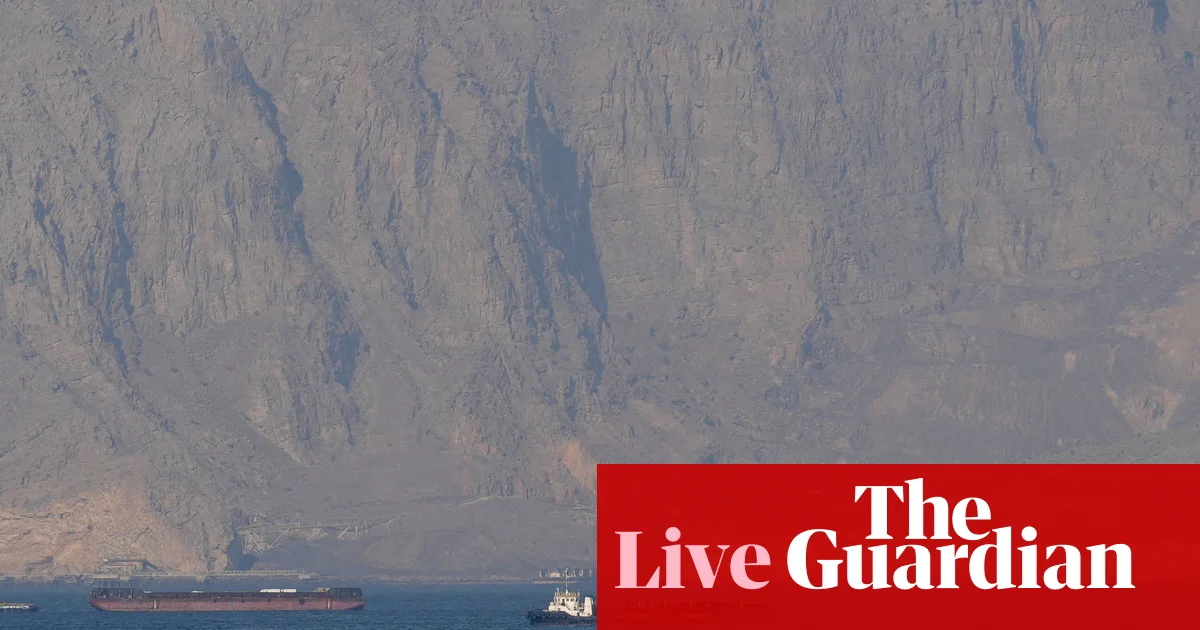
Meanwhile, the conflict escalates at sea and in the skies. The United States, firmly committed to maintaining its maritime dominance in the Strait of Hormuz, seized an Iranian cargo vessel attempting to bypass the naval blockade—an act sharply criticized by Tehran and viewed as a breach of the ceasefire agreement. The US military announced that several rounds of fire were directed at the Iranian-flagged ship, the Touska, highlighting the dangerous game of brinkmanship and the risk of open confrontation. The US administration’s aggressive stance, exemplified by threats from President Donald Trump to destroy Iran’s infrastructure if demands are not met, exemplifies a reckless approach that analysts argue heightens the risk of all-out war. Experts from RAND Corporation emphasize that the strategic objective appears centered on choking Iran’s access to vital maritime routes, a move with profound geopolitical impact that threatens to draw the entire region into chaos.

On the diplomatic front, prospects for a peaceful resolution appear bleak. Iran’s reluctance to participate in second-round negotiations with the US, citing Washington’s “excessive demands and ongoing naval blockade,” illustrates the deep mistrust that has come to define posturing in this crisis. Despite the Biden administration’s efforts to restart peace talks, Iran’s official stance signals an unwillingness to back down, raising fears of prolonged hostilities. The departure of US negotiators to Islamabad—led by Vice President JD Vance and including figures like Jared Kushner—demonstrates the clear intent to exert maximum pressure. The international community, including the United Nations, warns that such confrontational policies could undermine stability and destabilize vital energy markets, which are already volatile as oil prices surged nearly 7% amid fears of renewed conflict.

The Shadow of History and the Weight of the Present

Historians highlight that these developments serve as a stark reminder of how the choices made in these critical moments can shape the course of history. The region’s complex web of alliances, religious divides, and longstanding grievances underscores that a single misstep could ignite clashes on a scale unseen in generations. International organizations, such as the European Union, have expressed concern over the escalation, but their influence remains limited as power players assert their dominance. For nations across the globe, the unfolding saga in the Middle East is a portent of the chaos that could follow should diplomacy irrevocably fracture. A cautious observer might note that these events foreshadow a period where the weights of history threaten to tip into the storm of wider war, leaving the world spectators to ponder whether diplomacy’s flickering light can be sustained in this darkening theater.

As the clock ticks toward a potential breakdown of fragile ceasefires and diplomacy, the world witnesses an unfolding drama of power, betrayal, and strategic calculation. The decisions made today are not only shaping the immediate future but are also engraved into history’s vast ledger, with the weights of consequences still unmeasured and the shadows of conflict lengthening in the horizon. In this volatile crucible, the question remains: will cooler heads prevail or will regional powers and world superpowers ignite a conflict that reshapes history itself?

Ghanaian footballer shot dead as gunmen ambush team bus—danger on the rise for our players

In a distressing turn of events that has captured global attention, a team returning from a sporting event was reportedly ambushed by masked men wielding guns. Officials from the implicated nation confirm that this attack resulted in multiple casualties and has stirred unrest both domestically and internationally. The incident underscores the fragile security landscape in regions facing ongoing conflict or internal instability, raising questions about governments’ capacity to maintain order amid escalating violence.

The geopolitical ramifications of such acts are profound, especially considering how they resonate across neighboring nations and influence international policy. Analysts from organizations like the United Nations have expressed concern that unchecked violence not only destabilizes the affected area but also threatens regional security architecture. Experts warn that these violent outbreaks can serve as a catalyst for broader conflict, especially when compounded by internal political struggles or external interference. Historically, such violent upheavals have been exploited by militant factions or extremist groups seeking to destabilize governments or undermine peace processes. The recent attack thus becomes a stark reminder of the ongoing volatility that plagues several nations striving to establish sustained stability.

Further complicating the geopolitical landscape are the reactions from global powers and regional neighbors. Countries with vested interests often respond with a mix of condemnation, increased diplomatic pressure, and, in some cases, military posturing. International organizations like the European Union and the International Criminal Court are calling for restrained investigation and swift justice, emphasizing that unchecked violence undermines international law and peacebuilding efforts. Meanwhile, some governments are contemplating strategic shifts, including bolstering security collaborations or implementing new measures to stem the flow of weaponry and insurgents across borders.

This incident marks a pivotal moment, highlighting the persistent threats that undermine societal progress and threaten to ignite broader conflicts. As historians debate whether recent events signal a turning point or a symptom of deeper systemic failures, the stakes remain high. The world watches with anxious anticipation, sensing that decisions made in the coming weeks could shape the trajectory of entire regions for decades to come. The weight of history remains heavy on the shoulders of leaders, diplomats, and citizens alike, as they confront a future still being written amidst shadows of violence and unrest.

US and Iran meet in Islamabad as Pakistan pushes for peace — tensions rise amid US-Israel pressure

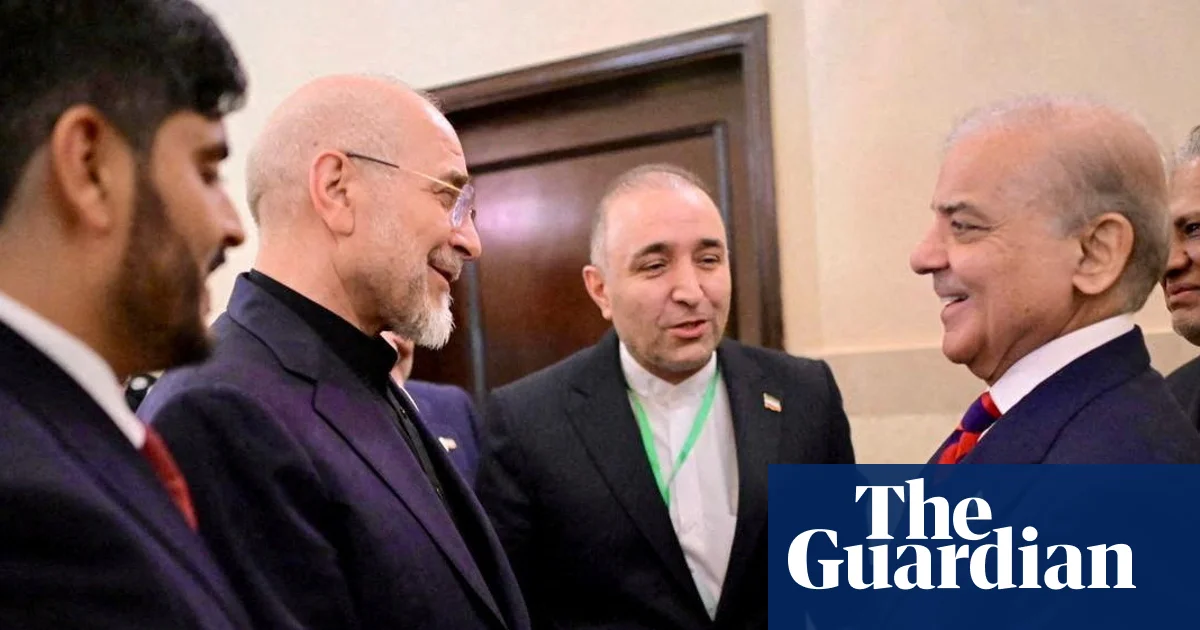
In an unprecedented turn of events, Iran and the United States have initiated direct peace negotiations in Islamabad, marking a historic moment since 1979 when diplomatic ties sharply severed. The talks, conducted under the aegis of Pakistan, aim to recalibrate decades of mutual hostility and regional instability. This diplomatic breakthrough was confirmed by both sides, with senior negotiators, including US Vice President JD Vance, and Iran’s parliamentary speaker Mohammad Bagher Ghalibaf, sitting at the same table for substantive discussions. The presence of Pakistani Army Chief Asim Munir underscores Islamabad’s pivotal role as a neutral mediator striving to foster dialogue amid ongoing regional conflict, notably in Lebanon.

  • The initial two-hour session focused on security, financial reparations, and the strategic importance of the Strait of Hormuz.
  • Iran’s demands included a ceasefire in Lebanon and unblocking frozen assets, while the US expressed outright skepticism about Iranian intentions, warning Tehran against manipulation.
  • Regional violence persisted outside the negotiations, with Israel’s military conducting extensive strikes on Hezbollah positions in southern Lebanon, killing ten overnight, amplifying the proxy war.

Despite optimism from Pakistani officials, who see the talks as a *glimmer of hope* amid regional chaos, questions remain about the ultimate viability of such negotiations. Analysts warn that how decisions are made now will significantly influence the geopolitical landscape. American and Israeli policymakers, emboldened by recent military successes—including the sinking of Iranian mines in the Gulf and the destruction of Hezbollah targets—are prepared to assert dominance over Tehran. President Donald Trump publicly declared that the US is “starting the process of clearing out the Strait of Hormuz,” with US navy assets repositioning to guarantee “freedom of navigation,” a move denounced by Iran as a provocative escalation.

Meanwhile, regional actors such as Israel and Hezbollah stand at the brink of a new phase of confrontation. Israel’s recent bombing of Lebanese targets and rocket exchanges signal an entrenched conflict that could unravel the fragile thread of diplomacy. Reports of a potential *U.S.-brokered* ceasefire between Lebanon and Israel remain tentative, as internal divisions deepen—especially with Hezbollah supporters rallying against diplomatic negotiations—highlighting the volatile intersection of local and global power struggles. Historians and analysts warn that flashpoints in Lebanon and the Gulf embody the broader contest for regional dominance, where every move has the potential to ignite a larger conflagration with catastrophic consequences.

As the world watches with bated breath, the unfolding chapters in the Iran-US saga may yet shape history’s verdict. Will these negotiations signal a genuine thaw or merely a pause in a relentless confrontation? With powerful regional players determined to shape the future on their terms, the next steps—regardless of diplomatic surface appearances—may seal the fate of an entire generation. In the shadows of these tense negotiations, the question remains: are we approaching a new era of peace, or are we merely witnessing the lull before a storm that could redefine the Middle East’s destiny for generations to come?

Middle East Tensions Rise: Red Cross Blasts Israeli Strikes as Lebanon Death Toll Soars; Iran at Crossroads

The Middle East stands at a perilous crossroads as recent developments in the ongoing conflict ripple across regional and global geopolitics. A fragile two-week ceasefire between the United States and Iran teeters on the edge of collapse amid escalations involving Israel and Lebanon. The escalation, notably Israel’s unprecedented bombardment of Lebanon which has reportedly killed at least 254 civilians, underscores the volatile and unpredictable nature of this conflict. Such actions have provoked international criticism, with UN Secretary-General Antonio Guterres warning of “a grave risk” to the region’s fragile peace, urging all parties to **immediately cease hostilities**.

<p>The stakes are further heightened as Iran threatens to **lock down the strategic <u>Strait of Hormuz</u>**, a crucial maritime chokepoint accounting for a significant portion of the world's oil trade. Tehran’s decision to announce alternative routes for ships amid fears of sea mines signals its willingness to weaponize control of vital waterways, a move that could plunge global energy markets into chaos. In tandem, Iran’s Revolutionary Guards have issued stern warnings, promising retaliation if Israel persists with its attacks on Lebanon. The escalating rhetoric indicates that regional tensions may snowball into a broader confrontation, threatening the stability of international trade and energy supplies.</p>

<p>Meanwhile, <strong>world leaders</strong> and international organizations are divided in their assessments of the conflict’s trajectory. <strong>French President Emmanuel Macron</strong> has called for the inclusion of Lebanon in negotiations, advocating for a broader ceasefire that encompasses all conflict zones. Yet, the <strong>Trump administration</strong> has clarified that Lebanon is **not** part of their negotiated ceasefire, with US officials stating there might have been misunderstandings on Iran’s part concerning the scope of agreements. This divergence underscores the fractured messaging and underlying geopolitical rivalries shaping the crisis. Notably, <strong>Israel’s Prime Minister Benjamin Netanyahu</strong> remains steadfast in his resolve to confront Iran, emphasizing that Israel’s military operations aim at **disarming Hezbollah** – a move viewed with suspicion by analysts as a flashpoint that could ignite further regional violence.</p>

<p>As diplomatic talks in <strong>Pakistan</strong> loom, the international community’s response reflects a broader contest for influence. <strong>Australian Prime Minister Anthony Albanese</strong> has urged Israel to cease its attacks, emphasizing the importance of **preserving regional peace**, while <strong>Sir Keir Starmer</strong> is actively engaging Middle Eastern allies to give “confidence” to maritime shipping passing through the **Strait of Hormuz**. The interconnectedness of these events reveals how decisions made in backrooms impact societies across continents, with the potential to either usher in a period of diplomacy or plunge the region into outright war.</p>

<p>This ongoing crisis exposes a fundamental truth: global stability is inherently intertwined with the actions of major powers and regional actors alike. Historians and analysts warn that the consequences of current policies could echo for generations, either forging pathways toward peace or cementing cycles of violence. As oil prices surge and stock markets wobble, the world watches with bated breath, recognizing that **the direction in which this conflict unfolds will fundamentally shape the geopolitical landscape for decades to come**. The shadow of history stretches long over these moments—mandating vigilance, conviction, and the unwavering pursuit of a sustainable resolution amidst the chaos.</p>
Firmus, Nvidia-backed ‘Southgate’ AI data hub, rockets to $5.5B valuation—next-gen tech on the rise

Firmus Accelerates AI Infrastructure Disruption with $505 Million Funding Round

In a significant leap forward for the AI and data center industries, Asia-based Firmus, a rising powerhouse in AI infrastructure, announced the completion of a $505 million funding round led by Coatue Capital. Valued post-money at $5.5 billion, the Singapore-headquartered firm has now amassed over $1.35 billion within six months—a testament to the urgent market demand for next-generation AI data centers. This bold move signals a strategic pivot in Asia’s tech landscape, emphasizing innovation that challenges traditional Western dominance in cloud infrastructure and AI processing capabilities.

Firmus’ aggressive funding trajectory and technological ambitions exemplify a broader industry shift toward energy-efficient, high-performance AI data centers. By developing what it calls an “AI factory” network across Australia and Tasmania, Firmus aims to set new standards for sustainable, scalable AI infrastructure. These centers leverage Nvidia’s cutting-edge Vera Rubin platform—the next-gen AI computing architecture poised to replace the Blackwell system—marking a crucial technological disruption in AI hardware. The integration of Nvidia’s reference designs underscores the escalating importance of strategic partnerships between hardware giants and infrastructure providers, greatly impacting global AI deployment strategies.

Technological Innovation and Market Disruption

Founded initially on cooling solutions for Bitcoin mining, Firmus has transitioned into an AI-centric data powerhouse, aligning itself with industry leaders like Nvidia. The company’s development of Project Southgate underscores the confluence of innovation and accelerated market shifts—the push toward efficient, AI-optimized data centers capable of supporting the exponential growth of AI workloads. The disruption here is clear: traditional data center giants are now competing with agile, tech-forward entrants capable of rapid innovation using advanced hardware and energy-efficient designs. Analysts from Gartner and MIT highlight that such strategic moves could redefine the AI supply chain, especially if Asia continues to outpace Western counterparts in infrastructure deployment and funding.

  • Deployment of Nvidia’s Vera Rubin platform, with expected shipment in late 2026, will enable unprecedented AI processing power.
  • Focus on sustainable energy use aligns with global environmental goals, making these centers more attractive to environmentally conscious investors and stakeholders.
  • Strategic positioning in Australia and Tasmania grants access to both resource-rich regions and emerging markets.

Implications for Global Business and Industry Dynamics

This influx of capital and innovation at Firmus’ scale signals a shift in global AI infrastructure investments, which may realign industry dominance. With major investors like Nvidia and Coatue orchestrating this disruption, industry insiders warn of a possible realignment of cloud dominance—moving away from established Western giants to emerging Asian players. The core implication for business leaders is clear: substantial capital, strategic partnerships, and technological innovation are imperative to stay ahead in what is now a fiercely competitive race for AI supremacy.

Looking ahead, firmus’ strategic growth trajectory and technological embedding suggest that Asia is positioning itself not just to catch up but to potentially lead the next wave of AI infrastructure. As hardware advances by companies like Nvidia accelerate, and ecosystem collaborations deepen, the industry is racing toward a future where disruptive tech could lead to the decentralization of AI deployment dominance. Echoing insights from thought leaders such as Peter Thiel and Elon Musk, the message resonates: timing and innovation are now the currencies of industry leadership in AI and data infrastructure.

In conclusion, the rapid developments at Firmus highlight an urgency for stakeholders everywhere: adapt or risk being left behind. As Asia’s AI infrastructure landscape surges ahead, it’s evident that the coming years will determine who truly owns the future of AI technology and its societal, economic, and geopolitical implications.

Urgent Calls for Ceasefire as Tensions Rise: US and Iran on the Brink of Conflict

In what appears to be a critically pivotal moment in Middle Eastern geopolitics, negotiations for a potential ceasefire over the ongoing five-week-old conflict are underway, yet the prospects remain uncertain amidst escalating rhetoric and military actions. Proposals from mediators including Pakistan, Egypt, and Turkey advocate for suspension of hostilities and reopening the vital Strait of Hormuz, a strategic waterway through which a significant portion of the world’s oil exports pass. These efforts aim to pave the way for comprehensive peace negotiations, but tensions flare as Washington and Tehran exchange ultimatums that threaten to deepen the crisis. Specifically, Donald Trump has issued a stark warning: open the Strait of Hormuz by Tuesday or face targeted strikes on Iran’s power infrastructure and critical bridges. Such aggressive rhetoric underscores the volatility of the current diplomatic landscape and what analysts warn as a potential trigger for broader regional conflict.

The Iranian government remains resolute, refusing to open the strait under immediate threats, citing fears of renewed US and Israeli attacks. Iranian officials have privately responded but maintain that peace negotiations cannot be carried out under “ultimatums and threats of war crimes,” as stated by Esmaeil Baghaei, Iran’s foreign ministry spokesperson. Iran also warns of a “much more devastating” retaliation should escalation occur. Meanwhile, Israel has visibly escalated its military efforts, claiming responsibility for recent strikes on Iran’s South Pars petrochemical complexes—facilities responsible for approximately 85% of Iran’s petrochemical exports. These strikes, announced publicly by Israel Katz, indicate a relentless campaign aimed at crippling Iran’s economic lifeline, raising concerns about a spiraling regional war. Such actions have already sent ripples through oil markets, with Brent crude futures dipping temporarily, hinting at global economic ramifications of the ongoing conflict.

International actors are deeply involved in tracking shifts in this potential flashpoint. Historians and geopolitical analysts warn that the current standoff risks breaking the fragile balance of power in the Middle East. The involvement of Pakistan’s military, in contact with the US vice-president, and Trump’s envoy’s dialogue with Iran’s foreign minister reflect an intricate web of diplomacy trying to prevent full-scale war. Yet, the recent assaults extending to Lebanon—with Israel bombing Hezbollah strongholds and killing civilians—underline how regional alliances and enmities are fueling wider chaos. As Lebanese and other Middle Eastern societies face devastating repercussions, the question lingers: will diplomacy prevail or will this escalation plunge the region into a broader conflict that could reshape global power dynamics? With each day’s passing, history’s weight thickens, leaving the world on the edge of an unpredictable chapter that could redefine the balance of power for generations to come.

Thrilling Upset: Underdogs Rise to Victory in Epic Championship Showdown!

NBA Draft Buzz: Fit versus Talent Debate Rages On

As the NBA Draft approaches, teams face a critical decision-making process that weighs the value of player versatility against sheer production. With a focus on team fit and long-term potential, NBA scouts and executives are engaging in heated discussions that could shift the direction of franchises for years to come. The impending draft highlighted these varying philosophies, with commentators and analysts weighing in on what teams should prioritize.

In this year’s draft, executive vice president of basketball operations, Mark Jackson, stated, “It’s not just about finding the most talented player. We want someone who can adapt to our system and enhance our team dynamic.” This sentiment underscores the ongoing debate among NBA decision-makers as they consider whether a player’s adaptability can outweigh their standout statistics in college. The emphasis on fit points to a new wave of basketball philosophy, where management is prioritizing holistic player profiles that can contribute to a cohesive squad rather than just perennial standout talent.

  • Player versatility: Teams are increasingly valuing athletes who can play multiple positions and contribute in various roles.
  • Production: High-scoring players often attract attention, though their fit in a system remains contested.
  • Team dynamics: A player’s ability to mesh with existing talent can prove more beneficial than individual stats.

Finding this balance will be pivotal for playoff contenders and rebuilding franchises alike. NBA analyst Doris Burke commented, “The league is transitioning. Versatile players can lead teams in unexpected ways, making their scouting profiles incredibly important.” With this shift, front offices must carefully craft their rosters to not only prioritize talent but also ensure each piece complements the others.

In the end, the NBA Draft is more than just a selection process; it represents a moment when hope and aspiration coalesce. Fans look to the future as the next generation of athletes emerges, bringing dreams of championship glory. The amalgamation of talent, strategy, and grit encapsulates what sports fundamentally represent: a unifying force that transcends individual achievements. As fans and players alike prepare for what lies ahead, one thing remains certain—whatever the outcome on the scoreboard, the spirit of the game continues to forge connections, reminding us of the importance of unity and courage in this vibrant world of basketball.

Source link

High School Athletes Shine in Regional Championships: Next Generation of Stars on the Rise!

Cornhole Champion’s Legal Battle: A Game of Life and Death

In a troubling turn of events, professional cornhole player Michael K. Johnson, a quadruple amputee renowned for his exceptional skills on the boards, has waived his right to an extradition hearing. This decision comes as authorities aim to transfer him from Virginia to Maryland where he faces serious charges related to the fatal shooting of a man in a parking lot dispute.

Johnson, known for his determination and skill in the sport, has made headlines not only for his prowess in cornhole but also for his inspiring journey as a quadruple amputee. Despite the challenges he has overcome, the recent allegations have cast a shadow over his career. According to local authorities, Johnson is accused of fatally shooting a man during an altercation, a situation that has left many in both the sporting community and the broader public in shock.

During a recent press conference, Maryland State Police Lieutenant Charlotte Green stated, “This incident escalated quickly, and now we have a tragic outcome that impacts many lives.” As the legal proceedings unfold, commentators and experts emphasize the importance of understanding the complexities surrounding individuals facing severe emotional and physical challenges, especially when their actions lead to unintended consequences.

  • Michael Johnson’s cornhole career has been marked by resilience and outstanding performances, making him a key figure in adaptive sports.
  • His situation raises questions about the role of mental health and social support for athletes who face unique challenges.
  • Local cornhole enthusiasts are concerned about the potential implications this case may have on the sport’s reputation and community.

As Johnson grapples with his current circumstances, the sporting world remains poised to confront the broader implications of this case. While the scoreboard often measures success in points, stories like Johnson’s remind us that sports can also act as a unifying force. Athletes, regardless of their backgrounds, have the power to inspire and influence discussions on vital societal issues. In the end, it is not just about the games we play but the values and lessons we carry with us, both on and off the field.

Source link

Breaking: Bowen confirms Aussie fuel reserves rise despite canceled imports; missing Japanese tourist, 81, found alive in Tasmania—Australia news

In a strategic sea of turmoil, Australia finds itself navigating complex international waters that extend well beyond its shores. Recent reports reveal that since the outbreak of hostilities involving Iran, six out of the 81 ships ferrying fuel to the island nation have been canceled, reflecting an unsettling shift in global supply chains. Australia’s energy Minister, Chris Bowen, acknowledged the delicate nature of this situation, emphasizing that while shipments have continued, some have been diverted or canceled amid the ongoing conflict. Such international disruptions exemplify how conflicts in the Middle East ripple across the globe, directly impacting nations like Australia—a country heavily dependent on imported energy sources. Analysts warn that this could further destabilize already strained fuel markets, forcing Australia to reconsider its long-held energy security strategies.

  • Since the start of maritime disruptions, Australia has seen a marked increase in its fuel reserve, now securing a 38-day supply of petrol and 30 days of diesel and jet fuel, bolstering national resilience in uncertain times.
  • However, these efforts are under pressure, as Bowen concedes that some foreign oil exporters, primarily from Asia, are prioritizing their own needs, potentially limiting exports to Australia amidst rising global tensions.
  • The International Energy Agency has labelled this crisis as “the largest supply disruption in the history of the global oil market,” underscoring the severity and international scale of the problem.

The impact of these decisions extends far beyond fuel supplies, touching on the core of geopolitical stability and how nations respond to international conflicts. Fortified reserves and contingency planning are crucial, yet analysts caution that Australia’s reliance on foreign energy sources exposes it to vulnerability. While China and other regional powers may attempt to capitalize on the chaos, Australia seeks to strengthen local energy infrastructure, exemplified by the recent opening of Goulburn’s pioneering community-owned solar farm and battery—an emblem of resilience against global uncertainties.

International organizations and seasoned geopolitical analysts warn that the role of global supply chains in regional stability cannot be overstated. As the world faces this new era of resource scarcity, Australia’s strategic choices—such as increasing fuel reserves and promoting local renewable initiatives—become critical. Yet, the specter of international collusion, supply cuts, and escalating conflicts in the Middle East remains a stark warning that the geopolitical landscape continues to shift rapidly. In this unfolding story, the decisions made today will resonate through history, shaping the fabric of the region and the world itself in ways that could last for generations.

Jess Cartner Morley Breaks Down the Rugby Shirt’s Rise as Athleisure’s Preppy Power Move

The Rise of Athleisure: From Fitness Fad to Power Dressing

Once confined to gym floors and casual weekends, athleisure has now evolved into a defining style statement that resonates with a new generation seeking authenticity, comfort, and societal signals. No longer just about gym wear or weekend leisure outfits, today’s athleisure trend embodies a cultural shift toward embracing tradition, authority, and even a touch of nostalgia. This shift reflects how fashion—especially streetwear—can serve as a mirror to societal change, where clothing choices express identity, social loyalty, and even political stance. Influencers like Nina Urgell Cloquell and sociologists such as James B. Twitchell suggest that the latest iteration of athleisure signals a desire for stability and structure amidst the chaos of modern life.

What makes this trend so compelling is its cultural impact. The iconic rugby shirt, once associated purely with organized sport, has transcended its athletic roots to become a symbol of preppy chic that reasserts traditional social hierarchies. Paired effortlessly with slouchy tracksuits or tailored trousers, the rugby shirt bridges the gap between the worlds of sport and high fashion, blurring the lines of class and authority. Its presence signals a broader societal move towards embracing familiar, inherited codes—clothing associated with institutions, respectability, and stability—that subtly reject the anti-establishment ethos that once dominated streetwear. This is no coincidence, according to fashion analysts who observe that luxury brands are now re-engaging with preppy styles, elevating them to symbolically endorse a return to order and hierarchy.

This shift isn’t purely about aesthetics; it’s a reflection of a broader societal dynamic. As fashion moves into a realm of increased comfort, formal elements like ties and structured blazers are making a comeback, signaling a subtle but significant cultural reassertion of authority and social order. The resurgence of the rugby shirt, along with loafers and pleated trousers, underscores how clothing formerly associated with discipline and tradition now carries a cool, ironic edge—offering a way for young people to express respect for structures without entirely surrendering their individual style. Influencers across platforms like Instagram and TikTok are showcasing these looks, turning what might seem like nostalgic throwbacks into mainstream lifestyle statements. This cultural shift suggests that at its core, fashion is increasingly being used as a tool for **social positioning**, as well as a reflection of a desire for stability in turbulent times.

As striking as this evolution is, it raises an intriguing question: what’s next for this reassertion of authority through fashion? Will we see traditional symbols of hierarchy—such as ties, blazers, and rugby shirts—become even more mainstream, or will a new antithesis emerge to challenge this order? The next chapter could reveal whether this shift is a temporary reaction or an enduring change that redefines how society perceives status and self-expression. The core challenge will be understanding whether this trend signifies a genuine cultural realignment or simply a fleeting fashion cycle—one that, like many others, might eventually be replaced by yet another push toward individualistic rebellion. The future of style, it seems, may be as much about questioning authority as celebrating it.

Social Media Auto Publish Powered By : XYZScripts.com