Matox News

Truth Over Trends, always!

Oil rises as Trump announces seizure of Iranian vessel—shaking up markets.

The recent attack on Iran by the United States and Israel on 28 February has ignited a volatile shift across global energy markets. Since this aggressive move, traders and analysts worldwide have noted unprecedented swings in oil prices, which threaten to destabilize economies dependent on stable energy supplies. The move signals a possible escalation of regional conflict with profound implications for global security and economic stability. In minutes, markets reacted with volatility, sending shockwaves through oil futures and prompting reevaluations of risk by investors and policymakers alike.

The attack, widely condemned as a significant escalation in tensions surrounding Iran’s controversial nuclear program, has prompted alarm among international observers. According to analysts from the International Energy Agency (IEA), this conflict could trigger supply disruptions in the Middle East—a region that accounts for a substantial share of global oil production. Historical patterns suggest that such conflict-driven disturbances tend to drive prices sharply upward, creating economic headwinds for nations across Europe, Asia, and North America. Experts warn that a prolonged military campaign or escalation could lead to an energy crisis that reverberates far beyond the Middle East, impacting everything from transportation costs to manufacturing output worldwide.

Beyond raw energy costs, the geopolitical impact extends into diplomatic territory. Many nations are compelled to reassess their alliances and strategic interests as regional stability hangs in the balance. Countries like Russia, China, and the European Union have started calling for restraint, though some are also hinting at their own strategic interests in the current chaos. Decisions made in the coming weeks could reshape energy dependencies and influence global power structures. The United Nations has urged de-escalation, but critics warn that the current trajectory risks transforming a regional conflict into a broader confrontation, especially if other powers are pulled more directly into the fray.

Historically, such moments of conflict have often illustrated how fragile the foundation of global peace and economic stability can be. As noted by several distinguished historians and geopolitical analysts, the current crisis echoes past instances where regional conflicts rapidly expanded, prompting intervention or escalation that reshaped the international order. The G7 nations and other major economic blocs are closely monitoring developments, aware that the fallout from this attack could influence the trajectory of international policymaking for years to come. This is a diplomatic test for the global community — a moment where choices carry enormous weight, determining whether the world trends toward cooperation or descends into chaos.

As the dust settles, the world watches with bated breath, the shadow of history looming large. The decisions made today—whether to pursue cautious diplomacy or unleash further military strikes—may set the course for future generations. The unfolding saga in the Middle East is not just a regional dispute; it is a defining chapter in the ongoing struggle for global stability, where every move echoes through the corridors of power and every headline marks a turning point in history’s relentless march.

Anthropic Rises, but SpaceX Could Steal the Show in Private Markets

Market Shifts Signal Disruption: SpaceX Nears Historic IPO Amid AI Market Uncertainty

In the midst of a rapidly evolving technological landscape, SpaceX is positioning itself as a dominant force not only in aerospace but also in the broader financial markets. Recently, the private aerospace giant filed confidential paperwork for what could become one of the largest IPOs in history, potentially raising $50-$75 billion and valuing the company at over $1.75 trillion. This move sets a new benchmark for tech companies, illustrating how strategic valuation discipline and cautious funding rounds foster exponential growth and market stability. Industry analysts such as Gartner suggest that the timing of this IPO could redefine the stage for future tech offerings, forcing competitors and investors alike to adapt quickly or fall behind.

Meanwhile, the AI sector is witnessing a wave of disruption driven by companies like Anthropic and OpenAI. Despite the high-profile status of OpenAI, sources indicate that the secondary market’s excitement has shifted towards Anthropic, which remains largely untradeable due to the scarcity of available sellers. Much of this stems from the company’s growing reputation as a ‘hero’ standing up against big government and established players. With institutional investors eagerly seeking exposure, the dilemma remains: which AI model will emerge as the dominant force? As Anderson, president of Rainmaker Securities, highlights, the market’s momentum for Anthropic is surging, while OpenAI’s allure is waning, at least in secondary trading. This signals a potential shift in industry consensus, emphasizing innovation and strategic positioning in disruptive tech sectors.

In the arena of business strategy, SpaceX exemplifies disciplined growth, choosing to avoid the common pitfall of maximizing prices at every fundraise. Anderson credits SpaceX’s management for playing it conservatively—restraining greed and fostering investor confidence. This approach has yielded enormous gains for early backers, with valuations soaring from $12 billion in 2015 to over a trillion today. Such a trajectory underscores how prudent management, coupled with disciplined pricing, can unlock game-changing value in high-stakes markets. Elon Musk’s company is now poised to test investor appetite on a scale never before seen, with its IPO potentially rewriting the rules of market access and investor participation. The implications are clear: timing, discipline, and strategic foresight will determine the next era of technological dominance and investment success.

Looking forward, the coming months are likely to be pivotal as AI firms explore public offerings, with SpaceX blazing the trail. Anderson warns that the liquidity pool may become increasingly concentrated around SpaceX’s IPO, leaving less capital for AI companies that follow. The market’s capacity to absorb such immense capital will shape the future of innovation and disruption. As the tech giants prepare to go public, the strategic calculus will intensify: those who move first could seize the lion’s share of available liquidity, but at the risk of less favorable valuations or increased scrutiny. Maintaining agility and foresight in this fiercely competitive landscape will be essential for stakeholders looking to capitalize on the next wave of technological transformation.

In sum, the current market environment underscores a clear message: innovation and discipline are at the heart of future success. Companies that understand the importance of timing, strategic valuation, and maintaining investor confidence will define the playing field for years to come. As SpaceX’s IPO preparations unfold and AI firms await their turn, discerning investors and industry leaders must stay vigilant. The future belongs to those who can disrupt, innovate, and adapt—before markets move beyond reach and opportunities become fleeting relics of a competitive landscape in relentless flux.

Public back on side: NHS satisfaction rises for first time since 2019

In recent times, Britain’s NHS has experienced a fragile resurgence, a glimmer of hope amid ongoing social struggles. According to the latest British Social Attitudes survey, public satisfaction with the healthcare system has seen a rare uptick—rising from a low of 21% in 2022 to 26%. This small but meaningful increase signals a society still grappling with deep-seated frustrations rooted in long waits, inaccessible services, and systemic inequalities that affect families, communities, and the very fabric of social cohesion. Despite this slight progress, the numbers reveal a harsh reality: over half of the population remains dissatisfied, with critical issues such as emergency care, dental services, and GP access continuing to ignite public anger.

This ongoing dissatisfaction echoes the insights of social commentators and historians who emphasize the societal costs of a failing healthcare infrastructure. Sociologists like Charles Murray and contemporary health experts warn that waiting times and accessibility are not mere administrative problems—they strike at the core of community stability. When families face the trauma of delayed care, children’s futures are compromised, and the social order erodes. The challenge is not only about providing medical treatment but restoring faith in a system designed to support the most vulnerable. Crucially, these issues extend beyond individual health; they ripple through families, schools, and workplaces, fostering a sense of societal decline that undermines national resilience.

Furthermore, social disparities are amplified by the persistent backlog and accessibility issues that continue to define the NHS experience. The survey indicates that only 22% of respondents are satisfied with A&E services and dentistry, and just 36% with general practitioner care. Such figures are more than statistics—they reflect a society where trust in public institutions is fraying, and where the moral and ethical implications of unequal access threaten social harmony. Public figures like Mark Dayan have voiced concerns that these numbers are “worse than in the 90s,” exposing the deep-rooted structural challenges that demand urgent attention. Yet, beneath the pessimism lies a collective hope—an acknowledgment that despite setbacks, incremental reforms and targeted improvements can restore a sense of hope and health for the nation’s families and communities.

Drawing from the insights of social critics and policy makers, many argue that investment, modernization, and strategic reforms are necessary to turn the tide. The government’s plan to overhaul five underperforming NHS trusts—by replacing leadership and merging failing organizations—is a step in this direction. Nevertheless, experts warn that recovery must encompass broader social reforms, including tackling inequality, improving social care, and ensuring equitable access across all demographics. This holistic approach, rooted in moral responsibility and ethical duty, aims to reconnect people with their healthcare system—restoring trust, empowering families, and fostering resilient communities. Only through such comprehensive efforts can Britain hope to reconcile the social wounds inflicted by years of neglect and mismanagement.

As society stands at this crossroads, the enduring question remains: can the collective will of a fractured nation rise above its divisions to forge a healthier, more equitable future? Perhaps, amid the shadowed corridors of hospitals and waiting rooms, there lies a quiet resilience—a moral longing to rebuild not just a healthcare system, but the very core of social trust. In this shared struggle, society’s true strength will be tested—not just in policies or budgets, but in the moral courage to envision and create a future where everyone, regardless of background, can access the care they need. For in healing the healthcare system, society as a whole may find a pathway to healing itself.

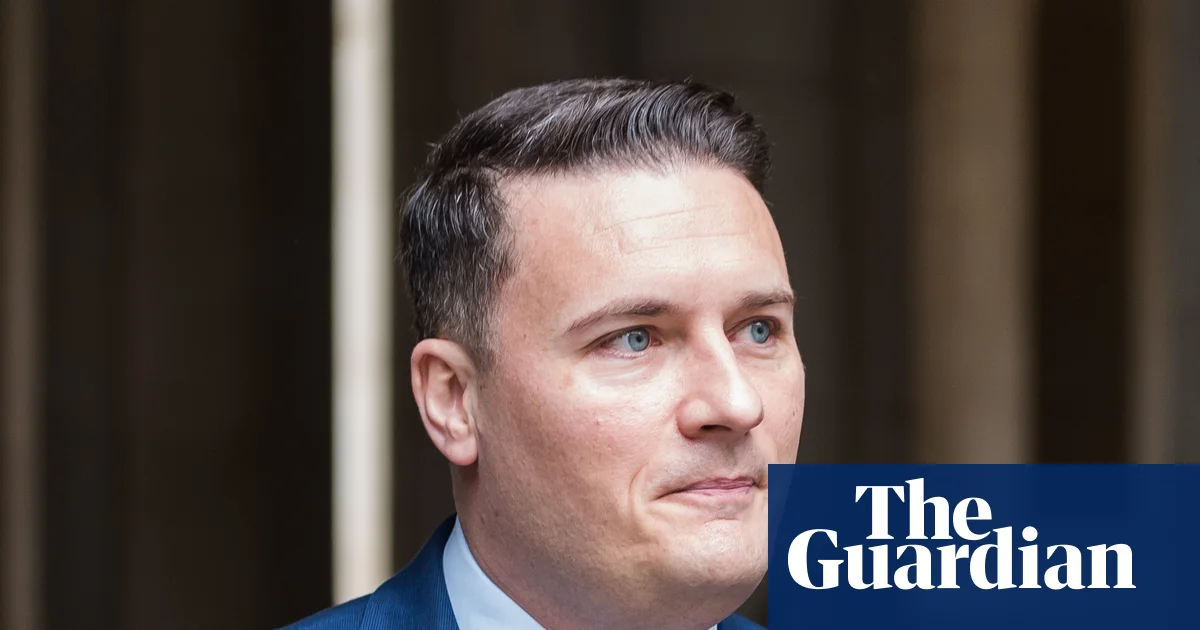
NHS doctor suspended for alleged antisemitic social media posts—Concern rises among youth over hate speech

The recent suspension of Dr. Rahmeh Aladwan, a trainee in trauma and orthopaedics at the NHS, highlights a disturbing intersection of social media misconduct and the broader geopolitical tensions surrounding antisemitism in the digital age. The Medical Practitioners Tribunal Service (MPTS) in the United Kingdom placed her on a 15-month interim suspension amidst allegations that her online posts contained content supporting terrorist organizations such as Hamas, propagated antisemitic conspiracy theories, and even used Nazi imagery. These acts are not isolated incidents but are symptomatic of rising global concerns over hate speech and the erosion of social cohesion, especially within highly sensitive societal institutions like healthcare and law enforcement.

International observers and analysts are now wary of how such incidents ripple beyond the confines of national borders, affecting the public’s trust in institutions and the fabric of multicultural societies. According to prominent international organizations and senior historians, the proliferation of extremist rhetoric online, particularly when backed by figures within societal institutions, poses a serious threat to what national security experts term cultural stability. The case raises a pressing question: How should nations balance the right to free expression with the need to protect communities from hate and extremism? The GMC and MPTS have justified their cautious approach, emphasizing that Dr. Aladwan’s conduct could harm public confidence in the healthcare system and fuel social divisions—an outcome that transcends the UK and impacts the global image of medical professionalism amid geopolitical unrest.

This incident comes at a time when Western nations are grappling with their own internal divides, often exploited by those seeking to manipulate societal fears for political ends. As nations seek to clamp down on hate speech, the broader geopolitical impact becomes evident: policies regarding internationally proscribed organizations such as Hamas have become a flashpoint, affecting diplomatic ties and the fight against extremism. Many analysts warn that permitting unchecked hate speech under the guise of political debate; risks emboldening terrorist sympathizers and radicalizing segments of society, thereby undermining national security. Understanding these dynamics is crucial, particularly as civil rights advocates call for greater oversight, yet critics argue that overreach could threaten free speech and political dissent. The UK’s response, including the ongoing review of Dr. Aladwan’s case, underscores the delicate balancing act between safeguarding societal cohesion and respecting individual freedoms—an issue faced universally, from Europe to the Middle East.

Historically, societal shifts driven by extremism have often left a lasting scar on nations’ collective memories. As historians and international security analysts observe, the current wave of online radicalization mirrors past periods of societal upheaval, often leading to conflict, division, and loss of life. The unfolding case of Dr. Aladwan is, therefore, more than an isolated disciplinary action; it is a stark reminder that history is watching us, and the decisions made today could shape the geopolitical landscape for generations. The fight against hate and extremism is not merely a national concern but a chapter in the ongoing battle for global stability. As institutions examine their roles and responsibilities, the weight of history presses on regulators to carefully weigh free expression against the imperative to defend vulnerable communities. The world remains on a knife’s edge, with the echoes of past conflicts whispering that, in times of rising division, the choices of today may determine whether future generations will remember peace or be haunted by the shadows of extremism.

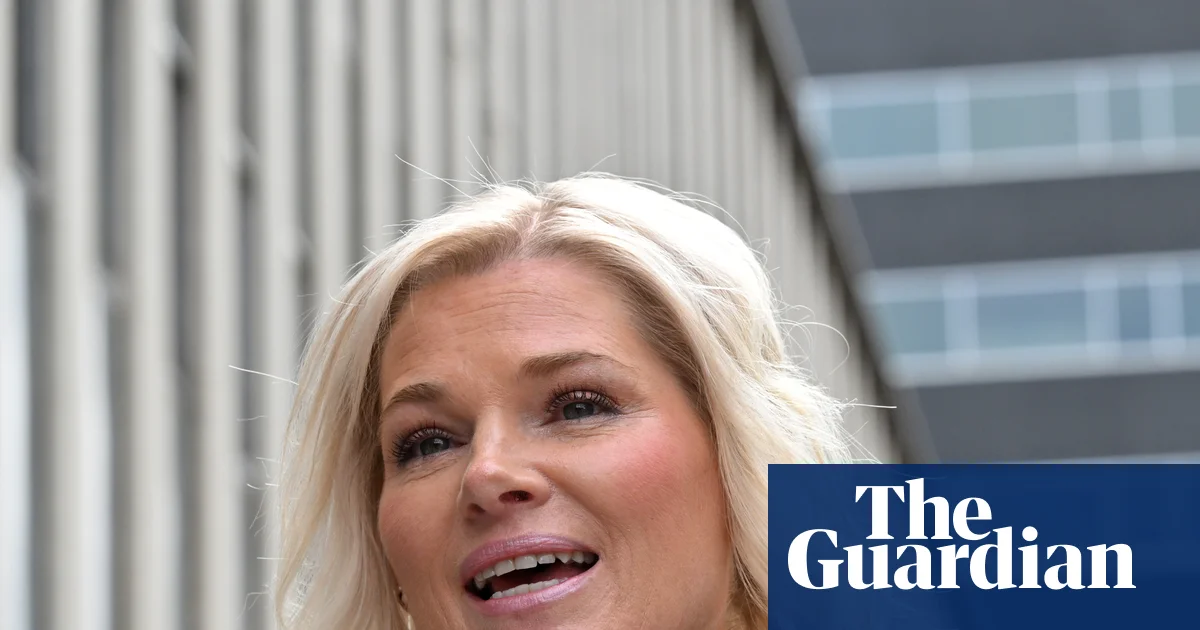
Mark Parton rises as ACT Liberal leader after Castley and deputy step down

Inner Turmoil in ACT Politics Reflects Broader International Trends

Amidst the shifting sands of Australian territorial politics, a notable development has unfolded within the ACT Liberal Party. The recent leadership change—from Leanne Castley to Mark Parton, a former commercial radio host turned politician—symbolizes more than mere local instability; it underscores the ongoing struggle within liberal democratic societies over party cohesion and the influence of grassroots sentiments. The upheaval follows weeks of internal disputes, notably after Castley suspended prominent members who supported a Greens-backed motion, advocating for an additional parliamentary sitting week in 2026. Such internal divisions, especially when aired publicly, resonate beyond Canberra’s borders as emblematic of the larger challenge facing liberal parties worldwide—balancing the need for ideological unity with the demands of political adaptation amidst shifting public support.

The Significance of Leadership Shifts in the Context of Global Political Dynamics

International observers and political analysts view this event through a lens of wider geopolitical impact. Former leaders stepping down amid internal strife is increasingly common in liberal democracies, often signaling deeper ideological rifts. The Australian case echoes trends seen in other democracies where party factions battle for control, risking erosion of public trust. Notably, the Labour Chief Minister, Andrew Barr, acknowledged the turmoil, hinting at a broader challenge for Canberra’s conservative opposition—a test of resilience in the face of internal discord that could weaken their capacity to confront the dominant Labor government. Historically, political stability within opposition parties significantly impacts their ability to offer a credible alternative and influence national policy. The recent events in ACT serve as a microcosm of how internal conflicts can undermine long-term societal stability, especially as rising global tensions demand cohesive political action from all sides.

How These Movements Shape Societal Expectations and International Perceptions

The strategic implications are profound. As Parton emphasizes unity—calling for an end to infighting and portraying himself as a unifier—the choice signals a desire to restore the party’s credibility and, by extension, its influence on national policy. This internal reshuffling is further compounded by the broader international scenario, where geopolitical tensions—from China’s assertiveness in the Indo-Pacific to Russia’s destabilization efforts—require a strong, unified liberal response. How Australia’s political parties navigate their internal conflicts directly influences their capacity to participate effectively in international alignments and alliances, including the Quad and AUKUS frameworks. Such internal turmoil feeds into global perceptions of stability, affecting diplomatic confidence and economic partnerships. The collapse of conservative unity in one part of the world can serve as a cautionary tale, warning allies and adversaries alike about the peril of fractured leadership during critical moments of geopolitical tension.

Historians caution that internal party conflicts, if unresolved, set dangerous precursors for future crises, both at home and on the world stage. The ACT episodes, while localized, reflect the perennial struggle for political authenticity in times of uncertainty—an enduring lesson in how internal decisions, when taken in a rapidly changing international landscape, *shape the trajectory of nations* and *define the legacy of leadership*. As history continues to unfold, one question remains: will these tumultuous shifts forge a resilient path forward or deepen the fissures that threaten to destabilize not only local politics but the fabric of democratic governance itself?

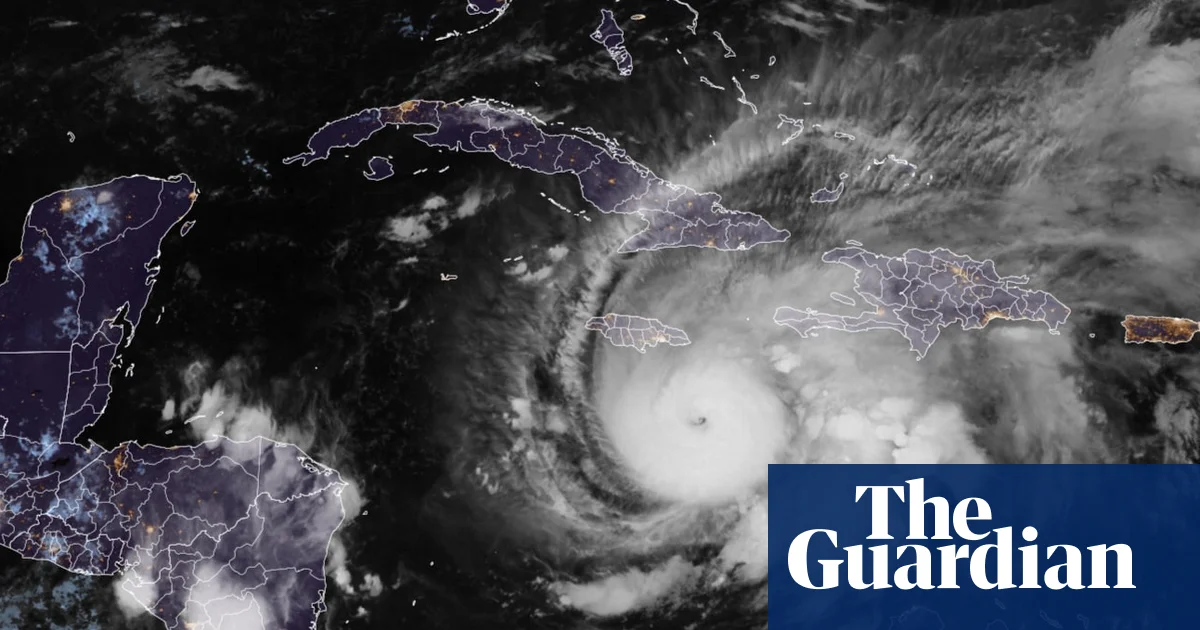
Hurricane Melissa Rises to Category 4, Evacuations Underway in Kingston

Hurricane Melissa’s Devastation: A Regional Wake-Up Call

As Hurricane Melissa intensified into a formidable category 4 storm, its wrath exposed the fragile infrastructure and socio-economic vulnerabilities of the northern Caribbean. With sustained winds reaching 145 mph and predictions of further strengthening to category 5, the storm posed a grave threat not only to Jamaica but to the neighboring nations of Cuba, Hait, and the Dominican Republic. The escalating crisis has reignited discussions among international analysts and historians about the geopolitical and societal consequences of climate-driven natural disasters. The clear message from experts such as Dr. Elizabeth Thompson, a prominent climate historian, indicates that increasing hurricane activity is not just an environmental issue but a direct challenge to regional security and stability.

Official Responses and Societal Resilience

  • Jamaica’s government, led by Prime Minister Andrew Holness, swiftly imposed mandatory evacuations across several vulnerable areas, including Port Royal—an ancient fishing village that witnesses frequent natural threats due to its low elevation and exposure.
  • Local authorities have activated 881 shelters and closed international airports, signaling a crisis response aimed at shielding citizens from the storm’s brutal forces. Desmond McKenzie, the Minister of Local Government, grimly warned that “many of these communities will not survive the flooding,” emphasizing the severe risk to urban and rural populations alike.
  • Despite warnings, some residents—like Ann Marie Chamberlain in Port Royal—chose to stay behind, citing a history of traumatic shelter experiences and a belief in divine protection. Such decisions illustrate the deep-rooted cultural narratives that influence risk perception in the Caribbean. Meanwhile, other locals, like Derrick Powell, have expressed skepticism about shelters’ safety, highlighting a complex social dynamic that complicates evacuation efforts.

Geopolitical and Regional Implications

The slow movement and rapid intensification of Melissa exemplify the increasing unpredictability of climate patterns, a phenomenon that has significant geopolitical impact. As the Caribbean faces up to its most active hurricane season on record—predicted by the NOAA to produce 13 to 18 named storms—international organizations warn that the region’s political stability, economic growth, and disaster preparedness are all under unprecedented strain. The storm’s trajectory towards Cuba and the Bahamas underscores the interconnectedness of Caribbean nations, where a natural disaster in one country often cascades into broader regional crises involving food security, refugee flows, and infrastructure resilience.

Analysis from organizations like the United Nations highlights how international cooperation and aid are critical to mitigate these threats. Yet, governments must balance immediate disaster response with longer-term resilience strategies, including climate adaptation and urban planning reforms. The storm’s devastation, which has already claimed lives in Haiti and caused widespread destruction in the Dominican Republic, exemplifies how political fragility in these states exacerbates disaster impacts. The rising river levels, destroyed bridges, and flooded communities act as stark reminders of the necessity for robust regional coordination in times of crisis.

The Weight of History and Humanity’s Future in View

For centuries, Caribbean societies have faced similar crises—each storm etching a new chapter into their turbulent history. Today, Hurricane Melissa stands as a stark warning, a symbol of nature’s unyielding power and the urgent need for global action. As residents like Ann Marie Chamberlain express unwavering faith, and authorities scramble to provide safety, the unfolding narrative underscores humanity’s ongoing battle with an environment increasingly altered by climate change. How nations respond today will shape their resilience tomorrow, with the weight of history reminding us that these storms are not just meteorological events but chapters in a larger story of survival, sovereignty, and the enduring fight for a secure future amidst a changing climate. The storm is brewing, and the world’s eyes remain fixed on the Caribbean—a region on the frontlines of a global crisis that refuses to be ignored.

Social Media Auto Publish Powered By : XYZScripts.com