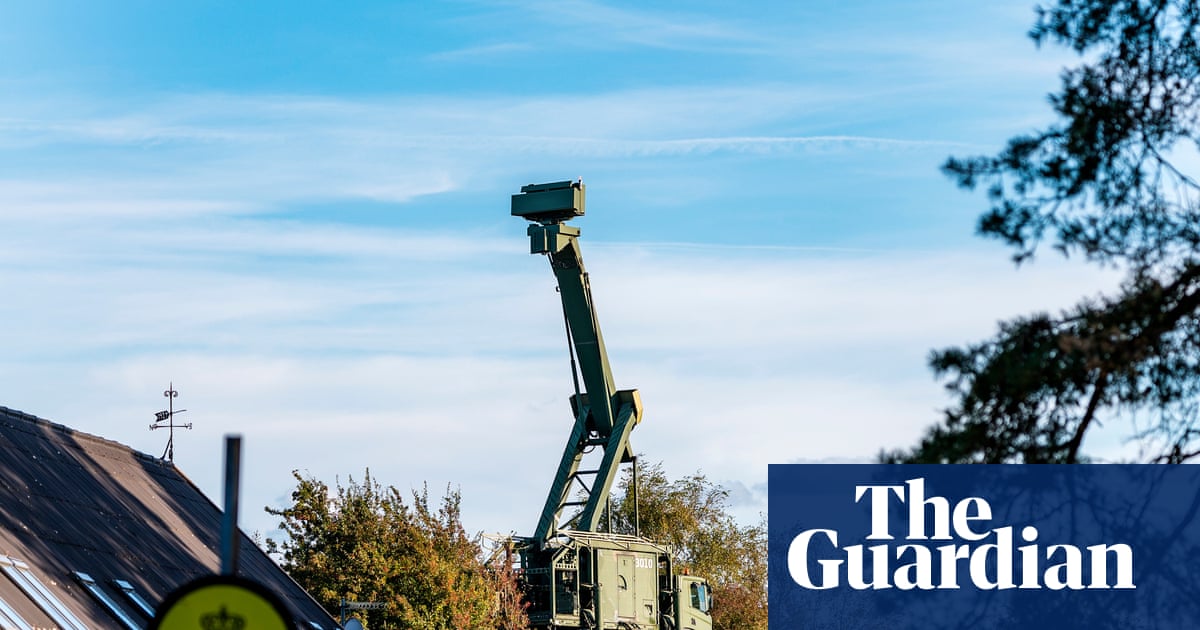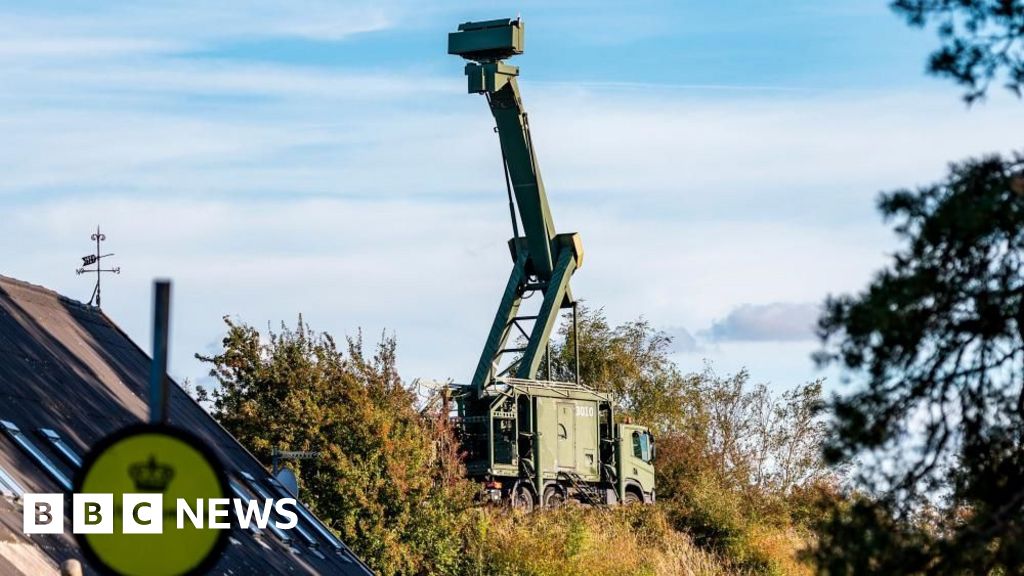

Recent sightings of unidentified drones near military and civil infrastructure across Denmark, Germany, Norway, and Lithuania have sent shockwaves through an increasingly tense European security landscape. The series of incursions, notably the drone activity above key military bases like Karup airbase in Denmark, align with a disturbing pattern of aerial disruptions that threaten the stability of the continent. These events come just days after major airports in the region, including Copenhagen and Oslo, experienced temporary closures due to drone activity, highlighting vulnerabilities within civilian and military airspace alike.
Analysts suggest that these incidents are part of a broader hybrid attack, a sophisticated blend of military and non-military tactics designed to destabilize and undermine interconnected security systems. The Danish Defense Ministry has cautiously refrained from accusing any state actor, though some officials hint at the possibility of Russian involvement. This suspicion is fueled by recent heightened tensions between Russia and NATO allies, with Eastern European countries such as Estonia and Poland reporting similar incursions involving Russian drones and fighter jets. The North Atlantic Treaty Organization (NATO) has responded with urgent consultations, as fears grow that Moscow may be engaging in a broader strategy of indirect aggression, leveraging these covert operations to weaken Western unity and sow discord in the heart of Europe.
Government officials and international organizations warn that these drone incursions signal a new phase in hybrid warfare, where the battlefield extends beyond traditional combat zones to include the cloud of technological vulnerabilities that modern societies have come to depend upon. German Interior Minister Alexander Dobrindt has emphasized the high threat level, ordering further investigations and regional discussions on how to counteract this rising threat. Meanwhile, U.S. and European security analysts cite the increasing frequency of such incidents as a warning that the age of aerial proxy conflicts has arrived, demanding a coordinated, strategic response to prevent escalation into overt conflict.
As Russian officials vehemently deny involvement, dismissing allegations as “absurd provocations”, the weight of history and recent events suggest a more complex reality. Past accusations of hybrid assaults, coupled with Russia’s openly strategic posture in Eastern Europe, leave many experts questioning whether these violations are a form of weaponized diplomacy. The unfolding drama in Northern Europe encapsulates a larger narrative of geopolitical rivalry, where control of information, airspace, and influence determines the fate of nations. The world watches as the specter of war, cloaked in the shadows of digital and aerial warfare, lingers just beyond the horizon, leaving humanity at a perilous crossroads where every decision could tip the balance towards peace or chaos. The consequences of these silent battles will echo through history, shaping the legacy of this turbulent era.