Matox News

Truth Over Trends, always!

Aluminum prices soar—companies find smarter ways to manage rising costs

In a striking demonstration of geopolitical turbulence impacting commodity markets, the surge in aluminum prices has become a vivid indicator of the fragility and interconnectedness of global supply chains. Since the recent U.S.-Iran conflict escalated with strikes on Iran, the aluminum market on the London Metal Exchange has surged more than 13%, reaching levels unseen since 2022. This upward trajectory is primarily driven by the disruption of key supply routes, notably the Strait of Hormuz—an artery through which approximately 7% of the world’s aluminum origin originates from the Middle East. Such geopolitical shocks are revealing the deep dependencies of modern manufacturing sectors on unstable regions, with analysts like Bernstein’s Bob Brackett warning that ongoing conflict and limited capacity increases in Europe could push prices even higher. The market impact is substantial: industries reliant on aluminum, from automakers to beverage giants, are experiencing significant cost pressures, potentially fueling inflationary trends that ripple through consumer prices and profit margins.

Market impact extends beyond mere price fluctuations. Major corporations such as Ford and Molson Coors are already grappling with rising costs—Ford’s CFO Sherry House announced expectations of commodity headwinds exceeding $2 billion, nearly doubling previous projections, due to aluminum price hikes. Likewise, Molson Coors’ finance chief Tracey Joubert reported an additional $30 million in costs in the first quarter alone, attributable to aluminum supply shortages. These increases compel firms to adapt quickly, either by passing costs to consumers or by deploying hedging strategies. Meanwhile, energy costs linked to the same conflict—specifically natural gas and coal—further compound pressures, given aluminum’s energy-intensive production process. As Brackett highlights, “aluminum prices rise with input costs,” and the disruption of power sources may serve as a catalyst for sustained upward price movements, foreshadowing prolonged inflationary risks within manufacturing sectors.

Policy consequences are equally profound. Governments and regulators are under mounting pressure to navigate conflicting priorities: ensuring national security while safeguarding economic stability. While some, like the European Union, inch toward interventionist measures to control commodity speculation, others face the dilemma of balancing market forces with strategic reserves. Economists and think tanks warn that unchecked supply disruptions could trigger a deglobalization trend, with nations bolstering their own resource capabilities at the expense of open markets. In the corporate domain, companies are increasingly employing risk management strategies—such as commodity hedging, diversification of supply sources, and technological innovation—to cushion against the volatility. However, these tactical moves may only provide temporary relief, as underlying geopolitical tensions threaten to redefine the landscape of global trade and resource security.

Looking ahead, the pulse of the global economy remains firmly tied to these geopolitical shocks. Commodities like aluminum serve as barometers of fiscal resilience and strategic foresight. As Brackett notes, “upside risks for prices persist, driven not only by supply disruptions but also by energy costs.” The challenge for investors, policymakers, and industry leaders is to anticipate and adapt to these seismic shifts—recognizing that today’s instability can serve as the crucible for tomorrow’s innovation. This chaotic dance of geopolitics and market forces underscores an epic truth: the economy is the formidable stage, where the future of power and prosperity is forged. Amidst the turmoil, the resilience and ingenuity of nations will determine whether the global economy rises to new heights—or succumbs to the persistent undercurrents of conflict and uncertainty.”
Shropshire Council Faces Growing Youth Backlash Over Flag Removal Amid Rising Tensions

Society Under Strain: The Cultural and Social Impact of Flag Campaigns in England

In recent months, local governments across England have reported a disturbing rise in threatening behavior and abuse directed at public service staff and officials. From Shropshire to Oxfordshire, officials recount escalating incidents of intimidation while attempting to perform routine duties, such as street lighting repairs or removing unauthorized flags. These disturbances are not isolated; they reflect deeper social tensions surrounding the display of national symbols and their interpretation within contemporary society.

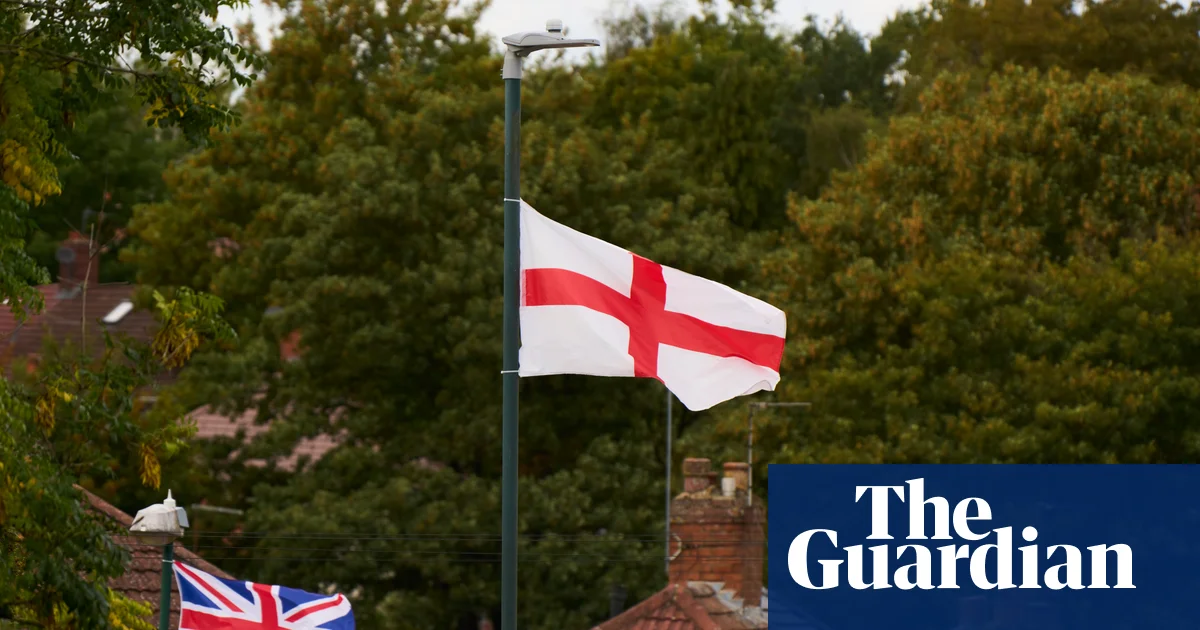
This controversy primarily revolves around a flag campaign that began last summer, purportedly initiated in Birmingham. In the ensuing months, hundreds of union and St. George’s flags have appeared on lamp-posts, roundabouts, and street furniture throughout England. For some communities, these flags are conscious symbols of pride and patriotism. Yet, for others—especially those concerned with the social fabric and cohesion—they are seen as tools of division and intimidation. Many charities and local authorities argue that the campaign exacerbates existing social fractures, creating an environment where families and neighborhoods feel increasingly unsafe and divided.

Across counties, officials have struggled to balance respect for free expression with the need to maintain public safety and community harmony. In Shropshire, despite initial refusals to police flag displays, authorities recently announced plans to remove unauthorized flags citing safety concerns and hefty removal costs—already reaching as high as £13,000 following storm damage, and threatening to burden local taxpayers further. Meanwhile, in Oxfordshire, police and council leaders report that threatening behavior and abuse have become commonplace, with some residents feeling unwelcome in what should be their own neighborhoods. Such tensions not only strain community bonds but also threaten the moral and psychological well-being of families caught in the social crossfire.

Social commentators like sociologists and historians warn that these conflicts are indicative of more profound cultural shifts and _demographic changes_ that challenge traditional notions of shared identity. The phenomenon raises urgent questions about the moral responsibilities of societal leaders, the impact of unchecked nationalism, and the ways in which local governments can foster environments of > inclusivity and respect. As communities grapple with statutes and symbols, they reveal the enduring struggle to define national identity amidst an increasingly fractured social landscape. Moving forward, deliberate efforts to promote dialogue and understanding are vital, lest society become further divided—the very fabric that sustains its moral integrity fraying under the weight of unchecked symbolism and social discord.

In this moment of crisis, society stands at a crossroads, where the quest for cultural expression intersects with the urgent need for social cohesion. Truly, the heart of the challenge lies not in the flags themselves but in how communities choose to confront their differences. For amid the chaos and contention, hope persists—a hope that, through reflection, compassion, and decisive leadership, society can forge a path toward renewed unity and understanding. Amidst these turbulent times, perhaps society’s greatest strength is not in its symbols but in its capacity to heal and rebuild from within, shaping a future where every family feels both proud and safe in their shared homeland.

UN warns: Young women in public life targeted by rising cyber harassment

In an era increasingly defined by digital interconnectedness, a pressing societal challenge has emerged that threatens the very fabric of our families, education, and communities. The UN Women’s recent report unveils a disturbing rise in online violence targeted specifically at women in public life, highlighting a deeply troubling cultural shift. These attacks are not merely internet trolling; they represent a systemic effort to silence voices, undermine progress, and roll back decades of advancements in gender equality.

The report details how emerging in tandem with broader socio-political backsliding, digital platforms have become battlegrounds where misogyny is amplified—often deliberately—facilitated by technological innovations like AI-assisted “virtual rape”. This form of abuse, which might have seemed like science fiction a few years ago, is now available at perpetrators’ fingertips, leveraging generative AI to strip away women’s consent and dignity. Such attacks have profound consequences: they impose a psychological toll on victims, as evident from data indicating that 25% of female journalists suffer anxiety or depression due to online violence. Every instance of silencing, whether through threats or intimidation, ripples outward, damaging the unity and resilience of our communities by silencing essential voices in media, civil society, and public discourse.

These phenomena devastate not only individual lives but also the social fabric that holds families together. When women, especially those in public-facing roles such as journalists or human rights defenders, feel coerced into silence, it undermines their ability to contribute meaningfully to societal progress. Historian and sociologist Dr. Susan Watkins notes that \u201cwhen digital violence pushes women out of online spaces, it erodes the rights hard-won through generations of struggle.\u201d Moreover, the growing divisions within society— fueled by organized misogynistic networks—represent a deliberate pushback against gender equality, threatening to reverse hard-won gains and deepen demographic splits. As these forces prevail, they foster an environment where fear and self-censorship become the norm, leading to a decline in informed, vibrant debate essential for healthy democracies.

  • Many women are forced to choose between risking abuse online or gagging their voices, which costs society invaluable perspectives and expertise.
  • The absence of robust legal protections—less than 40% of nations have laws addressing digital harassment—exacerbates this problem, enabling unchecked abuse and fostering a culture of impunity.
  • Social media algorithms tend to amplify misogynistic content, turning hostility into a powerful system of suppression that discourages women’s participation.
  • The mental health consequences are profound, with many women suffering trauma leading to anxiety, depression, or post-traumatic stress disorder—issues that ripple into families and workplaces, impairing social cohesion.

Addressing this crisis calls for urgent action: technology companies must embed safeguards and reporting mechanisms, while governments need to pass and enforce legal protections against online abuse. Without these measures, the vicious cycle of silence and suffering will only grow stronger, threatening to undo the progress of equality and justice. As UN Women’s report emphasizes, what begins online inevitably spills into the real world—a reality that demands collective vigilance and moral resolve. Society stands at a crossroads: will we allow digital violence to fragment our communities, or unite in safeguarding the dignity and rights of every individual? The future depends on our ability to protect the voices that shape our shared story—reminding ourselves that true progress hinges on the courage to confront our social shadows, and the hope that society can yet be transformed, resilient and steadfast in its pursuit of justice and equality.

Police Label North London Stabbing as Terror Attack Amid Rising Threats

In an era overshadowed by rising global extremism, the recent events unfolding in London signal a disturbing trend that extends beyond national borders—highlighting the fragility of security and societal cohesion amidst a backdrop of international tensions. The swift declaration by local police governing the stabbing incident in Golders Green as a terrorist incident marks a critical turning point, compelling nations worldwide to reevaluate their responses to internal threats sharpened by external propaganda and geopolitical conflicts.

As authorities investigate whether the attack was deliberately targeting the Jewish community, the incident underscores the dangerous intersection of domestic extremist ideologies and the broader turbulence fomented by hostile state actors. The suspect, a 45-year-old man with a troubling history of violence and mental health issues, was swiftly apprehended after assaults on police officers and civilians, demonstrating the increasing boldness of radicalized individuals. UK officials, including the Metropolitan Police, are probing whether the attacker was influenced by terrorist propaganda from groups like Islamic State and al-Qaeda, which have recently called for attacks against Jewish targets. Analysts suggest that such attacks are often instigated or facilitated by proxy networks aligned with Iran, aiming to destabilize Western nations by igniting sectarian conflicts through orchestrated acts of violence.

The geopolitical impact of this incident is multifaceted. International organizations, such as the United Nations, have long warned of a surging tide of antisemitism, exacerbated by state-sponsored disinformation campaigns and extremism fed by regional conflicts in the Middle East. The Israeli government, with President Isaac Herzog expressing his “horrification” over yet another attack, emphasizes that these acts are part of a larger pattern of hate that crosses borders and threatens global peace. The UK’s response—calling a Cobra meeting and increasing police presence—reflects a strategic effort to prevent further escalation. Historically, such incidents have served as stark reminders of how interconnected local violence and global politics truly are, often presaging wider conflicts or shifts in diplomatic stances, especially when nations fail to address root causes of radicalization.

The decision to treat the attack as terrorism and the subsequent investigation into ideological motives reveal the importance of international cooperation in counter-terrorism efforts. Security experts warn that the rise in hate crimes like this in London is directly linked to weakening civil society debate, which allows hateful narratives to flourish. As the police and security agencies mobilize to contain the threat, international allies are urging the UK to “act decisively and urgently”—a message echoed by the Israeli foreign ministry. The incident exemplifies how internal societal divisions—often exploited by hostile actors—can threaten the social fabric of democratic nations, emphasizing that the fight against terrorism is as much about ideological resilience as it is about tactical policing.

In the shadows of these events, a deeper importance emerges: the unfolding narrative of a world where alliances are continually tested, and the defining lines of liberty, security, and sovereignty are being redrawn. As London grapples with these acts of terror, history continues to write itself—reminding us that today’s response will shape tomorrow’s geopolitical landscape. For while the movement of nations might seem like a relentless tide, it is ultimately the choices of societies—once perceived as resilient—that will determine whether these dark days forge a stronger, more vigilant civilization or plunge the world further into chaos.

Truecaller hits a growth wall amid rising challenges

Truecaller Navigates Market Shifts Amidst Emerging Competition and Technological Disruption

Truecaller, the global caller identification titan with over 500 million monthly users, is approaching a pivotal moment in its evolution. Its dominant presence in India—accounting for approximately 70% of its user base—has fueled exponential growth in scam and spam call filtering, transforming it from a simple app into an integrated communication layer. However, as growth plateaus in its largest market and new competitive threats emerge, disruption in traditional telecom identification mechanisms signals a significant industry shift. Industry experts from Gartner and MIT’s media labs recognize this transition as a critical juncture that could redefine how consumers and enterprises manage digital trust.

Amidst tightening privacy regulations and rising regulatory scrutiny, Truecaller’s response has centered on technological innovation. Its deployment of an expansive, dynamic AI-driven intelligence layer—spanning spam detection, fraud prevention, and business verification—places it at the forefront of disruption. This innovation extends to its enterprise offerings, such as Truecaller for Business, which enables companies to verify identities and foster trust through verified caller ID services. Furthermore, the company’s expansion into AI-based in-app features, including advanced spam filters and community-generated caller context—**Community Suggestions**—illustrates a strategic move to cultivate user engagement and premium subscription growth, which now exceeds 4 million paying customers globally.

Market Challenges and Strategic Responses

Despite its technological prowess, market realities threaten to constrain revenue growth. The recent loss of approximately one-third of ad traffic from a major partner—Google—highlighted vulnerabilities in dependence on advertising revenue, which constitutes roughly 65–70% of total earnings. Truecaller’s leadership underscores the importance of diversifying revenue streams by building its own ad exchange, aiming to reduce reliance on third-party platforms. However, the rise of CNAP — a network-level caller name display initiative promoted by India’s telecom regulator—

  • Displays caller names based on KYC records at the network level
  • Operates without third-party app integration
  • Overlaps in function but remains more limited in scope

While Truecaller perceives CNAP as validation of the problem—rather than a direct disruption—it indicates an industry moving toward decentralized, network-embedded identification protocols that could diminish reliance on app-based solutions. Industry analysts warn that such network adaptations, combined with Apple’s recent enhancements to call-screening features, may intensify competitive pressure on third-party caller ID providers, urging them to innovate faster.

Capitalizing on In-App Revenue and Future Trajectories

Interestingly, despite stagnating downloads in recent years, Truecaller’s in-app revenue has surged—from <$em>$600,000 in 2017 to over <$em>$39.3 million in 2025. As of April 2026, monthly in-app purchases generate over <$em>$2 million, highlighting a strategic shift towards monetizing premium user engagement. The company’s strides in expanding on iOS—especially after implementing real-time caller ID for iPhones—further diversify its market reach, targeting higher-value segments. Nonetheless, Android remains a core platform due to its vast user base, with continued enhancements aimed at bridging platform parity and countering the impact of native call screening improvements.

Looking ahead, Truecaller’s vision echoes a broader industry trend—**the convergence of AI, network-level identification, and enterprise solutions**—which could disrupt legacy telecom infrastructures and redefine digital trust frameworks. As global regulators and tech giants like Apple enhance privacy and caller identification features, rapid adaptation becomes essential for survival. For youth and tech enthusiasts alike, the urgency to innovate in this space signals not merely a competitive landscape, but a technological frontier increasingly intertwined with societal trust, privacy, and digital security.

In this dynamic environment, the next few years will be critical for Truecaller and industry incumbents to innovate or risk obsolescence. With emerging standards pointing toward decentralized, network-integrated identity verification, the race to dominate the next-generation communication ecosystem is already underway. Companies that capitalize on AI-driven disruption and diversify their revenue streams will set the trajectory for the future of trusted, seamless communication—making this the most exciting, transformational phase in telecom history.

$230 to See a Dermatologist? Many Aussies Skip It, Ignoring Rising Skin Cancer Threats

In an era where global stability hinges on the strength of nations, the internal struggles of countries often reveal profound insights into their geopolitical resilience. Recently, Australia faced a domestic crisis that echoes the complex challenges faced by many states: an unprecedented rise in the cost of essential healthcare, specifically dermatology services. This issue, while seemingly localized, unveils broader implications for economic stability and social cohesion within the country, and serves as a cautionary tale for other nations grappling with similar healthcare funding dilemmas.

According to a report by the health directory Cleanbill, the cost of initial dermatology consultations in Australia has surged dramatically, with the average first visit now costing an adult approximately $230 out-of-pocket. Follow-up appointments are not far behind, approaching nearly $190. Such figures are not merely statistical; they signal a widening gap between basic healthcare needs and the ability of the average citizen to afford necessary treatment. Health access—critical in the fight against skin cancer and other chronic conditions—becomes a privilege for only the relatively wealthy, risking a health crisis that could overflow into broader societal issues and pressure public health systems to the breaking point.

This escalation of costs reflects a broader pattern: how governments and healthcare institutions fail to keep pace with escalating expenses. The Australian Medical Society and research from international health analysts highlight a key contributing factor—an underfunded public healthcare system that struggles to meet rising demand. With only about 700 specialist dermatologists serving a population of over 25 million—significantly fewer than other medical specialties—the sector faces an attrition driven by an allure of high-paid cosmetic work outside Medicare. This shortage of specialists and the stagnation of public funding threaten the sustainability of accessible and equitable care, particularly in rural and regional areas where waiting times are growing longer and out-of-pocket costs are rising.

From a geopolitical standpoint, such internal health crises have ripple effects that extend beyond national borders. Countries with similar demographics and social challenges are watching closely; international organizations like the World Health Organization (WHO) warn that healthcare disparities can act as destabilizing forces, fueling social unrest or even migration as people seek better care abroad. Analysts emphasize that national healthcare systems constitute a vital pillar of soft power, and an inability to effectively manage healthcare costs undermines a nation’s international reputation. Moreover, this domestic weakness reveals the cultural and political priorities of the state—whether it is committed to public wellbeing or succumbs to neoliberal pressures favoring short-term fiscal gains through privatization.

As historians and security experts analyze the unfolding pattern, the message remains clear: the realm of health is intertwined with the stability of societies and the geopolitical landscape. With each patient denied timely care, a country’s social fabric weakens, while the specter of long-term health crises looms on the horizon. The decisions made today—from funding allocations to policy reforms—will shape the trajectory of nations. As history records each chapter of this unfolding narrative, the weight persists: the battlefield of the 21st century increasingly extends into healthcare, a defining front in the ongoing contest for vitality, stability, and sovereignty across the world.

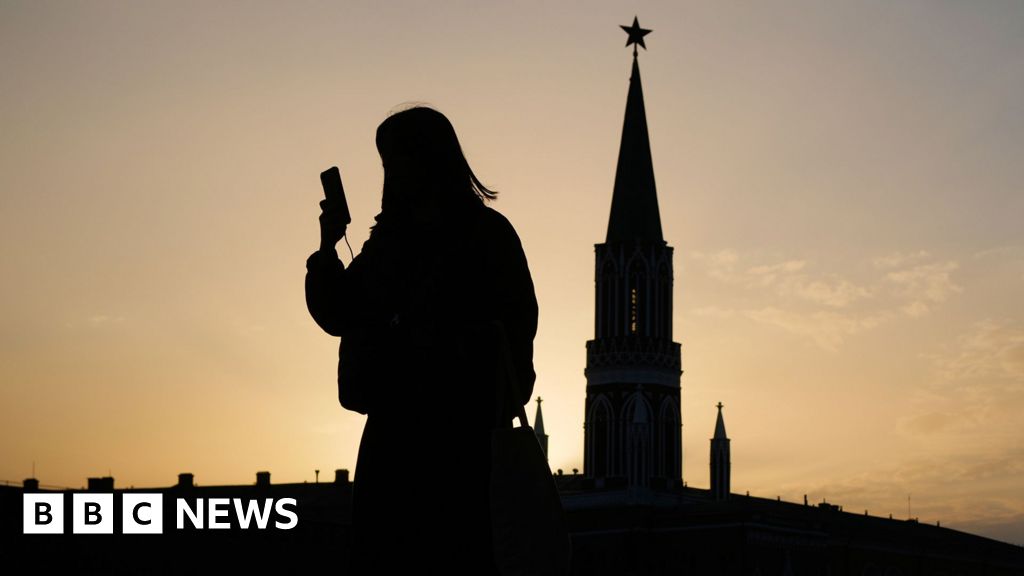
Rising internet clampdown: Kremlin stokes youth discontent, says Rosenberg

In a significant escalation of information control, Russia has enacted widespread restrictions on internet usage, drawing alarming parallels to the authoritarian censorship characteristic of the Soviet era. These measures, introduced under the guise of national security, have effectively curtailed the flow of information and limited digital freedoms, sparking international concern about the country’s trajectory toward digital autocracy. Experts note that the scope of these restrictions extends beyond mere content filtering, reaching the core infrastructure of the nation’s online infrastructure, raising fears of a totalitarian grip on digital expression.

Analysts argue that the recent clampdown signifies a strategic effort by President Vladimir Putin to consolidate power amid mounting political unrest and external pressures. Historically, Russia has oscillated between openness and repression, but current events suggest a deliberate move toward reasserting state control over the internet, reminiscent of Cold War-era censorship. The restrictions include the shutdown of independent news sites, increased surveillance, and a ban on encrypted communications, effectively transforming the digital landscape into a tool of control rather than freedom. Human rights organizations warn this trend threatens to silence dissenters and eliminate the digital space for civic engagement, marking a sharp departure from the more open internet of recent years.

International organizations, including The United Nations and Reporters Without Borders, have condemned the crackdown, emphasizing its impact on human rights and democratic principles. Some geopolitical analysts describe the move as an urgent warning sign of Russia’s willingness to prioritize internal stability over international reputation. Historic commentary from scholars like Dr. Anne Applebaum suggests this shift could accelerate Russia’s path toward a digital authoritarian state, further isolating it from Western-led global technological norms. Meanwhile, neighboring nations watch with caution, recognizing the geopolitical implications of Russia’s increasingly insular digital policies.

The geopolitical impact of these restrictions cannot be overstated. They serve to tighten Russia’s control over its own citizens while simultaneously limiting the nation’s engagement with the broader digital community. As Western nations emphasize the importance of free speech and open internet, Russia’s retreat into digital censorship represents a broader reckoning with the global order—one where authoritarian impulses threaten to redefine the rules of information and sovereignty. Historians warn that these decisions could set dangerous precedents, encouraging other authoritarian regimes to follow suit, thereby reshaping the digital landscape into a fortress of state-controlled narratives rather than a space for free exchange of ideas.

As the world watches, the story of Russia’s digital restrictions continues to unfold—a stark reminder that the battle over information and control remains a central front in the modern geopolitical arena. Yet, beneath these developments lies a profound question: how much longer can the digital freedoms survive in a world increasingly polarized by power and propaganda? With each new decree, history writes a chapter that echoes the darkness of past censures, leaving an indelible mark on the legacy of a nation divided and a digital age at the crossroads of freedom and repression. The future remains unwritten, but the weight of history presses heavily on all who value the open exchange of ideas—an enduring reminder that the struggle for liberty often begins in the shadows of suppression.

Every 80 Seconds: UK Young People Face Rising Cancer Crisis

UK Society Confronts Rising Cancer Treatment Challenges and Broader Social Impacts

The steady rise in cancer diagnoses across the United Kingdom reflects deeper societal shifts that threaten the fabric of families and communities. According to recent reports, one person receives a cancer diagnosis every 80 seconds, a staggering statistic that highlights how carcinogenic lifestyle factors such as obesity continue to influence public health. Instances of cancer have increased from 610 to 620 per 100,000 people in the span of a decade, underscoring the widening gap between societal health crises and our institutions’ responses. While progress in survival rates has been notable—more individuals are living longer post-diagnosis—the pressure on NHS services hampers the ability to sustain this positive trend, threatening to reverse gains made over decades.

Social and Institutional Strains Amplify Human and Family Hardships

  • The NHS, a pillar of public healthcare, faces unprecedented demand, with cancer waiting times deteriorating to record lows. This results in delayed diagnoses and treatments, which exponentially impacts families—parents, children, and elderly dependents—caught in the uncertainty and fear of illness.
  • More than 107,000 patients in the UK waited over 62 days for treatment in 2025, emphasizing how institutional fragility can translate into personal tragedy. These delays not only affect patients’ physical wellbeing but also create profound emotional and financial trauma within families, who often bear the burden of caregiving and additional expenses.
  • In emergency care settings, over 13,000 patients endured more than three days in A&E waiting for admission or discharge—an occurrence that compromises family stability and community trust in healthcare systems. As Mumtaz Patel, president of the Royal College of Physicians, poignantly noted, some patients prefer death at home rather than face such institutional neglect.

Policy Responses and the Need for Societal Commitment

The UK government’s recent national cancer plan signals a recognition of these mounting challenges. However, declaring ambitious goals is not sufficient; tangible funding, staffing, and infrastructural support must follow to truly transform care delivery. Social commentators highlight that the ongoing resource deficit risks halting progress in early detection and treatment, which are critical in reducing mortality and alleviating the emotional toll on families.

Towards innovative solutions, Cancer Research UK advocates for widespread implementation of screening programs—especially for cancers like lung cancer—and the accelerated adoption of advanced diagnostic tests. While government commitments aim to address these issues, regional disparities remain stark; northern parts of the UK are particularly underserved, with calls for national investment resonating across social sectors. As a sociologist might observe, these disparities threaten to deepen societal divisions, impairing community resilience and social cohesion.

Reflecting on Society’s Path Forward

Society’s social fabric is stretched by these health crises, revealing vulnerabilities rooted in demographic shifts and the systemic neglect of preventive care. Yet, amidst these daunting challenges, hope persists. The promise of policy and societal will to bolster healthcare and address emerging social inequalities remains a testament to human resilience. Society faces a moral imperative: to nurture not only the health of its individuals but the strength of its families and communities. It beckons a future where hope is not born from promises alone but woven into a collective effort to redefine society’s capacity for care, compassion, and resilience—ultimately, a society ready to transform adversity into purpose.

Rising Stars Shine: Young Athletes Dominate at National Championships

Premier League Draft Drama: Uniting Ambitions on the Pitch

As the NFL draft week captivates football enthusiasts, the excitement transcends the Atlantic with a special twist: a Premier League version designed to encapsulate the thrills of the sport. This imaginative exercise provides fans with a platform to forecast potential player movements, which could reshape the league landscape. The undeniable drama surrounding the NFL draft resonates closely with Premier League followers, reinforcing the idea that both leagues share the same heartbeat of anticipation and hope.

In this Premier League fantasy draft scenario, various clubs are eyeing some of the most talented footballers from around the globe. Clubs like Manchester United, Manchester City, and Liverpool are prioritizing filling gaps in their lineups while potentially revitalizing their squads to challenge for the title. Commentator Alex Scott remarked, “The excitement of the draft is palpable; it shows how teams are gearing up for renewed ambition.”

  • Top Picks: Players such as Jude Bellingham and Declan Rice could find themselves donning different jerseys next season.
  • Strategic Moves: Arsenal is rumored to target up-and-coming talents from the Championship.
  • Wild Cards: Seasoned veterans could surprise fans with unexpected transfers, bringing both experience and flair.

With the current Premier League season highlighting remarkable competitiveness, the draft approaches fuel enthusiasm among fans. The fierce rivalries present in the league, underscored by nail-biting matches, foster an environment where every point matters and every player is critical. As powerhouse managers like Jürgen Klopp and Pep Guardiola strategize for the future, the very fabric of the Premier League continues to evolve, ensuring that teams remain dynamic and unpredictable.

In conclusion, the symbiotic relationship between the Premier League’s illustrious past and its promising future is more than a seasonal spectacle. It embodies a powerful narrative of unity that transcends geographical barriers, reminding fans that sports are not merely about wins and losses; they are about community, shared passions, and the hope for glory. As each team navigates the season ahead, it is the connections forged in the spirit of competition that ultimately cement the Premier League’s esteemed legacy.

Source link

Future Stars Shine: Rising Athletes Capture National Championship Spotlight

Green Bay’s Grit Shines in New Album Rollout

In an unexpected blend of sports and music, Canadian rapper Drake made headlines recently by posing in front of blocks of ice while donning a Green Bay Packers jacket during the rollout for his latest album, “Iceman.” This striking imagery not only highlights his affinity for the Packers but also speaks to a broader cultural connection between sports and the arts. The Packers, a storied franchise with a legacy of excellence, continue to influence more than just the field of play.

The timing of the album’s release couldn’t be more pertinent, as the Packers gear up for another competitive season in the NFC North. With an underwhelming showing in previous playoffs and a determined roster, fans are hoping that this season might herald a return to glory. Head Coach Matt LaFleur has emphasized the need for a balanced offense, especially with stars like Aaron Rodgers and Davante Adams eyeing career milestones. As commentator and former player Troy Aikman remarked, “The Packers have the tools to surprise this year if they play smart.”

The intersection of sports and popular music is not new, but this particular moment serves as a timely reminder of how interconnected these worlds can be. As summer wanes and autumn approaches, Packers fans eagerly anticipate the excitement of game day. Recent statistics from last season suggest that fan engagement is at an all-time high, with over 70,000 spectators attending home games consistently. The communal impact of witnessing a Packers game at Lambeau Field can transform an ordinary weekend into an unforgettable experience.

As the launch of “Iceman” and the start of the NFL season coincide, it is clear that sports are more than just a competition; they are a powerful unifying force. This connection between Drake and the Packers celebrates the essence of community and passion that defines fandom. In the end, whether through roaring crowds in a stadium or the beats of a musical masterpiece, it is clear that the spirit of competition and creativity will continue to bond us all, transcending mere scores and embroidered jackets.

Source link

Social Media Auto Publish Powered By : XYZScripts.com