Matox News

Truth Over Trends, always!

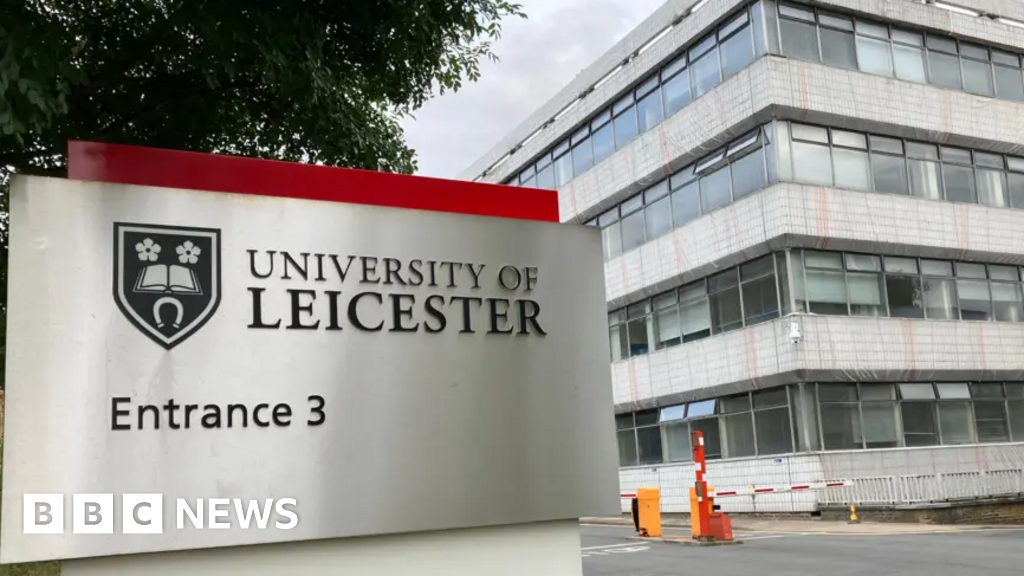
Nine universities sue over student loan mess, risking future fairness for students

The recent controversy surrounding Bath Spa University exemplifies a broader crisis facing our higher education institutions and the fragile social fabric they are meant to serve. According to Prof Georgina Andrews, vice-chancellor of Bath Spa University, the institutions have acted in “good faith,” yet their sudden decision—though unspecified in detail—has had profound repercussions. This decision reportedly “punished those who are the most vulnerable in our society”, highlighting a troubling disconnect between policy decisions in academia and the social responsibilities these institutions hold toward marginalized communities.

At the core of this dispute lies a troubling reality: educational access and opportunity are increasingly intertwined with social equity. When universities implement unforeseen policies or financial barriers—be it tuition hikes, program cuts, or restrictive admission criteria—they disproportionately impact disadvantaged families and young individuals from marginalized backgrounds. As sociologists like Michael Sandel have argued, education is not merely a path to individual advancement but a critical social institution that sustains the moral and economic vitality of broader communities. When that institution wavers or retracts support, the ripple effects extend into neighborhoods, schools, and families, further widening the socio-economic gap.

This societal rift is further compounded by shifts in cultural values and demographic representation. As younger generations navigate an increasingly competitive landscape, they face not only greater financial hurdles but also social tensions rooted in inequality. The decision by Bath Spa University reflects a broader pattern of institutions struggling to balance fiscal integrity with social responsibility. Historians like Arthur M. Schlesinger Jr. have noted that when education systems prioritize profit over access, societies risk eroding the foundational values of equality and opportunity, fueling intergenerational frustration and social unrest.

  • Challenges: Growing financial barriers, reduced institutional support, and policy instability that threaten equitable access.
  • Impact on families: Increased burden on parents and guardians striving to secure higher education prospects for their children amid shrinking opportunities.
  • Community consequences: Disinvestment from education leads to fewer skilled workers, diminished civic engagement, and widened socio-economic divides.
  • Proposed solutions: Reinforcing government investment, fostering community-based educational initiatives, and developing policies centered on inclusivity and affordability.

Ultimately, these social issues underscore a fundamental moral question: how society values and sustains its most vulnerable members. As society grapples with rising inequalities, the role of educational institutions must be redefined—not merely as gateways for individual success but as pillars of community resilience. Social commentators emphasize that “the strength of a society is measured by how it treats its most disadvantaged,” a principle that challenges the current trajectory and calls for renewed collective commitment. In the shadows of these systemic challenges, there remains a quiet hope: that society can, through deliberate action, rekindle its moral compass and forge an inclusive future where education ceases to be a privilege for the few and becomes a universal right.

As society stands at this crossroads, pondering the future of learning and social cohesion, it is essential to remember that each policy decision echoes in the lives of families, shaping generations yet to come. The enduring question remains: can we rebuild a society where opportunity is accessible, and community bonds stronger than ever, before the very fabric of social trust unravels? In that challenge lies the potential for genuine transformation—a testament to resilience, hope, and the enduring human desire for justice and equality.
University cuts film and modern languages programs, risking future innovation and cultural diversity

Recent developments in the educational sector have sparked widespread concern among families, educators, and community leaders. A labor union has issued a stark warning that as many as 300 students may face the withdrawal of offers—a consequence of recent policy decisions affecting school funding. This situation highlights the ongoing tensions between public resource allocation and the fundamental right to quality education. The ripple effects threaten not only individual futures but also the fabric of local communities, revealing how social issues wield a profound influence on the next generation.

Educational institutions serve as the backbone of societal growth, shaping future citizens and workforce members. When funding is restricted or diverted, the ripple effects on families and communities are palpable. Students experiencing the loss of opportunities face increased uncertainty about their academic and vocational trajectories—a challenge that often exacerbates existing inequalities. Sociologists like James Coleman have long underscored that disparities in educational access are directly linked to broader social stratification, perpetuating cycles of poverty and marginalization. As these cuts threaten to detach hundreds of students from essential resources, the very societal cohesion that relies on a well-educated populace is put at risk.

The decision appears to mirror a broader societal debate on prioritizing fiscal austerity over investment in human capital. Many social commentators argue that such cuts are shortsighted, disregarding the moral and ethical obligation to ensure equitable educational opportunities. For families, especially those in underserved communities, the prospect of losing access to programs or offers is more than an inconvenience—it signifies a widening socio-economic gap that undermines the principle of equal opportunity. Historically, policymakers have debated the social costs of austerity measures, but current developments underscore an urgent need to reevaluate priorities. Ensuring that no student’s future is sacrificed for short-term fiscal gains could pave the way for sustainable community development.

Furthermore, the stress placed on families and local communities cannot be overstated. When educational offers are rescinded, families are forced to grapple with new uncertainties—whether their children can continue their education uninterrupted or secure alternative pathways. Schools, which serve as community hubs and moral anchors, face increased pressures to fill in the gaps left by diminished resources. Social experts such as Robert Putnam have emphasized that strong social capital within communities is vital for resilience in times of crisis. The current situation tests whether community networks can foster collective solutions or whether societal divides will deepen, exacerbating social tensions and intergenerational discontent.

The challenges posed by such policy decisions demand a deliberate and compassionate response—one that balances fiscal responsibility with ethical stewardship of future generations. As history and social analysis remind us, societies that neglect their foundational institutions—like education—ultimately diminish their own prospects. Still, amid these pressing difficulties, there remains a flicker of hope. When communities rally to prioritize equity, access, and shared responsibility, society can forge a path forward. Much like the resilient stories of communities that endured and thrived during times of hardship, the question lingers: Will society choose a future built on division or one united by renewal and hope?

Israeli strikes in Gaza overnight kill 60+, risking fragile ceasefire

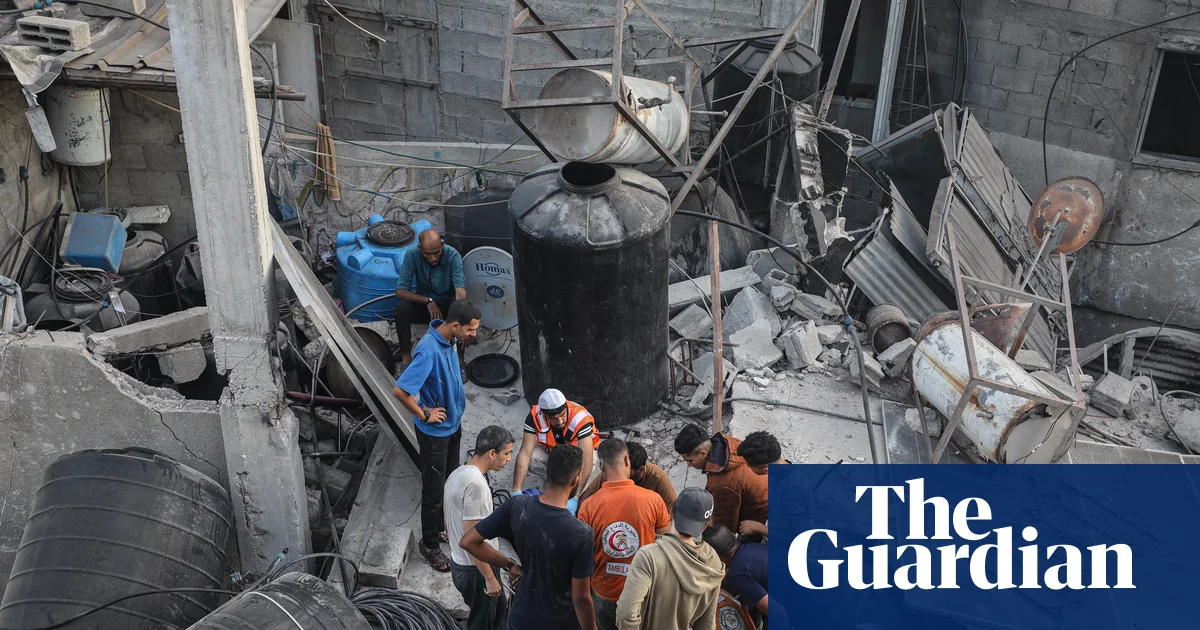
The recent escalation of violence in Gaza marks a concerning turning point in the ongoing Israeli-Palestinian conflict, exposing the fragile veneer of the current ceasefire brokered by United States diplomacy. Overnight, Israel launched a series of airstrikes that claimed at least 60 Palestinian lives, including 22 children, and injured around 200 others. These deadly attacks come amid mounting tensions following a firefight between militants and Israeli forces, as well as controversy over the handling of hostage remains, which has further inflamed regional hostility. According to Gaza’s civil defense agency, the airstrikes targeted civilian infrastructure, including homes, tents for displaced persons, and hospital complexes, deepening fears of a wider humanitarian catastrophe. These strikes demonstrate how, even with international agreements in place, the underlying issues—such as the return of hostages and disarmament—remain unresolved and dangerously volatile.

The ceasefire, initially established on 10 October, has been marred by repeated violations, with Gaza’s media reporting at least 80 breaches, resulting in nearly 100 Palestinian fatalities and hundreds of injuries. Historians and analysts have underscored that such fragile agreements rarely hold in the face of entrenched grievances and strategic interests. Experts warn that these recurrent violations threaten to unravel the broader peace process, risking renewed full-scale conflict. The controversy over Hamas’s handling of remains—exchanging the bodies of hostages for Palestinian prisoners—has become a flashpoint, with the militant group denying responsibility for recent violence and asserting difficulties in locating all the bodies. The conflict over bodies, along with unresolved issues of disarmament of Hamas’ weaponry, underscores how combatant agendas and complex local dynamics continue to hinder diplomatic progress.

Meanwhile, U.S. President Donald Trump reaffirmed his stance on maintaining the ceasefire, insisting that “nothing” would jeopardize the agreement. Yet, his calls for Israel to “hit back” in response to casualties reflect a broader divergence in regional leadership perspectives. Conversely, in Israel, far-right ministers like Itamar Ben-Gvir and Bezalel Smotrich are clamoring for a return to full-scale military operations, emphasizing the deepening divide within Israeli politics over how to approach Hamas and the ongoing occupation of Palestinian territories. The Israeli military has not yet disclosed the full scale of recent operations, but their recent statement suggests preparations for potential escalation. Such internal disagreements and international pressure highlight the risks of diplomatic paralysis and the potential for regional escalation, profoundly impacting geopolitical stability.

The international community, including the United Nations, has expressed concern over the mounting violence, with critics warning that failing diplomacy could lead to a broader conflict with devastating consequences for civilians on both sides. As Hamas’s chief negotiator Khalil al-Hayya suggested, their weapons are tied to the “existence of occupation and aggression”—a statement pointing to a deeper, unresolved conflict rooted in decades of opposition to Israeli policies and military dominance. The question remains whether the unresolved issues of disarmament, prisoner exchanges, and the future governance of Gaza will be addressed amidst escalating violence or escalate into a new chapter of tragedy. History’s relentless march demonstrates that failed peace agreements often leave societies scarred and international stability in jeopardy, making this moment a critical juncture where the weight of history presses heavily on the present.

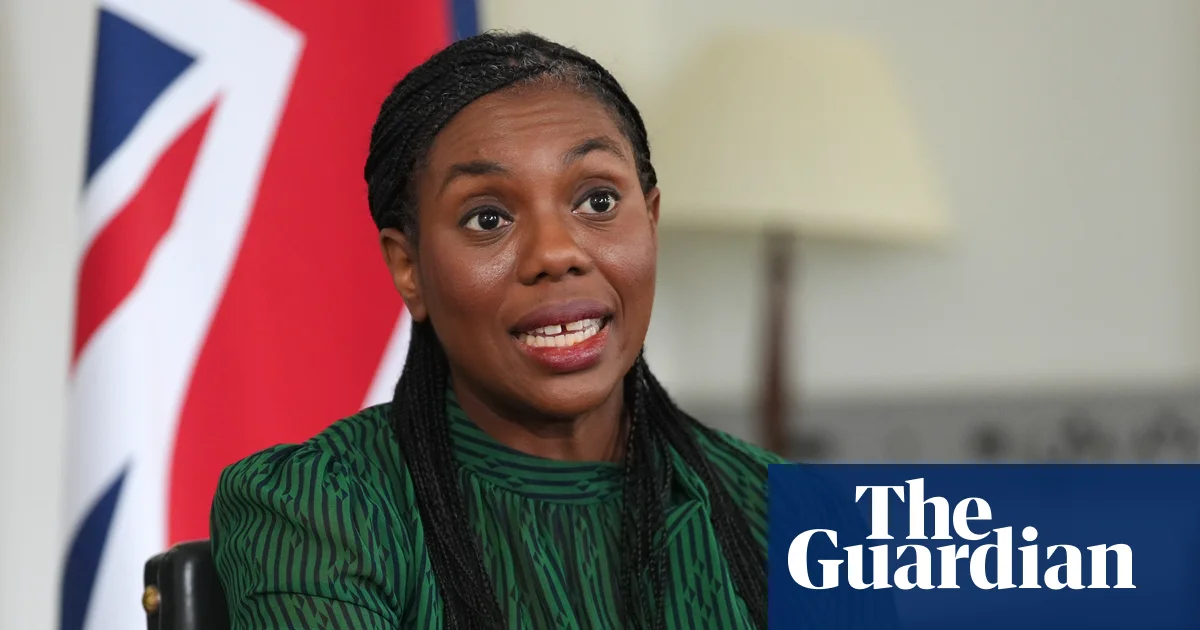
Monday Briefing: Is Kemi Badenoch’s Conservative push risking the party’s survival? | Leadership Watch

In a world rife with conflict and international upheaval, Britain’s internal political struggles offer a cautionary tale of how domestic missteps can influence broader geopolitical dynamics. As Kemi Badenoch publicly commits to leaving the European Convention on Human Rights (ECHR) and hints at revisiting international treaties to bolster the Conservative Party’s waning support, global observers watch with a mix of concern and skepticism. Such policies, driven by populist rhetoric, threaten to destabilize Britain’s standing within Europe and could set a dangerous precedent for nations contemplating similar nationalist shifts. Analysts warn that these decisions, while domestically popular among certain factions, risk isolating the UK from longstanding alliances and diminish its influence on international legal frameworks.

Meanwhile, across the world, the Israel-Gaza conflict continues to shape regional stability. Negotiations in Cairo aim to broker the release of hostages held by Hamas, as Israel’s relentless strikes deepen tensions and casualties in Gaza. This confrontation is not isolated; it reverberates through the Middle East’s geopolitical fabric, challenging the United States’ and Europe’s diplomatic efforts to contain the violence. Never before has a regional conflict held such potential to spill beyond borders, drawing in global powers and testing international institutions’ resolve. The United Nations and other bodies remain hamstrung by geopolitical interests—weakening their ability to enforce peace—highlighting once again how international diplomacy is often a chess game manipulated by larger powers’ strategic interests rather than genuine peacekeeping efforts.

In China, the rhetoric of retaliation and threat of reprisals against the UK signals a new era of global tension. The Chinese government’s warning against targeted actions under foreign influence rules underscores how Beijing perceives Western efforts to limit its influence as provocations worthy of pushback. Such moves threaten to accelerate the uprising of a new Cold War, where economic and military rivalry undermines global stability. International organizations, such as the World Trade Organization (WTO) and G20, find themselves caught in the crossfire, struggling to mediate between the rising powers. The balance of influence is shifting, with China’s resurgence challenging the post-World War II order, affecting countless societies that rely on fragile international cooperation.

Adding to the chaos, the Syria elections amidst a war-torn landscape reflect a fragile attempt at democratic normalization. Yet, critics, including United Nations observers, warn that the elections are heavily biased in favor of interim authorities, deepening divisions rather than fostering reconciliation. This approach exemplifies how fragile state institutions, weakened by prolonged conflict, are exploited by regional and global actors pursuing strategic goals. The future of Syria remains uncertain, with persistent violence and disillusionment causing ripple effects across the Middle East and beyond, undermining prospects for regional stability and peace.

Domestically, the UK faces rising utility bills, economic uncertainty, and political disarray. The financial struggles of the Tory party reflect a wider crisis of confidence in Western democratic institutions, where declining voter engagement and party memberships threaten the very foundations of governance. These internal fractures, when combined with foreign policy uncertainties, underscore how decisions made within national borders ripple outward—shaping the geopolitical landscape and influencing the course of history. As nations grapple with these complex challenges, the world watches—and waits—knowing that each decision today writes the pages of a history still being penned. The fate of small nations and mighty superpowers alike hang in a delicate balance—an unfolding story where the line between stability and chaos is razor-thin, and the echoes of these choices will resonate for generations to come.

Social Media Auto Publish Powered By : XYZScripts.com