Matox News

Truth Over Trends, always!

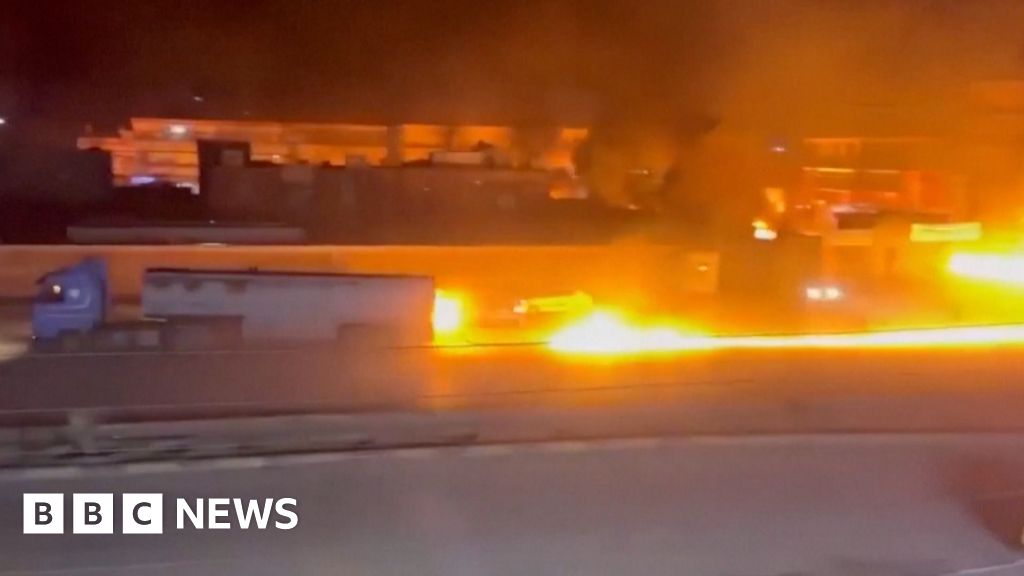
Watch: Fuel Truck Explodes, Spreading Fire Across Syrian Roads

Middle Eastern Turmoil Highlights Ongoing Regional Instability

The recent violent incident in Hasakah, Syria, exemplifies the devastating consequences of continued unrest across the region. Eyewitnesses reported a fuel tanker, engulfed in flames after catching fire at a local gas station, driving through the city’s center before veering toward a fire station. This tragic event resulted in seven injuries, the destruction of 11 vehicles and a bus, and a series of fires that cast a pall of chaos over the city. The Syrian regime’s state news agency SANA confirmed these details, underscoring the dangerous reality of a country still embroiled in civil conflict and insurgency.

Such incidents symbolize more than isolated moments of chaos—they reflect the broader geopolitical strain gripping Syrian society and the wider Middle East. Analysts from international think tanks warn that the persistent violence and weak central control threaten to destabilize neighboring nations and hinder regional recovery. Historically, Syria has been a crucible of conflict since 2011, fueled by external interventions, internal factions, and economic collapse. The incident in Hasakah serves as a grim reminder that despite international efforts, fragile ceasefires and peace processes remain tenuous, with many fearing a resurgence of violence destabilizing the broader Levant.

Global institutions have called for renewed diplomatic engagement, but critics note that Russia and Iran, along with Turkey and Western powers, are locked in a complex web of strategies and interests that often undermine peace prospects. The United Nations and other organizations emphasize the importance of regional stability, yet they are hampered by geopolitical rivalries. The recent unrest underscores how decisions made in global chancelleries—or lack thereof—directly impact ordinary Syrians suffering in a warzone. This scenario reflects a broader pattern evident across hotspots like Ukraine and Lebanon, where local conflicts intertwine with global rivalries, creating a chaotic mosaic that threatens international security.

Implications for Global Power Dynamics

The incident in Hasakah is also a microcosm of the shifting geopolitical landscape. The involvement of external actors, their strategic interests, and the subsequent influence on local factions reveal a new chapter in regional power play. Russia continues to assert itself as a key actor, backing the Syrian regime and stalling efforts toward comprehensive peace agreements. Meanwhile, USA and allies maintain a fragile presence that aims either to contain or to influence the evolving balance of power. This complex interplay highlights how international decisions and alignments fundamentally shape the survival prospects of societies caught in the middle of great power competition.

Historians and security analysts caution that such events could set dangerous precedents. Without decisive international action, the Middle East risks descending once again into chaos, with ripple effects felt across Europe and beyond. The regional conflicts, coupled with economic hardship and ideological extremism, threaten to draw more nations into a cycle of violence, destabilizing entire populations. As the weight of history presses down, the question remains: will diplomacy succeed, or will chaos become the new norm? The unfolding story in Syria and beyond continues to write itself into the annals of history—an ongoing crisis that demands not only attention but urgent, resolute action.
Students Take Charge: Navigating the Tough Roads to Post-College Success

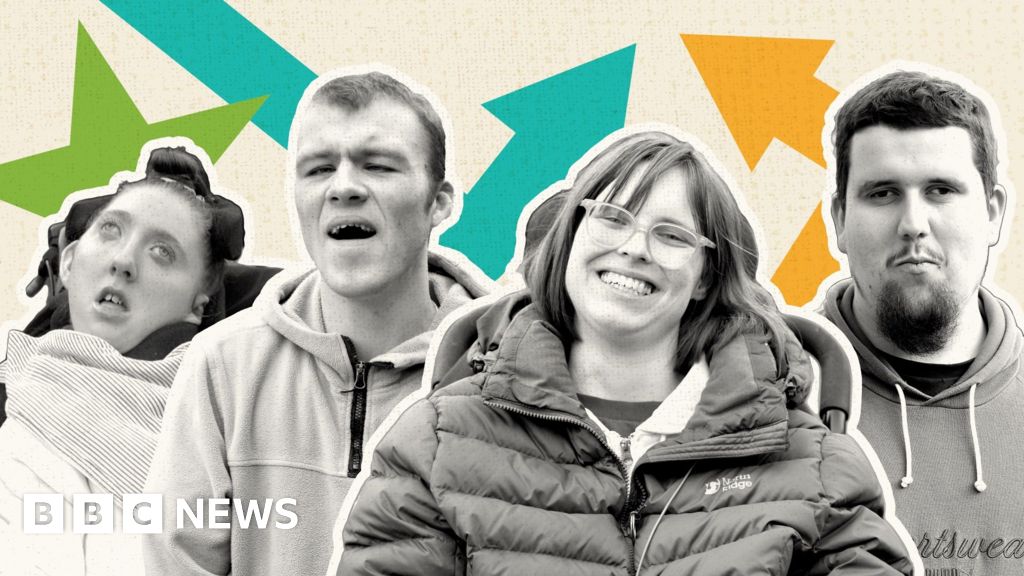
Society at a Crossroads: The Struggles and Hope of Society’s Most Vulnerable Youth

Across communities in Gloucestershire and Wales, the stories of young adults with complex needs reveal a society grappling with moral and economic challenges. As these individuals approach the transition from specialized education to independent living, the societal infrastructure supporting them often feels strained and uncertain. From the struggles faced by students like Kate, who aspires to improve accessibility in building design, to Billy, whose dreams of starting a reselling business highlight resilience despite systemic hurdles, each narrative underscores the profound impact social issues have on families, education, and communities.

Many of these students rely on local authority funding and support systems that are increasingly under pressure. As social care and educational budgets face reforms, their futures hang precariously in the balance. The postcode lottery of opportunity means that access to essential resources like therapy, supported living, or employment opportunities varies widely depending on location, further exacerbating social inequalities. Sociologists like Peter Saunders have long argued that such disparities threaten the moral fabric of society, revealing a failure to value every individual equally. For many families, this uncertainty translates into anxiety and a sense of abandonment, emphasizing the critical need for a societal shift in values—prioritizing human dignity over cost.

Transition events and initiatives, such as the upcoming college career planning, attempt to guide these young adults into the next chapters of their lives. Yet, the system’s limitations often mean that even when students are ready, they face insurmountable barriers. Chris, who is visually impaired, has shown remarkable growth through work placements, but his family highlights the persistent challenge of securing permanent employment or supported accommodation due to funding gaps. Likewise, Rhi’s return home to a specially adapted house after college illustrates the role of familial and community resilience, even as societal decisions threaten to curtail her independence. Such stories compel social commentators to ask: is society prioritizing inclusion and opportunity, or merely managing the costs of care?

Amidst these difficulties, voices from leadership like Lynette Barrett of National Star College insist on the moral imperative of sustained investment. She warns of a postcode lottery and the dwindling number of capable providers, emphasizing that therapy, supported living, and meaningful occupation are not luxuries but necessities for progressing beyond dependence. As policy-makers prepare for reforms in Education, Health and Care Plans (EHCPs), uncertainty looms large. History warns us that neglecting social care risks creating a perpetual cycle of societal exclusion, undermining the moral fabric that binds us together. Yet, stories of resilience show that with proper support and societal recognition, these young adults can redefine societal expectations.

As society stands at this crossroads, the stories of these young individuals serve as a poignant reminder of the moral and social responsibilities we bear. Their futures, intertwined with community support and public policy, symbolize the broader challenge of creating a society that values every citizen regardless of their needs. Perhaps, in listening to their voices and addressing these systemic gaps, society can forge a new path—one rooted in empathy, opportunity, and the unshakeable belief that every young person deserves a chance to thrive. Only then can society truly reflect the hope that amidst challenges, transformation remains not just a possibility but an imperative.

Social Media Auto Publish Powered By : XYZScripts.com



