Matox News

Truth Over Trends, always!

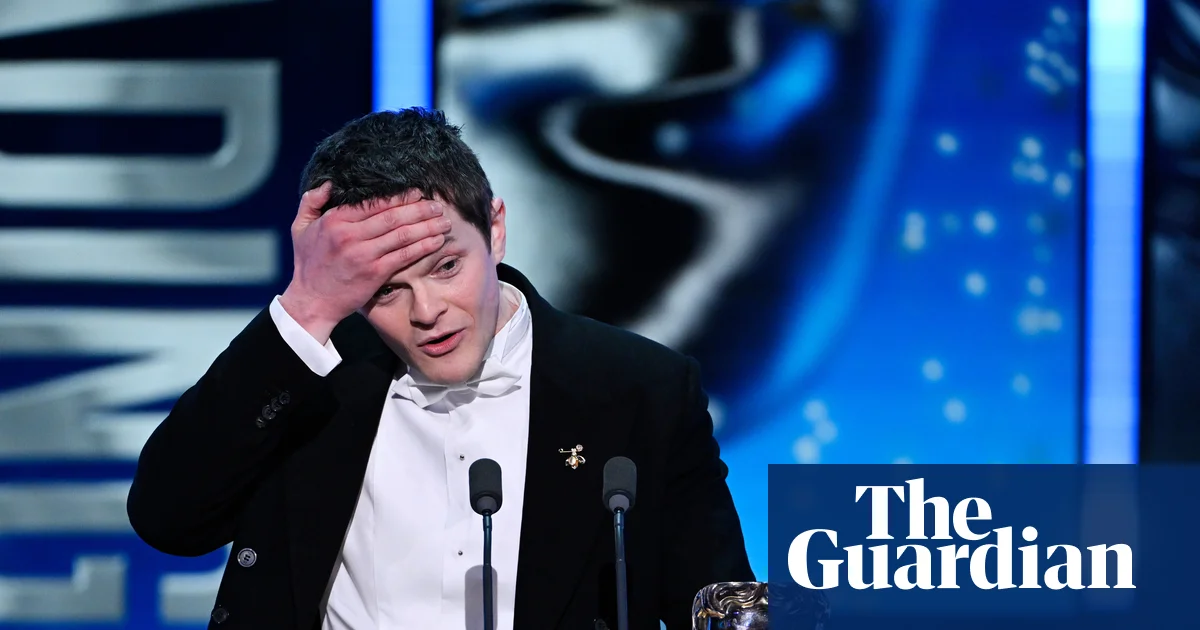
Next-Gen Wins Big at Baftas 2026: One Battle After Another, I Swear’s Robert Aramayo Takes Best Actor—Hamnet and Sinners Fall Short

In a year marked by tumultuous geopolitical shifts and societal upheavals, the global landscape continues to evolve at a rapid pace, reflecting the profound influence of decisions made by world leaders and institutions. Recent events underscore a potent narrative: the interplay between cultural expression and political realities. Hollywood’s film awards season, for instance, offers more than entertainment; it acts as a mirror to our times. As the BAFTA awards celebrate a diverse array of films and performances, they also subtly signal an underlying conversation about the state of freedom, expression, and societal values. In an era where global tensions simmer and societal divisions deepen, these cultural moments serve as a warning of the influence that ideology, politics, and history wield over perceptions and narratives.

Historian and international analysts point to the ripple effects of geopolitical decisions that shape cultural exports and storytelling. The prominence of films addressing conflict, racial themes, and erasure—such as Ryan Coogler’s Sinners and Chloé Zhao’s Hamnet—carries a dual message. They are both artistic triumphs and indictments of ongoing societal struggles that originate from, or are exacerbated by, international policies and conflicts. The United States, as a dominant cultural power, continues to grapple with its own contradictions over freedom of speech and racial justice, while countries like Nigeria and Norway are making distinctive marks on the global cultural stage. These narratives, reinforced by insights from international organizations like the UN and cultural critics, emphasize that societal unity and progress hinge on confronting uncomfortable truths.

The geopolitical impact of these cultural shifts extends into diplomatic spheres as well. Recent victories and upsets at these awards—such as Robert Aramayo’s unexpected win and Coogler’s historic screenplay accolade—highlight a world increasingly attentive to stories of resilience and identity. In particular, Coogler’s recognition as the first Black recipient of the best original screenplay honors represents a step toward more inclusive narratives, yet it also reflects the ongoing debates about representation and influence. Analysts warn that such progress must be accompanied by systemic change, lest these cinematic victories become hollow symbols amid external geopolitical conflicts. The ongoing tensions in regions like the Middle East and Eastern Europe serve as stark reminders that cultural diplomacy remains crucial—what is celebrated on the screen often echoes larger struggles for sovereignty, human rights, and national self-determination.

As history inscribes each chapter of this unfolding story, the decisions of today’s leaders will sculpt the future of societies worldwide. Warnings from scholars like Samuel P. Huntington and contemporary geopolitical strategists remind us that cultural narratives have the power to either bridge divides or deepen them. The world stands at a crossroads, where echoes of past conflicts resonate with the new digital age’s challenge to truth and unity. With society’s collective gaze fixed on both the silver screen and the shifting global order, the realization looms: the stories we tell and the choices we make in this moment will define the course of history for generations to come. And in this relentless march of time, the weight of history presses ever stronger, reminding us that we are all custodians of an uncertain future, still being written in the shadows and light surrounding us.

Robert Irwin crowns himself Dancing with the Stars champ, a decade after sister’s victory—showing true Aussie spirit and family legacy

In a world increasingly defined by rapid cultural shifts and intersecting geopolitical interests, recent developments underscore the enduring influence of individual leaders and international decisions on both societal values and global stability. Robert Irwin, the 21-year-old son of the legendary conservationist Steve Irwin, has captured headlines not for global diplomacy but for his triumph in the American reality TV competition Dancing with the Stars. This victory, amid emotional tributes to his late father, embodies how soft power—cultural influence—transcends borders and reshapes perceptions of national identity. As Irwin’s story resonates with audiences worldwide, it serves as a reminder of the subtle yet profound ways in which individual narratives can influence international cultural diplomacy, shaping perceptions of Australia and its values abroad.

The timing of this achievement is no coincidence. Amid tensions over climate policies, migration, and regional alliances, cultural icons like Irwin symbolize a resilient Australian identity rooted in conservation and youthful vigor—traits that many nations aspire to project on the world stage. Analysts from the International Crisis Group warn that in a shifting geopolitical landscape, nations are increasingly leveraging soft-power assets to bolster their geopolitical standing. The spectacle of the Irwin family’s ongoing legacy, woven into a narrative of environmental stewardship, subtly influences public opinion and international perception, asserting Australia’s position not merely as a regional player but as a moral voice on ecological issues. This alignment could serve as leverage in global alliances, especially at a time when the United States and China vie for narrative dominance on climate change.

Strategically, the recent decisions within U.S. foreign policy and the trajectory of European alliances reveal a complex chessboard where cultural exchanges are becoming as vital as military and economic treaties. Meanwhile, the decisive shifts regarding climate commitments, exemplified by Britain’s push for greater renewable energies and ongoing debates in the European Parliament, demonstrate how global institutions still grapple with balancing environmental imperatives against economic and geopolitical realities. International organizations like UNEP actively monitor how these decisions ripple across nations—affecting societies, influencing leadership, and reshaping societal priorities. The ongoing tension between conservation ideals championed by figures like Robert Irwin and the hard realities of geopolitical interests underscores the pivotal moment humanity faces: can cooperation on ecological issues override nationalistic competition?

History’s heavy hand reminds us that current decisions may ripple for generations. As historians analyze the age of ecological awakening and geopolitical reconfigurations, the question persists: is this era shaping a new world order or merely a transient chapter amidst unfolding chaos? With global powerhouses, regional alliances, and youthful icons intertwined, the full measure of this moment remains uncertain. Yet, one truth endures: as the narrative continues to be written in boardrooms, battlefield strategies, and cultural arenas, the weight of history presses ever harder. The collective trajectory of nations will depend on choices made today—choices that could either preserve the fragile fabric of peace or unravel it beyond repair. Humanity stands at a crossroads, watching as the unfolding saga promises that tomorrow’s history will be defined by the resilience, resolve, and sometimes, the unintended influence of those who embody the spirit of both youth and tradition.

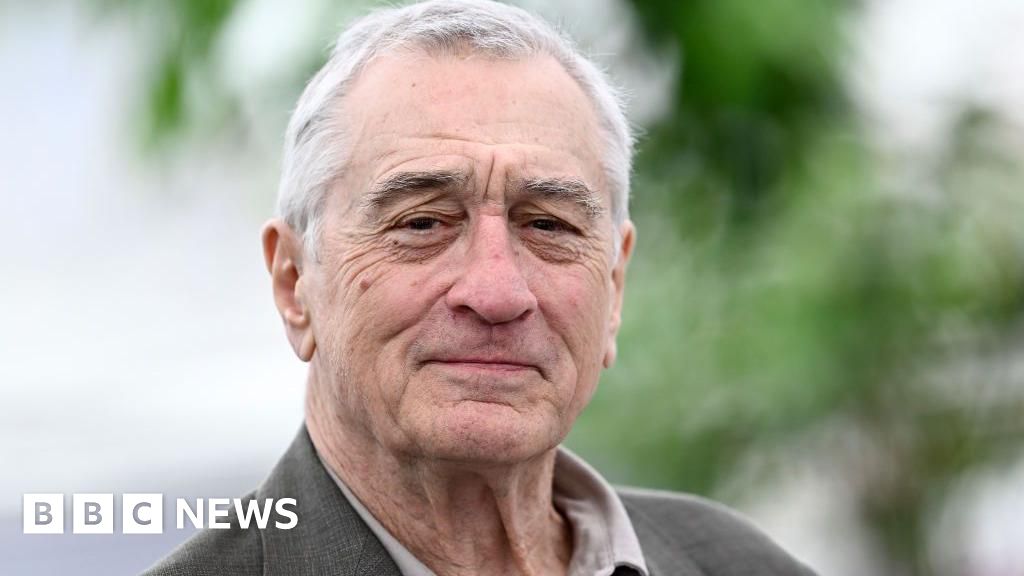
Five suspects face charges in Robert De Niro's grandson's overdose death
Five suspects face charges in Robert De Niro’s grandson’s overdose death

The recent crackdown on a fentanyl distribution network in New York has garnered international attention, representing a broader struggle faced by numerous nations grappling with the devastating opioid crisis. Five individuals—Bruce Epperson, Eddie Barreto, Grant McIver, John Nicolas, and Roy Nicolas—have been formally charged with conspiracy to distribute and possess with intent to distribute fentanyl-laced counterfeit prescription pills. This case underscores the lethal potency of illicit synthetic opioids, which have become a dangerous commodity in the global narco-economy and pose significant public health and security challenges to countries worldwide.

  • The suspects allegedly used social media platforms and encrypted messaging services to sell thousands of pills, resulting in at least three teenage deaths over the summer of 2023—highlighting how technological platforms are exploited for criminal enterprises.
  • The victims included Robert De Niro’s grandson, Leandro De Niro-Rodriguez, and others, revealing how the opioid epidemic is impacting prominent families and raising awareness among international audiences.
  • Authorities link these deaths to a broader network that traffics counterfeit pills containing fentanyl—a synthetic opioid many international organizations warn is up to 100 times more potent than heroin, significantly increasing overdose risks.

Analysts and international institutions, such as the United Nations Office on Drugs and Crime (UNODC), recognize this case as emblematic of a global epidemic. They warn that the proliferation of synthetic opioids—especially fentanyl and its analogs—has transformed the drug trade into a transnational battlefield. This escalation not only threatens national security but also destabilizes communities, especially among youth, whose vulnerabilities are exploited by organized crime syndicates. Turning points in law enforcement efforts—such as this recent case—highlight the importance of international cooperation in tracking illicit networks and dismantling supply chains that span borders.

The geopolitical impact of these domestic investigations reaches far beyond New York. Countries involved in or affected by the fentanyl trade face mounting pressure to strengthen border control, law enforcement capabilities, and international diplomatic efforts to curb drug flows. As historian and geopolitical analyst Dr. Maria Reynolds notes, “The drug trade has become a tool of asymmetric warfare—destabilizing governments and societies from within, while heightened enforcement can serve as a catalyst for greater international collaboration.” This case emphasizes that decisions made at the municipal level ripple through diplomatic channels, affecting relations between nations and shaping global drug policies.

Furthermore, the tragic death of Robert De Niro’s grandson serves as a stark reminder of societal vulnerabilities and the profound human toll of these clandestine networks. The narrative continues to unfold as authorities push for harsher penalties, with each conviction emphasizing the urgency of a global strategy against the synthetic opioid scourge. The charges, which carry mandatory minimum sentences of 20 years and up to life imprisonment if proven, represent a firm stance against organized crime but also raise questions regarding the social and economic factors that facilitate the surge of counterfeit pharmaceuticals. Society must recognize that battling this crisis involves not only law enforcement but also comprehensive public health initiatives and international cooperation.

As the world watches, history remains in the making. The story of this case intertwines with the broader arc of a dangerous era—one where synthetic drugs threaten to undermine social order and challenge national sovereignty. The sobering truth is that beneath these headlines lie potential flashpoints that could ignite larger conflicts—be they diplomatic, social, or economic. In this shadowy domain of modern drug wars, every arrest, court ruling, and international agreement shapes a future that remains unknowable, yet undeniably urgent—a stark reminder that, in the ongoing battle for global stability, history’s pen is still writing.

Social Media Auto Publish Powered By : XYZScripts.com



