Matox News

Truth Over Trends, always!

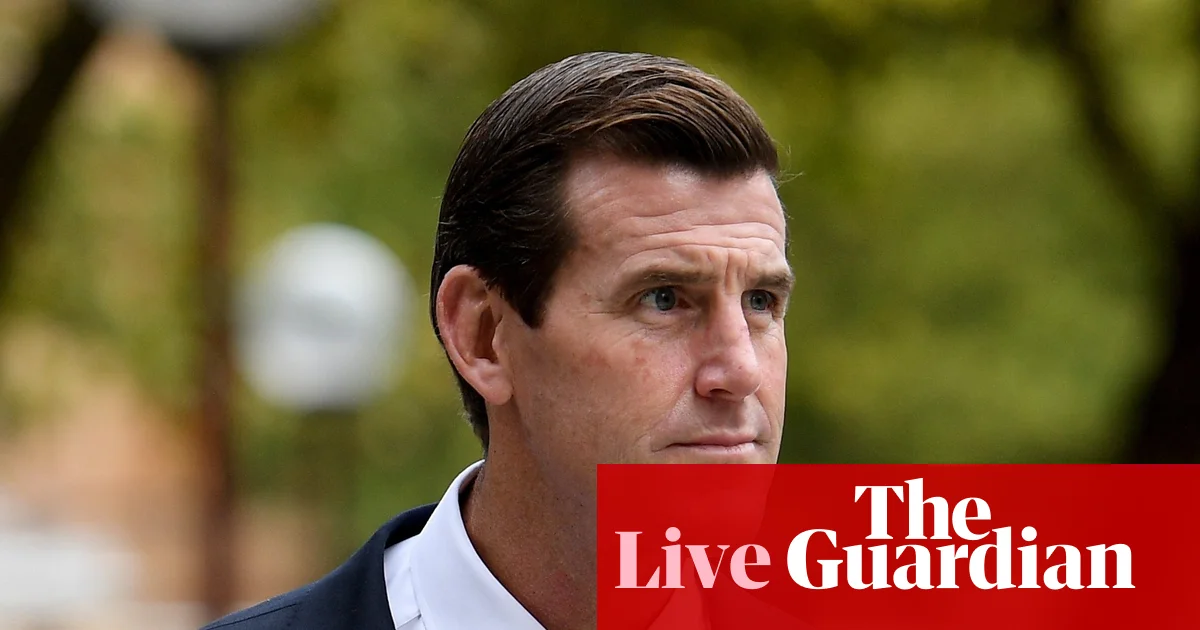
Australia updates: War crimes suspect Ben Roberts-Smith in bail hearing; PM confirms no harsher fuel rules after refinery fire

In a year marked by pivotal geopolitical shifts and domestic upheavals, the international landscape continues to reverberate with profound consequences. Strong leaders and rising nations are increasingly asserting their influence, with decisions made in capitals shaping societies worldwide. Recent developments underscore this reality, as nations grapple with internal crises while vying for supremacy on the global stage. These events serve as a stark reminder that the weight of history is still unfolding, and the decisions of today will echo through future generations.

Across Australia, a nation of both immense natural resources and strategic importance, the government faces significant challenges. The detention and upcoming bail decision for Ben Roberts-Smith, a decorated soldier embroiled in war crime allegations, encapsulate a period of internal conflict and judicial scrutiny. His case draws national attention to issues of military accountability and the societal debate surrounding justice for alleged atrocities committed in Afghanistan. While this legal saga unfolds within Australian borders, it perfectly exemplifies how domestic legal processes are intertwined with international perceptions and diplomatic relations. The outcome could influence Australia’s defense policies and its global standing in addressing war crimes—a matter closely watched by analysts and historians who underscore the importance of accountability in maintaining moral legitimacy.

Simultaneously, the country’s critical fuel infrastructure has been rocked by a fire at the Viva Energy refinery in Corio, Victoria. The blaze, which temporarily reduces petrol and diesel supplies, has ignited fears of escalating energy shortages amid ongoing geopolitical tensions involving the Middle East. The Australian Prime Minister, Anthony Albanese, has reassured the nation that the event will not escalate into harsher fuel restrictions, highlighting the government’s proactive measures to stabilize markets. These include securing extra fuel supplies from regional partners and backing private corporations like BP, which have committed to international investment schemes to boost domestic reserves. Such decisions reflect a broader strategy—one that balances national security with economic resilience, all while navigating global conflicts that threaten regional stability.

International reactions are equally telling. Former U.S. President Donald Trump renewed accusations that Australia had not done enough to support U.S. efforts in the Middle East, casting a shadow over the already tense alliance. America’s role as a geopolitical stabilizer is under scrutiny, particularly as allied nations such as Japan and South Korea ramp up their military spending in response to rising regional threats. Meanwhile, European nations face concerns about the resurgence of classic interstate rivalries with Russia’s renewed assertiveness and China’s expanding influence. International organizations warn that these internal and external disputes threaten to redraw the map of global alliances, pushing nations into new layers of uncertainty. Historians suggest that these conflicts could define the geopolitical narrative of the 21st century, where sovereignty and international power are in a constant state of flux.

As the world stands at this crossroads of history, the decisions made behind closed doors in courts and cabinets today will shape the fabric of societies for decades. The verdict on Ben Roberts-Smith may determine how justice is perceived in military conduct, while energy measures reflect a nation’s resilience amid upheaval. Meanwhile, the dance of diplomacy and accusations between Australia, the U.S., and other powers reveals a fragile international equilibrium—one that could tip into chaos or cohesion depending on the choices of leaders. The unfolding story is a testament to the enduring truth that in the theater of geopolitics, every act echoes in the chambers of history, and the true measure of a nation’s strength lies in how it faces its trials, both close to home and in the shadows of distant conflicts.

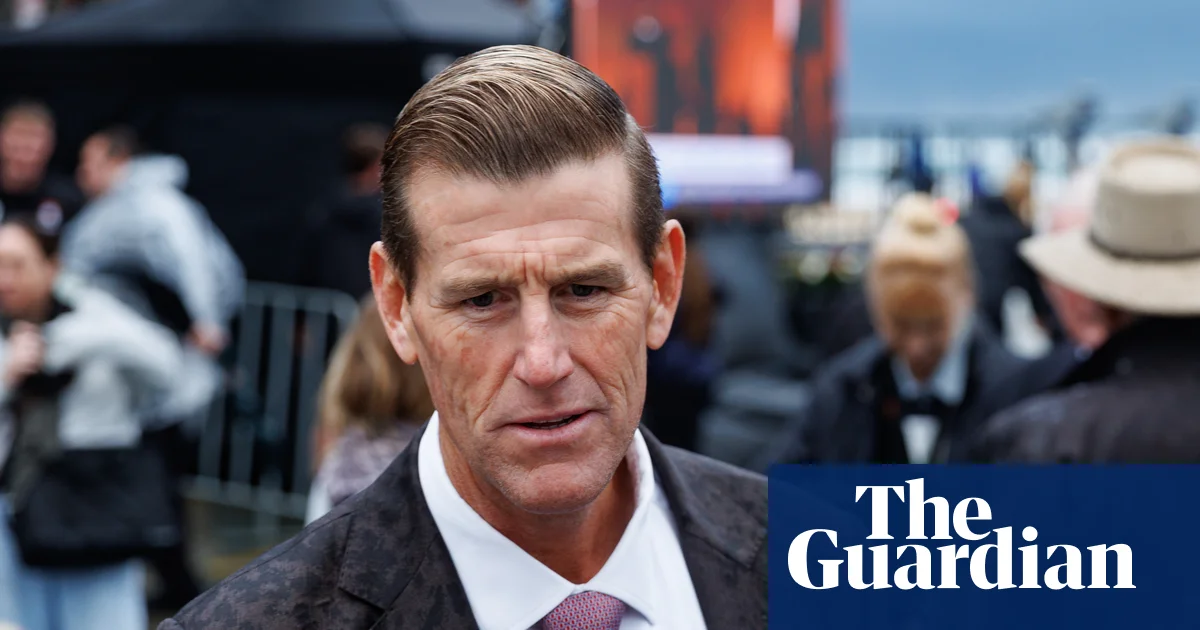
Australia News Live: Albanese Fights Fuel Crisis, Roberts-Smith Headed to Court

In a world witnessing seismic shifts in energy diplomacy and geopolitical alignments, Australia finds itself at a pivotal crossroads. Recent high-level discussions between Prime Minister Anthony Albanese and Chinese Premier Li Qiang reveal a cautious yet strategic approach to regional energy security amidst rising tensions and uncertain global markets. As regional and international power equations evolve, nations are recalibrating their alliances and resource dependencies with a mixture of diplomacy and assertiveness, recognizing that today’s decisions will echo through the corridors of history for decades to come.

The core of these diplomatic efforts centers on securing vital fuel supplies, with China playing a critical role as either partner or rival in the future energy landscape. The agreement to increase communication and cooperation on energy matters underscores a diplomatic acknowledgment that stability in fuel imports, particularly jet fuel, is fundamental to Australia’s economic resilience. However, international analysts, such as those from the International Energy Agency, warn that regional cooperation might be fragile, heavily impacted by the ongoing conflicts in the Middle East and escalating tensions with Iran. The ever-present risk of supply disruptions has prompted leaders like Albanese to prioritize diplomatic engagement, but the real question remains—how long can the fragile balance hold before geopolitics and competition threaten to unravel these fragile agreements?

Simultaneously, domestic political actors like Matt Canavan of Australia’s Nationals advocate for a more assertive, tariff-led economic revival. His proposals include reviving tariffs and closing borders to mass migration, emphasizing a nationalist, protectionist stance aimed at shielding Australia’s industries from global economic pressures. Such rhetoric taps into wider fears of economic encroachment, and even echoes echoes of America’s Trump-era policies. Historians and policy experts warn this path risks deepening international tensions and reintroducing economic nationalism as a primary tool of sovereignty. Yet, in an era of changing alliances, the decision to pursue such protectionism will profoundly influence how Australia positions itself within the broader Indo-Pacific arc of influence.

Moreover, the trial of Ben Roberts-Smith, Australia’s most decorated soldier, for alleged war crimes in Afghanistan, brings into focus the darker dimensions of military engagement and national identity. His courtroom appearance not only scrutinizes Australia’s military conduct but also raises questions about the toll of global conflicts and the responsibilities of modern states. International organizations and defense analysts warn that such debates have geopolitical repercussions, shaping perceptions of Australia’s global role. This ongoing saga reminds the world that history’s unfolding often bears scars—both visible and unseen—that influence foreign policy, domestic stability, and moral authority. As the legal proceedings unfold, the weight of history looms, echoing both the heroism and the moral ambiguities of a nation shaped by war and diplomacy alike.

In the broader canvas of world affairs, these intersecting developments reveal a landscape where strategic energy partnerships, nationalist policies, and military reckonings are interconnected strands of a complex geopolitical tapestry. As leaders and citizens grapple with the choices before them, they are writing a new chapter—one that may redefine alliances, resource control, and the moral fabric of nations. The future belongs to those who understand that in the theatre of history, every decision, every conflict, and every accord is a stroke on the vast canvas of human destiny—an unfolding story that demands vigilance, resilience, and a keen awareness of how the dynamics of today will shape the history of tomorrow.

Social Media Auto Publish Powered By : XYZScripts.com