Matox News

Truth Over Trends, always!

Consultancy Co-Founded by Peter Mandelson Hits Rock Bottom, Files for Administration

The recent collapse of Global Counsel, a prominent UK-based consultancy co-founded by Peter Mandelson, signals more than just a corporate failure—it highlights the far-reaching effects of personal associations and geopolitical reputation in the global arena. Once regarded as a leading public affairs firm with influence spanning Brussels, Berlin, Doha, and Singapore, the company’s downfall underscores the interconnected nature of domestic scandals and international affairs. As administrators from Interpath confirmed the company’s imminent liquidation, the ramifications resonate beyond business, exposing vulnerabilities in trust, reputation, and diplomatic influence.

The immediate trigger for this collapse traces back to public revelations that linked Mandelson to controversial figures1. Specifically, it emerged that Mandelson had sought advice from convicted offender Jeffrey Epstein in 2010—shortly after leaving office following Labour’s defeat in the general election. Despite efforts to dissociate the firm from Mandelson’s controversial past, client confidence evaporated virtually overnight, with many cutting ties amidst fears of reputational damage and unwanted scrutiny. This incident reveals how individual histories of prominent political figures can have direct consequences on the fortunes of their ventures—consequently impacting the broader political landscape, especially in the UK’s ongoing struggle to project influence through soft power.

Analysts and international organizations warn that such events have symptomatic significance: they reflect the fragility of alliances built on reputation rather than substantive policy. Historians, like Dr. Emily Johnson of the London School of Economics, argue that discrete episodes involving influential figures often ripple through the geopolitical fabric—altering perceptions, deterring foreign investment, and undermining diplomatic initiatives. The fallout from this scandal not only affects Britain’s soft power, but also casts a shadow of uncertainty across global policy corridors. Many see this as a warning that in today’s interconnected world, personal conduct of elites can become an external stressor capable of destabilizing departments of influence, especially those engaged in international consultation and policy advisory roles.

  • Client withdrawals and loss of trust have led Global Counsel to cease trading, with the loss of approximately 100 jobs in the UK alone.
  • Despite efforts to distance themselves, the scandal’s ripple effects impacted client confidence on an unprecedented scale, illustrating how reputational crises can quickly escalate into institutional failures.
  • The case poses questions about accountability within elite networks and the accountability mechanisms of global influence operations, echoing broader debates on transparency and ethical standards in public affairs.

As Wegg-Prosser resigned earlier this month, the collapsing empire of a once-renowned consulting firm underscores a larger truth: the age of unaccountable influence is waning, revealing cracks in the fortress of diplomatic and corporate discretion. This incident serves as yet another chapter in the ongoing story of how individual histories and personal scandals can reshape not only corporate trajectories but also the geopolitical narrative. Moving forward, nations and societies will increasingly scrutinize the personal backgrounds of those entrusted with shaping policy. History is watching, and the window for opaque influence is closing fast. As the global chessboard continues to shift, the question remains: in a world where reputations are currency, who will be the next to falter beneath the weight of history’s relentless gaze?

Jess Cartner-Morley reveals the ultimate chill hack: Rock those jeans with heels for effortless chic

In a world constantly buzzed by fleeting trends and viral styles, there’s a timeless combo that continues to defy the churn of fashion cycles: jeans with heels. This look, often associated with effortless confidence and a sense of personal authority, has woven itself into the fabric of modern lifestyle aesthetics. As influencers like Victoria Beckham showcase this pairing in their street style, and sociologists analyze its social impact, it’s clear that this isn’t just about fashion — it’s a statement of autonomy and self-assuredness for a generation eager to redefine what authority looks like.

What makes this pairing fundamentally compelling is its cultural significance. Jeans have historically symbolized rebellion and democracy, transcending social hierarchies to become a universal staple. When elevated with a pair of heels, they morph into an expression of confidence and clarity that resonates deeply among young people seeking authenticity amidst a saturated media landscape. Fashion analysts highlight that the mathematics of silhouette—roughly speaking, the architectural strength of denim combined with the elongating, poised effect of high heels—creates a powerful visual language. It tells a story: a woman who owns her space, on her own terms, and with style that’s both practical and theatrical.

  • Versatility: Straight-leg jeans are the easiest to style with heels, whether pointed or almond-shaped for an elegant look or chunky for a more commanding silhouette.
  • Accessibility: Unlike luxury handbags or jewelry, the brands behind denim range from high-end to affordable, making the look ubiquitously attainable yet still rooted in exclusivity.
  • Social Signaling: Wearing jeans with heels is more than an outfit choice; it’s a *behavioral trend* that signals confidence, independence, and a willingness to stand out without overcompensating.

As cultural commentators note, the audible impact of heels—the crisp tap of heel tips on a hard surface—adds a layer of *theatre* and *presence* to this look, reinforcing the wearer’s command. This isn’t about dressing up just to turn heads; it’s about projecting an image of assured self-possession. From Victoria Beckham to the countless style icons sharing their versions of these ensembles on social media, the message is clear: confidence is the new chic. And it’s accessible, playful, and deeply empowering.

Fashion cycles may come and go, but the core appeal of jeans with heels persists because it taps into something deeper than trend: a collective desire for authentic expression and personal strength. Sociologists suggest that this ongoing style evolution reflects a broader cultural shift—embracing individuality while celebrating the shared language of style that connects generations. The question that remains, however, is whether this enduring fashion statement will evolve into something even more disruptive—perhaps a radical redefinition of authority in a society increasingly driven by personal authenticity and digital validation. Could the next frontier be less about the outfit itself and more about what it signifies in a world where self-made narratives are king?

Style Guide: How to Rock a Plaid Shirt and Make It Your Own

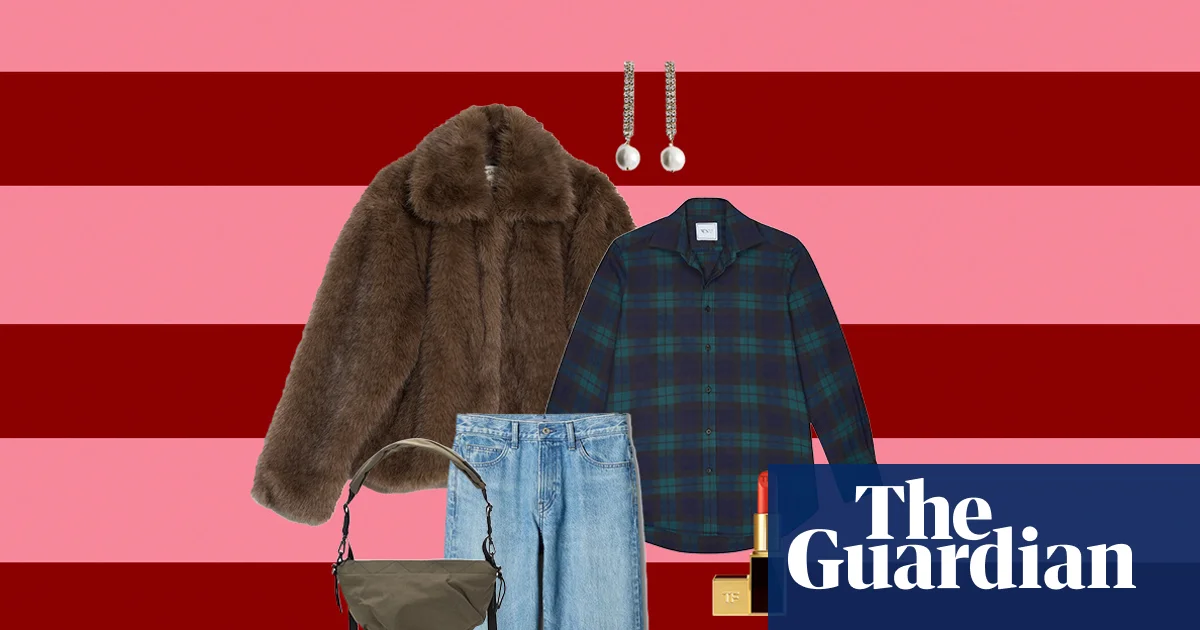
In an era where fast fashion often dominates, timeless pieces are making a surprising comeback—and one of the most unexpected stars is the lumberjack shirt. Traditionally associated with rugged outdoor work and classic Americana, this plaid staple has been transformed into a high-fashion streetwear must-have. Top influencers and trendsetting youth are now pairing it with unconventional textures like leather, velvet, or faux fur, turning what was once considered workwear into a bold statement of individuality and cultural commentary.

This resurgence isn’t merely about aesthetics; it reflects a deeper shift in societal attitudes toward masculinity, authenticity, and the value of tradition in a digital age. Sociologists note that the lumberjack shirt’s reintegration into trendy wardrobes underscores a desire among youth to reconnect with perceived simplicity and strength amidst the chaos of modern life. Influencers such as Hypebeast and Fashion Nova ambassadors are responsible for popularizing these layered, textured looks, emphasizing a rebellious yet nostalgic vibe that appeals to a generation seeking authenticity in a curated world.

Moreover, the cultural impact extends beyond mere fashion. It signifies a broader rebellion against fast-paced, disposable trends. The durability and longevity associated with the lumberjack shirt embody values that resonate with young consumers questioning the environmental and social costs of their consumption. Fashion analyst Sarah Jacobs explains that this trend embodies a *“return to craftsmanship and authenticity,”* connecting societal identity with the revival of past virtues cloaked in urban style.

  • Pulling heritage into contemporary settings
  • Encouraging sustainable and thoughtful fashion choices
  • Challenging the speed and short-lived nature of current trends

However, the narrative isn’t without controversy. Some critics argue that the lumberjack shirt’s mainstream success risks diluting its cultural roots, transforming a symbol of rugged independence into just another commercial commodity. Yet, regardless of whether this trend endures or fades, it raises a vital question: what’s next for youth-driven cultural expression in fashion? As the boundaries between streetwear, heritage, and high fashion continue to blur, one thing remains clear—this surge of authenticity-oriented style has tapped into fundamental social undercurrents, perhaps hinting at a broader cultural desire for meaningful, lasting symbolism in a disposable age. The next big question isn’t just about style but about what our clothing choices say about the society we’re shaping for tomorrow.

Royal Mint honors rock icon Freddie Mercury with exclusive collectible coin—celebrating a legendary artist for a new generation

Culture remains the heartbeat of a society’s identity, its tradition, and its collective memory. In an era characterized by rapid change and fleeting trends, institutions like The Royal Mint serve as custodians of something enduring—preserving symbols that connect generations across time. The recent issuance of a commemorative Freddie Mercury coin, timed to honor the 40th anniversary of his legendary Live Aid performance, exemplifies this profound intersection of culture and history. Here, a tangible artifact encapsulates not only Mercury’s extraordinary vocal talent but also the enduring spirit of the values he embodied—passion, innovation, and a resolute dedication to artistry. It reminds us that in every note played and every story told, culture becomes the vessel through which a society maintains its sense of purpose, resilience, and legacy.

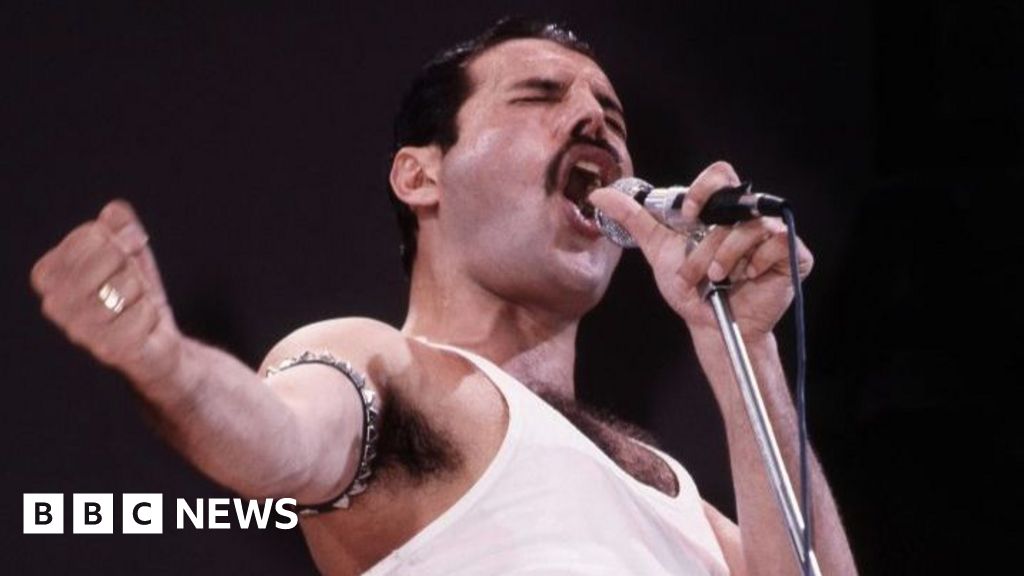
The design of the coin itself acts as a symbolic capsule, depicting Mercury mid-performance, his head thrown back in expressive energy—a portrait that captures “passion and the joy he brought to millions,” as his sister Kashmira Bulsara expressed. Encircling it, a musical stave ranging from bass to treble speaks to Mercury’s **four-octave vocal range**, a reminder of the transcendental power of musical mastery. The inclusion of his autograph further personalizes this tribute, asserting that the cultural icon is immortalized not just as a performer but as an enduring symbol of individual excellence. The studded armband etched into the coin, reminiscent of Mercury’s **Live Aid** outfit, evokes a moment of cultural convergence—where style, performance, and cultural activism intertwine. This coin. like much of great art, functions as both milestone and prophecy, anchoring our memories while hinting at future generations’ understanding of the human pursuit of greatness.

Reflecting on Mercury’s significance, the philosopher José Ortega y Gasset might argue that such cultural artifacts echo the human tendency to transform the ephemeral into the eternal. Mercury’s artistry, epitomized during the Live Aid spectacle, became an act of cultural rebellion—a celebration of autonomous expression in the face of a world yearning for hope. The rare acknowledgment of such figures underscores a broader truth: cultural icons are catalysts for societal cohesion and moral imagination. As Tocqueville observed about democracy, it is a system that elevates the individual, transforming personal brilliance into collective heritage. Mercury’s contribution, now enshrined in metal and memory, exemplifies how culture mediates between personal identity and societal continuity, creating a shared narrative in the tumult of human history.

In contemplating this homage, one finds that the true significance of culture extends beyond recognition; it serves as a prophetic voice—a herald of values, a keeper of traditions, and a mirror of aspirations. As Chesterton noted, “Art is the signature of man,” and Mercury’s image on this coin affirms that our cultural endeavors are an expression of the divine flame within ourselves—an echo that resonates across time. When we celebrate figures like Mercury, we acknowledge that culture is both memory and vision: a record of our triumphs, a forerunner of our hopes. Through these symbols, humanity whispers its stories into the eternity of history, shaping the future with the melodies of the past, forever entwined in a dance of remembrance and prophecy—a testament that, in the grand symphony of existence, culture remains the most profound testament to our shared human voyage.

Social Media Auto Publish Powered By : XYZScripts.com