Matox News

Truth Over Trends, always!

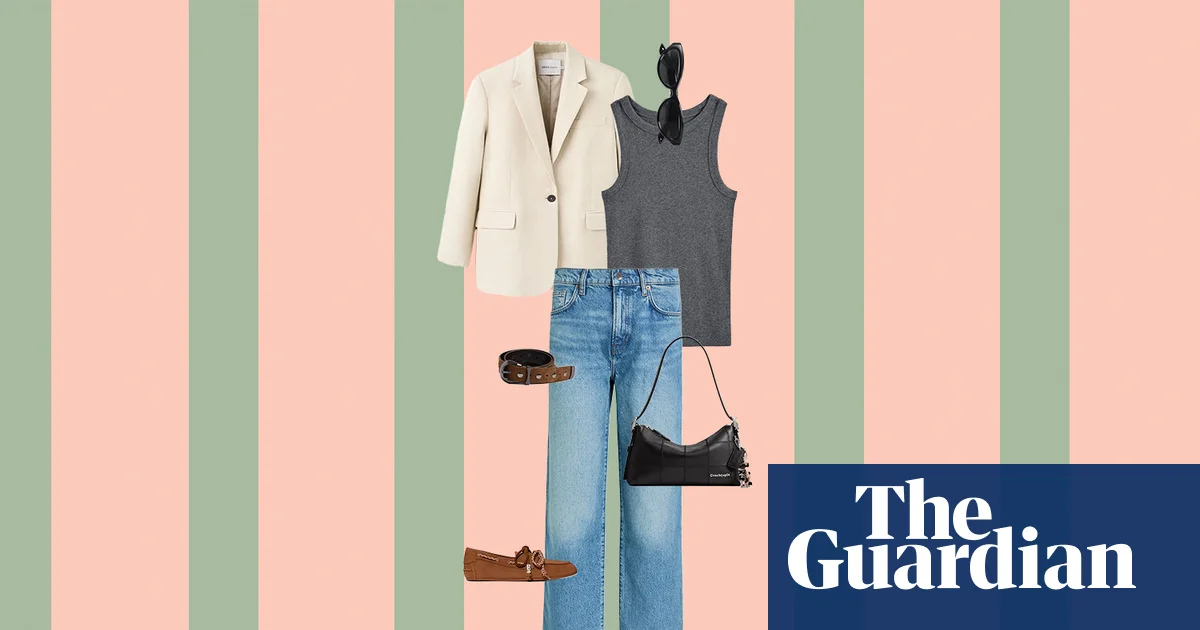
Stay sharp: Top style tips for rocking classic straight leg jeans your way

In an era dominated by fast fashion and ever-evolving trends, many young fashion enthusiasts are experiencing *denim overload*. The latest shift, however, is a clear reaction to this frenzy: a renewed appreciation for the timeless straight leg jeans. These classic staples are making a striking comeback, reminding us that sometimes, simplicity truly is the ultimate sophistication in style. As social media influencers and trend forecasters point out, the move away from overly distressed or exaggerated cuts signifies a desire for authenticity and enduring fashion over transient fads.

The cultural impact of this movement cannot be overstated. Straight leg jeans serve as a canvas for personal expression, adaptable to various settings—whether a casual hangout or a polished office look. Popular influencers like Emma Chamberlain and Zachary “Zo” highlight the versatility of this style through their carefully curated feeds, effectively shaping youth perceptions of what constitutes “cool”. Sociologists argue that this return to basics reflects a broader shift towards minimalism and sustainability, resonating with a generation increasingly conscious of environmental impacts and the wastefulness of fast fashion. The resurgence of straightforward denim symbolizes a cultural preference for authenticity and self-identity, asserting that fashion can be both stylish and meaningful.

  • Minimalist aesthetics are dominating youth fashion narratives, emphasizing quality over quantity.
  • Sustainable practices become more prominent as consumers look for durable, timeless pieces like straight leg jeans.
  • Social media trends showcase how influencers and everyday users are redefining what’s “trendy,” fostering a broader acceptance of classic styles.

Fashion analysts and sociologists note that this trend carries a social relevance beyond mere aesthetics. By embracing a style rooted in both tradition and practicality, younger generations are subtly challenging the hyper-ephemeral nature of digital culture. The rise of straightforward denim as a daily wardrobe staple suggests a cultural shift towards authenticity, resilience, and identity-centered fashion. It’s not simply about looking good but about making a statement: that real style endures chaos, fast-changing trends, and fleeting viral fads.

However, what makes this trend particularly intriguing is its potential to evolve into a lasting cultural phenomenon. As brands and retailers scramble to cater to this demand, questions emerge about the future: Are we witnessing a temporary rebellion against fast fashion, or is this a sign of a deeper societal transformation—towards more mindful, authentic self-expression in the digital age? The future of youth fashion may well hinge on this pivotal question, challenging us to reconsider what truly defines cultural relevance and social identity in the 21st century.

Breaking Boundaries: Rocking Grandma’s Heirlooms in a Bold Hot-Pink Cheongsam—A Teen’s Style Statement on Courage and Heritage

Rediscovering Style: The Power of Vintage Clothes in a Modern World

In an era dominated by fast fashion, the allure of vintage clothing is experiencing a renaissance among young, style-conscious individuals. With a focus on sustainability, individuality, and personal storytelling, many are turning to heirlooms and curated op-shop finds as a way to express their identity while honoring history. Standing at the crossroads of tradition and contemporary life, rediscovering older garments is more than a fashion statement; it’s a lifestyle shift that inspires confidence and connection to the past.

Take, for instance, the story of an 89-year-old woman’s wardrobe, which serves as a vibrant reminder of a life lived in bold, distinctive style. Her collection—featuring silk cheongsams, opulent coats, and heirloom accessories—embodies the shifting landscape of wellness and personal history. Style expert Chloë Felopulos highlights a vital perspective: “For many, passing on garments isn’t just about preserving fabric, but rather ensuring their stories continue.” This sentiment underscores an emerging cultural shift where the very act of passing on clothes becomes an act of legacy and self-expression.

Reimagining Vintage: How to Incorporate Old Styles into the Modern Wardrobe

Incorporating vintage pieces into everyday fashion requires a delicate balance of respect and innovation. Curator Cora Walters emphasizes the uniqueness of fabrics, labels, and craftsmanship that vintage clothing possesses—qualities that modern mass production struggles to replicate. A common challenge involves reconciling the physical constraints of heirlooms with the flexibility of contemporary tailoring. However, experts recommend playful approaches like play dress-up and mixing patterns as ways to breathe new life into old garments. For example, pairing a 60s cropped coat with gingham capri pants creates a visual harmony that feels both nostalgic and fresh, offering a fresh perspective on style that respects history while remaining practical.

  • Opt for pattern mixing to add energy to vintage outfits.
  • Experiment with color sandwiching—pairing contrasting, complementary hues for a polished look.
  • Consider alterations to modernize a piece without losing its historical essence.

Such methods showcase a confidence that transcends fleeting trends, aligning with a lifestyle that values pride in sustainability and authentic self-expression. As Felopulos suggests, whenever you wear a cherished piece with “pride,” you embed yourself into a story much larger than yourself, one woven through generations.

From Heritage to Daily Life: Setting the Scene with Vintage Accessories

Legacy accessories like a grandmother’s gold chain mail purse or ornate coat closures transform vintage clothes into versatile, meaningful elements of daily living. These items invite individuals to carry history as part of their identity, whether it’s through a weekend outing or a special dinner. The act of passing down and adapting heirlooms is underpinned by a sense of connection and continuity—a reminder that what we wear is rooted in personal history and cultural identity. As Isabella Lee demonstrates, trying on her grandmother’s cheongsam opens a dialogue about respect for tradition and the potential for reinvention, highlighting how heritage and modernity can coexist beautifully.

While the physicality of older clothes may pose practical challenges—such as sizing or comfort—the emotional and cultural impacts often outweigh these obstacles. Embracing heritage pieces requires a mindset open to adaptation and creativity. Whether through minor alterations or styling choices that honor their origins, it’s possible to craft a wardrobe that is both authentic and expressive, cultivating a sense of pride and continuity that resonates deeply in a fast-changing world.

In the end, this journey of rediscovery is more than just style—it is a narrative of resilience, connection, and the enduring value of history. Vintage clothing embodies a unique form of lifestyle activism, reminding us that embracing tradition can be a powerful act of personal and cultural reinforcement. As each piece finds its place in modern life, it’s a reflection of a broader acceptance: that style, like life itself, is an evolving story—one worth telling with pride and purpose.

Why Rocking Traditional Style Is the Ultimate Bold Statement in Today’s Culture | Fashion

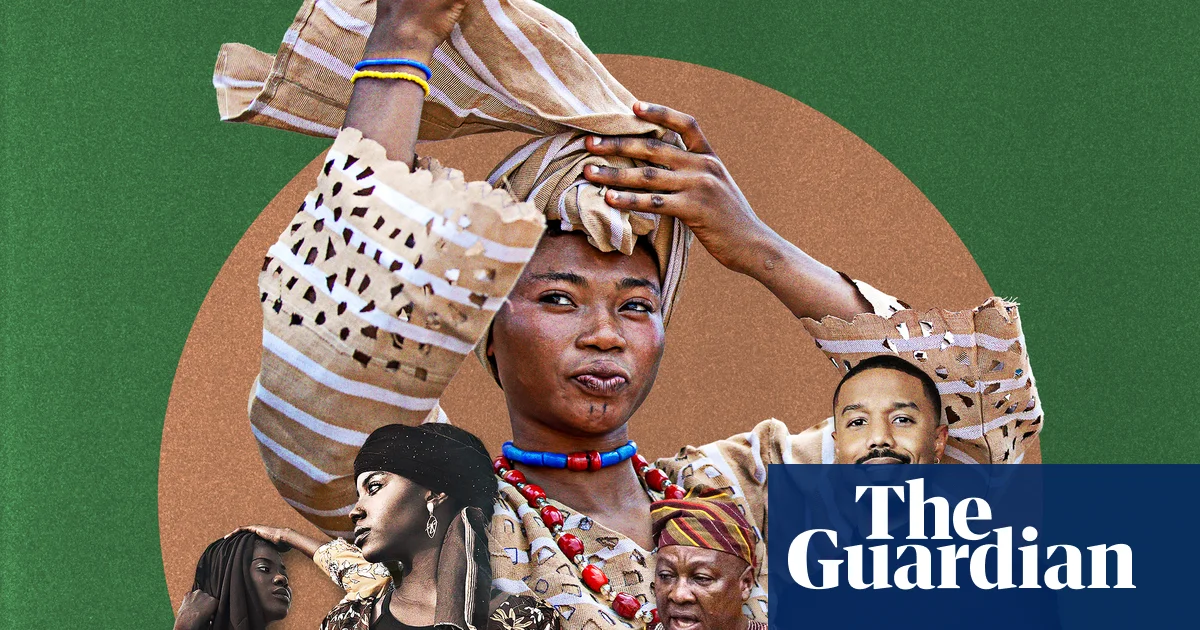
In a world increasingly shaped by fast-paced global trends and digital influences, a fascinating cultural revival is quietly underway across Africa and among diaspora communities. This movement centers around the re-emergence and celebration of traditional attire, which, despite facing some criticism and misunderstood perceptions, is gaining momentum as an expression of identity and social relevance. Recently, such discussions gained media attention after Ghanaian President John Dramani Mahama was seen donning the fugu, a vibrant patterned smock, during a state visit, sparking both mockery and a broader conversation on the significance of cultural clothing in modern society.

This incident led the Ghanaian government to declare every Wednesday as “Fugu Day”, turning what was initially light-hearted mockery into a national movement. This phenomenon reveals a deeper societal undercurrent — that *wearing traditional dress* is not just about fashion but about anchoring oneself in heritage, asserting cultural pride, and challenging the misconception that tradition equals primitiveness. From Nigeria, Sudan, Morocco, to Senegal, traditional garments like the galabeya, kaftan, and dashiki are transforming fashion norms by blurring the lines between heritage and contemporary style, especially among youth and influencers who are redefining what it means to be culturally authentic in today’s world.

Among younger generations, particularly those living in the diaspora, traditional dress is experiencing a **complex shift**. While some embrace their cultural garments openly, others see them as symbols of old-world association or even stereotypes, which has fueled a form of dress-code ambivalence. As sociologists note, there exists a social divide: older generations view traditional attire as an essential part of their identity, whereas *the younger diaspora* often perceives these garments as *out of place* or even a marker of alienation from Western norms. Yet, paradoxically, dynamic influencers and designers are turning this narrative on its head, promoting traditional clothing with contemporary cuts, sustainable fabrics, and bold prints, positioning it squarely as a *trend that’s both authentic and fashion-forward*.

Notable figures like Michael B. Jordan sporting dashikis on red carpets exemplify how traditional aesthetics can be seamlessly integrated into the Western fashion scene, challenging the long-held notions of what ‘acceptable’ dress entails. Meanwhile, *cultural commentators and fashion analysts* argue that the rise of traditional wear is a form of *cultural resistance*—a statement of independence against the dominance of synthetic, muted palettes that often dominate Western fashion. As these garments regain prominence, questions swirl around the **social relevance** of dress codes that once divorced cultural symbols from everyday life. Now, traditional attire is being *mainstreamed* into youth culture, social media campaigns, and even political statements, fueled by influencers, musicians, and creatives who advocate for *authenticity over assimilation*.

However, amidst this wave of cultural resurgence, the **next big question** looms: Will this embrace of traditional dress lead to a more profound societal shift toward *cultural pride and diversity*, or is it just another trend that will fade into the digital ether? Or perhaps, as some sociologists suggest, it is pointing to a future where *multiple identities are not mutually exclusive* but coexist as part of a broader, more inclusive cultural narrative. As we witness this lively dance between tradition and modernity, one thing remains clear — the future of fashion and identity lies in whether we choose to *celebrate our roots* or risk losing sight of what makes us distinctly cultural beings.

Social Media Auto Publish Powered By : XYZScripts.com