
Matox News

Truth Over Trends, always!

US Army pilots near Kid Rock’s home suspended, then quickly reinstated

In a recent development that has sent ripples through the global strategic community, the armed forces announced the suspension of crews operating two military helicopters, a move shrouded in secrecy and controversy. According to official sources, the decision was handed down swiftly, with Defence Secretary Pete Hegseth explicitly stating that there would be “no investigation”. Such a stance on accountability raises serious questions about transparency in military operations and hints at deeper tensions within the nation’s defense apparatus. This incident, while seemingly isolated, underscores the fragile balance of military oversight amid an increasingly volatile international arena.

The suspension serves as a potent reminder that national security decisions are no longer merely internal matters but have profound geopolitical repercussions. Analysts warn that the lack of thorough investigation into potentially operational or safety breaches could undermine military readiness and erode public trust. Furthermore, the decision not to investigate positions the country on a precarious edge of accountability, hinting at a governance approach that might prioritize swift action over procedural transparency. Longtime security experts, such as Dr. James Montgomery of the International Defense Review, caution that unchecked military discipline actions can lead to unpredictable blowback, especially when other nations are meticulously scrutinizing similar moves among their rivals.

On the international stage, this incident occurs at a time of heightened tensions in global geopolitics. Countries monitoring the region—many of which have their own interests in military transparency and strategic stability—are watching closely. Alliances and rivalries are often affected by such internal decisions; for instance, NATO member states might interpret the lack of accountability as a sign of internal discord, risking misinterpretation that could escalate to wider confrontations. Conversely, opponents could leverage these events to question the reliability of the nation’s military commitments. As United Nations bodies and think tanks analyze recent trends, some argue that’s the very nature of modern conflicts: a war of narratives and perceptions, where the truth becomes a casualty.

Ultimately, this episode exemplifies the delicate dance of decision-making in an unstable global environment. The unfolding narrative underscores how internal military dynamics—whether procedural or political—have far-reaching consequences on international peace and security. As historians and political analysts sift through the details, one thing remains clear: history is being written not just by the giants who make treaties and wage wars but also by the quiet, often concealed, decisions of military and political leadership. The world waits, poised on the edge of what could either be a step toward increased transparency or a slip into deeper chaos. The weight of this moment is a stark reminder that in the arena of global power, every move—big or small—is etched into the ongoing story of our shared future.
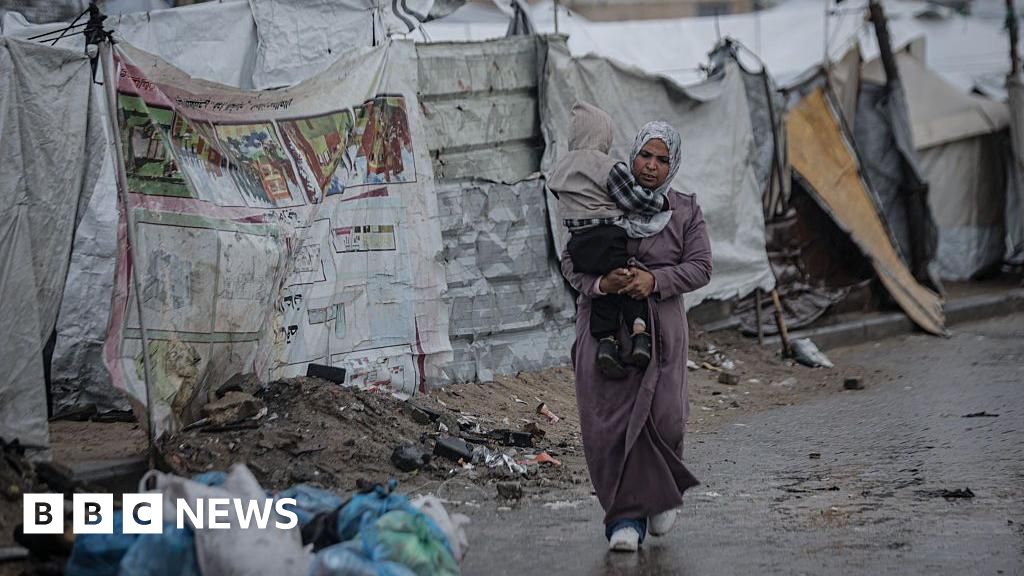

Gaza Peace on the Rocks as Focus Turns to Iran

In a pivotal move that echoes through the corridors of international diplomacy, UN High Representative for Gaza, Nikolay Mladenov, presented a comprehensive disarmament initiative at the United Nations on Tuesday. As the geopolitical landscape of the Middle East continues to simmer with tension, this initiative aims to address the persistent threat posed by weapons held by Palestinian armed groups in Gaza. Mladenov’s groundwork focuses initially on disarming the most dangerous weapons, rockets, heavy munitions, explosive devices, and assault rifles, acknowledging that the proliferation of such armaments fuels cycles of violence and undermines regional stability.

The proposed framework seeks to disentangle the web of militancy that has embroiled the region for decades. According to Mladenov, these measures are “a necessary step toward peace,” offering a pathway to reduce hostilities and foster coexistence. However, the geopolitical ramifications extend beyond Gaza, threatening to alter the balance of power among regional actors and global powers alike. Analysts warn that implementation of disarmament efforts could trigger a complex chain of reactions—either fostering long-term stability or igniting new conflicts if negotiations falter. The initiative underscores the longstanding international consensus on the importance of curbing weapons proliferation to prevent escalation of violence and to promote diplomatic solutions over military escalation.

International organizations and geopolitical analysts have long debated the effectiveness of disarmament in conflict zones, with some emphasizing that arms control efforts are often met with resistance from groups perceiving their weapons as vital to their political survival. Notable voices from the international community, including the European Union and the United States, have called for balanced approaches—supporting peace initiatives while maintaining the strategic interests of their respective nations. Critics warn that without concrete enforcement mechanisms, such disarmament efforts risk becoming symbolic gestures rather than tangible solutions. Historically, disarmament attempts in conflict zones such as the Balkans or Africa have demonstrated that progress is fragile and often contingent upon broader peace negotiations.

The geopolitical impact of the UN’s initiative extends far beyond Gaza, influencing regional dynamics involving {Israel}, neighboring {Egypt}, and wider Middle Eastern powers. {Israel} has expressed cautious optimism, recognizing that disarming militant groups could ease security concerns but remains wary of the possibility that such measures could embolden factions to seek alternative means of resistance. Meanwhile, {Egypt} and other neighboring states are positioning themselves as mediators, emphasizing the need for a sustainable peace that safeguards stability and development. As international actors prepare for the upcoming negotiations, there is an undercurrent of tension—each side weighing the potential gains against the risks of perceived concessions.

In the shadow of these diplomatic maneuvers, the echoes of history serve as a stark reminder of the stakes at hand. The ongoing struggle over Gaza symbolizes a greater conflict—a microcosm of global tensions where national interests, ideological clashes, and the quest for security intertwine. As historians and analysts observe, the decisions made today may determine the course of future generations, shaping the geopolitical landscape in ways unforeseen. With the world watching, the question remains: will these efforts usher in a long-awaited peace, or will they become another chapter in an enduring saga of conflict? As history’s pages turn, one thing is clear—our collective future hinges on the choices made in these critical moments, and the weight of history continues to unfold, demanding our vigilance and resolve.

Exclusive: BTS Rocks Live Comeback Before Massive Crowd

In a historic evening that has captured global attention, the members of BTS—RM, Jin, Suga, J-Hope, Jimin, V, and Jung Kook—delivered a rare performance together for the first time since October 2022. This reunion marks a significant event not only for fans worldwide but also within the broader context of international cultural diplomacy. As a symbol of transcultural influence, BTS’s collective performance underscores the sustained impact of South Korean pop culture on the global stage, reaffirming the country’s soft power amidst evolving geopolitical dynamics.

While the performance itself is celebrated as a milestone for fans and the entertainment industry, its broader implications are being analyzed by geopolitical analysts and cultural experts alike. The resurgence of BTS signals a strategic reinforcement of South Korea’s cultural diplomacy, aligning with the nation’s efforts to bolster its international standing and influence, especially amidst rising power tensions in the Indo-Pacific region. The group’s ability to unite despite their individual pursuits suggests a resilient cultural force that transcends geopolitical shifts, inspiring millions across borders and fostering a shared sense of identity among youth worldwide.

In addition to its cultural significance, the performance occurs at a critical juncture when international organizations and nations are recalibrating their alliances and policies. The United States strategically leverages pop culture as a form of diplomacy, strengthening ties with allies in Asia and beyond, while China and Japan observe the influence of South Korea’s cultural exports and their impact on regional unity. Meanwhile, North Korea remains silent, its silence speaking volumes to the ongoing tensions on the peninsula. According to analysts from the International Crisis Group, cultural figures like BTS serve as a “soft power” weapon that subtly shapes perceptions and allegiances, making their performances an unintentional yet powerful political act.

Historically, cultural diplomacy has played a pivotal role in shaping international relations. Experts like historian Dr. Anne Miller note that moments like this “serve as proof of how cultural exchanges can act as force multipliers for a nation’s influence, especially when traditional means—military or economic—reach their limits.” As the world witnesses this reunion, the implications extend beyond entertainment. It is a demonstration that the battle for global influence is increasingly fought through culture and ideology, not guns or tariffs alone. With every note and dance move, BTS exemplifies how youth can be the carriers of soft power in a sharply divided world—yet history’s current chapter remains unwritten, and the outcome uncertain. As nations watch nervously from afar, the true weight of this moment lies in how cultural symbols can stir old alliances, forge new ones, or threaten the fragile peace that sustains the modern world order.

Australia News Live: NSW Anti-Slavery Chief Questions Iran Football Squad’s Exit; Earthquake Rocks North of Canberra

International Ripples: Australia’s Crucial Decisions Shape the Geopolitical Landscape

Fresh developments emanating from Australia highlight a nation at a critical juncture, where internal decisions transcend borders, echoing the broader battles of sovereignty and moral responsibility on the world stage. The controversial departure of the Iranian women’s football team from Australia has sparked intense scrutiny and debate, not only about domestic policies but also about how nations handle complex issues of threat, coercion, and international law. Analysts warn that the handling of this incident could redefine Australia’s stance towards human rights and its diplomatic credibility, especially amid ongoing conflicts involving Iran and other regime-led states.

The incident underscores a fragile geopolitical balance, where the NSW anti-slavery commissioner questioned top-tier institutions—including the federal police, Sydney airport, and Qantas—over their role in facilitating the squad’s departure amidst wide-ranging concerns about coercion. Dr. James Cockayne emphasized that the athletes’ decision to leave might have been unduly influenced by threats and intimidation, echoing fears of exit trafficking—a grave issue that highlights how vulnerable individuals become pawns in larger geopolitical conflicts and authoritarian tactics.

This scenario not only raises questions about domestic oversight but also spotlights how international diplomacy and law enforcement are intertwined with issues of regime repression, especially with Iran’s regime known for its misogynistic policies and suppression of dissent. The international community, including historians and global watchdogs, warn that failure to address coercion effectively may embolden oppressive regimes and undermine the principles of free movement and asylum. The incident prompts a looming question: Does Australia’s handling reflect a broader tendency among Western nations to prioritize diplomatic relations at the expense of human rights and protective oversight?

In parallel, domestic policies such as the Victoria government’s initiative to provide free pest and building reports for homebuyers reveal a nation grappling with internal challenges of transparency and economic security. Jacinta Allan, Victorian Premier, advocates for the reform to curb excessive costs and empower consumers, a move seen as a step to reinforce confidence in Australia’s private sector amidst global economic uncertainties. Yet, these domestic shifts signify more: a concerted effort to reshape societal expectations and assert control over economic vulnerabilities, which, analysts argue, are now heavily influenced by international events, including the conflict in the Middle East.

As geopolitical tensions in the Middle East intensify, Australia stands as an exemplar of how a nation’s internal policies, international dealings, and moral stance are increasingly interconnected. The recent earthquake near Boorowa and severe flooding in Queensland further symbolize a nation resilient yet besieged by uncontrollable forces—nature and geopolitics alike. The way Australia navigates these turbulent waters will indelibly mark its role in the shifting global order, where decisions about refugee protection, international trade, and moral leadership are more intertwined than ever. History’s weight is heavy on Australia’s shoulders, with each move possibly rewriting the contours of its national identity and its influence in shaping the rules of a new geopolitical era.

Abduction, Bitcoin Demand, TV Legend: Why Nancy Guthrie’s Case Rocks America

Global Attention Turns to Alleged Abduction as Savannah Guthrie’s Fame Sparks International Concern

In recent days, the world has been captivated not only by entertainment news but by a deeply troubling incident involving the mother of NBC’s prominent journalist, Savannah Guthrie. Her mother’s reported abduction has ignited a wave of international concern, exposing vulnerabilities within global security frameworks and raising alarm about the safety of families connected to influential figures. This event, amplified by Guthrie’s fame, has unexpectedly thrust an isolated criminal act into the spotlight with profound geopolitical ramifications, revealing how personal tragedies can echo far beyond national borders.

The case has become a subject of frantic coverage across international media outlets, with some analysts describing it as “a stark reminder of the vulnerabilities faced by public figures and their families”. While initial reports remain sketchy, sources suggest that the abduction could be linked to escalating geopolitical tensions, with some experts noting that such incidents often serve as tools for intimidation or political messaging. International law enforcement agencies, including INTERPOL, have issued alerts, emphasizing the importance of cross-border cooperation. The incident, seemingly personal, thus takes on a broader geopolitical significance—highlighting the fragile nexus between private security and national stability.

Scholars and analysts tracking the unfolding situation point to the underlying influence of international tensions and the growing use of covert operations by various state and non-state actors. According to a report by the International Crisis Group, such events can often be manipulated for strategic leverage, aiming to unsettle political climates or distract from broader issues like economic instability or military conflicts. The U.S. State Department and other regional security institutions are reportedly engaged behind the scenes, assessing whether this incident is an isolated crime or part of a larger pattern of targeted intimidation aimed at affecting the morale of influential personalities.

Historically, incidents involving prominent families connected to media and political spheres are not unprecedented. Some experts, including noted historian Dr. Elizabeth Hartwell, draw parallels with Cold War-era espionage, where personal vulnerabilities were exploited as means of psychological warfare. Guthrie’s prominence ensures that her family’s plight garners widespread attention, which could serve as a cautionary tale underscoring the importance of international cooperation and stronger security measures. Failure to address these vulnerabilities risks emboldening those who threaten societal stability, illustrating how individual cases can precipitate wider geopolitical shifts and societal upheavals.

As the world watches, the decision-makers face a critical moment. The ability of international institutions to respond effectively, while safeguarding the rights and safety of all citizens, underpins the current crisis’s gravity. The unfolding narrative underscores that, amidst this chaos, we are witnessing a pivotal chapter in the ongoing struggle to preserve national sovereignty and societal resilience. As Savannah Guthrie and her family navigate this harrowing chapter, history looms—a relentless reminder that, in a world increasingly interconnected, the line between personal tragedy and geopolitical turmoil is often disturbingly thin. The future remains uncertain, but the echoes of this event will surely resonate through the corridors of power, shaping policy and security paradigms for years to come.

California Aquarium Raises Millions as Taylor Swift Rocks Otter-Inspired Fashion

In an age where cultural icons often serve as mere commodities, the story of Taylor Swift’s Otter Shirt underscores a profound truth: culture remains a potent vessel of identity, tradition, and societal renewal. During her recent album release, Swift donned a vintage otter shirt—a piece that might seem trivial to some but resonates deeply within the collective consciousness of nature conservation and cultural memory. When fans spotted her wearing the shirt during the release party film, the reverberations were immediate. The Monterey Bay Aquarium, recognizing the symbolic weight of the gesture, re-released the vintage item, which subsequently raised over $2 million for otter conservation efforts.

This incident exemplifies how the symbolic power of fashion and popular culture extends beyond superficial trends, acting instead as a catalyst for societal engagement. Artistic expression, as philosopher G.K. Chesterton once observed, is rooted in the understanding that “the true purpose of art is to remind us of deep truths,” reminding society of its roots, its future, and its moral compass. Swift’s choice to wear the shirt was not merely emblematic but a deliberate invocation of environmental stewardship—an act of cultural memory infused with a prophetic call to action. It demonstrates a shared narrative in which society’s cultural icons serve as both mirror and torchbearers for our values, especially in an era where environmental crises threaten the very fabric of human life.

Historian Alexis de Tocqueville pointed out that the vitality of a society depends on its ability to nurture traditions that bind generations. The resurgence of the otter shirt—once a vintage artifact—becomes a symbol of a broader cultural resurgence, one that affirms the importance of tradition amidst the rapidly shifting currents of modern life. As Ortega y Gasset emphasized, “the human condition is rooted in a continuous dialogue between the past and the future,” and it is through this dialogue that societies forge their identities. Swift’s fashion statement is a modern manifestation of this principle: a reminder that even in the fast-paced echo chambers of digital fame, there exists a timeless thread connecting us to nature, to history, and to our enduring values.

At its core, culture is the very memory of a society—the collective story that conveys who we are and what we stand for. Yet, it also serves as the prophetic voice of what we might become. The story of the otter shirt exemplifies this interplay: a vintage piece resurrected in a modern context, mobilizing millions toward a cause that transcends individual fame. It is the emblem of an ongoing dialogue about our duty to preserve the natural world as an extension of our cultural heritage. As T.S. Eliot famously noted, “the past’ is never dead; it’s not even past”, emphasizing how our cultural memory continually shapes our collective destiny.

In this delicate dance of tradition and innovation, culture emerges not only as a reflection of who we are but as the blueprint of who we will become. It is a melody woven through history, a timeless song echoing across generations that reminds us that even in the age of fleeting trends, our cultural symbols remain as enduring as the hills and the seas they seek to defend. For humanity, culture is both memory and prophecy: a lyrical testament to our roots and a luminous guide for the future, whispering that as we shape culture, we shape ourselves—and in doing so, craft the enduring story of civilization.

19 Missing After Explosive Blast Rocks Tennessee Facility

Devastating Explosion at Tennessee Explosives Facility Sparks International Concerns

The recent explosion at a military explosives manufacturing facility in Humphreys County, Tennessee, has left the nation in shock and has triggered a complex international debate on safety standards and security protocols surrounding high-risk industries. Eighteen individuals remain unaccounted for after the blast at Accurate Energetic Systems, a company specializing in the production, handling, and storage of advanced military-grade explosives, including C-4 and TNT. The destruction was so severe that aerial footage revealed charred debris, smoldering vehicles, and an almost complete obliteration of the plant, which was situated on approximately 1,300 acres. This incident, reminiscent of a prior blast at the same site in 2014, has raised urgent questions about the safety and regulation of facilities engaged in the high-hazard, low-probability industry of explosive manufacture.

Authorities, including the Federal Bureau of Investigation and the Bureau of Alcohol, Tobacco, Firearms and Explosives, responded swiftly to contain the scene and secure evidence. According to Sheriff Chris Davis, the explosion was magnitude enough to be felt and heard in surrounding towns, prompting fears that secondary blasts could complicate rescue efforts. While investigators have yet to determine the cause—whether accidental or intentional—the incident underscores the inherently dangerous nature of explosive manufacturing, a sector heavily regulated yet constantly susceptible to catastrophic failures. Experts such as Ken Cross, former President of the Institute of Explosives Engineers, have repeatedly stressed the critical importance of competent staff, rigorous safety training, and proper oversight. Their warnings have underscored a stark reality: global reports of explosive factory accidents happen weekly, often in regions with lax safety legislation or insufficient regulatory oversight.

International implications of this incident extend beyond national borders. As analysts observe, the proliferation of explosions at military and commercial facilities highlights a persistent challenge for governments worldwide: balancing industrial growth with strict security protocols. Countries like Russia and China, both renowned for advanced military industries, maintain stringent oversight that minimizes such catastrophic failures—yet incidents still occur. Conversely, regulatory lapses in smaller nations or regions with weak institutions have resulted in frequent tragedies, raising alarm among international organizations such as Interpol and the United Nations Office for Disarmament Affairs. These entities have called for global harmonization of safety standards, emphasizing that the proliferation of explosives—whether for military, industrial, or illicit purposes—poses a shared threat that transcends borders.

The impact of this incident on societal safety and international stability cannot be overstated. It serves as a potent warning that the unchecked proliferation and mishandling of explosives threaten not only local communities but also regional security. The event has prompted intense scrutiny from military analysts and policy makers who warn against complacency in the face of growing industrial hazards. Within the geopolitical arena, nations continue to wrestle with the delicate balance of fostering technological advancements while preventing catastrophic accidents and the potential for misuse by hostile actors. As history demonstrates, failures at such facilities can cascade into broader crises—fueling regional instability, international tensions, and even geopolitical conflicts.

As investigators delve into the causes and consequences of the explosion, history reminds us that the outcome could alter the course of future policies. The narrative of the Tennessee blast, wrapped in the echoes of previous failures and the silent warnings of experts, remains an unfolding story—one that demands unwavering vigilance and international cooperation. Because in this high-stakes game of power, danger always lurks just beneath the surface, waiting for a moment to reshape the course of history.

Social Media Auto Publish Powered By : XYZScripts.com