Matox News

Truth Over Trends, always!

Lily Collins Channels Hollywood Legend as She Lands Role as Audrey Hepburn in ‘Breakfast at Tiffany’s’ Biopic

Hollywood Revisits the Iconic Audrey Hepburn with Modern Hollywood Talent

The allure of Hollywood legends never fades, yet it continually morphs to reflect the culture’s shifting tastes. The latest buzz involves Lily Collins, a rising star known for her role in Netflix’s Emily in Paris, taking on the mantle of Audrey Hepburn in an upcoming film about the iconic actress’s early career—specifically, her involvement in the 1961 classic Breakfast at Tiffany’s. This project, based on Sam Wasson’s nonfiction book Fifth Avenue, 5 AM, aims to peel back the curtain on Hollywood’s golden age and explore the social dynamics of the early 1960s. It’s not just a biopic but a cultural reflection—an attempt to recenter Hepburn’s legacy within contemporary conversations about gender, fame, and societal expectations.

The Cultural Response: Revisiting Classic Icons in a New Light

The decision to cast Collins as Hepburn signals more than just a starlet’s career move; it embodies a broader shift in how Hollywood treats its legendary figures. Amidst debates over representation and historical narratives, this film seeks to contextualize Hepburn’s early filmography, including her role in the glamorized yet complex Breakfast at Tiffany’s. The film’s focus on her early career will likely explore her transformation from a rising star into a cultural icon—a narrative resonant with the populist desire to humanize idols. Sociologists and film analysts see this as a reflection of society’s ongoing quest to redefine classic icons, making them relevant to a new generation that is eager to find authenticity in their role models.

From Hollywood Myth to Social Media Reality

In a context where viral reputation often eclipses traditional fame, this project underscores the way cultural icons are continually reinterpreted. Influencers and social commentators praise the trend of rebooting classics, noting that it’s about reclaiming narrative agency—presenting a fuller picture of Hepburn beyond her image as a ‘perfect’ starlet. The film’s production also stirs questions about authenticity in storytelling; how do Hollywood’s reimaginings impact public perception of historic figures? Critics like cultural theorist Dr. Jane McMillan argue that these projects serve as both homage and revision, shaping the future social relevance of timeless icons.

The Future of Classic Icons in a Youth-Oriented Culture

  • Influencers increasingly blend historicals with modern sensibilities, creating a hybrid nostalgia that appeals to youth audiences
  • Social platforms amplify discussions on iconography, often critiquing or celebrating the reinterpretation of historic figures
  • Upcoming films like Collins’ Hepburn project hint at a trend towards complex, layered portrayals that seek to humanize larger-than-life personalities

As Hollywood’s attention turns back to its legendary figures, one question lingers: Are these revisitations about honoring true legacy or reshaping it for today’s sensibilities? With the cultural landscape rapidly evolving, the real story might not be just about Hepburn or Collins, but about the next stage of icon-making itself: an era where social storytelling shapes history—and perhaps, even defines who we consider heroes in the future.

Catherine Zeta-Jones Embraces Art Collecting as She Prepares for Exciting New Role

In an era increasingly defined by fleeting trends and superficial pursuits, the assertion that a prominent actress spends more time with New York “art people” than with her Hollywood counterparts signals a revival of a profound cultural truth: culture is the bedrock of identity, tradition, and societal cohesion. While the allure of bustling film sets may dazzle the masses, it is the quieter, often underappreciated world of arts, philosophy, and—most critically—culture as a living, breathing entity that sustains the soul of a nation. As Ortega y Gasset proclaimed, “Without a cultural foundation, a society cannot sustain itself; it becomes a mere collection of individuals without shared meaning.”

This statement from the actress invites us to reflect on the enduring importance of culture beyond the ephemeral glare of Hollywood fame. New York’s art scene, with its galleries, residencies, and avant-garde cafes, embodies a tradition rooted in the cultivation of the human spirit—an arena where ideas are challenged and values forged. Such spaces echo the spirit of the great Renaissance traditions and the Enlightenment rationality, reminding us that progress is ultimately rooted in the cultural dialogues that shape our understanding of the world. Philosophers like T.S. Eliot have emphasized that true culture is not mere ornament, but the vital fabric connecting past, present, and future—a continual process of self-renewal that keeps society resilient against the corrosion of nihilism.

In this context, the actress’s preference underscores a vital cultural truth: that a vibrant, ongoing dialogue with the arts—whether through the visual, literary, or performing arts—is essential for fostering a sense of community and continuity. The arts serve as—not merely a reflection of current mores— but as the guardians of tradition, transmitting values that bind generations of citizens. Historical figures like Chesterton have illustrated how genuine culture, rooted in tradition, resists the disintegration of societal fabric. When public figures champion this principle, they remind society that the arts are not frivolous pursuits but the very essence of a healthy civilization.

Moreover, this focus on cultural roots acts as a form of defiance against the homogenizing forces of globalization. It is a conscious choice to nurture local traditions and practices that define a community’s identity. Tocqueville observed that democracies often risk losing their soul if they do not actively preserve their cultural distinctiveness amidst the “tyranny of the majority.” Today, in a relentless march towards sameness, the act of engaging with local art scenes becomes an act of patriotic resilience—an affirmation that cultural memory and shared values are what turn a mere population into a society.

In closing, the act of an actress choosing to spend her time immersed in New York’s artistic circles symbolizes a broader truth: that culture is both the memory of humanity and its prophecy—an unfolding story that bridges our past and beckons towards our future. As humanity’s collective canvas is painted across generations, it is the enduring dialogue between tradition and innovation that keeps the human spirit vital and forward-looking. For in the quiet echoes of the arts, and in their preservation, lies the promise that our societies, much like their creators, are destined to continue evolving—not as slaves of conformity, but as heirs of a timeless cultural legacy, resilient and unbowed amid the tumult of history.

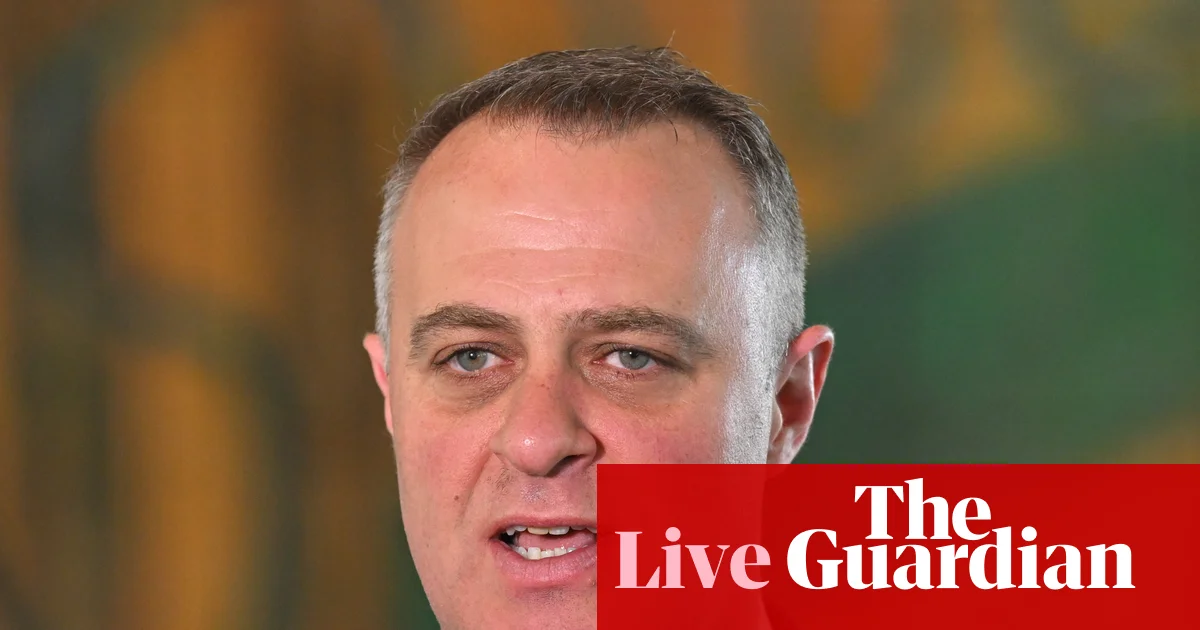
Australia Politics Live: Tim Wilson Snubs Deputy Role as Taylor and Ley Eye Liberal Leadership Spill

Unfolding Geopolitical Shifts and Domestic Turmoil: Australia’s Political Landscape and International Ripple Effects

In recent days, Australia has been engulfed in a tumultuous political saga that underscores the broader geopolitical ramifications of internal party conflicts and leadership disputes. The Liberal Party’s leadership spill — culminating in the contest between Angus Taylor and Sussan Ley — exemplifies the fragility of political allegiances amid global instability. As the world watches, these disputes are more than domestic skirmishes; they are manifestations of wider ideological battles that could reshape regional alliances and influence Australia’s posture on the international stage.

Numerous analysts, including prominent historians and global institutions, highlight how leadership crises like this ripple beyond national borders. The United Nations and wise geopolitical observers warn that such upheavals weaken a nation’s ability to project strength, particularly in the Indo-Pacific, a region increasingly vital amid the shift of global power dynamics toward China and the United States. The outcome of this spill could determine Australia’s future role — whether as a steadfast ally of Western democracies or an errant actor caught in internal discord. Importantly, the internal disunity, vividly illustrated by the backroom dealings and public statements of figures like Jane Hume and Tim Wilson, signals a nation at a crossroads, whose domestic stability directly influences regional security.

  • The leadership ballot, scheduled to commence at 9 am, reflects a deeper contest within the ruling party—one emblematic of the ideological battles shaping the global conservative movement.
  • Figures such as Jacinta Nampijinpa Price and Sarah Henderson show heightened interest in repositioning conservative policies, signaling internal struggles over Australia’s strategic direction.
  • The broader international implications include intensified concerns over freedom of speech and foreign influence, especially as protests unfold over the Israeli president’s visit, symbolizing heightened geopolitical tensions that resonate globally.

Indeed, as Australian leaders grapple with their party’s consolidation or disintegration, global sentiments also hang in the balance. The International Monetary Fund and World Bank have issued cautions about regional stability, emphasizing that internal political crises can impair economic resilience and diplomatic credibility. This week’s events serve as a stark reminder that internal division can undermine a nation’s capacity to navigate the complex currents of international diplomacy and economic competition. The appointment of Bruce Preston to the Reserve Bank’s interest rate committee signals a pivot toward technical expertise, yet the chaos within the Liberal ranks underscores the volatility that continues to define Australian politics. As the nation votes to determine its future leadership, historians caution that today’s decisions are shaping a history where internal upheavals are the harbingers of larger shifts.

In a world where national sovereignty is increasingly tested by external forces, Australia’s internal crises echo broader themes of resilience and vulnerability. The protests by the Jewish community and others against Herzog’s visit exemplify the societal fractures—a microcosm of the geopolitical turbulence that characterizes this era. As the dust settles and new leaders emerge, the shadow of history reminds us that these moments of political turbulence are but chapters in a larger narrative—one where the decisions made today will influence the global balance of power for generations to come. The unfolding story of Australia’s leadership contest, intertwined with regional tensions, serves as a stark reminder: in an interconnected world, internal discord can become the catalyst for profound, lasting change.

Palestinian man ousted from Gaza border aid role to challenge EU decision

The European Union, long heralded as a beacon of international cooperation and diplomacy, finds itself embroiled in a legal controversy that underscores the complex intersections of geopolitics, national laws, and human rights. Mohammed Baraka, a Palestinian man who served at the EU border assistance mission (EUBam) in Rafah since 2006, has filed a lawsuit in a Belgian court, alleging discrimination and breach of Belgian employment law. His case illuminates the often overlooked domestic repercussions of international policy and the repercussions of decisions made within the EU’s diplomatic machinery amid ongoing regional conflicts.

During the escalation of the conflict in Gaza, the EU had evacuated Baraka to Cairo, along with other colleagues in the West Bank, as part of a broader effort to safeguard its personnel. However, subsequent to the EU’s decision to close the Rafah office, Baraka was dismissed earlier this year, despite his longstanding service. His legal representative, Selma Benkhelifa, contends that Baraka’s firing was not based solely on security concerns but was victim to discriminatory practices, asserting that other colleagues—of different nationalities—were transferred rather than dismissed outright. The lawsuit hinges on claims that the EU’s practice of renewing fixed-term contracts for personnel in Lebanon and Gaza violates Belgian labor laws, which stipulate that after three consecutive contracts, employees must be made permanent. This contractual loophole, as argued, permits international institutions to circumvent workers’ rights and public policy protections, leading to what Baraka’s team characterizes as systematic exploitation.

This legal battle exposes a broader geopolitical impact that resonates well beyond the courtroom. Belgium, often considered a hub for European diplomacy and bureaucratic influence, faces scrutiny for enabling such practices that undermine national labor standards. Critics and analysts warn that EU institutional flexibility—crafted under the guise of operational efficiency—may be eroding the very legal safeguards that uphold workers’ protections across member states. International organizations like the International Labour Organization (ILO) have long emphasized the importance of safeguarding workers’ rights, particularly in conflict zones where international institutions are operating as quasi-sovereign entities. This case amplifies the debate about how international diplomacy sometimes conflicts with domestic legal frameworks, affecting not just individual lives but also the integrity of international law itself.

The fallout from Baraka’s case extends into the realm of international diplomacy and regional stability. As Israel and Palestine continue to be mired in conflict, the EU’s role as a mediator and aid supporter faces increased scrutiny. The decision to close the Rafah office—a move justified on security grounds—raises questions about transparency and accountability. The European Commission, declining to comment officially, leaves unresolved tensions that could influence future EU policy, especially in conflict zones where the line between diplomacy and moral responsibility becomes alarmingly blurred. Many international observers, including historians and consider researchers, warn that these internal disputes threaten to weaken the EU’s moral authority at a crucial juncture.

As history continues to unfold, the impact of this legal confrontation will be felt far beyond Belgium’s borders. The case of Mohammed Baraka serves as a stark reminder that the decisions made in Brussels and other diplomatic capitals are not just abstract policies—they shape the lives of those caught in the crossfire of geopolitics. As the world watches, the question remains: will the EU uphold its promises of justice and fairness, or will it let bureaucratic convenience override human rights? The answer could very well define the future of international cooperation, the rule of law, and the enduring struggle for dignity amidst chaos—leaving behind a legacy that history cannot afford to ignore.

Louvre Heist Suspects Partially Admit Role, Prosecutor Reveals

The recent audacious theft at the Louvre, one of the world’s most iconic cultural institutions, has sent shockwaves through international security and diplomatic circles. On October 19th, four thieves executed a meticulously planned raid, leveraging stolen vehicles and power tools to breach the museum’s defenses during broad daylight. The loss of priceless jewels valued at €88 million not only represents a significant cultural blow to France but also underscores mounting concerns over the security of global heritage sites amidst rising organized crime and militant threats. The arrest of two suspects, both with prior criminal records, signaling a partial breakthrough, has raised questions about the breadth of the gang behind this brazen act.

According to prosecutors, the suspects — both men in their thirties — used a stolen vehicle-mounted lift to access the Louvre’s Galerie d’Apollon, stripping display cases housing some of the crown jewels, including items linked to French imperial history, such as the illustrious Parure Marie-Amélie diadème. The robbers, arriving just after opening hours, were inside for merely four minutes, during which they exploited a disc cutter to shatter display cases and make off with their loot. The escape, orchestrated on scooters and rapid vehicles, illustrates a highly coordinated operation designed to evade authorities. Paris prosecutor Laure Beccuau confirmed that the jewels, including a crown associated with Empress Eugenie, remain missing—damaged during the theft—and highlighted that the gang’s full size and scope remain uncertain, with security officials warning of a possible wider network involved.

International organizations and security analysts have voiced alarm over the implications of such an event for cultural sovereignty. Experts from UNESCO and INTERPOL warn that *theft of priceless artifacts not only impoverishes a nation’s cultural heritage but also profits global criminal syndicates*, fueling underground economies that threaten national stability. The attitude among many youth and international observers is one of concern—highlighting the precariousness of protecting tangible history against organized, well-funded gangs motivated by lucrative black markets. The decision to transfer some of the jewels to France’s Bank of France and to bolster security measures reflects the national government’s recognition of the need for reinforced defenses, though critics argue that this is merely reactive, with deeper systemic issues neglected.

  • The suspected gang’s use of illegal tools and rapid getaway underscores the importance of advanced security measures at cultural landmarks.
  • The vague involvement of potential accomplices or receivers of the stolen items signifies a broader threat to European cultural assets.
  • Analysts like Dr. Jean-Marc Dupont underline that such high-profile crimes are *turning points* in how nations perceive and combat organized crime’s infiltration into cultural institutions.*

As international authorities deepen their investigation, the weighing of foreign intelligence cooperation and domestic security reforms takes center stage. The ongoing debate questions whether, in an era of geopolitical upheaval, cultural treasures are becoming more vulnerable—an unfortunate reflection of a world where history is often a pawn in larger struggles for power. The Louvre heist leaves a haunting reminder: in the complex chess game of geopolitics, moments such as these threaten not only treasures but also the collective memory of nations. The *turning point* remains clear—how countries respond to such assaults will define the security landscape of the future, forging a legacy for generations to come, yet still unfolding in the shadows of history.

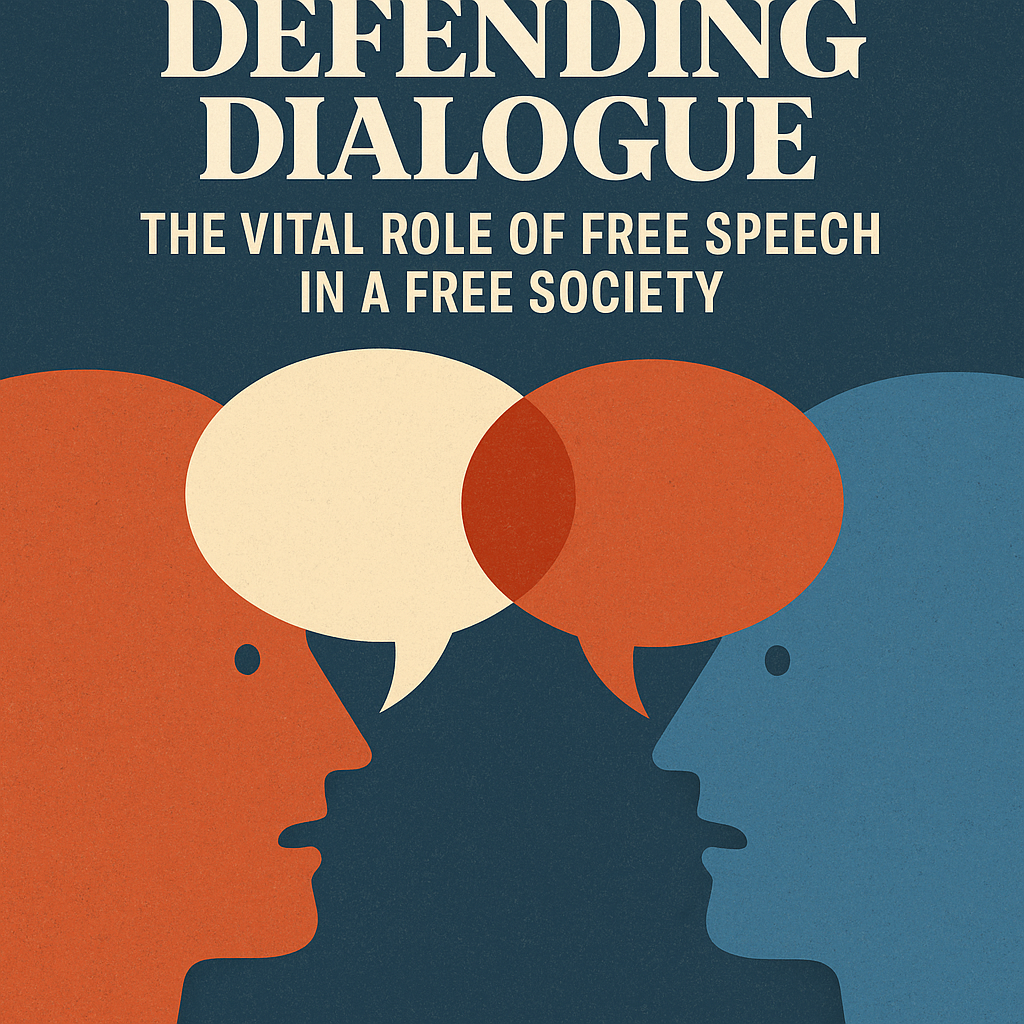
Defending Dialogue: The Vital Role of Free Speech in a Free Society

In an era marked by digital interconnectedness and rapid information exchange, the fundamental importance of free speech in maintaining a vibrant, healthy society cannot be overstated. Critics often posit that unchecked dialogue can foster divisiveness or misinformation, but history and empirical evidence suggest otherwise. John Stuart Mill, in his seminal work On Liberty, argued that the free exchange of ideas is essential not only for discovering truth but for preventing tyranny of the majority. When societies impose undue restrictions on speech, they risk silencing dissent, which can stifle innovation, suppress minority views, and erode the very foundations of democracy. The challenge lies in safeguarding open discourse without allowing harmful content to proliferate, a balancing act that underscores the importance of free and fair dialogue.

Supporters of free speech emphasize that censorship often backfires by driving controversial ideas underground, where they become more difficult to address openly. Economists like Friedrich Hayek have pointed out that free markets of ideas require safeguarding to foster societal progress. Moreover, the digital age has amplified the reach of individual voices, allowing youth-led movements and marginalized communities to challenge entrenched narratives effectively. Nevertheless, critics argue that platforms must moderate content to prevent harm; yet, overreach risks transforming these spaces into echo chambers. Protecting free speech entails constructing boundaries that deter abuse without curtailing authentic debate, a nuanced pursuit that defies simple solutions but remains central to societal resilience.

From a historical perspective, societies that champion liberty of expression tend to experience greater innovation and social cohesion. When citizens are empowered to voice dissent, governmental abuses are held accountable, and policies are scrutinized more effectively. Analysts suggest thatn an environment of robust debate fosters a culture of critical thinking—vital for adapting to complex challenges like technological change or global crises. Limiting speech, on the other hand, can cultivate a climate of conformity, where fear suppresses dissent and free inquiry diminishes. As thinkers like Alexis de Tocqueville observed, “Democratic societies flourish when the individual feels free to speak and think for themselves, even if their views are unpopular.”

Yet, amid the noise and chaos of our digital age, it is essential to remember that free speech is more than a right; it is a moral obligation. It demands responsibility—both from those who exercise it and from societies that protect it. If the future of free societies depends on anything, it is on their ability to defend this sacred space where ideas collide, challenge, and evolve. The weight of this responsibility is immense, for within the marrow of free speech lies the future of human progress itself—an enduring testament to our collective resilience and boundless aspiration, echoing through time as an unbreakable chorus that calls us to remain vigilant and unwavering in the pursuit of truth and liberty.

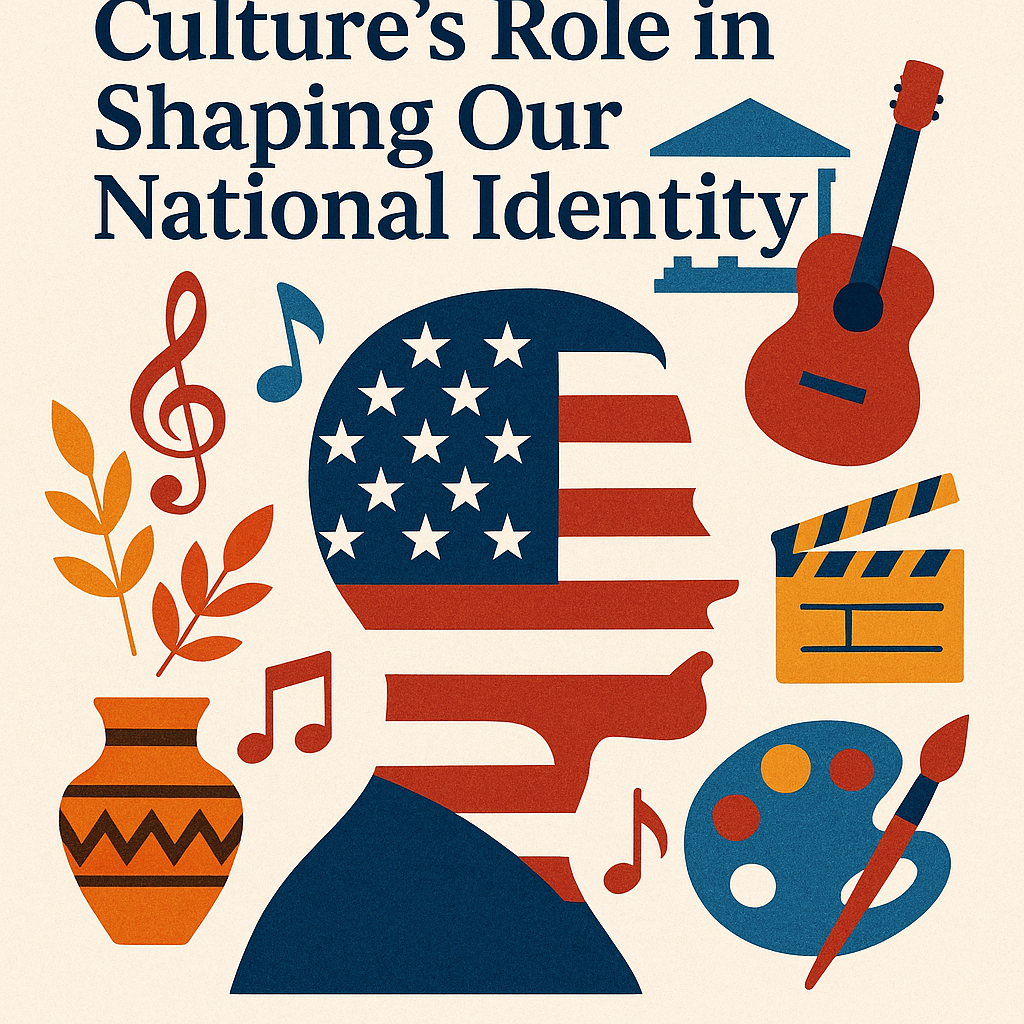
Culture’s Role in Shaping Our National Identity

At the core of a nation’s identity lies its culture — an intricate tapestry woven from history, traditions, language, and shared values. Critics often argue that in an increasingly globalized world, the preservation of cultural distinctiveness becomes a challenge, yet it remains the most powerful force shaping national character. Alexis de Tocqueville famously observed that culture provides the moral fabric that binds individuals to their collective destinies. Today, as nations face pressures from economic and cultural homogenization, it becomes essential to recognize how deeply rooted cultural narratives foster a sense of belonging and reinforce the social cohesion needed for a resilient nation.

Many contemporary analysts suggest that the identity crises faced by modern nations can be traced back to the erosion or neglect of cultural foundations. When policies prioritize economic growth over cultural preservation, societies risk losing their distinctiveness, leading to a dilution of their shared values. This concern has been passionately articulated by thinkers like Samuel P. Huntington, who argued that cultural identities are vital in shaping political stability and social harmony. A nation’s cultural narratives serve as a bridge connecting past, present, and future — fostering a collective memory that guides societal norms and expectations. When these narratives are deliberately marginalized, communities may experience fragmentation, weakening the social fabric that has historically held them together.

Furthermore, educational systems and media serve as battlegrounds for cultural transmission, playing a pivotal role in either strengthening or undermining national identity. Critics note that in many democracies, there is a tendency to soft-pedal the importance of shared cultural values to appease a globalized mindset that champions diversity at the expense of unity. However, as Roger Scruton emphasized, a vibrant national culture is essential for fostering patriotism and civic pride — qualities that underpin societal resilience in times of crisis. It is through the celebration of heritage, language, and traditions that young generations cultivate a deep-seated respect and understanding for their roots, ensuring that the spirit of the nation endures amid tides of change.

Ultimately, the weight of culture in shaping our national future resonates as an almost poetic truth: that in the silent depths of shared stories and customs lies the blueprint for survival and renewal. As history’s currents threaten to drown distinct identities in a sea of sameness, it falls upon each generation to carry the torch of cultural memory. For only then can a nation remain more than just a geopolitical entity — it becomes a living, breathing vessel of collective hope, resilience, and destiny. The future waits patiently in the shadows of history, whispering that a nation’s true strength is not merely in borders or armies, but in the enduring legacy of its cultural soul, beckoning us towards a horizon where identity is not lost but reborn anew in the flames of tradition and innovation alike.

Glasgow University Under Fire for Its Role in Tragedy on Graduation Day

University Failings and the Tragic Loss of Ethan Brown: A Broader Reflection on Society’s Duty of Care

The heartbreaking story of Ethan Scott Brown, a 23-year-old geography student from Glasgow, has ignited widespread concerns about the responsibilities universities hold in safeguarding students’ mental health and well-being. Brown’s family alleges that systemic errors in the university’s assessment process wrongly led him to believe he had failed his degree. Tragically, on his graduation day, December 13, Brown took his own life in his family home, believing he had not achieved the necessary grades to earn his degree. His death exposes not just a university’s internal deficiencies but questions society’s overarching commitment to its young people, especially during vulnerable phases of their lives.

In an internal investigation prompted by fierce pressure from Brown’s family, university officials uncovered serious miscalculations and communication failures. Despite evidence showing Brown had amassed enough marks for a 2:1 honours degree, institutional oversight failed to recognize this, primarily due to confusion surrounding assessment rules. The report revealed that errors went unnoticed by both internal and external review boards, highlighting alarming lapses in academic oversight. Furthermore, the investigation pointed out that Ethan had previously communicated struggles related to his mental health, yet staff failed to direct him towards appropriate support services. This omission underscores a troubling disconnect between academic institutions’ rhetoric about student well-being and their actual policies and practices—often reactive rather than proactive in responding to students’ mental health crises.

Implications for Society and the Erosion of Community Trust

The fallout from Ethan Brown’s death extends beyond individual tragedy, revealing a larger societal crisis that impacts families, education, and community trust. Sociologists like Dr. Michael Levin argue that educational institutions are moral agents responsible for fostering environments where students feel supported, not abandoned. When universities fail to provide essential services—especially during mental health crises—they risk fostering a climate of distrust and alienation among young people. This erosion of trust threatens the very foundation of our communities, where institutions are expected to serve as pillars of support, guidance, and moral responsibility.

Such failures ripple outward, affecting families who lose loved ones to preventable tragedies. For Ethan’s family, the failure to recognize and respond to his distress compounded their grief, leaving them to grapple with the devastating consequences of systemic neglect. Historical figures—like sociologist Émile Durkheim—warned that societal bonds weaken when institutions fail in their moral responsibilities, leading to increased social alienation and mental health crises. The story of Ethan Brown underscores that the true cost of institutional failure is human. It calls for urgent reform that puts the mental and emotional well-being of students at the center of educational policies.

Addressing Systemic Flaws: Toward a More Compassionate Future

  • Implement comprehensive mental health training for staff involved in student assessment and support.
  • Establish clear, proactive communication channels that respond swiftly when students express distress or seek extensions for mental health reasons.
  • Regularly review and audit assessment and support policies to identify and correct systemic gaps.
  • Encourage a culture where student well-being is prioritized without stigma or fear of academic penalty.

As society reflects on Ethan Brown’s story, it’s evident that a profound cultural shift is necessary. Universities must transcend their traditional focus on academic achievement alone, recognizing that the health and safety of students are moral imperatives. Inspired thinkers like sociologist Bell Hooks emphasize the importance of love and care in community building—values that institutions must embody if they hope to restore trust and foster resilience among their students. Society’s challenge lies in creating a landscape where young people are empowered, supported, and valued, ensuring that no tragedy like Ethan’s occurs again. In the quiet hope of change, society must remember that behind every statistic lies a human story—a fragile life with dreams, love, and a voice that deserves to be heard and protected.

Social Media Auto Publish Powered By : XYZScripts.com