Matox News

Truth Over Trends, always!

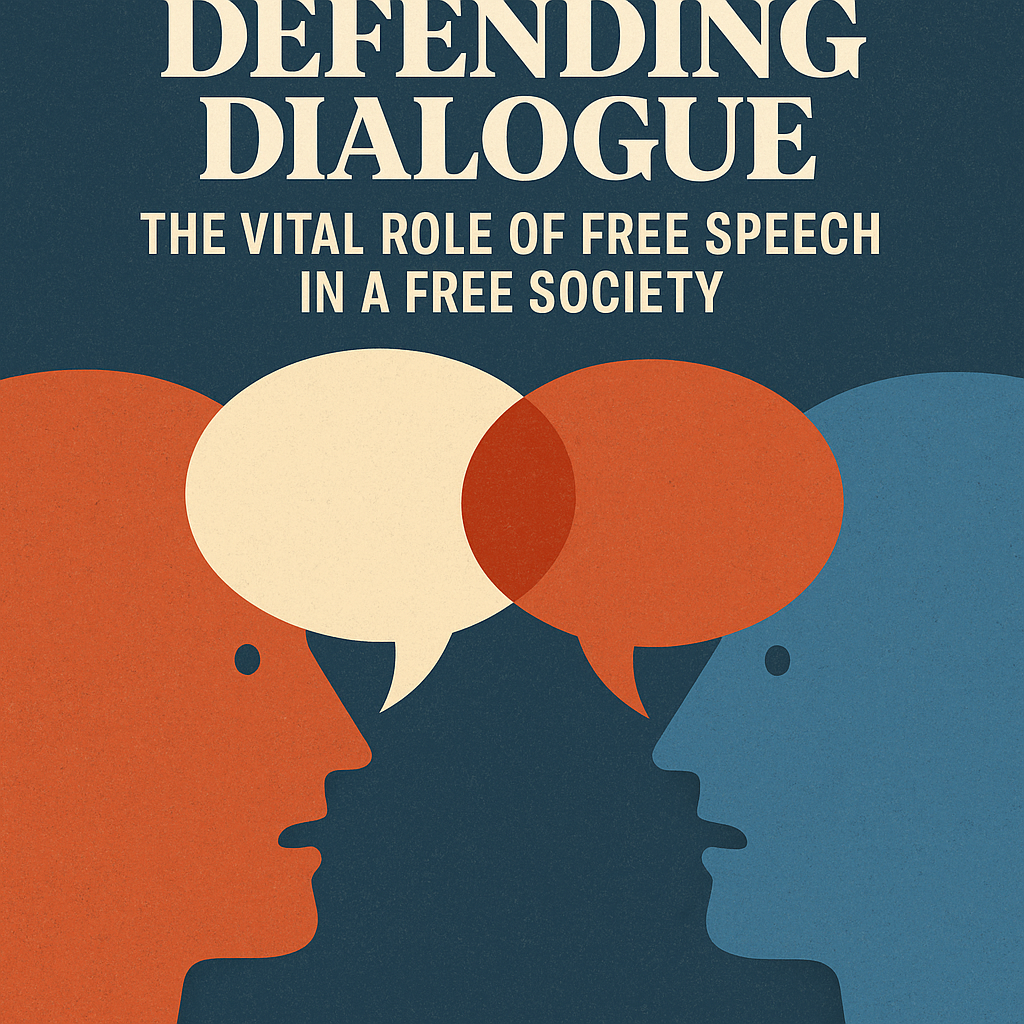
Defending Dialogue: The Vital Role of Free Speech in a Free Society

In an era marked by digital interconnectedness and rapid information exchange, the fundamental importance of free speech in maintaining a vibrant, healthy society cannot be overstated. Critics often posit that unchecked dialogue can foster divisiveness or misinformation, but history and empirical evidence suggest otherwise. John Stuart Mill, in his seminal work On Liberty, argued that the free exchange of ideas is essential not only for discovering truth but for preventing tyranny of the majority. When societies impose undue restrictions on speech, they risk silencing dissent, which can stifle innovation, suppress minority views, and erode the very foundations of democracy. The challenge lies in safeguarding open discourse without allowing harmful content to proliferate, a balancing act that underscores the importance of free and fair dialogue.

Supporters of free speech emphasize that censorship often backfires by driving controversial ideas underground, where they become more difficult to address openly. Economists like Friedrich Hayek have pointed out that free markets of ideas require safeguarding to foster societal progress. Moreover, the digital age has amplified the reach of individual voices, allowing youth-led movements and marginalized communities to challenge entrenched narratives effectively. Nevertheless, critics argue that platforms must moderate content to prevent harm; yet, overreach risks transforming these spaces into echo chambers. Protecting free speech entails constructing boundaries that deter abuse without curtailing authentic debate, a nuanced pursuit that defies simple solutions but remains central to societal resilience.

From a historical perspective, societies that champion liberty of expression tend to experience greater innovation and social cohesion. When citizens are empowered to voice dissent, governmental abuses are held accountable, and policies are scrutinized more effectively. Analysts suggest thatn an environment of robust debate fosters a culture of critical thinking—vital for adapting to complex challenges like technological change or global crises. Limiting speech, on the other hand, can cultivate a climate of conformity, where fear suppresses dissent and free inquiry diminishes. As thinkers like Alexis de Tocqueville observed, “Democratic societies flourish when the individual feels free to speak and think for themselves, even if their views are unpopular.”

Yet, amid the noise and chaos of our digital age, it is essential to remember that free speech is more than a right; it is a moral obligation. It demands responsibility—both from those who exercise it and from societies that protect it. If the future of free societies depends on anything, it is on their ability to defend this sacred space where ideas collide, challenge, and evolve. The weight of this responsibility is immense, for within the marrow of free speech lies the future of human progress itself—an enduring testament to our collective resilience and boundless aspiration, echoing through time as an unbreakable chorus that calls us to remain vigilant and unwavering in the pursuit of truth and liberty.

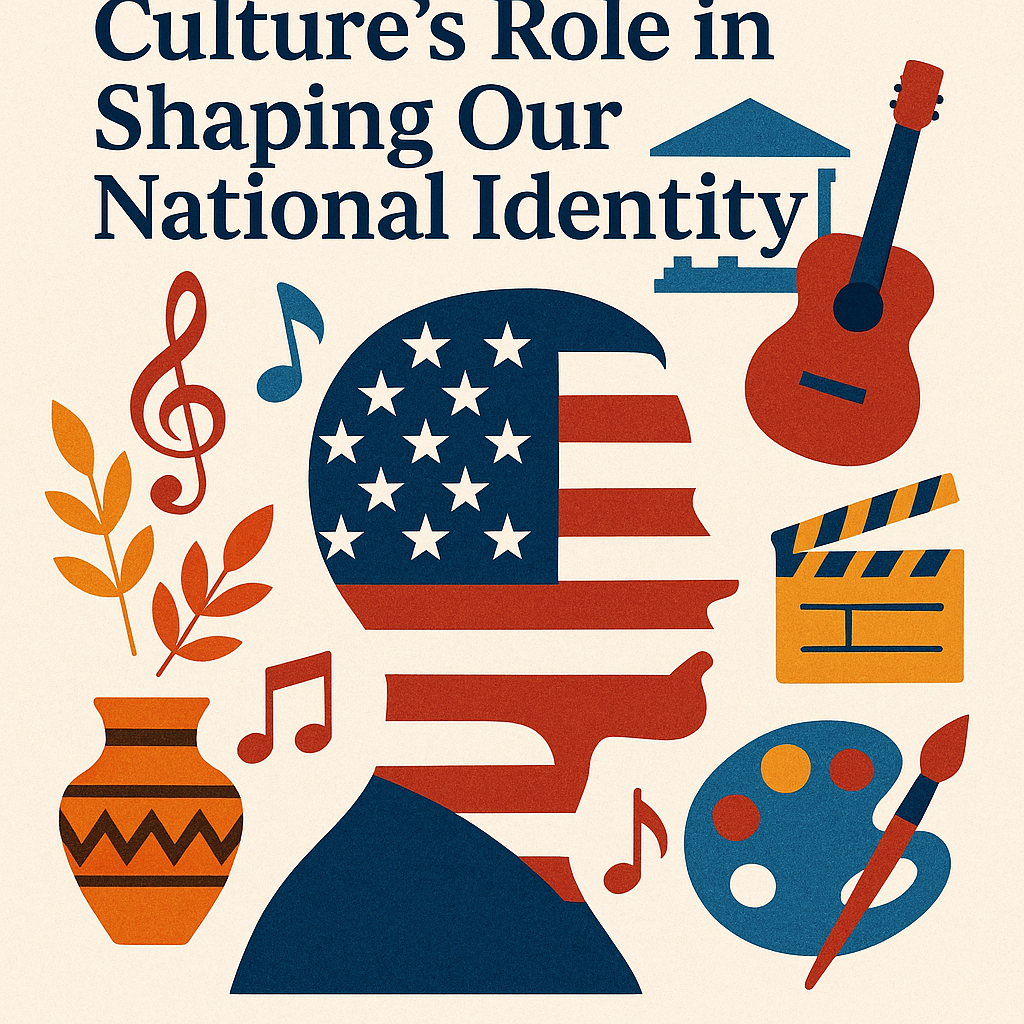
Culture’s Role in Shaping Our National Identity

At the core of a nation’s identity lies its culture — an intricate tapestry woven from history, traditions, language, and shared values. Critics often argue that in an increasingly globalized world, the preservation of cultural distinctiveness becomes a challenge, yet it remains the most powerful force shaping national character. Alexis de Tocqueville famously observed that culture provides the moral fabric that binds individuals to their collective destinies. Today, as nations face pressures from economic and cultural homogenization, it becomes essential to recognize how deeply rooted cultural narratives foster a sense of belonging and reinforce the social cohesion needed for a resilient nation.

Many contemporary analysts suggest that the identity crises faced by modern nations can be traced back to the erosion or neglect of cultural foundations. When policies prioritize economic growth over cultural preservation, societies risk losing their distinctiveness, leading to a dilution of their shared values. This concern has been passionately articulated by thinkers like Samuel P. Huntington, who argued that cultural identities are vital in shaping political stability and social harmony. A nation’s cultural narratives serve as a bridge connecting past, present, and future — fostering a collective memory that guides societal norms and expectations. When these narratives are deliberately marginalized, communities may experience fragmentation, weakening the social fabric that has historically held them together.

Furthermore, educational systems and media serve as battlegrounds for cultural transmission, playing a pivotal role in either strengthening or undermining national identity. Critics note that in many democracies, there is a tendency to soft-pedal the importance of shared cultural values to appease a globalized mindset that champions diversity at the expense of unity. However, as Roger Scruton emphasized, a vibrant national culture is essential for fostering patriotism and civic pride — qualities that underpin societal resilience in times of crisis. It is through the celebration of heritage, language, and traditions that young generations cultivate a deep-seated respect and understanding for their roots, ensuring that the spirit of the nation endures amid tides of change.

Ultimately, the weight of culture in shaping our national future resonates as an almost poetic truth: that in the silent depths of shared stories and customs lies the blueprint for survival and renewal. As history’s currents threaten to drown distinct identities in a sea of sameness, it falls upon each generation to carry the torch of cultural memory. For only then can a nation remain more than just a geopolitical entity — it becomes a living, breathing vessel of collective hope, resilience, and destiny. The future waits patiently in the shadows of history, whispering that a nation’s true strength is not merely in borders or armies, but in the enduring legacy of its cultural soul, beckoning us towards a horizon where identity is not lost but reborn anew in the flames of tradition and innovation alike.

Glasgow University Under Fire for Its Role in Tragedy on Graduation Day

University Failings and the Tragic Loss of Ethan Brown: A Broader Reflection on Society’s Duty of Care

The heartbreaking story of Ethan Scott Brown, a 23-year-old geography student from Glasgow, has ignited widespread concerns about the responsibilities universities hold in safeguarding students’ mental health and well-being. Brown’s family alleges that systemic errors in the university’s assessment process wrongly led him to believe he had failed his degree. Tragically, on his graduation day, December 13, Brown took his own life in his family home, believing he had not achieved the necessary grades to earn his degree. His death exposes not just a university’s internal deficiencies but questions society’s overarching commitment to its young people, especially during vulnerable phases of their lives.

In an internal investigation prompted by fierce pressure from Brown’s family, university officials uncovered serious miscalculations and communication failures. Despite evidence showing Brown had amassed enough marks for a 2:1 honours degree, institutional oversight failed to recognize this, primarily due to confusion surrounding assessment rules. The report revealed that errors went unnoticed by both internal and external review boards, highlighting alarming lapses in academic oversight. Furthermore, the investigation pointed out that Ethan had previously communicated struggles related to his mental health, yet staff failed to direct him towards appropriate support services. This omission underscores a troubling disconnect between academic institutions’ rhetoric about student well-being and their actual policies and practices—often reactive rather than proactive in responding to students’ mental health crises.

Implications for Society and the Erosion of Community Trust

The fallout from Ethan Brown’s death extends beyond individual tragedy, revealing a larger societal crisis that impacts families, education, and community trust. Sociologists like Dr. Michael Levin argue that educational institutions are moral agents responsible for fostering environments where students feel supported, not abandoned. When universities fail to provide essential services—especially during mental health crises—they risk fostering a climate of distrust and alienation among young people. This erosion of trust threatens the very foundation of our communities, where institutions are expected to serve as pillars of support, guidance, and moral responsibility.

Such failures ripple outward, affecting families who lose loved ones to preventable tragedies. For Ethan’s family, the failure to recognize and respond to his distress compounded their grief, leaving them to grapple with the devastating consequences of systemic neglect. Historical figures—like sociologist Émile Durkheim—warned that societal bonds weaken when institutions fail in their moral responsibilities, leading to increased social alienation and mental health crises. The story of Ethan Brown underscores that the true cost of institutional failure is human. It calls for urgent reform that puts the mental and emotional well-being of students at the center of educational policies.

Addressing Systemic Flaws: Toward a More Compassionate Future

  • Implement comprehensive mental health training for staff involved in student assessment and support.
  • Establish clear, proactive communication channels that respond swiftly when students express distress or seek extensions for mental health reasons.
  • Regularly review and audit assessment and support policies to identify and correct systemic gaps.
  • Encourage a culture where student well-being is prioritized without stigma or fear of academic penalty.

As society reflects on Ethan Brown’s story, it’s evident that a profound cultural shift is necessary. Universities must transcend their traditional focus on academic achievement alone, recognizing that the health and safety of students are moral imperatives. Inspired thinkers like sociologist Bell Hooks emphasize the importance of love and care in community building—values that institutions must embody if they hope to restore trust and foster resilience among their students. Society’s challenge lies in creating a landscape where young people are empowered, supported, and valued, ensuring that no tragedy like Ethan’s occurs again. In the quiet hope of change, society must remember that behind every statistic lies a human story—a fragile life with dreams, love, and a voice that deserves to be heard and protected.

Social Media Auto Publish Powered By : XYZScripts.com