
Matox News

Truth Over Trends, always!

Think You Know Romance Books? Test Your Knowledge and Unlock the Secrets of Love Literature

In an era often characterized by rapid change and shifting cultural landscapes, the enduring popularity of romance literature reminds us that stories of love, passion, and human connection are more than escapism—they are the very threads that weave together the fabric of societal identity. This genre, once dismissed as mere entertainment, functions as a mirror reflecting the timeless values and archetypes that define our civilization. As Ortega y Gasset might argue, culture is the horizon of our existence, and in romance novels, we see these horizons expressed through familiar tropes and myths that persist across generations. Whether it is the rake defying societal norms or the cinnamon roll character embodying innocence and vulnerability, these symbols serve as cultural signposts that ground us in tradition amidst a sea of modern upheaval.

The phenomenon of romance’s broad appeal underscores a fundamental truth: culture shapes identity. The stories we cherish and tell each other forge a collective memory that influences societal expectations and personal aspirations. Chesterton warned of the danger of losing touch with our roots, emphasizing that true progress involves not just innovation but a reaffirmation of tried and true principles. In romance, tropes like the one bed or happy-ever-after encapsulate shared ideals—trust, loyalty, hope—that form the backbone of our cultural narrative. These motifs are not static; they are continually reinterpreted, allowing each generation to renegotiate their significance, yet always anchored to core values that speak to human nature’s unchanging core.

Modern commentators and cultural critics recognize that beneath the surface lies a profound dialogue with the past. In T.S. Eliot’s reflection on tradition and innovation, we find a parallel to the way romance writers subvert or adhere to classic tropes to fresh effect. The genre’s ability to adapt—by exploring themes from forced proximity to spice levels—demonstrates that culture evolves while remaining rooted in its foundational stories. It is through these stories that society not only preserves its identity but also projects its hopes and fears onto future generations. Ultimately, these tales are a form of cultural memory—a repository of the collective wisdom amassed over ages, inspiring new visions of love and humanity while acknowledging the timeless human condition.

As we look to the horizon of human history, we sense that culture is both our memory and prophecy, a reflection of who we are and a promise of who we might become. The stories and symbols that endure are more than entertainment—they are the poetic echoes of our shared destiny, whispering that amid chaos, it is love, connection, and tradition that give life its deepest meaning. In the dance of culture and time, we find ourselves not only recalling our history but also shaping our future, as the enduring stories remind us that, at our core, we are creators of meaning—bound by memory, propelled by hope.
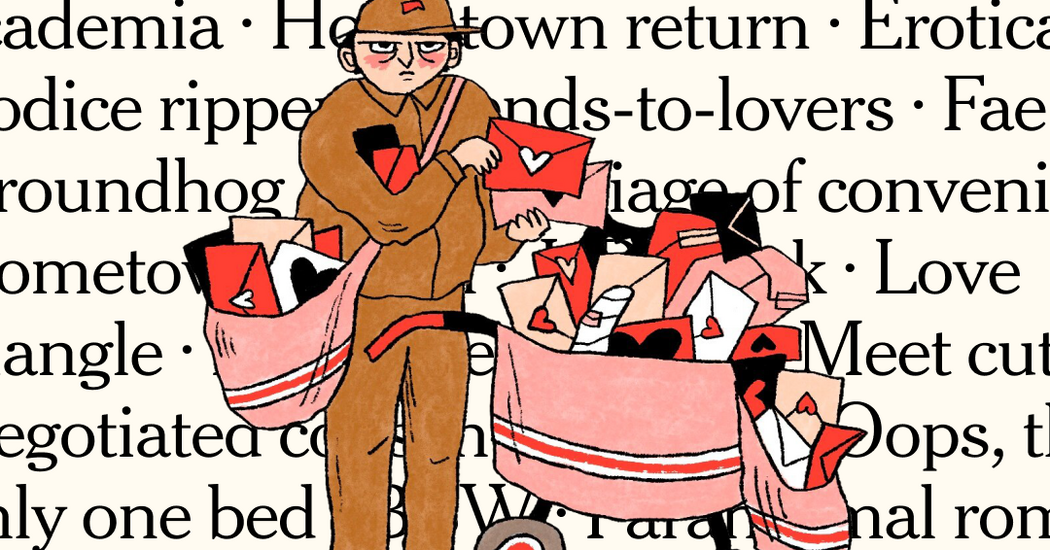

Romance Glossary: Your Essential A-Z Companion to Explore The Hottest Tropes and Themes for Your Next Read

Culture remains the enduring fabric that both anchors and propels human identity through the tumult of history. In a world increasingly driven by rapid technological change and shifting moral paradigms, the significance of cultural continuity and tradition cannot be overstated. As Ortega y Gasset once remarked, “The essence of culture is the continuity of the collective spirit, a shared memory that preserves our identity amid chaos.” It is through this collective memory—embodied in art, literature, and shared rituals—that societies forge their sense of self, anchoring fleeting individualism in the perennial bedrock of tradition.

Throughout the ages, culture has served as both mirror and prophet of societal values. The classical civilizations of Greece and Rome established foundational notions of philosophy and civic virtue that echo through Western thought. Yet, history also demonstrates that the erosion of cultural foundations often precipitates societal decline. Tocqueville’s analysis of American democracy warned of cultural complacency leading to egalitarian flattening, which undermines the aristocratic virtues necessary for social vitality. Today, the assault on traditional cultural touchstones—be it through the commodification of art or digital fragmentation—poses a profound threat to societal cohesion. If we forget our cultural roots, as Chesterton cautioned, we risk becoming strangers in our own histories, losing ourselves in the labyrinth of superficial novelty.

Indeed, the battle to preserve and cultivate culture is, at its core, a fight for identity, purpose, and continuity. Literature and art, from the Great Masters to contemporary voices, serve as repositories of collective memory and beacons of cultural prophecy. Philosophy, too, plays a vital role—challenging and inspiring us to understand who we are and who we might become. T.S. Eliot’s reflection that “The past should be altered by the present as much as the present is directed by the past” underscores the dynamic relationship between tradition and innovation. It reminds us that culture is not static but a living dialogue—an ongoing conversation that sustains our sense of who we are as a society and points toward who we might become.

As we stand at the crossroads of progress and preservation, let us remember that culture is both memory and prophecy. It whispers the stories of ancestors and foretells the possibilities of future generations. In the end, the purpose of culture is neither mere nostalgia nor blind innovation but the sacred endeavor of shaping a human narrative worthy of remembrance and aspiration—a testament that, even amid upheaval, our identity finds its voice in the enduring song of human achievement.

Social Media Auto Publish Powered By : XYZScripts.com


