Matox News

Truth Over Trends, always!

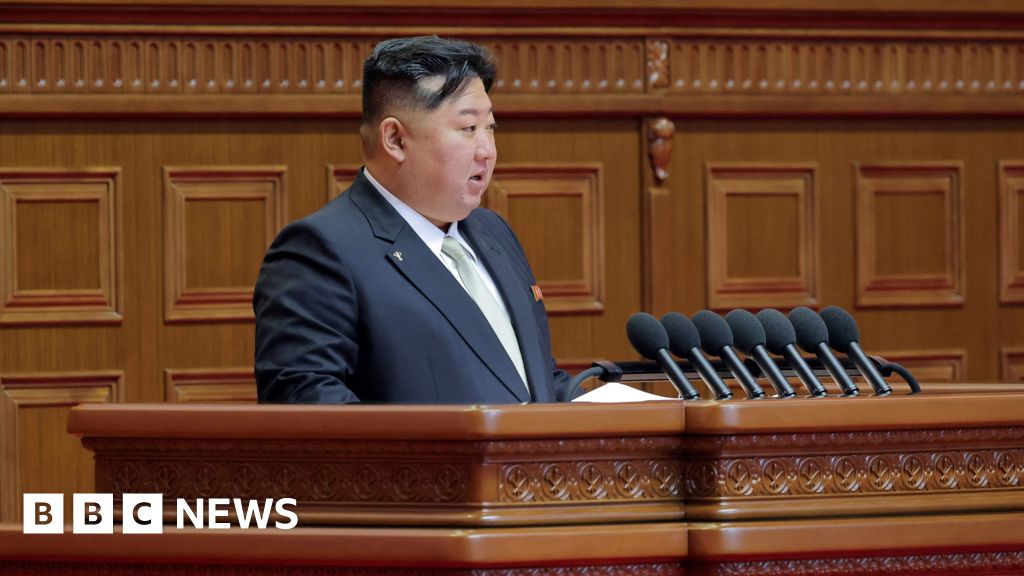
Kim Jong Un stays in power, leading North Korea’s ruling party once again

Kim Family’s Enduring Grip Continues Amidst Surrounding Global Uncertainty

The recent declaration by North Korea’s ruling party congress has reaffirmed the unwavering authority of the Kim family dynasty, a political reality that has persisted since the 1940s. While this reaffirmation may seem predictable to observers familiar with the regime’s history, the international community cannot dismiss the significance of this repeated consolidations of power in the context of an increasingly unpredictable geopolitical landscape. The Kim family’s control over North Korea’s political, military, and economic spheres remains a central factor shaping regional stability and global security dynamics.

Although the Kim regime’s leadership continuity is often seen as a static feature, analysts emphasize its underlying implications for regional deterrence and diplomatic engagement. The party congress, held amidst rising tensions and a shifting international order, signals that Pyongyang is prepared to maintain its stance of strategic ambiguity alongside its pursuit of nuclear advancements. This decision comes at a delicate juncture, with geopolitical shifts in Asia and beyond threatening to reshape alliances and conflict zones. Historically, the Kim family’s unwavering grip, despite economic sanctions and international pressure, demonstrates their focus on regime preservation over domestic reform—an approach that ensures North Korea’s position as a nuclear-armed state at the heart of East Asian security calculations.

The international repercussions of this reaffirmed control are profound. Countries such as South Korea, Japan, and the United States assess North Korea’s trajectory based on its internal consolidations of power. In particular, U.S. policymakers and global security analysts warn of potential escalations resulting from the Kim regime’s continued military modernization, which they increasingly perceive as a threat to regional stability. Meanwhile, China and Russia remain cautious, balancing their strategic interests—diplomatically supporting Pyongyang’s sovereignty while emphasizing the need for stability along their borders. These dynamics underscore how a regime firm in its authority can influence trade, security pacts, and diplomatic negotiations, often at the expense of cooperation and peace.

Historically, the Kim dynasty’s resilience underscores the importance of understanding where power lies in North Korea—beyond superficial leadership changes, it is the deep-rooted political machinery that sustains their rule. As noted by geopolitics scholars, such as Prof. Michael Kelly at the University of London, decisions made within the party congress serve as a powerful signal that Pyongyang intends to persist on its chosen path—a path defined by self-reliance and strategic defiance. This determination effectively sends a warning to the world: stability in East Asia remains fragile, held in the balance by a regime that refuses to relinquish its grip on power regardless of external pressures.

Ultimately, the enduring control of the Kim family over North Korea is a narrative that continues to unfold amidst a fraught and unpredictable world stage. The decisions made today—beneath the surface of orchestrated congress speeches—are shaping the future of peace and conflict across a region where history’s shadows loom large. As the global community watches with cautious trepidation, the late 20th-century lessons of resilience meet the urgent demands of a 21st-century geopolitics—reminding us that history’s true power lies in its capacity to shape tomorrow’s uncertain frontier.
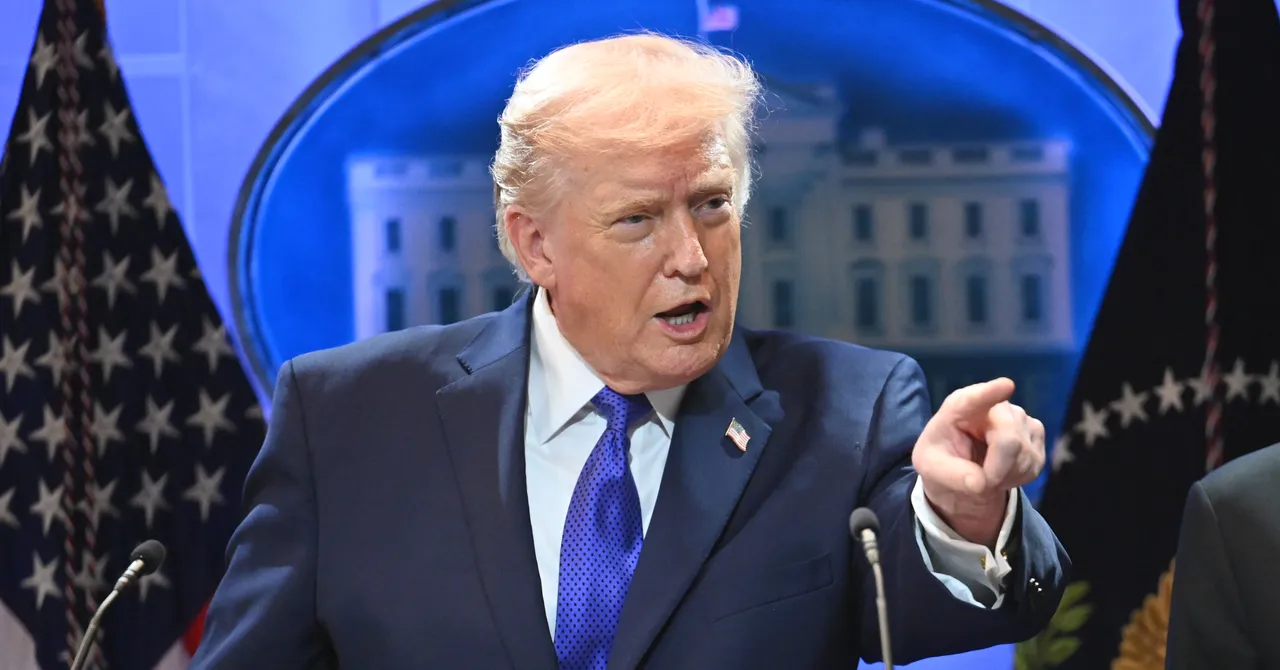
Trump hits back with new tariffs to dodge Supreme Court ruling

US Implements New Tariffs Amid Shifting Trade Policies, Igniting Innovation Risks for Tech Sector

In a bold move that underscores the increasing unpredictability of American trade policy, President Trump has announced a new 10 percent tariff on nearly all imports, effective February 24, 2026. This decision follows a recent Supreme Court ruling that overturned the bulk of tariffs previously imposed last year, highlighting the deepening complexities faced by global supply chains. The policy, rooted in Section 122 of the Trade Act of 1974, grants the administration sweeping powers to impose tariffs during trade deficits, significantly disrupting the established flow of goods—most notably in critical sectors like technology, manufacturing, and raw material sourcing.

The implications for innovation and disruption are profound. With tariffs impacting key components such as semiconductors, rare earth minerals, and critical tech inputs, U.S. industries may face increased costs and supply chain friction. Industry leaders, including giants like Apple and Intel, are already sounding alarms over potential delays and rising expenses that could stifle product development and market competitiveness. For emerging tech startups, these tariffs could represent a barrier to innovation, impeding access to essential foreign supplies and elevating costs at a time when technological leadership is fiercely contested. Less access to affordable components risks undermining the U.S.’s position as a global tech powerhouse, potentially ceding ground to competitors in Asia and Europe who could capitalize on these disruptions.

Furthermore, the strategic deployment of tariffs via Section 122—a rarely used authority—attests to a broader shift in U.S. trade policy. Experts like Gregory Husisian from Foley & Lardner LLP describe this move as a “bridge authority,” designed to leverage temporary measures while preparing for subsequent regulatory maneuvers. In this context, the U.S. government is positioning itself for a protracted battle during which it can invoke other measures, such as Section 301 and Section 232 investigations, to target unfair trade practices or national security threats. These tactics, combined with the suspension of the de minimis exemption, threaten to introduce _massive logistic bottlenecks_ in e-commerce and global trade networks, amplifying costs for consumers and businesses alike.

The broader business implications are unmistakable. As Elon Musk and Peter Thiel have emphasized, technological disruption is not merely about innovation but also about strategic adaptability. The ongoing tariff saga underscores a fundamental warning: in an era where geopolitical tensions escalate, companies must prioritize resilience and agility. The potential for prolonged tariff-related litigation—especially over refund processes and appeals—further amplifies the climate of uncertainty, compelling businesses to adapt swiftly or face obsolescence.

Looking ahead, this policy signals a sharp pivot toward a more protectionist U.S. economy, intensifying the stakes for innovators who rely on global supply chains. Time is of the essence; the window for strategic adjustment is closing swiftly. Industry observers and policymakers alike must recognize that these measures, if sustained or expanded, could reshape the global tech ecosystem—favoring those who innovate swiftly and adapt decisively. As the world watches, the urgency for U.S. companies to rethink supply chain strategies and sharpen their competitive edge has never been greater—an inevitable race toward a future where disruption is the new norm, and only the most agile will thrive.

Tariffs Ruling Deals Blow to Trump's Second-Term Plans
Tariffs Ruling Deals Blow to Trump’s Second-Term Plans

Recent developments in the United States judicial system have sent ripples through the international arena. According to renowned analyst Anthony Zurcher, the Supreme Court has taken measures that significantly diminish former President Trump’s capacity to negotiate and enforce international policies. This judicial pivot marks a critical juncture in US foreign policy, with potential consequences that extend well beyond American borders.

The core issue centers on the Supreme Court’s ruling which effectively constrains the executive branch’s ability to unilaterally engage in certain internationally oriented actions. Historically, US presidents have wielded wide-ranging authority in international diplomacy, often bypassing legislative hurdles through executive directives. However, recent rulings illustrate a shift towards judicial limitation, signaling a more cautious approach to executive power in global affairs. Experts and international organizations, such as the Council on Foreign Relations and the Brookings Institution, have expressed concern that this judicial stance could weaken the United States’ ability to project influence, negotiate treaties, or respond swiftly to global crises.

This legal development carries weighty geopolitical impact. As Washington grapples with domestic legal restrictions, allies and adversaries alike are reassessing the US’s reliability as a diplomatic partner. Countries like Russia and China view this as a signal of internal division, potentially emboldening their own strategic ambitions. Meanwhile, longstanding allies, especially in Europe, are watching these legal shifts closely, considering how forthcoming US actions—laden with legal uncertainty—will influence NATO and broader security arrangements. It is widely recognized among international analysts that legal constraints on unilateral action could inhibit the US from effectively countering rising threats like cyber-attacks, territorial disputes, and emerging military conflicts.

Adding to the complexity, historians caution that this judicial curtailing of executive power echoes a broader trend of institutional checks against prominent leaders, reflecting a delicate balance that has historically defined American democracy. Yet, some see it as a necessary correction to overreach, signaling a maturation of the US legal-institutional fabric. Nonetheless, the decision’s ripple effects may influence future administrations’ capacity to navigate the ever-changing web of international relations, for better or worse. As the world’s attention turns to these unfolding legal and diplomatic shifts, the question remains: what future will this new legal landscape carve in the annals of history?

In the shadow of these pivotal changes, the world holds its breath. The world’s nations, watching as the balance of power teeters on the knife’s edge of legal and political currents, are forced to ask: who will shape the future of global order—nation-states constrained or leadership unleashed? As history continues to write its complex narrative, one thing is certain: the impacts of this judicial decision will resonate across continents, affecting societies, economies, and the very fabric of international relations for generations to come.

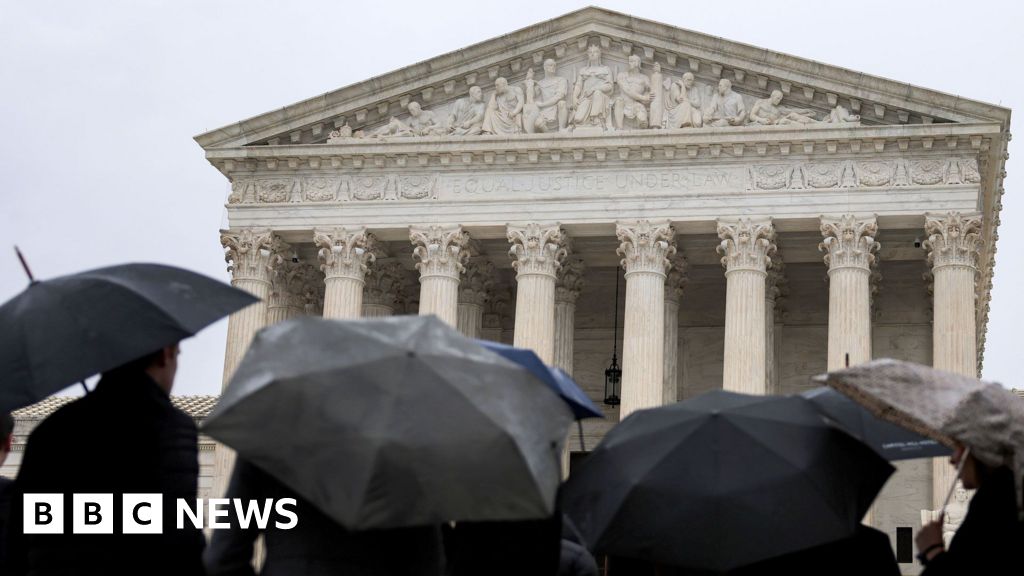
NHS faces increased costs after court ruling over childbirth negligence lawsuits

The Shift in Justice: How Legal Changes Reflect Society’s Moral Reckoning

In recent months, a landmark judicial decision by the UK Supreme Court has sent ripples through the fabric of families, communities, and public health systems. The court’s ruling, which allows children who suffer catastrophic injuries at birth to claim damages for future earnings, marks a profound cultural shift—away from the traditional legal stance that limited such claims—highlighting society’s evolving criteria for justice and moral accountability. The implications of this decision reflect not only a legal milestone but also expose the underlying societal tensions around #healthcare responsibility and social justice.

Lives Changed, Justice Redefined

This ruling comes at a time when the NHS faces escalating financial strains, with liabilities soaring to over £60 billion largely due to medical negligence during childbirth. Families like that of a girl known as CCC, who endured irreversible brain damage due to medical errors, embody the human cost behind the mounting figures. Her family secured a substantial settlement in 2015 but were denied compensation for lost years, a gap now addressed by the recent legal decision. Sociologists like Anthony Giddens might say that this judicial shift signifies a societal move towards recognizing the moral obligation to uphold the rights of vulnerable children—an acknowledgment that justice for the injured extends beyond immediate damages to encompass their entire life trajectory.

Social Challenges and Communities at Crossroads

  • Education and Family: The ruling underscores the importance of education for families about legal rights and healthcare responsibilities, highlighting the need for societal support systems to adapt in tandem with legal reforms. It presents a challenge: how can communities ensure that families, especially those in vulnerable demographics, are equipped with the resources and knowledge to navigate these complex issues?
  • Health System and Policy: The NHS’s increasing liabilities raise questions about preventative care and systemic reform. Social commentators argue that better investment in prenatal care, staff training, and accountability mechanisms could reduce incidents of negligence. The debate now centers on whether policy can keep pace with societal expectations of justice, or if systemic failures will continue to scar generations.
  • Broader Societal Impact: The societal moral fabric is tested as the line between public responsibility and individual rights becomes clearer. This legal evolution could set precedents affecting future cases, ultimately challenging the notion of collective social justice versus institutional liabilities.

As social thinkers like Hannah Arendt have noted, a society’s moral character is defined by how it cares for its most vulnerable. This decision prompts a reflection on whether justice truly operates as a societal equalizer or if it exacerbates disparities in access and awareness.

Reflections on Society’s Journey

The recent landmark ruling embodies a society on the cusp—struggling to reconcile the moral imperatives of compassion with the realities of systemic failure. Beneath the legal language lies a poignant reminder that every societal law is rooted in moral choices. The hope remains that through ongoing dialogue and reform, communities can forge a future where justice no longer leaves behind those most in need, advocating for families damaged by preventable tragedy and reaffirming societal values of accountability, compassion, and resilience. Society’s greatest challenge is transforming this legal milestone into a catalyst for meaningful social change, fostering a community where learning from past errors leads us toward a more just and humane future—a future where society, like a caring parent, must hold itself accountable for every child’s right to a fair start.

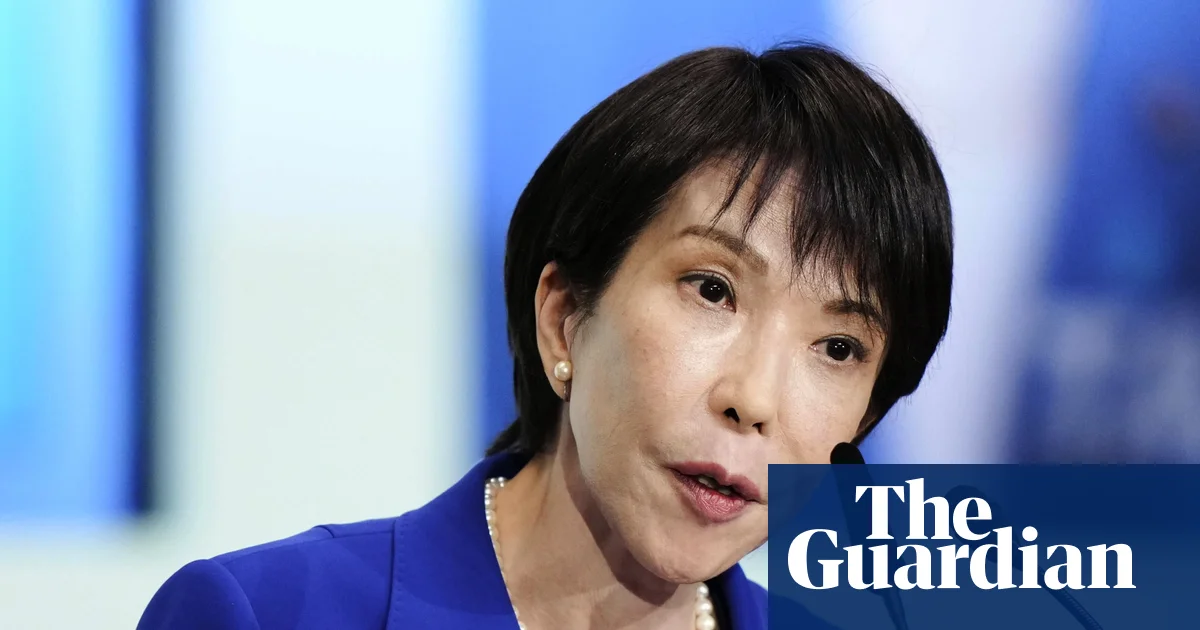
Sanae Takaichi poised to make history as Japan’s first female PM after ruling party victory

Japan stands on the cusp of a historic transformation as Sanae Takaichi emerges as the newly elected leader of the Liberal Democratic Party (LDP). This victory signals not only a significant change in the country’s political landscape but also signals Japan’s reassertion of national sovereignty amid shifting regional dynamics. As Takaichi is poised to become the nation’s first female prime minister, her rise is being watched with keen interest by global observers, policymakers, and security analysts eager to understand the implications for geopolitical stability.

In a political spectrum still anchored in tradition, Takaichi, a staunch right-wing politician, boldly champions policies inspired by Margaret Thatcher. Her election symbolizes a move toward a more assertive national posture, especially amidst escalating tensions in east Asia. Her rise follows a turbulent season for the LDP, which has experienced two decisive electoral defeats over recent months amid corruption scandals and voter dissatisfaction with its handling of economic issues. Despite this, her victory underscores the resilience of Japan’s conservative forces, which remain central to shaping the country’s future direction. Analysts from Tokyo to Washington see her as a leader capable of unifying a fractured party and restoring Japan’s standing as a formidable international power.

The regional security environment has become increasingly volatile. China, Russia, and North Korea continue to challenge Japan’s territorial integrity and strategic interests, necessitating a firm and resolute stance from Tokyo. Takaichi’s foreign policy approach is likely to be hawkish, emphasizing a robust defense posture and multilateral alliances, particularly with the United States. Her firm stance on migration and social policy reflects the country’s ongoing debate over cultural integration and national identity, addressing concerns among younger voters and conservatives alike. With the prospect of Donald Trump’s imminent visit to Japan, the potential recalibration of U.S.-Japan relations looms large, with implications for regional alliances and economic commitments. The decisions made this year will determine whether Japan can assert itself in a world increasingly characterized by unpredictable power shifts.

  • Her immediate challenge will be to forge party unity after years of scandal and electoral losses, necessitating strategic reforms that appeal to both traditionalists and newer generations.
  • Securing public support will also require addressing economic concerns, notably the cost-of-living crisis that has eroded confidence in the ruling establishment.
  • Geopolitical stability in east Asia will hinge on her ability to balance assertiveness against diplomacy, especially as North Korea’s missile tests and China’s maritime assertiveness threaten regional peace.

In the broader context, Takaichi’s ascendancy is a reflection of Japan’s ongoing internal debate over its identity, sovereignty, and role within the global order. Historians such as Ian Buruma warn that the country’s inability to fully embrace gender equality has hampered its political and societal progress. Yet her victory signals a potential shift—perhaps a rekindling of Japan’s national spirit in standing firm against regional pressures. As the world watches, the unfolding chapters of Japan’s re-emergence could redefine the balance of power in east Asia — a continent where the boundaries of diplomacy and military strength are constantly tested. The path forward remains fraught with peril, and as history writes itself anew, the true impact of these decisions will only be measured in the generations to come. The shadow of past wars, historic alliances, and emerging threats looms large, reminding us that the dawn of a new leadership in Japan is not just a political event—it is a moment that could alter the course of history itself.

Social Media Auto Publish Powered By : XYZScripts.com