Matox News

Truth Over Trends, always!

Coup or Con Job? The Truth Behind the Rumors

Guinea-Bissau’s Political Turmoil: A Transition of Uncertainty

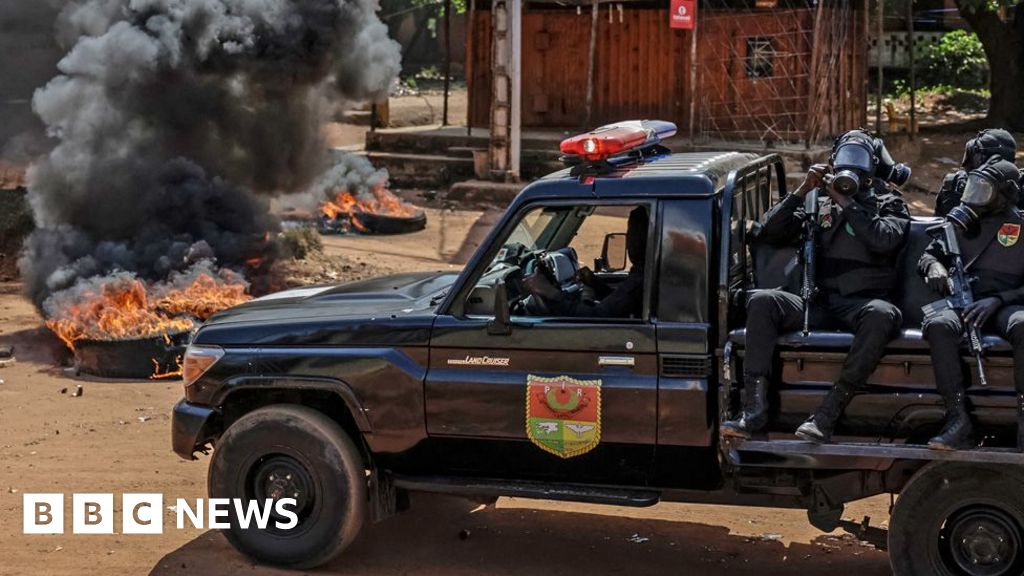
In an unfolding saga that captures the attention of global geopolitics, Guinea-Bissau finds itself once again at a crossroads of military intervention and political upheaval. The West African nation, famed for its history of at least nine attempted and successful coups since independence in 1974, saw a dramatic military takeover last Wednesday, marking yet another chapter in its turbulent history. Military officers announced they had seized control amid gunfire near the presidential palace, arresting President Umaro Sissoco Embaló and reportedly halting the electoral process. These actions have left the international community, particularly regional authorities, grappling with the uncertain legitimacy and potential consequences of this unexpected power shift.

The circumstances surrounding the coup have sparked widespread scrutiny and skepticism among analysts, civil society, and neighboring nations. While the military claimed to act to prevent a foreign-backed plot involving drug traffickers—an accusation that aligns with Guinea-Bissau’s notoriety as a drug trafficking hub—their language was notably ambiguous, insisting they were not executing a traditional coup but were instead thwarting destabilization efforts. The military’s declaration that they had ‘taken control’ yet refused the label of “coup” underscores the complex, often contradictory narratives fueling mistrust about the true motives. International organizations, including the Economic Community of West African States (ECOWAS) and global watchdogs, have urged caution, warning that such instability could further entrench the country’s fragile institutions and undermine regional stability.

The day before the takeover, Guinea-Bissau had concluded a presidential election in which Embaló sought a second term. However, the release of the election results was abruptly suspended following the military’s intervention. Opposition figures and civil society questioned whether Embaló, who quickly flew to Senegal after the coup, might have orchestrated the event to prevent unfavorable election outcomes. Some critics argue that Embaló has a history of fabricating coup attempts to justify authoritarian control, a tactic testified by his dissolution of parliament after previous alleged coup plots. The appointment of military figure Gen. Horta N’Tam as transitional leader—a close ally of Embaló—further fuels suspicions that the current regime is driven more by manipulation and personalities than by genuine democratic intent.

Geopolitical Impact and Societal Consequences

For West Africa, Guinea-Bissau’s ongoing instability signals a warning: fragile democracies easily fall into cycles of military interference, threatening regional security, especially in a time when international powers edge closer to involvement. The international community is watching with concern, wary of a scenario where political chaos facilitates drug trafficking and organized crime, further destabilizing the region’s fragile security landscape. Historians and analysts warn that repeated coups serve as setbacks for national sovereignty and democratic consolidation, with potential for long-term instability that can spill into neighboring countries—exacerbating tensions and worsening social unrest. The swift departure of Embaló to Congo-Brazzaville, coupled with Nigeria’s granting asylum to opposition figure Dias, exemplifies the fluid, unpredictable nature of this crisis and underlines the mounting international stakes.

The reactions from Guinea-Bissau’s populace are a mixture of hope and despair, reflecting a nation exhausted by decades of military meddling. Large protests demand the release of detained political leaders and the publication of election results, signaling a desire for genuine democratic processes. Civil society groups have called for strikes and civil disobedience, advocating for a return to electoral transparency. Yet, the palpable tension underscores a societal fracture; some residents see the military’s intervention as a necessary evil, assuming a temporary transition might restore order amidst chaos. The question remains: will this power vacuum be filled with true authority that steers Guinea-Bissau toward stability or further derail its fragile institutions?

As the world’s eyes fixate on this unfolding crisis, the lessons of history resonate deeply. Guinea-Bissau’s latest events echo the cautionary tales of African nations where military coups frequently derail nascent democracies, leaving scars that take decades to heal. The crossroads before Guinea-Bissau is not merely about who holds power but about the future direction of its society, sovereignty, and regional stability. The decisions made in the coming days—by military leaders, civilian institutions, and international actors—will echo in history, perhaps sealing the fate of a nation caught in the relentless tide of upheaval. This is the hour of reckoning, amid the shadows of past failures and the fragile dawn of renewed hope.
FBI Under Kash Patel’s Watch: Rumors of Fear Stalling Progress, Report Claims

Internal Crisis at the FBI: A Glimpse into U.S. Federal Collapse and Its Global Ramifications

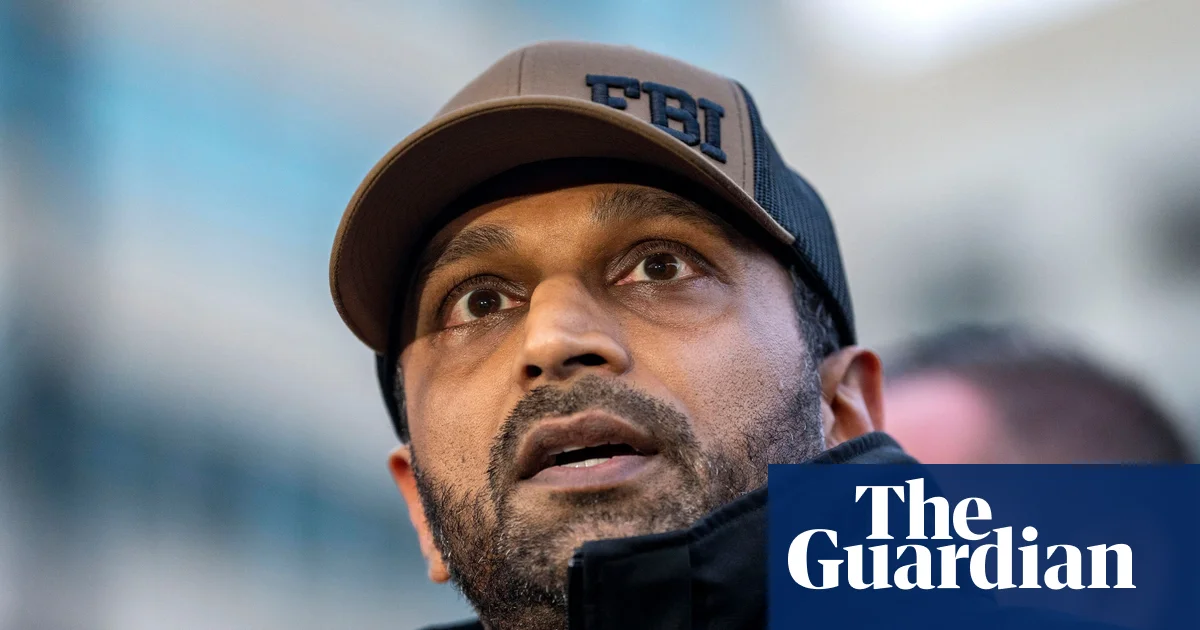
The recent revelations about the Federal Bureau of Investigation (FBI) portray an agency in disarray under the leadership of Kash Patel, painting a troubling picture of internal paralysis, morale plummeting, and a leadership seemingly overwhelmed by the complex demands of modern federal law enforcement. According to a leaked 115-page report compiled by a coalition of retired and active FBI agents, the agency is considered a “rudderless ship,” with staff plagued by fear and a crippling lack of initiative. Such internal strife raises fundamental questions about the state of American federal institutions and their capacity to uphold law & order, especially at a time when global stability hinges on reliable, strong alliances.

This crisis transcends domestic concerns, as international partners grow increasingly wary of U.S. credibility. The report indicates that allied law enforcement and intelligence agencies are worried that the perceived chaos could undermine decades of international cooperation. Analysts emphasize that trust among global allies, especially those involved in counterterrorism and intelligence sharing, is fragile and cannot withstand internal upheaval in American institutions. When a major domestic agency like the FBI falters, it sends ripples across the entire international security architecture—potentially creating a vacuum for adversaries and rogue states to exploit. The report further warns that “long-term damage” to international partnerships may have irreversible consequences, especially if internal divisions stymie Washington’s ability to project stability and leadership on the world stage.

Within the United States, the public trust in federal law enforcement is already strained. The report criticizes Patel’s leadership for lacking experience and for fostering a climate of fear, with managers hesitant to take initiative without explicit directives, effectively turning the bureau into a bureaucratic shell vulnerable to political manipulation. Numerous experts, including prominent historians and security analysts, warn that such internal vulnerabilities are symptomatic of broader erosion in U.S. institutions—a decay that “undermines the very foundations of American sovereignty”. The controversy around Patel’s tenure mirrors a larger trend of political weaponization of federal agencies, which many argue compromises their ability to serve as neutral arbiters of justice. This erosion of institutional integrity risks tarnishing America’s global image as a defender of rule of law and constitutional order.

Cases of misconduct and mismanagement—such as controversial decisions to withhold sensitive information and interpersonal conflicts, including Patel’s allegedly inflammatory outbursts—further fuel concerns about the quality of leadership. Critics point out that such internal discord feeds into the narrative of decline and chaos that adversaries and skeptics are eager to exploit. Yet, amidst these crises, some voices within the political establishment defend Patel, emphasizing efforts to rollback divisive social policies and strengthen immigration enforcement. Nevertheless, the underlying warning remains clear: unless the U.S. can restore confidence and restore order within its premier law enforcement agency, the nation risks becoming a fractured pillar in the global arena—a development that history will remember as a turning point in America’s internal and international decline. The weight of this unfolding story will ultimately depend on whether Washington can stem the tide of internal disorder before it becomes an irreversible chapter in history.

Prince Harry Blames ‘Sabotage’ for Rumors of Tension with King

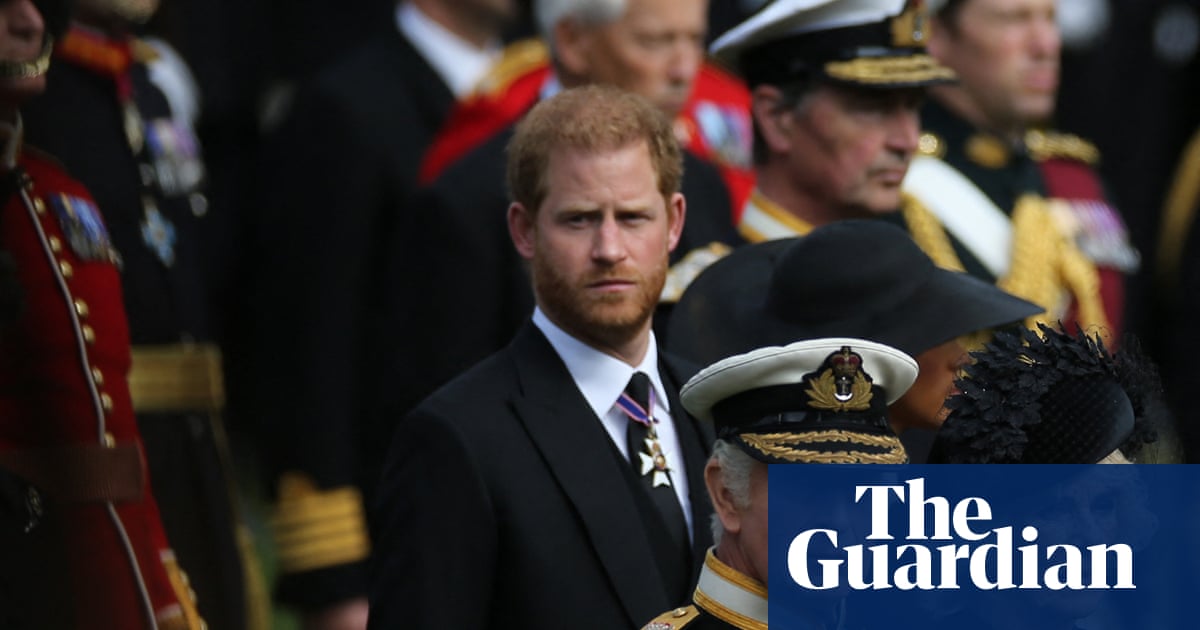
Prince Harry recently made headlines with a rare personal move, suggesting a desire for reconciliation within the British royal family. His meeting with King Charles at Clarence House marks a significant shift after nearly two years of estrangement, reflecting broader themes of family dynamics amidst global scrutiny. The 54-minute private encounter, following Harry’s public expressions of willingness to reconcile, occurred amid ongoing media narratives designed to shape public perception. Harry’s emphasis on the sincerity of his intentions underscores the delicate balance of maintaining intimacy versus public image in a world obsessed with royal drama.

However, this gesture comes under an increasingly scrutinized lens, with media outlets such as The Sun and international analysts dissecting every detail. Harry’s response to reports about gifts exchanged during their meeting—correcting claims that a framed photograph contained images of him and Meghan—highlight the intense media warfare surrounding the royal “family feud”. While Harry’s spokesperson downplayed the significance of the private gifts, the media’s involvement demonstrates how the narrative of royal discord has become a geopolitical tool. As international observers analyze these internal conflicts, the impact extends beyond Britain, influencing perceptions of monarchy and stability across the Commonwealth and beyond.

This ongoing soap opera within the United Kingdom royal family unfolds against a backdrop of increasing geopolitical volatility. King Charles’ recent meetings with foreign leaders, including Anthony Albanese of Australia, exemplify his ongoing efforts to position the monarchy as a symbol of unity amid chaos. Yet, the internal fissures—exposed through Harry’s public statements and the media’s relentless reporting—undermine the royal family’s credibility and, by extension, the soft power they wield. Historians warn that such internal strife can weaken a nation’s diplomatic stature, especially when royal figures serve as international ambassadors. Consequently, domestic upheavals in Britain ripple outward, affecting diplomatic relations, global perceptions, and the space of influence that monarchies hold in a multipolar world.

In a rapidly shifting geopolitical landscape, the internal struggles of the British royal family serve as a mirror to the fragility of traditional institutions in an era of unprecedented change. As Harry’s attempt at reconciliation unfolds amid media frenzy, the international community watches with bated breath—aware that the tides of history are never static but constantly reshaping the power structures of nations. *How these personal dramas unfold will determine not only the future of the monarchy but also serve as a cautionary tale for societies grappling with the erosion of established symbols of authority.* Humanity stands at a crossroads, where familial betrayal and national prestige dance dangerously close, leaving us to wonder: will this chapter be remembered as the beginning of the monarchy’s decline or as an epilogue of resilience amidst chaos? The answers remain hidden in the unfolding pages of history.

Dua Lipa Clarifies Her Stance Amid Rumors of Agent Dismissal over Pro-Israel Opinions

In the ever-evolving landscape of modern culture, we witness a paradox where both its power to elevate human identity and its potential to fracture society are on display. The recent controversies surrounding high-profile figures like Dua Lipa and the Irish group Kneecap serve as potent illustrations of how contemporary artists embody not merely entertainment, but the essential threads woven into the fabric of societal identity. Culture, after all, is not a mere collection of trends; it is the very memory of a civilization, rooted in its past, yet prophetically shaping its future. When Dua Lipa publicly disavows false media narratives surrounding her association with political allies, she reclaims her voice amid a chaotic media landscape eager for sensationalism—a landscape that often forgets that culture is the dialogue of society through the ages. Her stand highlights the ongoing struggle to preserve a sense of authenticity and moral clarity in an era awash with clickbait and division, mirroring the philosophical insights of Ortega y Gasset who warned that the crucial task of culture is to maintain the continuity of identity amid relentless change.

The performance of Kneecap at Glastonbury underscores the tumult of artistic expression in a society that is increasingly divided along political lines. Despite calls for the band’s exclusion due to their political statements, they performed undeterred, leading chants such as “Free Palestine”. This act becomes emblematic of how music, as an art form, is intertwined with societal struggles—an echo of the cultural movements that redefine national consciousness, from the folk ballads of tradition to the rebellious chords of modern protest. Historian Tocqueville observed that democratic societies are often defined by their capacity to allow free expression, even when such expressions threaten social cohesion. Kneecap’s defiance and the public’s response reveal a society grappling with its identity—whether to uphold the chaos of free speech or to impose order through censorship. These moments remind us that culture is both a reflection and a forge of communal bonds; it is the voice of tradition echoing through the chaotic streets of progress.

Furthermore, the tone of these conflicts extends into the broader cultural debate surrounding values, moral judgment, and the role of influence. Dua Lipa’s vocal support for Gaza reflects a conscientious stance rooted in traditional notions of justice and human dignity—values that resonate deeply within Western cultural history. Yet, her stance also exemplifies how modern outlets are turning these spiritual convictions into symbols embroiled in a media tempest. Just as Chesterton warned of the peril of a society losing its moral bearings, the current cultural climate shows that once morality becomes politicized, it often devolves into a battleground for narratives that threaten the cohesion of society. The essence of this cultural moment lies in whether we defend the integrity of these shared values or allow them to be exploited for transient political gains. As history and philosophy suggest, when a nation’s culture is under threat, it is its shared memory and enduring principles that serve as the bulwark of stability and identity.

In contemplating this turbulent dance of culture, morality, and identity, we are reminded that the true significance lies beyond the spectacle; it resides in the silent, enduring memory of our ancestors and the prophetic visions of future generations. Culture is both the inheritance we cherish and the prophecy we forge. It is a living archive of humanity’s highest ideals and a testament to the resilience of the human spirit in its endless quest for meaning. As T.S. Eliot eloquently suggested, understanding the past is vital to shaping a future that respects its roots; for in the memory of human endeavors, we discover the blueprint of possibility. Culture, therefore, is neither static nor trivial—it is the heartbeat of civilization, echoing through time, whispering of humanity’s boundless potential to reconcile memory with prophecy, tradition with transformation.

Social Media Auto Publish Powered By : XYZScripts.com