
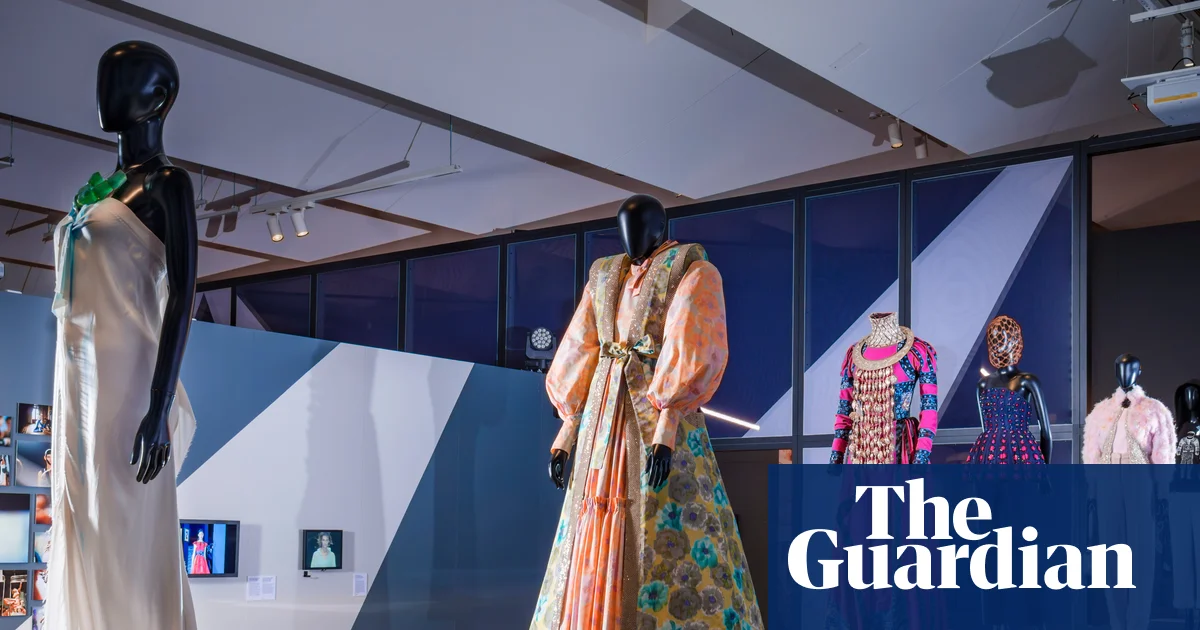

Since its inception, the fashion industry has served as a mirror reflecting and shaping societal shifts—yet few segments showcase this relationship as vividly as the evolution of the catwalk. The new exhibition, “Catwalk: The Art of the Fashion Show”, now on display at the V&A Dundee, makes this undeniable connection clear. Tracing a history over more than a century, it highlights how the runway has transitioned from elite salons to a global spectacle that influences everything from our wardrobes to social norms. It’s undeniable: fashion’s runway isn’t just about clothes; it’s a cultural institution that roars at the heart of societal change.
The exhibition offers a compelling journey—from the early days of mannequins vivants in the 1850s—a precursor to the modern model—to the theatrical, stunt-filled shows of today. Visitors can view iconic props, including Karl Lagerfeld’s autumn/winter 2018 Chanel rocket launch set against a backdrop of models and designers pushing the boundaries of spectacle. This transformation, according to fashion critics and sociologists like Dr. Olivia Powell, demonstrates how the runway has evolved into a platform for pushing social and cultural narratives. Whether it’s the rebellious metal mirror dress by Paco Rabanne or the provocative protests staged through runway parades, the fashion show has become a form of social dialogue that resonates far beyond the runway lights.
- **The digital age** has accelerated this trend, turning the runway into a multi-screen, livestreamed event accessible to millions worldwide.
- **Luxury conglomerates** of the late 20th century transformed fashion shows into battlefields of branding and aspirational marketing, with high concept stunts like Chanel’s space-themed extravaganza or Balenciaga’s oddball invitations capturing headlines and social media feeds alike.
- **Local heritages**, like Scotland’s rich history of fashion, are now woven into this tapestry, with the Dundee exhibition showcasing designers such as Christopher Kane and Nicholas Daley—highlighting that fashion’s story is truly global but also deeply rooted in local identity.
What makes this trend particularly compelling is its social democratization. Despite the exclusivity of front-row seats, the backstage process reveals a collaborative, creative chaos—wigs, makeup, and design work done in concert—highlighting how fashion increasingly reflects collective efforts. This *shared* creative process suggests that the essence of fashion’s cultural impact isn’t just in the finished product but in its creation as a community of artists, makers, and thinkers. As fashion historian Svetlana Panova points out, the runway is now a “public stage,” open to interpretation, critique, and participation across social media platforms, blurring the lines between insiders and outsiders.
But as fashion shows become more of a spectacle—filled with flying rockets, layered costumes, and wild invitations—the questions about the *future* of fashion’s cultural role emerge. Are these trends a fleeting flash or a lasting testament to society’s appetite for spectacle and storytelling? More importantly, as digital realms continue to shape the industry, the next great question is: will the fashion show’s power to influence society endure in a world increasingly driven by virtual experiences and fleeting trends? In this age of rapid change, one thing remains clear: the runway has always been about more than just clothes. It’s a mirror held up to society, and perhaps, as the exhibition suggests, everyone is already on the guest list for what’s next.”







