Matox News

Truth Over Trends, always!

Putin and Modi Prepare to Meet Amid Rising Challenges for Russia and India

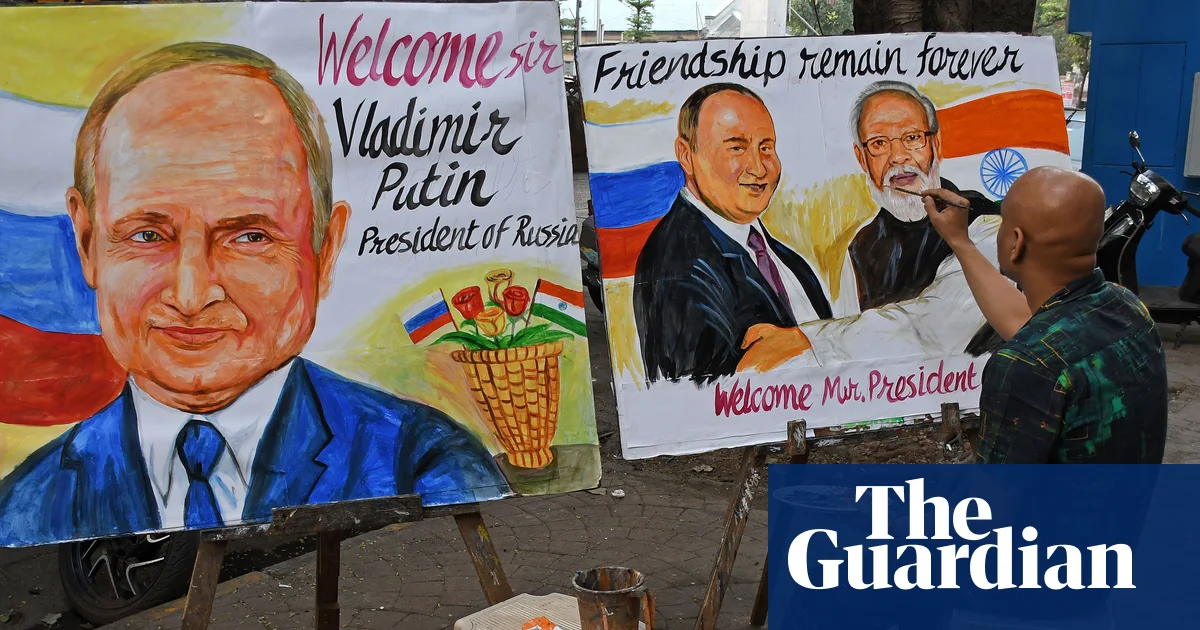
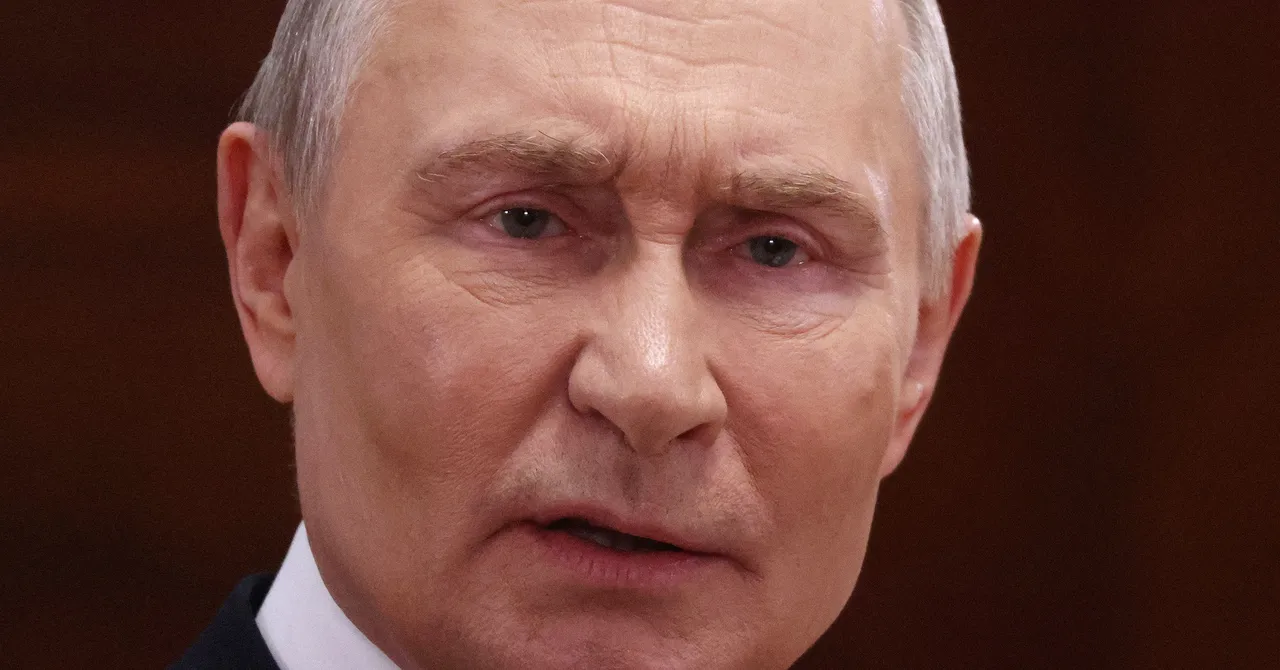
In a display of resilience and strategic recalibration, Vladimir Putin recently traveled to India, marking a significant moment in the ongoing reshaping of international alliances. This visit, occurring against the backdrop of an increasingly tense global scene, underscores the enduring importance of India’s relationship with Russia amidst escalating pressures from the United States and its allies. Just four years ago, Putin’s previous visit to India reflected a world still in relative balance, where Moscow maintained a perceived closeness to Delhi. However, subsequent years have seen dramatic shifts—culminating in Russia’s invasion of Ukraine, which transformed Putin into a pariah on the world stage and resulted in widespread sanctions, travel bans, and diplomatic isolation.

The importance of Putin’s current trip neither merely symbolic nor superficial: it is an emphatic message that Russia is carving out a path toward international normalization despite Western efforts to isolate it. According to analysts like Petr Topychkanov of the Stockholm International Peace Research Institute, the very fact that Putin is on the diplomatic trail signals a tangible shift—“Russia is no longer anxious about political isolation.”

For India, the stakes are different but equally vital. Navigating a complex geopolitical landscape marked by a semi-isolationist America, a weakened Russia, and an increasingly assertive China presents a delicate balancing act. As Aparna Pande of the Hudson Institute notes, New Delhi’s policy has shifted towards “hedging,” signaling to the world that, despite deeper ties with Moscow, India retains multiple options should the geopolitical winds shift. India’s strategic dependence on Russia for military hardware remains significant, yet it has also sought to diversify, reducing reliance from approximately 70% to below 40% in recent years—an effort to safeguard itself from external pressures, especially from China.

The geopolitical significance of the India–Russia relationship extends beyond mere trade, primarily rooted in security concerns. India’s historic reliance on Moscow’s defense industry, especially for advanced weaponry like the S-400 missile systems and Sukhoi jets, is balanced with a nuanced diplomatic approach that aims to avoid complete dependency. While upcoming talks between Putin and Modi are likely to focus on military supplies, they also illustrate a relationship defined by a core realism rooted in geographic necessity. As Pande remarks, the alliance is “based on pure realpolitik,” with India actively maneuvering to ensure that its strategic interests remain intact, even as Moscow deepens ties with Beijing.

The question of oil

Amid these strategic moves, the energy sector remains a crucial battleground. India has historically purchased large quantities of Russian oil—around 70% of its defense procurement from Moscow—yet recent Western sanctions seek to curtail those exchanges. As a response, India has begun importing more from the United States and the Middle East, aiming to reduce reliance on Russian energy supplies. Nevertheless, Putin’s spokesperson Dmitry Peskov has emphasized that despite obstacles, economic and energy cooperation will continue, asserting Moscow’s technological resilience in bypassing Western sanctions.

Within this shifting landscape, India’s diplomatic dance remains precarious. While it seeks to maintain its longstanding ties with Russia, it also recognizes the growing threat posed by China, making balancing relationships an existential priority. The very fabric of international relations is being rewritten, with each decision echoing through the corridors of power, impacting societies and the global order. As the world collectively wrestles with the consequences of war, sanctions, and diplomatic brinkmanship, history continues to unfold—its narrative uncertain, yet undeniably profound. In this complex chess game, the path forward remains clouded, and the true impact of Putin’s visit to India will be felt in the days—and perhaps decades—to come, as nations try to navigate the chaos of a redefining world.
Russia’s Mega Missile Showdown: Powerful But Crashing on the Frontlines

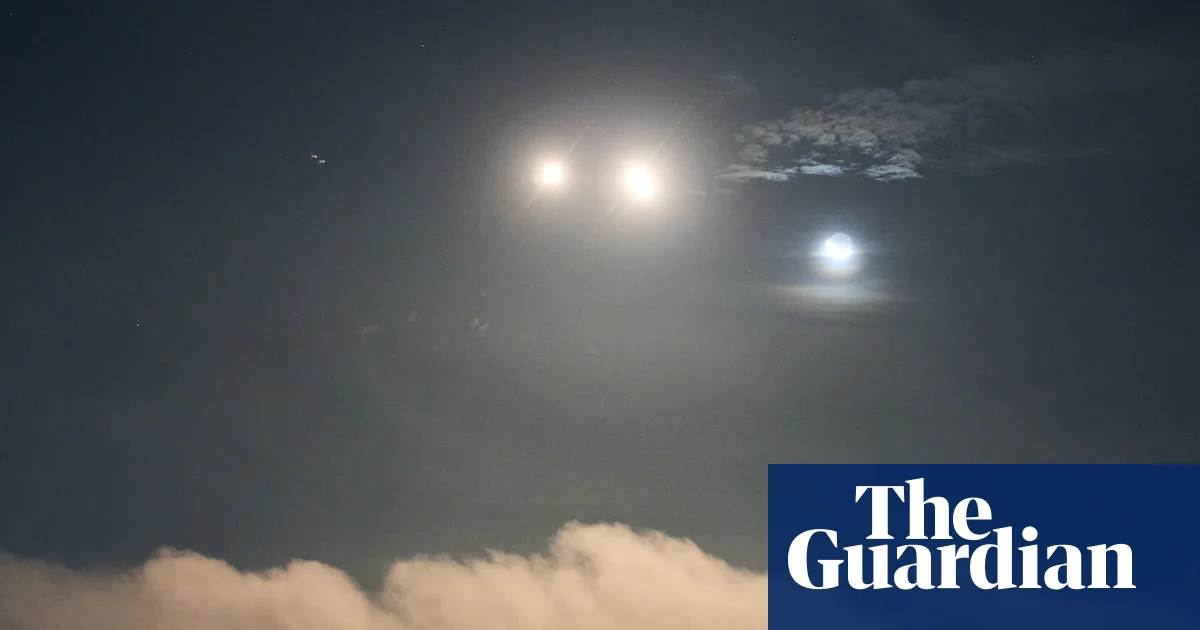
In a landscape marked by rapid technological advancements, Russia’s recent missile tests reveal a nation still striving to modernize its nuclear arsenal amidst ongoing geopolitical tensions. Despite signals from Moscow that the Sarmat intercontinental ballistic missile (ICBM) would soon be operational, recent failures cast doubt on its readiness, illustrating the broader challenges faced by Russia in maintaining a credible nuclear force. This development signals a significant industry disruption within Russia’s defense sector, where modernization efforts have stalled and technological hurdles have hampered deployment timelines. Meanwhile, the US continues to monitor with precision, emphasizing the importance of surveillance and strategic advantage.

Russia’s strategic missile program, once considered a centerpiece in its military doctrine, now faces setbacks that could impact global stability. The Sarmat missile, capable of carrying multiple warheads and targeting distant adversaries, was heralded as a game-changer in nuclear deterrence. However, recent test failures—despite high-profile declarations from President Vladimir Putin—underscore the risks of overreliance on aging technology and ambitious claims. As noted by military analysts at MIT and defense think tanks, this persistent technical lag leaves Russia’s nuclear deterrent vulnerable, which could prompt shifts in global strategic calculations. Concurrently, Moscow’s emphasis on replenishing assets essential to the Ukraine conflict has diverted resources from nuclear modernization, illustrating a prioritization of conventional forces over strategic deterrence. Notably, the scheduled test of the shorter-range Yars missile demonstrates Russia’s ongoing efforts to maintain a layered nuclear posture, but confidence in these systems remains fragile amid repeated failures. Russia’s internal debate about the efficacy of its arsenal reflects a broader trend among key military powers—where innovation is often outpaced by geopolitical ambitions and budgetary constraints.

The implications for business and innovation in the defense industry are profound. As nations like the United States utilize advanced surveillance platforms such as the RC-135S Cobra Ball—equipped with optical and electronic sensors—to monitor missile tests, private defense contractors and government agencies face mounting pressure to accelerate technological breakthroughs. Indeed, the rise of artificial intelligence, machine learning, and next-generation sensors are reshaping how strategic assets are tested, validated, and deployed. Private sector innovators and established defense giants are now competing in a high-stakes race to develop systems capable of ensuring missile accuracy, stealth, and rapid deployment—areas that are becoming central in the era of disruptive military technology.

Looking ahead, the future trajectory of nuclear modernization remains uncertain. While Russia’s failure to bring the Sarmat into operational readiness underscores the fragility of current military technology, it also emphasizes the increasing importance of innovation that can disrupt traditional deterrence models. Leading experts, including those from Gartner and the Belfer Center at Harvard, warn that the next decade will be critical as advanced hypersonic weapons, cyber capabilities, and AI-driven command systems redefine strategic stability. The lesson is clear: in the race for supremacy, businesses and governments must prioritize disruptive innovation to stay ahead of technological obsolescence. Otherwise, the risk is that defects in current arsenals could introduce unpredictable instability, forcing the world into an unpredictable future where technological primacy determines peace or conflict.

South African DJ among five busted in Russia recruitment scheme

In a noteworthy development that underscores the complexities of international diplomacy, South Africa finds itself at the center of a burgeoning controversy involving illegal recruitment of its citizens by foreign military forces. Recently, a prominent radio presenter, Nonkululeko Patricia Mantula, appeared in court facing charges linked to the alleged facilitation of the recruitment and travel of South Africans to join Russian military forces. This arrest marks a critical point in a series of escalating efforts by South African authorities to clamp down on citizens being lured into foreign conflicts—particularly amid Russia’s ongoing confrontation with Ukraine.

  • In November, the government disclosed that 17 South Africans had been “seemingly” enticed to join mercenary units fighting for Russia, with some reportedly trapped in the Ukraine conflict zone.
  • Police intercepted five individuals—including Mantula—at Johannesburg’s main airport, as they attempted to travel to Russia via the United Arab Emirates.
  • These arrests followed a broader investigation into alleged recruitment networks that exploit South Africa’s high unemployment rates, especially among youth, to lure vulnerable young men with promises of lucrative contracts.

The geopolitical impact of these developments extends beyond South African borders. Analysts emphasize that the recruitment of foreign fighters by Russia complicates the broader geopolitics of the Ukraine conflict, with Russia seeking to bolster its forces through an international pool of mercenaries. At the same time, Western nations and Ukrainian authorities have expressed concern over the influx of foreign nationals being used as pawns in a proxy war. These efforts appear to be part of a larger strategic move by Russia to undermine Western influence and extend its military reach with the help of destabilized and economically vulnerable societies like South Africa.

Many national and international voices, including well-respected security analysts and international organizations, warn of the long-term consequences of foreign engagement in conflicts like Ukraine. Especially in a country like South Africa, where social issues such as unemployment are pervasive, the lure of high-paying military contracts often obscures the deadly realities. The case of Mantula and others involved finally puts into focus the dangerous movie of foreign interference and recruitment drives, which threaten the stability and sovereignty of nations. History has shown that allowing foreign mercenaries to operate within national borders often leads to long-term destabilization, undermining local governance and social cohesion.

Ultimately, this unfolding drama leaves an indelible mark on the record of modern history—a stark reminder of how individual choices, driven by poverty and manipulated by global powers, can influence the balance of international sovereignty and security. As South African authorities continue their investigations and diplomatic efforts, the world watches, mindful that the outcome will not merely define the fates of a handful of citizens but will also chart the course of global conflict, sovereignty, and the limits of national authority. The weight of history remains heavy on this fragile point where personal and national destinies intersect in the shadow of a widening geopolitical struggle—an ongoing saga that may yet redefine the contours of future conflict.

Poland Blames Russia for Rail Sabotage, Calls It State Terrorism — European Tensions Rise

Global Unrest Deepens: Russia’s Strategic Moves and the Rising Response from Europe

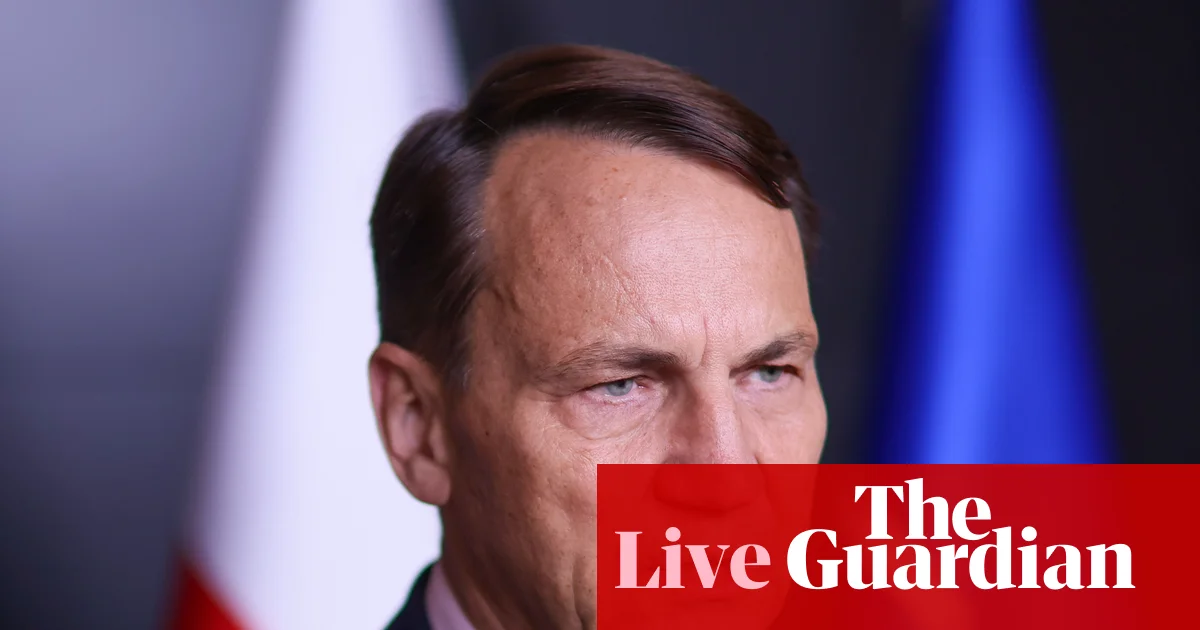
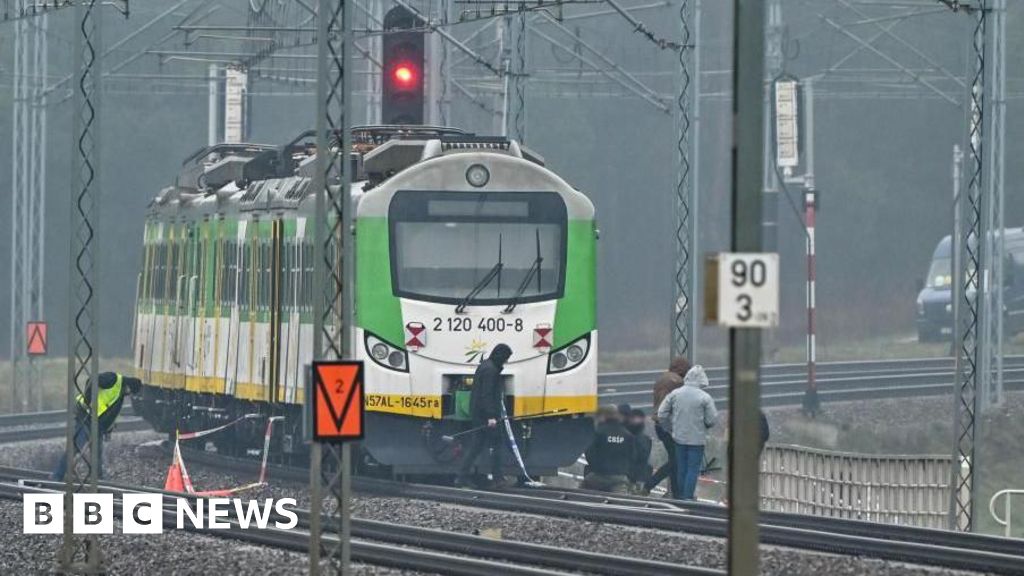
In a significant escalation of regional tensions, Russia has recently been accused of orchestrating a series of acts deemed by some as *state terrorism*. Polish Foreign Minister Radosław Sikorski publicly labeled recent Russian rail sabotage incidents as an act of state terrorism, explicitly alleging that the incidents over the weekend were not mere accidents but carefully planned assaults intended to cause human casualties. He further warned about a growing disinformation tsunami in the wake of these events, emphasizing the importance of clear, credible diplomacy amidst a whirlpool of conflicting narratives. Such tensions reflect a deliberate effort by Moscow to destabilize Eastern European countries, which are increasingly under pressure as NATO and EU members prepare their defenses against what many see as an aggressive expansionist Russia.

The situation has compelled Poland to take concrete measures. Sikorski announced that Poland will withdraw its consent for the last remaining Russian consulate in Gdańsk, effectively shutting it down in response to previous sabotage attacks that Poland claims are inspired by Moscow. These actions underscore a shift in Poland’s policy posture, signaling a refusal to tolerate what it perceives as hybrid warfare tactics. Meanwhile, across the Atlantic, analysts from international think tanks warn that such provocations could serve as a prelude to broader military escalation, forcing NATO nations to reconsider their strategic calculations as the threat from Russia looms larger. The recent NATO summit saw calls for increased air defense capabilities, especially from Slovakia, which is seeking to bolster its eastern flank amidst fears of Moscow’s territorial ambitions.

Within this volatile environment, key geopolitical conversations are taking center stage. Slovakia has formally requested NATO to strengthen its air defenses along the eastern border, a move that echoes Poland’s mounting concerns. Slovakian Prime Minister Robert Fico emphasized the importance of maintaining a robust defensive posture, especially as most NATO allies are increasing their defense investments. Meanwhile, Britain remains a cautionary tale in the EU, with Sikorski warning that outside the union, the UK has struggled with economic downturns and increased migration from less-developed regions—outcomes he argues could be mirrored by Poland if it chooses diverging paths from EU integration. Historians like Dr. Emily Watson note that these debates highlight the fundamental question Europeans face: independence through unity versus sovereignty through divergence. With rising fears of an all-out conflict, the consensus remains uncertain, and the weight of history presses heavily upon today’s decision-makers.

Amidst these diplomatic tensions, the crisis in Ukraine has reached a new peak. President Volodymyr Zelenskyy reported that Russian forces launched over 470 attack drones and 48 missiles overnight, striking civilian infrastructure and military targets with ruthless intensity. Zelenskyy’s stark warning that “the pressure on Russia is still insufficient” serves as a rallying cry for Western allies, as Ukraine continues to face relentless assaults. The attacks prompted neighboring Poland to close airports and scramble fighter jets near the border, exemplifying how these conflicts ripple through the region. Zelenskyy’s scheduled visit to Turkey in hopes of reigniting stalled peace talks underscores the delicate, yet profound, hope for diplomatic resolution amidst ongoing chaos. With the European continent at a crossroads, the question remains: how long can peace be preserved before the depths of history overwhelm the present?

Polish PM Blames Ukraine Spies for Rail Sabotage, Ties to Russia

Poland has recently become the focal point of a mounting crisis that underscores the fragile balance of power in Eastern Europe. The Polish government, led by Prime Minister Donald Tusk, has publicly linked two suspects, both long-time operatives allegedly working for Russia, to a series of destructive acts on Poland’s railway infrastructure. These sabotage operations, classified as “unprecedented,” are not isolated incidents but are viewed as part of a broader campaign to destabilize the region and threaten NATO’s eastern flank.

The suspects, identified as foreign agents with ties to Russian intelligence, crossed into Poland from Belarus during the autumn in a move that signals coordinated effort and strategic planning. Tusk disclosed that one of the suspects had been convicted in absentia of sabotage activities in Ukraine, hinting at a deepening infiltration into Poland’s vital transit corridors. On November 15, an explosion involving a military-grade explosive device caused minor damage near Mika, a village southeast of Warsaw, and was captured on CCTV. Despite the minimal physical impact, the event conformed to a pattern of targeted attempts to derail supply lines, which are crucial for aiding Ukraine amidst ongoing conflicts with Russia.

The broader geopolitical impact of these incidents is profound. Poland’s railway network is a lifeline connecting NATO allies to Ukraine, facilitating military support, humanitarian aid, and economic cooperation. As Poland has become a strategic gateway in the escalating proxy conflict, these acts of sabotage could be interpreted as Russia’s efforts to destabilize NATO’s eastern defenses and weaken the cohesion of the alliance. Analysts from the International Crisis Group warn that such covert operations are part of a layered strategy to erode trust and create chaos at critical logistical junctures. The *turning point* could come if similar tactics are adopted elsewhere in Central and Eastern Europe, further complicating NATO’s defensive posture.

While Russia has yet to officially comment, the international community remains watchful. Many experts believe that these acts are indicative of a broader Russian strategy to rekindle Cold War tensions, this time with an emphasis on asymmetrical warfare. The potential for escalation remains high, especially as Poland prepares to increase alert levels and enhance security protocols across its railway lines. Historically, the dangerous precedent of state-sponsored sabotage has ushered in long-term regional instability, and this current development might be the first salvo in what analysts warn could be a sustained campaign to expand Russia’s influence beyond Ukraine. The **United States** and **European Union** are closely monitoring these events, recognizing that the stakes are no longer confined to regional security but threaten the future stability of the entire European continent.

The shadowy dance of espionage, sabotage, and diplomatic posturing reminds the world that history is still being written upon the battlegrounds of Europe. Where once Cold War fears haunted east-west relations, today’s geopolitical chessboard is marked by new players and old tactics. As Poland braces for further threats, the broader question remains: how will nations respond to the relentless encroachment of influence pitted against them? The pages of history are turning rapidly, and in this unfolding chapter, the stakes are nothing short of the future of democratic stability across the continent. The world watches—and waits—for what happens next.

Russia ramps up train strikes as Ukraine’s rail network faces sharper attacks

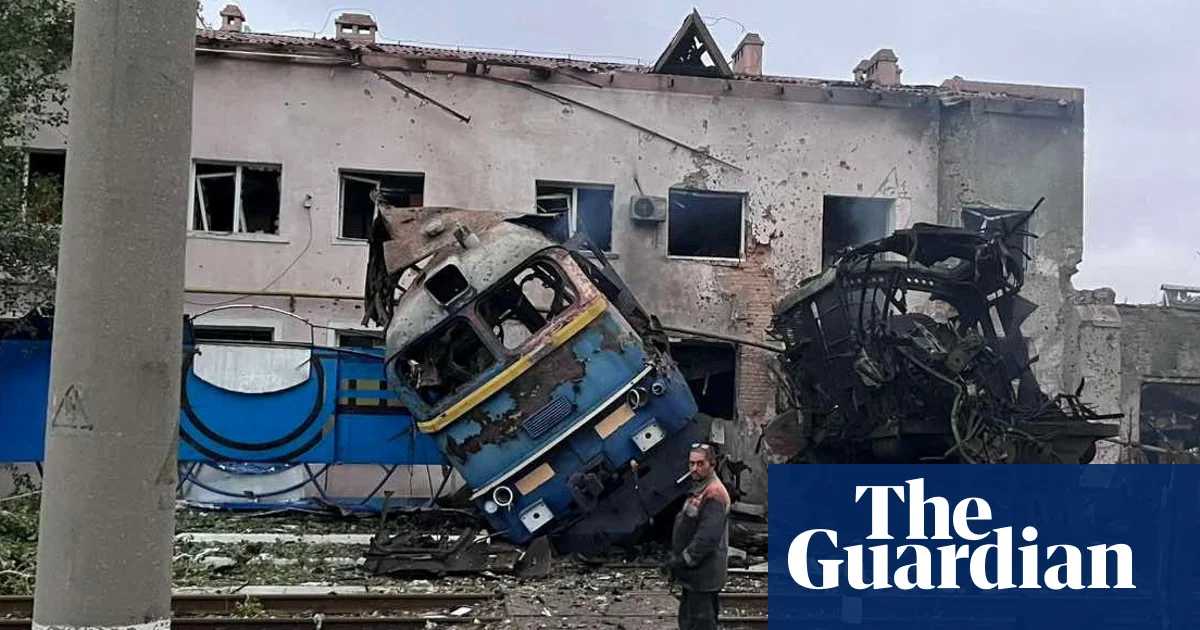
In a dramatic escalation of Russia’s ongoing conflict with Ukraine, the country’s critical railway infrastructure has come under a relentless barrage of attacks since July 2025. According to Oleksii Kuleba, a deputy prime minister responsible for infrastructure, the number of assaults has tripled in just the last three months — from 800 attacks earlier this year to over 3,000 damaged objects, with cumulative damages reaching an estimated $1 billion (£760 million). These targeted strikes, primarily carried out through advanced drone technology, aim to cripple Ukraine’s logistical backbone, which is vital for both civilian commerce and military support in the eastern front.

The geopolitical impact of these attacks extends far beyond the immediate destruction. Ukraine’s extensive rail network, which moves more than 63% of the country’s freight—including essential grain exports—and 37% of passenger traffic, is a lifeline that sustains the nation’s economy and its war effort. No civilian airports have operated since the onset of the full-scale invasion, making rail mobility the sole conduit for both international aid and government leadership visits. As Ukrainian officials scramble to fortify this critical infrastructure—installing electronic countermeasures and deploying specialized air-defense units—the relentless assault exposes a brutal truth: Russia’s strategic objective is to undermine Ukraine’s logistical capacity, directly impacting the nation’s ability to sustain itself during wartime.

Behind the scenes, international analysts and military experts have echoed concern over the new precision of Russian drone strikes. Serhii Beskrestnov, a Ukrainian military drone specialist, warns that as Russia’s drone technology advances, the vulnerability of Ukraine’s train system will only deepen. The slow-moving trains, following predictable routes vulnerable to high-precision strikes, may soon face the moment where the tracks remain intact but without rolling stock to operate upon them. This scenario underscores a haunting possibility: the initiative to destroy Ukraine’s analog and digital infrastructure is a calculated, systematic effort to choke off the country’s ability to move supplies and personnel, ultimately aiming to capitulate the Ukrainian resistance from within.

The international community’s response remains divided, with Western nations providing military aid but also grappling with the long-term consequences of intensifying hostilities. Critics argue that Russia’s strategy seeks to destabilize Ukraine’s logistical framework, thereby forcing Kyiv into a perilous choice of capitulation or prolonged struggle. Official figures attribute these attacks to Moscow’s deliberate campaign to disrupt Ukraine’s southern logistics—blocking vital seaports—and to sow chaos in strategically significant regions such as Chernihiv, Sumy, and the industrial Donbas area. As the situation narrows down to a high-stakes chess match, historians warn that history may record this as the moment when Ukraine’s railways became the battlefield’s silent victims and the last hope of resilience against encroaching chaos.

With each passing day, the weight of history hangs heavier. The destruction of Ukraine’s railway system is more than a military tactic; it symbolizes a broader struggle for sovereignty, economic stability, and national identity. As Kyiv’s resilience is challenged and the world watches, the outcome remains uncertain. But one thing is clear: the fate of Ukraine’s railways—and perhaps the future of the nation itself—rests on the unfolding decisions of global leaders and their responses to this ongoing assault on vital infrastructure. The chapter of this conflict remains unwritten, yet the lessons of today will echo through history, etching the ongoing conflict into the annals of geostrategic shadows—where resilience and desperation collide amid the relentless march of war.

Russia hits Kyiv with deadly strikes in new wave, officials warn

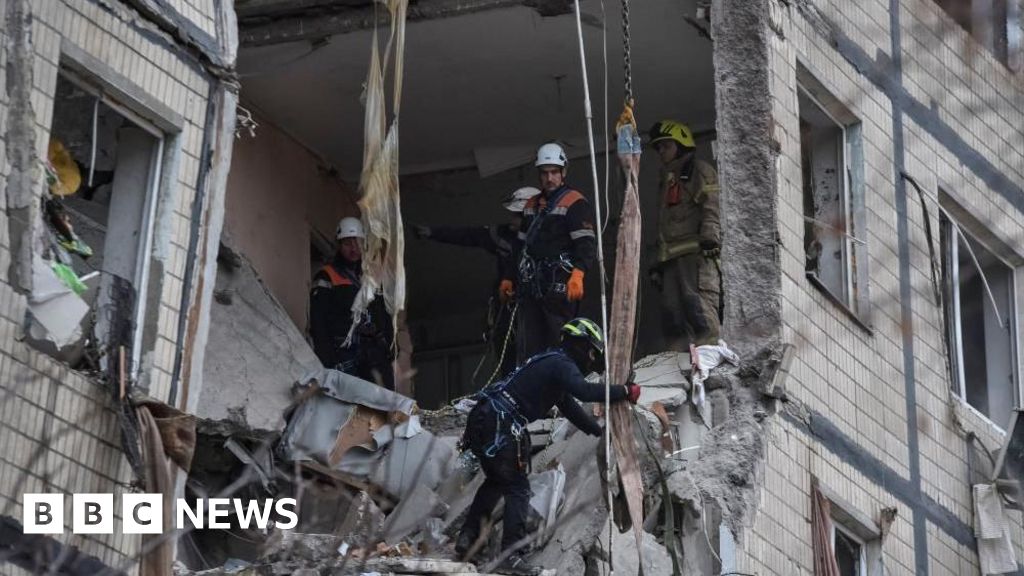
In a devastating escalation of the ongoing conflict in Ukraine, Kyiv has been battered by a wave of Russian drone and missile strikes, resulting in the deaths of three civilians and the injury of over 26 others. Kyiv’s mayor, Vitaliy Klitschko, described the attacks as “massive,” highlighting how residential neighborhoods, hospitals, and critical infrastructure have come under relentless assault. As explosions shook the city’s core, Kyiv’s energy infrastructure suffered severe damage, leaving parts of the city without heat—a bleak reminder of how war inflicts suffering beyond the battlefield. Emergency responders rescued dozens, including victims trapped beneath rubble, emphasizing the human toll of what Moscow claims are targeted military operations, but which Ukrainians see as deliberate acts of terror aimed at civilian populations.

While Russia asserts that its attacks aim to cripple Ukrainian military capabilities, Western analysts remain skeptical. The international community widely views this surge in airstrikes as a deliberate effort to destabilize Ukraine’s resilience—particularly by targeting energy networks that sustain civilian life and undermine morale. Ukrainian President Volodymyr Zelensky responded by demanding “no exceptions” to Western sanctions on Russian energy exports—an urgent call to weaken Russia’s economic backbone. This comes amidst a broader pattern of Moscow’s strategy: deploying drones and guided bombs to weaken Ukraine’s infrastructure, disrupt daily life, and garner pressure for negotiations on Moscow’s terms. Such tactics are reminiscent of a war of attrition where civilian suffering potentially serves as leverage, raising alarms about the broader geopolitical impact on regional stability.

The North Atlantic Treaty Organization (NATO), along with the United States, continues to monitor developments closely. NATO officials have condemned the recent strikes, emphasizing their support for Ukraine’s sovereignty and condemning Russia’s apparent escalation. The turning point came when the U.S., under President Donald Trump’s administration, initially imposed sanctions targeting Russian energy—yet, recent exemptions granted to Hungary reveal a nuanced and evolving geopolitical calculus. Analysts warn that Russia’s repeated targeting of energy infrastructure signifies an attempt to exhaust Ukraine’s civilian resilience and complicate Western efforts to sustain robust support. Additionally, Russia’s claims that these strikes are aimed at “military” targets are increasingly viewed as disingenuous, especially as civilians suffer the consequences.

Historically, conflicts of this nature have underscored a broader strategic contest—one where energy politics, alliances, and military might intersect with societal resilience. As the United Nations and international watchdogs issue warnings about escalating violence, the narrative is shifting toward a larger, more ominous story: a geopolitical chessboard where each strike and diplomatic move could have far-reaching consequences. The future of Ukraine, and indeed the stability of Europe, hangs in the balance, with each side trying to shape the narrative—while the echoes of destruction reverberate through history’s unfolding pages. As Kyiv’s skies burn and civilans endure, the world watches a relentless drama of power, endurance, and the high stakes of a war that threatens to redefine the global order—if not for today, then for generations to come.

Russia Targets All of Kyiv, Igniting Fires Across the City

Russian Escalation in Ukraine Sparks Global Concerns

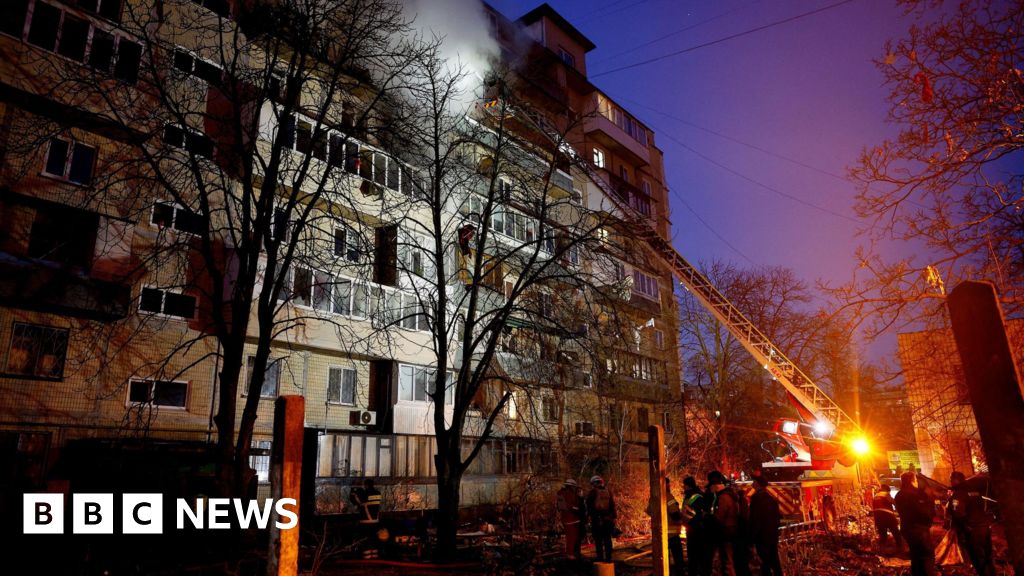
In what analysts are now describing as a conspicuous escalation of the ongoing conflict, Russia launched a massive combined attack on Kyiv early Friday, striking multiple districts across Ukraine’s capital. The assault, involving drones and missile systems, resulted in fires, destruction, and at least 11 casualties, including civilians and vulnerable populations such as a pregnant woman. City officials confirmed widespread damage to residential buildings and critical infrastructure, with emergency crews responding tirelessly to contain fires and evacuate the injured. The attack signifies a potentially decisive moment in the open conflict, signaling Moscow’s willingness to commit further resources to dismantle Ukraine’s resilience.

This offensive not only underscores the persistent renewal of hostilities but also highlights the fragile geopolitical stance of Western allies supporting Ukraine. Kyiv’s mayor Vitali Klitschko reported damage to the city’s heating system, power outages, and water disruptions—conditions that threaten to deepen the humanitarian crisis amid winter’s approach. Several districts, including Darnytskyi, Dniprovskyi, and Podilskyi, bore the brunt of the attack, with debris igniting fires and causing widespread destruction. Regional authorities also reported civilian injuries in the Kyiv region and damage to private homes, reinforcing the toll on everyday life amid ongoing military tensions.

International institutions, from the European Union to NATO, have expressed grave concern over the latest assault, warning of the broader geopolitical impact that extends well beyond Ukraine’s borders. The EU, still haunted by questions of Kyiv’s EU accession prospects, has sought to balance support for Ukraine with efforts to curb corruption—a major precondition for integration. European officials, as reported recently, continue to pledge aid, but the message is clear: the path toward stability remains hindered by persistent internal vulnerabilities and external threats. According to security analysts, this wave of attack might foreshadow a tipping point that could reshape regional alliances and accelerate NATO’s strategic positioning in Eastern Europe.

This brutal act of warfare, captured vividly in social media images of flames and rubble, portends a dangerous new chapter in the U.S.-Russia proxy struggle. Historians warn that such brutal tactics are reminiscent of Cold War brinkmanship, where the balance of power hinges on each audacious move. As international organizations monitor Kyiv’s response, the question remains: how will this escalation influence diplomatic negotiations, and what future does this fractured region face? Despite diplomatic overtures, the weight of history presses heavily; the destiny of Ukraine, its people, and indeed the stability of Europe, continues to hang in the balance, as the shadows of past conflicts stretch into an uncertain tomorrow.

Europe Observes Armistice Day Amid Rising Tensions as Russia Bombs Ukraine Overnight — Live Updates

As Europe commemorates Armistice Day, a day historically rooted in ending the devastations of war, the continent finds itself embroiled in a new era of geopolitical turmoil. The recent claims from Russia’s Federal Security Service (FSB) of thwarting a clandestine operation by Ukrainian and British spies underscore the fragility of peace in an age dominated by shifting alliances and covert warfare. The alleged plot to commandeer a MiG-31 fighter equipped with hypersonic Kinzhal missiles, purportedly to be flown toward a NATO border in Romania, reveals a fresh dimension in the persistent Ukraine conflict. While Western nations mourn and honor the fallen, the shadows of espionage, sabotage, and ongoing military confrontations cast a pall over traditional commemorations, exposing a continent at a crossroads of peace and chaos.

  • Russian authorities claim to have intercepted an attempt by Ukrainian and British operatives to destabilize the region by stealing a highly advanced Russian jet, which was allegedly to be flown toward a NATO base in Romania, an escalation that could have drawn NATO directly into conflict.
  • The Russian state TV broadcast purported evidence—including messages and recordings—allegedly linking Ukrainian and British intelligence to the plot, with reports of a payment of $3 million to Russian pilots willing to defect. These claims, however, remain unverified by independent outlets like The Guardian and Reuters.
  • The incident reveals how the Russia-Ukraine conflict has transformed into a broader proxy battleground, with accusations of espionage and sabotage characteristic of post-Cold War warfare. Analysts warn that such narratives serve to justify further escalations while complicating diplomatic dialogue.

Geopolitical Ripples and Rising Tensions

The European Union and NATO are closely watching these developments, aware that any escalation could have profound repercussions for regional security and for global stability. Historian and geopolitical analyst Dr. Maria Jensen warns that such alleged plots, whether fully verified or not, serve to deepen the divide between Western powers and Russia, fueling narratives of insidiou conspiracy and imminent threat. Meanwhile, France’s President Emmanuel Macron and Polish authorities mark Armistice Day with solemn ceremonies—yet the shadows of ongoing conflict threaten to distort the very symbolism of reconciliation and peace.

Adding to the tense atmosphere, Romania reported a Russian drone incursion near its border with Ukraine, which the Romanian President, Nicușor Dan, dismissed as an accident. This incident underscores the underlying risk of unintended escalation as military activities become increasingly aggressive and unpredictable. Conflicts that once were confined to local terrains are quickly evolving into interconnected crises, with Ukraine’s battlefield and Romania’s border zones acting as potential flashpoints for broader confrontation. International institutions warn that the escalation fuels a spiral of mistrust and military posturing, threatening to unravel ongoing diplomatic efforts.

The Broader Impact—History’s Unfinished Narrative

In this tumultuous context, the annual observances across Europe—such as the marches in Warsaw and ceremonies at the Arc de Triomphe—serve as stark reminders of the price paid for peace. Yet, beneath the commemorations lies a sobering reality: the continent is navigating a delicate, volatile chapter where decisions made today will echo through history. Within geopolitical circles and diplomatic corridors, experts deliberate on the potential for these incidents to either ignite a larger conflict or serve as catalysts for renewed dialogue and mutual understanding.

The unfolding story of Ukraine, Russia, and the broader European theater is still being written, with each new claim and counterclaim adding lines to a narrative that history will scrutinize for generations. As world leaders grapple with the aftermath of their choices, the shoulders of future generations bear the weight of today’s decisions—decisions that could either forge enduring peace or plunge the continent into an abyss of perpetual conflict. The question remains: how will the pages of history remember this turbulent age, and what lessons will it carve into the collective memory of humanity?

Six Killed as Russia Strikes Ukraine’s Energy and Homes

Russian Attacks Escalate as Ukraine Struggles to Hold Ground

In an alarming display of ongoing hostilities, Russia launched a significant barrage of missile and drone attacks against Ukraine overnight, marking yet another chapter in this brutal conflict. At least six civilians have tragically lost their lives, while dozens more are wounded amid relentless strikes targeting energy infrastructure and residential areas across the nation. Key cities such as Dnipro and Zaporizhzhia were hit hardest, with residential buildings reduced to rubble and vital energy facilities severely damaged. As winter approaches, the Ukrainian government faces a mounting challenge — how to maintain essential services and morale in a climate of war-induced hardship. Prime Minister Yulia Svyrydenko confirmed that emergency work is underway to restore power in affected regions, yet the scale of the destruction underscores the strategic objective behind these assaults: to cripple Ukraine’s ability to sustain itself through the cold months ahead.

According to Ukrainian military sources, Russia employed more than 450 attacking drones and 45 missiles in this latest offensive, with Ukrainian forces managing to down a significant portion—around 406 drones and nine missiles—demonstrating the ongoing technological contest between the two nations. Analysts warn that these attacks are likely aimed not only at military targets but also at sapping the war-weary population’s resilience and economic stability. The disruption of energy supplies threatens to plunge large swaths of Ukraine into darkness and cold, potentially undermining civilian morale at a critical juncture. Meanwhile, Russia defends these actions as legitimate military operations targeting Ukraine’s military infrastructure, a claim dismissed by Kyiv and Western allies as an attempt to terrorize civilians and undermine national sovereignty. Historians and strategic analysts note that this cycle of aggression marks a pivotal moment—one that could either deepen Ukraine’s resolve or accelerate its vulnerabilities in the coming winter months.

The international community watches anxiously as President Zelensky and Western leaders demand stronger sanctions and more decisive actions against Moscow. Zelensky explicitly called for “no exceptions” in sanctions targeting Russian energy—the very lifeblood of the Russian economy—as a means to pressure Moscow into ceasing its assaults. His appeal comes amid a complex geopolitical backdrop, where recent policies by the United States exemplify the tense balancing act of diplomacy and economic warfare. Just hours before these attacks, the U.S. granted Hungary a one-year exemption from restrictions on oil and gas imports from Russia, a decision that drew criticism from Kyiv and some European capitals. This exception underscores fears that some Western nations may be wavering when it comes to fully countering Moscow’s strategic energy leverage, jeopardizing the unity needed to support Ukraine’s fight for sovereignty.

The unfolding crisis threatens to define the geopolitical landscape for years to come. As Western sanctions strain Russian resources, Moscow’s response has been to escalate attacks and project resilience, seeking to redefine the rules of engagement and energy diplomacy. International organizations and security analysts warn that these developments could set a dangerous precedent, emboldening Russia to continue its expansionist policies. Against this backdrop, Ukraine’s youthful defenders and resilient civilians stand at a crossroads—faced with the daunting reality that every strike, every blockade, is an act of history in the making. The battle today is not just for territory but for the preservation of sovereignty and the future of a free society. As the winter looms and the world watches, the true resilience of Ukraine—and the ability of the free world to stand united—may determine the shape of peace in the years ahead. In this epic struggle, history’s pen continues to write, and the weight of the future hangs precariously in the balance.

Social Media Auto Publish Powered By : XYZScripts.com