Matox News

Truth Over Trends, always!

Telegram Still Hosts $21B Sanctioned Crypto Scam Black Market

Telegram Faces Growing Scrutiny Over Hosting of Illicit Market Xinbi Guarantee

In a stark demonstration of the challenges posed by unregulated digital platforms, Telegram continues to grapple with its failure to contain the notorious black market, Xinbi Guarantee, despite international sanctions. Since late March, when the UK government designated Xinbi as a facilitator of human trafficking, the messaging giant has yet to remove the accounts associated with the operation, allowing illicit transactions to flourish. According to analytics from cryptocurrency tracing firm Elliptic, Xinbi processed over $505 million within just 19 days following the sanctions, further expanding its network of buyers and sellers to nearly 500,000. This persistent presence exemplifies the profound disruptions that unregulated tech platforms can facilitate in global illicit economies, positioning Telegram at the center of a burgeoning—or perhaps reckless—digital black market industry.

The business implications of Telegram’s neglect are significant, signaling a potential shift in how enforcement agencies and market participants perceive platform accountability. As disruptive blockchain-based marketplaces continue to undermine conventional controls on illegal activities, there’s mounting evidence that Telegram’s stance on hosting these markets—originally justified as protecting user privacy and circumventing authoritarian controls—may inadvertently embolden organized crime syndicates. This approach raises critical questions about the long-term viability of digital privacy claims when the platform increasingly serves as a conduit for human trafficking, money laundering, and other illicit actions. Industry analysts, including Gartner and cybersecurity experts like Gary Warner, argue that such open hosting of criminal activity demonstrates a dangerous erosion of accountability, threatening to undermine trust in digital communication tools widely adopted by youth and professionals alike.

Moreover, the industry’s response to these developments may drive a market shift towards more vigilant oversight. The disruption caused by illicit marketplaces on platforms like Telegram underscores the need for new paradigms in platform regulation—balancing digital privacy with the responsibility to curb criminal activity. Despite Telegram’s claims that their services facilitate financial autonomy and protect against oppressive regimes, recent intelligence reports, including those from MIT and Ellicott, reveal that Xinbi serves primarily as a money laundering hub, with links to human trafficking operations across Southeast Asia. The UK sanctions, which condemn Xinbi’s operation of scam centers that enslave victims and perpetuate forced labor, highlight the increasing international momentum to impose stricter controls on digital black markets. This emerging paradigm setter challenges existing tech regulation frameworks, demanding innovation in law enforcement and platform accountability.

The future trajectory of this ongoing saga hinges on whether platform providers like Telegram will evolve their policies or continue to enable the dark side of digital innovation. With major institutions and governments growing increasingly alarmed, the need for a tech industry revolution that enforces transparency without compromising privacy has never been more urgent. As organized crime harnesses cutting-edge technologies and decentralized networks to outpace authorities, only those companies prepared to disrupt their own paradigms—by integrating advanced AI moderation, blockchain analytics, and accountable governance—will be positioned to lead the next wave of digital transformation. The window for decisive action is closing fast; the choices made now will shape the battleground for digital freedom and security for years to come.

Ukraine and Russia trade blame over hundreds of ceasefire breaches

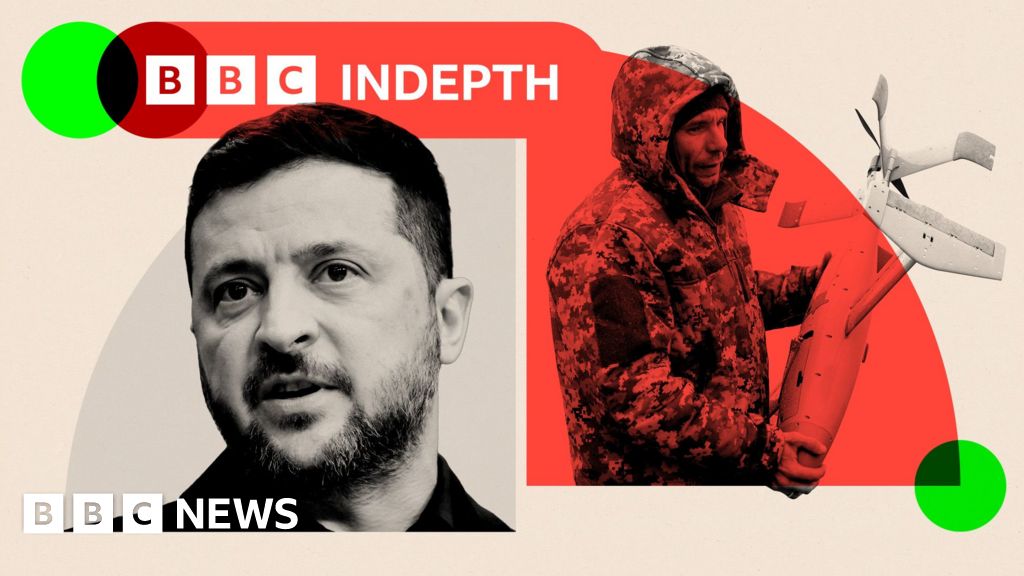
Ukrainian President Volodymyr Zelensky has issued a stern warning to Russia, affirming that his nation’s forces would respond “symmetrically” to any Russian attacks. This declaration signals a significant shift in Ukraine’s military posture amidst ongoing tensions and the broader geopolitical contest for influence in Eastern Europe. As the conflict continues to evolve, analysts suggest that Ukraine aims to establish a clear doctrine of reciprocity, signaling its readiness to escalate military responses should Russian aggression persist. This statement not only underscores Ukraine’s resolve but also complicates the delicate diplomatic landscape, making international repercussions far-reaching.

Since the onset of hostilities, Russia has maintained a strategy of targeted assaults on Ukrainian infrastructure and military positions, challenging Ukraine’s sovereignty and prompting a swift international response. The United Nations and NATO have urged de-escalation, emphasizing the importance of diplomatic solutions. However, Zelensky’s firm vow indicates a growing expectation among Kyiv’s leadership that Moscow cannot continue its current trajectory without risking a broader conflict. Historians and geopolitical analysts warn that the decision to adopt a symmetrical response could be a pivotal turning point, raising the stakes of a regional conflict that threatens global stability.

Global institutions such as NATO are closely monitoring Ukraine’s military stance, acknowledging that Kyiv’s willingness to match Russian aggression might redefine the boundaries of regional confrontation. Europe faces a dilemma: uphold diplomatic engagements or prepare for increased military commitments. The European Union has expressed solidarity with Ukraine, yet fears remain that a escalation could draw in other states, potentially igniting a wider regional conflict. The stance taken by President Zelensky resonates with longstanding national sentiments of resilience and sovereignty, but also serves as a warning to other nations about the rising tide of hybrid and conventional warfare.

Meanwhile, international scholars note that Russia’s pursuit of strategic objectives in Ukraine—such as securing territorial gains and weakening Kyiv’s Western integration—remains unchanged, prompting concerns about the potential for a prolonged, attritional conflict. In this complex chess match, every decision carries the weight of history, shaping the future of millions of lives and redefining global power dynamics. The international community stands at a crossroads, confronting the reality that the outcome of this confrontation will not only determine Ukraine’s fate but also test the resilience of the entire liberal order. As the world watches, the question remains—how much farther will this conflict go, and what new boundaries will be drawn in the sands of geopolitics?

In the unfolding narrative of this turbulent epoch, the resolve of Ukrainian defenders and the strategic calculus of Russia intertwine in a high-stakes game of survival and dominance. With each provocative move, the world edges closer to an unpredictable future where the lines between diplomacy and warfare blur, and the weight of history presses down on all nations. This is not merely a regional crisis—it is a defining moment, echoing through time, as the international order faces one of its most defining tests in decades.

Russia and Ukraine sign Orthodox Easter ceasefire to promote peace among youth

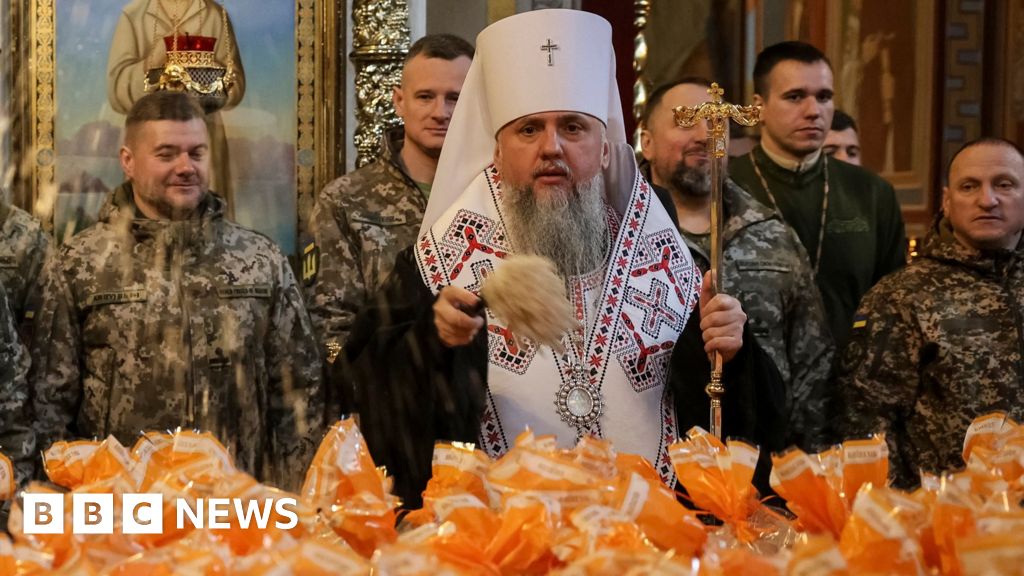
In a move that has sent ripples through the international community, Vladimir Putin has officially declared a ceasefire that will commence from Saturday afternoon and extend through Easter Sunday. This unexpected announcement comes at a time when global tensions, especially surrounding Russia’s ongoing conflict in Ukraine, have been escalating, drawing widespread concern about the stability of the region and the potential for geopolitical realignments.

While the specifics of the pact remain obscure, analysts worldwide are scrutinizing this development for its geopolitical impact. Many believe this truce represents a strategic shift rather than a genuine desire for peace. Historically, ceasefires brokered in conflict zones, especially those initiated by major powers, serve often as temporary pauses or as tactical maneuvers aimed at consolidating military positions or extricating diplomatic pressure. According to international relations experts, such efforts often reflect the complex interplay of domestic politics, leadership calculations, and international diplomacy. It remains to be seen whether this ceasefire entails genuine de-escalation or is part of a broader strategy to regroup or reconfigure Russian military objectives.

Ukrainian officials and Western allies have responded with cautious optimism, though skepticism persists.

  • Some officials warn that the announcement might be a tactical pause, used to prepare for potential renewed offensives.
  • Others see it as a sign of vulnerability or a move influenced by internal pressures within Russia.

The United Nations and several European nations have called for transparency and adherence to the ceasefire, emphasizing its potential turning point in the broader conflict. Historically, ceasefires have often proven fragile, with their success hinging on reciprocal commitments from conflicting sides and the broader geopolitical climate. The G7 and NATO countries continue to monitor developments closely, understanding that any pause holds the potential either to de-escalate or, conversely, to mask another phase of escalation. The decision could set a precedent for future negotiations or shifts in the regional narrative, making this a critical juncture in the ongoing struggle for influence and sovereignty in Eastern Europe.

As the world watches with bated breath, the unfolding scenario leaves many pondering the true motives behind Russia’s move. Will this be a genuine effort at peace or simply a strategic pause? As history repeatedly demonstrates, the destinies of nations are often shaped by moments of apparent restraint amid chaos—poised, perhaps, on the edge of a new chapter marked by uncertainty. The stakes are high, and the weight of history presses heavily on all sides, reminding us that in the dance of power, the next move is never certain, and the future remains a fragile, unresolved narrative.

Zimbabwe Warns: 15 Youths Lured to Fight for Russia End Up Dead

In an assertive move highlighting ongoing diplomatic negotiations, Zimbabwe has announced that it is engaging the Russian government to facilitate the repatriation of its citizens, both those who have fallen in foreign lands and the living members still residing abroad. This initiative underscores the complex and often contentious relationship between African nations and global powers, especially amidst shifting geopolitical landscapes that threaten to redefine the influence and sovereignty of nations.

According to official statements, Harare is actively working to repatriate bodies of Zimbabweans who have died abroad, while also seeking to bring back individuals who have remained outside the country’s borders due to various circumstances. The details of these negotiations remain opaque, but reports indicate that the move is motivated by concerns over the safety, welfare, and national cohesion of Zimbabweans living overseas. Analysts suggest that this diplomatic effort is part of a broader strategy by Zimbabwe’s leadership to reinforce sovereignty and assert national identity in an increasingly interconnected yet divided world.

International organizations and historians have weighed in on such developments, highlighting how global alliances and conflicts deeply impact local nations and their societies. Experts in geopolitics argue that Zimbabwe’s engagement with Russia is emblematic of a larger trend—small and medium-sized countries leveraging international diplomacy to protect their citizens and interests amid a landscape fraught with tension and uncertainty. The repatriation efforts reflect not only a humanitarian concern but also a strategic move to cement relations with powerful nations like Russia, sparking questions about alignment and influence in the global arena.

These diplomatic efforts unfold against the backdrop of a world where traditional alliances are shifting. Some analysts see Zimbabwe’s outreach to Russia as a pragmatic step, navigating the complex web of international diplomacy in the wake of economic sanctions, regional conflicts, and evolving power dynamics. As history continues to unfold, the fate of Zimbabwe’s repatriation endeavor may serve as a barometer for how small nations maneuver within the great chessboard of global geopolitics—bold, cautious, and increasingly dependent on mighty powers for their survival. The world watches as the narrative of sovereignty, influence, and human security takes another dramatic turn—its outcome yet unwritten, yet undeniably impactful on the tapestry of history.

Ukraine negotiator shares firsthand: what it’s like to face Russia at the table

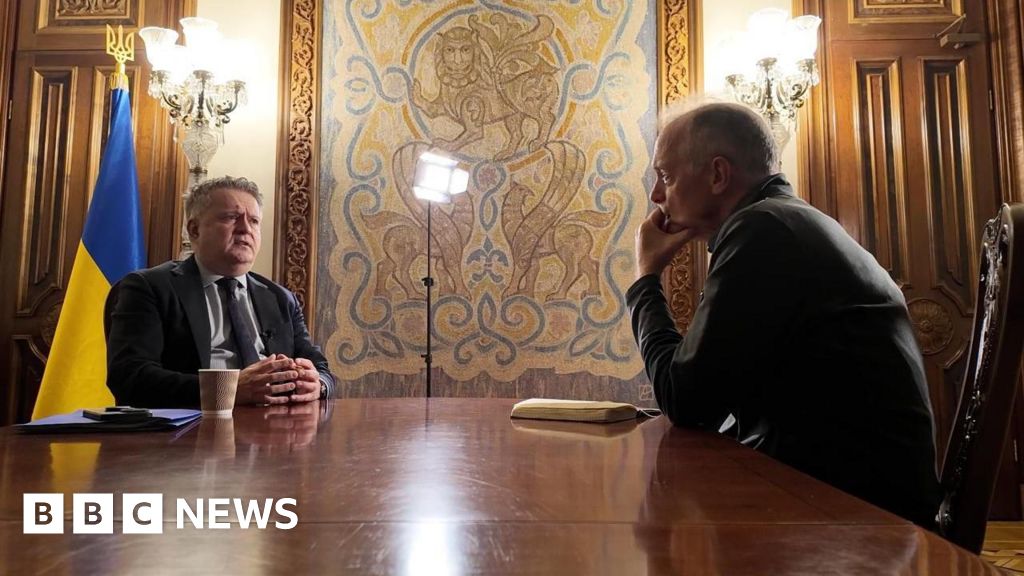
As the **conflict** in Ukraine approaches its fifth year, international focus intensifies on diplomatic efforts and the shifting landscape of global alliances. Serhii Kyslytsia, Ukraine’s ambassador to the United Nations, continues to be a prominent voice in negotiations, seeking ways to bring an end to the violence that has ravaged the Eastern European nation since 2018. Despite ongoing efforts, the situation remains fluid and fragile, with recent developments risking further destabilization of a region already scarred by years of warfare.

The international community remains sharply divided over the conflict’s root causes and the most effective path toward resolution. Critics argue that Russia’s persistent support for separatist movements and its strategic military interventions are undercutting diplomatic solutions. Meanwhile, Western nations, led by the United States and European Union, continue to impose economic sanctions aimed at pressuring Moscow into ceasing its military activities in Ukraine. However, many analysts warn that such measures only serve to deepen economic hardships and political instability within Russia, raising questions about the long-term stability of the region.

Key to understanding this crisis are the geopolitical implications of recent decisions by global and regional institutions. The North Atlantic Treaty Organization (NATO) remains steadfast in its support for Ukraine, providing military aid and bolstering defenses in Eastern Europe. Yet, this stance has intensified tensions with Russia, leading to fears of a broader, more destructive escalation—an outcome that many scholars like Dr. Maria Vetrov argue could redefine the security architecture of Europe for decades to come. Moreover, the expansion of NATO amid these tensions has been criticized by Moscow as a provocative encroachment upon what it claims to be its sphere of influence, fueling accusations of Western encirclement and interference.

Historically, experts emphasize that the conflict’s resolution hinges on complex negotiations, which are hamstrung by deep-seated mistrust and competing national interests. Serhii Kyslytsia’s diplomatic efforts exemplify the ongoing struggle to find a diplomatic avenue, but are often overshadowed by the broader geopolitical calculus. The implications extend beyond Ukraine’s borders; the conflict underscores a larger contest of influence that could shape international relations well into the 21st century. As the world witnesses the unfolding drama, the stakes are unmistakably high: the very fabric of European security and the principles of sovereignty and territorial integrity are at risk of becoming casualties in this prolonged struggle.

In the shadow of this conflict, the future hangs in the balance, with historians and global strategists warning that history’s next chapter could irrevocably alter the geopolitical landscape. The question looms: Will diplomatic efforts succeed in preventing further bloodshed, or are we witnessing the slow unraveling of a fragile peace that once seemed within reach? As the world observes with bated breath, the weight of history presses heavily on international shoulders, and the ending remains unwritten, yet undeniably imminent.

UK Allegedly Charges Russia with Using Dart Frog Toxin to Silence Navalny

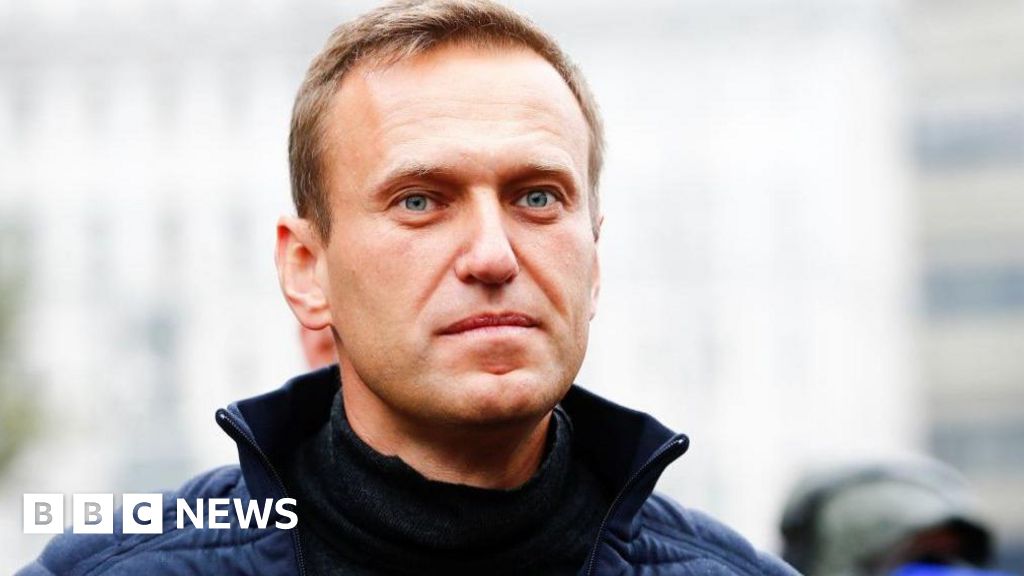
In an alarming development that has sent shockwaves through the international community, the Foreign Office has declared unequivocally that there is no innocent explanation for the presence of a toxin detected in samples taken from Alexei Navalny. The outspoken Russian opposition figure, whose pro-democracy activism has challenged the Kremlin’s authority, remains at the center of a geopolitical crisis that threatens to reshape alliances and spark new tensions across Europe and beyond.

The revelation comes as part of a broader narrative of escalating state-sponsored poisonings linked to Russia, which has consistently denied involvement despite mounting evidence from international investigations. The poisoning of Navalny, who fell seriously ill in August 2020, has become a focal point for Western sanctions and diplomatic condemnations. The European Union and United States have called for transparency, demanding that Moscow disclose all details regarding the toxin used—highlighting the serious breach of international norms and the potential for a new Cold War-era standoff rooted in covert operations and political repression.

Analysis from leading international organizations, including the Organization for the Prohibition of Chemical Weapons (OPCW), underscores the gravity of the situation. Experts argue that this incident marks a turning point in the ongoing struggle over sovereignty, human rights, and international law. Countries allied with the West warn that tolerating such actions emboldens authoritarian regimes and undermines the global order. Meanwhile, Russia insists that Navalny’s poisoning was a domestic matter, dismissing accusations as Western interference. This entrenched denial fuels fears of escalating hostilities and complicates diplomatic efforts to forge a unified response.

Historian and geopolitical analyst Dr. Mark Evans notes that the incident illustrates a fundamental shift in international relations—where informal warfare and covert operations have become tools to stifle dissent and influence power dynamics. The fallout from Navalny’s poisoning extends beyond Russia’s borders, threatening to plunge the continent into renewed uncertainty. As NATO officials consider their next move, the world watches with bated breath, acutely aware that this episode could be a catalyst in a new era of poisoned diplomacy. With each revelation, the weight of history presses down, reminding us that in the shadows of global politics, the line between peace and conflict remains perilously thin.

Russia clamps down: WhatsApp blocked amid messaging crackdown

Global Implications of Nation-State Internet Censorship: A Closer Look at Recent Digital Suppression

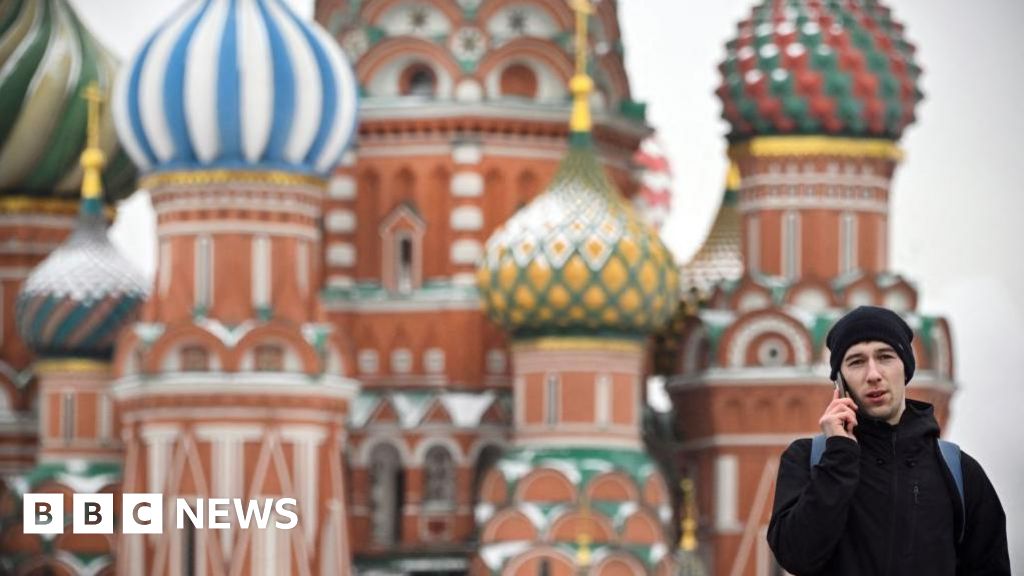
In a move that underscores the escalating tension between national sovereignty and the unchecked influence of global digital platforms, an unnamed country has significantly increased its control over the online domain landscape. Reports indicate that 13 prominent resources—including YouTube, Facebook, WhatsApp Web, Instagram, the BBC, and Deutsche Welle—have been systematically removed from the National System of Domain Names (NSDI). This act marks a decisive shift towards digital sovereignty, with profound implications for global information flow and individual freedoms.

Observers and analysts highlight that, since these sites’ removal, access is now only possible via a virtual private network (VPN), effectively sealing off the country’s population from the global digital commons. This scenario echoes Cold War-era censorship but now manifests in the modern era’s digital battleground, symbolizing a strategic move to control information and shape perceptions within borders while isolating citizens from international viewpoints. Several independent cybersecurity experts warn that such measures not only hinder citizens’ ability to access international news and social networks but also set a dangerous precedent for digital authoritarianism. By restricting access to platforms like the BBC and Deutsche Welle, which are known for their independent reporting, the ruling regime signals its intent to monopolize information and deter dissent.

Geopolitical Ripple Effects and the Role of Global Institutions

Leading international organizations, including the United Nations and the International Telecommunication Union (ITU), are now under increased scrutiny, as their previous calls for open internet access clash with rising nationalistic pursuits. Historians and geopolitical analysts warn that such censorship acts threaten the delicate balance of international digital cooperation established in post-Cold War decades. When a country isolates itself in cyberspace, it not only diminishes its citizens’ access to global economic opportunities but also risks alienating itself from the collective effort to combat transnational cyber threats.

The geopolitical impact extends beyond individual nations’ borders. Regions with restrictive internet policies risk deepening divides, fueling distrust, and fostering a digital “firmament” that could culminate in a bifurcated world order—one where Western-led norms of open communication coexist with increasingly isolated, national-controlled digital spheres. The warnings from international cybersecurity agencies suggest these developments might embolden other regimes contemplating similar measures, thereby threatening the freedom of information that has underpinned modern democracies.

How Decisions Shape Societies and Future Trajectories

This strategic digital isolation is not merely a matter of technical control but a reflection of broader societal shifts. As social media platforms serve as modern town squares, governments that control access to these spaces directly influence public discourse and social cohesion. The removal of sites like Facebook or Instagram reduces opportunities for civic engagement, especially among youth, who increasingly depend on these avenues for information and activism. Such actions could lead to increased societal polarization and hamper the development of informed citizenry vital for democratic resilience.

International experts warn of the long-term consequences, emphasizing that decisions made now will shape generations. Were this trend to deepen, it could pave the way for digital enclaves—pockets of internet where only state-approved narratives flourish. The danger lies not only in censorship but in the systematic suppression of dissent, ideas, and innovation. As nations grapple with this new reality, the prospects for a free, interconnected world appear increasingly strained, leaving the echoes of history—once peaceful digital exchanges—shattered by authoritarian ambitions.

In the unfolding narrative of the 21st century’s geopolitical theater, the question remains: who will control the digital future, and at what cost for human liberty? The weight of history presses on, as nations continue their silent, yet decisive, moves to define the boundaries of freedom in an era where information is both a weapon and a right. The outcome of this digital clash will indelibly mark the tapestry of international relations, shaping societies and influencing the very fabric of global civilization for decades to come.

U.S. urges Russia and Ukraine to end war by June, Zelensky says

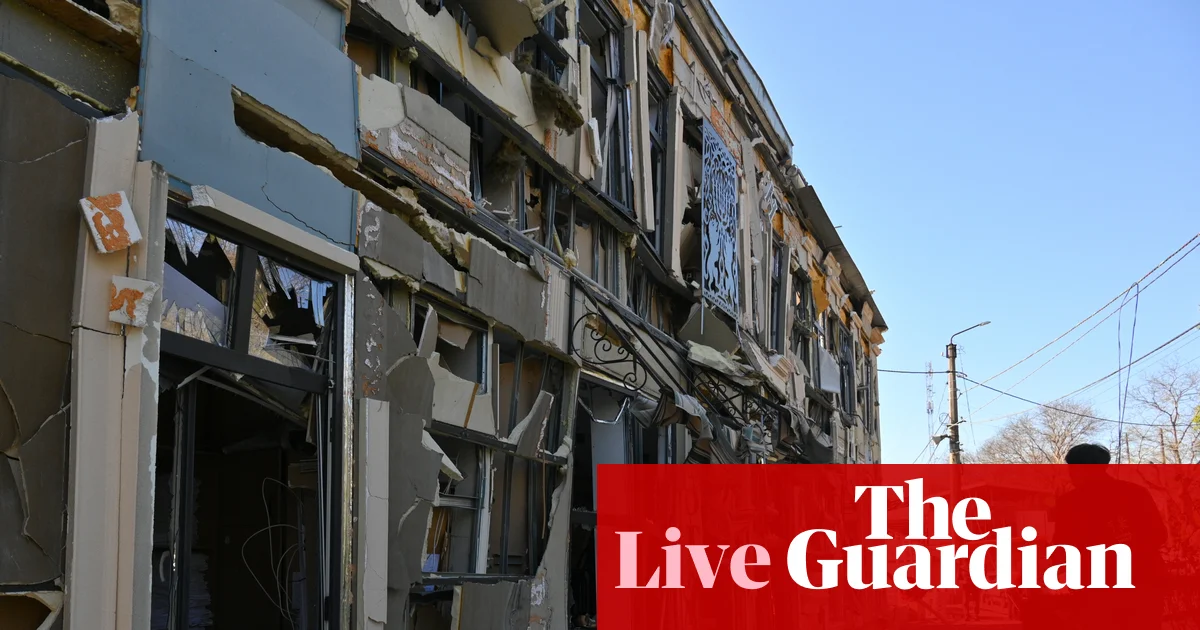
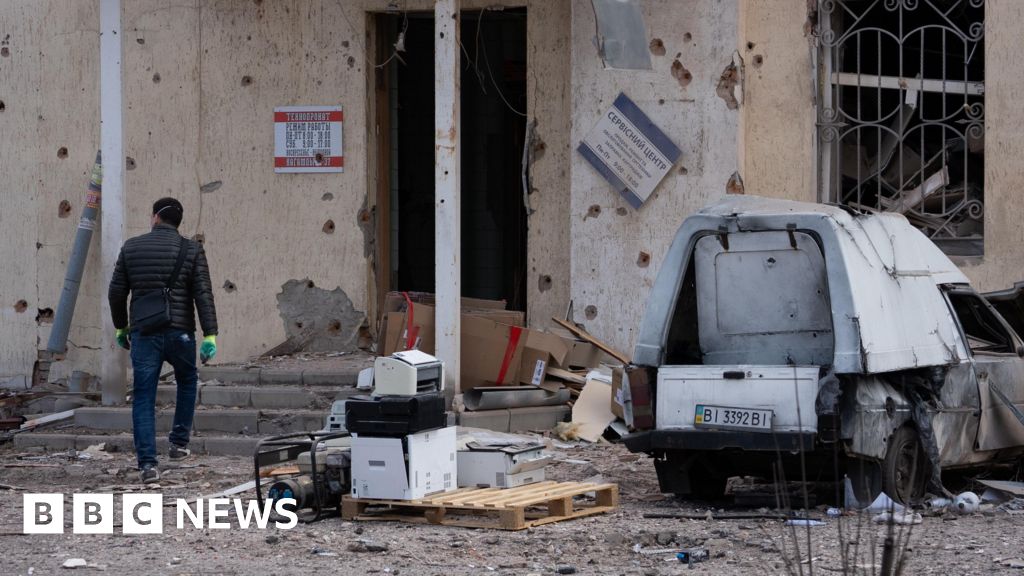
Amid escalating tensions in Eastern Europe, the Ukrainian leadership has publicly acknowledged the persistent and complex challenges facing the nation as it continues to defend itself against relentless Russian aggression. Recent reports detail a series of Russia’s renewed strikes on vital energy infrastructure, an alarming development that underscores the strategic objective of destabilization and coercion. Ukrainian officials emphasize that, despite diplomatic efforts and international aid, the path toward peace remains fraught with difficulty, as Moscow’s military campaign adapts to increasingly severe circumstances.

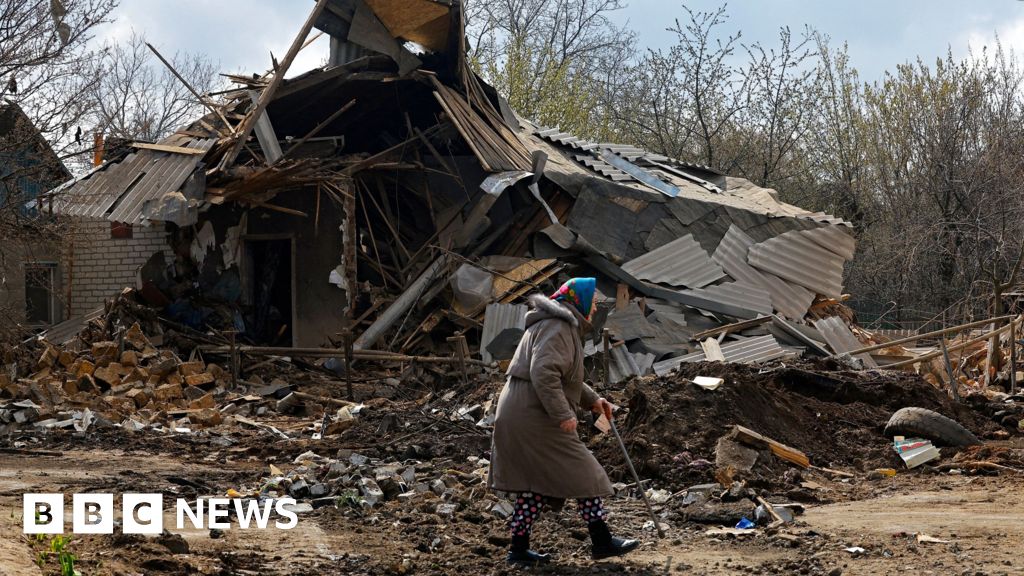
These actions by Russia are not isolated but part of a broader geopolitical strategy aimed at undermining Ukraine from within. According to seasoned analysts and respected international think tanks, Russia’s focus on energy facilities reflects a calculated move to erode civilian morale and cripple Ukraine’s economic resilience. The disruption of energy supplies further complicates Ukraine’s efforts to sustain its military and civilian populations, with critical infrastructure under siege amidst a winter season that threatens to deepen humanitarian crises. This pattern of targeted strikes not only aggravates the immediate suffering but also signals a prolonged conflict that could reshape regional security arrangements for years to come.

Furthermore, the unfolding crisis holds profound geopolitical impact, resonating far beyond Ukraine’s borders. Western nations, led by the United States and the European Union, have condemned Russia’s actions and ramped up military and financial support to Kyiv. However, international organizations—in particular the United Nations—have expressed concern, while some voices warn of the dangerous precedent set by Moscow’s willingness to target civilian infrastructure. Historian and geopolitical analyst Dr. Michael Harper points out that the conflict’s ongoing nature risks fragmenting geopolitical alliances and intensifying global instability, especially as nations grapple with energy security and the specter of a wider proxy confrontation.

Decisions made in the coming months will ultimately determine the future landscape of international order. As diplomacy falters and military escalations continue, the conflict transforms into more than a regional dispute—it becomes a test of Western resolve and a stark warning about the limits of diplomatic rhetoric in an increasingly divided world. In the words of global security expert Dr. Laura Chen, “History will remember how the world responded in these critical moments. Will it be remembered as a failure to act decisively, or as a pivotal turning point for sovereignty and national dignity?” As the narrative of Ukraine continues to unfold, the weight of history presses heavy on the shoulders of leaders and nations alike—each decision echoing through the corridors of time, shaping the future in ways we are only beginning to understand.

Russia and Ukraine Swap Prisoners as Peace Talks Stall

Diplomatic Efforts in the UAE Signal High Stakes in the Ukraine Conflict

In a pivotal move that underscores the escalating urgency of the ongoing Ukraine conflict, Russian, Ukrainian, and US delegations convened in the capital of the United Arab Emirates to negotiate, aiming to find a path toward peace. While details remain tightly guarded, sources indicate that the core issues revolve around territorial concessions Ukraine faces pressure to relinquish and security guarantees vital for Ukraine’s sovereignty and safety. These talks mark a significant shift in diplomatic efforts, illustrating an international community deeply concerned about the conflict’s destabilizing effect on regional and global stability.

Upholding the narrative of the West’s strategic interests, analysts suggest that the negotiations highlight a complex web of geopolitical calculations. The central question remains: can Ukraine surrender some territory without losing its sovereignty? or will the negotiations merely serve as a temporary respite before further escalation? The United States, alongside European allies, continues to weigh a delicate balance—supporting Ukraine’s fight for independence while simultaneously exploring avenues to contain the conflict. “This is about preventing a broader Eurasian conflict,” observes Dr. Jane Henshaw, a prominent historian in international relations, warning that missed opportunities could further entrench divisions and prolong the war.

Strategic Implications for Global Power Dynamics

The potential outcomes of this diplomatic dialogue have far-reaching consequences, extending well beyond the immediate East European theater. Russia’s strategic objectives appear aimed at securing territorial gains while asserting influence over Ukraine, positioning itself as a formidable regional power. Conversely, Ukraine and its western allies insist on maintaining sovereignty and territorial integrity, emphasizing the importance of security guarantees to deter future Russian aggression. The negotiations also hold significance for other global actors, who observe intently, aware that the decisions made will set precedents for international conflict resolution.

International organizations, including the United Nations and the European Union, are closely monitoring developments. While some analysts warn of the risk of a drawn-out stalemate, others contend that diplomatic engagement signals a possible pivot toward peace or at least a fragile ceasefire. Such shifts could alter the trajectory of this four-year war and reshape the geopolitical landscape for years to come. The implications for NATO and its eastern flank are profound—an unresolved conflict could test the alliance’s unity and redefine the boundaries of security cooperation in the 21st century.

History’s Unfolding and the Weight of the Present

As history records this critical juncture, the world stands on the precipice of a future that remains uncertain. Some scholars warn that the outcome of these negotiations could either forge a new era of peace or cement a period of enduring unrest and division. The weight of decisions made today will echo through generations, shaping international norms and expectations for conflict resolution. The shadow of history looms large, reminding all that diplomacy is often a delicate dance—one misstep can lead to chaos, yet prudent diplomacy offers the hope of a more stable future.

This chapter in global history remains unfinished, with each sideline and handshake carrying the potential to alter the course of nations. As the world watches with bated breath, the stakes could not be higher: the possibility of peace hangs in the balance, while the echoes of war continue to reverberate across borders, continents, and the collective consciousness of humanity. The unfolding story may yet reveal the resilience of diplomacy or the devastating cost of missed opportunities, but the next moves made today could define the future of international order for generations.

Kim Jong-un's North Korean troops step up as landmine clearance for Russia signals shifting alliances
Kim Jong-un’s North Korean troops step up as landmine clearance for Russia signals shifting alliances

In a striking display of North Korea’s increasingly provocative international stance, leader Kim Jong-un recently admitted that North Korean troops were deployed to support Russia’s ongoing invasion of Ukraine. This rare public acknowledgment signals a notable shift in Pyongyang’s foreign policy, unfolding amid a complex web of geopolitical maneuvers and diplomatic isolations. According to sources in South Korea and western intelligence agencies, thousands of North Korean soldiers have been sent to assist Russian forces, implicating Pyongyang directly in the Eurasian conflict that has drawn global concern and condemnation.

Under the guise of supporting Russia, North Korea is evidently leveraging the conflict to sidestep its international isolation. Analysts emphasize that Russia is providing North Korea with crucial financial aid, military technology, and energy supplies, thus allowing the isolated regime to continue its nuclear and missile programs in defiance of severe international sanctions. This clandestine exchange not only bolsters North Korea’s military capacity but also emboldens it to challenge the status quo, making it an active player in a shifting balance of power across Eurasia. The symbolism is powerful: a totalitarian regime stepping beyond its borders, acting as a proxy for global tension, and rewriting the rules of engagement in a world on the brink of a new Cold War.

Kim Jong-un’s recent public speeches and ceremonies further illustrate the regime’s military escalation and nationalist resolve. Celebrating the return of soldiers involved in mine-clearing operations in Ukraine, Kim awarded state honors to nine fallen troops, praising their heroism in turning dangerous zones into “safe and secure” areas within just three months. Such narratives serve to galvanize North Korean society around the narrative of sacrifice, reinforcing the leader’s image of strength and resilience. Meanwhile, images depict Kim embracing wounded and emotional soldiers, alongside grieving families—an effort to showcase the internal facade of sacrifice that, analysts argue, masks a regime desperate to bolster its strategic leverage amid international hostilities.

The geopolitical implications of these developments are profound. Experts argue that Pyongyang’s engagement in the Ukraine conflict is a clear signal of the diminishing influence of traditional Western powers over Eurasia, ushering in an era where authoritarian regimes like North Korea and Russia forge alliances based on shared interests in resistance against global sanctions and interventions. At the same time, the United States and its allies face a recalibration, as traditional lines of diplomacy and intervention are redefined. With Kim publicly commemorating soldiers killed in Ukraine and flexing military prowess at home, the risk of further escalation and regional destabilization looms large, making the future unpredictable and fraught with peril.

In the broader canvas of world history, this confluence of actions and alliances echoes the ominous warnings of historians who trace violent upheavals to the breakdown of diplomacy and the rise of aggressive regimes seeking to expand their influence. The current trajectory indicates that the decision of Kim Jong-un and Vladimir Putin to deepen their ties over Ukraine could be the catalyst for renewed conflict, reshaping the international order. As the world watches silently, the weight of history continues to press down, reminding us that, *once again*, the line between regional conflict and global upheaval grows thinner, and the lessons of the past remain perilously unheeded. The pages of history are turning, and humanity stands at a pivotal juncture where the choices made today will echo through generations—destined to be remembered as either moments of courage or capitulation amidst the storm of unchecked power.

Social Media Auto Publish Powered By : XYZScripts.com