Matox News

Truth Over Trends, always!

Trump orders Pentagon to ramp up nuclear tests to rival Russia and China | Donald Trump

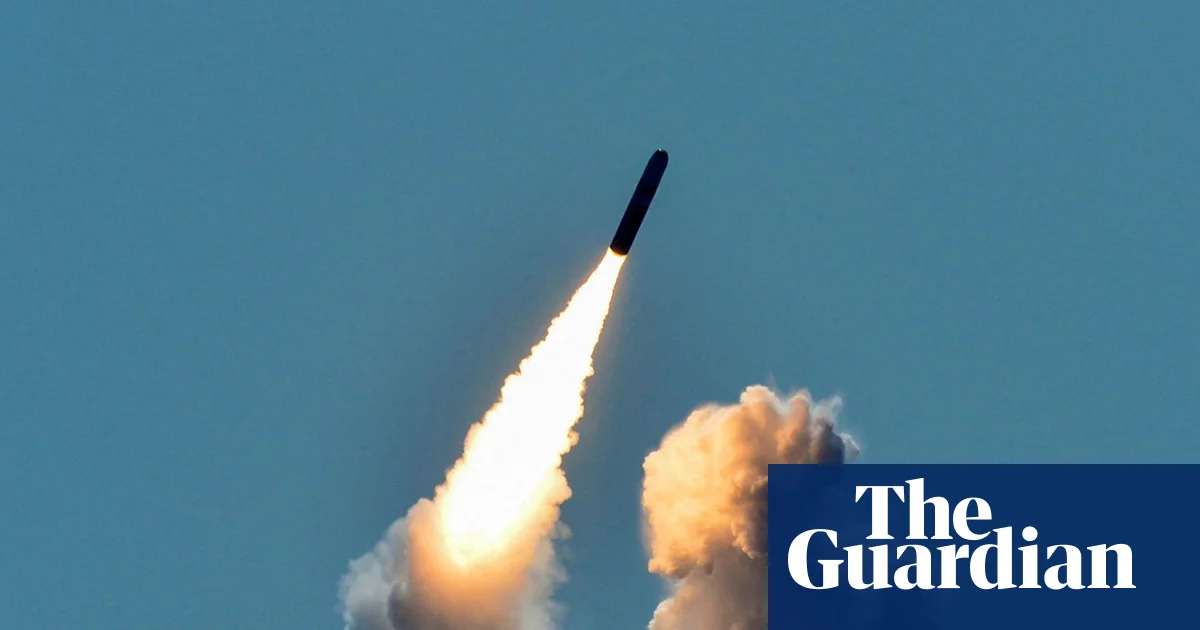
In a **dramatic escalation** of international tensions, Donald Trump has ordered the Pentagon to begin testing U.S. nuclear weapons in direct response to recent advances by Russia and China. This move, announced via social media, marks a **noteworthy shift** from years of US efforts to de-escalate nuclear tensions and cements a stark new reality—one where the world’s leading powers are engaging in a **dangerous game of nuclear one-upmanship**. Trump’s directive coincides with a backdrop where Moscow and Beijing have demonstrated their willingness to modernize and expand their nuclear arsenals, with Russia’s successful test of the Burevestnik cruise missile and Poseidon super torpedo exemplifying a clear intent to project power and undermine existing global stability.

Russia’s recent nuclear tests, including the Burevestnik nuclear-powered cruise missile and the Poseidon super torpedo, signal an **assertive posture** by the Kremlin amidst *breakdowns in diplomatic dialogue* with the West, particularly over the ongoing conflict in Ukraine. These developments are viewed by many analysts as a **deliberate display of strength**, intended to *deter Western interference* and reinforce Russia’s position as a formidable nuclear power. In response, Vladimir Putin has emphasized the need to ensure Russia’s national security, framing these tests as a necessary countermeasure in a new era of uncertainty. Meanwhile, the United States—despite a self-imposed moratorium since 1992—appears poised to re-engage in **nuclear testing**, threatening to ignite a new arms race. The move has sparked alarm among international organizations like the United Nations, which emphasize the catastrophic consequences of an escalated nuclear conflict and warn that such actions risk undoing decades of arms control efforts.

The **geopolitical impact** of Trump’s decision is profound and multifaceted. Not only does it **destabilize regional security architecture**, but it also threatens to undermine *existing treaties* such as the New START Treaty. The historic significance is clear: the revival of nuclear testing signals a departure from *diplomacy and mutual restraint*, opening a dangerous corridor leading toward a potential **nuclear crisis**. As traditional alliances and treaties waver, nations like India and Pakistan watch with concern, aware that a new arms race could destabilize a fragile global order. Leading international scholars, including arms control experts and historians, warn that such decisions “could unleash an era of instability and violence” that the world has sought to avoid since the Cold War’s conclusion.

Amidst this chaos, the **weight of history** looms heavy. The last full nuclear test conducted by the US was over three decades ago, and the silence that followed was seen as a *hope* for eventual disarmament. However, recent incidents suggest that the **axis of nuclear powers** is once again in motion, bringing the world closer to the “shadow of annihilation”. With *each test, each threat, and each escalation*, humanity edges toward an uncertain future. As nations grapple with the choice between peace and war, the question remains: will diplomatic efforts prevail, or will history once again be rewritten on the backdrop of nuclear shadows—a narrative where the clash of titans threatens to define the destiny of civilization itself?
Europe Supports Trump’s Frontline Freeze, But Russia Says No

The ongoing conflict in Ukraine continues to redefine the landscape of international geopolitics, with European leaders uniformly advocating for a pragmatic approach: freezing the current front lines as the basis for negotiations. This stance, supported by UK Prime Minister Keir Starmer and 10 other European nations, reflects a strategic desire to prevent further escalation while pressuring Russia to demonstrate a sincere commitment to peace. Their insistence that any meaningful dialogue commence from the established demarcation line signals a pragmatic reaction to Moscow’s perceived intractability and underscores the geopolitical contestation over the conflict’s ultimate resolution. According to analysts like Dr. Maria Svensson of the European Geopolitical Institute, this position reveals a complex balancing act — seeking peace without conceding strategic vulnerabilities.

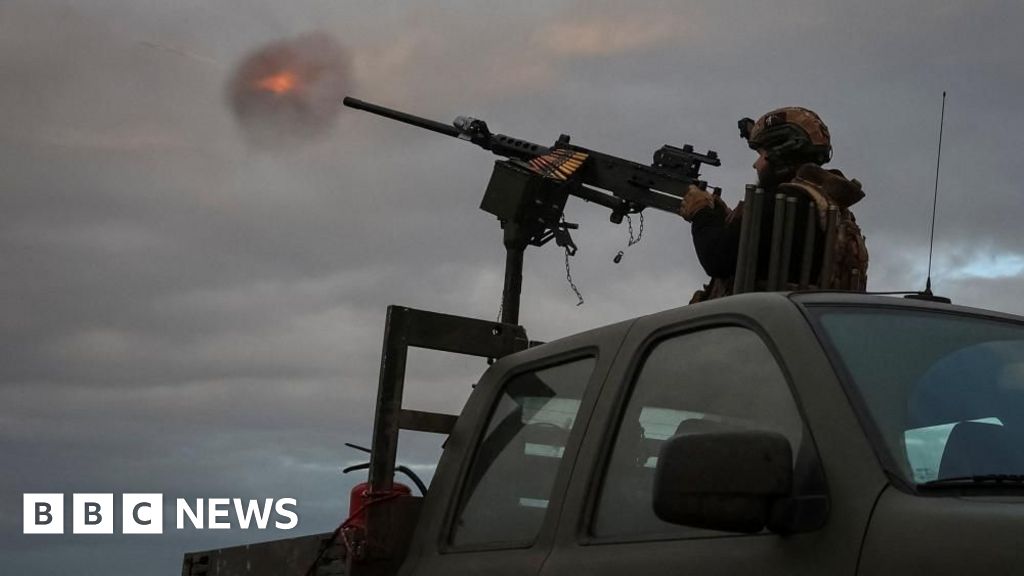
Meanwhile, Russia under Vladimir Putin remains firm in its stance, rejecting calls for a freeze at the current contact line. Russian Foreign Minister Sergei Lavrov emphasized Moscow’s aim for a *”long-term, sustainable peace”*, implying that any temporary ceasefire is merely a tactical pause rather than a genuine resolution. Moscow’s position is driven by a refusal to accept the legitimacy of Ukraine’s territorial integrity, demanding the *”full withdrawal of Ukrainian troops”* from the Donbas and asserting sovereignty over the contested regions. This maximalist approach, as international organizations like the UN have noted, risks prolonging the conflict and destabilizing the entire Eurasian corridor, thus amplifying the crisis beyond Ukraine’s borders. The European statement’s reference to “Russia’s stalling tactics” highlights Moscow’s strategic goal of leveraging protracted negotiations to solidify territorial gains and weaken Kyiv’s resolve.

In parallel, diplomatic efforts continue to unfold, notably involving US President Donald Trump, who recently signaled an unexpected shift by endorsing a de facto ceasefire at the *current battle lines*. During a recent telephone call with Putin, sources reveal that Trump urged Ukraine to cede territory in the eastern Donbas regions, notably Donetsk and Luhansk, as part of a broader deal. While Trump later denied insisting on territorial concessions, he publicly supported “cutting” the conflict at the battle line and halted what he described as “killings.” Such positioning underscores a growing divergence within Western leadership—some advocating for a pragmatic halt, others viewing Ukraine’s territorial integrity as non-negotiable. The potential for a broader summit, including a direct meeting between Putin and Trump in Budapest, hinges on complex logistical and legal considerations, given international warrants for Putin’s arrest over alleged war crimes. Russia’s insistence on addressing the *“root causes”* — a euphemism for maximalist demands over Ukrainian sovereignty — continues to complicate prospects for peace, suggesting that the conflict may persist well beyond current skirmishes.

The geopolitical impact of these developments is profound. As analysts warn, the decisions made today will reverberate through generations, shaping Europe’s security architecture for decades. The contest over Ukraine’s future isn’t solely a regional dispute; it is a crucible for global influence, testing the resolve of alliances, the limits of diplomacy, and the efficacy of international law. The Baltic states, Poland, and much of Eastern Europe watch with rising anxiety, understanding that the fallout from failed diplomacy might ignite broader conflicts. The dramatic diplomatic dance—shuttling between negotiations, sanctions, and military support—embodies a vital struggle of our era: whether the world will capitulate and accept a new sphere of Russian dominance or unite to uphold sovereignty and lasting peace. As history’s pages turn, the unresolved conflict in Ukraine leaves the world perched on a knife’s edge, witnessing the unfolding drama that will shape the contours of power and peace—*a stark reminder that in geopolitics, moments of crisis often forge the new order, with the true outcome still hanging in the balance, uncertain yet inevitable.*

Trump hints Ukraine could soon get Tomahawks to challenge Russia

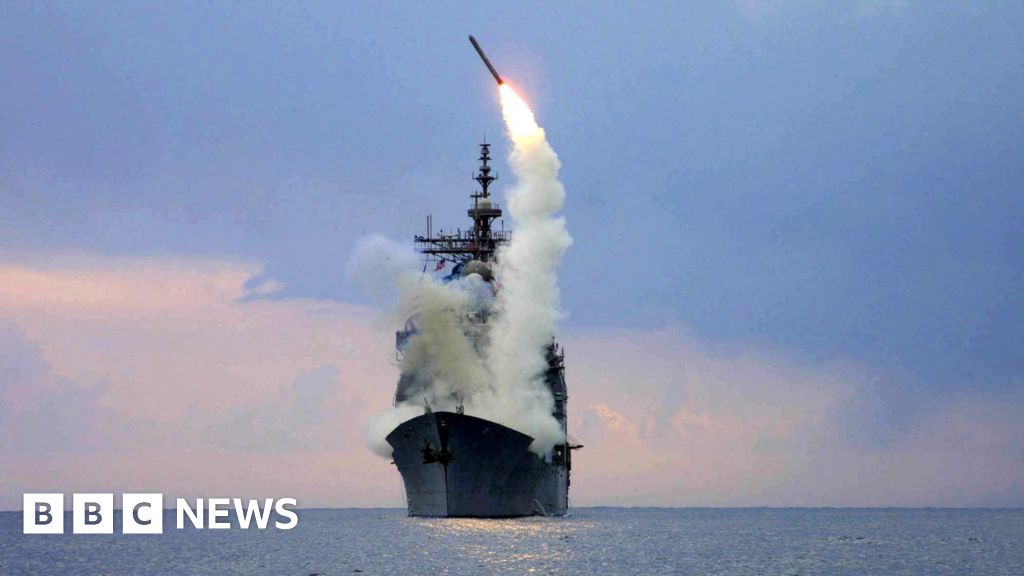
The United States is once again at the heart of escalating geopolitical tensions in Eastern Europe as reports emerge that President Donald Trump is contemplating the deployment of Tomahawk long-range cruise missiles to support Ukraine. This potential move raises alarm bells within Moscow, which has explicitly warned that supplying such advanced weaponry could trigger a major escalation in the ongoing conflict. The prospect of deploying missiles with a range of over 2,500 km, bringing Russian cities within reach, signifies a critical juncture in the Russia-Ukraine war that could radically reshape regional stability.

In recent conversations, including multiple calls between Volodymyr Zelensky and Donald Trump, Kyiv has pressed for enhanced military capabilities, especially long-range systems crucial for striking Russian supply chains and strategic targets deep inside their territory. As these discussions unfold, the rhetoric from Moscow remains unequivocal: any deployment of Tomahawk missiles by the U.S. would constitute a significant escalation and an infringement on Russia’s national security. Kremlin spokesperson Dmitry Peskov publicly dismissed claims that such missile systems could alter the course of the war, warning that “they won’t be able to change the dynamic.”

Analysts argue that U.S. decision-makers are walking a fine line, with some suggesting that any military aid extending Ukraine’s reach into Russian territory risks igniting a broader conflict that could involve other global powers. Countering this, some American and international voices warn that without such decisive support, Ukraine’s struggle against Russian aggression could be prolonged or even fail. The debate is fierce, with critics within Washington cautioned by the State Department’s own warnings about the potential for an anti-American backlash if escalation leads to a wider war. Meanwhile, European allies remain divided, balancing their support for Ukraine with fears of provoking Moscow further.

This development underscores a broader pattern where international institutions and experts emphasize that today’s decisions will carry profound consequences. The history of modern warfare demonstrates that the introduction of long-range missiles often marks a turning point—transforming localized conflicts into wider regional or even global confrontations. As historians warn about the dangers of escalation, the weight of this moment is clear: the choices made by Western powers in the coming days could shape the geopolitical landscape for decades to come, determining whether peace or chaos prevails. With each passing day, the shadows of history stretch further, and the pending decision on Ukraine could very well tip the balance of the global order, leaving the world on the precipice of a new, uncertain chapter.

Moldovans Gear Up for Crucial Election Amid Russia Interference Concerns

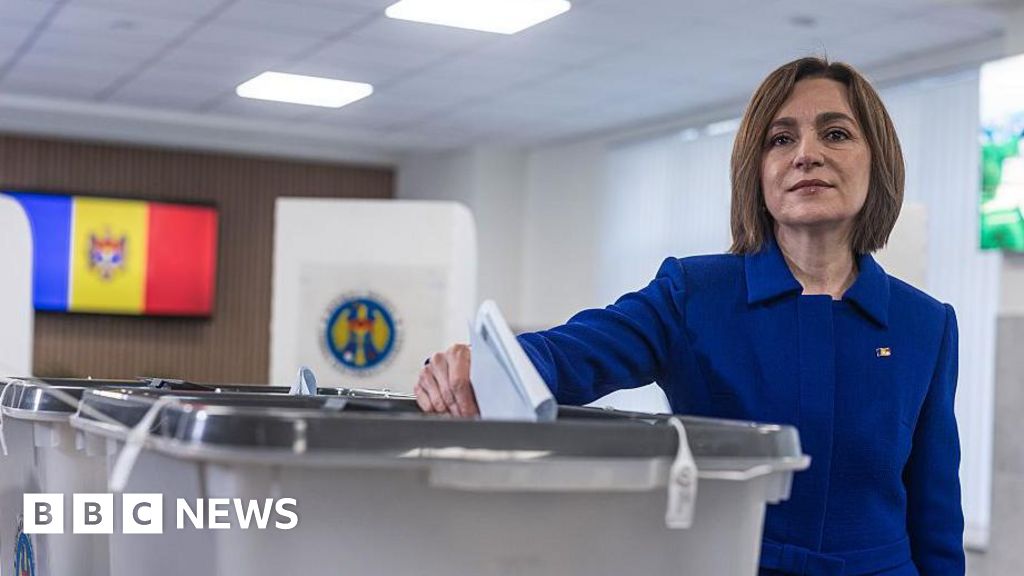
The recent parliamentary elections in MOLDOVA have become a focal point in the ongoing geopolitical contest between Western alliances and Russian influence. With a nation caught between its desire for EU integration and the lurking shadow of Russian interference, Moldova’s future is more precarious than ever. Voters, expressing their democratic will despite the smoke of disinformation and external meddling, are making a decisive choice that could redefine the nation’s trajectory—either towards the West or back into Moscow’s sphere of influence. As analysts and historians warn, these elections are not just about local politics; they are a pivotal chapter in the broader geopolitical struggle for influence in Eastern Europe.

The electoral landscape was heavily influenced by claims of massive Russian interference, with Moldova’s security forces alleging that Moscow-backed actors actively sought to sway the outcome. The authorities reported an unprecedented effort to spread disinformation and mobilize perceived pro-Russian sympathizers, including coordinated efforts to buy votes and spread fake news, as uncovered by an investigation from the BBC. The narrative was stark: Russia aims to maintain its grip on Moldova, especially in the shadowed enclaves like Transnistria, where Russian troops remain a tangible presence and pro-Moscow sentiments run deep. The anxiety surrounding these claims was amplified by reports of bomb scares, signaling the tense atmosphere during the voting process. Such actions underscore how security and sovereignty in Moldova have become a proxy battleground in a larger international conflict.

At the heart of the political tug-of-war are two major forces vying for control: President Maia Sandu’s Party of Action and Solidarity (PAS), committed to a European path, and the pro-Russian Patriotic Electoral Bloc, led by Igor Dodon, which pushes for closer ties with Moscow. The partial results suggested a neck-and-neck race, with proponents for EU integration and neutrality battling fiercely against Moscow-aligned factions. Notably, over 270,000 Moldovans participated in the diaspora voting, predominantly in Western countries, highlighting the country’s split identity. Meanwhile, Transnistria, with its Russian military presence and pro-Moscow population, remains a contested zone, where voters face logistical hurdles to participate—yet their votes carry significant symbolic weight in this unfolding geopolitical drama.

This election has also revealed the deep societal divisions within Moldova, worsened by spiraling prices and endemic corruption. President Sandu, resilient and warned by many analysts as a pragmatic reformer, reinforced her commitment to EU integration, reminding voters that their democracy is fragile and must be defended. The stakes are high: if her party loses its parliamentary majority, Moldova may face further instability, potentially swinging back into Russia’s orbit. Conversely, a win for pro-Western parties could accelerate Moldova’s integration into European structures, but at the cost of escalating tensions with Moscow, which perceives such moves as threats to its strategic interests. The international community watches closely, aware that Moldova’s choice could influence the balance of power in Eastern Europe amid the ongoing turmoil in Ukraine.

As the results slowly unfold, one thing remains clear: Moldova’s democratic experiment is a critical piece of a larger puzzle—one where history is still being written at the ballot box. With a nation divided but determined to forge its own path, the outcome is more than just a local election; it is a decisive step in the relentless contest for supremacy in Europe’s eastern frontier. As voters cast their ballots amidst whispers of disinformation and foreign influence, the world must wonder: which way will Moldova tilt—toward stability and sovereignty or into the shadows of empire? The answer will shape the geopolitical landscape for years to come, etching the next chapter in an unfolding saga that could determine the future of regional security and international order.

Social Media Auto Publish Powered By : XYZScripts.com