Matox News

Truth Over Trends, always!

Russian missile hits Kharkiv residential building, leaving seven dead

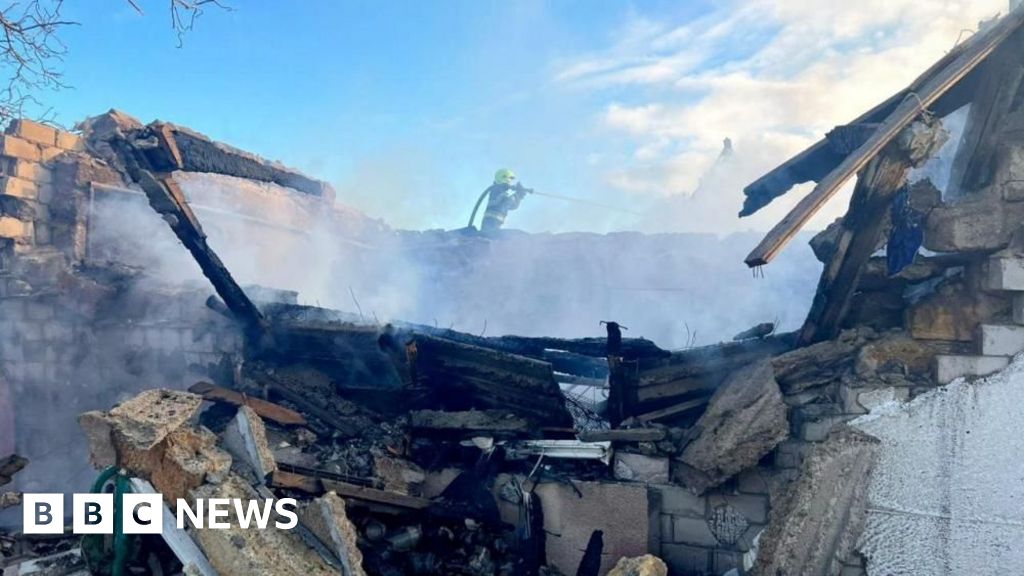
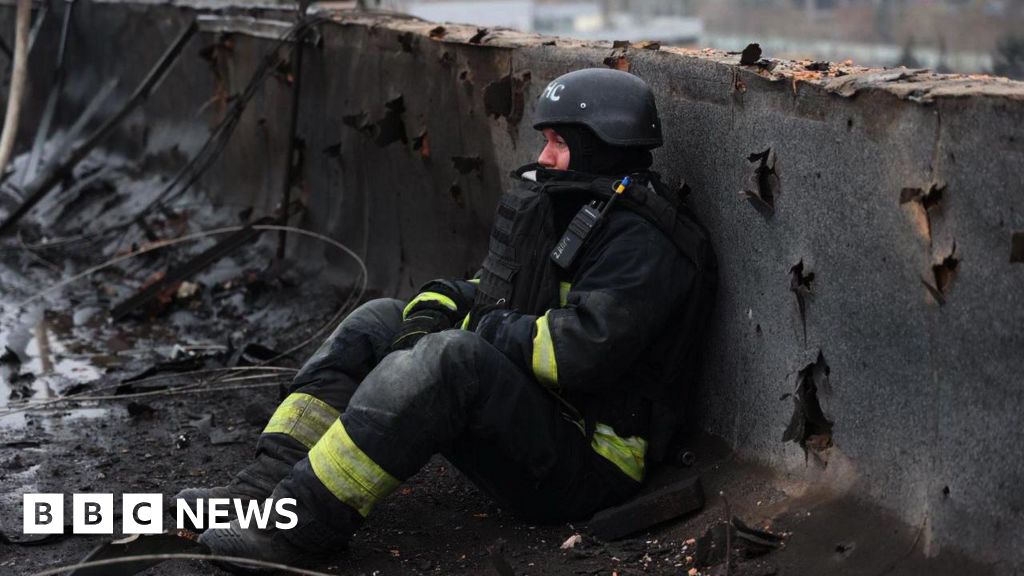
In a recent development amid the ongoing conflict within Ukraine, President Volodymyr Zelensky announced that ten individuals, including children, have sustained injuries after fresh hostilities. Rescue efforts remain ongoing as emergency responders sift through the rubble of recent strikes, highlighting the persistent toll on civilians caught in the crossfire. This incident underscores how the turmoil initiated by the escalation in Ukraine continues to ripple through local communities, devastating lives and stressing the country’s fragile infrastructure.

The current situation illustrates the geopolitical impact of the escalating conflict, which has drawn sharp international concern and intensified divisions among major world powers. Western nations, led by the United States and European Union, have expressed unwavering support for Ukraine, providing military aid and sanctions aimed at pressuring Russia. Conversely, Moscow maintains its narrative of defending its strategic interests, claiming that recent military actions are necessary responses to NATO’s eastward expansion—an assertion that continues to deepen the global divide. According to analysts from institutions such as the Council on Foreign Relations, these developments risk further destabilizing an already volatile region, with the potential to ignite broader confrontations.

Historically, the Russia-Ukraine conflict serves as a reminder of how local disputes can rapidly escalate into larger geopolitical crises. Many international observers and historians warn that without a diplomatic breakthrough, the consequences could reverberate well beyond Eastern Europe. The United Nations has issued cautious calls for restraint, but their influence remains limited amidst the complex web of alliances and strategic interests. The ongoing violence, and incidents like the recent injuries reported by President Zelensky, emphasize how governments and societies face the persistent threat of escalation, which could threaten global stability and reshape the boundaries of international diplomacy.

As the world watches, the narrative of this crisis remains unwritten, its chapters being shaped by decisions made in capitals across the globe. The collision of national interests, historical grievances, and ideological divides continues to threaten the fragile peace of the international order. With each injured civilian and each destroyed home, the story of Ukraine unfolds as a stark reminder of how history’s most consequential conflicts are often decided not in grand halls of diplomacy alone, but in the quiet rubble-strewn streets where everyday lives are forever altered. Humanity stands at a crossroads—whether to seek peace or be consumed by a conflict that many fear could ignite a broader global confrontation, with the weight of history still looming large in the uncertain days ahead.

US Opens the Door to Easing Russian Oil Sanctions Amid Rising Global Prices Over Iran Tensions

The geopolitical landscape is once again trembling under the weight of empire and ambition, as the United States signals potential shifts in its approach to Russian energy sanctions. Secretary of the US Treasury, Scott Bessent, publicly indicated on Friday that Washington is weighing the possibility of lifting sanctions on more Russian crude oil. This strategic move comes shortly after the US authorized India to purchase Moscow’s oil, a policy adjustment that has coincided with an almost unprecedented surge in global oil prices, which rose over 8.5% in a single day and nearly 30% over the week.

Underlying this volatility is the ongoing conflict in the Middle East, ignited by the resurgent hostilities between the US, Israel, and Iran. The escalation has crippled vital transport routes, most notably the Strait of Hormuz, the world’s most critical energy chokepoint, effectively shutting down a significant fraction of global oil flow. As heavy armored ships of Iran and allied forces threaten international shipping lanes, the price of crude continues its relentless climb, with analysts warning that such instability could push crude above the $100 per barrel threshold, igniting fears of inflationary spirals across economies.

The price surge has not gone unnoticed by international observers. Leading historians and supply-chain analysts warn that this latest escalation could redefine global power structures. The International Energy Agency and other international bodies have expressed concern over the potential for sustained market disruption, with some experts suggesting that the US’s loosening of sanctions could herald a new phase of geopolitical risk. President Donald Trump’s inflammatory remark—claiming that only the “unconditional surrender” of Iran would resolve Middle Eastern hostilities—further fuels instability, making clear that diplomatic solutions remain elusive.

  • Amid this chaos, Washington’s strategic calculus unfolds—balancing between exerting pressure on Moscow through sanctions and maintaining global energy stability.
  • The US Treasury’s recent negotiations aim to prolong relief for global markets by allowing the sale of Russian oil stranded at sea, mostly destined for India, with sanctions eased temporarily until April 2026.
  • Meanwhile, Moscow perceives these maneuvers as Western efforts to undermine its economy, with Kremlin economic adviser Kirill Dmitriev criticizing the sanctions’ impact on the world economy and stating that these measures are detrimental and ultimately counterproductive.

Geopolitical Impact and Societal Consequences

The decisions taken by Washington and its allies carry profound geopolitical implications. By hinting at easing sanctions, the US seeks to introduce a semblance of stability amidst the chaos, but critics argue that such moves could embolden Russia and Iran, further complicating the international order. The intersection of rising oil prices, regional conflicts, and strategic sanctions highlights a new chapter where global powers are willing to recalibrate alliances and economic controls—a clear challenge to a unipolar world dominated by Western interests.

International organizations warn of the societal repercussions, recasting economic pressure as a tool that could lead to increased inflation, energy shortages, and social unrest in vulnerable nations. As the Organization of Petroleum Exporting Countries and other stakeholders grapple with this upheaval, the world watches with wary eyes, contemplating whether this turbulent phase signals a new multipolar era or the beginning of a prolonged conflict that could reshape the global order for decades to come.

As history continues to unfold in this complex geopolitical theater, the decisions made today could reverberate through generations. With each shift in policy, the foundation of international stability is tested—reminding us that in the theater of global power, the outcome remains anything but certain. The weight of history presses down, signaling that the unfolding drama may yet lead to an epoch defining brink—where the true battle for global influence and security is only just beginning.

Swedish officials suggest suspected Russian drone targeted French carrier—raises tension in Europe

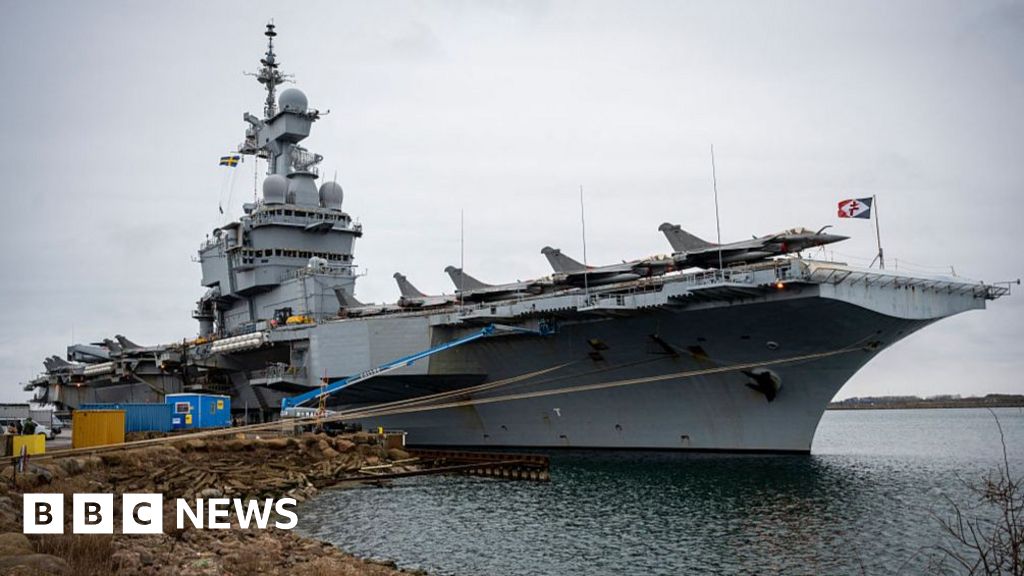
STOCKHOLM— In a striking display of regional concern, Swedish Prime Minister Ulf Kristersson addressed the nation from the deck of a military carrier, emphasizing the gravity of recent military incidents that have escalated tensions along the Nordic border. In a candid assessment, Kristersson declared the event, which he characterized as serious, to be not entirely unexpected, signaling a brewing storm that threatens to alter the security landscape of Northern Europe.

Kristersson’s remarks highlight a disturbing pattern, as many analysts interpret the incident as part of a broader Russian strategy aimed at projecting power beyond its traditional spheres of influence. “It is very difficult to see as a coincidence,” he remarked, pointing to the persistent tempo of Russian military movements and provocative actions that mirror tactics observed in other regions where Russia has sought to assert dominance. Historically, such behaviors have been a prelude to more aggressive policies, raising alarms both within NATO and among neighboring nations wary of increased Russian assertiveness.

International organizations and security experts have sounded the alarm over these developments. The NATO alliance, already on edge after recent provocations, views these incidents as a potential preamble to further destabilization. According to analysts from the International Crisis Group, “This pattern of behavior signifies a calculated effort by Russia to challenge the existing security order in the region, and while escalations may seem isolated, they are part of a larger strategy of intimidation and influence.” The implications of such actions extend beyond regional borders, threatening the fragile balance of peace and risking a broader confrontation that could ignite across Europe.

Decisions made today echo profoundly on the geopolitical stage. Sweden’s decision to bolster its military readiness signifies a clear shift in policy, aligning with NATO’s efforts to deter Russian expansionism. The analyses of historians like Dr. Eric L. Hanley suggest that these moments could serve as either a reaffirmation of Western resilience or, conversely, a catalyst for renewed conflict if diplomatic channels fail to contain the crisis. Meanwhile, international institutions such as the United Nations have expressed concern but lack the decisive authority to curb such aggressive maneuvers without a unified response from the West.

As the world watches, the unfolding series of provocations and countermeasures signals a pivotal chapter—one that could determine the stability of Europe for generations. The weight of history presses heavily on today’s leaders, whose choices will shape a continent teetering on the edge of a potential new Cold War. The tense silence before the next move is deafening, and the eyes of history remain fixed on the unfolding narrative, where every decision could either forge a new era of peace or plunge the region into chaos, echoing the tumult of the 20th century’s darkest hours.

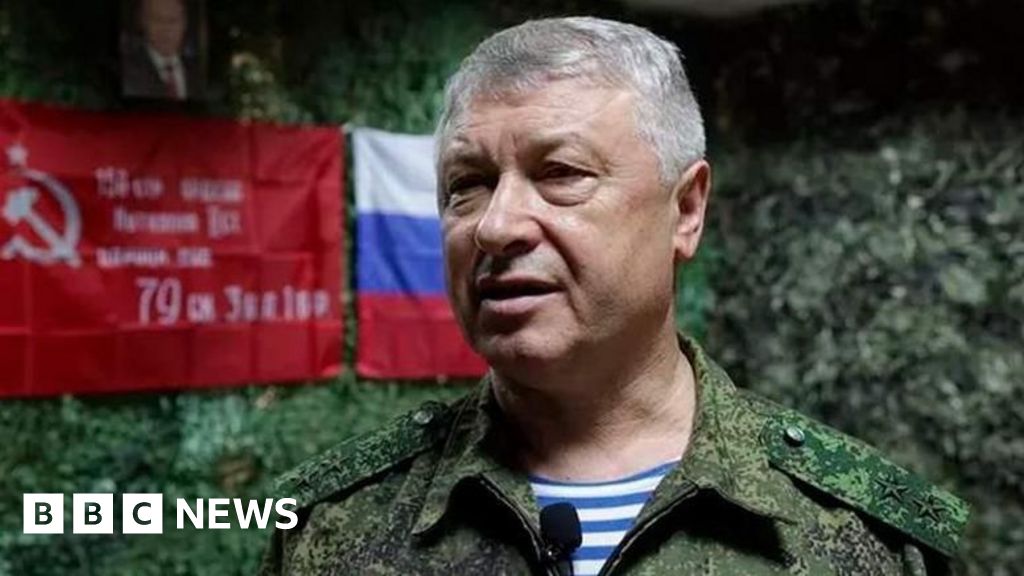
Identified: Three Suspects, Including Alleged Shooter, in Russian General Attack

The international community continues to grapple with the ramifications of a recent attack that has sent shockwaves through geopolitical circles. At the heart of the narrative is Lyubomir Korba, identified as the alleged gunman, whose whereabouts remain a focal point of concern for authorities worldwide. According to reports from Russia, Korba fled the scene of the incident and has reportedly crossed into the UAE, raising complex questions about border security, international law enforcement cooperation, and the shifting allegiances in a turbulent geopolitical landscape.

The incident itself—while details remain emerging—has profound implications for regional stability and the delicate balance of power. Experts and international agencies are closely scrutinizing whether this was an isolated act of violence or part of a broader pattern indicative of escalating internal or external pressures on nations involved. Russia, a key player on the global stage, has explicitly stated its concerns over the suspect’s escape, urging UAE authorities to apprehend Korba and facilitate an extradition process. The case underscores how conflicts or unrest in one nation inevitably ripple outward, impacting diplomatic relations, border policies, and security alliances.

Global Power Dynamics and Diplomatic Reactions

  • Russia has taken a firm stance, framing the incident within the context of regional security threats and emphasizing the importance of international cooperation to combat transnational crime. Analysts note that Russia’s emphasis on the suspect’s flight signals a broader push to extend influence and bolster alliances with key Gulf nations, such as the UAE, amidst a shifting geopolitical order.
  • The UAE faces mounting pressure to demonstrate its commitment to global security standards, a move that could either bolster or strain its diplomatic relations, particularly with Russia. The incident also spotlights the strategic importance of the Gulf region as a nexus point for international espionage, terrorism, and now, high-profile criminal escapes.
  • Meanwhile, international organizations—such as the United Nations and global security forums—are calling for a unified approach to prevent such incidents from undermining international law and stability. Experts warn that failures in border enforcement or intelligence sharing could have devastating consequences that extend far beyond the immediate region, risking wider chaos.

Historical and Analytical Perspectives on Geopolitical Consequences

Historian and geopolitical analysts caution that the fallout from this event may signal a turning point in how nations view security and sovereignty in an interconnected world. Historically, such incidents often serve as catalysts for deeper alliances or, conversely, point to vulnerabilities that adversaries can exploit. International institutions, tasked with maintaining peace and stability, must adapt quickly to these evolving threats. The case of Korba’s escape underscores the importance of international intelligence-sharing networks and the need for nations to reassess border protocols that have long relied on outdated frameworks.

The suspect’s flight into the UAE also sparks questions about the political and economic relations between Russia and Arab nations, as well as the influence of emerging global powers vying for dominance. The fallout from this incident could serve as a precedent for future cooperation—or conflict—that may redefine the international order. With each passing day, the weight of history presses down, and the world watches as the unfolding story continues to shape the trajectory of geopolitical stability or chaos.

In an era where conflicts are no longer confined within borders but extend across continents via digital, diplomatic, and clandestine channels, the significance of this event cannot be overstated. From the corridors of power in Washington and London to the diplomatic neighborhoods of Dubai and Moscow, the echoes of this case reverberate far beyond the immediate incident. The question remains: will this be a catalyst for renewed international cooperation or a harbinger of a fractured world landscape still waiting to be redefined?

Russian strikes Ukrainian energy sites in biggest hit of the year so far

The recent barrage of over 70 missiles and approximately 450 drones launched against strategic targets marks a significant escalation in the ongoing conflict between Ukraine and Russia. This assault follows the expiration of a fragile “energy truce,” a temporary ceasefire meant to mitigate the impact of hostilities on civilians and critical infrastructure. The timing underscores the persistent volatility and unresolved tensions at the heart of this contentious regional conflict, which continues to reverberate across Europe and beyond.

Analysts say the scope and scale of the recent attack reveal a deliberate strategy aimed at destabilizing Ukrainian defenses and economic stability. The deployment of this formidable arsenal indicates that hostilities are far from abating; instead, they are entering a new, more aggressive phase. International observers, including officials from NATO and the United Nations, are warning that such sustained attacks threaten broader regional security. The offensive also underscores how the geopolitical impact of the conflict extends well beyond its immediate theater, challenging the global order and testing the resilience of allied commitments to Ukraine’s sovereignty.

Within this context, the decision by Russia to escalate military actions shortly after the expiration of the “energy truce” signals an intent to press advantage despite mounting international pressure. According to historians specializing in post-Cold War conflicts, such aggressive measures frequently serve as a demonstration of power aimed at reshaping negotiations or asserting dominance. Meanwhile, Ukrainian officials and military commanders face the dangerous task of defending vital infrastructure amid ongoing threats, with several regions experiencing power outages and critical service disruptions. These developments further highlight the deteriorating security environment that now risks spilling over into neighboring nations, which could potentially ignite wider regional instability.

Institutions like the European Union and the United States continue to call for moderation, emphasizing diplomatic solutions over further violence. Yet, experts caution that the failure to de-escalate risks a protracted conflict with devastating consequences. The historic backdrop—marked by decades of Cold War tensions, recent geopolitical shifts, and global power struggles—reminds us that each decision in this crisis carries consequences that will ripple through generations. As the world watches in cautious suspense, the trajectory of this conflict remains uncertain, teetering on a knife’s edge where diplomacy and war vie for dominance.

For now, the recent assault serves as a grim testament to the enduring volatility of a region that continues to redefine the boundaries of international stability. The unfolding story is still being written—an intricate narrative of power, resilience, and the unyielding pursuit of sovereignty. As history’s weight presses down on the present, nations and societies alike remain on high alert, knowing that the decisions made today could shape the global order for decades to come—each act of violence etching yet another chapter into the annals of a conflict that refuses to fade into the past.

One Million Ukrainian Homes Left in Darkness After Russian Attacks

Ukraine Under Siege: Russia’s Escalating Assaults and the Shifting Diplomatic Landscape

Amidst a relentless barrage of Russian missile and drone strikes, Ukraine faces an increasingly severe crisis that threatens to plunge the nation into further chaos and hardship. The Kyiv government reports that over more than a million households are now plunged into darkness as Moscow’s forces intensify attacks on critical energy and industrial infrastructure. This surge of aggression occurs just as winter sets in—a period historically linked with heightened suffering for civilians caught in the crossfire of this protracted conflict. The strikes, which Kyiv attributes to Russia, involved over 450 drones and 30 missiles in a single night, demonstrating Moscow’s intent to dismantle Ukraine’s ability to sustain itself. The regional damage is widespread, with Dnipropetrovsk, Kirovohrad, Mykolaiv, Odesa, and Chernihiv bearing the brunt of the assault.

While Russia has long targeted Ukraine’s energy grid, recent months have seen an unmistakable escalation as Moscow employs hypersonic Kinzhal missiles capable of changing course mid-flight, complicating Ukrainian defenses. The International Atomic Energy Agency (IAEA) reported that Ukraine’s Zaporizhzhia nuclear power plant, located within Russian-occupied territory, temporarily lost all offsite power—highlighting the war’s destabilizing impact on nuclear safety. The specter of nuclear catastrophe lurks behind these military operations, underscoring the high stakes for global security. Meanwhile, Russia reports casualties of its own, with regional governor Roman Busargin confirming two deaths from a drone strike on a residential building in Saratov, a reminder that the conflict continues to spill into Russian territory itself, igniting fears of an expanded front.

Diplomatic Efforts and the Fragile Road to Peace

Despite ongoing violence, diplomatic activity is intensifying in Europe and the United States. Steve Witkoff, Washington’s envoy leading efforts to mediate peace, plans to meet with Ukrainian President Volodymyr Zelensky and European officials in Berlin. The goal is to forge a new peace accord before Christmas—a deadline that reflects both the urgency and the impatience of Western capitals eager to bring an end to this destructive war. The upcoming Berlin talks are expected to include senior European leaders such as French President Emmanuel Macron and German Chancellor Friedrich Merz, signaling a united front within the Euroworld despite recent stirrings of discord.

However, persistent obstacles loom large. Kyiv remains resolute on refusing to surrender territory in the Donbas, asserting that Moscow’s ambitions to fully occupy eastern Ukraine must be halted. The U.S. proposes a contentious plan—an eventual withdrawal of Ukrainian forces from contested regions, which Kyiv’s leadership cautiously questions, fearing it could open pathways for Russian expansion. President Zelensky has publicly expressed skepticism, warning, “What will restrain [Russia] from advancing? Or from infiltrating disguised as civilians?” Such doubts highlight the deep divide on how to secure enduring peace without sacrificing Ukraine’s sovereignty.

Financial and Geopolitical Repercussions on a Global Stage

Economic warfare continues to ramp up alongside military and political struggles. The European Union has frozen approximately £185 billion in Russian assets, aiming to channel these funds into Ukraine’s reconstruction and military efforts—an act condemned by Moscow as theft, with Russia threatening legal retaliation. As Kyiv faces a financial shortfall of nearly €135.7 billion over the next two years, the EU’s financial support becomes vital. Yet, the question persists whether these measures will be enough to deter Russia’s strategic aims or merely serve as symbolic gestures in a conflict where victory remains elusive.

Meanwhile, the debate over Ukraine’s membership in the EU has gained momentum. The latest peace plan underscores Ukraine’s desire to accelerate accession, possibly as soon as January 2027, a move supported by Brussels but fraught with challenges. Despite Ukraine’s application to join the EU in 2022, the path remains years long, with geopolitical analysts warning that swift integration could heighten tensions with Russia and provoke further escalation. The ongoing diplomatic dance reflects an international landscape in flux—one where history’s pen is poised to write the next chapter, with nations waiting and watching as the fragile hopes for peace hang in the balance. The struggle continues, and the world stands on the brink of a new era—one that history will judge through the lens of resilience, strategy, and unresolved conflicts still echoing across the continent.

NASA and Russian cosmonauts start their return trip to Earth—mission accomplished!

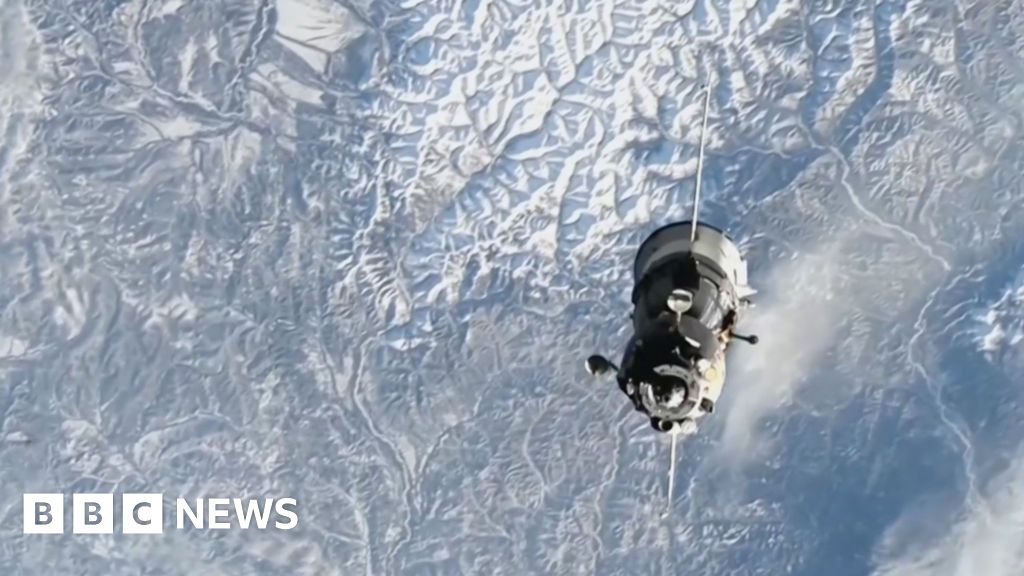
The recent return of NASA astronaut Jonny Kim alongside Roscosmos cosmonauts Sergey Ryzhikov and Alexey Zubritsky from the International Space Station (ISS) underscores the complex interplay of international cooperation amid geopolitical tensions. Their journey, culminating in a touchdown near Dzhezkazgan, Kazakhstan, marks a significant moment not just for space exploration but for the international order itself. This collaborative mission, which lasted 245 days and involved orbiting Earth nearly 4,000 times, exemplifies the enduring yet fragile unity among some of the world’s most conflicting nations.

According to NASA reports, the crew traveled a staggering 104 million miles, pushing the boundaries of human endurance and technological innovation. This mission is particularly notable because it was the first spaceflight for Kim and Zubritsky, highlighting the continued opportunities for new generations of explorers amid ongoing geopolitical struggles. For Ryzhikov, who completes his third spaceflight, the mission symbolizes a persistent Russian presence in space—a symbol of resilience amid strained relations with the West. As international analysts observe, the ISS remains a rare venue of cooperation, yet the political climate on Earth influences the stability and future trajectory of such joint ventures.

Global organizations like the United Nations have long emphasized space as a domain of peaceful cooperation, yet recent geopolitical shifts suggest an era of heightened competition. Decisions by nations like Russia and the United States determine much about the future of multilateral space efforts. Diplomats and military strategists alike analyze how space assets are intertwined with national security and international influence, especially as new powers like China and India intensify their space programs. Historical commentators warn that the days where space was solely a realm for scientific discovery are waning, replaced by an arena increasingly shaped by strategic calculations and national interests.

As space agencies prepare for future missions, the geopolitical impact of these endeavors becomes clearer. The seamless cooperation seen during this recent mission is now often viewed through the lens of diplomatic resilience and potential vulnerability. Should tensions escalate—whether over resource rights, security concerns, or territorial disputes—the international community must confront the possibility of space becoming a new frontier for conflict. The recent mission’s success, therefore, is as much an achievement of diplomacy as it is of science. How nations navigate this precarious balance will determine whether space remains a universal domain of progress or transforms into another battleground.

As history continues to unfold, the outcome remains uncertain. The images of astronauts returning from orbit trace a story of human resilience and the enduring desire to explore, yet they also serve as a stark reminder: the decisions made today in the halls of power will echo through the corridors of history. As billions watch from afar, the weight of tomorrow’s geopolitics presses heavily on the present. From the deserts of Kazakhstan to the strategic boardrooms of superpowers, the narrative of exploration intertwines with the intricacies of power—an unfolding chapter that bears the imprint of history yet to be written.

Swedish Navy Battles Repeated Russian Submarine Encounters—More Threats Ahead

Swedish Defense Reports Increasing Russian Submarine Activity in the Baltic Sea

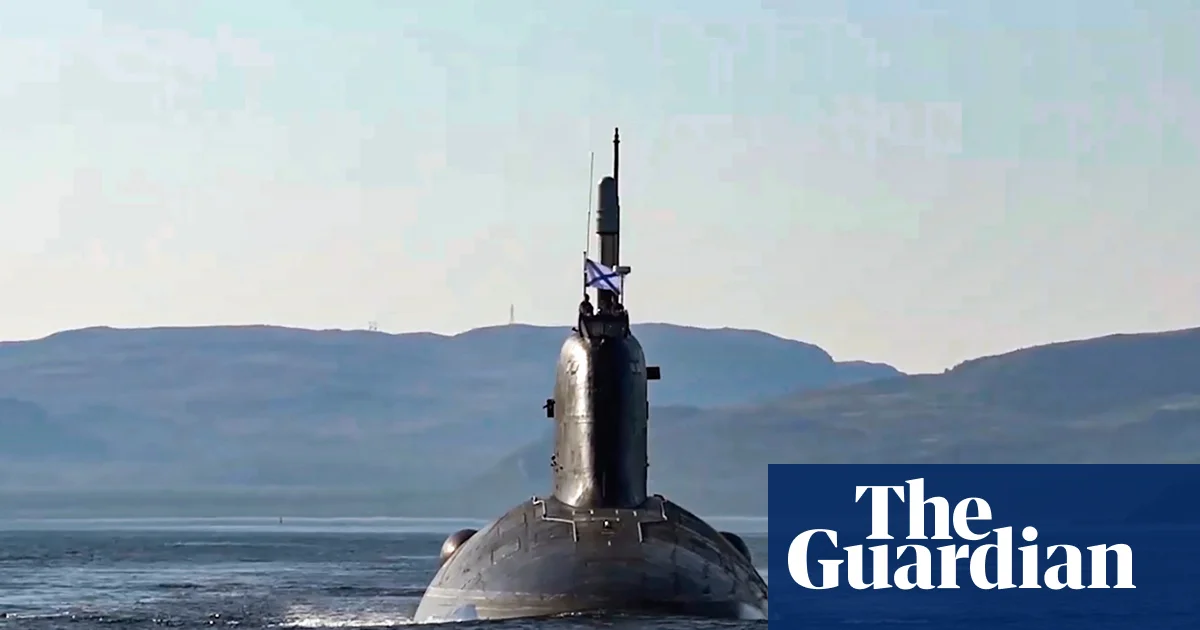
The Baltic Sea has long been a pivotal flashpoint for escalating security concerns among NATO allies and Russia. Recently, reports from Sweden’s navy highlight a startling trend: encounters with Russian submarines are occurring on an almost weekly basis. Sweden’s Chief of Operations, Capt Marko Petkovic, emphasized that Moscow is actively reinforcing its presence in the region, modernizing its fleet, and increasing submarine capabilities. This pattern of persistent submarine sightings and naval activity signals a broader push by Russia to assert dominance over the Baltic, an extension of its deeper strategic ambitions amidst the ongoing Ukraine conflict.

Russian Naval Modernization and the Geopolitical Stakes

According to leading analysts, Russia’s naval modernization efforts are part of a deliberate strategy to project power and challenge NATO’s influence in Northern Europe. The Russian fleet, particularly its Kilo-class submarines produced annually in St. Petersburg and Kaliningrad, are being upgraded with advanced capabilities—a move that has only heightened tensions in a region already volatile from recent conflicts and hybrid warfare threats. Capt Petkovic points out that Russia is continuously modernizing its vessels, making the underwater theatre in the Baltic more dense and unpredictable.

Added to this, the “shadow fleet”—a fleet of civilian-flagged oil tankers allegedly used to carry crude oil from Russia—raises concern over potential covert operations. While not overt military threats, these vessels could be repurposed to support drone attacks or other hybrid tactics, blurring the lines between civilian and military assets. Such tactics align with Russia’s overarching approach to hybrid warfare, an indirect yet persistent threat that NATO and regional partners are increasingly wary of. Europa and NATO officials are warning that, in the event of a ceasefire or armistice in Ukraine, Russian escalation could shift focus toward securing and expanding influence in the Baltic basin.

European Responses and NATO Vigilance

The response from NATO nations underscores a renewed commitment to <undersea countermeasures> and regional security. Sweden recently hosted Playbook Merlin 25, a major anti-submarine warfare exercise involving nine countries, including Germany, France, and the United States. This exercise aimed to bolster submarine-hunting skills amid a complex underwater environment that, due to its hilly and unpredictable terrain, provides prime hiding spots for submarines. According to Capt Petkovic, increased NATO vigilance has already had a tangible effect, with a notable absence of cable incidents since the establishment of Operation Baltic Sentry earlier this year. Such operations demonstrate that NATO’s unity and strategic planning are key in mitigating regional instability and deterring further Russian assertiveness.

However, the geopolitical impact goes beyond mere military preparedness. It signals a broader contest over influence in the sovereignty of Baltic states and their access to vital sea lines of communication—a lifeline for their economies and national security. As these emerging threats pose risks to not only military infrastructure but also civilian infrastructure, the stakes are high. The ongoing tension has analytical voices warning that the Baltic Sea may soon echo the echoes of Cold War conflicts, with the possibility of a new, dangerous era of hybrid and conventional hostility.

While some champions of diplomacy argue for negotiations, the reality depicted by recent movements suggests that history is once again at a turning point. How the West responds to Russia’s naval expansion and hybrid tactics in the Baltic will shape the geopolitical landscape for decades to come. The outcome remains unwritten, but what is clear is that the wider world is on the brink of witnessing a new chapter of strategic confrontations, where control over the Baltic could become a crucial pawn in a larger struggle for dominance.

Four lives lost in Russian strike amid ongoing diplomacy to end the war

The ongoing conflict in Ukraine remains a flashpoint of international instability, with recent events underscoring the profound geopolitical impact of Moscow’s relentless military campaign. A Russian missile attack on the eastern Ukrainian city of Dnipro—resulting in four deaths and dozens of injuries—serves as a grim reminder that the war, now stretching into its second year, continues to exact a heavy toll on both civilians and military personnel. While unconfirmed reports suggest a ballistic missile was used, the attack exemplifies how Russia’s inability to fully impose its will has led to increasingly indiscriminate strikes, escalating tensions regionally and drawing international concern.

Significantly, these hostilities unfold amidst a complex web of diplomatic maneuvering. On the eve of structured peace talks, U.S. special envoy Steve Witkoff was scheduled to meet with Vladimir Putin in Moscow—an encounter that highlights Washington’s strategic involvement. Despite repeated visits by U.S. officials to Moscow, the reluctance to engage directly with Kyiv exposes the deep fractures in diplomatic consensus. Meanwhile, Kyiv’s leadership, represented by President Volodymyr Zelensky, has described recent negotiations as “very constructive” but admits there are still “tough issues” to resolve. This diplomatic dance underscores the tense and uncertain how decisions will shape future security—not only for Ukraine but for the entire European continent.

The opposing positions remain entrenched. Russia, under Vladimir Putin, insists on Ukrainian retreat from the Donbas, threatening an escalation by force if necessary, as Putin’s words indicate a readiness for prolonged conflict. Conversely, Kyiv, supported by its European partners and seeking NATO membership, argues that security guarantees are non-negotiable. The debate over Ukraine’s path forward—whether it should join a military alliance or receive other security assurances—illustrates the fundamental divide: Russia’s desire to prevent Ukraine from integrating with Western institutions at all costs, versus Kyiv’s aspiration for legitimate security protections deemed vital for sovereignty. Figures such as Donald Trump have explicitly opposed Ukraine’s NATO accession, further complicating an already fragile diplomatic landscape.

In parallel, political turbulence within Ukraine adds layers of complexity. President Zelensky has recently faced internal setbacks, including the resignation of his chief of staff, Andriy Yermak, amid a corruption scandal. These developments have fueled concerns that the Ukrainian government’s internal stability is being tested at a critical juncture. Meanwhile, Zelensky continues to rally support internationally, visiting France and planning trips to Ireland, seeking to boost morale and secure aid amid ongoing hardships. Such efforts are vital, as analysts warn that external and internal vulnerabilities may be exploited by Moscow to push for concessions, a tactic that critics argue favors Russian interests over Ukrainian sovereignty.

As the conflict enters its second year, the death toll exceeds tens of thousands, with millions displaced and the resilience of Ukrainian society under relentless strain. Many historians and international observers view this war as a pivotal moment in modern history—one that will determine whether the principles of sovereignty and regional stability can withstand the pressures of aggressive expansionism. The shadows of 2014 and the annexation of Crimea linger ominously, serving as a stark reminder that the choices made today will resonate for generations. With each missile fired and diplomatic effort launched, the world stands on the cusp of a historical turning point—where the clash of interests and ideologies could redefine the geopolitical landscape for decades to come, leaving an indelible mark on the pages of history.

Ukraine targets Russian tankers in Black Sea escalation

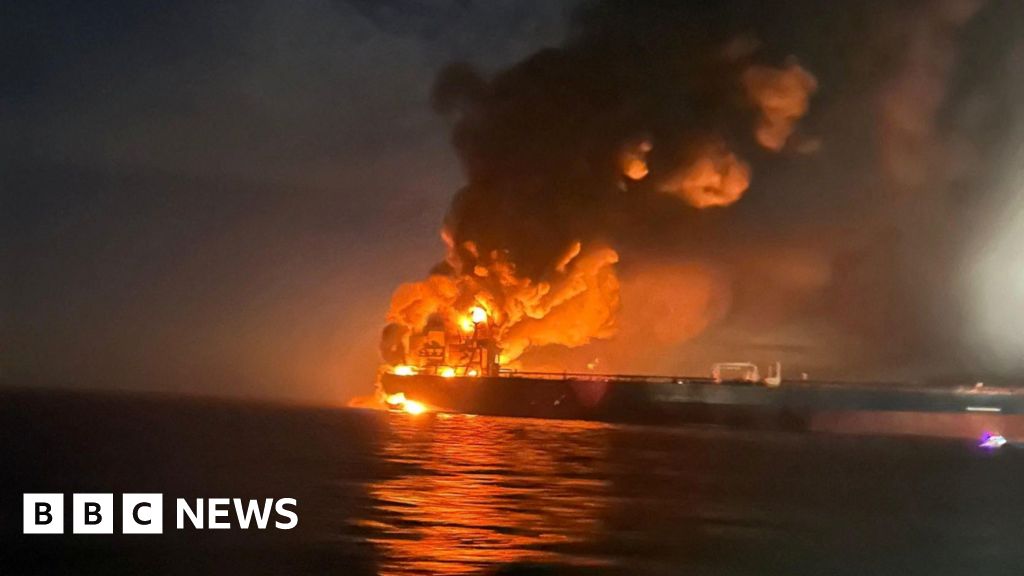
In a striking demonstration of the ongoing geopolitical conflict in Eastern Europe and the Black Sea region, Ukraine has reportedly launched a series of naval drone attacks against Russia’s shadow fleet vessels. Ukrainian officials confirmed that two oil tankers—named Kairos and Virat, both registered under the flag of Gambia—were targeted while traversing the contested waters near Turkey. Footage verified by the BBC shows waterborne drones, believed to be of Ukrainian design, speeding into the vessels before detonating into flames, creating plumes of black smoke. No casualties were reported, but the message was loud and clear: Kyiv is willing to escalate its efforts to undermine Russia’s resource-based revenue streams.

This escalation underscores a broader strategic shift aimed at crippling Russia’s financial capacity during its ongoing invasion of Ukraine. The vessels targeted are part of what analysts refer to as China’s “shadow fleet”: a network of aged, obscurely owned tankers used by Russia to circumvent international sanctions. Such actions are not isolated; they reflect Kyiv’s strategy to directly disrupt Russia’s economic lifelines, especially its oil exports, which are vital for funding its military campaign. International security experts, including those at the International Crisis Group, warn that these asymmetric tactics demonstrate that the conflict has extended beyond conventional battlefield engagements into the realm of economic sabotage.

Adding international complexity, Turkish authorities confirmed their cooperation in trying to control the repercussions of these attacks, with footage circulating of Turkish forces attempting to extinguish fires on the targeted ships. Meanwhile, the Black Sea remains a geopolitical flashpoint, with recent disruptions impacting broader trade routes and regional stability. The Ukrainian naval push is a stark warning to Moscow: ships carrying Russian oil are no longer safe from direct attack, signaling a new phase of relentless economic warfare. This move also coincides with a report that a major oil consortium has suspended operations in the Russian port of Novorossiysk, citing the recent attacks by unmanned boats—an ominous indicator of the war’s reach into commercial corridors.

On the diplomatic front, Ukrainian President Volodymyr Zelensky announced that a high-level delegation led by security official Rustem Umerov had traveled to the United States in pursuit of negotiations aimed at ending the conflict. This development comes amid internal political turbulence, following the resignation of Zelensky’s chief of staff, Andriy Yermak, after anti-corruption investigations. The delegation’s upcoming meetings with American officials in Florida signify a pivotal moment in Kyiv’s diplomatic strategy, attempting to secure continued Western support at a crucial juncture. Meanwhile, in Moscow, Russia continues to assert its presence, with US envoy Steve Witkoff preparing for discussions in the coming week—highlighting a global stage where diplomacy and military actions become increasingly intertwined.

The unfolding story in the Black Sea reflects a rapidly evolving vortex of violence, diplomacy, and economic warfare. Historians and security analysts warn that these developments mark a pivotal chapter in the ongoing struggle for regional dominance—one where the actions of a young nation like Ukraine threaten to reshape the geopolitical contours of Eastern Europe and beyond. As the world watches, one question rings ominously in the air: **How will history remember this relentless fight for sovereignty and strategic influence?** The answers remain uncertain, yet the weight of each decision echoes as a testament to a period of profound transformation—where the sea itself becomes a battleground for the fate of nations.

Social Media Auto Publish Powered By : XYZScripts.com