Matox News

Truth Over Trends, always!

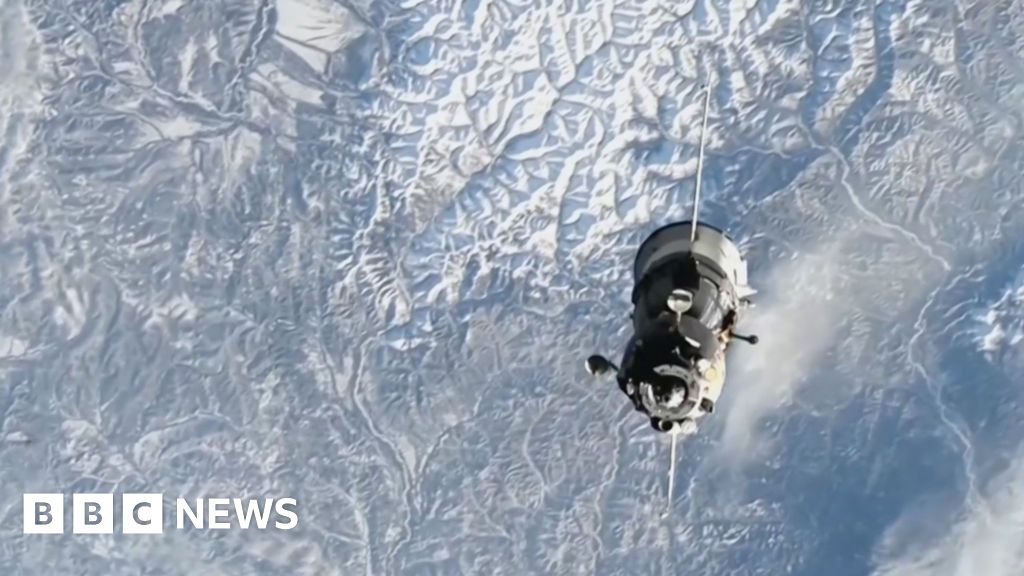
NASA and Russian cosmonauts start their return trip to Earth—mission accomplished!

The recent return of NASA astronaut Jonny Kim alongside Roscosmos cosmonauts Sergey Ryzhikov and Alexey Zubritsky from the International Space Station (ISS) underscores the complex interplay of international cooperation amid geopolitical tensions. Their journey, culminating in a touchdown near Dzhezkazgan, Kazakhstan, marks a significant moment not just for space exploration but for the international order itself. This collaborative mission, which lasted 245 days and involved orbiting Earth nearly 4,000 times, exemplifies the enduring yet fragile unity among some of the world’s most conflicting nations.

According to NASA reports, the crew traveled a staggering 104 million miles, pushing the boundaries of human endurance and technological innovation. This mission is particularly notable because it was the first spaceflight for Kim and Zubritsky, highlighting the continued opportunities for new generations of explorers amid ongoing geopolitical struggles. For Ryzhikov, who completes his third spaceflight, the mission symbolizes a persistent Russian presence in space—a symbol of resilience amid strained relations with the West. As international analysts observe, the ISS remains a rare venue of cooperation, yet the political climate on Earth influences the stability and future trajectory of such joint ventures.

Global organizations like the United Nations have long emphasized space as a domain of peaceful cooperation, yet recent geopolitical shifts suggest an era of heightened competition. Decisions by nations like Russia and the United States determine much about the future of multilateral space efforts. Diplomats and military strategists alike analyze how space assets are intertwined with national security and international influence, especially as new powers like China and India intensify their space programs. Historical commentators warn that the days where space was solely a realm for scientific discovery are waning, replaced by an arena increasingly shaped by strategic calculations and national interests.

As space agencies prepare for future missions, the geopolitical impact of these endeavors becomes clearer. The seamless cooperation seen during this recent mission is now often viewed through the lens of diplomatic resilience and potential vulnerability. Should tensions escalate—whether over resource rights, security concerns, or territorial disputes—the international community must confront the possibility of space becoming a new frontier for conflict. The recent mission’s success, therefore, is as much an achievement of diplomacy as it is of science. How nations navigate this precarious balance will determine whether space remains a universal domain of progress or transforms into another battleground.

As history continues to unfold, the outcome remains uncertain. The images of astronauts returning from orbit trace a story of human resilience and the enduring desire to explore, yet they also serve as a stark reminder: the decisions made today in the halls of power will echo through the corridors of history. As billions watch from afar, the weight of tomorrow’s geopolitics presses heavily on the present. From the deserts of Kazakhstan to the strategic boardrooms of superpowers, the narrative of exploration intertwines with the intricacies of power—an unfolding chapter that bears the imprint of history yet to be written.

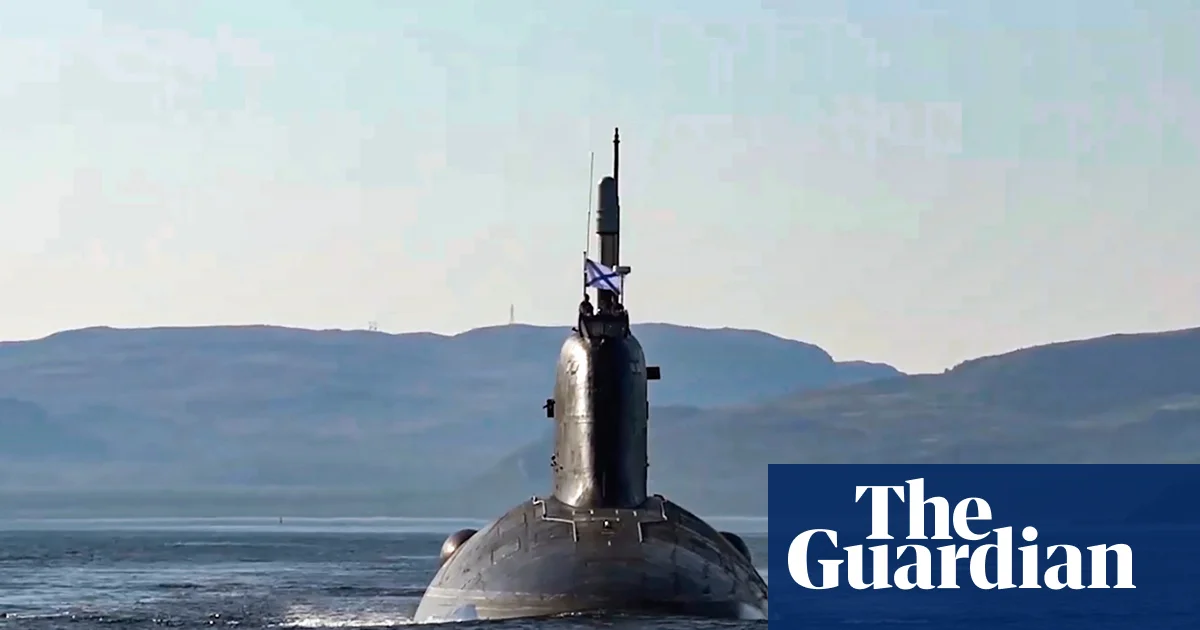
Swedish Navy Battles Repeated Russian Submarine Encounters—More Threats Ahead

Swedish Defense Reports Increasing Russian Submarine Activity in the Baltic Sea

The Baltic Sea has long been a pivotal flashpoint for escalating security concerns among NATO allies and Russia. Recently, reports from Sweden’s navy highlight a startling trend: encounters with Russian submarines are occurring on an almost weekly basis. Sweden’s Chief of Operations, Capt Marko Petkovic, emphasized that Moscow is actively reinforcing its presence in the region, modernizing its fleet, and increasing submarine capabilities. This pattern of persistent submarine sightings and naval activity signals a broader push by Russia to assert dominance over the Baltic, an extension of its deeper strategic ambitions amidst the ongoing Ukraine conflict.

Russian Naval Modernization and the Geopolitical Stakes

According to leading analysts, Russia’s naval modernization efforts are part of a deliberate strategy to project power and challenge NATO’s influence in Northern Europe. The Russian fleet, particularly its Kilo-class submarines produced annually in St. Petersburg and Kaliningrad, are being upgraded with advanced capabilities—a move that has only heightened tensions in a region already volatile from recent conflicts and hybrid warfare threats. Capt Petkovic points out that Russia is continuously modernizing its vessels, making the underwater theatre in the Baltic more dense and unpredictable.

Added to this, the “shadow fleet”—a fleet of civilian-flagged oil tankers allegedly used to carry crude oil from Russia—raises concern over potential covert operations. While not overt military threats, these vessels could be repurposed to support drone attacks or other hybrid tactics, blurring the lines between civilian and military assets. Such tactics align with Russia’s overarching approach to hybrid warfare, an indirect yet persistent threat that NATO and regional partners are increasingly wary of. Europa and NATO officials are warning that, in the event of a ceasefire or armistice in Ukraine, Russian escalation could shift focus toward securing and expanding influence in the Baltic basin.

European Responses and NATO Vigilance

The response from NATO nations underscores a renewed commitment to <undersea countermeasures> and regional security. Sweden recently hosted Playbook Merlin 25, a major anti-submarine warfare exercise involving nine countries, including Germany, France, and the United States. This exercise aimed to bolster submarine-hunting skills amid a complex underwater environment that, due to its hilly and unpredictable terrain, provides prime hiding spots for submarines. According to Capt Petkovic, increased NATO vigilance has already had a tangible effect, with a notable absence of cable incidents since the establishment of Operation Baltic Sentry earlier this year. Such operations demonstrate that NATO’s unity and strategic planning are key in mitigating regional instability and deterring further Russian assertiveness.

However, the geopolitical impact goes beyond mere military preparedness. It signals a broader contest over influence in the sovereignty of Baltic states and their access to vital sea lines of communication—a lifeline for their economies and national security. As these emerging threats pose risks to not only military infrastructure but also civilian infrastructure, the stakes are high. The ongoing tension has analytical voices warning that the Baltic Sea may soon echo the echoes of Cold War conflicts, with the possibility of a new, dangerous era of hybrid and conventional hostility.

While some champions of diplomacy argue for negotiations, the reality depicted by recent movements suggests that history is once again at a turning point. How the West responds to Russia’s naval expansion and hybrid tactics in the Baltic will shape the geopolitical landscape for decades to come. The outcome remains unwritten, but what is clear is that the wider world is on the brink of witnessing a new chapter of strategic confrontations, where control over the Baltic could become a crucial pawn in a larger struggle for dominance.

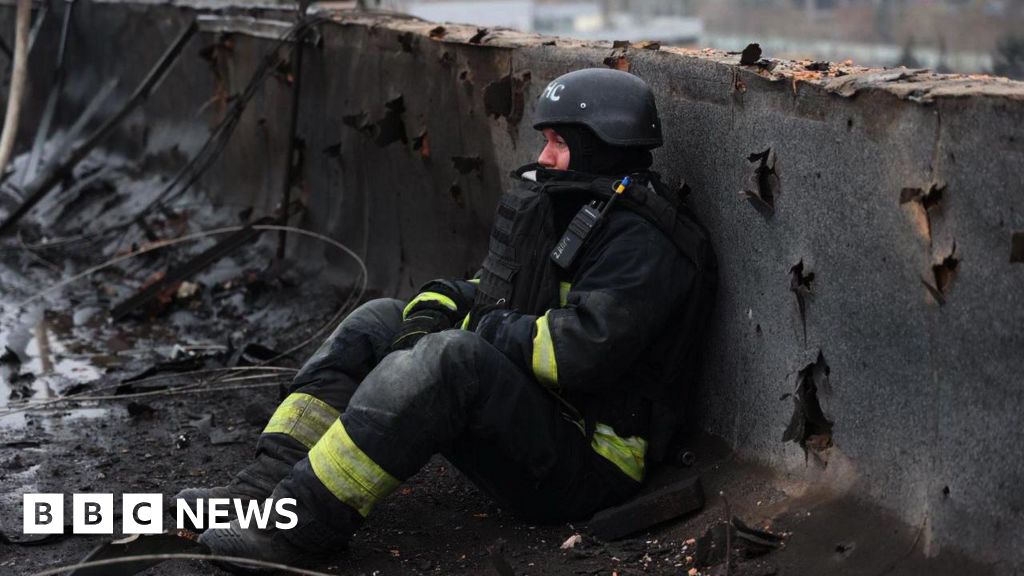
Four lives lost in Russian strike amid ongoing diplomacy to end the war

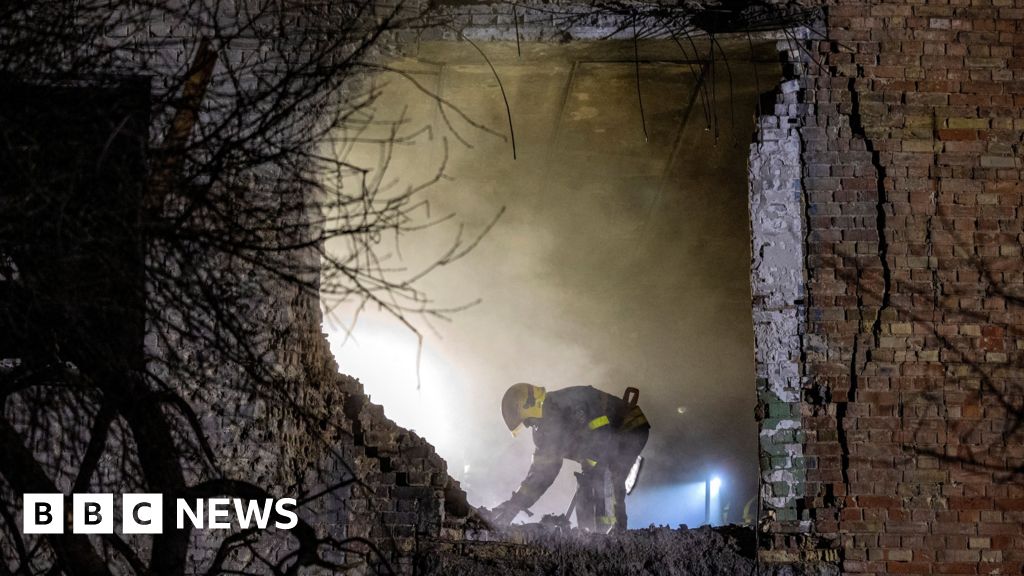
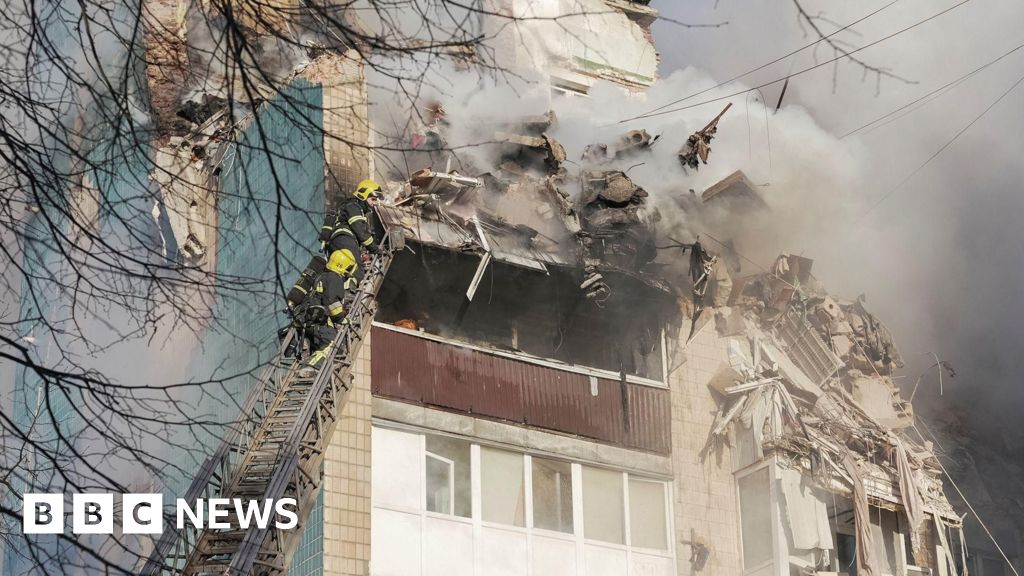
The ongoing conflict in Ukraine remains a flashpoint of international instability, with recent events underscoring the profound geopolitical impact of Moscow’s relentless military campaign. A Russian missile attack on the eastern Ukrainian city of Dnipro—resulting in four deaths and dozens of injuries—serves as a grim reminder that the war, now stretching into its second year, continues to exact a heavy toll on both civilians and military personnel. While unconfirmed reports suggest a ballistic missile was used, the attack exemplifies how Russia’s inability to fully impose its will has led to increasingly indiscriminate strikes, escalating tensions regionally and drawing international concern.

Significantly, these hostilities unfold amidst a complex web of diplomatic maneuvering. On the eve of structured peace talks, U.S. special envoy Steve Witkoff was scheduled to meet with Vladimir Putin in Moscow—an encounter that highlights Washington’s strategic involvement. Despite repeated visits by U.S. officials to Moscow, the reluctance to engage directly with Kyiv exposes the deep fractures in diplomatic consensus. Meanwhile, Kyiv’s leadership, represented by President Volodymyr Zelensky, has described recent negotiations as “very constructive” but admits there are still “tough issues” to resolve. This diplomatic dance underscores the tense and uncertain how decisions will shape future security—not only for Ukraine but for the entire European continent.

The opposing positions remain entrenched. Russia, under Vladimir Putin, insists on Ukrainian retreat from the Donbas, threatening an escalation by force if necessary, as Putin’s words indicate a readiness for prolonged conflict. Conversely, Kyiv, supported by its European partners and seeking NATO membership, argues that security guarantees are non-negotiable. The debate over Ukraine’s path forward—whether it should join a military alliance or receive other security assurances—illustrates the fundamental divide: Russia’s desire to prevent Ukraine from integrating with Western institutions at all costs, versus Kyiv’s aspiration for legitimate security protections deemed vital for sovereignty. Figures such as Donald Trump have explicitly opposed Ukraine’s NATO accession, further complicating an already fragile diplomatic landscape.

In parallel, political turbulence within Ukraine adds layers of complexity. President Zelensky has recently faced internal setbacks, including the resignation of his chief of staff, Andriy Yermak, amid a corruption scandal. These developments have fueled concerns that the Ukrainian government’s internal stability is being tested at a critical juncture. Meanwhile, Zelensky continues to rally support internationally, visiting France and planning trips to Ireland, seeking to boost morale and secure aid amid ongoing hardships. Such efforts are vital, as analysts warn that external and internal vulnerabilities may be exploited by Moscow to push for concessions, a tactic that critics argue favors Russian interests over Ukrainian sovereignty.

As the conflict enters its second year, the death toll exceeds tens of thousands, with millions displaced and the resilience of Ukrainian society under relentless strain. Many historians and international observers view this war as a pivotal moment in modern history—one that will determine whether the principles of sovereignty and regional stability can withstand the pressures of aggressive expansionism. The shadows of 2014 and the annexation of Crimea linger ominously, serving as a stark reminder that the choices made today will resonate for generations. With each missile fired and diplomatic effort launched, the world stands on the cusp of a historical turning point—where the clash of interests and ideologies could redefine the geopolitical landscape for decades to come, leaving an indelible mark on the pages of history.

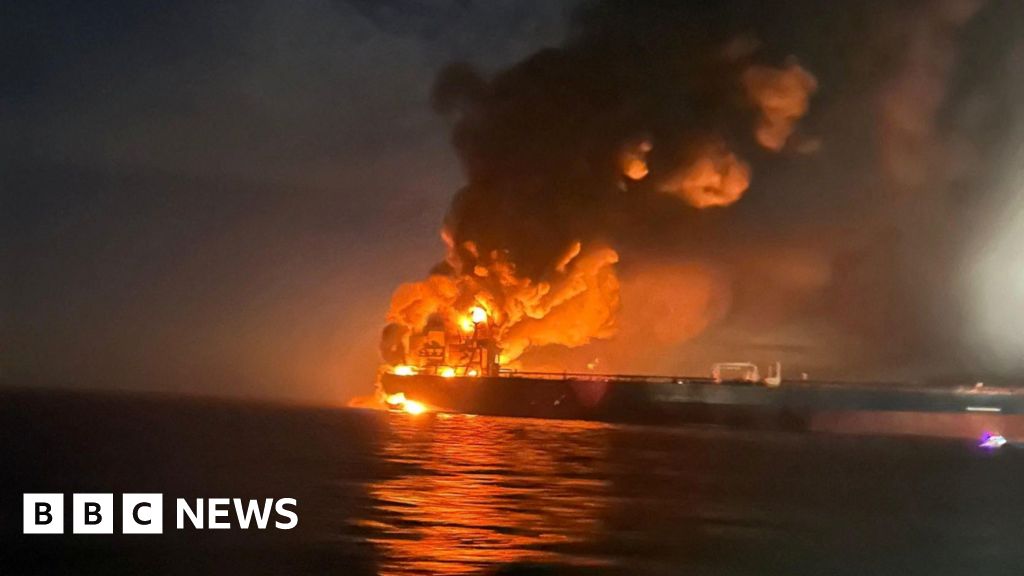
Ukraine targets Russian tankers in Black Sea escalation

In a striking demonstration of the ongoing geopolitical conflict in Eastern Europe and the Black Sea region, Ukraine has reportedly launched a series of naval drone attacks against Russia’s shadow fleet vessels. Ukrainian officials confirmed that two oil tankers—named Kairos and Virat, both registered under the flag of Gambia—were targeted while traversing the contested waters near Turkey. Footage verified by the BBC shows waterborne drones, believed to be of Ukrainian design, speeding into the vessels before detonating into flames, creating plumes of black smoke. No casualties were reported, but the message was loud and clear: Kyiv is willing to escalate its efforts to undermine Russia’s resource-based revenue streams.

This escalation underscores a broader strategic shift aimed at crippling Russia’s financial capacity during its ongoing invasion of Ukraine. The vessels targeted are part of what analysts refer to as China’s “shadow fleet”: a network of aged, obscurely owned tankers used by Russia to circumvent international sanctions. Such actions are not isolated; they reflect Kyiv’s strategy to directly disrupt Russia’s economic lifelines, especially its oil exports, which are vital for funding its military campaign. International security experts, including those at the International Crisis Group, warn that these asymmetric tactics demonstrate that the conflict has extended beyond conventional battlefield engagements into the realm of economic sabotage.

Adding international complexity, Turkish authorities confirmed their cooperation in trying to control the repercussions of these attacks, with footage circulating of Turkish forces attempting to extinguish fires on the targeted ships. Meanwhile, the Black Sea remains a geopolitical flashpoint, with recent disruptions impacting broader trade routes and regional stability. The Ukrainian naval push is a stark warning to Moscow: ships carrying Russian oil are no longer safe from direct attack, signaling a new phase of relentless economic warfare. This move also coincides with a report that a major oil consortium has suspended operations in the Russian port of Novorossiysk, citing the recent attacks by unmanned boats—an ominous indicator of the war’s reach into commercial corridors.

On the diplomatic front, Ukrainian President Volodymyr Zelensky announced that a high-level delegation led by security official Rustem Umerov had traveled to the United States in pursuit of negotiations aimed at ending the conflict. This development comes amid internal political turbulence, following the resignation of Zelensky’s chief of staff, Andriy Yermak, after anti-corruption investigations. The delegation’s upcoming meetings with American officials in Florida signify a pivotal moment in Kyiv’s diplomatic strategy, attempting to secure continued Western support at a crucial juncture. Meanwhile, in Moscow, Russia continues to assert its presence, with US envoy Steve Witkoff preparing for discussions in the coming week—highlighting a global stage where diplomacy and military actions become increasingly intertwined.

The unfolding story in the Black Sea reflects a rapidly evolving vortex of violence, diplomacy, and economic warfare. Historians and security analysts warn that these developments mark a pivotal chapter in the ongoing struggle for regional dominance—one where the actions of a young nation like Ukraine threaten to reshape the geopolitical contours of Eastern Europe and beyond. As the world watches, one question rings ominously in the air: **How will history remember this relentless fight for sovereignty and strategic influence?** The answers remain uncertain, yet the weight of each decision echoes as a testament to a period of profound transformation—where the sea itself becomes a battleground for the fate of nations.

Over 600,000 Americans Still in the Dark After Russian Attacks

In a stark reminder of the ongoing geopolitical conflict, Ukraine faces darkness and despair following a relentless attack that has left over 600,000 residents in the Kyiv region without power. According to Ukraine’s energy ministry, over 500,000 individuals in the capital are grappling with the loss of electricity in the wake of Russian missile and drone strikes targeting critical energy infrastructure. The strikes, which involved approximately 36 missiles and nearly 600 drones, are part of a broader escalation by Russia aimed at crippling Ukrainian resilience—especially as winter’s cold begins to set in. The outbreak of violence underscores a brutal strategy: weaken Ukraine’s ability to sustain itself, and thus, bend it to Moscow’s geopolitical will.

For Russia, these attacks are presented as a “massive strike” against Ukraine’s military-industrial complex and energy supplies, as per the Russian defense ministry. However, these targeted strikes extend beyond military objectives, hitting residential buildings and causing civilian casualties, including a 13-year-old injured during the latest assault. Ukrainian authorities report 29 injuries in Kyiv alone, with emergency services battling to contain the chaos. Despite Kyiv’s assertion that their air defenses shot down 558 drones and 19 missiles, the scale of destruction vividly illustrates Moscow’s refusal to cease its campaign of terror. The targeting of civilian infrastructure not only devastates communities but also seeks to undermine morale, especially with the harsh winter forecast that will see Kyiv temperatures plummet below freezing, putting vulnerable populations at further risk.

This latest escalation arrives amid clandestine diplomatic talks, with Ukrainian negotiators preparing to meet with U.S. officials this weekend. International diplomatic efforts, including a proposed draft peace plan spearheaded by President Donald Trump, aim to find a resolution—though both sides remain entrenched in their respective war aims. While Kyiv stresses the importance of safeguarding sovereignty and defending its territory, Vladimir Putin has reiterated a hardline stance: Russia will only cease operations if Ukrainian forces withdraw from territories Moscow claims as its own. This rigid stance, combined with Moscow’s control of most of the Donbas, and parts of Zaporizhzhia and Kherson, underscores a dangerous deadlock that risks prolonged suffering.

Many analysts warn that these armed confrontations serve as a microcosm of a larger global contest for influence. Historians suggest that this conflict is not merely a regional dispute but a pivotal moment shaping international norms and power structures. The European Union and the United States have called for a frozen front along existing lines, but with Moscow’s recent escalation, such an outcome seems increasingly elusive. As the world watches, the weight of history presses heavily on the shoulders of leaders, whose decisions could either usher in a fragile peace or deepen the chaos—leading towards a future written by war, resilience, and unresolved tensions that threaten to redefine international order itself.

In the shadow of winter’s bleakness, the true cost of these decisions remains unseen by many but felt profoundly by those suffering in Ukraine. As history’s pages turn, the question remains: will diplomacy prevail, or will the relentless tide of conflict forge an unyielding new chapter in a world teetering on the edge of chaos? The weight of this moment is a stark warning—what is decided today will echo through generations to come, shaping the destiny of nations and societies alike.

Europe Finds Its Backbone: Standing Strong Against Russian Aggression in Ukraine

In recent weeks, Europe’s geopolitical landscape has been marred by dramatic disclosures and strategic recalibrations that threaten to reshape the continent’s future security posture. European leaders, led by Kaja Kallas, the EU foreign policy chief, have underscored a stark historical reality: Russia’s record of invasions spans nearly a century, affecting 19 states on 33 occasions. This historical context, drawn from Kallas’s own meticulous research, aims to reinforce a core European concern — that Russian imperialism persists beneath the veneer of post-Soviet diplomacy. Such revelations spotlight the enduring threat posed by Vladimir Putin’s regime, whose refusal to confront its brutal past fuels continued aggression and destabilizes the European order.

Support for this alarm was echoed by other Western leaders, including Germany’s Johann Wadephul and France’s Emmanuel Macron. Wadephul warned that Russia is strategically positioning itself to potentially threaten NATO as early as 2029, amid a ramp-up of nearly one new division a month devoted to targeting Europe and the United States. Macron, describing Russia as “a constant destabilizing power,” emphasized Putin’s relentless effort to revise borders and extend his influence at Europe’s expense. These grave assessments are not mere rhetoric but serve as warnings of an evolving security threat that Europe cannot ignore. Complementing their concerns, UK Prime Minister Keir Starmer stressed that without firm deterrence, Putin’s ambitions to expand once again would inevitably materialize, dragging Europe into a perpetual cycle of conflict.

Meanwhile, the landscape in Washington appears increasingly divided. Unlike the resilient European consensus, US isolationists such as property developer Steve Witkoff and some former Trump officials have discounted Russia’s expansionist motives, proposing a distorted view that portrays Putin as a proponent of peace. Witkoff’s admission that he watched Netflix documentaries to better understand history underscores a troubling trend—a growing skepticism within US political circles about Russia’s true intentions and the threat it poses. Former President Trump’s approach, characterized by offers to reward Russia and avoid severe sanctions, starkly contrasts with European priorities of robust security guarantees. This divergence is shaping a new geopolitical reality, where European security concerns are secondary to a US administration seemingly eager to reconcile with Moscow at any cost.

Crucially, recent revelations of secret US-Russian negotiations—most notably a **28-point plan** aimed at ending the war in Ukraine—have exposed a profound rift. European leaders, including François Hollande and Josep Borrell, decried these plans as an abdication of European sovereignty and a capitulation to Russian demands. Hollande characterized it as a moment of “Europe’s relegation” to a subordinate role under a Russian-American condominium, risking Ukraine’s territorial integrity and future security. Meanwhile, Borrell condemned Washington’s willingness to potentially “sell out” Ukraine’s sovereignty. The plan’s draft, which notably removes critical security guarantees, signals a disturbing trend: the West’s willingness to compromise its principles for a fleeting peace that favors Russian interests.

As history’s pen continues to write, the fate of Ukraine, the stability of NATO, and the moral fabric of European sovereignty hang in the balance. With Putin’s military machine still grinding forward and new diplomatic efforts risking betrayal, Europe finds itself at a crossroads. Will it stand firm against a resurging imperial power, or will inertia and division condemn the continent to a future defined by weakness? As officials weigh options and histories collide, the coming weeks may determine whether Europe continues to play a secondary role in its own destiny or asserts itself as the bastion of sovereignty and security in a world scarred by its past.

Russian missile strikes hit Ternopil, killing 25 in deadly western Ukraine attack

The latest series of attacks in Ukraine underscore the persistent volatility that has defined the ongoing conflict since Russia’s full-scale invasion in February 2022. Attacks targeting civilian populations and critical infrastructure in western Ukraine, notably the city of Ternopil, reveal the brutal reality of a war that shows no signs of abating. According to Ukrainian officials, at least 25 civilians, including three children, lost their lives, with over 70 wounded, many in devastating strikes involving Russian X-101 cruise missiles. As the smoke billows over residential areas and vital infrastructure, the international community faces an urgent question: how long can Ukraine withstand such relentless assault? Analysts warn that with each passing day, the toll on civilian lives and societal resilience intensifies, threatening to fracture the fragile fabric of Ukrainian society.

Ukraine’s military efforts, bolstered by Western aid, demonstrate both resilience and strain. Despite claiming to have intercepted 442 of 476 drones and 41 of 48 missiles—some intercepted by F-16 and Mirage 2000 fighter jets supplied by the United States and its allies—the Ukrainian air defenses are stretched thin. Ukrainian officials have openly pleaded for “the uninterrupted and timely supply of aviation weapons,” highlighting the precarious balance of hope and desperation. Henry Kissinger, once considered a voice of diplomatic pragmatism, has warned that the prolonged conflict risks entrenching divisions and feeding into a cycle of violence that could have lasting repercussions beyond Ukraine’s borders. Meanwhile, Moscow’s claims of targeting Ukraine’s military-industrial complex and energy infrastructure serve as a stark reminder that Russia aims to weaken Ukraine’s willpower, logistical capacity, and civilian morale, especially as the approaching winter threatens to turn the conflict into a brutal, cold endurance test.

The escalation in Russia’s strikes on Ukraine’s energy facilities signals an intent to erode the enemy’s resilience. The recent targeting of critical energy infrastructure in Ivano-Frankivsk and Lviv has resulted in blackouts and rationing, further complicating Ukraine’s ability to sustain the war effort and daily life. As the energy grid becomes increasingly vulnerable, international organizations, including the International Energy Agency, have voiced concern about the mounting costs of war—costs that threaten to reverberate through the economic stability of the entire region. Russia’s Defense Ministry asserts its long-range missile strikes are a reaction to Ukrainian attempts to disrupt Russian territory, including the first publicly acknowledged use of U.S.-supplied Atacms missiles inside Russian borders. This escalation pushes the conflict towards a new phase—one where the boundaries of conventional warfare and proxy assaults become dangerously blurred.

On the diplomatic front, efforts to broker peace are intensifying, but progress remains elusive. President Zelensky’s visit in Ankara for talks with Turkish President Recep Tayyip Erdogan signals a strategic move to seek international mediation, yet prospects for a substantive breakthrough remain limited. Reports suggest that the United States is involved in behind-the-scenes negotiations, with special envoy Steve Witkoff working with Moscow’s Kirill Dmitriev on potential peace initiatives. However, the Kremlin, led by Dmitry Peskov, remains intransigent, declining to send representatives and dismissing rumors of an active peace process. As NATO allies reinforce their support, deploying jets to Poland and increasing military aid, the risk of broader regional destabilization grows. The world watches as Russia’s demands for Ukraine’s neutrality and limits on its military capabilities remain unchanged—an uncompromising stance that prolongs the conflict and threatens to ignite a wider war.

With the upcoming fourth anniversary of the invasion looming, the stage is set for an uncertain future, where history seems poised to judge the choices made on the battlefield and in diplomacy. As civilians endure daily suffering and nations brace for intensified clashes, it becomes increasingly clear that the forces at play are reshaping the geopolitical landscape. The question remains: will diplomacy thaw the frozen conflict, or are we witnessing the birth of a new brutal epoch where history’s penmanship is written in smoke, fire, and the unyielding will of nations forging their own destinies?

Russian push ramps up near crucial Ukrainian town, army chief warns

Ukraine under Siege: The Battle for Pokrovsk and Its Global Significance

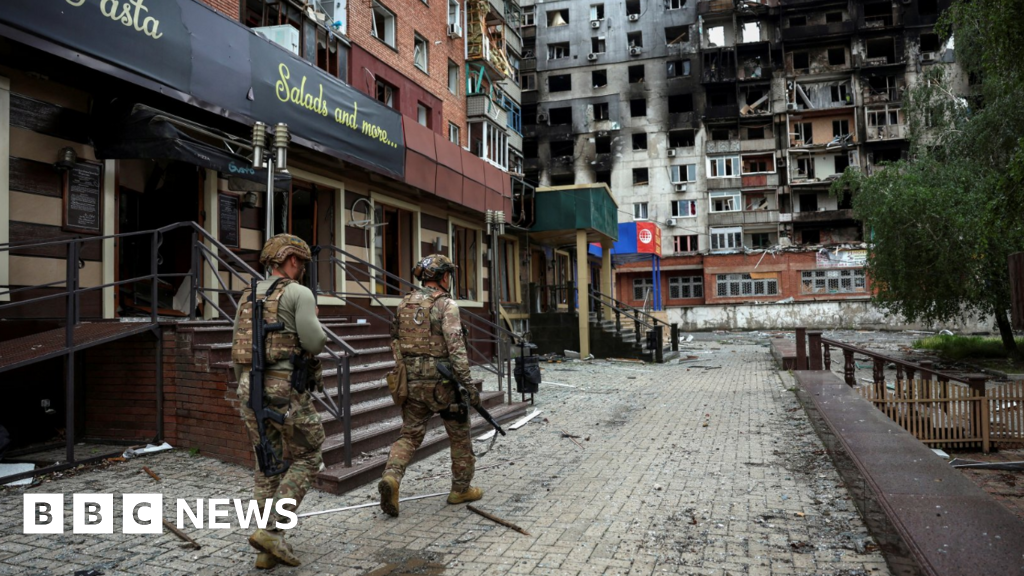
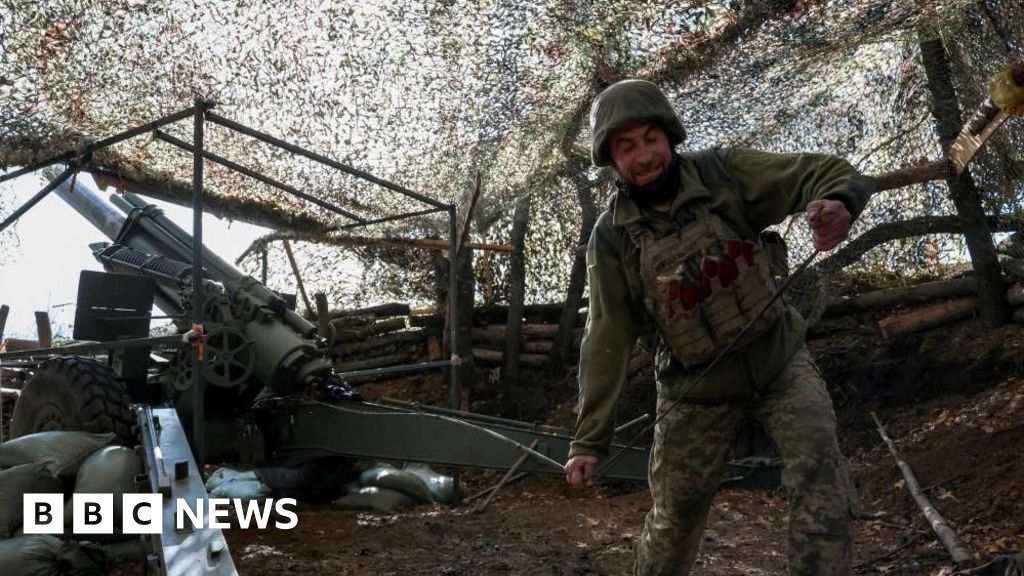
Amid the ongoing conflict in Ukraine, recent reports signal a disturbing escalation around the vital frontline town of Pokrovsk in the Donetsk region. Ukraine’s armed forces, led by Commander-in-Chief Oleksandr Syrskyi, have warned that Russian activity is intensifying, with Russian infantry massing and attempting to encircle the city. These developments are not merely localized skirmishes; they are a critical piece in the larger chessboard of Russia’s strategy to seize control of strategic transport and supply hubs in eastern Ukraine. The town’s fall could pave the way for Russian advances toward Kramatorsk and Sloviansk, the only significant Ukrainian-controlled urban centers still resisting in the region. This potential shift in control would significantly undermine Ukraine’s territorial integrity and complicate Western support efforts.

Official Ukrainian sources and independent analysts have painted a picture of a fierce and dynamic confrontation. Ukrainian General Syrskyi dismissed rumors of a blockade as propaganda, emphasizing that Russian forces are maneuvering around the town, seeking to infiltrate and weaken Ukrainian defenses. Despite the heavy Russian troop buildup, Ukrainian commanders are focused on maintaining a delicate balance—aiming to protect their soldiers while preventing encirclement. The situation remains “difficult,” according to Syrskyi, as Russian forces have been relentless in attempting to infiltrate deeper into Pokrovsk; some reports suggest the city is teetering on the brink of crisis. The battle for Pokrovsk symbolizes a broader struggle—one that involves not only regional territorial control but also the fight for world perception and geopolitical influence.

Meanwhile, international voices and intelligence assessments underscore the gravity of these developments. Ukrainian President Volodymyr Zelensky publicly declared Pokrovsk the “main target” of Russian advances and claimed Russia’s forces there are outnumbering Ukrainian defenders by a staggering ratio—eight to one. Zelensky asserted that Russia’s true aim is to demonstrate to the United States and NATO that Ukraine is on the retreat, a narrative Moscow desperately seeks to sell to bolster its strategic narrative. Analysts from organizations like Sybelline warn that the battle has entered a “highly dynamic and intense phase,” with Russian forces incrementally encircling and disrupting Ukrainian supply routes. Ukrainian monitoring groups suggest that time is running out—Pokrovsk is at a tipping point, and its loss could have rippling effects across the entire eastern front.

The stakes extend far beyond the battlefield. This confrontation encapsulates a broader geopolitical struggle—a symbolic battleground where Russia seeks to fracture Ukraine and redefine regional power balances, challenging the responses of Western allies. The international community, including NATO, watches anxiously as the outcomes here will determine whether Ukraine can withstand Russian pressure or if the tide will turn, forcing a reevaluation of Western support. This is a moment where history is not merely being written; it is being forged amidst gunfire and diplomacy, with the world hanging in a delicate balance. As the drums of war beat louder, global observers must ask—how will this chapter conclude, and what new order will emerge from the ashes of this relentless and pivotal confrontation?

Russian forces seize key Ukrainian town of Pokrovsk, strengthening their hold in the region

The ongoing conflict in Ukraine has reached a critical juncture, as Russian forces embed themselves further into the eastern frontlines. Reports emerging from Ukrainian President Volodymyr Zelensky indicate that Russian troops have gained a strategic foothold in the city of Pokrovsk, a vital logistical hub whose control could dramatically alter the regional balance of power. With Moscow’s forces outnumbering Kyiv’s by a staggering 8-to-1 in this sector, the situation underscores the extreme odds faced by Ukraine’s defending forces. The city’s importance cannot be overstated; it’s a linchpin for supply chains, troop reinforcements, and the broader effort to consolidate Moscow’s hold on the Donetsk region. If Russia succeeds in capturing Pokrovsk, it would close the gap to the heavily fortified towns of Kramatorsk, Slovyansk, and Kostyantynivka. These towns form a “fortress belt” that now sits perilously close to Russian missiles and infantry — an ominous sign of how the conflict may escalate further.

Analysts and military experts warn that this push points to a wider geopolitical shift, reflecting Moscow’s intent to solidify territorial gains under a veneer of strategic patience. Ukrainian officials, however, remain defiant, with President Zelensky refusing to accept outright defeat, even as the city undergoes relentless fierce fighting. Videos showing drone surveillance and reconnaissance indicate around **200 Russian soldiers** are within Pokrovsk, while Ukrainian defenders claim that Russian claims of encirclement are misleading. Ukrainian soldiers emphasize that technological warfare—particularly the use of drones—has transformed combat, making traditional encirclement tactics less relevant and more dangerous. These technological advancements highlight just how much modern war relies on precision and intelligence, which can shift the tide in an instant. Nonetheless, the high stakes are clear: control over Pokrovsk could serve as a turning point, potentially giving Russia an open route into Ukraine’s vital eastern heartland.

Meanwhile, the broader international response remains mixed, with Europe and the United States caught in a complex web of aid, sanctions, and diplomatic negotiations. Kyiv is calling for increased military and financial support, warning that its defenses are weakening and that prolonged fighting could threaten its sovereignty. Zelensky’s plea for allies to back Ukraine for an additional two or three years hinges heavily on the potential seizure of frozen Russian assets—an estimated €140 billion—that remains blocked at the EU summit, primarily due to legal and political hurdles. As the conflict drags into its fifth year, the European Union and allied nations find themselves at a crossroads: support a fragile democracy fighting for survival, or risk allowing Russian expansion to metastasize further into Eastern Europe. The ongoing debate over aid underscores the profound geopolitical impact—decisions made now will echo across generations, shaping the structure of Europe and beyond.

With President Zelensky working tirelessly to rally Western support, hopes hinge on bold diplomatic moves. The recent anticipated meeting between US President Donald Trump and Chinese leader Xi Jinping holds particular significance. Zelensky has expressed hope that China will reduce its support for Russia, potentially tipping the scales in Kyiv’s favor amid sanctions targeting Russian energy giants like Lukoil and Rosneft. Trump’s recent sanctions and appeals for Turkey and China to halt Russian oil imports demonstrate a strategic effort to exert economic pressure, aiming to weaken Moscow’s military capabilities. Yet the tides of history are shifting unpredictably. As the world watches Ukraine’s fate hang in delicate balance, the realization dawns: this conflict is not just a territorial dispute but a clash for the future direction of global power—a moment that might define the 21st century. The story of Pokrovsk, Ukraine, and the relentless struggle for sovereignty is still being written, with each decision edged into the annals of history—an echo of how nations choose their destinies in the face of adversity.

Kyiv Hit by Russian Strikes, 3 Dead—Ukrainian Officials Warn of Escalating Threat

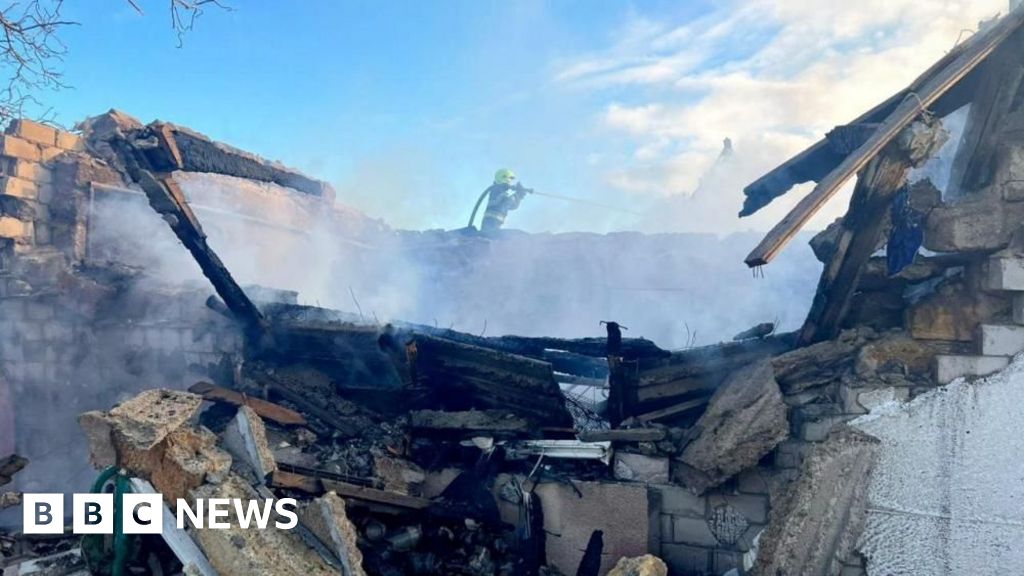
The ongoing conflict between Russia and Ukraine continues to ripple across the geopolitical landscape, with recent events underscoring the profound shifts in international stability and security. In Kyiv, the city lies haunted by the echoes of war, as Russian air strikes have claimed lives and damaged vital infrastructure. The Kyiv mayor Vitali Klitschko confirmed that three civilians fell victim to a Russian drone attack, destroying residential buildings and injuring dozens, including children. These strikes serve as a stark reminder of how the conflict is increasingly targeting civilian populations and urban centers, escalating fears of a protracted and devastating struggle.

Meanwhile, tensions are flaring beyond Ukraine’s borders, as Moscow reports intercepting drones en route to its capital — an ominous sign of the conflict’s expanding theatre. Russian authorities claim to have destroyed two drones over Moscow, amid an intensified wave of drone and missile assaults targeting civilian infrastructure. This strategic escalation appears designed to threaten the heart of Russia’s own cities and demonstrate its resolve in confronting Western-backed Ukraine. Notably, Moscow has ramped up attacks on critical energy infrastructure and civilian targets, forewarning of a harsh winter where power shortages could deepen societal fractures within Russia, enflaming domestic unrest and challenging Putin’s grip on power.

What is particularly alarming is the evolving nuclear dimension in Moscow’s military posturing. Russia announced a test of an experimental nuclear-powered missile capable of potentially evading missile defenses, fueling fears of a new arms race and ushering in an era where nuclear threats are being openly tested as a geopolitical tool. Such developments have prompted international analysts, including the Stockholm-based Stockholm International Peace Research Institute, to warn of an erosion of strategic stability, with some experts speculating that a new Cold War dynamic might be emerging. Simultaneously, Russia’s test appears to be a calculated message to both NATO and Western powers: it signifies that Moscow remains committed to escalating its military capabilities despite mounting international isolation.

Diplomatic efforts, meanwhile, seem caught in a muddle, with President Zelensky willing to consider a **ceasefire** that stops short of Ukrainian territorial withdrawal, a move seen as a *possible step* toward negotiations by some analysts, but dismissed by many Russian officials as insufficient. Recent meetings in Washington and Brussels have seen Western leaders pledge increased sanctions and military aid, yet tangible progress towards peace remains elusive amid Russia’s relentless aggression. The Ukrainian conflict thus stands at a crossroads: a war of attrition where each side’s strategic ambitions threaten to redraw the map of security in Europe and beyond. History, as some experts remind us, will not be kind to those who fail to grasp the gravity of this moment, for a world on the brink of escalation now bears witness to tumult that could very well shape the next century.

Social Media Auto Publish Powered By : XYZScripts.com