Matox News

Truth Over Trends, always!

London voters might regret backing Reform or Greens in local polls, warns Sadiq Khan | 2026 Elections

Shifting Political Sands and Social Tensions in London

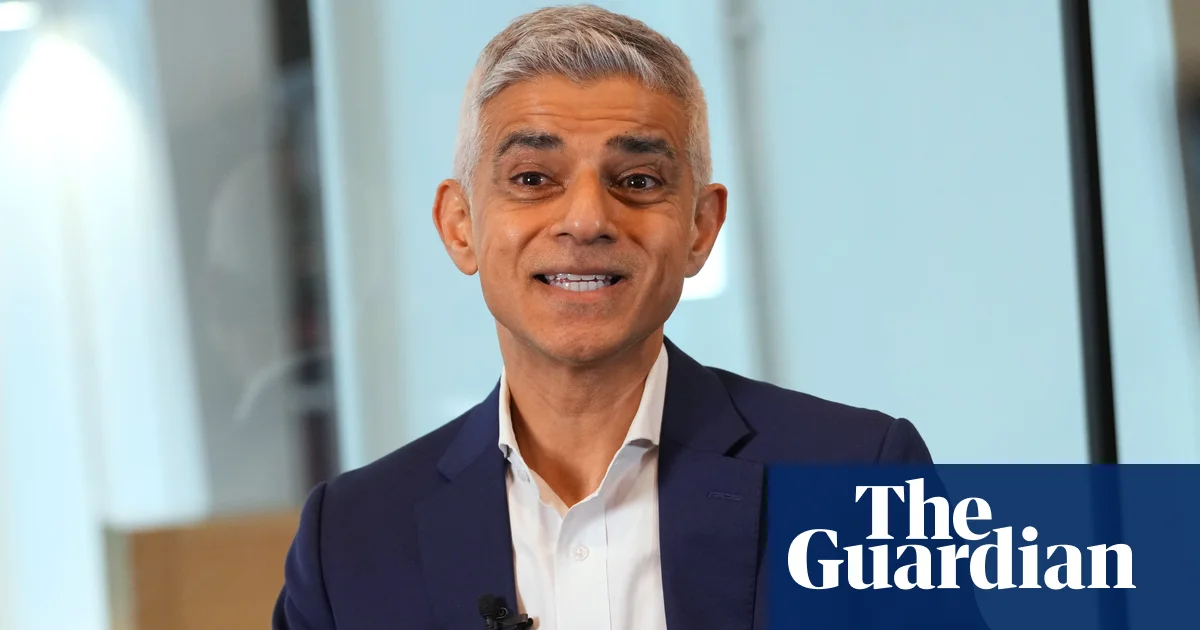
As London approaches its local elections on 7 May, a noticeable demographic and ideological shift is sweeping through the city’s working-class and middle-class communities alike. Mayor Sadiq Khan has publicly acknowledged the growing disenchantment among some former Labour supporters who are now considering alternative parties such as the Greens or Reform. This evolving landscape signals a deeper societal question: how do families and communities reconcile their desire for effective local governance with changing political allegiances rooted in frustration or disillusionment? Historically, sociologists like Richard Sennett have emphasized how social cohesion is often tested in times of political upheaval, exposing cracks in the traditional bonds that hold communities together.

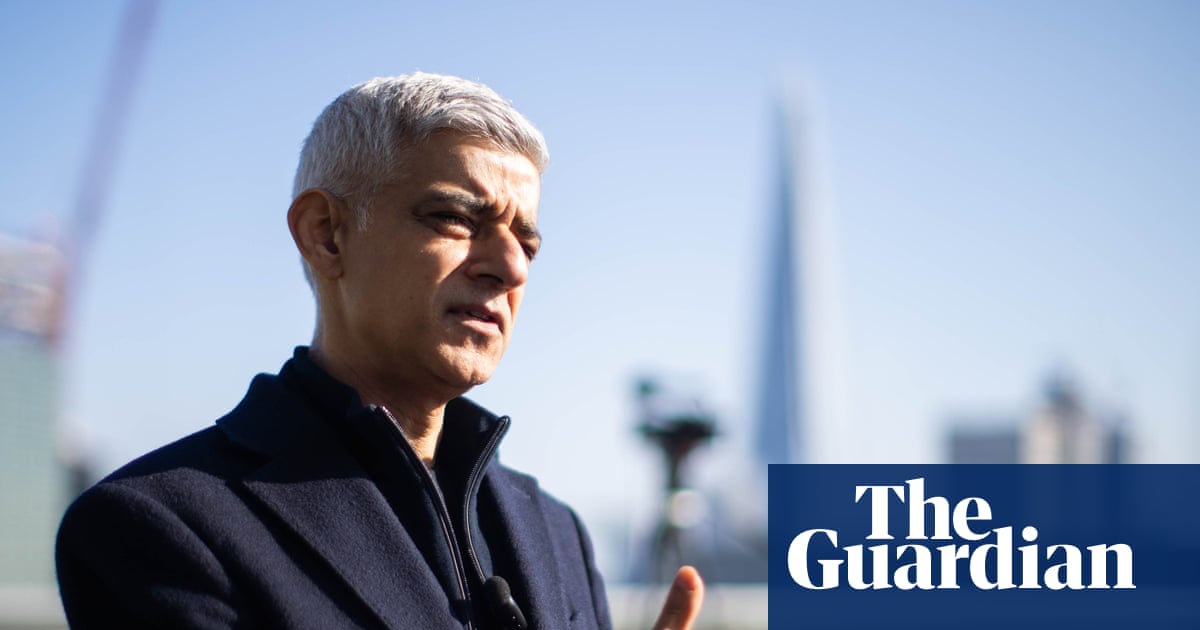
The cultural shifts are further exemplified by the shifting allegiances within the city’s inner boroughs, where longstanding Labour councillors face the possibility of defeat. Khan’s tone hints at a concern that a move toward protest or protest-led councils may undermine tangible progress, questioning whether more upheaval will truly benefit those in localities most in need. Critics argue that this political volatility stems from a broader societal discontent with bureaucratic inertia—a phenomenon sociologists describe as the “politics of frustration,” where voters seek change but remain unconvinced by the alternatives, risking a cycle of instability that impacts families’ access to services, education, and essential support systems.

The societal upheaval extends beyond electoral politics into international relations and broader geopolitical nightmares. Khan has criticized US military interventions and the ongoing conflicts involving Iran and Israel, emphasizing the moral and human consequences. He pointedly questions the justification for war, highlighting the fragile morality underpinning many of these international decisions. Such stance underscores a societal tension: how does a government balance global activism with the pressing needs of its own communities? It is a dilemma that impacts families torn between economic survival and ethical commitments, raising questions about how our society navigates the moral complexities in a hyperconnected world.

Moving forward, the societal challenge remains: how do communities foster resilience amidst upheavals—be they political, cultural, or international? Sociologists like Arlie Hochschild have argued that cultural tensions rooted in identity often mirror economic and social disparities, creating fertile ground for divisiveness. Yet, amid these challenges, hope persists. Societal transformation depends on building bridges across divides, fostering dialogue that recognizes shared values, and empowering young people to shape a future rooted in justice, stability, and renewed community bonds. As citizens face the uncertainties ahead, society’s greatest strength may lie in its capacity for resilience and renewal—turning the tide against discord towards a horizon where collective growth paves the way for a society that truly reflects its diverse aspirations and moral commitments.

Sadiq Khan Responds to Trump’s Controversial Remarks on Diversity Issues

Power Struggles at the UN: Analyzing the Clash Between Trump and Khan

The recent exchange between Donald Trump, the President of the United States, and Sadiq Khan, the Mayor of London, highlights ongoing power struggles that not only define individual political careers but also shape international relations. In a pointed address at the United Nations General Assembly, Trump labeled Khan as “terrible” and accused the mayor of steering London toward “sharia law.” This sparked a vehement rebuttal from Khan, who described Trump as “racist, sexist, misogynistic, and Islamophobic.” Such rhetorical confrontations exemplify the divisive political landscape both leaders inhabit, raising questions about the impact of national leadership on urban governance.

The fallout from Trump’s comments has galvanized members of the Labour Party, who rushed to defend Khan, emphasizing his role as an advocate for diversity amid growing societal tensions. Health Secretary Wes Streeting labeled Khan a leader who “stands up for difference of background and opinion.” This defense plays into a broader narrative within the party that posits the importance of progressive values against what they deem regressive politics represented by Trump and his supporters. The accusations of racism and Islamophobia are not just mere insults; they are part of a calculated effort to frame the dialogue around inclusivity and acceptance, positioning Khan’s leadership as both a symbol and a product of contemporary multiculturalism.

The implications of this exchange extend far beyond personal animosities; they reveal how political rhetoric affects public perception and policy. As political theorists have often noted, the narratives set by leaders can have a profound effect on the populace. By invoking claims of sharia law, Trump not only incites controversy but also dredges up fears rooted in historical conflicts over cultural integration and sovereignty. Such discussions can lead to tangible shifts in policy, potentially affecting the civil rights and liberties of the populations involved. When mayors like Khan are accused of fostering extremism, it opens the door for legislative changes that may restrict freedoms under the guise of security.

As both figures navigate this highly charged atmosphere, one must ponder the long-term implications of their exchanges. Each statement is a calculated move in a chess game of political strategy, echoing the past struggles of political leaders who once faced similar challenges in their quests for power. The currents of thought and ideology set forth by leaders define the societal landscape, often leading to profound changes in governance and civil rights. In this theater of politics, every confrontation holds the potential to reshape destiny itself. After all, as history has taught us, it is often within these power struggles that the true character of a nation is revealed, with echoes of leaders past guiding the steps of those present. The quest for identity, values, and governance is never merely a personal journey—it is a collective odyssey where the stakes are nothing less than we, the people, and our futures.

Social Media Auto Publish Powered By : XYZScripts.com