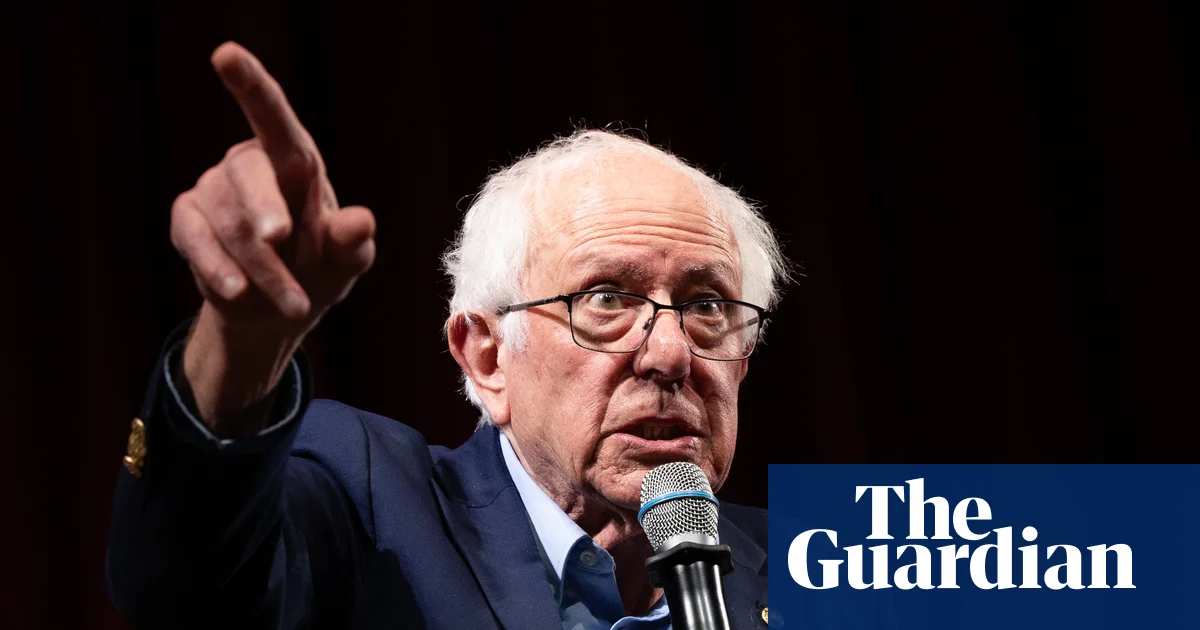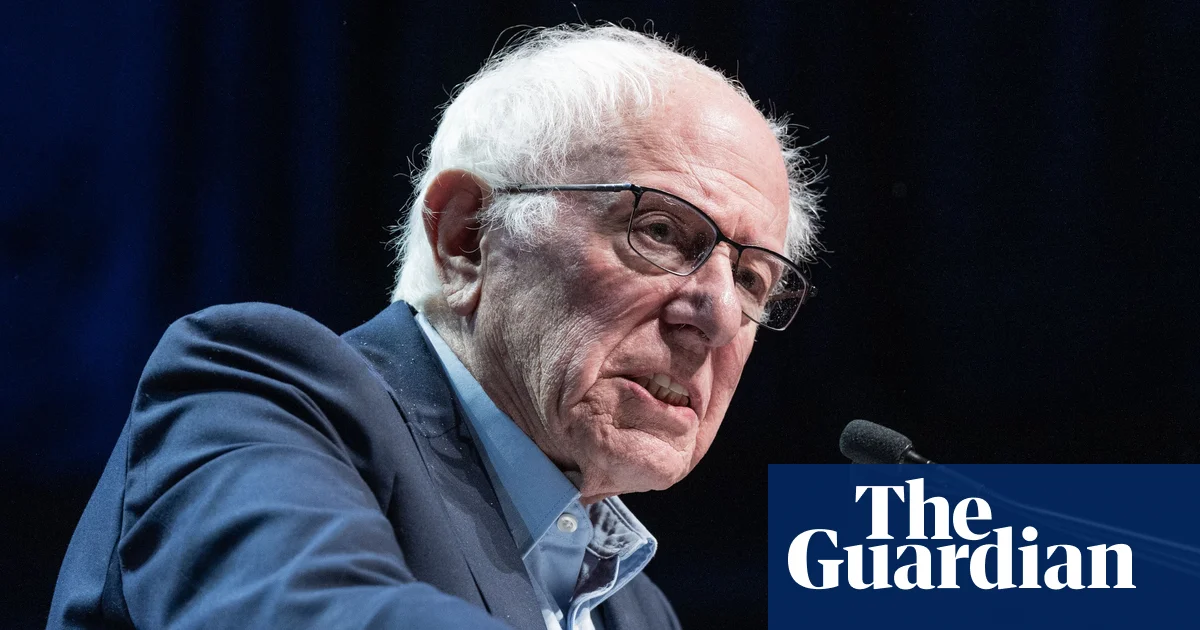

In a dramatic display of shifting American political sentiment, United States senators have recently engaged in a constitutional debate over arms sales to Israel. Bernie Sanders led a bipartisan charge to halt the sale of critical military equipment—bulldozers and bombs—highlighting a growing faction among Democrats that seeks to impose stricter limits on U.S. foreign military aid. This effort, though ultimately unsuccessful, underscores a broader reevaluation within the chamber, influenced by mounting public disillusionment and evolving geopolitical realities. With 40 senators supporting Sanders’ resolution, it signals a notable change from previous votes—only 15 members supported similar measures in April—reflecting a shifting tide among America’s younger voters and progressive circles, increasingly scrutinizing Washington’s unwavering support for Israel amidst recent conflicts.
The core of this debate centers on how decisions made in Washington resonate globally. Analysts warn that America’s continued military backing for Israel, particularly amidst ongoing conflicts in Gaza and Lebanon, influences regional stability and impacts international perceptions of U.S. foreign policy. As the U.S. struggles with its role as an overt supporter of Israeli military actions, especially in densely populated areas with high civilian casualties, critics argue that America’s military aid often exacerbates humanitarian crises. Prominent organizations, including J Street and Jewish Voice for Peace, have publicly condemned the sale of specific munitions, emphasizing their use in land and aerial assaults that displace thousands. Historians and foreign policy analysts contend that these arms transfers contribute to a cycle of violence, fostering long-term regional instability and undermining America’s moral authority in the Muslim world.
In the broader geopolitical landscape, these congressional battles are not isolated. U.S.-Israel relations are often characterized by substantial political influence from groups like AIPAC, which has poured tens of millions of dollars into shaping U.S. elections. At a pivotal moment ahead of the 2024 elections, the bipartisan pushback signifies a potential realignment of American political priorities. Meanwhile, the Middle East remains a chessboard for global powers—<>with Iran and regional actors watching closely. The decisions made in Washington will directly influence conflict trajectories—either fanning the flames of instability or creating avenues for diplomatic resolution. As U.S. policymakers grapple with balancing strategic alliances against moral imperatives, international organizations warn that ongoing arms sales risk further entrenching regional deadlock and complicating peace efforts.
The escalation of congressional debates signals more than just legislative wrangling; it echoes the rising demand for accountability from the American electorate—especially youth voters increasingly disillusioned with foreign entanglements and covert agendas. The persistent scorn directed at Benjamin Netanyahu’s government over its recent actions in Gaza and Lebanon, coupled with the debates over military aid, exemplifies the shifting winds in U.S. foreign policy. The outcome of these votes—ostensibly mere legislative acts—resonate as a defiant message that the era of unchallenged militarism may be drawing to a close. As history watches, the continent-sized shadows cast by these decisions stretch across generations, etching new chapters into the unfolding narrative of American influence and moral responsibility.