Matox News

Truth Over Trends, always!

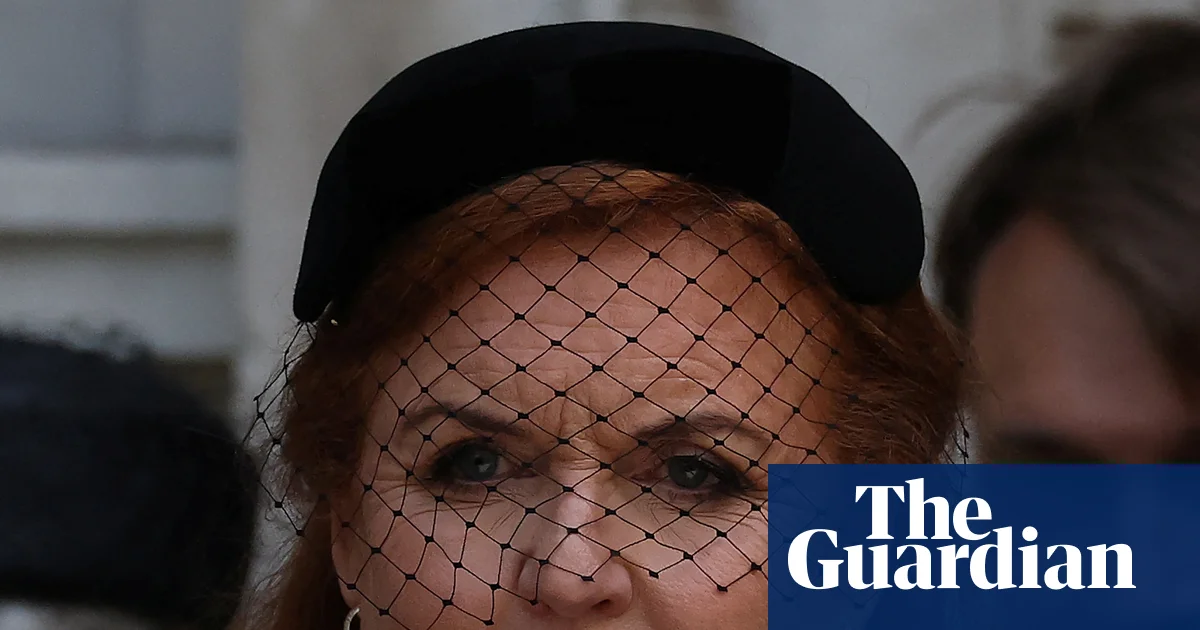
Sarah Ferguson charity shutters amid new Epstein friendship details

In recent days, the closing of Sarah Ferguson’s charity has sent ripples through society’s fabric, illuminating deep-seated issues about moral accountability, social trust, and the influence of power dynamics in modern communities. The charity, once celebrated for its humanitarian efforts across multiple nations—delivering aid, healthcare, and educational projects—decided to shut its doors amid revelations that have cast a long, troubling shadow over its founder’s associations. This event underscores a broader societal challenge: how social scandals involving prominent figures can erode community trust and threaten the moral foundation of charitable institutions.

These revelations come amidst the unprecedented release of millions of files related to Jeffrey Epstein, exposing a disturbing network of connections between the disgraced financier and the wealthy elite. Among the disturbing insights, evidence emerged about Epstein’s interactions with individuals like Prince Andrew and Sarah Ferguson, illustrating how social networks often blur lines between influence and misconduct. Notably, Ferguson’s public declarations of Epstein as her “brother” and her the *deep personal bonds* she maintained with him reveal a troubling pattern where social status and personal ties overshadow moral judgment. These relationships, now laid bare, threaten to undermine the credibility of philanthropic efforts, raising fears about how families and communities can protect themselves from social and moral corruption.

  • Many sociologists argue that public scandals involving figures of influence have a lasting impact on societal trust, especially within families and local communities.
  • Historically, trust is fundamental for the effective functioning of charitable institutions and community-led initiatives, and its erosion can lead to apathy, disengagement, or worse, cynicism.
  • Addressing such issues involves robust accountability measures and fostering a culture where moral integrity takes precedence over social climbing or personal gain.

The repercussions extend beyond individual failings—they threaten the **moral fabric** that upholds societal cohesion. Within families, the erosion of trust in social institutions can lead to disillusionment among young people, who see their moral values compromised by the glaring hypocrisy of their superiors. In education, this manifests as a crisis of moral authority, where schools are left to grapple with the challenge of instilling virtues of integrity when society’s icons are revealed to be morally compromised. Communities, the fundamental building blocks of society, must then decide whether to retreat into cynicism or to seek renewal through transparency and reform. Social commentators often emphasize that the true test of a society’s resilience lies in its ability to confront uncomfortable truths and emerge stronger.

Reflecting on the societal fallout from these revelations leaves us with a profound question: how can society rebuild trust and ensure that families and communities are protected from the corrosive effects of moral and social failures? Social change begins with moral courage and the acknowledgment that ethics must be non-negotiable. Historically, phases of societal renewal have been driven by voices willing to confront power with honesty and humility—a tradition that must be rekindled in today’s fractured landscape. Only then can society envision a future where *families are nurtured in integrity, communities are resilient in truth, and social institutions stand firm on foundations of moral accountability*. Society’s greatest challenge is not merely unearthing scandal but transforming tragedy into a catalyst for genuine moral revival—an enduring hope that society’s collective soul can be mended, one honest step at a time.

All Her Fault review – Sarah Snook’s gripping thriller delivers a thrilling and thought-provoking experience for today’s youth | Television

In an era where culture seems to tremble on the edge of fragmentation, the resilience of societal identity often manifests through the narratives we elevate and the stories we choose to tell. As Ortega y Gasset once posited, “The spirit of a nation lives in its stories,” and amidst the chaos of modern life, television dramas have become the new agora — spaces where the collective psyche is reflected, scrutinized, and subtly shaped. The recent series All Her Fault, an adaptation rooted in Andrea Mara’s bestselling thriller, exemplifies this phenomenon. It braids together the troubling realities of middle-class affluence, the darker undercurrents of modern motherhood, and the existential crises that accompany societal privilege. But more than entertainment, such works serve as mirrors and prophecy, revealing what we value, fear, and unconsciously endorse as a society.

This series not only examines the disappearance of a child within a seemingly secure suburban enclave but also unravels the complex web of human motives and societal expectations, echoing Tocqueville’s insight that “America’s greatness lies in its individualism, yet its survival depends on collective community.” Here, the affluent women, Marissa and Jenny, embody modern American ideals of success and nurturing, yet beneath their polished exteriors lie layers of guilt, repression, and moral ambiguity. These characters evoke Chesterton’s recognition that “an adventure is only an inconvenience rightly considered,” acknowledging that behind comfort and prosperity lie often unspoken, unresolved tensions. In this cultural microcosm, we see a reflection of a society wrestling with the penultimate question: what is the true cost of security? And at what point does protection devolve into paranoia? It is in this tension that the series finds its moral heartbeat, questioning whether the superficial safeguards of wealth truly shield us from the chaos lurking beneath?

Moreover, All Her Fault underscores the indelible connection between culture and identity. It probes the penalty women pay for societal roles, exposing the quiet suffering and sacrifices anchored in modern motherhood — a theme as old as the mythos of Demeter and Persephone. As T.S. Eliot wrote, “The tradition does not consist of a common inheritance but rather an ongoing dialogue between the past and present,” thus emphasizing that our cultural identity is an evolving conversation. This series chronicles that dialogue, revealing the fissures and fractures in the beautiful facade of suburban bliss, ultimately inviting viewers to ponder: are we merely characters scripted in a cultural play or authors of a new chapter? This tension makes the narrative not just compelling storytelling but cultural commentary that challenges us to reflect on how privilege isolates, isolates, and redefines our collective values.

In the end, the cultural fabric woven through television and art survives not merely to entertain but to serve as the collective memory and prophecy of mankind. Like Homer’s epics or the Great Works of classical antiquity, modern storytelling holds within its lines the echoes of human striving, fragility, and hope. As Chesterton observed, “Art, when it is most truly artistic, is the most radically conservative of all human activities,” anchoring us to our roots even as it propels us into the future. Therefore, culture becomes both a mirror illuminating our current state and a lantern lighting the path ahead — reminding us that in the harmony and dissonance of our stories, humanity’s eternal song continues. And in that song, we find not only our memory but also the prophecy of what we might yet become.

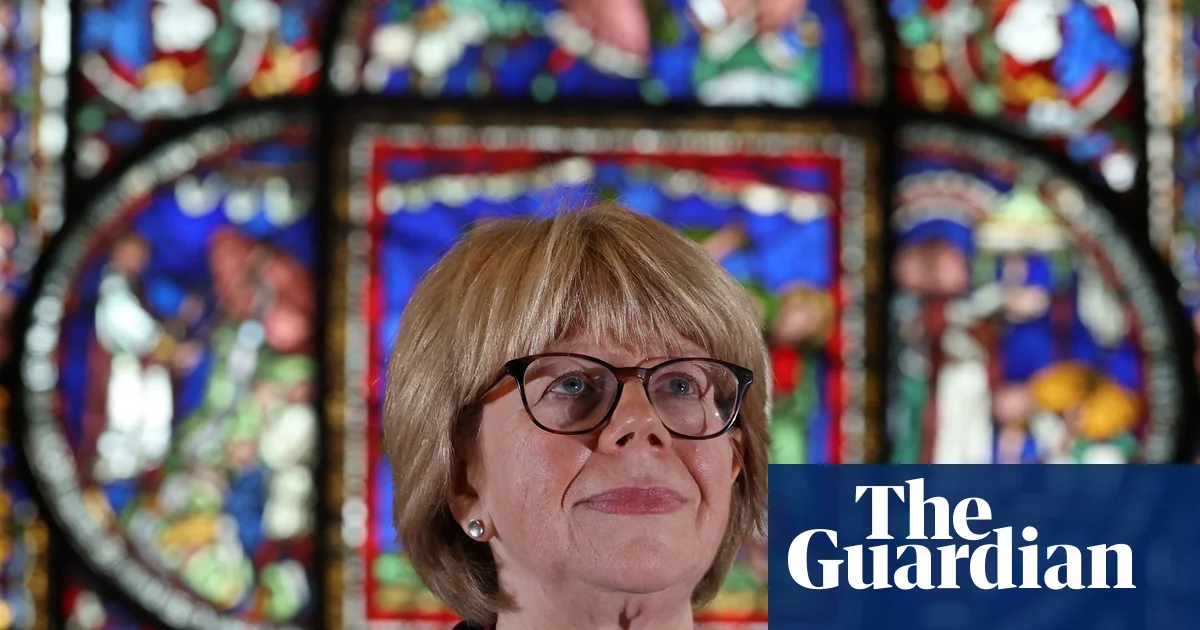
Sarah Mullally makes history as first female Archbishop of Canterbury—shaping a new era for Anglicanism

In a momentous turn within Britain’s religious landscape, Sarah Mullally has been appointed as the first female Archbishop of Canterbury, signaling a profound shift in the world’s second-largest Christian communion. Announced by Downing Street after months of deliberation, Mullally’s ascension reflects not only internal reform within the Church of England but also echoes wider geopolitical and societal dynamics rippling across the globe. Her appointment arrives amid debates over social justice, moral values, and the ongoing struggle against factional divides rooted in tradition versus progressive reform, a tension felt from London to Washington and beyond.

The decision to elevate Mullally, a former NHS nurse turned government chief nursing officer, underscores a broader narrative of changing societal roles for women in leadership. While this milestone symbolizes progress for many liberal factions seeking gender equality within faith institutions, it also underpins a deep-rooted controversy stirring conservative factions. Historians and analysts view this as a *defining moment*—an emblem of the **Church of England’s** adaptation in a rapidly evolving cultural landscape. Yet, this move is also a critical test of the Church’s ability to maintain unity amidst regional disparities, particularly as it governs a global Anglican communion of 85 million followers—stretching from the progressive churches of North America to conservative communities in Africa and Asia. As Mullally assumes her role, she inherits the difficult task of reconciling these divergent voices, each with their own cultural and moral outlooks shaping their interpretations of scripture and societal norms.

Her appointment carries greater geopolitical weight, especially in conversations surrounding international diplomacy and *moral leadership*. The Anglican Communion’s complex relationship with U.S. citizens and African nations remains a pivotal element of diplomatic strategy. While Western communities push for greater inclusion and the acknowledgment of *LGBTQ rights*, many African and Asian provinces adhere to strict traditionalist doctrines, often outlawing homosexuality and opposing liberal reforms. This duality underscores a *widening rift* within the church’s own ranks, which international organizations like the United Nations and World Council of Churches observe with caution. Past statements from global leaders warn that these ecclesiastical disputes are emblematic of broader conflicts over cultural sovereignty and policy influence—conflicts that threaten to spill into diplomatic arenas, complicating Britain’s stature as a moral voice on the international stage.

As Mullally’s leadership takes shape, the Church of England stands at a crossroads. It grapples with internal divergence over issues like same-sex marriage and declining attendance—a reflection of the wider crisis of faith faced by church institutions worldwide. Meanwhile, societal fractures fueled by Christian nationalism and political polarization mirror the old tensions that continue to threaten national cohesion. Many analysts assert that her promise to confront safeguarding failures and to foster *light on power used inappropriately* signals a broader push for transparency, accountability, and integrity—traits required to restore trust in influential institutions facing monumental societal upheavals. Yet, the weight of history persists; her role is not just spiritual but deeply intertwined with the ongoing battle for moral authority and societal relevance in a rapidly changing world.

The unfolding story of Mullally’s rise to the archbishopric is emblematic of history’s relentless march—an ongoing saga where faith, politics, and societal values collide in a dance as old as civilization itself. Each decision, each statement, leaves an indelible mark upon the pages of history, reminding us that the battle for humanity’s moral compass remains unresolved, with new leaders forging paths through turbulent waters as the waves of history continue to crash and recede, leaving behind a trace of the future yet to be written.

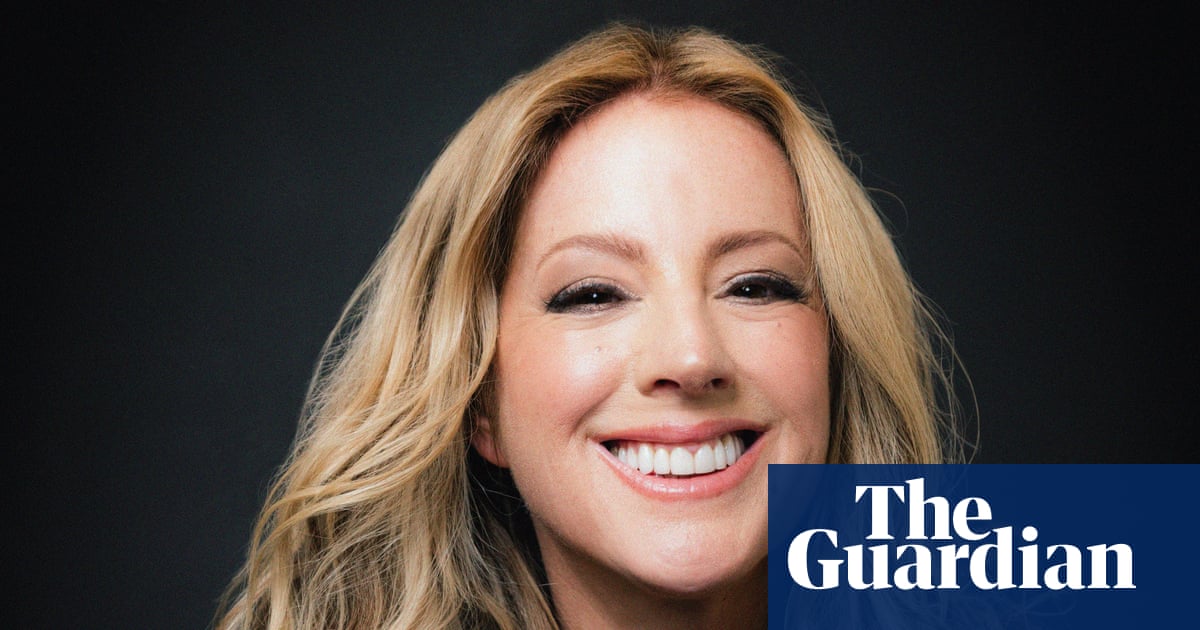
Empowering Voices: Sarah McLachlan Reflects on Her Journey Against Traditional Roles in Music and Beyond

Sarah McLachlan, a name once synonymous with the vibrant, empowering movements of the 1990s music scene, finds herself contemplating her artistic identity after an 11-year hiatus from releasing original songs. In her own words, she pondered, “What do I have to say at this point in my life?” Such introspection reveals a broader cultural conversation regarding the implications of identity, privilege, and societal expectation on artistry. McLachlan’s emergence during an era marked by the rise of female singer-songwriters, including luminaries like Alanis Morissette and the Indigo Girls, made her more than just an artist; she was a cultural icon who challenged conventional narratives and reshaped our understanding of gender roles in music and beyond.

McLachlan’s legacy can be traced back to her founding of Lilith Fair, a revolutionary music festival convened to celebrate female musicians and dismantle the prevailing gender biases of the industry. In a time when radio stations claimed it was “too much” to have more than one female artist on the airwaves, McLachlan bravely organized a series of all-female concerts that blossomed into a nationwide phenomenon. This bold move not only defied societal expectations but also drew attention to the, at times, insidious sexism inherent in the music industry. As cultural critic Tocqueville once noted in reference to democratic values, it is often the undercurrents of social mores that shape a culture’s identity. McLachlan and her contemporaries exemplified the resilience of women standing against such currents.

In her recent works, McLachlan continues to grapple with the complexities of her position in society. Addressing contemporary issues through songs like “One in a Long Line,” she projects her concerns regarding the erosion of women’s rights onto a canvas that resonates with upcoming generations. Her emphasis on community and unity stands as a counterpoint to divisive political narratives. McLachlan aptly states, “It’s about the generations coming forward and what we’re creating for them and what the world’s going to look like.” This articulation of legacy and responsibility aligns with the notions laid down by Ortega y Gasset, who emphasized the importance of the individual’s role within the broader societal context. McLachlan serves as both a witness and a participant, a voice urging younger generations to assert their own narratives in a world rife with complexities.

Ultimately, the recent resurgence of McLachlan’s work not only highlights her evolution as an artist but underscores the vital connection between culture, identity, and societal values. A new documentary, Lilith Fair: Building a Mystery, re-examines the festival’s powerful legacy, portraying the joy and solidarity it fostered amidst a backdrop of cultural turbulence. The documentary serves as both a reminder of what has been accomplished and a clarion call for future generations to continue the fight for equality and representation. As McLachlan herself muses, “Is it just fear? Is it control?” Thereby, she reflects the philosophical quest for understanding the roots of cultural dynamics that perhaps stymie progress. In a world where art often mirrors society, McLachlan exemplifies the enduring power of culture to shape identity and forge collective memory—a lingering echo of the past that resonates with hopes for a more promising future.

The rich tapestry of McLachlan’s life and work illustrates that culture is more than mere entertainment; it is a vessel of memory and an architect of tomorrow’s identity. In her lyrics and public stances, we witness the echo of G.K. Chesterton’s assertion that “tradition means giving votes to our ancestors.” For McLachlan, the reverberations of the past fuel her ambition to craft a future defined not by constraints but by compassion and creativity. As we engage with her music, we are reminded that culture not only preserves our identities but also foretells the ever-evolving narrative of humanity—a narrative that is at once a reflection of who we have been and a prophecy of who we may yet become.

Social Media Auto Publish Powered By : XYZScripts.com