Matox News

Truth Over Trends, always!

Inside the NBA gambling scandal: What you need to know about the rigged poker arrests

US Authorities Crack Down on NBA-Linked Organized Crime and Match-Fixing

The recent massive crackdown by U.S. federal authorities has sent shockwaves through both the sports world and the underworld of organized crime. The arrests, which include NBA stars and coaching icons, underscore a disturbing resurgence of organized criminal influence within professional sports — a phenomenon that elites and analysts had believed to be largely eradicated since the peak of mafia domination in the 20th century. This analysis highlights the growing geopolitical impact of illegal gambling networks entwining with societal institutions, revealing a deeply troubling trend that threatens the integrity of both national and international sporting agencies.

Authorities have detailed a sweeping investigation, dubbed “operation nothing but bet,” uncovering a sophisticated scheme involving insider information manipulation and multi-million dollar betting frauds. Among those indicted are renowned figures like Portland Trail Blazers coach Chauncey Billups and Miami Heat star Terry Rozier. The scandal extends beyond individual athletes to encompass four of the notorious ‘Five Families’—long-standing mafia syndicates that have historically wielded power in New York. The FBI described the scheme as “mind-boggling,” with criminals employing cutting-edge technology like off-the-shelf shuffling machines, eye-reading contact lenses, and even X-ray tables to rig illegal poker games. Here, the cumulative damage involves millions in stolen funds and a dangerous infiltration of the societal fabric.

From a geopolitical and societal perspective, these revelations trigger a new wave of concern about how entrenched criminal operations continue to compromise the rule of law and the integrity of global sporting competitions. International organizations such as INTERPOL and FATF have long warned about the proliferation of crypto-based laundering and sports corruption, and these latest developments underscore the urgent need for fortified international cooperation. The involvement of organized crime syndicates like the Bonanno, Gambino, and Genovese families illustrates how persistent mafia influence remains, even as law enforcement has scored major victories in the past. The return of such underworld networks to high-profile arenas signals a broader crisis for societal trust, representing a direct challenge to the cultural respectability and economic stability associated with global sports industries.

As sports leagues and government agencies brace for further repercussions, the question remains: how deep does this corruption go, and what are the implications for the future? Noted historians and crime analysts warn that this is more than just a series of isolated scandals; it is an indicator of a potential paradigm shift where organized crime progressively infiltrates legitimate institutions. The NBA’s response—placing the implicated players and coaches on immediate leave—reflects a reactive stance, but critics argue that only comprehensive reforms and international cooperation can truly restore integrity. As Europe and other regions watch closely, the unfolding story highlights one enduring truth: in the theatre of power, money, and influence, the line between legality and corruption has always been fragile. With each indictment, history’s pages turn, leaving future generations to ponder whether justice truly prevails or if, in the shadows, the old empire of crime still rules. The night is darkening, and the echoes of lawlessness are louder than ever — the question is whether the dawn of real accountability is still to come.
Labour avoids tackling Prince Andrew scandal amidst rising concern

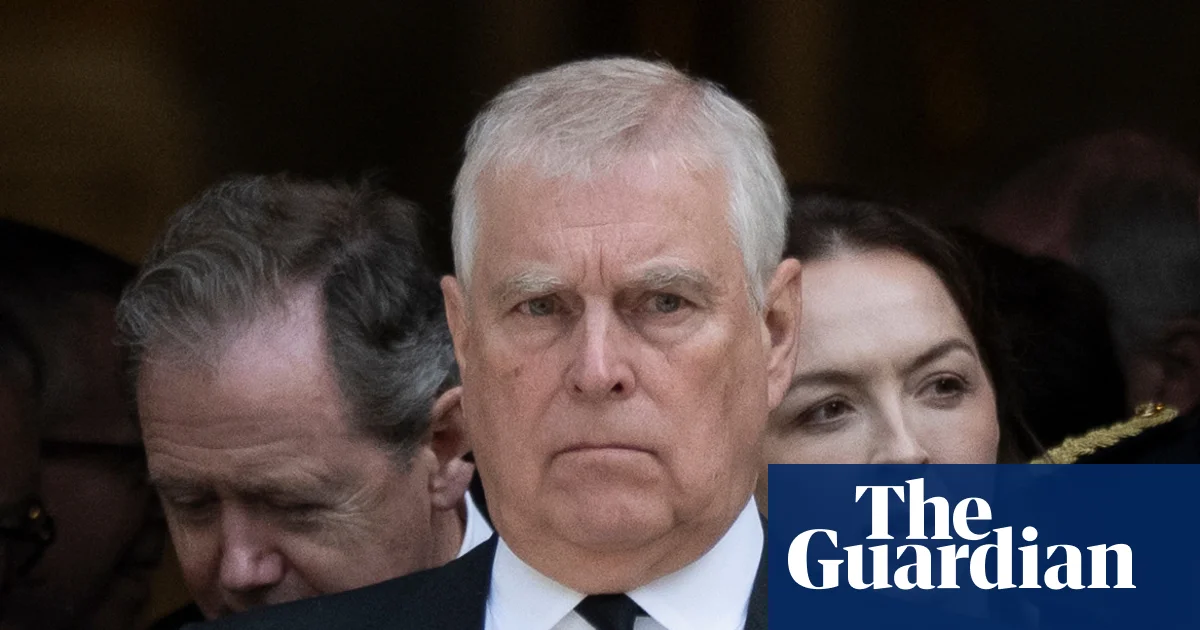
The recent revelations surrounding Prince Andrew’s alleged connections with Jeffrey Epstein have ignited a firestorm of media coverage, exposing unsettling questions about the integrity of the British monarchy and its embedded influence on national politics. Despite mounting public outrage and calls for accountability, a notable parliamentary taboo hinders any official debate on whether the royal should be stripped of his titles. This restriction underscores a deeper, pervasive culture of institutional protection that transcends the borders of the United Kingdom, impacting international perceptions of accountability, sovereignty, and judicial independence. The political establishment, especially within Westminster, appears hesitant to confront powerful symbols of tradition, even as scandals threaten to undermine confidence in Britain’s longstanding monarchy.

The core issue revolves around parliamentary constraints, which are enshrined in Erskine May, the authoritative manual on parliamentary procedure. According to its guidelines, questions that “bring the name of the sovereign or the influence of the crown directly before parliament” or cast “reflections upon the sovereign or the royal family” are off-limits. This legal and constitutional safeguard effectively bars MPs from raising allegations against Prince Andrew or discussing his conduct, especially concerning the explosive claims of Virginia Giuffre. The outcome is a paradox where public interest, especially among younger voters and international observers, collides with a strict adherence to tradition that limits open discourse, perpetuating a veil of silence over critical issues of morality and justice within the monarchy.

Analysts such as political historians and international observers emphasize that this parliamentary silence has broader geopolitical implications. It signals to the world that Britain continues to prioritize the preservation of its aristocratic symbols over embracing transparency and accountability. For many in emerging democracies and authoritarian regimes, the refusal to confront such scandals openly feeds narratives about elite impunity and entrenched privilege. Furthermore, the ongoing scandal involves subtle shifts in Britain’s soft power—its ability to promote democratic ideals and moral leadership—being subtly eroded. As some MPs voice frustration and push for legislative reforms, the reality remains that the entrenched culture of royal privilege hampers efforts for civility and integrity that are increasingly demanded by the global community.

  • The British government faces mounting pressure to either uphold tradition or adapt to a changing moral landscape—yet, the political will remains tepid, with some officials viewing the issue as a distraction from more pressing economic or domestic concerns.
  • International institutions, such as the European Court of Human Rights and the International Criminal Court, watch with cautious optimism, as Britain’s refusal to confront its royal scandal may influence debates on accountability and rule of law across borders.
  • This controversy echoes broader themes of national sovereignty, elite impunity, and social justice—issues that ripple beyond the confines of Westminster, challenging the very foundations of Britain’s constitutional tradition.

As the debate smolders beneath the surface, some voices—both domestically and globally—warn that this reluctance to confront uncomfortable truths could precipitate lasting damage to Britain’s moral authority. Historians and political analysts warn that nations which shy away from transparency in moments of crisis risk fostering long-term disillusionment among their citizens and allies. The case of Prince Andrew serves as a potent microcosm of this larger struggle—how a society chooses between maintaining ancient privileges and embracing the demands of a new age of accountability. As history unfolds with each passing day, the enduring question remains: will the winds of change sweep away the old hierarchies, or will they be immortalized as monuments to a bygone era?

Zelenskyy names new Odesa leader after mayor’s Russian passport scandal – Europe updates | NATO

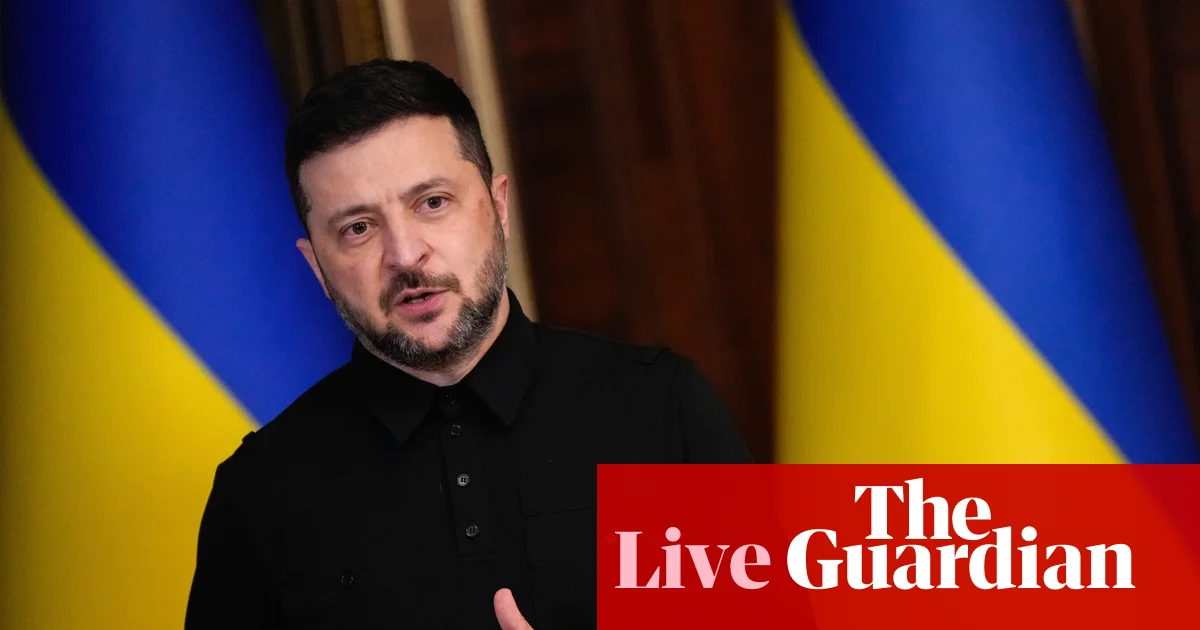
In the heart of Eastern Europe, Ukraine continues to be a focal point of geopolitical tension, with the recent appointment of Sergiy Petrovich Lysak as the new head of Odesa’s city military administration signaling an escalation of the Ukrainian government’s efforts to strengthen its regional security measures. This move follows the Ukrainian president Volodymyr Zelenskyy’s announcement on Tuesday to establish a dedicated military administration in the strategic port city, citing a critical need for increased protection amidst ongoing hostilities. Zelenskyy emphasized, “Odesa deserves greater protection and greater support,” highlighting the nation’s commitment to fortifying its vital Black Sea corridor against persistent threats.

The political upheaval in Odesa is part of a broader, tumultuous battle for sovereignty, as Kyiv revokes the citizenship of local officials suspected of dual loyalties. The dismissal of Hennadiy Trukhanov, who denies holding a Russian passport, underscores Ukraine’s rigid stance against dual citizenship, aiming to eradicate divisive figures potentially compromised by Moscow. This domestic strategy unfolds amid escalating military confrontations on multiple fronts, where Russian forces have claimed control over settlements like Oleksiivka and Novopavlivka, signaling a persistent push to consolidate territory amid mounting international support for Ukraine’s resistance.

All Eyes on NATO and Russia’s Rising Threat

As the Russian invasion enters its second year, NATO’s defense ministers convened in Brussels to address the rising threat of Russian airspace violations and the Kremlin’s ongoing aggression. NATO Secretary General Mark Rutte and other allies discussed intensifying their support for Ukraine, with the US contemplating the deployment of long-range missiles such as the Tomahawk to Kyiv—a move that, if realized, could significantly alter the dynamics of the conflict. US Defense Secretary Pete Hegseth indicated a collective commitment to bolster Ukraine’s defenses, emphasizing that more military aid, including advanced drones and weaponry, is forthcoming. Meanwhile, Russia’s military efforts have persisted, with reports of attacks on Ukrainian energy infrastructure—targets like power plants and gas facilities—aimed at debilitating Ukraine’s war effort and sowing chaos in civilian life.

Notably, Russia’s largest petrochemical complexes in Bashkortostan sustained attacks by Ukrainian drones, yet regional officials assert they continue to operate normally, illustrating the resilience of Moscow’s industrial backbone amidst setbacks. Yet, intelligence from Finland’s defense minister indicates that Russian forces are amassing anew and becoming more reliant on China—a sign that Moscow’s military resource pool might be primarily preoccupied with Ukraine, but still remains a formidable threat to NATO’s eastern flank. The gathering of NATO defense ministers highlighted concerns that Russia’s strategic posture could persist long after Ukraine’s war ends, cementing its role as a persistent destabilizer in the region.

Shifts in International Power and the Waning Kremlin Influence

Meanwhile, in the Middle East, Vladimir Putin’s attempt to project influence through the postponed Russia-Arab World summit backfired spectacularly, with only a handful of leaders attending, underscoring Moscow’s declining influence in the region. Instead, global attention shifted to Egypt, where a Gaza peace summit, attended by Donald Trump and regional leaders, signaled a geopolitical shift away from Moscow’s long-standing regional dominance. Pjotr Sauer of The Guardian notes that this diplomatic retreat reflects the reality: as the war in Ukraine presses on, Russia’s influence in the Middle East diminishes, revealing the limits of Putin’s strategy to assert global leadership.

Furthermore, the European Union is moving to confront its own internal crises, with Brussels set to propose regulations tackling short-term rentals—a social matter that, if unaddressed, could fuel populist discontent and threaten the unity of the bloc. As European nations grapple with economic stagnation, demographic declines, and social tensions, the trajectory of their resolve on international issues remains uncertain. The coming months could define whether Western alliances remain resilient or fragment under the weight of economic and geopolitical pressures.

In this unfolding chapter of history, decisions made in the corridors of power—whether in Kyiv, Brussels, or Moscow—will resonate well beyond their borders. As Ukraine’s struggle persists and NATO faces its future, the shadow of Russia’s resurgence lingers, hinting at a protracted contest that will test the resolve of Western unity, the resilience of Ukrainian sovereignty, and the shifting sands of global influence—a story that is still being written, as the world watches with bated breath, the weight of history pressing down on an uncertain horizon.

Affinity Education executives step down amid childcare scandal backlash

In what can only be described as a sobering wake-up call for the Australian childcare sector, the recent crisis at Affinity Education Group underscores the dangerous intersection of corporate misconduct and societal safety standards. The resignation of its CEO, Tim Hickey, and COO, Nishad Alani, signals a pivotal moment in an ongoing saga that has captured national attention, but the implications extend far beyond Australia’s borders.

The scandal erupted in July when police in Victoria charged Joshua Brown with over 70 offenses linked to multiple victims aged between five months and two years. Brown worked across 11 Affinity centres, raising serious questions about oversight, safety protocols, and corporate responsibility. Critics have pointed out the troubling fact that high executives, including Hickey, received bonuses reportedly up to $300,000, despite evident lapses in safety and staff conduct—a revelation that has incited outrage across communities and calls for accountability from shareholders and regulators alike.

From an international perspective, this crisis highlights the broader vulnerabilities within for-profit childcare providers and their governance standards, which are of concern to global institutions like UNICEF and the OECD. Historians, such as Dr. Raymond Williams, warn that prioritizing profit over child welfare creates dangerous cultures of complacency, especially when executive bonuses are tied to performance metrics that may neglect safety. The New South Wales parliamentary inquiry revealed that breach rates at Affinity were 70% higher than the state average in 2024, further exposing systemic failures that threaten societal norms surrounding child protection and corporate ethics.

The repercussions from this scandal extend beyond Australia’s shores, affecting how nations scrutinize their own daycare and educational subsidies. For instance, Canada and the UK are observing these developments closely, contemplating reforms in licensing and oversight procedures. How decisions made in the boardrooms of multinational corporations influence societal trust and social stability on a global scale becomes a vital concern. The International Labour Organization emphasizes that the safety of vulnerable populations—especially children—must be prioritized if social cohesion is to be maintained in an increasingly interconnected world.

As the saga of Affinity unfolds, the weight of history presses down—a reminder that unchecked corporate greed and lax oversight can have devastating consequences. With each resignation and each new revelation, societies are called to reflect on their ethical benchmarks and the true cost of prioritizing profit over progress. Whether this tragedy will stimulate meaningful reform or merely serve as a cautionary tale remains to be seen, but the global watch is now focused on how nations uphold their promises to protect the most vulnerable amid a landscape marked by greed and bureaucratic complacency. The world’s children, after all, are the most precious legacy—yet their safety often hinges on the decisions made in chambers far removed from the playgrounds where innocence should thrive.

NSW Transport Official Confesses to Bribery Scandal at Oporto to Inflate Invoices

Corruption Scandal in New South Wales: A Window into International Governance and Accountability

In a development that underscores the persistent fight against corruption within governmental institutions, Australia’s New South Wales Independent Commission Against Corruption (ICAC) is currently investigating a multi-million-dollar kickback scheme involving senior officials. The case of Ibrahim Helmy, a former project engineer at the Roads and Maritime Services (RMS), offers a disturbing glimpse into how entrenched corruption can erode trust in public infrastructure development, which has significant geopolitical undertones, especially in regions with booming infrastructure projects. As the investigation unfolds through detailed testimonies—exposing falsified invoices, illicit cash exchanges, and scheming at the heart of Sydney’s transport sector—the implications ripple far beyond Australia, impacting regional stability and international perceptions of governance.

This scandal is not merely an isolated incident; it reflects broader systemic vulnerabilities that many nations face in their efforts to combat corruption. Helmy’s admissions, including his involvement in inflating invoices related to key Sydney roads such as the M4 motorway, highlight how state resources are manipulated to benefit private interests at society’s expense. Such breaches of integrity threaten not only economic development but also the legitimacy of state institutions. In the context of Australia’s strategic regional role—positioned within the Indo-Pacific—a failure to address corruption effectively could weaken alliances, deepen foreign skepticism, and hinder efforts towards regional cooperation on governance reforms. Asian and Pacific analysts warn that unchecked internal scandal feeds into a narrative of governance fragility, which adversaries could exploit to undermine Western-backed infrastructure and development initiatives.

Moreover, the case of Helmy underscores how international standards and treaties—such as the United Nations Convention Against Corruption—are vital in establishing accountability benchmarks, even as local institutions grapple with enforcement challenges. According to experts at Transparency International, the persistence of such schemes in federal or provincial levels demonstrates that anti-corruption frameworks require not only legislative strength but also political will. The international community watches closely as Australia demonstrates its commitment to transparency, for its credibility directly influences regional and global cooperation. Whether or not Helmy’s case results in criminal charges, the exposure of these corrupt practices may catalyze tougher reforms in public procurement laws and enforcement agencies that can serve as models for emerging economies grappling with similar issues.

Finally, the broader geopolitical impact of this scandal is evident in the way corruption scandals taint international perceptions of stability and governance. As historian Dr. Laura Grant notes, “cases like Helmy’s serve as a reminder that even seemingly stable democracies are vulnerable to internal decay, which can be exploited by adversaries to foster instability or justify external interventions.” With ongoing investigations extending into allegations of over $11.5 million in personal receipts, and the involvement of figures linked to private contractors, the case echoes through corridors of power and influences international discourse on governance integrity. The unfolding story remains a stark warning—one that reminds us all that in the relentless tide of history, the struggle against corruption is a vital battleground shaping the future of nations.

Former reform politician admits to Russia-linked bribery scandal

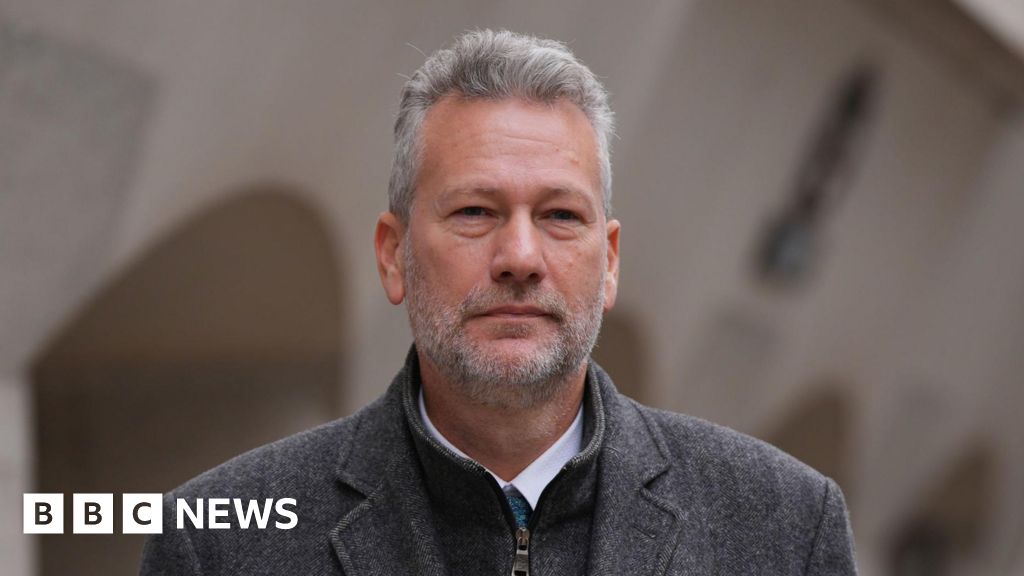
The recent admission by Nathan Gill, former Member of the European Parliament, to eight charges of bribery has ignited a firestorm of debate within the corridors of power and among the electorate. Such allegations underscore the persistent perception of corruption that plagues modern politics, especially within institutions tasked with safeguarding democratic values. Gill’s admission not only tarnishes his personal reputation but also symbolizes a broader power struggle, illustrating how the mechanisms of influence and money continue to shape policy outcomes and political loyalties across the European political arena.

This scandal surfaces at a critical juncture, drawing attention to the fragility of institutional integrity amidst a landscape where trust in political actors is waning. The charges—centered on bribery—highlight a recurring theme in political history: the corrupting influence of wealth and clandestine dealings in the shaping of legislation and the allocation of power. As constitutional experts like John Rawls and Carl Schmitt have argued, the very foundational principles of democratic governance hinge on transparency and the separation of powers. Gill’s case starkly contrasts these ideals, exposing how decision-making processes can be compromised when individual actors prioritize personal gain over public service.

Within this context, the power struggle becomes palpable. Political parties, watchdog organizations, and the judicial system are now tasked with not only addressing individual misconduct but also confronting systemic vulnerabilities. The scene echoes historical parallels, reminiscent of scandals involving figures like Richard Nixon or more recent cases within the European Union, where high-stakes conflicts for influence have tested the resilience of democratic institutions. The unfolding saga serves as a stark reminder that how decisions are made—and by whom—fundamentally dictates the direction of policy and the future of sovereignty.

As the political landscape shifts, the question lingers: who holds the ultimate power to determine the trajectory of governance? The charges against Gill serve as a flashpoint, revealing the ongoing internal power struggles that define contemporary politics. This event will inevitably influence public perceptions of legitimacy and fuel calls for reform within the European Parliament. Ultimately, politics remains the grand stage where the battle for influence is fought in shadows and spotlight alike, where destinies are crafted through the choices of those in power. The corruption scandal underscores a perennial truth—politics is not merely a game but the arena where future civilizations are shaped, and where the contest for authority continues unabated, echoing through history’s hall of mirrors.

Greenland Contraception Scandal: Victims Receive Danish Prime Minister’s Sincere Apology

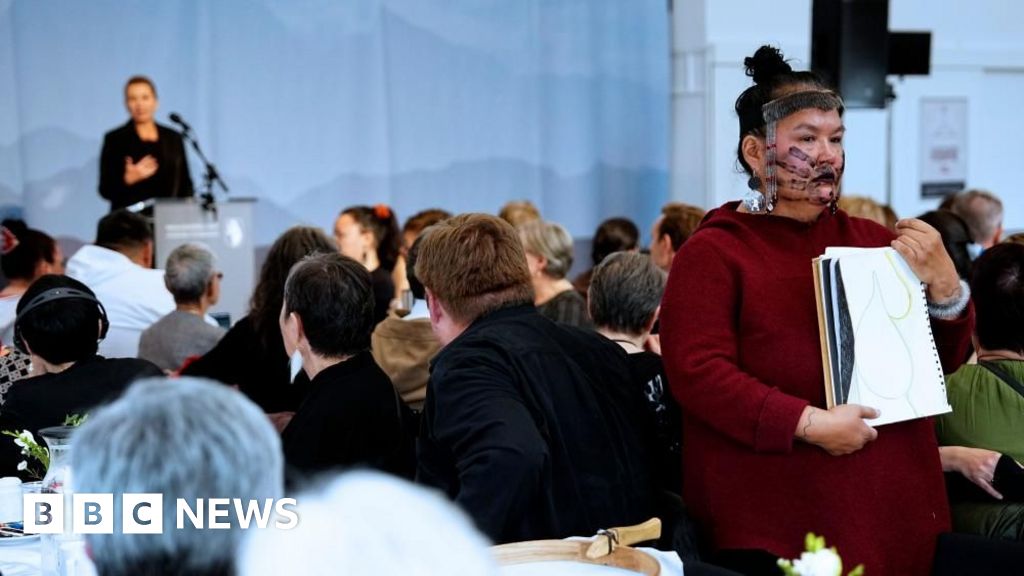
The historic apology by Danish Prime Minister Mette Frederiksen for the forced contraception program that targeted thousands of Inuit women in Greenland during the 1960s and 70s marks a significant, albeit complex, chapter in the ongoing relationship between Denmark and Greenland. The scandal, involving the involuntary implantation of IUDs—sometimes on girls as young as 12—has reignited discussions about colonial misdeeds, human rights violations, and the legacy of Western interference in indigenous populations. As a nation that transitioned from a Danish colony to an autonomous territory, Greenland’s journey is emblematic of broader geopolitical shifts, especially as global interest in the Arctic intensifies amid climate change and strategic competition.

Historically, Greenland has been pivotal in the geopolitical machinations of the North Atlantic, with Denmark maintaining oversight over healthcare until 1992, well into its push for autonomy. The recent revelations, coupled with Frederiksen’s formal apology, are not merely about acknowledging past injustice but serve as a crucial turning point that underlines the importance of self-determination and sovereignty for Greenlanders. Many analysts, including international organizations like the Arctic Council, emphasize that such admissions of past abuse are essential for healing and for redefining the trust and future governance of this strategic landmass highly coveted for its natural resources and geopolitical significance.

Despite the apology, critics argue that Denmark’s response remains insufficient without concrete reparations or acknowledgment of possible human rights violations. A lawsuit filed by 143 women seeking compensation underscores ongoing grievances and indicates that the wounds inflicted during colonial rule continue to resonate within Greenlandic society. Historians have pointed out that colonial-era policies were driven by economic and strategic interests, often at the expense of indigenous welfare. The unfinished chapter of reparations and acknowledgment highlights a broader international dilemma: how former colonial powers reconcile with past abuses, and whether genuine reconciliation can be achieved without tangible justice. The international community watches closely, mindful that the phase of unspoken colonial trauma is giving way to demands for accountability and dignity.

Furthermore, the implications extend into the Arctic’s geopolitical arena, where the United States, Russia, and China are maneuvering for influence around the melting ice, and President Trump’s earlier demand to acquire Greenland underscored the continent’s rising strategic importance. Denmark’s handling of Greenland affairs now faces increased scrutiny, as the narrative shifts from mere resource exploitation to sovereignty and moral rectitude. The recent controversies surrounding the removal of Inuit children and the reversal of a recent separation case exemplify the fragile trust needed for Greenland’s transition toward full self-governance. The decade ahead could see a profound redefinition of power dynamics, where Greenland’s indigenous voices demand recognition beyond symbolic apologies, challenging long-standing colonial structures and asserting their rightful place in a multipolar Arctic.

As history continues to unfold, the weight of past injustices, geopolitical ambitions, and the aspirations of Greenland’s people converge into a narrative that is both cautionary and hopeful. The apology, while a significant step, marks only the beginning of a deeper reckoning—one that tests the resilience of colonial legacies and the capacity of nations to mend their fractured histories. In the icy silence of the Arctic, the echoes of this moment will reverberate for generations, serving as a reminder that the ongoing struggle for dignity and sovereignty is written not just in history books, but in the very fabric of the future, where old worlds are shifting and new ones are emerging with the weight of history still to be written.

Social Media Auto Publish Powered By : XYZScripts.com