Matox News

Truth Over Trends, always!

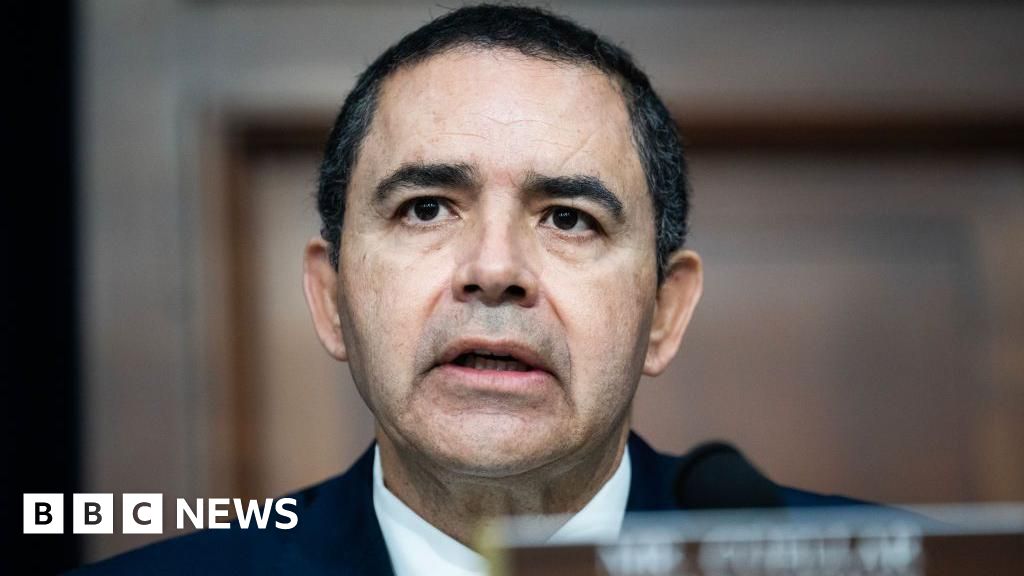
Trump announces pardon for Democratic congressman in bribery scandal

Global Stability in the Balance as U.S. Political and Judicial Shifts Reshape Alliances

The recent developments in United States politics underscore a critical juncture that could redefine international perceptions of American power and influence. President Donald Trump has announced his intention to issue a “full and unconditional” pardon to Congressman Henry Cuellar, a Texas Democrat embroiled in corruption charges linked to accepting bribes from foreign entities. This move, unprecedented in its boldness, ignites a debate over the integrity of U.S. political institutions and the influence of partisan interests on judicial processes, casting a long shadow over America’s global image.

Cuellar’s case, involving allegations of illicit payments from Azerbaijani and Mexican financial interests, exemplifies the complex web of foreign influence increasingly entwining domestic U.S. affairs. The Department of Justice under Joe Biden accused him of conspiring to sway U.S. foreign policy in favor of Azerbaijan and a Mexico City bank—charges that, if substantiated, reveal just how deeply foreign power centers seek to manipulate American decision-making. While Cuellar maintains his innocence, the political implications—especially given his moderate stance and opposition to the more progressive wing of the Democratic Party—highlight a fissure within the U.S. political landscape that investors and allies worldwide must watch closely.

Decisions That Echo Beyond Borders

  • The depiction of Cuellar as the “last pro-life Democrat” and his vocal stance on immigration have allegedly made him a target, according to his supporters, with Trump portraying the charges as politically motivated retaliation for his outspoken beliefs.
  • Meanwhile, Trump’s recent pardons of figures like Juan Orlando Hernández, the former Honduran president convicted of drug conspiracy, and the commutation of financial violator David Gentile signal a broader pattern of controversial clemency moves that challenge established legal norms.
  • International analysts suggest that such actions amplify the erosion of legal boundaries—potentially emboldening authoritarian tendencies and undermining legal sovereignty, thereby affecting diplomatic relations and security alliances vital to Western efforts against organized crime and corruption.

Adding another layer of complexity, these decisions resonate powerfully across global markets and diplomatic agreements. Countries watching U.S. policies unfold must now consider whether this pattern reflects a retreat from the rule of law or a strategic realignment driven by internal political battles. Historians like Niall Ferguson warn that American governance appears increasingly fragmented, risking the loss of moral authority that once positioned the U.S. as the beacon of liberal democracy and judicial integrity.

Implications for the International Arena

In a world teetering on the edge of geopolitical upheaval, stability hinges on the perceived reliability of superpowers. As President Biden confronts mounting domestic turmoil and diplomatic anxieties, the choices made in Washington will surely impact NATO unity, the intensity of the Russia-West rivalry, and the future of global economic stability. The narrative spun around these pardons and charges influences how allied nations interpret American commitment to justice and order, which in turn shapes their policies and alliances.

More broadly, international organizations like the United Nations and EU monitor these internal shifts for signs of weakening American influence. Many experts argue that such internal partisan and judicial turmoil could accelerate the fragmentation of global governance frameworks, presenting adversaries with a golden opportunity to advance their interests at the expense of Western alliances. If America appears discredited or internally divided, the power vacuum left behind could ignite conflicts and destabilize regions critical to world peace and economic security, such as the Indo-Pacific and the Middle East.

History’s Weighty Unfolding

As history continues its relentless march, the decisions made in the corridors of power today will be etched into the fabric of the future. The spectacle of political leaders pardoning convicted foreign-influence agents amid mounting questions about justice and transparency stands as a stark reminder that the tides of history are seldom predictable, and no nation is immune to their forces. How this chapter concludes remains to be seen, but the implications for world stability, national sovereignty, and the moral authority of the United States are profound and far-reaching. In an era where the balance of power depends on clarity and integrity, the unfolding story in Washington may yet reshape the geopolitical landscape for decades to come.

Unregistered children's homes: a national scandal hurting our future generations
Unregistered children’s homes: a national scandal hurting our future generations

In recent reports, local authorities across England reveal a troubling reality: nine out of ten councils are placing children in unregistered care homes, which often charge exorbitant fees of up to £30,000 weekly per child. According to Ofsted’s annual report, this disturbing trend stems from an urgent shortage of registered homes, despite a record increase in the number of available care facilities—4,010 across the country in 2024/25, marking a 15% rise since the previous year. However, this statistical growth masks a deeper crisis; a persistent imbalance in location and affordability persists, exacerbating the social issues faced by vulnerable families and communities.

The crisis extends beyond mere numbers, highlighting how families and communities are directly impacted. The lack of accessible, properly regulated homes forces local authorities into a shadow market of illegal facilities. Ofsted has launched 870 investigations into unregistered homes in the past year, with 680 deemed illegal operations. Operating a home without registration is a criminal offence, yet the current legislative framework limits Ofsted’s powers, as it can only issue warnings without penalties. Sociologists such as Dr. Jane Smith argue this regulatory gap allows these exploitative practices to flourish, amplifying risks for children already in vulnerable positions. Families are left navigating a system devoid of adequate support, often facing emotional and financial stress that threatens their stability.

Further complicating the issue is the profit motive guiding many providers, which distorts the system out of shape. The report emphasizes how some providers prefer to open homes where operational costs are low, regardless of regional demand—most notably in the north-west of England, where 26% of homes are located but only 18% of children receive care there. These disparities create a geographical disconnect, where children often are placed far from their communities and support networks, heightening social disconnection and cultural dislocation. The surge in costs—rising from £3.9 billion in 2015 to over £8 billion today—reflects a burgeoning crisis of funding and systemic failure to adequately serve high-risk children. Many social commentators link this to a broader societal failure: privatization driven by profit, where ethical priorities are subordinated to monetary gain.

Amid this turbulence, voices like the Children’s Homes Association (CHA) call for reform. Dr. Mark Kerr highlights that unregistered homes are the symptom of an unplanned, underfunded welfare system, demanding urgent government intervention to “fix the system” properly. Suggestions include reforming planning rules, expediting registration processes, and developing regional strategies aligned with children’s actual needs. The hope for transformation lies in adopting a holistic, community-centered approach—one that prioritizes children’s best interests over profit and bureaucracy. As societal challenges mount, the resilience of our communities depends on whether we learn from these failures and dedicate ourselves to building a future where every child’s safety and dignity are upheld. Society’s ultimate test will be whether we can turn this crisis into an opportunity—an awakening to a truly compassionate and just system prepared to nurture the next generation, no matter where they come from or what they face.

Sydney Cops Charge Four Men Over Alleged International Child Abuse Scandal

The recent apprehension of four Australians accused of operating a satanic child sexual abuse material ring in Sydney highlights a disturbing chapter in the ongoing battle against transnational crime and the dark web. With law enforcement executing multiple searches across key locations—such as Waterloo, Ultimo, and Malabar—this case underscores the brutal reality of how illegal networks exploit technological vulnerabilities and societal silence. The Australian authorities’ swift action, including the arrest of individuals like Landon Germanotta-Mills and others, reflects a growing international consensus on the importance of crackdowns on child exploitation, even amidst battles against free speech and digital privacy rights.

According to NSW Police, Germanotta-Mills, who claims to be the founder of the independent news platform The Underground Media Network, is alleged to have played a leading role in distributing and facilitating child abuse materials, some with satanic and ritualistic themes. His platform, which articulates a mission to “expose institutional abuse,” appears paradoxical in light of his alleged activities—highlighting a recurring theme where online spaces ostensibly dedicated to justice become tangled in the very issues they oppose. International analysts warn that such cases could set distressing precedents, enabling criminal networks to manipulate the perception of legitimacy and undermine public trust in advocacy outlets. This case further illuminates the intersection of digital activism and clandestine operations, testing the resilience of societal morals and law enforcement’s capacity to adapt to rapid technological shifts.

Elsewhere in Australia, three additional men—Benjamin Raymond Drysdale, Mark Andrew Sendecky, and Stuart Woods Riches—faced court proceedings, with bail requests denied in each case. Their alleged involvement spans accessing, possessing, and disseminating child abuse and bestiality materials. The breadth of charges indicates a concerted effort by authorities to dismantle elements of this network, but the deeper warnings resonate beyond mere criminal prosecution. Many international human rights bodies and security analysts argue that such cases expose vulnerabilities in global digital infrastructure and legal frameworks, urging nations to reinforce their protections against these heinous crimes. The international community remains watchful—some experts speculating that these revelations could stimulate a broader multilateral effort or, conversely, incite resistance from those attempting to thwart law enforcement’s reach.

This disturbing episode exemplifies a larger geopolitical landscape where nations grapple with how to balance freedom of speech against the need for security. The impact on societal trust, particularly among youth, is profound; as the internet becomes more accessible, so do the risks of exploitation. Critics argue that overly broad or vague legislation may threaten civil liberties, yet the global push to clamp down on child exploitation remains firm. As noted by international security agencies and renowned historians of digital rights, the outcome of these cases may well influence future policies—either strengthening resilience or unleashing unintended consequences that could embolden underground networks.

In the shadowed corridors of this ongoing war against corruption and decay, the weight of decision-making presses heavily upon global and national leaders. History records that the battle against evil disguised as activism often tests the very fabric of society. Today’s crackdowns could set decisive precedents, but tomorrow remains unwritten. As the world watches, the unfolding story of justice, morality, and international cooperation continues—a stark reminder that the fight for innocence, truth, and human dignity is far from over. In the silence that follows, history’s pen waits—recording a chapter where darkness was challenged, and hope endured against all odds.

Inside the Medomsley scandal: Britain’s most notorious sex offender暴

Uncovering Society’s Hidden Scars: The Legacy of Medomsley and Institutional Abuse

In a society built on trust and the presumed integrity of its institutions, the revelations emerging from the Medomsley detention centre scandal serve as a stark reminder of the grave failures of oversight and accountability. For decades, families, communities, and the very core of youth justice were compromised by a systemic culture of silence and complicity. The recent investigation, culminating in the detailed Deerness report, offers a brutal, if incomplete, account of the abuses inflicted on hundreds of innocent boys, many of whom suffered in silence for decades.

This sordid chapter exposes the deep entrenchment of these abuses within the institutions that were supposed to protect. The report reveals that over **2,852 allegations of abuse** were made against staff at Medomsley, with only a handful of officers ultimately convicted. **The exposure of highly placed figures, including former governors and staff, underscores how a toxic culture of cover-up and neglect allowed predators to operate unchecked across decades**. When institutions like the police, the Ministry of Justice, and local governing bodies fail to act decisively, families and communities bear the burden of shattered lives and broken trust.

The societal impact on families and communities

Every case uncovered at Medomsley signals not just the trauma endured by individual victims but also the ripple effects rippling through families and neighborhoods. The trauma of sexual and physical violence embedded within the very walls of institutions meant to nurture has pervasive moral and social repercussions. Sociologists such as Howard Becker have noted that such breaches of institutional trust result in a collective loss of faith that endures long after the abuse stops. Families of victims grapple with the moral fallout, often feeling helpless or betrayed by the very systems entrusted with their protection.

Furthermore, societal demographic shifts and cultural tensions come into focus when examining how these atrocities persisted. Many victims, as the report details, were subjected to abuse from as young as 14, with institutional systems consistently turning a blind eye or dismissing their cries for help. The failure to adequately respond highlights a culture of sanitizing or ignoring the voices of the vulnerable, especially those from marginalized socio-economic backgrounds. This failure undermines the moral fabric of our society, calling into question the efficacy of our social safety nets, especially for youth in care.

Addressing systemic failures and seeking justice

  • Implementing public inquiries that allow victims to testify under oath and cross-examination, fostering transparency and accountability.
  • Establishing independent oversight bodies equipped with power to investigate institutional misconduct without derisory limitations.
  • Fostering cultural change within institutions, ensuring that every layer of authority is held accountable and vigilant against misconduct.
  • Providing comprehensive support and compensation programs to victims, respecting their moral rights to acknowledgment and justice.

As social commentators and historians like Antony Beevor have observed, history often repeats itself when lessons are ignored. Society’s true moral test lies in whether we can learn from these dark episodes and rally for meaningful reform. The victims’ stories reveal not only the depth of institutional cruelty but also highlight the moral imperative to ensure that such failures never recur. Ultimately, societal healing depends on transparent acknowledgment and genuine steps toward justice, reinforcing that society’s strength is rooted in safeguarding its most vulnerable.

As we stand at this crossroads of acknowledgment and reform, society must confront its shadows without flinching. The scars of Medomsley run deep — yet within these scars lie the seeds of moral renewal, compassion, and resilience. Society’s long journey toward justice may be arduous, but the hope endures that with unwavering resolve, the broken can find healing, and the broken systems can be reborn as pillars of virtue and vigilance. Society’s challenge remains: will we let these stories be buried or rise to forge a future where dignity and safety are universally upheld?

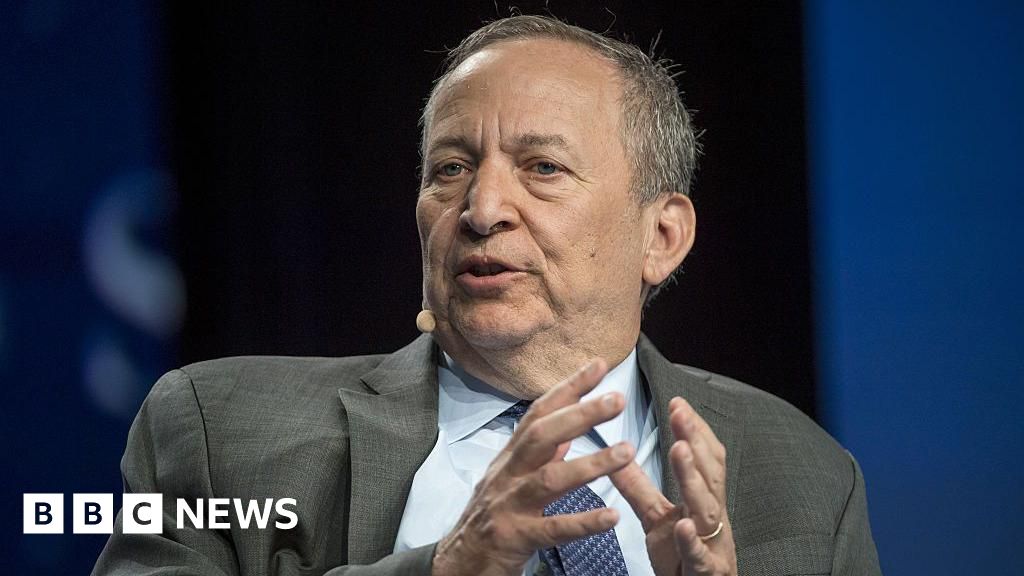
Larry Summers quits OpenAI board amid Epstein email scandal

In a period where global power dynamics are shifting at an unprecedented pace, recent developments highlight how personal scandals can ripple through the fabric of international influence and technological advancement. The resignation of former US treasury secretary Larry Summers from the board of OpenAI follows the release of emails linking him to Jeffrey Epstein, the convicted sex trafficker whose network reached into the highest echelons of society. Although Summers emphasizes his desire to “rebuild trust,” this controversy underscores an ongoing narrative of transparency and accountability that is reshaping the societal landscape, especially among the youth who are increasingly mindful of ethical leadership and institutional integrity.

Moreover, the broader geopolitical impact stems from the U.S. Congress passing legislation requiring the release of Epstein-related files, which now moves toward President Donald Trump‘s desk. As the bill’s passage signals a shift towards more stringent accountability, it simultaneously reveals deeper divisions within American political and social institutions. Analysts suggest that this move could expose more high-profile figures involved in Epstein’s circle, potentially shaking the foundations of global elites’ influence and prompting a reevaluation of the power structures that have long operated behind closed doors. The release of these documents may serve as a catalyst for broader societal introspection, questioning the integrity of those in power—especially those who have maintained close ties to controversial figures. While some see this as a step toward justice, others warn that exposing too much could destabilize long-standing networks and alliances critical to America’s geopolitical strategy.

Meanwhile, the internal shifts at OpenAI reflect a similar tension within the technological and ideological frontiers. Summers’s departure, following his appointment amidst internal conflicts over leadership, is emblematic of a broader struggle in the industry: the balance between innovation and ethical responsibility. How nations and societies respond to such moral dilemmas will determine the future trajectory of AI development and global influence. As AI companies continue to push the boundaries of technological adoption, the potential geopolitical ramifications become ever more complex—particularly as rival powers like China and Russia seek to dominate AI-driven supremacy for strategic advantage. The decisions made today about regulation, transparency, and moral accountability will have lasting effects on how the world navigates power, influence, and technological sovereignty in the decades ahead.

History is now at a turning point where the revelations surrounding figures like Summers serve as a sobering reminder: the intertwined nature of global leadership, technology, and clandestine networks can reshape the course of nations. From the corridors of Washington to the Silicon Valley boardrooms, the question remains—how will societies, inspired by generations of youth eager for justice and transparency, respond to the emerging revelations? As the weight of history bears down on these unfolding narratives, the world stands at a crossroads, where the outcome could either reinforce the foundations of responsible leadership or reveal deeper fissures in the global order. The story of the 21st century continues to be written, and the choices made today may well echo through the corridors of history for generations to come.

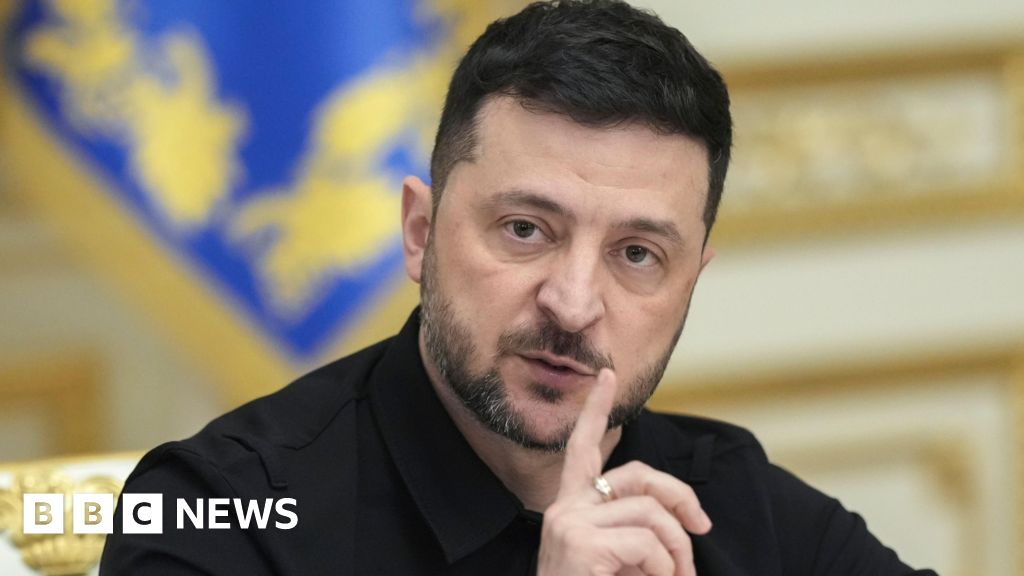
Zelensky Pledges Big Shakeup in Energy Sector After $100M Corruption Scandal

Ukraine’s Energy Sector Under Scrutiny Amid Corruption Scandal

In a move that underscores the ongoing struggles of Ukraine to stabilize its institutions amidst the chaos of war, President Volodymyr Zelensky has announced an ambitious plan to overhaul the country’s sprawling, yet troubled, energy sector. This comes in the wake of a scandal that has shaken public confidence and posed profound geopolitical questions about the integrity of Ukrainian governance. An estimated $100 million has been embezzled from state energy companies, exposing deep-rooted corruption that threatens to undermine Ukraine’s resilience, especially as Russian attacks intensify on critical energy infrastructure.

Corruption Inquiries and Political Fallout

  • Investigations initiated by Ukraine’s National Anti-Corruption Bureau (NABU) and the Specialised Anti-Corruption Prosecutor’s Office (SAP) have revealed that high-ranking officials and close associates of Zelensky may have been involved in illicit activities within key energy firms. Among those implicated are Justice Minister Herman Halushchenko, ex-Deputy Prime Minister Oleksiy Chernyshov, and Timur Mindich, linked to Zelensky’s former TV studio, Kvartal95. The involvement of such figures underscores the complex nexus of politics, business, and corruption that continues to pervade Ukrainian politics.

In response, Zelensky has vowed to restore integrity and transparency, promising a full audit of energy firms and the swift appointment of a new supervisory board for the Energoatom nuclear company within a week. Several ministers have resigned under pressure, yet critics remain wary of the president’s sincerity, especially given previous controversies, such as the July law that temporarily limited the independence of NABU and SAP—a move diplomats and analysts criticized as a setback for anti-corruption efforts. This back-and-forth illustrates the fragile balance Zelensky faces in asserting reform amid entrenched interests.

Escalating Security Crisis and Strategic Consequences

Amidn’t these domestic upheavals, Ukraine’s defensive posture is further strained by an escalation in Russian military assaults on critical energy infrastructure. Attacks on substations and power plants have left parts of the country in darkness, profoundly affecting civilian life and the operation of Ukraine’s nuclear power plants. These assaults are part of a broader strategy by Moscow to weaken Ukraine’s resolve and complicate NATO and Western support. Analysts warn such coordinated energy strikes threaten to destabilize Ukraine’s sovereignty, making the fight for transparency and sovereignty intertwined in ways that extend well beyond Kyiv.

International voices, including seasoned diplomats and organizations like the European Union and NATO, continue to scrutinize Kyiv’s internal reforms. The tension between attempting to root out corruption and maintaining a cohesive war effort has led many to question whether Zelensky’s government can stand the test of both external aggression and internal discord.

Global Implications and the Cost of Compromise

Historian and geopolitical analyst Dr. Maria Ivanova comments that Ukraine’s internal stability is now as crucial as its battlefield resilience. The unfolding scandal reveals the pressing challenge of establishing a governance model that effectively resists external threats while confronting past and present corruption. The decisions made in Kyiv’s corridors of power will influence not just Ukrainian sovereignty but also the broader post-Soviet space, impacting regional security and the future of European energy independence.

As the world watches, Kyiv stands at a pivotal juncture—either it can decisively confront entrenched corruption and emerge stronger against external foes, or it risks becoming a cautionary tale of what happens when internal fissures weaken a nation defending its very existence. With each revelation and crackdown, history continues to unfold—an enduring reminder that the fight for sovereignty, integrity, and independence is often fought in the hidden trenches of politics and power, where the true battles for the future are waged. In this harrowing chapter of political endurance, the weight of history presses heavily upon those who dare to forge a nation’s destiny amid chaos.

Inside the NBA gambling scandal: What you need to know about the rigged poker arrests

US Authorities Crack Down on NBA-Linked Organized Crime and Match-Fixing

The recent massive crackdown by U.S. federal authorities has sent shockwaves through both the sports world and the underworld of organized crime. The arrests, which include NBA stars and coaching icons, underscore a disturbing resurgence of organized criminal influence within professional sports — a phenomenon that elites and analysts had believed to be largely eradicated since the peak of mafia domination in the 20th century. This analysis highlights the growing geopolitical impact of illegal gambling networks entwining with societal institutions, revealing a deeply troubling trend that threatens the integrity of both national and international sporting agencies.

Authorities have detailed a sweeping investigation, dubbed “operation nothing but bet,” uncovering a sophisticated scheme involving insider information manipulation and multi-million dollar betting frauds. Among those indicted are renowned figures like Portland Trail Blazers coach Chauncey Billups and Miami Heat star Terry Rozier. The scandal extends beyond individual athletes to encompass four of the notorious ‘Five Families’—long-standing mafia syndicates that have historically wielded power in New York. The FBI described the scheme as “mind-boggling,” with criminals employing cutting-edge technology like off-the-shelf shuffling machines, eye-reading contact lenses, and even X-ray tables to rig illegal poker games. Here, the cumulative damage involves millions in stolen funds and a dangerous infiltration of the societal fabric.

From a geopolitical and societal perspective, these revelations trigger a new wave of concern about how entrenched criminal operations continue to compromise the rule of law and the integrity of global sporting competitions. International organizations such as INTERPOL and FATF have long warned about the proliferation of crypto-based laundering and sports corruption, and these latest developments underscore the urgent need for fortified international cooperation. The involvement of organized crime syndicates like the Bonanno, Gambino, and Genovese families illustrates how persistent mafia influence remains, even as law enforcement has scored major victories in the past. The return of such underworld networks to high-profile arenas signals a broader crisis for societal trust, representing a direct challenge to the cultural respectability and economic stability associated with global sports industries.

As sports leagues and government agencies brace for further repercussions, the question remains: how deep does this corruption go, and what are the implications for the future? Noted historians and crime analysts warn that this is more than just a series of isolated scandals; it is an indicator of a potential paradigm shift where organized crime progressively infiltrates legitimate institutions. The NBA’s response—placing the implicated players and coaches on immediate leave—reflects a reactive stance, but critics argue that only comprehensive reforms and international cooperation can truly restore integrity. As Europe and other regions watch closely, the unfolding story highlights one enduring truth: in the theatre of power, money, and influence, the line between legality and corruption has always been fragile. With each indictment, history’s pages turn, leaving future generations to ponder whether justice truly prevails or if, in the shadows, the old empire of crime still rules. The night is darkening, and the echoes of lawlessness are louder than ever — the question is whether the dawn of real accountability is still to come.

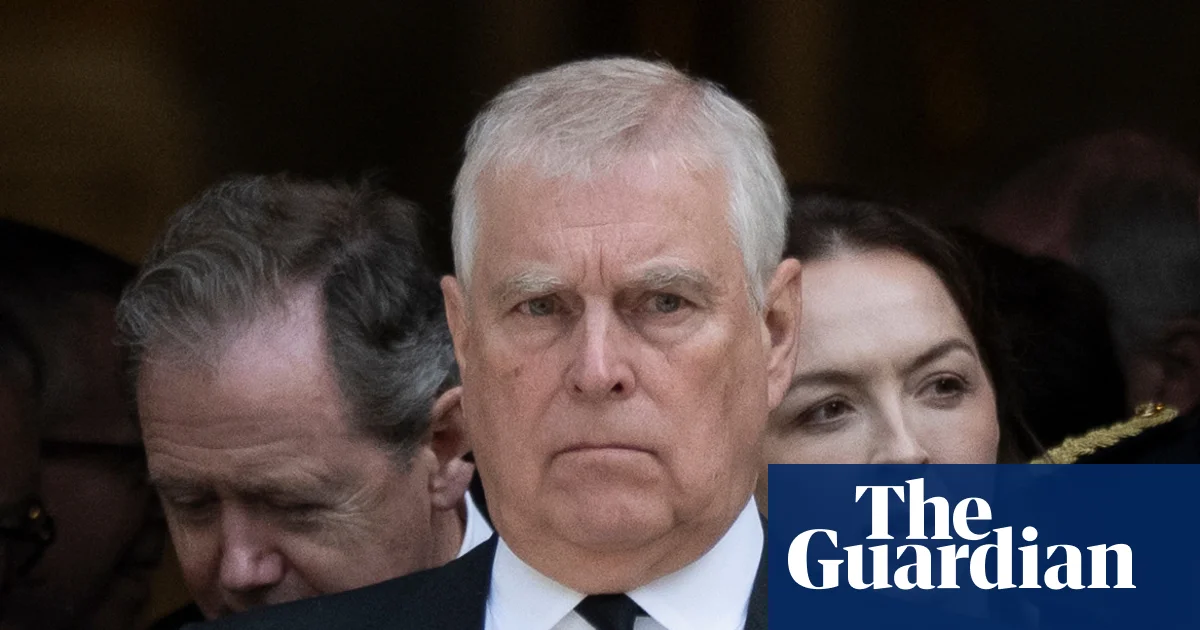
Labour avoids tackling Prince Andrew scandal amidst rising concern

The recent revelations surrounding Prince Andrew’s alleged connections with Jeffrey Epstein have ignited a firestorm of media coverage, exposing unsettling questions about the integrity of the British monarchy and its embedded influence on national politics. Despite mounting public outrage and calls for accountability, a notable parliamentary taboo hinders any official debate on whether the royal should be stripped of his titles. This restriction underscores a deeper, pervasive culture of institutional protection that transcends the borders of the United Kingdom, impacting international perceptions of accountability, sovereignty, and judicial independence. The political establishment, especially within Westminster, appears hesitant to confront powerful symbols of tradition, even as scandals threaten to undermine confidence in Britain’s longstanding monarchy.

The core issue revolves around parliamentary constraints, which are enshrined in Erskine May, the authoritative manual on parliamentary procedure. According to its guidelines, questions that “bring the name of the sovereign or the influence of the crown directly before parliament” or cast “reflections upon the sovereign or the royal family” are off-limits. This legal and constitutional safeguard effectively bars MPs from raising allegations against Prince Andrew or discussing his conduct, especially concerning the explosive claims of Virginia Giuffre. The outcome is a paradox where public interest, especially among younger voters and international observers, collides with a strict adherence to tradition that limits open discourse, perpetuating a veil of silence over critical issues of morality and justice within the monarchy.

Analysts such as political historians and international observers emphasize that this parliamentary silence has broader geopolitical implications. It signals to the world that Britain continues to prioritize the preservation of its aristocratic symbols over embracing transparency and accountability. For many in emerging democracies and authoritarian regimes, the refusal to confront such scandals openly feeds narratives about elite impunity and entrenched privilege. Furthermore, the ongoing scandal involves subtle shifts in Britain’s soft power—its ability to promote democratic ideals and moral leadership—being subtly eroded. As some MPs voice frustration and push for legislative reforms, the reality remains that the entrenched culture of royal privilege hampers efforts for civility and integrity that are increasingly demanded by the global community.

  • The British government faces mounting pressure to either uphold tradition or adapt to a changing moral landscape—yet, the political will remains tepid, with some officials viewing the issue as a distraction from more pressing economic or domestic concerns.
  • International institutions, such as the European Court of Human Rights and the International Criminal Court, watch with cautious optimism, as Britain’s refusal to confront its royal scandal may influence debates on accountability and rule of law across borders.
  • This controversy echoes broader themes of national sovereignty, elite impunity, and social justice—issues that ripple beyond the confines of Westminster, challenging the very foundations of Britain’s constitutional tradition.

As the debate smolders beneath the surface, some voices—both domestically and globally—warn that this reluctance to confront uncomfortable truths could precipitate lasting damage to Britain’s moral authority. Historians and political analysts warn that nations which shy away from transparency in moments of crisis risk fostering long-term disillusionment among their citizens and allies. The case of Prince Andrew serves as a potent microcosm of this larger struggle—how a society chooses between maintaining ancient privileges and embracing the demands of a new age of accountability. As history unfolds with each passing day, the enduring question remains: will the winds of change sweep away the old hierarchies, or will they be immortalized as monuments to a bygone era?

Zelenskyy names new Odesa leader after mayor’s Russian passport scandal – Europe updates | NATO

In the heart of Eastern Europe, Ukraine continues to be a focal point of geopolitical tension, with the recent appointment of Sergiy Petrovich Lysak as the new head of Odesa’s city military administration signaling an escalation of the Ukrainian government’s efforts to strengthen its regional security measures. This move follows the Ukrainian president Volodymyr Zelenskyy’s announcement on Tuesday to establish a dedicated military administration in the strategic port city, citing a critical need for increased protection amidst ongoing hostilities. Zelenskyy emphasized, “Odesa deserves greater protection and greater support,” highlighting the nation’s commitment to fortifying its vital Black Sea corridor against persistent threats.

The political upheaval in Odesa is part of a broader, tumultuous battle for sovereignty, as Kyiv revokes the citizenship of local officials suspected of dual loyalties. The dismissal of Hennadiy Trukhanov, who denies holding a Russian passport, underscores Ukraine’s rigid stance against dual citizenship, aiming to eradicate divisive figures potentially compromised by Moscow. This domestic strategy unfolds amid escalating military confrontations on multiple fronts, where Russian forces have claimed control over settlements like Oleksiivka and Novopavlivka, signaling a persistent push to consolidate territory amid mounting international support for Ukraine’s resistance.

All Eyes on NATO and Russia’s Rising Threat

As the Russian invasion enters its second year, NATO’s defense ministers convened in Brussels to address the rising threat of Russian airspace violations and the Kremlin’s ongoing aggression. NATO Secretary General Mark Rutte and other allies discussed intensifying their support for Ukraine, with the US contemplating the deployment of long-range missiles such as the Tomahawk to Kyiv—a move that, if realized, could significantly alter the dynamics of the conflict. US Defense Secretary Pete Hegseth indicated a collective commitment to bolster Ukraine’s defenses, emphasizing that more military aid, including advanced drones and weaponry, is forthcoming. Meanwhile, Russia’s military efforts have persisted, with reports of attacks on Ukrainian energy infrastructure—targets like power plants and gas facilities—aimed at debilitating Ukraine’s war effort and sowing chaos in civilian life.

Notably, Russia’s largest petrochemical complexes in Bashkortostan sustained attacks by Ukrainian drones, yet regional officials assert they continue to operate normally, illustrating the resilience of Moscow’s industrial backbone amidst setbacks. Yet, intelligence from Finland’s defense minister indicates that Russian forces are amassing anew and becoming more reliant on China—a sign that Moscow’s military resource pool might be primarily preoccupied with Ukraine, but still remains a formidable threat to NATO’s eastern flank. The gathering of NATO defense ministers highlighted concerns that Russia’s strategic posture could persist long after Ukraine’s war ends, cementing its role as a persistent destabilizer in the region.

Shifts in International Power and the Waning Kremlin Influence

Meanwhile, in the Middle East, Vladimir Putin’s attempt to project influence through the postponed Russia-Arab World summit backfired spectacularly, with only a handful of leaders attending, underscoring Moscow’s declining influence in the region. Instead, global attention shifted to Egypt, where a Gaza peace summit, attended by Donald Trump and regional leaders, signaled a geopolitical shift away from Moscow’s long-standing regional dominance. Pjotr Sauer of The Guardian notes that this diplomatic retreat reflects the reality: as the war in Ukraine presses on, Russia’s influence in the Middle East diminishes, revealing the limits of Putin’s strategy to assert global leadership.

Furthermore, the European Union is moving to confront its own internal crises, with Brussels set to propose regulations tackling short-term rentals—a social matter that, if unaddressed, could fuel populist discontent and threaten the unity of the bloc. As European nations grapple with economic stagnation, demographic declines, and social tensions, the trajectory of their resolve on international issues remains uncertain. The coming months could define whether Western alliances remain resilient or fragment under the weight of economic and geopolitical pressures.

In this unfolding chapter of history, decisions made in the corridors of power—whether in Kyiv, Brussels, or Moscow—will resonate well beyond their borders. As Ukraine’s struggle persists and NATO faces its future, the shadow of Russia’s resurgence lingers, hinting at a protracted contest that will test the resolve of Western unity, the resilience of Ukrainian sovereignty, and the shifting sands of global influence—a story that is still being written, as the world watches with bated breath, the weight of history pressing down on an uncertain horizon.

Affinity Education executives step down amid childcare scandal backlash

In what can only be described as a sobering wake-up call for the Australian childcare sector, the recent crisis at Affinity Education Group underscores the dangerous intersection of corporate misconduct and societal safety standards. The resignation of its CEO, Tim Hickey, and COO, Nishad Alani, signals a pivotal moment in an ongoing saga that has captured national attention, but the implications extend far beyond Australia’s borders.

The scandal erupted in July when police in Victoria charged Joshua Brown with over 70 offenses linked to multiple victims aged between five months and two years. Brown worked across 11 Affinity centres, raising serious questions about oversight, safety protocols, and corporate responsibility. Critics have pointed out the troubling fact that high executives, including Hickey, received bonuses reportedly up to $300,000, despite evident lapses in safety and staff conduct—a revelation that has incited outrage across communities and calls for accountability from shareholders and regulators alike.

From an international perspective, this crisis highlights the broader vulnerabilities within for-profit childcare providers and their governance standards, which are of concern to global institutions like UNICEF and the OECD. Historians, such as Dr. Raymond Williams, warn that prioritizing profit over child welfare creates dangerous cultures of complacency, especially when executive bonuses are tied to performance metrics that may neglect safety. The New South Wales parliamentary inquiry revealed that breach rates at Affinity were 70% higher than the state average in 2024, further exposing systemic failures that threaten societal norms surrounding child protection and corporate ethics.

The repercussions from this scandal extend beyond Australia’s shores, affecting how nations scrutinize their own daycare and educational subsidies. For instance, Canada and the UK are observing these developments closely, contemplating reforms in licensing and oversight procedures. How decisions made in the boardrooms of multinational corporations influence societal trust and social stability on a global scale becomes a vital concern. The International Labour Organization emphasizes that the safety of vulnerable populations—especially children—must be prioritized if social cohesion is to be maintained in an increasingly interconnected world.

As the saga of Affinity unfolds, the weight of history presses down—a reminder that unchecked corporate greed and lax oversight can have devastating consequences. With each resignation and each new revelation, societies are called to reflect on their ethical benchmarks and the true cost of prioritizing profit over progress. Whether this tragedy will stimulate meaningful reform or merely serve as a cautionary tale remains to be seen, but the global watch is now focused on how nations uphold their promises to protect the most vulnerable amid a landscape marked by greed and bureaucratic complacency. The world’s children, after all, are the most precious legacy—yet their safety often hinges on the decisions made in chambers far removed from the playgrounds where innocence should thrive.

Social Media Auto Publish Powered By : XYZScripts.com