Matox News

Truth Over Trends, always!

Audiences’ favorite influencers hit the scene: championing Britain’s legendary pubs and keeping the spirit alive

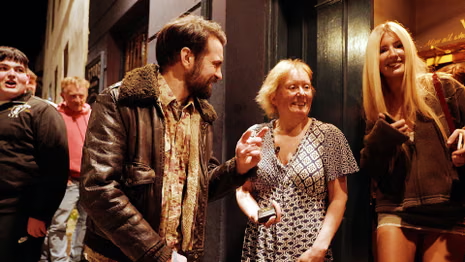
In an era where millennials and Gen Z are redefining social spaces, the humble pub remains an enduring testament to Britain’s rich social fabric. Despite the challenges posed by rising costs, urban gentrification, and changing drinking habits, a surge of fresh enthusiasm is evident in the vibrant scene of traditional wet-led boozers. Social media influencers like Niall Walsh and Jimmy McIntosh are leveraging digital platforms to showcase pubs with distinct character—places with patterned carpets, cozy fireplaces, and personal stories that exude authenticity. Their efforts highlight a cultural revival rooted in preserving community spaces while adapting to contemporary tastes.

Their advocacy underscores a broader cultural shift, one that celebrates “proper boozers,” an often romanticized concept of local pubs that prioritize atmosphere and genuine community over chain-store uniformity. Walsh and McIntosh aim to bring attention back to these establishments—many struggling with skyrocketing rent and cumbersome regulations—by creating content that emphasizes their unique aesthetic and social significance. For example, McIntosh’s detailed exploration of pubs like the Skirrid Inn in Wales or The Old Forge in Inverie demonstrates that even in the remotest corners of Britain, pubs serve as vital cultural landmarks, blending history, storytelling, and shared human experience. Their approach champions a lifestyle where leisure and wellness are intertwined, and where the act of gathering fuels personal resilience and community health.

By actively promoting pubs through Instagram accounts such as London Pub Explorer and Great British Pub Crawl, a new generation is reclaiming these spaces—not just as drinking venues but as catalysts for well-being, cultural connection, and lifestyle enrichment. Initiatives like these inspire young people to rediscover local history, support small businesses, and embrace a slower, more meaningful pace of life amid the chaos of urban existence. Whether it’s a classic pub with velvet curtains or a rugged countryside inn, these hidden gems foster a sense of belonging, making each visit a personal act of community renewal.

  • Visit a pub with historical charm—look for patterned carpets, authentic owner-operated environments, and local crowds.
  • Support social media pages that promote community-focused pubs, contributing to their visibility and survival.
  • Embrace the \”rural pub experience\”—consider exploring remote locations like the Old Forge in Inverie for a truly memorable adventure.

Ultimately, the ongoing narrative of Britain’s pubs is a story of resilience and revival. As individuals, we are invited to see these spaces not merely as places to drink but as living chronicles of our shared history, woven into the fabric of daily life. Through the lens of passionate creators and community advocates, the pub becomes a symbol of whether through tradition or contemporary innovation, a lifestyle that champions authenticity, connection, and personal impact. Their journeys serve as a reminder that embracing such cultural landmarks is more than nostalgia—it is a conscious choice to nurture the roots of our collective identity and, in doing so, find inspiration for the journeys ahead.
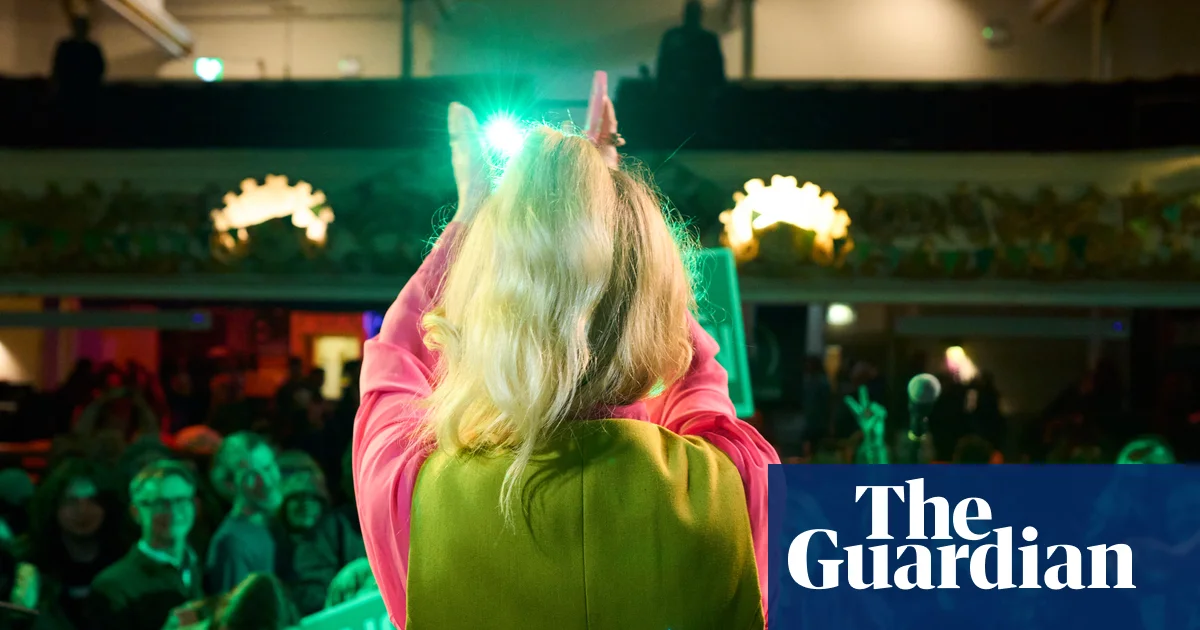
Hannah Spencer’s Bold Waistcoat Serves Up Politics with a Trendy Twist — TikTok’s New Favorite for the Youth Style Scene

Viral Colors and Youth Culture: The Rise of “Gross Green”

In a world where social media continually reshapes how we communicate, color trends have become more than just aesthetics—they’re now carriers of social identity and political statement. The latest wave? “gross green”. Coined by New York magazine and rapidly making its way onto high street labels and even book covers, this shade of chartreuse isn’t just a color—it’s a mood. It embodies a rebellious, playful attitude that resonates deeply with younger audiences eager to express individuality and cultural alignment through something as simple yet provocative as wardrobe choices. When Hannah Spencer, the newly elected Green Party MP, was spotted wearing this “gross green” outfit during her press conference, she unintentionally became a trendsetter, signaling her awareness of the social zeitgeist.

What’s fascinating is just how intentional and layered this phenomenon is. Spencer, a 34-year-old millennial, appears to understand the social capital in adopting such a viral hue—knowingly embracing a “statement color” that ties her political platform to the broader youth-driven aesthetic. During her brief appearance, she changed her undershirt from one shade of green to another, underscoring the precision with which digital-native figures now curate their image. This shift isn’t random; it’s an astute move to align with the cultural language of her generation. Prior to her, figures like Kamala Harris mastered this art, meme-ing a color into the political landscape with her “brat green”—a summer hit that did more than turn heads; it crafted a viral symbol for political engagement.

These trends underscore a larger socio-cultural shift: the merging of fashion, politics, and social media into a seamless narrative. Influencers, sociologists, and brand analysts argue that in an era of fractured attention spans, symbols—like colors—become vital tools in forging identity and community. Viral colors like Barbie pink or brat green aren’t just a fleeting aesthetic; they serve as social signifiers that bridge generational divides and offer a common language rooted in innocence yet rich in subtext. This phenomenon also reveals how younger generations seek to find meaning in what appears on the surface to be trivial—playing with names and shades as a form of cultural codification that is both fun and strategic.

What is intriguing, however, is the potential for these color-coded movements to extend beyond fashion and into systemic influence. As political campaigns increasingly lean into viral marketing, could these shades redefine how leaders communicate authenticity and relatability? The next question emerges: Will these playful symbols evolve into serious political tools, or are they destined to remain ephemeral markers of youth culture?* With influencers and political figures riding the wave of internet aesthetics, the future of political branding might just depend on our ability to decode the next viral hue—and what it says about the societal shifts at large.

Train Dreams: Unveiling the Power Behind the Scene

In the quiet elegance of cinema, we find a mirror to our souls—a mirror that reveals the intricate tapestry of memory, tradition, and identity. The recent final scene of “Train Dreams” exemplifies this truth, illustrating how visual storytelling transcends mere entertainment to engage with fundamental questions about what it means to be human. As Joel Edgerton’s character, Robert Grainier, embarks on a flight that becomes a voyage through his memories, we are reminded of the profound power of cultural memory to shape individual and collective identity. These fleeting moments in the sky serve as a poetic reflection on how history, personal and societal, are stitched together by the threads of remembrance, forging a sense of continuity amid chaos.

Filmmakers today, much like historians or philosophers of the past, play a vital role in preserving and interpreting our cultural heritage. Ortega y Gasset emphasized that “a people that forgets its past is condemned to relive it”. This scene’s meticulous construction—combining practical effects with cutting-edge VFX—underscores an essential truth: the craft of filmmaking is itself a form of cultural memory, a preservation of moments that might otherwise vanish into obscurity. The deliberate choice to recreate the antique plane and craft seamless transitions between past and present aligns with the timeless human pursuit of meaning through storytelling. Just as T.S. Eliot argued that tradition is the anchor of innovation, contemporary cinema—particularly in its focus on memory—serves as both a custodian and a prophet of our cultural identity.

Furthermore, the scene’s meditative narration guides us through the layered landscape of personal history, echoing the insights of Chesterton who extolled the importance of tradition as the vital link between our ancestors’ sacrifices and our present lives. The visual montage of memories—some seen earlier in the story, others new—mirrors the ongoing dialogue between individual memory and societal narratives. The flickering images, like the legends passed down through generations, affirm that culture is neither static nor mere relic. It is a dynamic force that animates our sense of __who we are__ and propels us forward, providing a moral and spiritual compass amid the upheavals of modernity.

As the final shot captures Grainier’s face, suffused with a myriad of emotions, there is a poignant reminder of philosopher Tocqueville’s assertion that democracy and culture are intertwined; both require active remembrance and participation to flourish. The scene’s culmination—Grainier’s feeling of connection—resonates universally: that through art and memory, humanity glimpses a glimpse of a transcendent order, a poetry in the cosmos of our collective soul. Culture, in its essence, is not merely a reflection of the past but an unfolding prophecy of our future, whispered across the ages in the silent language of human creativity. And in this symphony of fleeting images and enduring memories, we find a glorious testament—that culture is an indelible part of our identity, anchoring us in the wisdom of tradition while guiding us toward an unknowable yet inevitable horizon.

Incel Talk Goes Mainstream: The New Voice of the Youth’s Tech Scene | WIRED

Disruption in Digital Culture and Business: The New Technological Frontier

As the digital landscape rapidly evolves, a wave of innovative trends is reshaping how society interacts with technology, culture, and business. This year, the emergence of concepts like friction-maxxing exemplifies a counter-movement against the endless convenience offerings powered by apps and AI. Advocates argue that deliberately introducing friction—the minor challenges that require effort—can foster resilience and authenticity, challenging the prevailing paradigm of instant gratification.

This cultural shift is intertwined with the dissemination of incel terminology, which has now seeped into mainstream internet vernacular. Originally born within insular online communities, terms like “maxxing”—or “protein maxxing,” “sleep maxxing,” and others—are now being adopted by broader audiences. Such language, sometimes laden with controversy, signals a deeper phenomenon: the reconfiguration of online socio-political dialogues. Industry analysts, including those from MIT and social research think tanks, warn of the potential for these lexicons to catalyze new forms of social identity and even radicalization, with implications for workforce culture and consumer behavior in the tech sector.

Meanwhile, the cultural memory of movements like Gamergate and the proliferation of sinister platforms like 4chan has laid the groundwork for a disruptive digital ecosystem. This ecosystem is characterized by toxic nihilism, reactionary sentiment, and the rise of anti-diversity ideologies, which threaten to undermine the inclusive innovation that Silicon Valley strives for. Yet, paradoxically, these trends also fuel a market of disruptive startups that aim to capitalize on cultural fractures—tools that polarize, but also serve as catalysts for change. Companies like Twitter, under new leadership, are attempting to navigate this turbulent space, balancing free speech with moderation—an ongoing challenge with significant business implications.

Looking ahead, industry leaders, from Elon Musk to Peter Thiel, recognize that understanding and harnessing these disruptive cultural shifts is crucial for maintaining technological edge. As the lines between online subcultures and mainstream markets continue to blur, the urgency for innovation in both policy and product design intensifies. The next wave of technological disruption will not just be about raw computational power but about navigating the complex social terrains that define our digital future. Failing to adapt or anticipate these shifts may render traditional tech giants obsolete, replaced by agile entities that leverage these cultural currents for strategic advantage.

Top Dating & Hookup Apps Dominating the UK Scene in 2026: What Young Brits Need to Know

The Rise of Pure: Redefining Casual Encounters for a Generation

In a world increasingly driven by instant gratification and the demand for authenticity, apps like Pure are pioneering a new wave in how young adults approach casual dating and hookups. Unlike traditional dating platforms, Pure offers an experience that is adventurous, no-strings-attached, and 100% anonymous. With features like self-deleting chats and photos that vanish within 24 hours, the app caters to a generation that values privacy, directness, and immediacy. Its rise mainly among Gen Z users is not accidental; it mirrors a cultural shift towards minimal effort connecting and eschewing societal expectations around dating.

The Cultural Impact: Challenging Traditional Courtship

Recent sociological analysis suggests that apps like Pure are more than just digital dating tools—they are symbols of a broader societal shift. Unlike mainstream apps that emphasize profiles, long conversations, and emotional investment, Pure strips down the experience, focusing solely on physical connection and quick gratification. This transition reflects a culture that increasingly values efficiency, honesty, and an unapologetic approach to sexuality. Influencers and analysts highlight that this trend pushes back against the traditional courtship ritual, emphasizing that Gen Z is redefining what intimacy means in the digital age. As social psychologist Dr. Emily Carter notes, this trend aligns with a desire for authenticity and transparency, although delivered through an intentionally minimalist interface. Such dynamics signal a shift in social norms, where societal judgments are sidestepped in favor of convenience and individual choice.

The Social Relevance and Controversies

Despite its niche appeal, Pure is stirring conversations about sexual expression, privacy, and societal standards. Critics argue that the app’s focus on heteronormative encounters and its smaller user base may reinforce limiting stereotypes and exclude more diverse experiences—something many sociologists warn could hinder broader social acceptance. Still, for a generation often dismissed as superficial or detached, Pure’s success underscores a growing demand for spaces where they can explore their sexuality unapologetically and without fear of judgment. The app’s impact extends beyond fleeting encounters; it is part of a cultural revolution that champions bits of personal freedom and authenticity. Influencers who promote youth liberation from traditional dating paradigms praise this as a sign of independent self-empowerment. However, the question remains: is this trend sustainable or just a fleeting phenomenon born of the digital age?

The Next Big Question: What’s Next for Casual Culture?

As Pure and similar platforms gain traction, the critical question emerges—what is the future of casual encounters in a society increasingly obsessed with authenticity and digital immediacy? Will this digital hookup culture evolve into more integrated forms of social interaction or remain a transient phase driven by generational impatience? And more importantly, how will societal norms adapt to the normalization of such openly digitalized, immediate forms of intimacy? The next decade might reveal whether these apps truly fulfill a new landscape of social needs or if they become a fleeting echo of a rapidly shifting cultural tide.

Next-Gen Athletes Shine: Rising Stars Illuminate the Sports Scene!

The Mets Navigate Free Agency: A Strategic Shift or a Setback?

In a move that has left fans divided, the New York Mets recently bid farewell to two key players who have been pivotal to the team’s identity in recent years. While some view this as a gut punch for the franchise, others recognize it as part of a larger, calculated strategy for future success. The question remains: is this a disaster for the Mets, or a stepping stone toward rebuilding a championship-caliber team?

By allowing these two franchise faces to depart, the Mets aim to clear up substantial salary cap space. Coach Buck Showalter expressed optimism, stating, “This decision empowers us to pursue new talent that aligns better with our long-term vision.” With free agency underway, the Mets are positioned to make bold moves, targeting emerging stars and filling critical gaps in their lineup.

During last season, the Mets faced numerous challenges, including injuries and inconsistent performances. The departure of these key players has sparked a wave of discussions among commentators and analysts alike, with many weighing in on the potential repercussions. Analyst Tim McCarver noted, “Change can be daunting, but it often leads to opportunities. The Mets must ensure they leverage this moment.” Key statistics reveal that the team’s offensive struggles last season decreased their playoff chances by a staggering 18%. Moreover, these departures can usher in a new era of focus and innovation for a team craving success.

  • Key Takeaway 1: Teams that successfully navigate free agency can transform their roster significantly.
  • Key Takeaway 2: Optimistic projections highlight areas where the Mets can improve, particularly in pitching and defense.
  • Key Takeaway 3: The MLB landscape is ever-changing, and a shrewd strategy can lead to unforeseen results.

As the Mets embark on this new chapter, sports remain a poignant reminder of resilience and camaraderie among fans and players alike. The scoreboard may record wins and losses, but the heart of the game transcends numbers. In forging a new identity, the Mets invite their devoted followers to rally behind a future filled with potential. This is more than just baseball; it’s a journey that unites a community, reminding us all that the thrill of the game isn’t solely defined by yesterday’s stars, but rather by the dreams of what is yet to come.

Source link

Awaken the Spirit: Dissecting the ‘Wake Up Dead Man’ Scene

In contemplating the essence of culture, one recognizes it as the living memory of existence, a tapestry woven through generations that sustains the identity of societies and shapes their moral and aesthetic fibers. Amid the accelerating tide of modernity, which often dismisses tradition as an obstacle to progress, it becomes crucial to reflect on how culture anchors us to our roots, serving as both remembrance and prophecy. As the philosopher Ortega y Gasset famously warned, “The great wound of the world is the loss of roots.” In this perspective, culture emerges not merely as entertainment or superficial ornament, but as the vital fabric that preserves our collective personality—our deep sense of who we are and where we come from.

This cultural continuity is vividly exemplified through the arts and storytelling—carriers of timeless truths and moral clarity. Consider the perennial efficacy of classical literature and philosophy: from the moral clarity of Chesterton to the poetic that beckons us to see life through a lens of transcendent meaning. Today’s filmmakers, such as Rian Johnson—a modern auteur—demonstrate a nuanced understanding of this narrative craft. His film scenes, rich with ensemble performances and layered dialogue, echo the theatrical traditions that stress the importance of human relationships and moral dilemmas. Just as the Shakespearean or Golden Age of Hollywood cinema built mythic worlds rooted in human virtue and vice, modern directors continue to remind us that storytelling remains a mirror held up to society, a vital conduit of cultural memory.

Milestones like the Enlightenment or the Renaissance serve as cultural touchstones, illustrating how societies have historically relied on their arts and ideas to define and reinforce shared virtues. Tocqueville’s analysis of American democracy highlights the importance of cultural cohesion—the “habits of the heart”—which sustains political liberty and social cohesion. Today’s cultural agents, whether in film, literature, or visual arts, wield the power to forge that same cohesion, fostering a collective spirit and moral clarity. Their work reminds us that the preservation and evolution of culture are central to community resilience and societal vitality. As fin de siècle critics warned against cultural nihilism, contemporary guardians of tradition stand as vigilant custodians of the moral compass that guides humanity through chaos toward the inevitable dawn of renewal.

In this continuous dialogue between memory and hope, culture wields its silent yet profound influence, shaping identities that anchor us in the present while pointing forward to the destiny of human civilization. As T.S. Eliot poetically asserted, “There is no pagan school of poetry but what the world is better for its existence.” Culture, then, is both the echo of the past and the prophecy of future virtues—a divine inheritance urging each generation to build on its foundations and extend the horizon of human excellence. In times of tumult, culture remains our steadfast compass, charting a course through history’s vast ocean toward a future where tradition and innovation intertwine—reminding us that who we are is always a prelude to who we shall become. Truly, amid fleeting epochs and shifting sands, culture endures as the most eloquent testament to humanity’s eternal hope and supreme memory, whispering silently that indeed, we are, and always shall be, its custodians and heirs silenced in the melody of history and destiny.

Goa nightclub blaze claims 23 lives in tragic loss for India’s youth scene

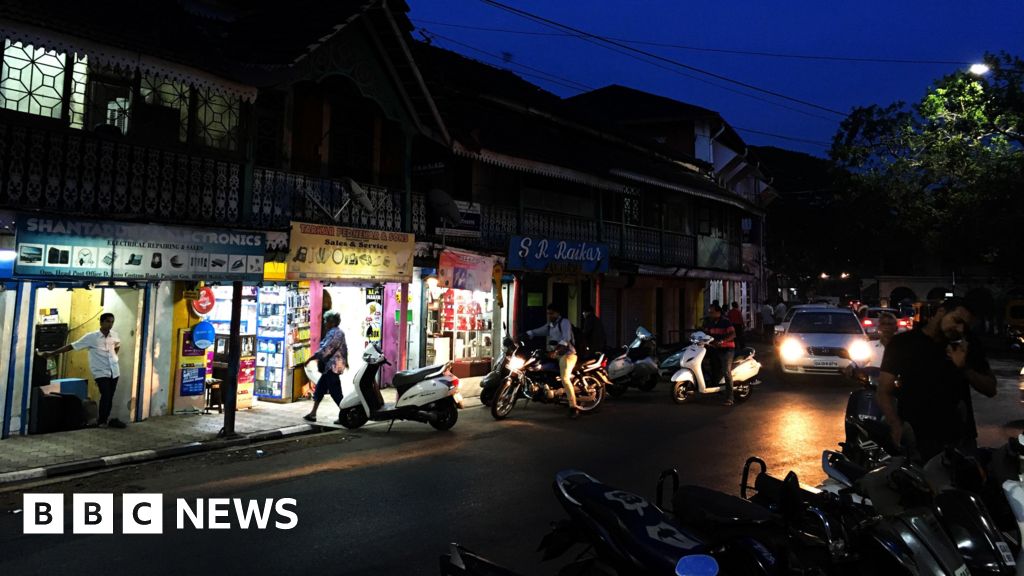
Goad, India—In a devastating incident that underscores the ongoing challenges of public safety and regulatory oversight in popular tourist destinations, at least 23 individuals lost their lives in a nightclub blaze on India’s western coast. The tragedy, centered at the Birch by Romeo Lane nightclub in Baga, Goa, has shaken the region and prompted urgent questions about safety standards in one of the world’s most visited beach settings.

Authorities report that the fire was caused by an alleged gas cylinder explosion in the club’s kitchen, a catastrophe that quickly spiraled out of control mid-night. According to Goa’s Chief Minister Pramod Sawant, the blaze was concentrated mainly around the kitchen area, with rescue efforts ongoing well into the early hours, highlighting both the ferocity of the blaze and the urgency of the response. Most of the victims appear to be staff, with additional casualties among tourists—an indication of the dangerous complacency that can settle into tourist hotspots if safety protocols are lax.

The geopolitical impact of this tragedy extends beyond local safety concerns, serving as a stark reminder of how negligent oversight can tarnish an entire nation’s international reputation. Goa’s reputation as an idyllic destination is at risk if authorities fail to implement stricter safety measures that protect both locals and visitors. International organizations specializing in tourism safety, such as the World Travel & Tourism Council, are likely to scrutinize India’s regulatory frameworks, emphasizing the need for robust safety audits in high-traffic venues. Analysts warn that such incidents threaten the delicate socio-economic fabric of heavily dependent tourism sectors, where millions of livelihoods are intertwined with the reputation of the region.

Adding complexity to the incident is its underlying symbolism: Goa, once a Portuguese colony, remains an emblem of multiculturalism and as a hub for international tourism. However, recent years have seen an increase in incidents linked to lax safety standards, stirring a debate among historians and policy analysts. Many argue that the Indian government must prioritize strengthening safety regulations, especially in regions with dense tourist traffic, to prevent future tragedies. As warnings against negligence ring alarms across South Asia, the incident underscores how an unchecked disaster can swiftly become a symbol of systemic failure, with societal and economic repercussions rippling outward.

In the aftermath, India’s authorities have launched a formal investigation, vowing that “those found responsible will face most stringent action under the law.” Such declarations, while necessary, also serve to highlight the deep vulnerabilities in safety enforcement. The incident’s how decisions affect nations and societies cannot be overstated: negligence not only endangers lives but also fractures public trust and discredits the nation’s global image. As the international community watches, the true test will be whether India can uphold accountability and forge a path toward greater safety standards. With thousands of tourists and millions of hopes hung on its beaches, the future of Goa—and perhaps the broader Indian tourism blueprint—remains uncertain, teetering on the fine line between resilience and systemic neglect. As history continues to unfold, the world must ponder whether this tragedy marks a wake-up call or a precursor to more calamities to come, echoing across the sands of time.

Why Sleep Tourism Is Taking Over the Youthful Travel Scene

Sleep Tourism: A Journey Toward Restorative Living

In a world increasingly obsessed with wellness and personal health, a fascinating trend has been quietly gaining momentum—**sleep tourism**. No longer just about exploring exotic destinations or indulging in luxury, travelers are now prioritizing something fundamental: quality sleep. The pandemic’s disruption has only amplified this shift, revealing how critical rest is for mental and physical regeneration. Hotels and resorts worldwide are stepping up with innovative offerings that focus on enhancing sleep, transforming overnight stays into restorative experiences that could redefine the way the younger generation perceives leisure and self-care.

Leading the charge are establishments like the Park Hyatt New York, which recently unveiled the Bryte Restorative Sleep Suite. This 900-square-foot sanctuary is outfitted with sleep-enhancing amenities designed to promote optimal rest—think custom blackout curtains, scent-misted pillows, and soundproofing. Similarly, Rosewood Hotels & Resorts launched the Alchemy of Sleep retreats, emphasizing the importance of holistic, personalized rest strategies. These innovations reflect a deep understanding that sleep is a pillar of longevity and well-being, which the wellness industry is now recognizing as vital for sustained youthfulness and vitality.

The concept of sleep-centric hotels extends beyond luxury. In London, the Zedwell hotel offers rooms with cutting-edge soundproofing technology designed to block out noise and disturbances. Meanwhile, Swedish manufacturer Hästens introduced the Hästens Sleep Spa Hotel in Portugal, focusing on personalized sleep environments. These ventures illustrate how sleep-focused hospitality is thriving, inviting a new generation—particularly millennial and Gen Z travelers—to view rest not as a downtime but as a crucial part of their lifestyle journey.

Pandemic Impact on Sleep Awareness

The COVID-19 pandemic has been a catalyst for re-evaluating priorities, especially regarding health. According to research published in the Journal of Clinical Sleep Medicine, over 40% of adults experienced deteriorating sleep quality during this period. This alarming statistic has prompted hotels and wellness advocates to champion sleep-focused retreats and programs, emphasizing that restoration extends beyond physical recovery to mental resilience. Experts like Dr. Rebecca Robbins highlight how travel experiences centered on healthy sleep strategies can offer long-term benefits, especially when guided by qualified science and medical professionals.

Innovative approaches such as the Sleep Concierge at London’s Cadogan Hotel, featuring tailored interventions like meditation recordings, weighted blankets, and scented pillow mists, exemplify a holistic approach. Tailored sleep programs aim to address individual needs, recognizing that personalized care is essential for genuine improvement. The long-term goal is to empower travelers to carry these principles into their everyday lives, fostering a culture where quality sleep becomes a cornerstone of youthful vitality, mental clarity, and overall well-being.

Looking Ahead: A New Narrative for Lifestyle and Wellness

As sleep tourism continues to evolve, it signifies a broader cultural shift away from the relentless hustle that has long defined modern life. With industry leaders like Six Senses and boutique hotels emphasizing integrated wellness programs, the message is clear: rest is revolutionary. The future lies in blending science, luxury, and personal empowerment to redefine how we view leisure. It invites us to see ourselves not merely as busy individuals racing against time but as explorers on a journey toward lifelong vitality.

This growing movement encourages everyone—whether a college-bound youth or a young professional—to embrace the idea that life’s most profound gift is the power of restorative sleep. It challenges the old narrative that sleep is optional, replacing it with a mindset that prioritizes health, longevity, and self-love. Ultimately, our lifestyle becomes a conscious voyage, one where embracing the art of rest allows us to truly flourish, both physically and spiritually—making every night’s sleep a stepping stone toward a future filled with vitality and purpose.

Here’s to a journey where rest isn’t just a pause but a pathway to a stronger, brighter you.

Thanksgiving 2025: The Bold Takes Shaping Our Holiday Scene — The New York Times

In an era where personal well-being becomes increasingly intertwined with everyday life, a _shift_ in how we approach our leisure and wellness routines is unfolding—one that champions the importance of rebalancing between productivity and genuine self-care. This new mindset invites us to reconsider the traditional schedules and expectations, emphasizing that _living intentionally_ can transform the way we experience daily routines. As wellness experts like Dr. Deepak Chopra have pointed out, _the journey toward self-awareness_ begins with simple, deliberate choices—starting with how we structure our days and the foods we consume.

One of the most significant lifestyle changes gaining momentum is the push toward eat-at-normal dinner hours. Simply put, aligning meal times with _natural circadian rhythms_ not only enhances your metabolism but also frees hours otherwise lost in hasty dining. Reports from leading food journalists like Priya Krishna highlight the benefits of eating at 7:30 PM, which paradoxically grants you extra hours to _unwind_, _prep_, and even _enjoy_ a relaxed happy hour featuring dishes like _bhel puri_. This approach encourages a _more mindful appreciation_ of food, turning meal times into daily rituals rather than rushed episodes. The core message: when we manage our schedule proactively, we create space for _meaningful leisure_, which is essential for developing resilience and _personal wellness_.

In parallel, contemporary culture is venerating the concept of _authentic connection_—whether through setting the right playlist for dinner parties or engaging in games that cultivate _shared joy_. Chef Natasha Pickowicz advocates for something as simple as saying, _“This should be the least formal scenario you can imagine,”_ urging us to dismantle the overcomplicated social scripts. Her advice emphasizes that in embracing _casual, honest interactions_, we foster communities rooted in _authenticity_. Foods and entertainment are no longer mere indulgences but tools for creating _memories_ and _meaning_, connecting us to our roots and each other on a deeper level.

  • Adopt a regular meal schedule to align with your body’s natural rhythms.
  • Prioritize _intentional_ leisure activities—like game nights or soulful playlists—over superficial social rituals.
  • Embrace _authentic connections_, whether through meaningful conversations or shared experiences that foster _resilience_.

Ultimately, this lifestyle shift is about _embracing your true self_—your instincts, your passions, your health. Figures like Andy Baraghani remind us that _the playlist_ is as vital as the food served; it sets the tone and creates an environment of _genuine enjoyment_. As Eddie Huang eloquently states, _“Thanksgiving is different when your team’s playing,”_ urging us to infuse tradition with personal passion, turning routine holidays into _celebrations of self_ and _community_. When we choose the paths aligned with _our authentic desires_, we pave the way for a life that feels less like obligation and more like _a journey we’re proud to walk_. With each deliberate choice, we write our stories—filled with health, joy, and resilience—culminating in a lifestyle that celebrates the _fullness of being_.”

Social Media Auto Publish Powered By : XYZScripts.com