Matox News

Truth Over Trends, always!

Lancashire Council Opposes Free Library Scheme for Refugees, Calls It Wasteful Spending

The decision by Reform UK-led Lancashire to withdraw its libraries from the **Libraries of Sanctuary** initiative marks a significant development in the evolving landscape of how countries and local governments approach immigration and social integration. Despite the scheme being explicitly **free** — designed to assist refugees and asylum seekers— this move underscores a broader political shift that seems increasingly driven by austerity and nationalist rhetoric. Critics argue that these services are not merely about resource allocation but about the fundamental values of inclusion and humanity. As City of Sanctuary UK emphasizes, libraries serve as vital entry points for marginalized populations, offering language programs, Wi-Fi access, and cultural integration opportunities. Therefore, this decision is likely to have a tangible impact on social cohesion within Lancashire — a microcosm of the wider debate unfolding across much of the **UK** and other Western nations.

Nationally, this move resonates with a rising tide of skepticism toward refugee support initiatives, often cloaked in the guise of fiscal responsibility. Analysts warn that prioritizing short-term budget savings over community-building efforts could sow long-term societal divisions. The decision comes amid mounting economic pressures on local governments across **Britain**, with Lancashire seeking to make £103 million in cuts. Such austerity measures, critics argue, threaten to undermine the social fabric by withdrawing essential services from vulnerable groups. Reform UK leaders, including Matthew Salter, justify these reductions as “appropriate use of taxpayers’ money,” yet opponents see it as emblematic of a broader ideological shift away from inclusive governance. The decision to end Lancashire’s **Libraries of Sanctuary** accreditation — after its recognition as a welcoming, inclusive space — is being viewed by many as a symbolic capitulation to nativist tendencies that threaten to erode the foundational principles of multicultural democracy.

International organizations and historians have voiced concerns that such local decisions could have ripple effects far beyond **Lancashire**. The **United Nations** and numerous human rights groups publish ongoing reports warning that policies marginalizing refugees can harden societal divides, undermine social stability, and reduce long-term prospects for integration. John Rawls and other political theorists have long argued that equitable access to social institutions like libraries plays a vital role in fostering societal cohesion. Yet, as Palmerston Institute of International Policy notes, “Actions like Lancashire’s risk creating feedback loops that entrench discrimination and social fragmentation.” These decisions are not isolated — they serve as indicators of an **international trend** toward prioritizing restrictive immigration policies in the face of economic and cultural anxieties, a policy orientation that could dramatically reshape **Europe’s** political landscape.

As history continues to unfold, the weight of these decisions will be measured by the societal transformations they precipitate. Under the shadow of mounting economic austerity and rising nationalist sentiment, local actions such as the Lancashire library withdrawal are more than mere administrative choices — they are symbolic battlegrounds of **identity, sovereignty, and collective values**. While social services are cut and communities fragment, the global community watches warily, knowing that the outcomes of such internal policies could define the future trajectory not only of **Britain** but of the **world** as a whole. The question persists: in the pursuit of fiscal stability, are nations willing to sacrifice the very principles that underpin shared humanity? Time will tell if these decisions lead to rebuilding societal resilience or spiraling towards deeper division, but the pages of history are—and always will be—being written with each choice made in the quiet corridors of local governments.

Support Worker Fights to Get Paid Amid Disability Scheme Delays Hurting Youth Accessibility

Growing Delays in Access to Work Scheme Strain Disabled Communities

Recent reports indicate a concerning increase in delays to the Access to Work scheme, a government initiative designed to provide vital support for disabled individuals to participate fully in the workforce. These delays are not merely administrative hiccups but represent deeper societal challenges—hampering families’ economic stability, disrupting educational opportunities, and fragmenting communities intended to foster inclusion. As social commentators and sociologists warn, such setbacks threaten to undermine the very fabric of a society striving for equity and productivity.

The delays in processing leave many disabled people without the necessary assistive support, often for extended periods. This reality is painfully felt by families relying on these services; parents and caregivers find their children deprived of essential accommodations needed for learning and development. For many young people, especially those in educational institutions, such disruptions hinder their right to pursue an independent and fulfilling life. The societal implications are profound—when families are stretched thin trying to compensate for systemic failures, the community’s cohesion suffers and the promise of social mobility diminishes.

The social fabric of communities with high rates of disability is particularly strained as public institutions struggle to keep pace with the demand for support. Historians and social theorists have long observed that social issues rarely exist in isolation; rather, they compound, creating a cycle of disadvantage that affects not only individuals but entire neighborhoods as well. This phenomenon underscores the need for urgent reforms—streamlining administrative processes, increasing funding, and fostering a societal culture that values inclusive participation. Failing to act risks consolidating divisions, marginalizing those who are often already vulnerable.

Ultimately, these delays serve as a stark reminder of the ongoing moral and ethical challenge faced by society: to ensure that vulnerable populations are not left behind in the pursuit of economic growth. Social justice advocates emphasize that support systems like Access to Work are not optional but fundamental to realizing a truly equitable society. As the nation navigates these challenges, the hope remains that collective effort, compassionate policy reform, and societal awareness can turn setbacks into opportunities—transforming societal neglect into a renewed commitment to inclusion. If society can recognize and rectify these flaws, it may yet forge a future where no one is left to struggle in silence, and where every individual’s potential is celebrated as integral to the collective good.

South African DJ among five busted in Russia recruitment scheme

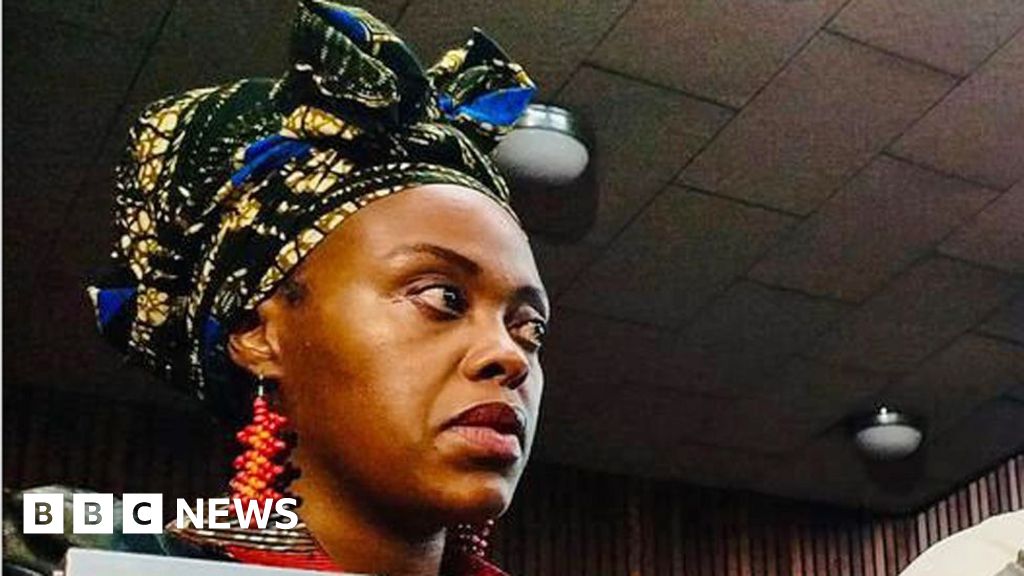
In a noteworthy development that underscores the complexities of international diplomacy, South Africa finds itself at the center of a burgeoning controversy involving illegal recruitment of its citizens by foreign military forces. Recently, a prominent radio presenter, Nonkululeko Patricia Mantula, appeared in court facing charges linked to the alleged facilitation of the recruitment and travel of South Africans to join Russian military forces. This arrest marks a critical point in a series of escalating efforts by South African authorities to clamp down on citizens being lured into foreign conflicts—particularly amid Russia’s ongoing confrontation with Ukraine.

  • In November, the government disclosed that 17 South Africans had been “seemingly” enticed to join mercenary units fighting for Russia, with some reportedly trapped in the Ukraine conflict zone.
  • Police intercepted five individuals—including Mantula—at Johannesburg’s main airport, as they attempted to travel to Russia via the United Arab Emirates.
  • These arrests followed a broader investigation into alleged recruitment networks that exploit South Africa’s high unemployment rates, especially among youth, to lure vulnerable young men with promises of lucrative contracts.

The geopolitical impact of these developments extends beyond South African borders. Analysts emphasize that the recruitment of foreign fighters by Russia complicates the broader geopolitics of the Ukraine conflict, with Russia seeking to bolster its forces through an international pool of mercenaries. At the same time, Western nations and Ukrainian authorities have expressed concern over the influx of foreign nationals being used as pawns in a proxy war. These efforts appear to be part of a larger strategic move by Russia to undermine Western influence and extend its military reach with the help of destabilized and economically vulnerable societies like South Africa.

Many national and international voices, including well-respected security analysts and international organizations, warn of the long-term consequences of foreign engagement in conflicts like Ukraine. Especially in a country like South Africa, where social issues such as unemployment are pervasive, the lure of high-paying military contracts often obscures the deadly realities. The case of Mantula and others involved finally puts into focus the dangerous movie of foreign interference and recruitment drives, which threaten the stability and sovereignty of nations. History has shown that allowing foreign mercenaries to operate within national borders often leads to long-term destabilization, undermining local governance and social cohesion.

Ultimately, this unfolding drama leaves an indelible mark on the record of modern history—a stark reminder of how individual choices, driven by poverty and manipulated by global powers, can influence the balance of international sovereignty and security. As South African authorities continue their investigations and diplomatic efforts, the world watches, mindful that the outcome will not merely define the fates of a handful of citizens but will also chart the course of global conflict, sovereignty, and the limits of national authority. The weight of history remains heavy on this fragile point where personal and national destinies intersect in the shadow of a widening geopolitical struggle—an ongoing saga that may yet redefine the contours of future conflict.

Labour MPs pressure Reeves to ditch controversial private finance scheme for NHS buildings

In a developing scenario that could have profound geopolitical impact, United Kingdom policymakers are embroiled in a fierce debate over the future of the NHS funding model amidst growing concerns about public-private partnerships (PPPs). Rachel Reeves, the Labour Party’s shadow chancellor, faces mounting internal pressure as 40 Labour MPs warn that plans to fund NHS infrastructure via private finance initiatives (PFIs) could rekindle the trust deficit in government. The MPs, including notable figures like Rebecca Long-Bailey and Clive Lewis, argue that reviving PFI schemes would resemble the mistakes of the Blair era, where such public-private fabrications burdened the health system with debt, ultimately undermining societal trust and fiscal stability.

This internal political friction comes at a time when the global community closely observes the consequences of heavy reliance on financial engineering in public infrastructure. The UK’s use of PFIs, devised to sidestep immediate borrowing constraints, aligns with a broader trend of shifting public services towards private sector involvement—an approach scrutinized by international organizations and historians alike. Analysis by the Office for Budget Responsibility underscores that such schemes are often saddled with costs 70% higher than publicly funded projects, exemplifying a pattern of inflated expenses that transfer long-term fiscal burdens onto future taxpayers. The historical pattern, as highlighted by financial analysts, points to a growing concern: the danger of privatization-driven debt priming destabilizing health and social services globally.

The UK government is positioning its health infrastructure strategy within this contentious framework, seeking to incorporate private capital into build projects for neighbourhood health centres and other vital facilities. Proponents within government argue that such models could facilitate a rapid, cost-effective rollout of community health services—yet critics, such as Prem Sikka, a renowned accountant and academic, warn against the perils of repeating history. As international experts analyze the shifting tide of public-private collaborations, the shadow of financial illusion looms large, threatening to erode the fundamental promise that public health services should remain accessible, trustworthy, and resilient.

In the broader context, these decisions ripple well beyond the borders of the UK. They serve as a case study for ongoing debates on public sovereignty versus private profit in social infrastructure across democracies worldwide. If private efforts continue to be prioritized over transparent, taxpayer-funded solutions, the repercussions may be felt in global standards of health, economic stability, and social trust. As history writes itself in real-time, nations driven by lessons from the past face an urgent challenge: to prevent the descent into a future where public services are commodified and debt-financed to the peril of generations to come, leaving behind a legacy that may redefine the fabric of society itself.

Undercover cop fakes animal rights gun scheme, managers reveal at inquiry

Unfolding Shadows: The Undercover Police Inquiry Exposes Decades of Deception

The undercover policing inquiry in the United Kingdom has unveiled a disturbing pattern of duplicity, manipulation, and questionable operations spanning over four decades. At the heart of the revelations is James Thomson, an officer whose actions have cast long shadows over the legitimacy of covert state surveillance against political activists. The inquiry, which scrutinizes the activities of nearly 140 officers who assumed false identities from 1968 to at least 2010, exposes profound questions about civil liberties, state power, and accountability. As allegations emerge of lies, deceptive relationships, and manipulation, the geopolitical impact of such clandestine operations extends well beyond the UK, calling into question the integrity of governments committed to restricting freedoms in the name of security.

Historians and analysts argue that the deep-seated misuse of undercover tactics destabilizes the societal trust necessary for democratic accountability. The inquiry has revealed that Thomson, tasked with infiltrating activist groups, often fabricated threats and plots—some resulting in dubious arrests or public hysteria. For example, he claimed to have uncovered a plot involving animal rights activists seeking revenge with a gun aimed at a political opponent, a narrative he and his managers later doubted. Internal reports have cast doubt on the credibility of these alleged plots, with one manager explicitly describing the entire affair as “bollocks.” This raises crucial questions about how much of the state’s narrative is built on fabricated intelligence. If such fabrications originate at the highest levels, the implications threaten to undermine the legitimacy of entire cohorts of covert operations, potentially leading to widespread mistrust in law enforcement agencies worldwide.

Beyond the operational doubts, the inquiry has cataloged unethical behaviors, including the systemic manipulation of innocent individuals. Thomson deceived women into intimate relationships, lied about his identity, and even concealed travel and possession of firearms—actions that constitute serious breaches of trust and law. His claims of receiving a gun from contacts in France during the early 2000s, purportedly to prevent a violent plot, were later questioned by colleagues who believed he might have invented or exaggerated the story. Meanwhile, a witness—the activist accompanying Thomson during his alleged trip to France—testified that their week-long stay was nothing more than a holiday. Such revelations underscore how inner secrecy and deception tainted the agency’s role, often blurring the line between intelligence work and personal exploitation, thus eroding the moral authority of the state.

The international repercussions of these revelations resonate globally. Critics argue that covert operations, especially those that manipulate public perceptions or infiltrate civil society, risk creating conflicts both domestically and abroad. As Western governments face increased scrutiny, the danger lies in how such clandestine programs may serve as tools for political suppression or influence operations beyond national borders. The United States, Russia, and other nations with extensive intelligence apparatuses face growing pressure from international watchdogs and human rights organizations who warn that unchecked spying fosters authoritarian tendencies and diminishes global trust in institutions dedicated to safeguarding freedom. The European Union and United Nations continue to debate stricter oversight, but behind closed doors, covert powers remain deeply embedded, reminiscent of Cold War espionage and now driven by new-age fears of terrorism, extremism, and social upheaval.

As history’s pen continues to etch this chapter, the weight of these revelations signals a turning point—a stark warning that state power wielded without accountability risks straying into the abyss of tyranny and abuse. The story of James Thomson and the UK’s secretive undercover operations serves as a stark reminder. How far can the state go in the name of security before it becomes the very enemy it seeks to fight? With the unfolding of these dark secrets, the broader question remains: will the architects of these covert realms acknowledge the harm wrought or double down on secrecy and deception? This chapter in history is far from complete, and as the world watches, the shadows lengthen, casting a long, uncertain future for liberty and transparency.”

Social Media Auto Publish Powered By : XYZScripts.com