Matox News

Truth Over Trends, always!

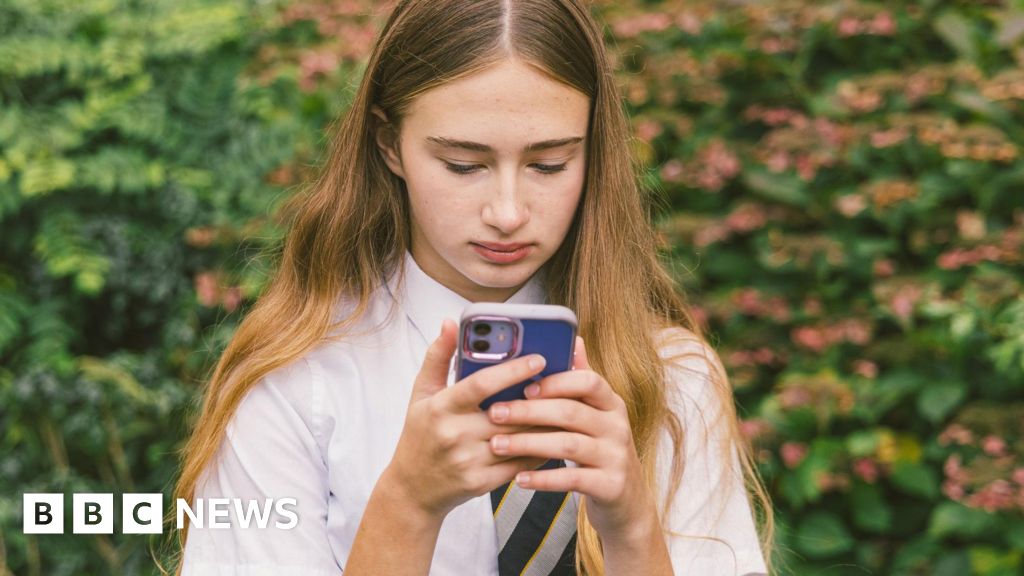
Youth demand clear stance on school smartphone ban amidst societal debate

In recent years, English schools have grappled with a growing debate over the presence of mobile phones within the classroom. A new regulation aims to restrict or outright ban the use of these devices during school hours, citing concerns over distraction, academic performance, and the overall well-being of students. While proponents argue that limiting phone access can foster better engagement and social interactions, critics contend that such measures might inadvertently harm families’ ability to communicate and underscore broader issues around digital dependency and social cohesion.

From a societal perspective, the shift toward banning mobile phones in schools reflects a larger cultural transformation. As sociologists William Ellery and Sharon Block have observed, the digitization of everyday life has reshaped communal bonds and youth identity. The rise of social media platforms has made digital connectivity not just a convenience but a vital part of social life, especially for younger generations. When schools restrict this connection, they may inadvertently impose a societal stressor, forcing families and communities to re-evaluate how they navigate generational divides in technological familiarity.

This policy also raises pertinent questions regarding social equity. Schools serving diverse communities have reported concerns about the uneven impact of such bans. For instance, families from low-income backgrounds or those reliant on mobile devices for emergency communication worry that these regulations could deepen existing disparities. Research from social commentaries like those of sociologist Dr. Lisa Neville emphasizes that policies which dismiss the social realities of marginalized groups risk alienating vulnerable families and eroding trust in educational institutions. The challenge lies in balancing the need to create conducive learning environments with respect for families’ essential roles in societal cohesion.

Furthermore, implementing a mobile phone ban touches upon broader questions of personal responsibility and moral development. Critics suggest that instead of blanket bans, schools should foster digital literacy programs that teach responsible use of technology. Education theorist Dr. Robert Evans advocates that **empowering students with skills to manage their digital lives** can produce healthier social interactions and reduce harmful behaviors like cyberbullying and screen addiction. These strategies align with the understanding that technology, when harnessed responsibly, has the potential to revolutionize education and community engagement, rather than undermine it. As families and educators work together, the hope is to cultivate a generation that navigates the digital age with moral clarity and social responsibility.

Ultimately, the debate over mobile phones in schools embodies society’s ongoing struggle with technological change and cultural adaptation. As we stand at this crossroads, there remains a profound need for policies that respect the complexity of social bonds, the importance of family communication, and the educational mission to prepare responsible, connected citizens. Society’s challenge is to forge a path that embraces the potential of technology while safeguarding the human touch that binds communities together. The future, therefore, hinges not solely on regulation but on a moral revolution—an awakening to prioritize values over devices. Amid the turbulence of change, there persists a quiet hope that society can reconstruct a future where families, communities, and institutions grow stronger through shared understanding and resilience, illuminating a path rooted in humanity’s enduring capacity for renewal.
Rising Stars Shine as High School Championships Kick Off

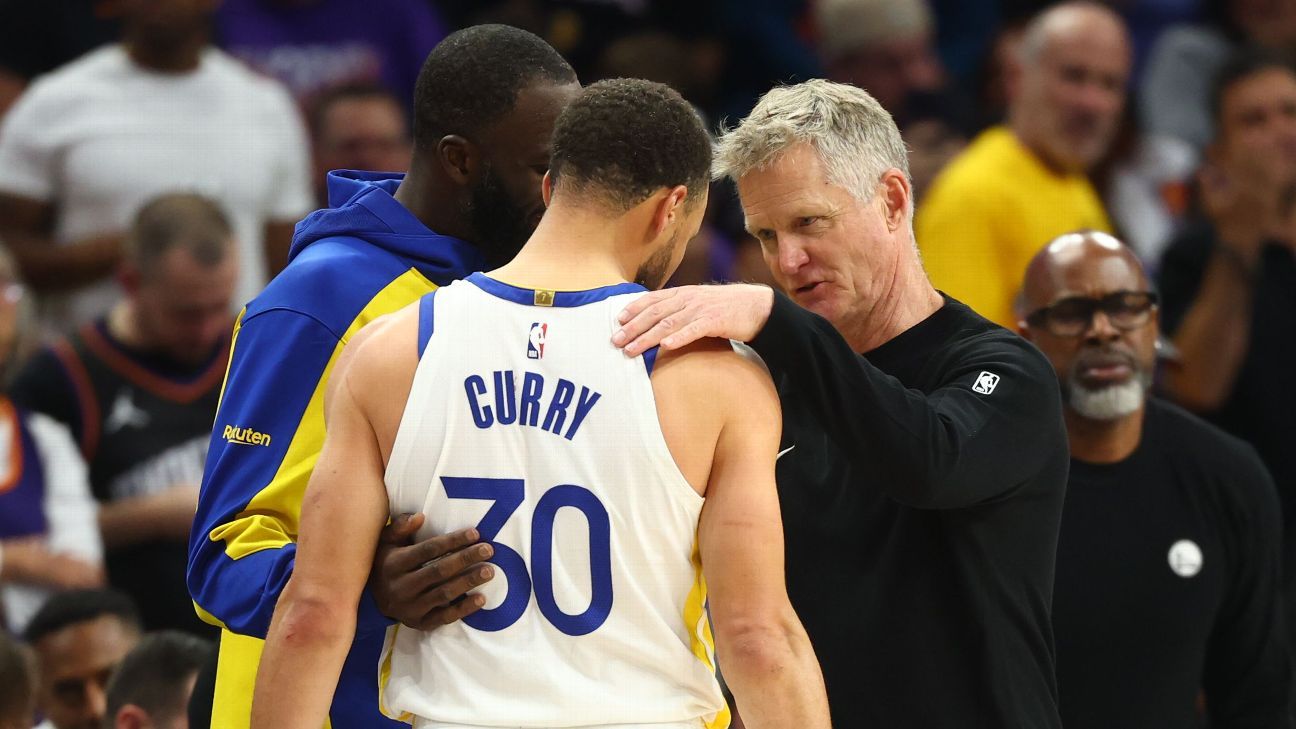
Warriors’ Season Ends: The Future of Steve Kerr and the Franchise in Question

In a dramatic conclusion to their season, the Golden State Warriors faced a crushing defeat at the hands of the Phoenix Suns. This loss not only eliminated them from playoff contention but also left significant questions hanging over the future direction of the team, particularly regarding head coach Steve Kerr. In his post-game interview, Kerr remarked, “When the run ends, sometimes it’s time for new blood and new ideas,” signaling the possibility of changes ahead.

The defeat to the Suns highlighted the challenges the Warriors faced throughout the season. They struggled with injuries and consistent play, unable to recapture the synergy that once made them a dominant force in the NBA. The loss, marked by missed opportunities and lapses in defense, saw superstar guard Stephen Curry attempt to carry the team, scoring 34 points but ultimately falling short. The season has been a rollercoaster, as they fluctuated between moments of brilliance—like a thrilling overtime win against the Los Angeles Lakers—and puzzling losses like last night’s.

  • Steve Kerr hints at possible changes in the coaching staff.
  • Stephen Curry continues to shine, averaging 31.2 points per game during playoffs.
  • The Warriors struggle with injuries sidelining key players like Klay Thompson and Draymond Green.

As the offseason approaches, the Warriors find themselves at a crossroads. Kerr has been at the helm for eight seasons, leading a franchise that transformed the landscape of basketball with their innovative play style and extraordinary talent. Yet, even the most successful teams must evaluate their strategies when the scoreboard doesn’t reflect the expectations set by their championship pedigree. Commentators and analysts alike have echoed the sentiment that perhaps it is time for the Warriors to embrace a fresh approach.

In the world of sports, transitions are inevitable. Every victory or defeat tells a story, but beyond wins and losses lies a greater narrative of growth and resilience. As fans reflect on this season, it is essential to remember that sports serve not just as entertainment, but as a unifying force that brings communities together. The road ahead may be uncertain, but the spirit of the game will continue to inspire, making us all feel part of something larger than just the final score.

Source link

Second school shooting in Turkey in two days leaves nine dead—another tragedy for our youth

In a devastating incident that has sent shockwaves through the international community, authorities confirm that eight students and one teacher lost their lives in a violent attack at a school. According to Interior Minister Mustafa Cifci, this tragic event underscores the escalating threats facing many nations today, highlighting a dire need for global cooperation in countering violence and securing educational spaces.

The attack, which remains under investigation, has further intensified debates about security policies and international stability. Such violence not only devastates individual communities but also threatens broader geopolitical stability. International watchdogs and human rights organizations emphasize that targeted violence of this nature often signals underlying societal tensions, which—if left unaddressed—can escalate into regional or even global conflicts. Analysts from the United Nations warn that reactive measures, while necessary, must be complemented by long-term strategies aimed at fostering social cohesion, education reform, and counter-terrorism cooperation.

Historically, similar tragedies have revealed the fragile nature of peace in volatile regions, often precipitating shifts in diplomatic relations and internal policies. Historians note that incidents like these act as a warning sign—an urgent call to action for governments and international bodies to reassess their approach to internal security and social harmony. In the context of current global tensions, where geopolitical rivalries and ideological confrontations threaten to destabilize entire regions, such acts of violence serve as grim reminders of the persistent vulnerabilities faced by developing and developed nations alike.

The geopolitical impact of this attack is profound, illustrating how internal security issues ripple outward, affecting diplomatic relations and international perceptions. Countries may face increased pressure to bolster border security, re-evaluate foreign aid priorities, or strengthen local law enforcement as a result. Such decisions invariably influence not only the immediate communities but also shape the futures of societies, impacting education, democracy, and public trust. International organizations emphasize that sovereignty must be balanced against collaborative security measures, or risk further fragmentation of the social fabric.

As analysts ponder the *possible consequences* of this tragedy, it becomes painfully clear that the fight against violence and extremism is far from over. This event, marked by loss and heartbreak, echoes the ongoing struggles faced by nations grappling with new security paradigms and societal divisions. Humanity’s collective destiny hinges upon whether the global community can rise to meet these challenges with resilience and resolve. For now, the shadows of this attack linger, a haunting chapter added to the ongoing narrative of history—reminding us that even in times of peace, vigilance must never waver, for the weight of history continues to unfold with each passing day.

Student burns school laptop chasing viral social media craze

Fire Service Response to the “Chromebook Challenge” Sparks Broader Social Concerns

Last week in Dumbarton, emergency responders were called to an incident involving local students and a growing concern known as the “chromebook challenge”. This phenomenon, which has gained traction among youths across many communities, highlights underlying social and educational issues that continue to shape the fabric of our families, schools, and communities. While the event itself involved a response by fire service officers, it serves as a stark reminder of the complex social tensions that accompany rapid technological integration into everyday life, especially for impressionable young people.

The phenomenon of the “chromebook challenge” encapsulates more than just a technical curiosity; it reveals a broader crisis touching on digital literacy, social cohesion, and mental health. Schools have increasingly demanded that students rely heavily on digital devices such as Chromebooks for their learning, often overlooking the social and psychological impacts these changes can entail. Critics argue that this shift risks alienating students who may lack access or proper guidance, thereby deepening the divides among socio-economic classes. Sociologist Dr. Jane Reynolds points out that “the digital divide in education is not just about access to technology but also about the social support structures needed to navigate it safely.” The incident in Dumbarton demonstrates that without proper oversight, youthful curiosity can quickly spiral into dangerous or disruptive situations, particularly when compounded by peer pressure and social media influences.

Beyond the immediate safety concerns, the challenge highlights deeper issues of societal cohesion and the importance of a balanced approach to technological integration. Historically, transformative technology has always carried the potential to both empower and marginalize. Social commentators warn that overreliance on digital devices can lead to diminished face-to-face interactions, eroding community bonds that are vital for healthy development. In families and local communities, this translates into a loss of shared experiences and communal resilience. For educators and social leaders, it calls for a renewed emphasis on cultivating digital literacy alongside traditional social skills—and fostering environments where Young people can engage with technology responsibly and ethically. Many community centers and schools are now advocating for programs that combine digital education with social-emotional learning, aiming to prepare youth not just for academic success, but for moral responsibility and social participation.

  • Addressing the “chromebook challenge” requires a multi-layered approach involving educators, parents, and social services.
  • Implementing stronger digital safety protocols and promoting respectful online conduct are essential steps.
  • Investing in community-based programs to connect youth with positive role models and real-world experiences can mitigate risky behaviors.
  • Ensuring equitable access to technology and support services to bridge the digital divide is critical for societal unity.

This incident also underscores the urgent need for a foundation based on values of responsibility, respect, and resilience. As historian Dr. Samuel Ortega notes, “societies that neglect the moral dimension of technology risk losing sight of what it means to be human in an increasingly digital world.” Families, schools, and communities must work in tandem to uphold these values, fostering an environment that nurtures not only intellectual growth but emotional well-being. The challenge — and the opportunity — lies in shaping a society where technological progress serves the greater good without sacrificing the essential human connections that bind us together.

As society gazes into the future, it is vital to remember that each technological advance offers a mirror to our moral fabric. The incident in Dumbarton is a sobering reminder that the real substance of social progress is found not just in devices or innovation, but in our collective effort to cultivate strong, compassionate communities. In the end, society’s most enduring challenge is to ensure that the digital age enhances the human experience—preserving the bonds that make us resilient and giving hope that, through conscious effort, we can transform moments of crisis into catalysts for meaningful change. Let this be the beginning of a renewed commitment to nurturing a society where technology uplifts rather than divides, and where each young person is guided to flourish in a world that values both progress and moral integrity.

Rising Stars Shine as High School Championship Approaches!

Chicago’s Game Day Celebration to Embrace Community Spirit with Unique Giveaways

In a remarkable display of community engagement, the Chicago sports franchise has announced an initiative that will undoubtedly resonate with fans. On August 11th, attendees at the game will receive specially designed pope-themed hats, symbolizing unity and collective spirit. This bold move comes after an overwhelming response from fans who expressed excitement for the event, leading the organization to enhance the game-day experience.

This effort goes beyond mere fashion statements; it signifies the team’s commitment to creating a sense of belonging among fans. According to team spokesperson Alex Reed, “We want our fans to feel part of something larger. These hats are not just a giveaway; they represent our shared values and deep connection to the community.” The initiative has been widely supported by local commentators, who praise the franchise for setting a benchmark in fan engagement.

Game Highlights and Community Impact

  • Free Hats: The pope-themed hats will reflect the team’s dedication to celebrating culture.
  • Enhanced Atmosphere: Anticipation for the game is expected to be elevated, uniting fans under a common theme.
  • Community Initiatives: This aligns with a series of outreach programs aimed at fortifying local ties.

As the date approaches, fans are gearing up not just for the game, but for a memorable experience that fosters camaraderie among individuals from all walks of life. This initiative is not merely about sport; it encapsulates the spirit of togetherness that sports can inspire. The outreach symbolizes how sports can bridge gaps, nurture friendships, and create unforgettable memories.

In the grand tapestry of life, moments like these weave people together, reminding us that whether we are cheering for the Chicago franchise or gathering for a common cause, the true essence of sports lies in its power to unite. As fans don their pope-themed hats, they will not only represent their allegiance to the team but also partake in a broader narrative of unity and shared experiences that transcend the scoreboard.

Source link

Rising Stars Ignite the Court: High School Basketball Teams Battle for Championship Glory!

Luis Suárez Leaves Door Open for Uruguay National Team Return

In a surprising development, veteran striker Luis Suárez expressed his willingness to return to the Uruguay national team, despite officially retiring from international duty in 2024. Known for his remarkable skills and tenacity on the field, Suárez maintained that he would never turn his back on his country. In a recent interview, he emphasized, “I will always be available if the national team needs me.” This statement has ignited conversations among fans and analysts alike about the potential impact of his return.

Suárez, who has had a dazzling career, including stints at clubs like FC Barcelona and Atlético Madrid, was integral to Uruguay’s success during his international tenure. His experience and goal-scoring prowess could significantly bolster the team’s performance, especially with the future of the South American qualifiers on the horizon. Diego Alonso, the current head coach of the national team, may find Suárez’s return invaluable as he seeks to craft a competitive squad for the coming World Cup.

The notion of a potential return raises several key points of interest:

  • Suárez’s leadership qualities and ability to mentor younger players could strengthen team morale.
  • His addition to the lineup would enhance offensive strategies against tough opponents like Argentina and Brazil.
  • Fans remain divided—some eager for his expertise and others debating the importance of youth development.

Commentators from various sports networks have weighed in on the topic. Andrés Cantor, a renowned sports commentator, stated, “Suárez’s return could be a game-changer for Uruguay, but it may also signal a shift in team strategy as they prepare for greater challenges.” The discussions surrounding his possible return highlight not only his impact as a player but also his enduring connection to Uruguayan pride and solidarity.

In the world of sports, numbers and records might determine victories, but the true spirit of the game lies in the unity it fosters. As Luis Suárez holds onto his deep-rooted love for his national colors, his potential comeback serves as a compelling reminder of how sports can transcend time and personal decisions, weaving a complex tapestry that binds players, fans, and nations together. No matter where this journey leads, the heart of football remains in its power to unite and inspire.

Source link

Students go back to school during holidays to recover from cyber attack fallout

Rebuilding Foundations: The Impact of Returning to School on Society and Families

The recent milestone announced by The Education Authority — that approximately 80% of post-primary schools are now operational — marks a significant step toward restoring what many regard as the bedrock of societal stability: education. However, beneath this seemingly straightforward statistic lies a complex web of social issues that ripple through families, communities, and the very fabric of our national identity. As schools reopen amid ongoing challenges, a thoughtful examination emerges about how these developments reshape the social landscape, highlighting both the resilience and vulnerabilities inherent in our collective pursuit of progress.

For families across the nation, the return to in-person learning sparks a mixture of relief and apprehension. Many parents, especially those from working-class communities, have grappled with the profound disruptions caused by prolonged closures. The loss of routine, limited access to resources, and the challenge of balancing work with remote supervision have strained family dynamics significantly. Sociologists such as Dr. Lisa Sanchez warn that these strains risk widening existing educational inequalities, as students from disadvantaged backgrounds often lack the supportive environments necessary for effective learning outside traditional classrooms. This disparity threatens to entrench socioeconomic divides, making the task of fostering equitable access to quality education more urgent than ever.

Moreover, the reopening process underscores deep-rooted social tensions within our communities. Schools serve as more than educational establishments; they are social microcosms where cultural identities, values, and social cohesion are often forged. As schools reopen, questions about inclusive policies, cultural sensitivities, and the acknowledgment of diverse student backgrounds come to the forefront. Critics argue that neglecting these issues could deepen divisions, exacerbating feelings of alienation among minority groups and fueling societal fragmentation. As historian Dr. Daniel Greer notes, “Institutions like schools are the foundational spaces where societal narratives are shaped; ignoring cultural shifts risks fracturing the social fabric.”

Addressing these interconnected issues calls for a comprehensive approach—one that recognizes the vital role of education as a pillar of societal cohesion.

  • Implementing targeted support programs for disadvantaged students to bridge the digital and resource gap.
  • Promoting cultural competency training for educators to better serve diverse communities.
  • Fostering community engagement initiatives that empower families and encourage inclusive dialogue.

Such measures echo the insights of social commentators who emphasize that investment in holistic educational strategies can serve as a catalyst for societal healing and unity. The challenges faced are immense, but so is our capacity for collective resilience and transformative hope.

As society advances further into this period of transition, the question remains: how do we ensure that the resurgence of school activities does not merely mark a return to the old but paves the way for a more just and compassionate society? Each family, each classroom, and each community holds the potential to nurture a future where education becomes a bridge rather than a barrier—turning societies’ wounds into the seeds of renewed purpose. In the quiet yet resolute act of reopening schools, society echoes a profound truth: our greatest strength lies in our shared commitment to uplifting every generation, regardless of where they come from or the obstacles they face. As we stand at this pivotal crossroads, hope persists, quietly whispering that transformation is not only possible but within our grasp — if we dare to see it through.

Rising Stars Shine as High School Championships Heat Up!

Historic Promotion for Lincoln City to the Sky Bet Championship

In a thrilling clash that showcased determination and skill, Lincoln City secured their place in the Sky Bet Championship for the first time since 1961. The team achieved this monumental feat with a hard-fought 2-1 victory against Reading, who are currently in the hunt for a strong finish in League One. The atmosphere at the Madejski Stadium was electric, resonating with the cheers of passionate supporters and marking a pivotal moment in the club’s history.

Key to Lincoln’s success was their resilience and strategic play. The match started with an early goal from Lincoln, setting the tone for their performance. The Imps took control quickly, displaying effective teamwork and tactical acumen. Reading fought back with intensity, but Lincoln’s defense held firm, demonstrating their readiness for the challenges ahead in the Championship. Coach Michael Appleton praised his squad, stating, “The players showed tremendous character and determination. This victory reflects years of hard work and commitment.”

  • Match Summary: Lincoln City defeated Reading 2-1.
  • Key Goals: Early momentum with a first-half goal from Lincoln, followed by a critical second from star player Conor McGrandles.
  • Player Highlights: Outstanding performance by goalkeeper Josh Griffiths, who made several crucial saves to maintain the lead.

Commentators echoed the sentiments of the fans, describing the match as more than just a game; it was a demonstration of the club’s evolution. Former player and commentator Gavin Peacock remarked, “Seeing the passion and commitment from these players, it’s clear this is a team on the rise—something the fans have always believed in.” This promotion not only signifies a return to higher competition for Lincoln, but also rekindles hope for a brighter future, uniting fans and community behind their beloved club.

As Lincoln City approaches the challenges of the Championship, they exemplify the spirit of sportsmanship and determination that resonates far beyond the pitch. This historic moment serves as a reminder that sports have the unparalleled power to unite communities and inspire generations, proving that the beautiful game is truly about more than just results—it’s about heart, perseverance, and the joy of collective achievement.

Source link

Moms Say New School Means 15 Hours of Travel — Are Our Kids Being Shortchanged?

Reclaiming Humanity in Our Schools: A Call to Recognize Children Beyond Data

In a time when statistics and metrics increasingly dominate educational discourse, a poignant appeal from a parent has gained widespread attention: a plea for children to be seen as more than just a number on a spreadsheet. This plea resonates deeply within many communities, highlighting the ongoing tension between data-driven policies and the fundamental need for personalized, humane education. For decades, families, educators, and social institutions have grappled with the challenge of maintaining the human element amid rising bureaucratic oversight. As sociologists like Charlotte Perkins Gilman and contemporary social commentators argue, the transformation of children into mere data points risks eroding the essential bonds that foster growth, resilience, and community cohesion.

This cultural shift reflects broader demographic and societal changes. In many areas, resource allocation is increasingly tied to quantifiable outcomes, leading to a prioritization of test scores over holistic development.

  • Educational institutions under pressure to perform often resort to standardized testing, which can diminish individual attention and stifle creativity.
  • Children from diverse and often underprivileged backgrounds bear the brunt of this trend, facing systemic challenges that impede their full potential.
  • Parents and advocacy groups argue that such approaches overlook the human importance of nurturing emotional intelligence, moral character, and social skills.

Research by leading sociologists underscores how social issues directly impact families and community stability. When children are viewed narrowly—as measurable units—families feel increasingly alienated from the educational process, which can erode trust in societal institutions. Educators, caught between policy mandates and their desire to serve as mentors, often find themselves constrained, unable to foster the individual strengths or challenges of their students. Social commentators warn that this phenomenon not only hampers educational outcomes but also risks fracturing the social fabric. As communities become fragmented, the shared values that once held families together seem diminished, leaving behind a sense of societal disconnection that extends beyond school walls.

Addressing these pressing social issues requires a multifaceted approach. Many advocates propose

  • Rebuilding school curricula around values-centered education that emphasizes character, resilience, and community engagement.
  • Implementing policies that allocate resources toward mental health and social opportunities, recognizing their integral role in development.
  • Encouraging public dialogue about what constitutes meaningful education, ensuring that children are seen as individuals with unique dreams, fears, and potential.

As society stands at this crossroads, the challenge lies in transforming our educational models from repositories of data into havens of humanity. Historically, societies that valued human dignity and community — from ancient towns to modern neighborhoods — found strength in their shared stories and moral commitments. Embracing this wisdom, contemporary communities must ask themselves: *What future are we shaping for the next generation?* Will we allow a world where children are reduced to mere statistics, or will we reaffirm our duty to see them as whole beings — worthy of love, attention, and the chance to forge their own destiny? The answer lies in our collective resolve to preserve the heart of society amid its relentless pursuit of progress, reminding ourselves that behind every data point stands a face, a story, and a future worth fighting for.

Local High School Soccer Team Clinches Playoff Spot with Thrilling Last-Minute Victory!

Seiya Suzuki Nearing Return: A Boost for the Cubs

In an anticipated development for fans of the Chicago Cubs, right fielder Seiya Suzuki is on the verge of a return from a knee injury he sustained during the World Baseball Classic. Manager Craig Counsell has confirmed that Suzuki is making significant progress, raising hopes for a timely reintegration into the roster. With the regular season’s intensity ramping up, Suzuki’s presence could be a pivotal factor in the Cubs’ campaign moving forward.

Despite his absence, Suzuki’s impact on the team remains undiminished. The injury he sustained was a setback at a critical juncture in his career, as he was showcasing impressive form leading up to the Classic. His return could bolster the Cubs’ offensive lineup, which has been reliant on strong performances from players like Patrick Wisdom and Nico Hoerner in Suzuki’s absence.

  • Seiya Suzuki recorded a batting average of .278 with 14 home runs last season.
  • The Cubs have struggled at times early in the season, making Suzuki’s return crucial for playoff aspirations.
  • Manager Craig Counsell emphasized the need for Suzuki to regain full fitness before he re-enters the lineup.

As Cubs fans eagerly await the announcement of Suzuki’s return, the anticipation surrounding his comeback mirrors the excitement of the baseball season itself. Commentators have noted that Suzuki’s style of play not only excites the crowd but also inspires his teammates. His knack for clutch performances may just reignite the energy and hope within the club. “Having Seiya back will mean more than just his stats; it will energize the locker room,” commented renowned analyst Mark DeRosa.

In a world where sports often divide, the resurgence of athletes like Seiya Suzuki serves as a reminder of the unifying force that sports can wield. Fans of all ages rally behind their teams, united in celebration and hope. When the Cubs take the field with a fully recovered Suzuki, it will signify more than just a player returning from injury; it will encapsulate the spirit of resilience and community that defines the game of baseball. As the season progresses, one thing remains clear: sports can bring people together in ways that extend far beyond the scoreboard.

Source link

Social Media Auto Publish Powered By : XYZScripts.com