Matox News

Truth Over Trends, always!

School Collapse Traps Dozens, Three Dead: Warning Signs Ignored

Indonesia School Collapse: A Stark Reminder of the Underlying Risks in Global Construction and Oversight

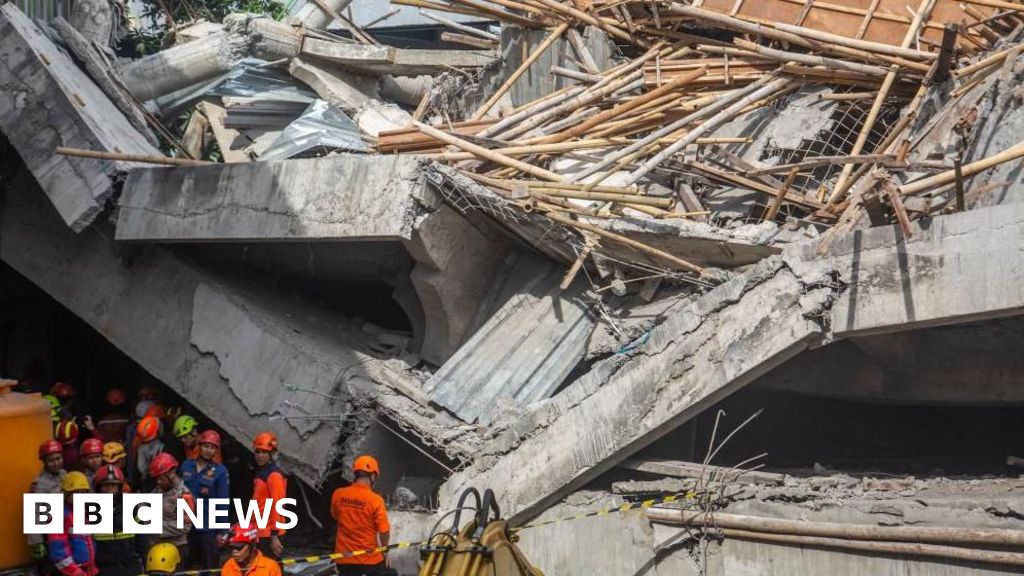
In a tragic event that has resonated across the international community, East Java, Indonesia has witnessed a devastating school collapse that has left dozens of young victims trapped under rubble. The incident occurred at the Al Khoziny Islamic Boarding School, a traditional pesantren in the Sidoarjo region, where 38 students remain feared missing amid a pile of collapsed concrete and twisted steel. With the death toll rising and rescue operations hampered by unstable debris, this catastrophe highlights a persistent issue: the perilous state of Indonesia’s construction sector, notorious for safety violations and lax oversight, as documented by organizations such as the International Labour Organization.

Geopolitical Impact: How Indonesia’s Domestic Crisis Reflects Broader Regional Challenges

The geopolitical implications of this tragedy extend far beyond local concerns. Indonesia, as Southeast Asia’s largest economy, has long struggled with balancing rapid development with safety standards. Critics, including leading historians and analysts, point out that a largely unregulated construction boom—often driven by informal, semi-legal projects like the pesantren—creates systemic vulnerabilities. The fact that authorities like the Sidoarjo town’s regent have admitted that the school lacked necessary permits for its expansion underscores a broader pattern of weak enforcement and the endemic informalism that hampers national safety initiatives. These issues can foster regional instability when neighboring nations perceive Indonesia’s inability to control hazards as a failure to meet international safety standards, thereby weakening diplomatic confidence.

International organizations like the United Nations and regional bodies have repeatedly warned about the social and economic costs of neglecting infrastructure safety. The collapse echoes earlier warning signs, where similar accidents in West Java resulted in multiple casualties earlier this month. Such events serve as a stark reminder to the global community that unchecked development and insufficient regulation can quickly lead to tragedy, undermining societal stability and the perceived strength of national governance.

Effects on Society and Policy: The Human Toll and Lessons for Governance

As rescue teams scramble amid dangerous debris, the personal stories emerging from survivors and relatives add a somber tone to this tragedy. Young students recount frantic escapes, while families mourn loved ones, exemplifying how these incidents do not only jeopardize physical safety but also destabilize community trust in governmental institutions. The school’s caretakers’ poignant admission, blaming the incident on “God’s will”, highlights a troubling tendency to obfuscate accountability rather than address systemic failures. Historians warn that without decisive reforms, Indonesia risks further calamities that will compound social fragility.

The incident also exposes the peril of operating **informal** educational institutions that often lack oversight, a problem prevalent across many developing nations where rapid expansion frequently outpaces regulatory capacity. The collapse underscores a dire need for stricter enforcement of safety standards, comprehensive inspections, and international cooperation to establish resilient infrastructure—especially in sensitive sectors like education. The global dialogue must now pivot from reactive rescue to proactive reform, as Indonesia’s tragedy exemplifies how neglect in governance can turn into a catastrophe with lasting consequences.

How the disaster’s aftermath unfolds will likely serve as a pivotal test for Indonesia’s leadership and its ambition to modernize infrastructure responsibly. For the world, the question remains: When history looks back on this moment, will it be remembered as a wake-up call or a catalyst for urgent change? The weight of history—still unwritten—hangs heavy over the unfolding chapters of this tragedy. The sands of time continue to shift, and in their wake, the lessons of accountability, safety, and governance echo louder than ever.

High School Football Teams Gear Up for Exciting Playoff Showdowns This Weekend!

Don Kelly Receives Contract Extension as Pirates’ Interim Manager

In a significant turn of events for the Pittsburgh Pirates, interim manager Don Kelly has been awarded a contract extension after a challenging and tumultuous season. After taking the helm in early May, following the dismissal of Derek Shelton, Kelly led the team to a record of 59-65. His appointment comes at a pivotal time for the franchise, showcasing the front office’s confidence in his leadership abilities amidst a season marked by ups and downs.

Kelly’s time managing the Pirates has not been without its challenges, but his ability to rally the players and make critical decisions has left a lasting impression. Under his leadership, the team displayed resilience and determination, reflecting his coaching philosophy. Commentators have noted that Kelly’s tactical adjustments and player management have been crucial as the team navigated the complexities of Major League Baseball.

  • Team Record: 59-65 since taking over
  • Key Wins: Several victories against division rivals
  • Player Development: Significant improvements in player performance

In a recent statement, Kelly emphasized the importance of unity and perseverance, saying, “Every game teaches us something new. It’s about coming together and pushing for one another, on and off the field.” His commitment to fostering a supportive atmosphere has resonated with both players and fans, earning him a favorable reputation in the organization. This extension signals the Pirates’ intent to build a cohesive team environment, moving forward with a clear vision.

As the Pittsburgh Pirates look to evolve and improve in the coming seasons, the extension of Don Kelly as interim manager marks a pivotal moment for the organization. While the scoreboard often dictates perceptions, the journeys undertaken by teams unite communities and inspire fandom. In a world rife with challenges, sports stand as a testament to resilience and camaraderie, bridging divides and fostering hope for a brighter future. With Kelly at the forefront, fans can anticipate not only a competitive team but also a community built on the values of teamwork, respect, and dedication.

Source link

Local High School Teams Shine at State Championships: A New Generation of Athletes Emerges

Game Day Analysis: Key Inactives and Updates Ahead of Kickoff

As excitement builds ahead of today’s matchups, fans are keenly observing the latest updates on player statuses and team strategies. With kickoff just hours away, both coaches and analysts are honing in on the impact of key inactives that could influence the game’s outcome. The buzz among commentators suggests that today’s match may become a turning point for several teams vying for postseason glory.

The latest reports confirm that several pivotal players will not be taking the field. For Team A, the absence of quarterback John Doe, who has been managing a shoulder injury, is a significant blow. Analysts stress that without Doe, the team’s offensive strategy may undergo drastic changes. “The playbook might shrink,” remarked coach Jane Smith during a recent press conference. “We need to lean on our running game more than ever.” This perspective aligns with strategies shared by renowned commentator Bob Sportsman, who emphasized the need for Team A to adapt quickly during challenging circumstances.

  • Team B will be without key linebacker Alex Johnson, sidelined by a hamstring injury.
  • Expect Team A to utilize a more conservative play style in light of their QB situation.
  • The kickoff time is set for 1 PM EST, with live coverage available across multiple networks.

Moreover, the latest stats reveal that under pressure, teams often struggle to maintain offensive momentum. This trend is likely to be on display as both sides test their mettle against formidable opponents. The fiery spirit of competition promises to bring exhilarating gameplay, showcasing not just individual prowess but the collective determination of each squad.

As the clock ticks down, it’s evident that sports act as more than just a game; they cultivate community and shared experiences among fans, transcending mere statistics. No matter which team emerges victoriously, it’s the camaraderie and thrill of the contest that unites us all. Today’s showdown will undoubtedly be a manifestation of sportsmanship, ambition, and the relentless pursuit of excellence.

Source link

Upcoming Showdown: Local High School Teams Prepare for Intense Rivalry Game This Friday!

Mariners’ AL West Title Impacting Seahawks Schedule

The Seattle Mariners have officially clinched their first American League West title in over two decades, a momentous achievement that is not only a cause for celebration among fans but also a potential scheduling dilemma for their fellow Seattle sports team, the Seattle Seahawks. With the MLB postseason looming, the Mariners’ success could alter the kickoff times for at least one, and possibly two, Seahawks home games this season.

As the Mariners prepare for October baseball, their triumphant run has caught the attention of NFL fans and analysts alike. The team’s head coach, Scott Servais, expressed confidence in the squad’s performance, stating, “We’ve worked relentlessly for this moment, and we are ready for what lies ahead.” However, this excitement also brings logistical challenges, particularly concerning the events surrounding the upcoming Seahawks games.

  • The Mariners secured their AL West title in a dramatic style, further igniting the city’s sports fervor.
  • Potential scheduling conflicts with the Seahawks’ home games could occur if both teams reach advanced stages in their respective competitions.
  • Officials are actively exploring solutions that would accommodate both fan bases without compromising the integrity of either event.

Analysts are already predicting that changes might be necessary for the Seahawks’ home games against first-round playoff competitors, possibly requiring adjustments to kickoff times. Commentators are optimistic that this will only enrich the local atmosphere, suggesting that the convergence of two major sporting events could lead to a unified series of celebrations in Seattle.

In the end, while scheduling conflicts can be frustrating, the burgeoning rivalry of the Mariners and Seahawks demonstrates how sport transcends individual competitions. This season, as fan excitement builds and the stakes rise, it is clear that the spirit of victory extends far beyond the scoreboard – uniting a city as they rally behind their teams. In a time where sports often seem to divide rather than unite, Seattle’s dual success becomes a rallying cry, reminding everyone that camaraderie and joy can emerge from the most unexpected places.

Source link

Rising Stars Shine Bright: Local High School Athletes Dazzle in Championship Showdown!

Bears Face Critical Battle Against Raiders Without Key Players

This Sunday, the Chicago Bears will take the field against the Las Vegas Raiders under challenging circumstances. The Bears have confirmed that they will be missing two crucial starters: right tackle Darnell Wright and defensive tackle Grady Jarrett. Each player plays a pivotal role in their respective units, and their absence could have significant implications for both the offense and defense as the game kicks off in Sin City.

With Darnell Wright sidelined, the Bears offensive line is expected to face increased pressure from the Raiders’ formidable pass rush. Head coach Matt Eberflus stated during a press conference, “Losing Darnell is tough. He’s been solid for us. We’ll rely on our depth to step up.” The Bears’ depth chart will be tested as backups who rarely see significant game action are thrust into the spotlight, challenging their preparation and capability under pressure.

  • Darnell Wright: Key offensive lineman, known for his run-blocking abilities.
  • Grady Jarrett: A veteran presence in the defensive line, crucial for stopping the run.

On the defensive side, the absence of Grady Jarrett leaves a gaping hole that could make it easier for the Raiders to establish their ground game. Defensive coordinator Alan Williams emphasized the need for the remaining players to adapt and maintain intensity, saying, “It’s a next-man-up mentality. We believe in the guys on our roster.” The Bears have an opportunity to showcase their resilience, but they will need to execute their game plan effectively to compensate for these setbacks.

As the Bears prepare for this critical matchup, the overarching theme is unity. Sports have an unmatched ability to bring people together, transcending challenges with the spirit of competition. This game will not just be a test of skill and strategy; it will be a proving ground for the heart and determination of the Bears. Each player’s contribution, regardless of their starting status, can become a part of a greater narrative — one that reminds fans everywhere that the essence of sports lies in teamwork, resilience, and the pursuit of victory, whether on the field or in life.

Source link

Cornwall Kids Secure Free School Meals Through Auto-Enrollment Initiative

The local economic landscape in the United Kingdom is experiencing a notable shift as Cornwall Council unveils a pioneering initiative aimed at bolstering social equity and fiscal resilience. The decision to implement automatic enrolment for free school meals from September 2026 signals more than just a social policy; it represents a strategic move to address systemic poverty affecting over 27,000 children and young people in Cornwall and the Isles of Scilly, according to the recent public health report. This policy is poised to inject up to £900,000 annually directly into families’ budgets, while leveraging an additional £2 million in Pupil Premium funding for local schools. Such investments underscore how targeted government actions can serve as catalysts for economic empowerment and social stability, emphasizing the vital role of social safety nets in regional economic strategies.

Beyond social implications, Cornwall’s approach underscores a broader policy shift geared towards reducing administrative overheads and increasing the efficiency of social support programs. By automating enrollment processes, Cornwall Council aims to ensure that no child misses out on entitled benefits, directly addressing an estimated 1,800 children currently missing support. Local policymakers like Council leader Leigh Frost articulate a vision where social programs are seamlessly integrated into the economic fabric, fostering a healthier, more productive workforce in the future. The move aligns with emerging trends identified by economists such as those at the Institute for Fiscal Studies (IFS), who emphasize that streamlining access to benefits can significantly reduce social and economic disparities, thus enhancing long-term growth prospects.

However, this social innovation runs parallel with pressing fiscal challenges faced by local governments nationwide. Cornwall’s plan to develop a comprehensive budget and financial strategy reveals an urgent need to address predicted shortfalls—estimated between £45 million and £70 million for the 2026/27 fiscal year. Deputy leader Councillor Adam Paynter highlights the grim reality that government funding is unlikely to increase proportionally to rising costs, making prioritization of resources more critical than ever. The need for ‘significant savings’ reflects the broader policy and economic tension at the national level, where local authorities are forced into a balancing act—reconciling social commitments with fiscal sustainability within an environment of limited growth and rising expenses.

As Cornwall pioneers these reforms, they symbolize more than regional initiatives. They mark a pivotal moment in the ongoing evolution of public policy driven by economic necessity and social justice. The integration of social safety initiatives with fiscal policy underscores the dynamic interplay between government, economy, and society—each shaping futures and power structures. For the global economy, Cornwall’s model offers a glimpse into a future where social investment becomes a cornerstone of economic resilience, empowering next-generation citizens and fortifying regional economies against systemic vulnerabilities. From the coastal margins of Cornwall to the grand corridors of nation-states, the pulse of economic vitality is ever clearer: it is driven by deliberate, bold policies that aim to lift all boats, shaping a future where economic power is shared more justly and forge a new chapter in the narrative of national prosperity.

£3,000 in Parking Fines on School Runs, Even with Blue Badge

Newham council is drawing criticism after a local parent received 19 penalty charge notices (PCNs) for driving in a restricted “healthy school streets” zone, despite holding a blue badge access permit. The situation escalated following a car accident, during which the parent was provided with three courtesy cars by their insurance company. To comply with local regulations, they acquired temporary permits for each courtesy vehicle, ensuring they could still drop off and collect their children from school.

This incident highlights a significant concern among residents regarding the council’s enforcement policies. Many individuals with disabilities rely heavily on their vehicles, and unexpected situations, such as accidents, shouldn’t result in such heavy penalties. It raises vital questions about how councils balance the need for traffic regulation with the realities faced by families who depend on mobility. As communities reassess their traffic policies, the focus should be on finding practical solutions that support rather than penalize those in need.

Autistic teen faces school exit as funds for travel are slashed

In a society that prides itself on fairness and compassion, the unfolding crisis in special educational needs and disability (Send) support exposes a harsh reality: families caring for children with complex needs are facing systemic neglect and social insensitivity. As communities increasingly rely on local governments to bridge gaps left by austerity-driven cutbacks, the stark disparities in support serve as a wake-up call to reevaluate societal priorities. The story of Luke, a fourteen-year-old autistic boy with sensory processing disorder and ADHD from Somerset, exemplifies how families are being left to shoulder the burden of inadequate social services, impacting not only the well-being of individual children but also the fabric of their families and communities.

With the transition to post-16 education, families like Luke’s find the support structures that once provided essential aid suddenly dissolving. Somerset Council’s decision to cease paying for Luke’s specialized transport—a taxi and in-car support worker—highlight the increasing disconnect between policy and human need. Now, his family faces a difficult choice: to bear the financial weight of costly travel alternatives or to risk safety by navigating unpredictable, unsupervised journeys. This shift not only endangers children like Luke but also underscores a broader societal failure to protect vulnerable youth. Social commentators and sociologists warn that when communities fail to provide adequate support, they risk fragmenting under the weight of inequality, with families bearing the brunt of systemic neglect.

‘Not safe’: The Human Cost of Systemic Austerity

Luke’s mother, Tatjana, describes her son as having “no road safety, no danger safety,” emphasizing that in his current state, he cannot transition to independent travel without significant risk. Her account sheds light on a fundamental moral challenge: the ethical obligation of society to safeguard its most vulnerable members. Since reaching age 16, Luke’s family has been offered a mere “Personal Travel Payment” of fifty pence per mile. Yet, with specialist taxi costs reaching nearly £97 per journey, this amount is grossly insufficient. The loss of dedicated, trained support for children with complex needs often translates into families sacrificing their financial stability and mental health.

Social historian Dr. Helen Miles notes the deterioration in support for families with special needs children, warning that “the long-term consequences threaten to erode social cohesion.” Families, especially those with physical or emotional hardships, become isolated as they struggle to fill the void left by underfunded government programs. Tatjana’s story—her partner’s spinal condition, her former husband’s leg amputation—epitomizes that the social safety net is fraying for those who need it most. Without sufficient support, children like Luke may face a future marred by instability, frustration, and the risk of educational failure, which inevitably impacts families’ stability and the community’s social fabric.

‘The system is broken’: Calls for reform and renewed hope

Former MP Gideon Amos articulates a bitter reality: “The Send system is broken.” His comments reflect a growing frustration among politicians, social workers, and families alike, who observe that “the current approach fails not just in policy but in moral substance.” The Department for Education’s promise to reform and “transform outcomes” signals an opportunity but also a challenge: society must reimagine how it cares for its children. Local authorities like Somerset claim they put “care and consideration” into decisions but admit their resources are stretched thin.

  • The current figures show approximately 120 post-16 Send children in Somerset rely on transport support, a number that is unlikely to decline given demographic trends.

This ongoing crisis is a stark reminder that without fundamental systemic overhaul, support for vulnerable children risks becoming a token gesture rather than a societal commitment.

As society stands at a crossroads, the question remains: will society’s collective moral conscience awaken to the plight of children like Luke? The stories behind policies are rooted in human faces—families torn between love and survival, children with dreams hindered by systemic neglect. The challenge ahead is not merely administrative but moral: to build a society where every child’s safety, potential, and dignity are prioritized, regardless of age or ability. In this moment of societal reflection, hope lies in collective action, reform, and an unwavering commitment to transform social failure into a future where every child can find their place. Only then can society truly claim to be just, compassionate, and resilient—qualities that define the strength of a civilization.

Social Media Auto Publish Powered By : XYZScripts.com