

Global Tensions Rise as Religious and Political Narratives Collide
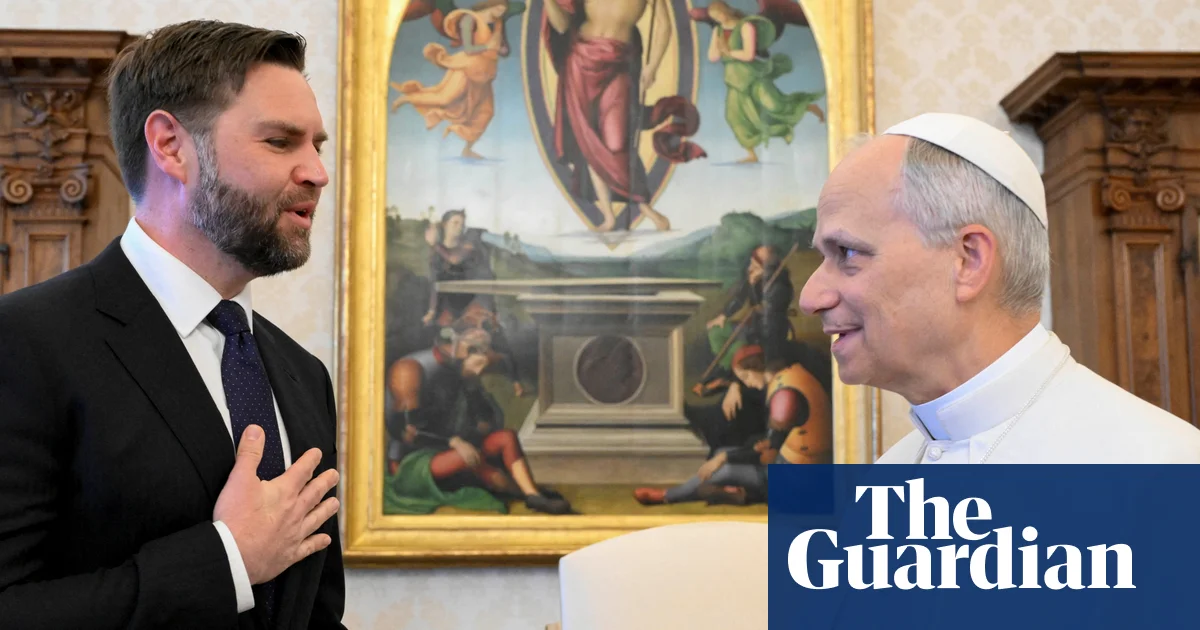
In an era where geopolitical stability hinges on the delicate balance of diplomatic efforts and ideological influence, recent events highlight the profound impact of religious discourse on international relations. The clash of perspectives between Pope Leo XIV—the first North American pontiff—and American political figures underscores a critical juncture where faith, ethics, and national security converge to shape world events. Historically, the concept of a “just war”—a doctrine rooted in Augustine’s writings—continues to fuel debate, especially as the United States navigates its controversial stance on Iran amid accusations that strategic narratives are being embedded with religious justifications.
At the heart of this emerging geopolitical arousal is a profound disagreement on the morality and legality of military intervention. Cardinal Robert McElroy and other Catholic leaders have recently condemned the US and Israeli actions against Iran, asserting that such moves violate the just-war criteria that have governed Christian moral thought for over a millennium. While Vatican teachings emphasize that war can only be justified as a last resort in self-defense, the Trump administration’s rhetoric has often veered into confronting Iran with almost religious zeal, framing the conflict as a moral crusade rather than a strategic necessity. This narrative shift has prompted international organizations and historians—such as Dr. Emily Grant of the International Security Council—to warn of the dangerous escalation of religious rhetoric fueling national security decisions that risk igniting wider conflicts.
Decoding the Discourse: Theology Meets Politics
- The recent dispute between Leo XIV and political figures such as JD Vance illustrates the tension between theological interpretations and political expediency. Vance’s remark that “God is never on the side of those who wield the sword” conflicts with centuries of just-war tradition, which justifies war in circumstances of self-defense and restoring peace. Such debates are not merely theological; they directly influence policy and public perception, risking a blurring of moral lines in warfare.
- Meanwhile, Vatican officials insist that their teachings have always upheld that war is only permissible when “all peace efforts have failed”—a position that challenges the aggressive narratives fostered by certain American factions. Historian Dr. Mark Thompson reminds us that history shows how religious justifications have historically been co-opted to mobilize popular support for conquest, often with catastrophic consequences.
- Adding fuel to the fire, President Trump’s controversial social media posts—such as his depiction of himself as a Christ-like figure and threats against Iran—have emboldened factions within the U.S. that view religious symbolism as a tool of national power. The deletion of Trump’s AI-generated image of himself as Jesus signals a recognition of the potential fallout, but the underlying message persists in the rhetoric of some allies, notably House Speaker Mike Johnson, who warns that wading into theological debates risks poisoning political discourse.
Implications for International Stability and Societal Society
As international organizations monitor the unfolding narrative, the implication for societal stability remains ominous. If political leaders and religious figures continue to intertwine their rhetoric—especially when championing aggressive policies—the probability of miscalculation and escalation increases dramatically. Analysts warn that such narratives can polarize societies, erode diplomatic channels, and embolden extremist factions that see divine sanction in conflict. The United States, due to its influence and military power, occupies a pivotal role in this delicate dance, where every decision carries the weight of history and the potential to ignite a wider, more devastating war.
In this moment of crisis, the words of historians and international security experts are more crucial than ever. They caution that the choices made today—whether rooted in religious morality or political expediency—will reverberate across generations. The mounting tension over certainties of justice and morality in warfare underscores a broader, more profound truth: the path to peace is often navigated through the perilous waters of moral reflection, where the stakes are nothing less than the destiny of nations. As history continues to unfold, the world watches with bated breath, pondering whether these debates will lead to ajust peace or plunge us further into chaos, leaving a legacy that history will either condemn or commend—yet never forget.






