Matox News

Truth Over Trends, always!

Australian Schools Close Over Kids’ Sand Safeguard Risk

In a startling development that underscores the ongoing challenges of global trade and public safety, Australia and New Zealand have mobilized substantial measures in response to the discovery of asbestos-contaminated sand products circulating within their educational sectors. The contamination, linked to imports from China, has triggered urgent school closures and recalls, raising serious questions about border security, regulatory oversight, and the health safety of young generations.

The Australian Competition & Consumer Commission (ACCC) announced a recall after lab tests identified traces of tremolite asbestos in children’s colored sand. These products, such as Kadink Sand, Educational Colours – Rainbow Sand, and Creatistics – Coloured Sand, had been distributed nationwide through major retail outlets like Officeworks. The health risk stems from the inhalation of asbestos fibers, which can cause severe lung diseases, including cancers; a warning that has led to the full or partial closure of at least 15 schools and seven preschools in the Australian Capital Territory. Similarly, in New Zealand, five early learning services and two schools have suspended operations as authorities conduct further testing. The Ministry of Business, Innovation and Employment (MBIE) swiftly issued advisories urging parents and institutions to cease using the contaminated products and seek professional disposal, highlighting the precautionary nature of this response.

This crisis underscores a broader geopolitical impact that points to the fragility of international supply chains and the importance of strict regulatory controls. Historically, asbestos has long been recognized by global health authorities—including the World Health Organization—as a carcinogen, yet trade restrictions have often been circumvented through imports. The incident reveals vulnerabilities within Australia’s and New Zealand’s border and commercial oversight, prompting analysts to question how widespread this contamination might be and whether other imported goods could pose similar risks. As historians warn, failures in supply chain transparency can unleash public health crises, especially within vulnerable communities such as children in educational environments. The recall and school closures serve as a stark warning of what can happen when economic interests overshadow safety protocols.

International institutions and regulators are now under pressure to tighten import controls and alert systems. The Australian government has reaffirmed that asbestos importation remains prohibited, yet the incident exposes potential gaps in enforcement. Meanwhile, New Zealand’s ongoing testing and voluntary recalls reflect a cautious approach but also highlight the need for more decisive policy action. As the global community watches, the incident could spur stricter international standards for importing hazardous materials, reshaping trade policies that often prioritize cost over safety. Yet, this unfolding story remains a chapter in a broader narrative about the collision of globalization, health security, and the protection of future generations—one where the delicate balance of power, policy, and public trust hangs in the balance.

In a world increasingly interconnected, the repercussions of this asbestos scare transcend borders, shaping the very fabric of societal trust and governmental accountability. The upcoming weeks will determine whether the lessons learned will lead to stronger safeguards or allow complacency to persist. As history continues to be written in moments of crisis, the weight of these decisions resonates: a reminder that in the unfolding mosaic of international relations, every detail—down to colored sand—can carry the profound burden of history yet to be made.
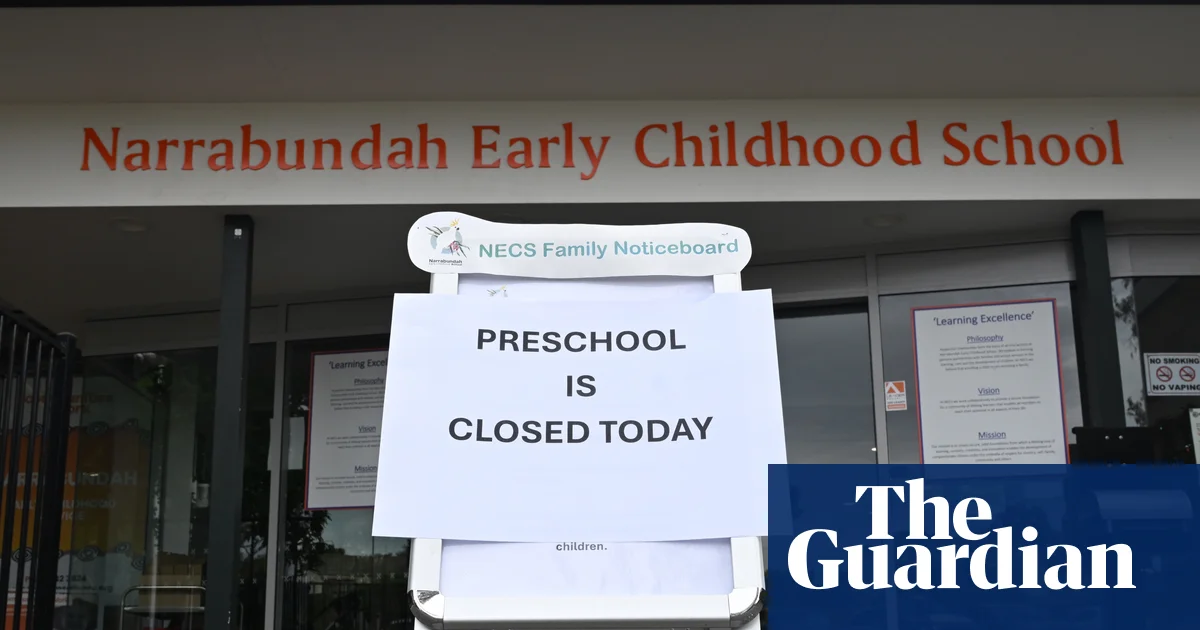
Multiple ACT Schools Close Amid Asbestos Concerns Over Colored Sand Products

Australia Confronts a Public Health Crisis as Schools Shut Over Asbestos-Laced Children’s Play Sand

In a startling development that underscores the risks of global sourcing and the fragile safety of public health, Australia’s Capital Territory (ACT) has ordered the immediate closure of more than a dozen primary and preschools, following the detection of asbestos in imported children’s sand products. This decision, made in response to serious environmental health concerns, highlights an ongoing challenge for nations navigating the complex web of international trade, safety standards, and domestic regulation. The ACT’s education authorities, led by Education Minister Yvette Berry, have prioritized safety above all, shutting down 15 schools outright and partially closing five others, as testing and remediation efforts continue.

This crisis traces its roots back to the importation of colourful children’s sand products, primarily from China, which later proved to contain chrysotile asbestos—a substance linked to terminal diseases such as mesothelioma. Authorities identified a range of products, including “Kadink Sand,” “Educational Colours – Rainbow Sand,” and “Creatistics – Coloured Sand,” all sold at major retailers across Australia over the last five years. The Australian Competition and Consumer Commission (ACCC) issued a recall of these items, cautioning the public about the potential health risks. Despite assurances from WorkSafe ACT that risk exposure is low, the precautionary closures reflect a growing concern over how unchecked imports threaten societal safety, especially when children are involved.

Implications of International Trade in Public Safety

The incident reveals a broader geopolitical issue that resonates globally: the tension between free trade and safety standards. Australia, like many countries, relies heavily on international manufacturing hubs—particularly China—for affordable consumer products. However, these supply chains can often bypass stringent safety checks, especially for hazardous materials banned since 2003 in Australia. Historians and analysts warn that such lapses threaten not only health but also international trust in trade agreements. The fact that these products were sold across Australia from 2020 to 2025, including via local distributors like Educating Kids and Zart Art, underscores the systemic vulnerability in consumer safety protocols.

Global organizations such as the World Health Organization (WHO) have long issued warnings about asbestos, emphasizing that its carcinogenic effects are well understood and that its importation should be tightly controlled. Yet economic pressures and lax enforcement have allowed hazardous materials to slip through regulatory cracks. This episode serves as a stark reminder of how decisions made in international markets can ripple across societies, impacting everything from public health systems to educational environments. Accordingly, the geopolitical impact is profound: nations must strengthen their trade oversight and internal safeguards if they are to prevent such hazards from becoming a national crisis.

Domestic Response and Rising Concerns

The response by ACT authorities demonstrates a determined, albeit reactive, strategy: immediate school closures, thorough testing, and clear communication to parents and staff. The closure of Cranleigh School and others not only disrupts education but also raises questions about how preparedness measures are structured and enforced. With similar incidents tracing back to older sites in Sydney and Melbourne, where asbestos was historically buried or processed, the broader challenge becomes clear: legacy contamination and the risks associated with historically unsafe disposal practices are still haunting Australian cities. International organizations warn that such legacy issues complicate cleanup efforts, demanding concerted policy shifts and increased investment in environmental remediation.

Experts reveal that vigilance must extend beyond reactive measures. Governments should establish mandatory testing of imported consumer goods, especially those intended for children. Public education campaigns urging safe disposal and raising awareness regarding imported hazardous materials are crucial in preventing future crises. As the Australian government works to ensure that such risks are contained, citizens are left grappling with the uncertainty of what other unseen dangers may lurk in everyday products.

As this unfolding crisis exposes vulnerabilities in international trade and domestic regulation, history reminds us that the true measure of societal progress lies in the capacity to anticipate and prevent disaster. With the specter of asbestos—a material associated with silent, deadly threat—still casting its shadow over Australia’s safe spaces, the weight of history presses upon policymakers worldwide. The question remains: will this incident be merely a fleeting warning, or a catalyst for profound structural change that reshapes how nations safeguard their future? The answer lies in the unfolding stories of remediation and resilience yet to come, where decisions today forge the landscape of tomorrow’s history.

Bristol Schools Disrupted as Support Staff Strike Over Pay—Youth Voice in Crisis

How Economic Disputes and Social Tensions Shape Families, Education, and Communities

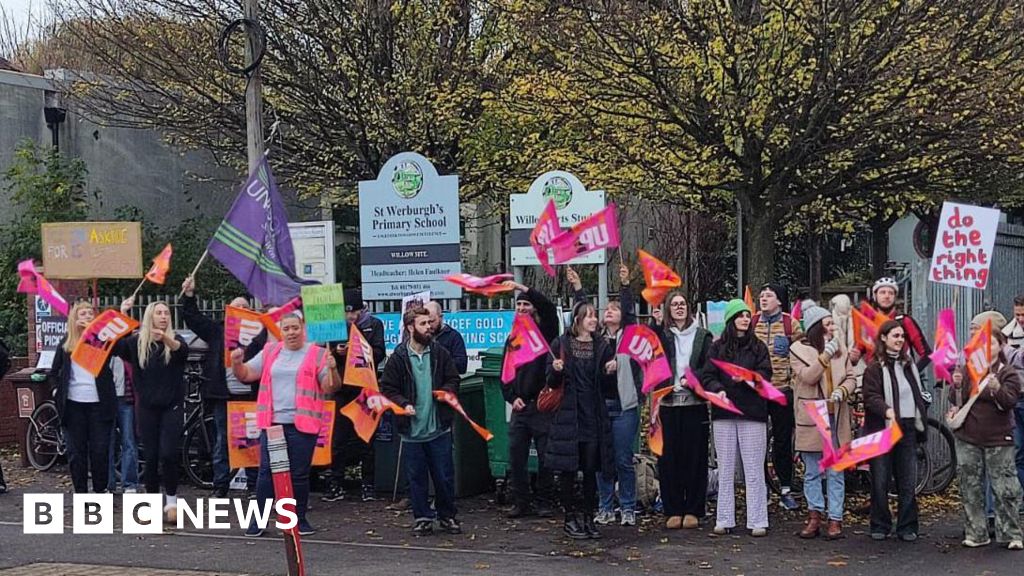
In recent weeks, a wave of social unrest has swept through the educational landscape of Bristol and North Somerset, exposing a broader societal challenge rooted in systemic issues of inequality, fairness, and respect. Support staff at a dozen schools managed by the Cathedral Schools Trust initiated a two-day strike, highlighting a crisis that transcends individual workplaces and touches the very fabric of community stability. This protest was triggered by delayed pay raises—delays amounting to five months of withholding payments—and has left many employees, including teaching assistants, administrators, librarians, and caretakers, feeling *unvalued* and *disrespected*. The ripple effects of such disputes threaten not only the livelihood of individual families but also the quality of education and the cohesion of local communities, intensifying social tensions often ignored in broader policy debates.

According to social commentators and historians like Professor Margaret Mead, who emphasized the importance of social cohesion for societal health, disruptions like these illuminate the fragility of our social institutions. Families reliant on predictable income find themselves in stressful financial situations, with some losing hundreds of pounds annually, as vividly expressed by Steve Brice, a dedicated teaching assistant. He revealed that delays in pay have forced him into financial hardship, affecting his entire household. This scenario underscores an ongoing challenge: *when social actors are mistreated or neglected—particularly those in essential roles—families are destabilized, and the cycle of hardship and social discontent persists.* The values of *fairness* and *respect* are central to maintaining social harmony, yet too often, these principles are sacrificed in bureaucratic or institutional neglect, fueling social division rather than unity.

Educational institutions serve as the backbone of community development, shaping the moral and intellectual fabric of future generations. When support staff, who are critical to the day-to-day functioning of schools, feel *undervalued*, the entire learning environment suffers. Sheila Caffrey, a representative from the National Education Union, stressed that many staff members feel they are *not being adequately valued* by their employers—a sentiment echoed across various sectors in society. Such discontent can ripple through schools, disrupting learning and straining relationships between educators, students, and families. More disturbingly, the social tensions generated by these disputes threaten to erode the respect and trust necessary for a thriving, inclusive society. As sociologist Pierre Bourdieu pointed out, these conflicts are not merely about money but about *recognition* and *dignity*, those intangible social currencies that hold communities together or tear them apart.

Despite efforts by the trust to negotiate, the ongoing conflict reveals a critical truth: social issues today are interconnected with mental health, economic stability, and moral integrity. The response to this crisis must be multifaceted. Solutions should include transparent dialogue, fair compensation packages, and structural reforms that prioritize human dignity over bureaucratic expediency. Only then can we hope to rebuild the trust that sustains communities and sustains families. As social commentators warn, neglecting these issues risks not only a breakdown in societal cohesion but also a decline in the moral fabric that binds us. Yet, amid these struggles, there remains a quiet hope—a belief that societies are capable of transformation when rooted in fairness and respect. Indeed, the unfolding story of these support staff and their fight for justice echoes a broader call for societal renewal—reminding us all that the strength of a society is measured by how it treats its most vulnerable, and how it rises together in the face of adversity.

English schools to teach mortgages and AI—preparing youth for a stronger, self-reliant future

Society in Transition: How Modern Educational Reforms Reflect Broader Social Issues

In recent developments, the British government has embarked on an ambitious overhaul of the national curriculum in England, signaling a profound effort to adapt education to the demands of a rapidly changing society. Integrating lessons on financial literacy, AI, misinformation, and climate change, these reforms aim to equip younger generations with essential skills for navigating an increasingly complex world. As Hazel Shearing reports, the focus on preparing students for future economic realities—such as understanding mortgages and budgeting—underscores a pressing societal need to foster financial independence among youth. This initiative recognizes that what children learn today shapes the moral and economic fabric of tomorrow’s families and communities.

The Societal Roots of Educational Change

The revised curriculum reflects more than mere academic updates; it reveals *a societal recognition of the persistent inequalities and cultural shifts shaping social fabric*. Sociologists like Prof. Becky Francis emphasize that these modifications are part of an evolutionary step towards addressing disparities that tend to widen during the transition from primary to secondary education. The aim is to mitigate the attainment gaps faced by disadvantaged children, whose educational trajectories are often hampered by a lack of early support and resources. Yet, critics warn that structural barriers—such as insufficient funding and teacher shortages—may undermine these well-intentioned reforms. Families and communities are deeply affected by educational quality, with gaps in achievement translating into future opportunities or the lack thereof.

Cultural Tensions and the Education Debate

Notably, the review also tackles the contentious issue of cultural representation. While proponents argue that expanding curriculum diversity acknowledges *a global and historical truth*—highlighting contributions from various backgrounds—others, including Shadow Education Secretary Laura Trott, contend this risks weakening the core of national identity. Trott’s critique echoes a broader societal tension: should education prioritize foundational cultural knowledge or foster a more inclusive portrayal of our shared history? Historian David Cannadine notes that such debates are central to understanding how society constructs its identity amid demographic diversification. The government’s decision to exclude some recommendations—such as scrapping the English Baccalaureate (EBacc)—raises questions about whether the focus remains on raising standards or diluting core academic pursuits.

The Road Ahead: Hope and Challenge

Amid the debate, social commentators recognize the potential for education to become a catalyst for societal rejuvenation. As Pepe Di’Iasio from the Association of School and College Leaders notes, meaningful reform requires adequate resources and committed teachers, emphasizing that education is the backbone of community resilience. The challenge remains: how do we foster a society where families, schools, and communities work collectively to uphold high standards while adapting to new cultural realities?

The societal journey set before us is complex and arduous, yet filled with hope—a hope rooted in the belief that education can be the vessel for societal transformation. As society wrestles with its identity and future, the resilience of communities lies in their ability to adapt, nurture, and forge ahead. The story of our times is not just defined by policies or curriculum changes, but by the enduring human spirit to build a society where every child is given the opportunity to thrive and contribute to the collective good. Society’s greatest challenge remains: to ensure that these educational reforms translate not merely into policy, but into a future where hope blooms amidst the shadows of uncertainty.

Teachers Face Threats After MAGA Claims Over Halloween Costumes Mocking Charlie Kirk

Disruptive Social Media Campaign Ushers in New Challenges for Educational Privacy and Political Discourse

In a stark illustration of the rapid evolution of information warfare, a recent incident involving a high school in Arizona underscores the profound business implications and societal disruption driven by social media’s power to amplify misinformation. The controversy originated when Turning Point USA (TPUSA) spokesperson Charlie Kirk was falsely associated with an innocent Halloween costume worn by teachers, sparking viral outrage. The incident exemplifies how disruptive platforms like X (formerly Twitter) have become conduits for rapid-spread misinformation that can threaten personal safety and reputation on an unprecedented scale.

The incident reveals a pivotal challenge confronting educators and businesses: the ability of malicious actors to weaponize social media for mass psychological operations that threaten privacy, safety, and trust. In this case, an image of teachers in bloodied T-shirts was wrongly interpreted, leading to doxxing, targeted online harassment, and even death threats—an unsettling reminder that the digital landscape’s regulatory and ethical frameworks are lagging far behind technological capabilities. The impact extends beyond individual rights, striking at the core of institutional stability and public confidence in grassroots institutions like education systems.

The incident also signals a burgeoning market for advanced content verification technologies, with industry leaders like Gartner emphasizing that the future of digital trust hinges on automated fact-checking and AI-enabled content moderation. These solutions are critical for preventing similar disruptions at scale, as disinformation campaigns grow more sophisticated. For instance, AI-based image analysis and network tracing mechanics could be employed to preempt false narratives, but such innovations require significant investment and legal safeguards, given the privacy concerns involved.

  • Emerging tools are capable of identifying manipulated images and videos quickly
  • Automated alerts can notify stakeholders of potential misinformation spikes
  • Legal and ethical frameworks remain underdeveloped, risking misuse or overreach

Furthermore, the incident underscores the necessity for businesses, educational institutions, and policymakers to reevaluate their engagement with social media. The disruption also presents an opportunity: those who develop and implement cutting-edge verification and safety technologies could become essential partners in safeguarding digital spaces. Pioneering entities like MIT’s Media Lab are exploring such solutions, recognizing that true innovation in this realm is crucial for maintaining integrity in digital communication. As these technologies mature, they could serve as the foundation for a new era where truth prevails over misinformation, transforming the social media landscape into a more resilient, trustworthy environment.

Looking ahead, this incident serves as a clarion call for all stakeholders to urgently invest in disruption-resistant technology and foster a culture of digital responsibility. Rapid technological advancements—ranging from blockchain-based verification systems to AI-driven content analysis—are poised to redefine how truth is maintained in an age overwhelmed by data. The coming decade is critical: failing to adapt could mean allowing malicious actors to shape perceptions, destabilize institutions, and influence societal outcomes. As Elon Musk and Peter Thiel have often emphasized, the future belongs to those pioneering disruptive, innovative solutions that can turn the tide against digital chaos and misinformation. Strategic foresight and swift technological deployment will determine who leads this new digital frontier—those who act now will shape the foundations of a more secure, transparent digital world.

Government vows to remove RAAC from schools by 2029 to safeguard future generations

Rising School Safety Crisis Sparks National Debate on Social Responsibility

Across England, a pressing social issue threatens the foundations of our educational system and, consequently, the future of our families and communities. The alarming presence of reinforced autoclaved aerated concrete (Raac) within school buildings has resulted in the closure of 70 schools in Essex alone, forcing students into temporary classrooms and disrupting the continuity of education. These structural concerns, rooted in post-World War II economic choices, expose deeper issues of longstanding neglect and underinvestment. As social commentators warn, this is a stark reminder of how public resources meant for maintenance have been chronically underfunded, leaving vital infrastructure vulnerable and our children unsafe.

The government has pledged to eliminate Raac from all affected institutions by 2029, a timeframe viewed by critics as overly ambitious and morally troubling. Education Minister Josh McAllister announced that every school containing Raac would either be completely rebuilt or undergo extensive remediation. However, experts like Prof. Chris Goodier from Loughborough University underline that each building must be individually inspected to guarantee safety, emphasizing how years of deferred maintenance have compounded the crisis. This systemic neglect highlights a broader societal failure: neglecting the safety and well-being of future generations in favor of short-term fiscal prudence, which ultimately costs lives and hampers community cohesion.

The social repercussions of this crisis extend beyond structural safety. Families are being torn apart as parents grapple with the reality of their children learning in makeshift classrooms or being kept at home amid safety concerns. The instability jeopardizes not only academic progress but also the emotional and moral fabric of communities. Local authorities are under immense pressure to accelerate repairs, with figures such as Mark Francois claiming that most schools could have foundations stabilized “if enough resources were committed.” Yet, the underlying challenge remains: how to reconcile the urgent need for restoring educational infrastructure with the societal tendency to underfund essential services, thus perpetuating cycles of neglect that weaken societal resilience.

While the Conservative government vows to eradicate Raac within this decade, critics like the Liberal Democrats argue that delay constitutes a form of social betrayal. They call for emergency action and increased public investment to swiftly remove these hazardous materials. Meanwhile, organizations such as the Association of School and College Leaders urge a long-term strategy—one that goes beyond quick fixes and addresses the root causes of underfunding. As the debate unfolds, the overarching moral question endures: do we prioritize our children’s safety today or continue to gamble with their futures in the name of fiscal austerity?

The challenge of remaking a society that neglects its most vulnerable is immense, yet not insurmountable. With societal recognition that public safety and investment in infrastructure are moral imperatives, there lies hope for a renewed collective resolve. As society stands at this crossroads, it is vital to reflect on the power of community action and political will—reminding us that safeguarding our children’s schools is not merely about bricks and mortar, but about building a society where safety and dignity are universal. Perhaps, in the silent classrooms waiting for renewal, there exists a quiet promise: that society’s true strength is measured not by its wealth, but by its willingness to nurture and protect its future—including its youngest, most vulnerable members, and the families that depend on them.

£800m to Fix Failing NI Schools and Secure Our Future Millennials

Social Crisis in Northern Ireland Schools: Foundations of Future Society at Risk

Amid the echoes of faded chalkboards and crumbling brickwork lies a stark reality: the state of Northern Ireland’s educational infrastructure reflects deeper societal failures. Many schools across the region are caught in a cycle of neglect, characterized by a backlog of maintenance estimated at between £600m and £800m. This crisis is not merely structural but fundamentally impacts families, communities, and the very fabric of future generations. As sociologists like Charles Murray have argued, the environments in which children grow significantly influence their capacity to thrive, yet the systemic disrepair and poor management threaten to erode these foundations.

A damning report from Stormont’s Public Accounts Committee (PAC) paints a picture of systemic failure, with many children and teachers working amidst overcrowded, poorly heated, and dilapidated structures. Many educational institutions are now in a state of deferred maintenance—an issue that compromises safety and educational quality, and that critics consider an ethically unacceptable neglect of societal duty. The report highlights a reactive approach to infrastructure management rather than a comprehensive, forward-looking plan, leading to conditions where learning environments become a battleground for survival rather than a sanctuary for growth. Such neglect disproportionately affects families in less affluent communities, deepening the cycle of poverty and social exclusion that has persisted for decades, according to social historians like E.P. Thompson.

School heads, such as Emma Quinn of Rathcoole Primary School, describe their days as dominated by “chasing works,” reporting leaks, and fixing broken windows”. The frustration is palpable—their schools are described as “simply not fit for purpose,” with students enduring inadequate heating, leaky roofs, and crumbling infrastructure. These conditions, while seemingly physical, strike at the moral heart of society’s obligation to safeguard its youngest members. The disparities in funding and maintenance are especially severe for schools serving disadvantaged communities, emphasizing how socio-economic divides are entrenched within educational environments.

What Can Be Done?

  • The Department of Education (DE) and Education Authority (EA) are urged to implement a clear and sustainable management strategy with regular condition surveys and monthly maintenance planning.
  • Swift action on urgent repair backlogs, especially in classrooms where improper heating and hazardous environments threaten the health and morale of students and staff alike.
  • Broader investment is necessary, with officials like Education Minister Paul Givan calling for cross-party support to secure funding for infrastructure improvements and to address soaring costs in special educational needs provision—a sector that has seen an 850% increase in emergency placements over six years.

As society’s sociologists have pointed out, these issues extend beyond bricks and mortar—they threaten the social cohesion and moral fabric of communities. The prolonged neglect signals a failure of governance and resource allocation that, if left unaddressed, could erode trust and social mobility for generations. Yet, amidst this grim landscape, hope persists in the realization that intentional societal change—prioritized investments, strategic planning, and community engagement—can reverse these trends. In the end, society’s strength lies in its commitment to its children and the collective responsibility to build nurturing environments. Society must reflect deeply on these social wounds, for without immediate action, the very future of the next generation remains in jeopardy—an unspoken legacy of societal neglect that demands urgent redress.

Somalia adopts Swahili in schools to strengthen cultural ties and boost national pride

In a move that highlights a broader shift toward regional integration and cultural identity, Somalia has announced plans to incorporate Swahili into its national curriculum. This development unfolds amid a backdrop of decades of conflict, social fragmentation, and evolving regional dynamics. Historically, Somalia’s education system has been dominated by English at higher levels and Arabic at Islamic schools, reflecting colonial and religious influences. The decision to emphasize Swahili, the lingua franca of East Africa, signals a recognition that language is power—an asset for families, teachers, and communities seeking to rebuild trust, expand economic opportunities, and forge regional bonds.

  • The adoption of Swahili aims to foster regional integration, making Somalia more connected with its East African neighbors and facilitating trade, diplomacy, and education exchanges.
  • Swahili, spoken by over 200 million people, is among the world’s top ten most spoken languages, representing a significant cultural and linguistic bridge for Somalia’s youth and working families.
  • Increased use of Swahili is already evident along Somalia’s southern coast and among refugees in Kenya, many of whom learned the language as part of their adaptation after fleeing violence.

This cultural shift underscores a profound demographic and social transformation. Decades of civil war, which erupted in 1991, have led to social dislocation and an erosion of traditional authority, forcing communities—and especially the youth—to adapt in unpredictable ways. The proliferation of Swahili in everyday life, particularly among those who have crossed borders or served in regional peacekeeping missions, exemplifies how social bonds are evolving outside conventional national boundaries. Leaders like President Hassan Sheikh Mohamud emphasize that cultivating Swahili at academic institutions—especially at the Somali National University—will promote regional cooperation and integrate Somalia’s economy more closely with East Africa’s emerging markets.

Critics and social commentators warn that such rapid cultural shifts could ripple through families and societal structures, challenging long-held identities rooted in language and religion. As Historians note, language is often intertwined with cultural sovereignty; thus, the push to prioritize Swahili may provoke tensions among those who cling to Arabic or English as symbols of religious and colonial heritage. However, proponents argue that this multilingual approach could foster a new generation of citizens equipped to navigate a multi-lingual world—one where economic empowerment and social cohesion depend on linguistic adaptability. Education Minister Farah Sheikh Abdulkadir envisions Swahili replacing English as the dominant language of trade and learning, a move seen as both pragmatic and strategic.

Ultimately, how families, schools, and communities adapt in the coming years will determine whether this linguistic pivot bolsters national unity or deepens cultural fissures. It is a testament to society’s ongoing battle between preserving identity and embracing progress—a confrontation familiar across many nations shaping their destinies amidst modern global challenges. As the sun sets over Mogadishu and a new chapter begins, society stands at a crossroads: will it forge a resilient, inclusive future by harnessing the power of language, or will it find itself divided by the echoes of a past reluctant to fade? In this fragile moment, society’s resilience lies in its ability to envision transformation, not just as empty rhetoric but as a tangible hope—an enduring testament to the human spirit’s capacity to reinvent itself amid chaos and change.

MoD drops millions on private schools to sideline Welsh language, sparking outrage among youth and society

Society at a Crossroads: The Impact of Language and Military Support on Welsh Communities

In contemporary Wales, social tensions surrounding language preservation and support for military families reveal deeper challenges faced by communities striving to balance cultural identity with societal needs. At the core of this debate is the funding allocated by the Ministry of Defence (MoD) to support service personnel and their children. According to recent figures obtained through the Freedom of Information Act, nearly £1 million is spent annually to send children to private schools in north Wales, primarily because* state schools teach lessons partly or entirely in Welsh. This expenditure highlights how cultural shifts and linguistic priorities influence social and educational decisions, often creating friction between community values and government policy.

Critics argue that this funding, which covers tuition, trips, and transport, merely perpetuates division within diverse communities. Plaid Cymru has labeled it a “complete waste of money” and an “insult to our language,” emphasizing that Welsh should be promoted within public education rather than supplemented through private funding. Conversely, proponents, including the Conservative Party, contend that parents have the right to choose their preferred language of instruction, especially for children of military families who often face frequent relocations. *Such arguments expose the deep social tensions rooted in demographic shifts and differing visions for Welsh identity, where the rights and options for families are often caught between external political influences and local cultural priorities.

The interplay of language and education becomes even more complex when considering the **service personnel who serve across different regions**. The MoD’s Day School Allowance specifically supports families in areas where bilingual or non-English education dominates, offering up to £22,755 annually for tuition in private schools. This policy is rooted in a desire to minimize educational disruption for children who move frequently due to military duties. Yet, it raises questions about the broader societal implications of funding special privileges based on linguistic and regional considerations. Critics argue this approach may inadvertently deepen regional divides, while supporters see it as a humane response to the realities faced by military families.

In contemporary social discourse, leaders like Natasha Asghar and Cefin Campbell MS highlight the importance of respecting the two official languages of Wales. Asghar emphasizes that “parents should always have the option” to choose the language of instruction, advocating for a solution that respects individual rights in a multilingual society. Meanwhile, Campbell decries spending on “preventing young people” from learning Welsh, framing it as an act of cultural insensitivity and a missed opportunity for societal enrichment. These debates illustrate how social issues surrounding language education are fundamentally about the preservation of cultural identity versus the need for inclusive, accessible public services.

Ultimately, the societal challenges in Wales reflect a broader narrative of balancing tradition with modernity, unity with diversity. As the nation navigates these complex issues, one must wonder: will society succeed in fostering a community where cultural pride and individual choice coexist harmoniously, or will these tensions deepen into irreparable divides? Society’s resilience lies not just in policy and funding but in a collective commitment to fostering understanding among its diverse voices—an enduring hope that, despite the noise of controversy, society might yet forge a future where all families find belonging and opportunity amidst the cracks of our social fabric.

London schools shrink as families leave, new report reveals

London Schools Face Decline as Demographic Shifts Threaten Community Foundations

In a striking reflection of demographic changes and societal migration patterns, London’s primary schools are experiencing a significant contraction in pupil numbers. According to a recent report by the Education Policy Institute (EPI), since 2019, the capital has seen a decline of approximately 150,000 pupils, a trend anticipated to swell to 400,000 across England by the decade’s end. This phenomenon underscores a larger societal issue: the shifting fabric of families and communities within urban centers, where declining birth rates and an exodus of residents are redefining local identities.

Historically, cities like London have been magnets for diverse populations, offering economic opportunity and cultural vibrancy. Yet, sociologists such as Saskia Sassen have documented how urban demographic shifts tend to accelerate social fragmentation when the core populations grow increasingly transient or opt to leave. The report reveals that nine of the ten local authorities with the sharpest pupil declines are in London, highlighting an urgent challenge that extends beyond education—one that impacts families, social cohesion, and the very sustainability of community institutions. For many families, these changes translate into uncertain futures, with school closures and reduced extracurricular offerings threatening the broader social fabric that binds neighborhoods together.

The financial implications of declining pupil enrollment are equally troubling. Schools are predominantly funded on a per-pupil basis; thus, losing students directly reduces resources, often forcing cuts to staff, programs, and community services. In Westminster, primary pupil numbers have fallen by nearly 16% from 2020-21 to 2024-25, while Southwark’s figures have decreased by over 12% within the same timeframe. These figures illuminate how educational institutions, traditionally seen as pillars of community, are now facing existential threats that could ripple through local economies and social support networks. The NAHT emphasizes that such unpredictable demographic shifts challenge long-term planning, urging policymakers to develop strategies that prioritize community stability rather than reactive closures and funding cuts.

‘Leaving the country’ – A Society in Flux

Experts, including Jon Andrews of the EPI, have pointed out that England’s population dynamics have fundamentally shifted since the so-called post-millennium baby boom. While the birth rate surged temporarily after 2010, recent years have witness a downturn that correlates with a wave of families choosing to move away from urban centers like London. As Andrews explains, the way funding is allocated—dependent on current pupil numbers—fails to account for these demographic realities, leading to underfunded schools and compromised quality of education.

This trend has moral and social consequences: families face upheaval, young children face the loss of community connections, and local institutions struggle to adapt to the changing landscape. The potential for schools to reduce staff or extracurricular offerings underscores a broader societal risk—namely, that education and community-building may become casualties of economic constraints and shifting populations. As sociologists and educators advocate for rethinking funding models and repurposing school spaces, society faces a moral question: How do we sustain our communities when their fundamental structures are in flux?

Innovative Responses and Renewed Hope

In response, some leaders are proposing innovative solutions, like repurposing underused school facilities to serve broader community needs. Former education secretary Damian Hinds advocates for moving beyond per-pupil funding models, suggesting a need for more flexible approaches to accommodate changing demographics. The Department of Education echoes this sentiment by increasing investments to support local authorities and create new childcare spaces, aiming to bolster family stability and community resilience. These efforts reflect an understanding that education must adapt not only to demographic shifts but also to the moral imperative of fostering inclusive, stable communities where families can thrive despite societal upheavals.

Ultimately, society’s challenge lies in recognizing that the decline in pupil numbers signals more than just a demographic trend—it mirrors the fragile state of our communal bonds. To cast aside the rising tide of social fragmentation risks leaving our future generations isolated and disconnected. But with deliberate intervention, community-focused policies, and unwavering commitment, there remains hope that the social fabric can be mended. Society stands at a crossroads, where the choices made today can either deepen divides or weave tighter bonds. The question lingers: Will we seize the moment to reshape our communities with resilience and compassion, ensuring that even amidst change, hope endures?

Social Media Auto Publish Powered By : XYZScripts.com