Matox News

Truth Over Trends, always!

Government plans to ban phones in English schools to protect students and improve learning environment

Social Policies in Education: Balancing Innovation and Tradition

Recently, the House of Lords approved significant amendments to ongoing educational legislation, reflecting a broader societal debate on the balance between progressive reforms and traditional educational values. At the heart of this discussion is the recognition of diverse needs among students and the importance of accommodating individual circumstances. The proposal, championed by shadow education minister Baroness Barran, suggests providing exemptions for certain student groups—including sixth form students, students in boarding schools, and those who rely on phones for medical reasons. While ostensibly a step toward inclusivity, the move raises critical questions about the social fabric of educational communities, and its potential ripple effects on families and local institutions.

This legislative development demonstrates how policymakers are grappling with the complex intersection of social needs and educational standards. Allowing exemptions can be viewed as a recognition that not all students are the same and that a rigid approach may inadvertently marginalize vulnerable groups. For example, children with medical conditions that necessitate phone use face a moral dilemma: should technological adaptation be seen as a barrier or a bridge? Sociologists like Charles Murray argue that society’s success depends on flexible structures that empower families rather than impose blanket rules that may alienate or stigmatize certain demographics. Yet, critics contend that too many exemptions could undermine the uniformity necessary for social cohesion within schools, risking a fragmentation of shared values that hold communities together.

On a broader societal level, these debates mirror larger cultural tensions over tradition versus progress. Parents are often caught in a crossfire—struggling to uphold the moral fabric of their families while navigating an increasingly technologized world. For many, the family remains the primary unit of moral development and social stability; yet, legislation that accommodates individual needs could also be misconstrued as diluting the collective responsibility schools once held. Historical voices, including sociologists like Peter Berger, warn that societal cohesion is fragile and must be actively maintained, especially as younger generations redefine notions of discipline, privacy, and mutual respect within educational spaces.

Furthermore, this development underscores the urgent need to address broader issues such as educational equity, digital divide, and family engagement. Challenges persist for families living in socio-economically disadvantaged areas where access to technological resources remains limited. In such contexts, legislation that recognizes individual medical needs is vital, yet it must be balanced with strategies to ensure that schools serve as equitable environments—places fostering shared purpose rather than division. Urban sociologists have long observed that community cohesion hinges on equitable access and the shared cultural norms that frame public education. Any policy shift, therefore, must be accompanied by initiatives aimed at strengthening these norms across diverse social landscapes.

As society continues to evolve, the question remains: can we forge a path that respects individual differences while fostering a unified community? The challenge lies in maintaining the moral and social backbone of education amidst rapid technological and demographic change. As communities grapple with these issues, the hope endures that through conscious dialogue and purpose-driven policies, society can build a future where families, institutions, and the youth they nurture work symbiotically toward a shared destiny—one rooted in resilience, moral clarity, and respect for human dignity. Society’s true transformation may well depend on our collective resolve to nurture this hope amidst complexity, ensuring that no child is left behind in the pursuit of progress.
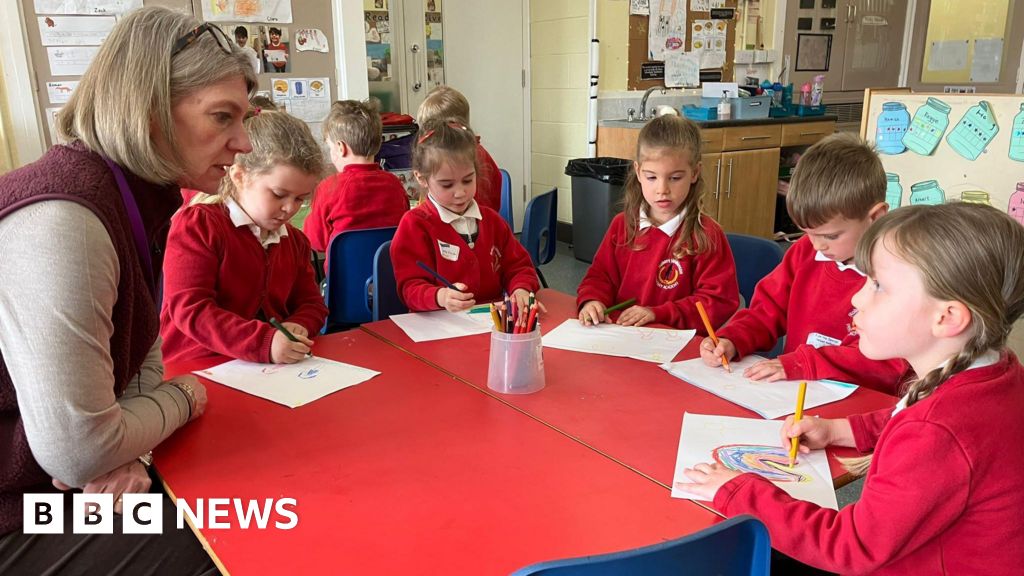

City schools now offer toilet-training guides—when will basic discipline matter more?

Teachers Raise Alarm Over Decline in Early Childhood Skills, Signaling Broader Societal Challenges

In recent years, educators have observed a concerning trend: an increasing number of children entering formal schooling lacking fundamental skills such as basic communication, social interaction, and even toilet training. This shift is not merely a matter of individual developmental variation but points toward larger issues affecting families, community support systems, and early childhood education. As teachers report these challenges, it becomes clear that societal pressures, economic stressors, and changing cultural norms are contributing to a new generation of children unprepared to engage fully in classroom learning and social integration.

Educational experts and social commentators emphasize that early childhood development is a critical foundation for lifelong success. According to Dr. Laura Sanchez, a developmental psychologist, the inability of children to communicate effectively or demonstrate independence at the start of school reflects gaps in early childhood environments and home support structures. These deficiencies often stem from family circumstances such as economic hardship, limited parental engagement, and societal shifts away from traditional child-rearing practices. When children are not equipped with essential skills, their families — and subsequently their schools and communities — bear the burden of addressing these deficits, which can hinder social cohesion and academic achievement.

This emerging crisis extends beyond individual challenges, revealing a societal shift where cultural priorities, economic realities, and technological distractions have transformed parenting and early childhood experiences. Sociologists caution that the erosion of community-based support networks and the decline of skilled parental involvement reduce opportunities for children to develop vital social skills. The consequences threaten to deepen the societal divides, impacting the fabric of local communities and threatening the cohesion necessary for a resilient, thriving society. To combat these issues, some advocate for renewed investment in early childhood education programs and family support services that emphasize skill development from a young age.

At the heart of this discussion are pressing questions about the role of society in shaping future generations. Dr. Samuel Roberts, a historian specializing in social change, warns that neglecting early childhood development today may lead to increased social dysfunction tomorrow, including higher rates of juvenile delinquency, mental health issues, and economic disparity. The societal imperative is clear: repairing broken support systems, fostering strong family units, and reinforcing community engagement are vital steps toward reversing this troubling trend. As society stands at this crossroads, it is hoped that with collective effort and renewed commitment to foundational values, future generations can still be shaped into resilient, communicative, and capable individuals—an enduring symbol of society’s capacity to adapt and heal.

In contemplating the profound implications of this developmental crisis, societies are reminded of the fragile yet resilient nature of their social fabric. For every child reluctant to speak or depend on others, there lies an opportunity—an unspoken promise—that through concerted effort, every community can forge a path toward nourishing the roots of future generations. Society’s challenge is to recognize the urgency, rally around our youngest, and nurture the potential that is still within reach, for in their innocence and promise resides the hope of tomorrow.

Schools in knife crime zones to receive targeted crisis training for students

Government Launches Initiative to Tackle Knife Crime in Schools

In a decisive move to address the rising concern of knife-related violence among youth, the government has announced a new partnership aimed at providing comprehensive training for school leaders. This initiative underscores the recognition that schools serve not only as educational institutions but also as vital community anchors. By equipping educators with the tools to identify and mitigate risks associated with knife crime, policymakers aim to foster safer environments where young people can learn and grow free from the threat of violence. Yet, such measures also highlight deeper sociocultural shifts and systemic challenges that demand a broader societal response.

Social Tensions and the Erosion of Community Bonds

Historically, communities have played a crucial role in shaping the moral fabric and social cohesion of young people. However, many areas experiencing socioeconomic decline have seen a breakdown of these communal bonds, creating fertile ground for youth to become embroiled in gang culture and illegal activities. Sociologists like Robert Putnam have documented how social capital—the networks of trust and cooperation—has diminished in disadvantaged neighborhoods. This erosion leaves at-risk youth more vulnerable to peer pressure and violent influences, ultimately impacting families and the wider social fabric.

Educational Challenges and the Role of Schools

Schools are often considered the frontline in the fight against youth violence, but they face complex challenges rooted in educational inequalities and resource limitations. Many educators report feeling ill-equipped to handle these issues without proper training or support systems. The new program seeks to arm school leaders with insights into risk indicators and intervention strategies, emphasizing that prevention begins with understanding the social contexts students navigate daily. Historical patterns show that when educational institutions are disconnected from community realities, efforts to curb violence are less effective—underscoring the need for holistic, community-inspired approaches.

Challenges and Prospective Solutions for Society

  • Developing integrated community programs that combine education, mental health services, and social support networks.
  • Enhancing youth engagement initiatives to foster leadership and positive social identity.
  • Supporting families through outreach and parenting programs that reinforce community values and resilience.
  • Addressing the root causes of youth disenfranchisement, such as unemployment, inequality, and limited access to quality education.

The contemporary challenge is not solely about reactive measures but about healing the societal wounds that have deepened over decades. Thought leaders like sociologist Charles Murray have argued that a culture of responsibility and opportunity is essential to reversing trends of youth violence. As communities grapple with demographic shifts and cultural tensions, it becomes imperative for society to adopt a comprehensive approach—one that emphasizes not only law enforcement but also moral education, social cohesion, and economic empowerment. Ultimately, safeguarding our youth requires that we reflect on the societal values we uphold and the future we seek to build—a future where safety and opportunity are accessible to all.

Teachers’ union warns of rising masculinity issues threatening our schools

Addressing the Rising Tide of Misogyny in Schools: A Society at a Crossroads

The recent warning from NASUWT’s national leader about a “ticking time bomb” underscores the urgent need to confront rising misogyny among male pupils within educational environments. As schools serve as the foundational institutions shaping future citizens, the emergence of gender-based hostility not only threatens individual development but also fractures the social fabric that holds communities together. Such issues challenge the resilience of families, educators, and local communities, demanding a comprehensive response that prioritizes moral cultivation alongside academic achievement.

Historically, schools have been regarded as microcosms of societal values, tasked with fostering respect, empathy, and understanding among diverse student populations. Sociologists like Ann Swidler argue that the socialization process within educational settings can either reinforce harmful stereotypes or promote healthy, respectful relationships. However, the proliferation of misogynistic attitudes, often fueled by online anonymity and media influences, is now threatening this ideal.

  • Research indicates that attitudes toward gender roles are increasingly embedded in youth culture, often exacerbated by digital platforms which can normalize hostility towards women.
  • Educational environments are struggling to keep pace with these changes, leaving some students vulnerable to developing skewed perceptions of gender and respect.
  • Moreover, the lack of targeted intervention programs leaves teachers ill-equipped to address these behavioral shifts effectively.

The societal impact is tangible — families are witnessing discord and confusion as their children grapple with conflicting messages about gender norms. For parents, this often translates into feelings of frustration and helplessness as cultural shifts challenge long-held values. From an ethical standpoint, educators and social policymakers are challenged to develop strategies that foster resilience against misogyny without alienating students or stigmatizing dialogues. As historian Christina Wolbrecht notes, understanding how gender norms evolve is essential to restoring societal balance and fostering respectful interactions. Schools must become spaces where critical reflection on cultural shifts is integrated with active campaigns that champion respect and equality.

Addressing this complex issue necessitates broad societal engagement—policies that involve not only educators but also families and community leaders. Proposed solutions emphasize comprehensive sex and relationship education, as well as mentoring programs that reinforce positive masculinity. Recognizing that transformation begins with fostering moral clarity in youth, experts advocate for school curricula that critique harmful stereotypes while promoting empathy.

  • Implementing training programs for teachers to detect and challenge misogynistic behavior early.
  • Involving community organizations to support youth in understanding gender respect.
  • Encouraging family involvement in fostering respectful relationships outside the classroom.

As society stands at this crossroads, the challenge lies not only in curbing misogynistic attitudes but also in nurturing a collective hope—a belief that the next generation can chart a more equitable course. The social tensions that threaten cohesion offer a somber reminder of the work ahead, yet within this struggle lies an opportunity for renewal. If communities come together with firm moral resolve and an unwavering commitment to uplifting human dignity, a society rooted in genuine respect and understanding can prevail—transforming echoes of discord into a chorus of harmony for generations to come.

Are Phone Bans Boosting Performance in Dutch Schools?

Two years ago, the Netherlands embarked on a bold experiment aimed at transforming the landscape of education: the nationwide ban on smartphones, smartwatches, and tablets within school premises. This policy, introduced under the premise of addressing widespread distractions, sought to realign the focus of students toward more traditional learning modalities and to foster an environment conducive to improved academic performance. Its implementation signaled a clear departure from the digital-centric approach that has characterized modern classrooms worldwide, showcasing a renewed emphasis on discipline and concentration in educational institutions.

While the immediate goal was to enhance student engagement and reduce screen-related disturbances, the broader ramifications extend well beyond the borders of the Netherlands. International observers and educators have watched this policy with keen interest, noting its potential as a harbinger of a global shift in educational priorities. The decision resonates with a growing debate about the role of technology in learning and the societal consequences of digital distraction. As analysts at the OECD and various educational think tanks analyze the Dutch case, many contend that this stoppage could influence policy shifts elsewhere, particularly in countries grappling with youth addiction to social media and instant communication.

Critics of the ban argue that it strips students of valuable digital literacy skills necessary in an increasingly interconnected world. However, proponents emphasize the tangible benefits observed since its implementation. Educational authorities report improvements in classroom behavior, more profound focus during lessons, and heightened teacher-student engagement. Historically, similar measures taken in other countries—albeit more selectively—have underscored an ongoing debate: is technology a tool for empowerment or a barrier to effective learning? The Dutch initiative may thus serve as a significant case study, illustrating how government policy can recalibrate societal values around education and technology.

The geopolitical impact of these shifts becomes evident when considering the wider implications for national sovereignty and cultural identity. Countries that adapt such policies may find themselves at a crossroads—balancing innovation with tradition, and progress with social stability. As Dutch schools lead the way, other nations, especially those under intense international scrutiny for their digital policies, are compelled to re-examine their stance on youth education, technological integration, and social discipline. In a broader sense, this development underscores how local policy decisions ripple through global society, influencing international discourses on youth well-being and digital ethics. 

As history continues to unfold, the world watches with bated breath. Will the Dutch experiment usher in a new era of disciplined, focused education, or will it ignite resistance rooted in fears of technological marginalization? The answer lies not only in the academic outcomes but also in the subtle redefinition of how societies perceive progress. The legacy of this decision is yet unwritten, but one truth remains clear: the decisions made today will echo through the corridors of history, shaping the fabric of generations to come.

Schools must be prepared: protecting our students in emergencies

Empowering Schools to Handle Crises: The Case for Regular Emergency Response Drills

In recent discussions within the educational and societal landscape, the call for schools to implement routine emergency response drills echoes with increasing urgency. The union representing educators has emphasized that schools should treat emergency preparedness with the same gravity as fire drills, which have become a staple in school safety protocols across the nation. This push reflects growing acknowledgment that public safety in educational settings must evolve to meet the complex challenges posed by natural disasters, accidents, and even human-made crises.

Historically, fire drills served as a vital safety measure—instilling awareness and preparedness in students and staff alike. Sociologists such as Dr. Mark Levine argue that intentional, regular drills not only prepare communities for potential emergencies but also foster a collective sense of resilience and confidence. However, critics underscore that many schools still lack comprehensive response plans for a range of threats—be it active shooter situations, medical emergencies, or environmental disasters. Amid a shifting societal landscape, where threats are increasingly unpredictable, the absence of structured response protocols leaves families, teachers, and students vulnerable to unforeseen tragedies.

The impact of such deficiencies resonates deeply within families and communities. The uncertainty surrounding school safety can generate anxiety that extends well beyond classroom walls, affecting mental health and community cohesion.

  • Children’s education suffers when fear or trauma accompanies emergency situations, disrupting learning continuity
  • Parents often grapple with a sense of helplessness, trusting that proper measures are in place to protect their children
  • Communities face the task of rebuilding trust and resilience after crises—an arduous process that underscores the importance of preventative preparedness

As social commentator Sarah Jennings notes, “Preparedness isn’t just a safety measure; it’s a moral imperative rooted in the ethical responsibility of society to protect its most vulnerable—the children.”

Addressing this challenge demands a coordinated effort involving educational institutions, local authorities, and policymakers. Proposed solutions include integrating emergency response drills into the standard curriculum, similar to fire drills, and ensuring that staff are adequately trained to execute swift, effective actions.

  • Regularly scheduled drills should simulate a variety of emergencies to adapt to different scenarios
  • Investments in safety infrastructure—such as secure communication systems and first-aid training—are essential
  • Community engagement initiatives can foster a culture of preparedness that extends beyond school boundaries

Such measures not only equip schools with critical tools but also reaffirm society’s commitment to safeguarding its future.

Ultimately, the call for routine emergency response drills in schools underscores a profound societal truth: our collective safeguarding depends on proactive preparation, unity, and a moral resolve to protect the innocence of the next generation. As history and social theory suggest, resilient societies are built through deliberate, sustained effort—turning moments of crisis into opportunities for growth and renewed commitment. In this turbulent yet hopeful landscape, the hope remains that with comprehensive action, families and communities can face adversity not with fear, but with fortified resolve and shared responsibility—transforming society into a sanctuary of resilience and hope for generations to come.

Are Traditional School Uniforms Fading? Why Some Schools Are Embracing 'Active' Dress Codes for a Modern Generation
Are Traditional School Uniforms Fading? Why Some Schools Are Embracing ‘Active’ Dress Codes for a Modern Generation

In recent years, a notable trend has emerged within the sphere of urban education policy: the push toward relaxed school uniforms. Advocates argue that this shift caters to the practical needs of children, fostering a more comfortable, inclusive environment where students can focus on learning rather than conforming to traditional dress codes. Such proponents maintain that allowing students to choose less restrictive attire diminishes the burdens placed on families—particularly those from economically disadvantaged communities—and encourages a healthier, more dynamic atmosphere conducive to physical activity and creative expression. However, beneath these promising perceptions lies a complex web of social tensions and cultural shifts that reveal much about the evolving landscape of our shared societal values.

As sociologists like Dr. Jane Harper of the Social Dynamics Institute observe, educational attire has historically served as an important marker of social cohesion and discipline. Traditional uniforms aimed to diminish inequalities rooted in socioeconomic disparities, fostering a sense of collective identity among students. Moving towards more relaxed standards raises questions about whether such policies inadvertently undermine efforts to promote equality and discipline, or whether they reflect a necessary adaptation to the realities faced by modern youth. Critics warn that loosening dress codes might subtly erode the boundaries that help ground responsibility and decorum—values that have historically anchored communities and shaped moral development among young people.

This debate is further compounded by the fact that families are at the crux of this social transformation. For many parents, particularly from working-class communities, relaxed uniforms can ease morning routines and reduce financial strain—no longer requiring costly gown purchases or strict adherence to dress standards. Yet, others fear that such shifts could embolden a broader cultural move away from respect for tradition and authority, challenging communal norms that foster social stability. As social commentator Marcus Holloway notes, these policies are not simply about clothing; they are emblematic of a larger struggle over cultural identity and the societal values that shape our youth, our families, and the future of our collective life.

  • Many schools and districts are experimenting with relaxed uniform policies aimed at increasing student comfort and participation in physical activities.
  • Concerns persist that these changes could weaken social cohesion or diminish the educational environment’s moral authority.
  • Cultural tension exists between maintaining order and embracing individual expression—a fine line that influences family life and community morale.
  • Solutions proposed include community dialogue, clear guidelines balancing freedom with responsibility, and fostering a shared understanding of societal values among students.

Ultimately, the debate over school uniforms encapsulates larger questions about who we are as a society and what we value most in nurturing future generations. As sociologists remind us, these choices reflect and influence the moral fabric of our communities. As families and educators navigate this terrain, they are tasked with balancing personal freedom and societal responsibility, striving for an environment that supports both individual growth and social stability. The path forward remains uncertain, but it is within this ongoing conversation—rooted in respect, shared purpose, and the hope for a unified society—that the true challenge and opportunity lie: to build a future where societal bonds are reaffirmed, and each generation inherits a shared commitment to moral excellence and community resilience. Only then can society hope to confront its social issues not as insurmountable barriers, but as catalysts for meaningful transformation.

Government mandates allergy training in all English schools to protect our youth

In recent years, public schools across the country have faced rising challenges related to student health issues, notably allergies that can pose serious risks. In response, institutions like Houghton School have taken proactive measures—allocating budget for staff training and updated equipment—to address these concerns. Such efforts aim not only to provide a safer environment but also to reflect a broader societal shift towards increased awareness of health-related inclusivity. Yet, this change illuminates deeper social dynamics, revealing how families, education systems, and communities navigate the complex landscape of emerging health vulnerabilities and the moral imperative to protect all students.

The increased attention to allergies signifies more than a logistical adjustment; it underscores a societal recognition of the diverse needs of children that often require tailored approaches. In the classroom, teachers and staff now undergo specialized training—a necessary response to ensure emergency preparedness. This development exposes the evolving role of educators as guardians of not just academic success, but student well-being. Sociologists like Robert Putnam have highlighted how societal bonds are increasingly tested by the necessity for institutions to adapt rapidly to demographic and health shifts, emphasizing that such changes—while challenging—can foster a greater sense of community resilience.

Yet, the social implications extend beyond mere compliance or safety protocols. For families managing allergies, the stakes are intensely personal. When a child’s safety hinges on detailed medical plans and constant vigilance, the emotional and financial burdens often fall on parents. As school counselor and social commentator Dr. Lisa Garcia notes, “It’s not just about avoiding an allergic reaction; it’s about ensuring a child’s right to participate fully and safely in education, irrespective of health challenges.” This shift highlights the importance of embracing inclusive practices—not just as policy but as a moral commitment—to fostering an environment where no child is marginalized due to health issues. Schools that invest in such inclusivity challenge the misconception that social issues are separate from core educational outcomes.

While these steps are encouraging, they also spot light broader social issues—such as inequities in healthcare access, disparities among socio-economic groups, and the societal need for greater understanding of inclusive health policies. To address these,

  • schools must forge partnerships with health professionals and community organizations
  • policy-makers should prioritize funding for comprehensive health and safety programs
  • public awareness campaigns can dispel misconceptions about allergies and foster empathy

To build truly resilient communities, these elements are essential. As social historian Dr. Michael Adams states, “The fabric of society is woven from the threads of shared responsibility and compassion. When communities strengthen their collective understanding, they fortify their future.”

In closing, the ongoing efforts to protect children through allergy management reveal a society grappling with new social realities, demanding moral clarity and collective action. It reminds us that each child’s safety is a reflection of our societal values. As families and educators work together to navigate these challenges, there emerges a quiet hope—one that suggests our society can evolve from reactive measures to proactive unity, shaping a future where inclusion and safety are not mere ideals but everyday guarantees. Amid the uncertainties of social change, there lies an enduring promise: that through understanding and commitment, communities can transform adversity into an enduring testament to human resilience and moral integrity.

Private schools lose fight against VAT hikes, fueling debate on society's priorities
Private schools lose fight against VAT hikes, fueling debate on society’s priorities

Private Schools’ Challenge to VAT Removal Sparks Broader Social Debate

In recent developments, a coalition of low-fee private schools has actively contested the government’s decision to eliminate the VAT exemption previously granted to them. This move not only affects the financial sustainability of these institutions but also underscores the larger societal debates surrounding access to quality education and the widening economic divide within communities. As education remains a fundamental pillar of societal progress, the repercussions of policy decisions resonate beyond school walls, impacting families and shaping communities’ futures.

The removal of VAT exemption has ignited protests and legal challenges from private school advocates who argue that it threatens the affordability of education for many families. These schools, often providing an alternative to overstretched public education systems, serve a significant demographic that relies on manageable tuition fees. By imposing VAT, critics contend that the government risks exacerbating inequalities within society, especially for lower-income families who see private schooling as a crucial pathway for social mobility. Sociologist Dr. Laura Higgins emphasizes that such policies directly influence families’ access to education, ultimately affecting children’s prospects and social integration.

Historically, education has been viewed as a cornerstone of social cohesion, yet policy decisions like these *can threaten the fabric of community life if they favor those with more economic privilege*. From a social perspective, the challenge lies in balancing fiscal responsibility with ethical imperatives to foster equity and opportunity. The debate also raises questions about how societal values are reflected in policy. According to social critic Matthew Crowley, an increase in the cost of private education risks creating a divided society where the social mobility of lower-income families is compromised, with long-term ramifications for community stability and cohesion.

As the controversy unfolds, policymakers face the difficult task of considering the broader social consequences of their decisions. Advocates for inclusive education argue that public resources should be directed towards strengthening state institutions, yet they acknowledge that a diverse educational landscape can promote healthy competition and innovation. This dilemma touches on fundamental social issues—how societies value education, how they address inequality, and how they uphold the human dignity of all children. If the current trajectory continues, families may find themselves caught in a cycle of escalating costs and limited opportunities—undermining the very ideals of a fair and just society.

In reflecting on these social tensions, one is reminded of the words of societal reformer George Bernard Shaw, who once said, “Progress is impossible without change, and those who cannot change their minds cannot change anything.” As communities grapple with the challenge of ensuring equitable access to education, there is a vital hope that society can adapt—creating policies rooted in human rights, moral responsibility, and community solidarity. The path forward demands dialogue, compassion, and a relentless commitment to the transformative power of education—not just for individual success, but for the moral fabric of our society. Only then can society truly stand resilient against the forces that threaten to divide us, guiding future generations toward a shared destiny of opportunity and hope.

Schools Told: Parents Must Be Involved When Kids Question Their Gender

Recent statements from school leaders have been met with cautious optimism as they welcome the “greater clarity” provided on how to manage contentious issues within educational settings. This development signifies a deliberate shift in how institutions approach topics that often evoke fierce debate among parents, pupils, and community members. The move aims to create safer, more inclusive environments, yet it also underscores enduring social tensions that continue to shape our society’s landscape.

The polarising nature of current social issues—ranging from gender identity and cultural values to moral education—has historically placed educators in the difficult position of balancing educational integrity with societal expectations. Experts like sociologist Dr. Margaret Collins argue that these debates reflect deeper cultural shifts within the fabric of families and communities. As society grapples with an increasingly diverse demographic landscape, the challenge for schools is to serve as mediators—not merely transmitters of knowledge, but as guardians of social cohesion and moral development.

Educational commentators note that such clarity offers a pathway to address conflicting perspectives head-on, fostering an environment where respectful dialogue becomes possible amid disagreement. However, critics warn that this process remains fraught with risk, especially when parents and students feel excluded from decision-making.

  • Reforming curricula to reflect balanced perspectives while respecting individual beliefs is a persistent challenge.
  • Training educators to navigate sensitive issues without bias or alienation remains a priority.
  • Engaging families proactively can help bridge gaps and foster community trust.

At the heart of these developments lies a fundamental question: how can society uphold the values of open dialogue and moral integrity, while also respecting individual differences? From the perspective of social historians, such negotiations are not new but are part of a continuous evolution of societal norms. Sociologists warn that neglecting to confront these issues openly risks further fragmentation, yet rushing reforms without community buy-in may deepen distrust. Therefore, the path forward demands a delicate balance—where schools serve as crucibles of societal resilience and moral clarity.

As communities stand at this crossroads, one can imagine society as an ancient tree, its roots deeply embedded in tradition yet reaching ever outward toward the promise of renewal. The conversation around how to handle social issues within education echoes the broader human struggle—between preserving what has sustained us and daring to transform what no longer serves the common good. Ultimately, society’s true challenge and hope lie in nurturing a new generation capable of navigating complexity with compassion, strength, and a steadfast commitment to unity amid diversity.

Social Media Auto Publish Powered By : XYZScripts.com